
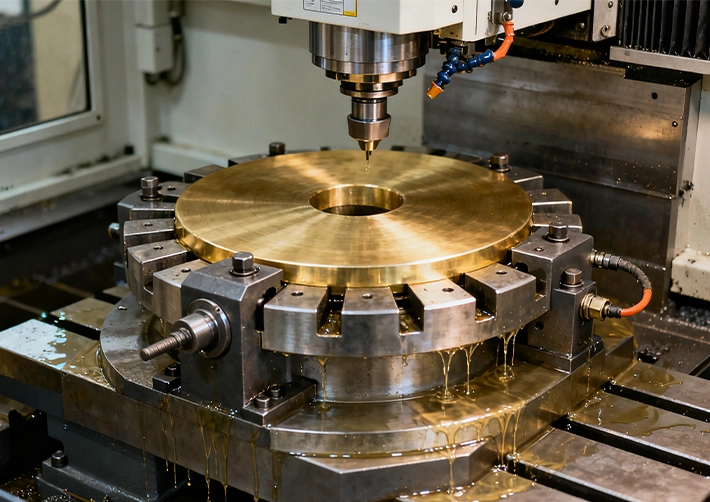
CNC Milling
3-axis, 4-axis and 5-axis CNC milling for alloy steel parts with pockets, slots, holes, contours and complex multi-side features.
Best for: Brackets, housings, tooling, fixtures and complex structural parts.

Precision CNC machining for 4140, 4130, 4340, 8620 and other alloy steels. We support prototypes, low-volume production and repeat orders with tolerances down to ±0.005 mm.
YUANYI machine alloy steel parts from prototypes to repeat production using multi-axis CNC milling, turning, mill-turn, Swiss machining and large-format gantry equipment. Our capabilities support complex geometries, tight tolerances and demanding mechanical applications.
| Capability | Specification |
|---|---|
| Max. Part Size | Up to 2300 × 1500 × 600 mm |
| Machining Tolerance | Down to ±0.005 mm |
| Surface Roughness | Typically Ra 1.6–3.2 μm; fine machining down to Ra 0.4–0.8 μm available |
| Machining Processes | 3-Axis, 4-Axis and 5-Axis CNC Milling, CNC Turning, Mill-Turn, Swiss Machining and Gantry CNC |
| Common Alloy Steel Grades | 4140 / 4140PH, 4130, 4340 and 8620 |
| Prototype Lead Time | As fast as 3–5 working days |
| Production Volume | Prototypes, low-volume production and repeat orders |
| Inspection Support | CMM inspection, dimensional reports, FAI and material certificates available |
We use different CNC machining processes based on part geometry, tolerance requirements and production volume. This allows us to manufacture both simple and complex alloy steel components efficiently.
3-axis, 4-axis and 5-axis CNC milling for alloy steel parts with pockets, slots, holes, contours and complex multi-side features.
Best for: Brackets, housings, tooling, fixtures and complex structural parts.
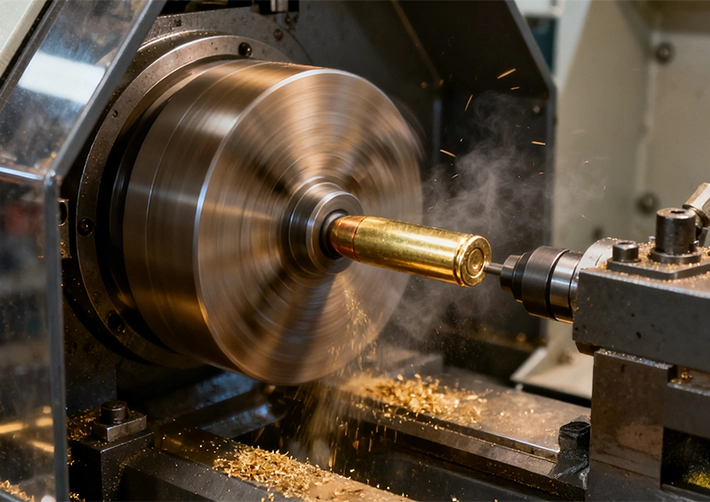
Precision CNC turning for shafts, pins, sleeves, bushings and other rotational alloy steel components.
Best for: Round parts requiring tight diameter, concentricity and surface finish control.
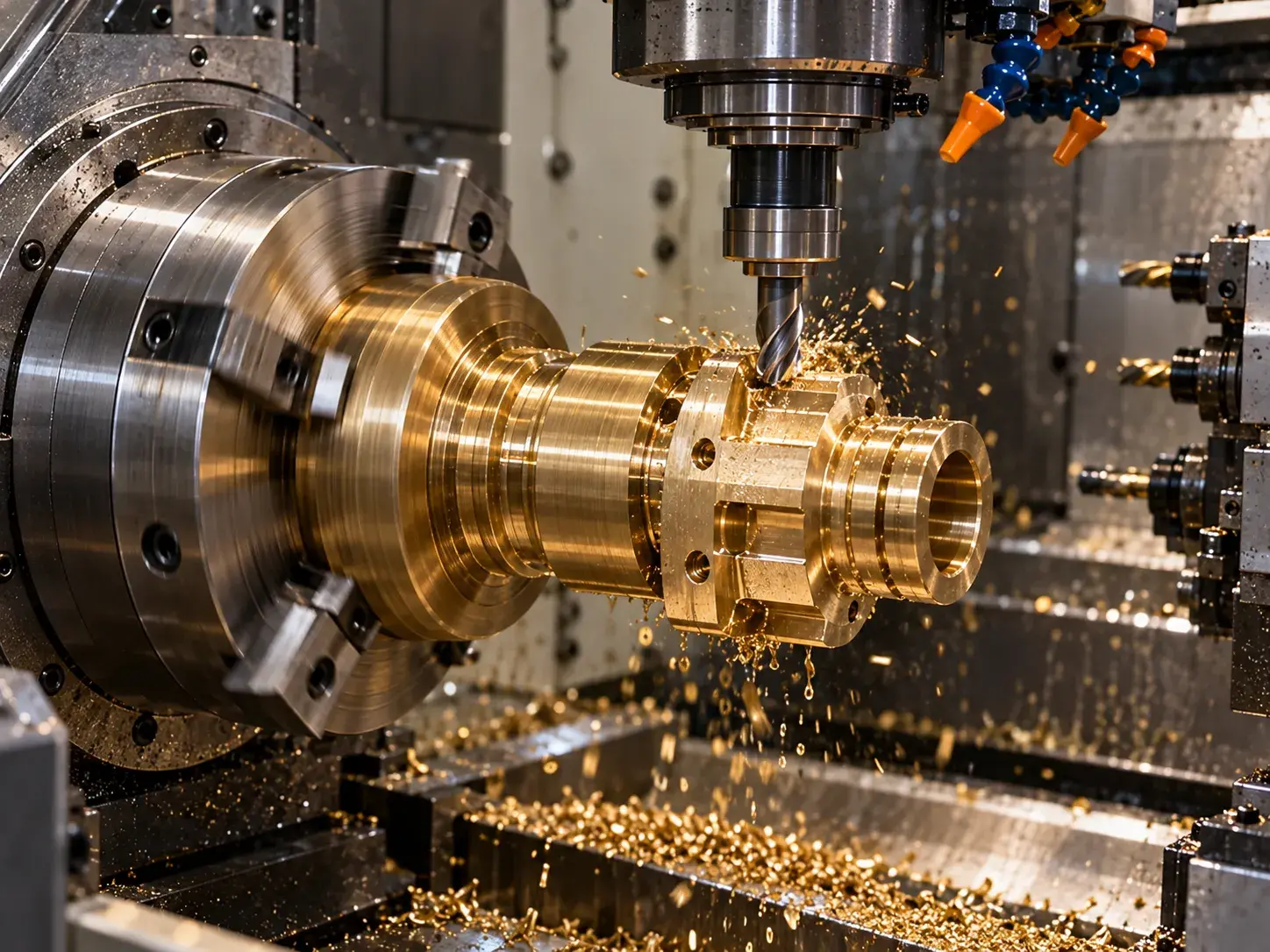
Mill-turn machining combines turning and milling in one setup, reducing repositioning and improving consistency on complex parts.
Best for: Shafts, connectors and components with cross holes, flats, slots or off-axis features.
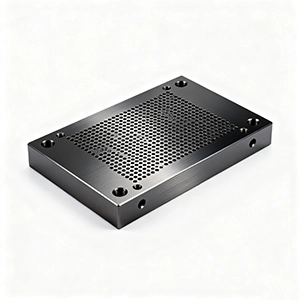
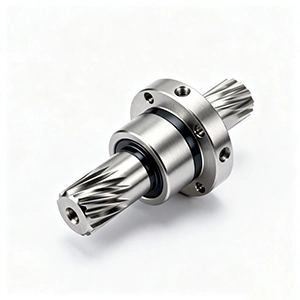
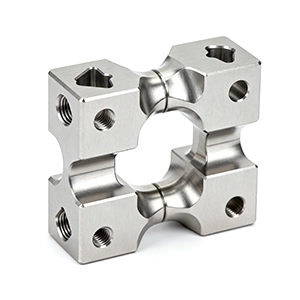
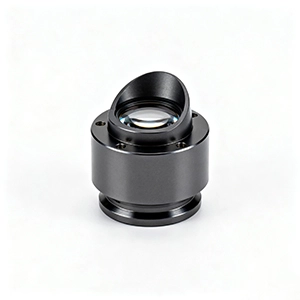
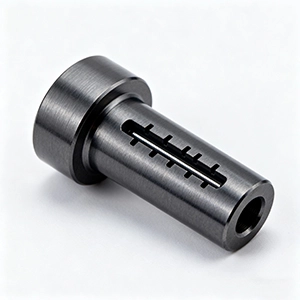
CNC machined alloy steel parts are widely used in applications that require high strength, toughness, wear resistance and reliable performance under load.
We inspect alloy steel parts throughout production to verify critical dimensions, tolerances and surface requirements. Inspection methods and documentation can be matched to your drawing and project requirements.
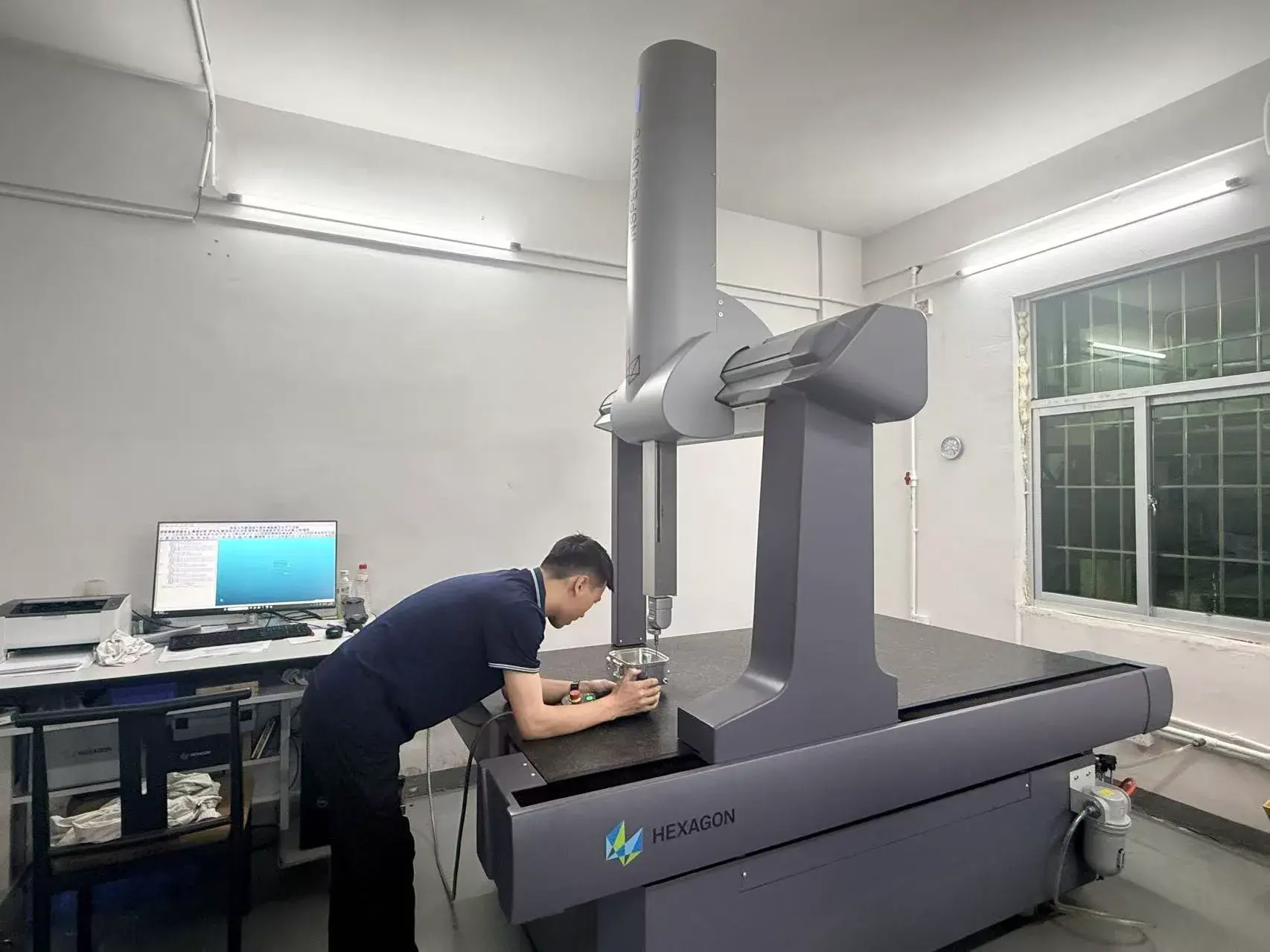
Coordinate measuring machines are used to verify critical dimensions, positions and complex geometric features.

Precision measuring tools are used to check diameters, lengths, threads, holes and other specified dimensions during and after machining.
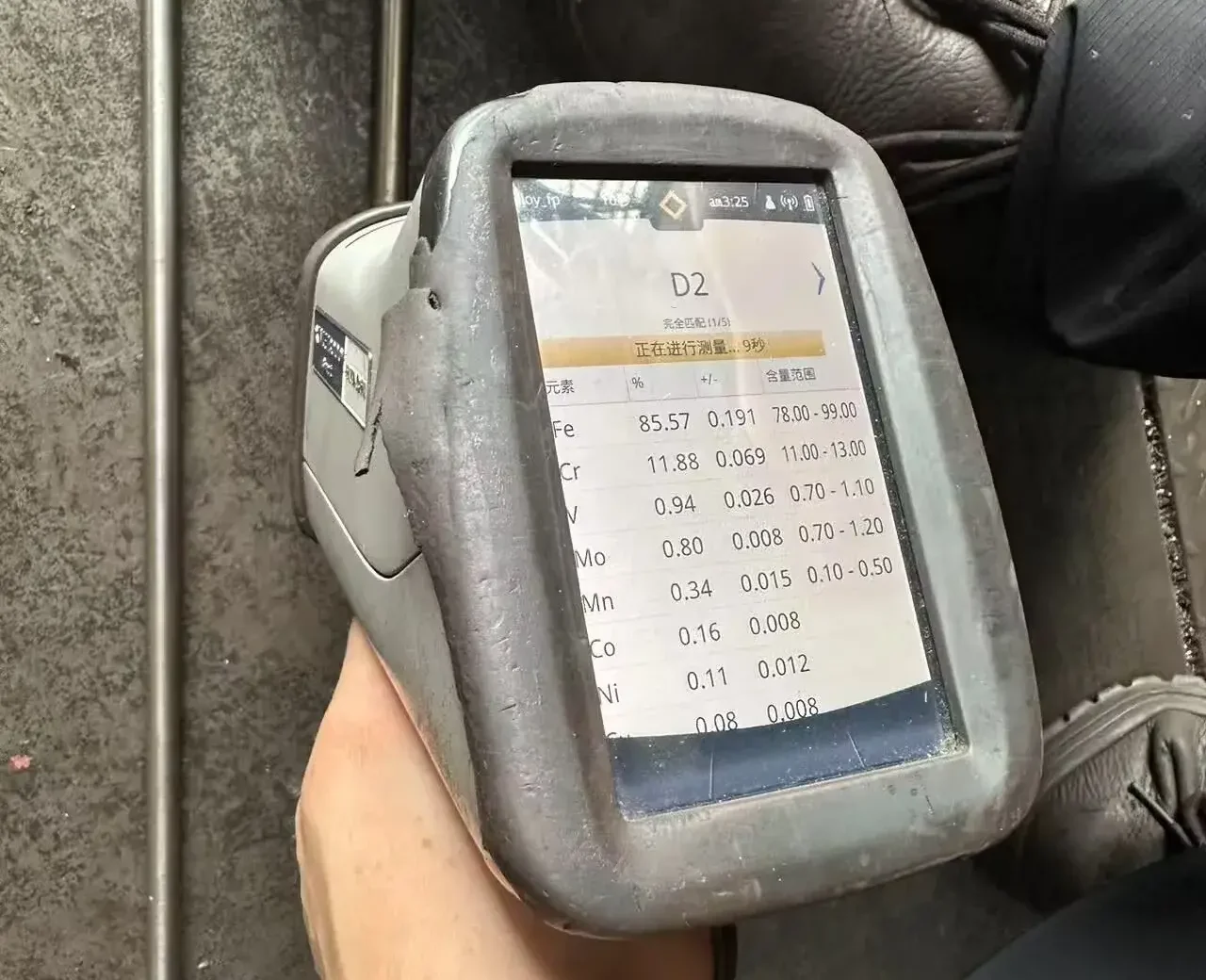
Surface roughness and hardness can be checked when required to confirm functional and finishing specifications.
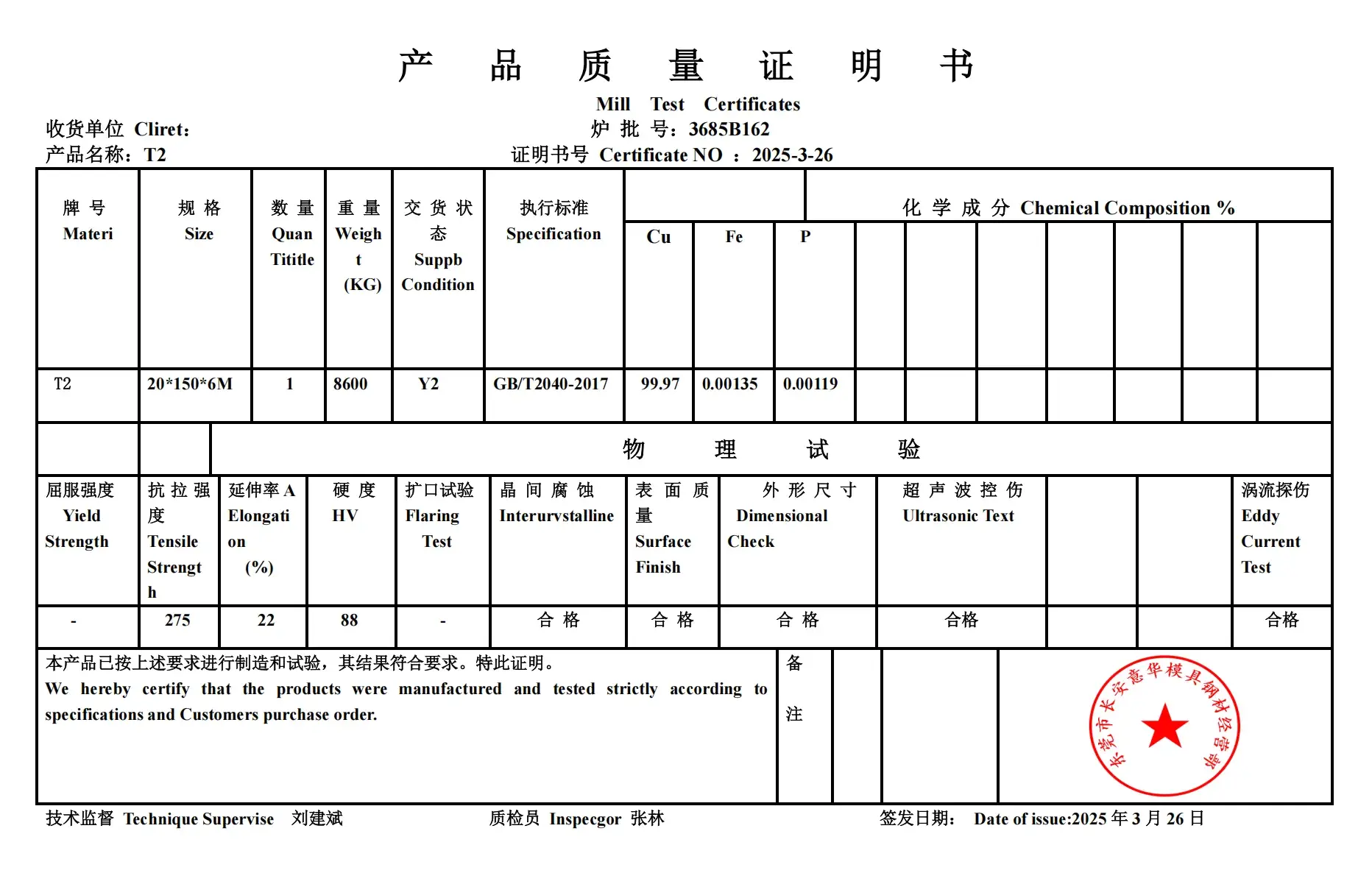
FAI, dimensional inspection reports and material certificates can be provided according to project requirements.
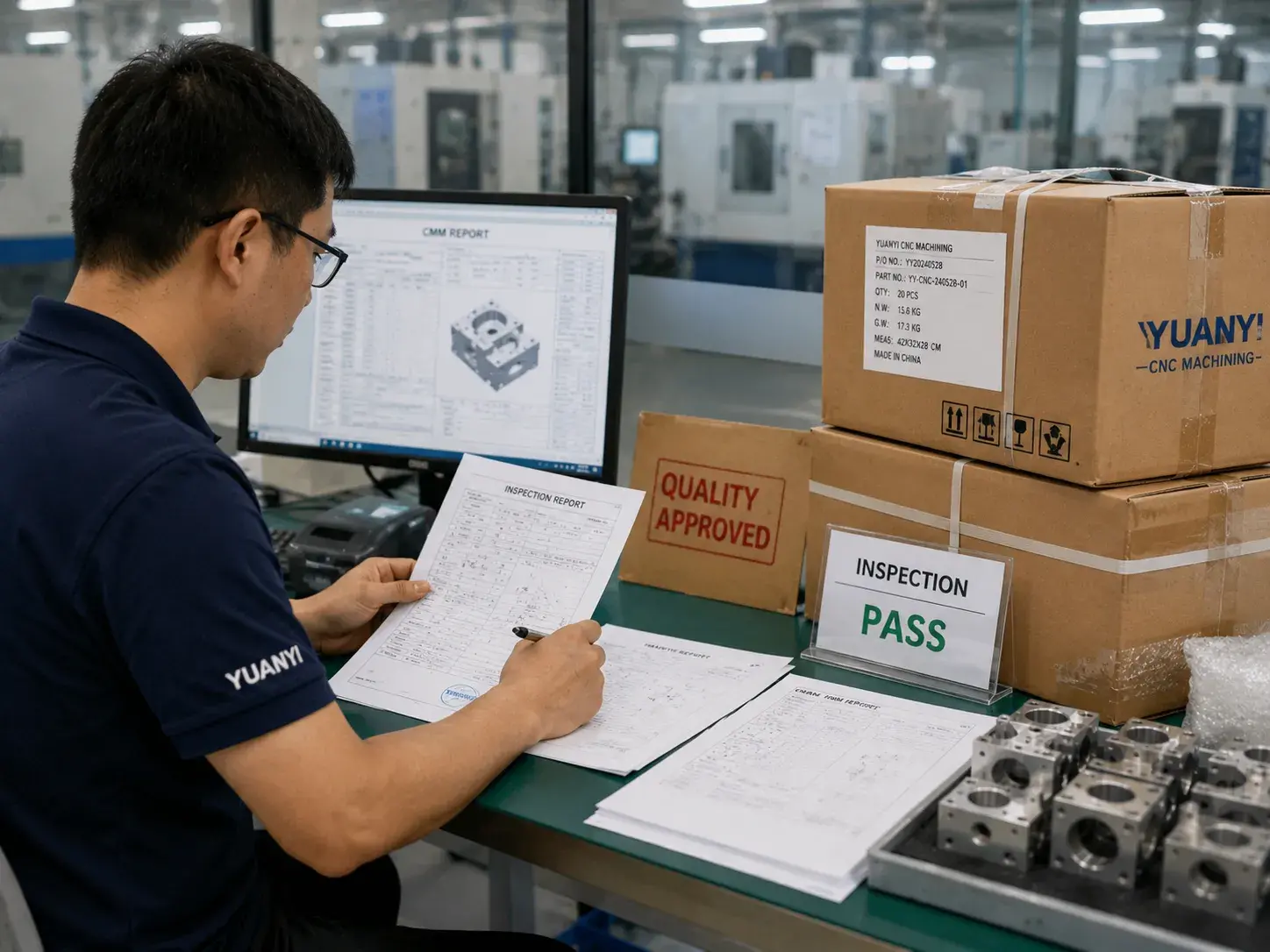
Parts are checked before shipment to confirm drawing requirements, appearance and quantity.
Send us your drawings, material grade, quantity and tolerance requirements. Our engineering team can review your project and provide a machining recommendation and quote.
Yes. Hardened alloy steel can be machined, but the final hardness, part geometry and tolerance requirements need to be reviewed first. Depending on the application, finish machining or grinding may be required after heat treatment.
Yes. The machining sequence can be planned around the heat-treatment process. For tight-tolerance parts, rough machining is often completed first, followed by heat treatment and final machining or grinding.
It depends on the required strength, toughness, wear resistance and heat-treatment condition. Common options include 4140, 4130, 4340 and 8620. You can send us your application requirements if you need help selecting a suitable grade.
Yes. Material certificates can be provided when required. Please specify any documentation requirements when requesting a quote.
Yes. We support prototypes, low-volume production and repeat orders, with no strict MOQ for most custom machining projects.
Typical precision machining tolerances can reach ±0.005 mm on suitable features. Final achievable tolerance depends on part size, geometry, material condition and heat treatment.
Yes. We support large-format CNC machining, including gantry machining for larger alloy steel components. Maximum part size depends on the selected process and machine setup.
Yes. We can support machining together with processes such as heat treatment, carburizing, nitriding, black oxide, zinc plating, nickel plating and other available finishes based on project requirements.
3D files such as STEP, STP, IGES or IGS are preferred for machining review. You can also send 2D drawings in PDF, DWG or DXF format with tolerances, material grade and quantity.
Most RFQs can be reviewed within 24 hours after we receive the drawing, material, quantity and tolerance requirements.