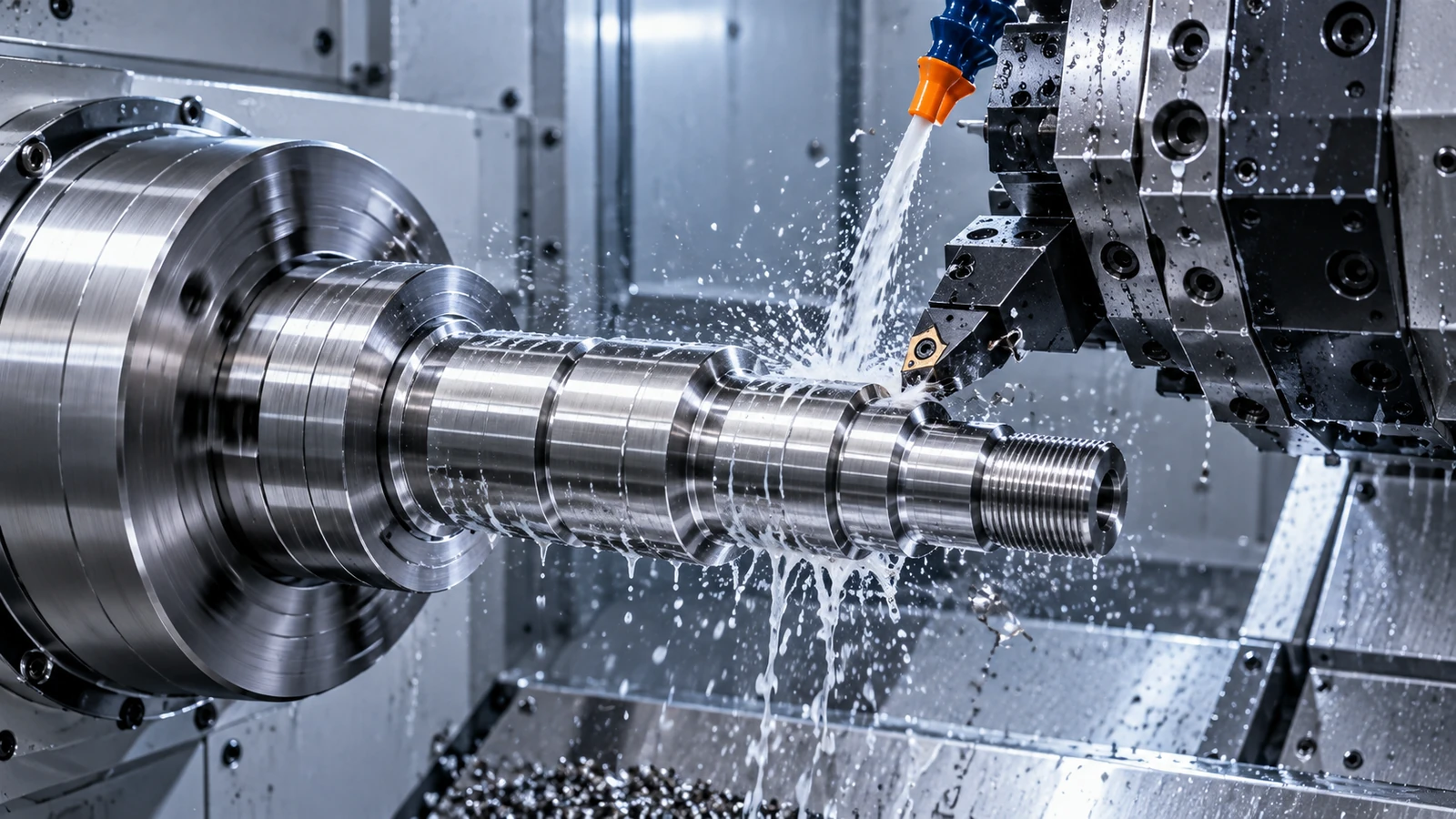
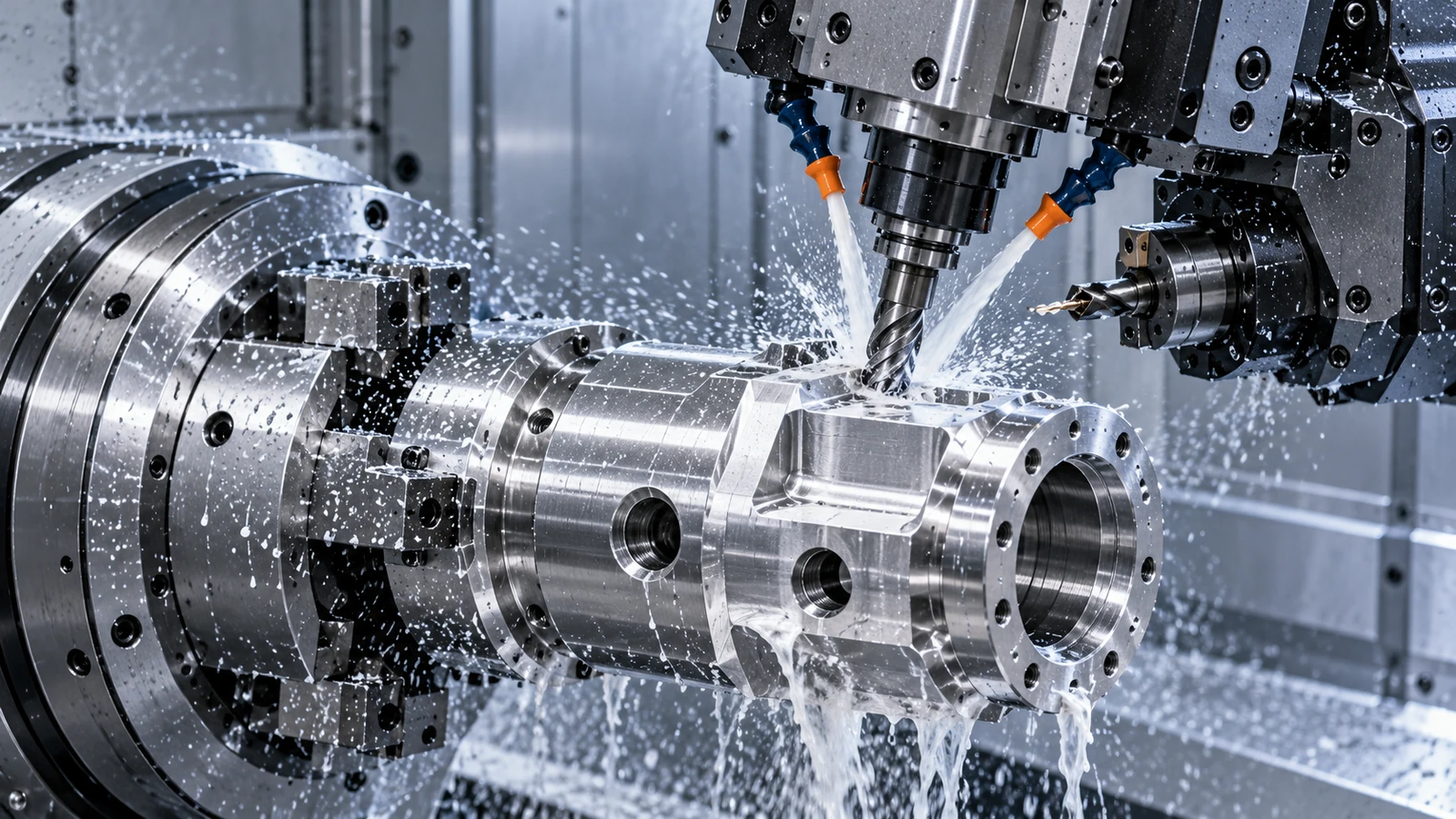
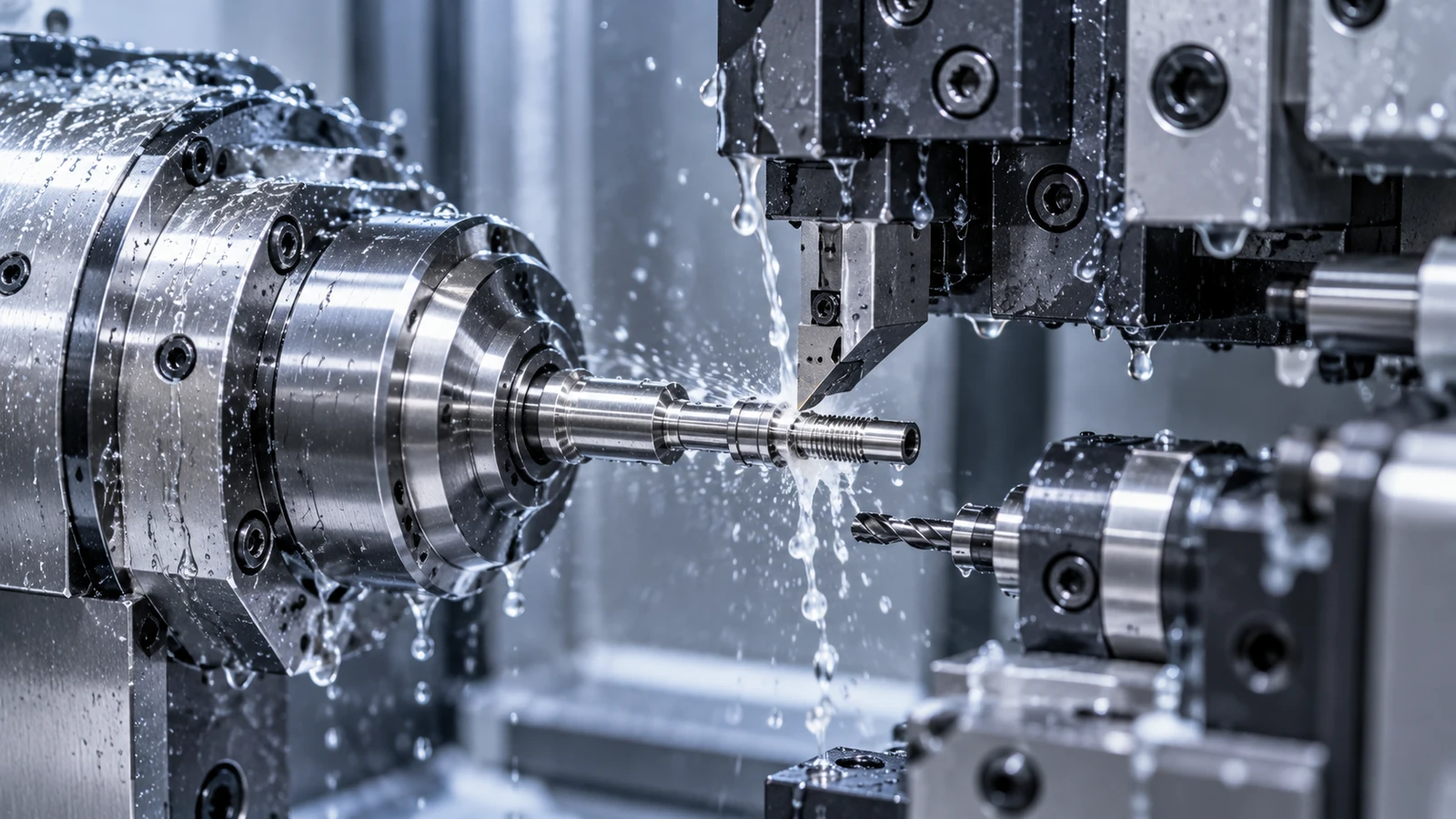
Nickel Alloy Machining Services

Get custom nickel and nickel alloy parts machined to your drawings. Our nickel alloy machining services support precision components, prototypes, and low-volume production.

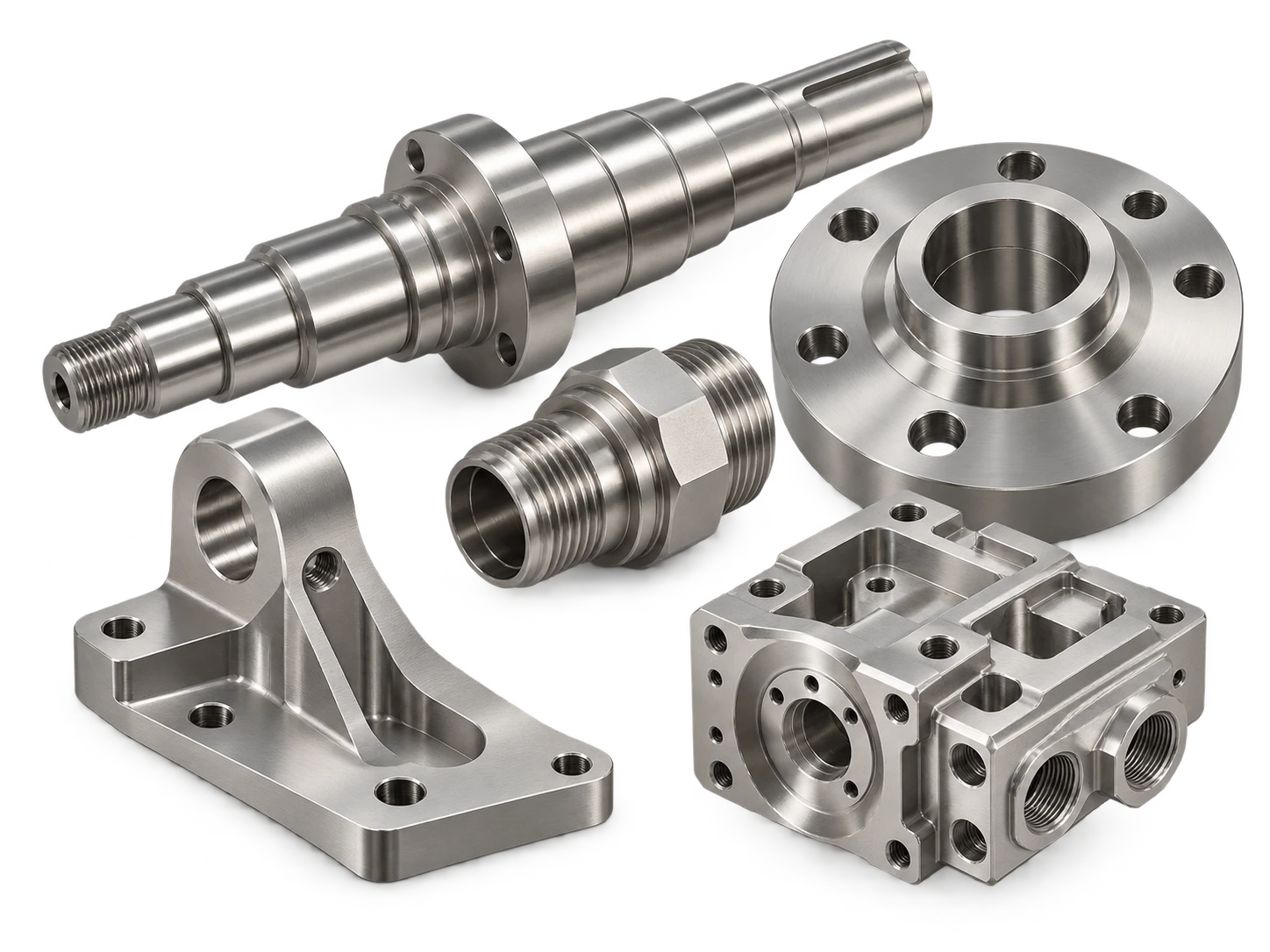
Custom CNC machined nickel alloy parts including precision shafts, flanges and fittings

What We Can Machine for You

From precision shafts to complex milled components, see our machining processes, tolerances, and production options for nickel and nickel alloy parts.

CapabilityRecommended Content
CNC Processes3-Axis, 4-Axis & 5-Axis Milling, CNC Turning, Mill-Turn & Swiss Machining
MaterialsNickel 200, Monel 400, Inconel 625, Hastelloy C-276
Machining ToleranceDown to ±0.005 mm on suitable features
Surface RoughnessRa 0.8–3.2 μm, depending on material and process
Maximum Part SizeBased on material grade, machine capacity, and part geometry
Production VolumeSingle Prototypes to Low-Volume Production
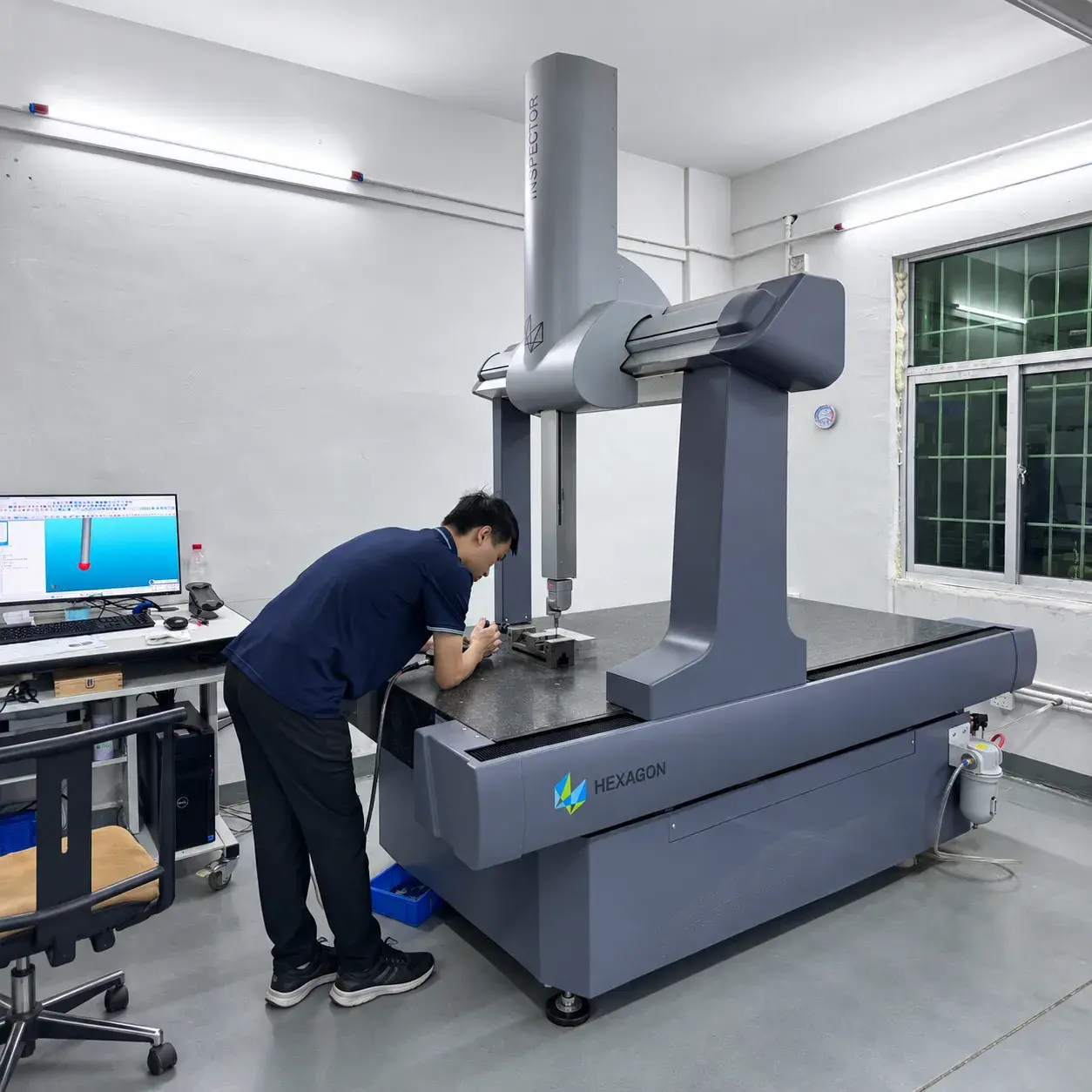
Quality InspectionCMM, Optical Measurement & Dimensional Reports

Titanium Grades We Machine

YUANYI provides CNC machining for custom titanium parts, including commercially pure titanium and titanium alloys. Grade 2 offers excellent corrosion resistance, while Grade 5 (Ti-6Al-4V) is widely selected for its high strength-to-weight ratio. We help customers evaluate material grades based on mechanical requirements, part geometry, and machining cost.

Nickel Grade / AlloyKey PropertiesTypical CNC Machined Parts
Nickel 200 Commercially Pure Nickel Good corrosion resistance, particularly in caustic environments, and useful electrical conductivity. Electrical contacts, chemical processing components, precision fittings.
Monel 400 Nickel-Copper Alloy Good corrosion resistance in seawater and many chemical environments. Marine fittings, valve components, pump parts.
Hastelloy C-276 Nickel-Chromium-Molybdenum Alloy Excellent resistance to many aggressive chemicals and corrosive processing environments. Chemical processing components, valve parts, corrosion-resistant fittings.

Parts We Machine in Nickel Alloys

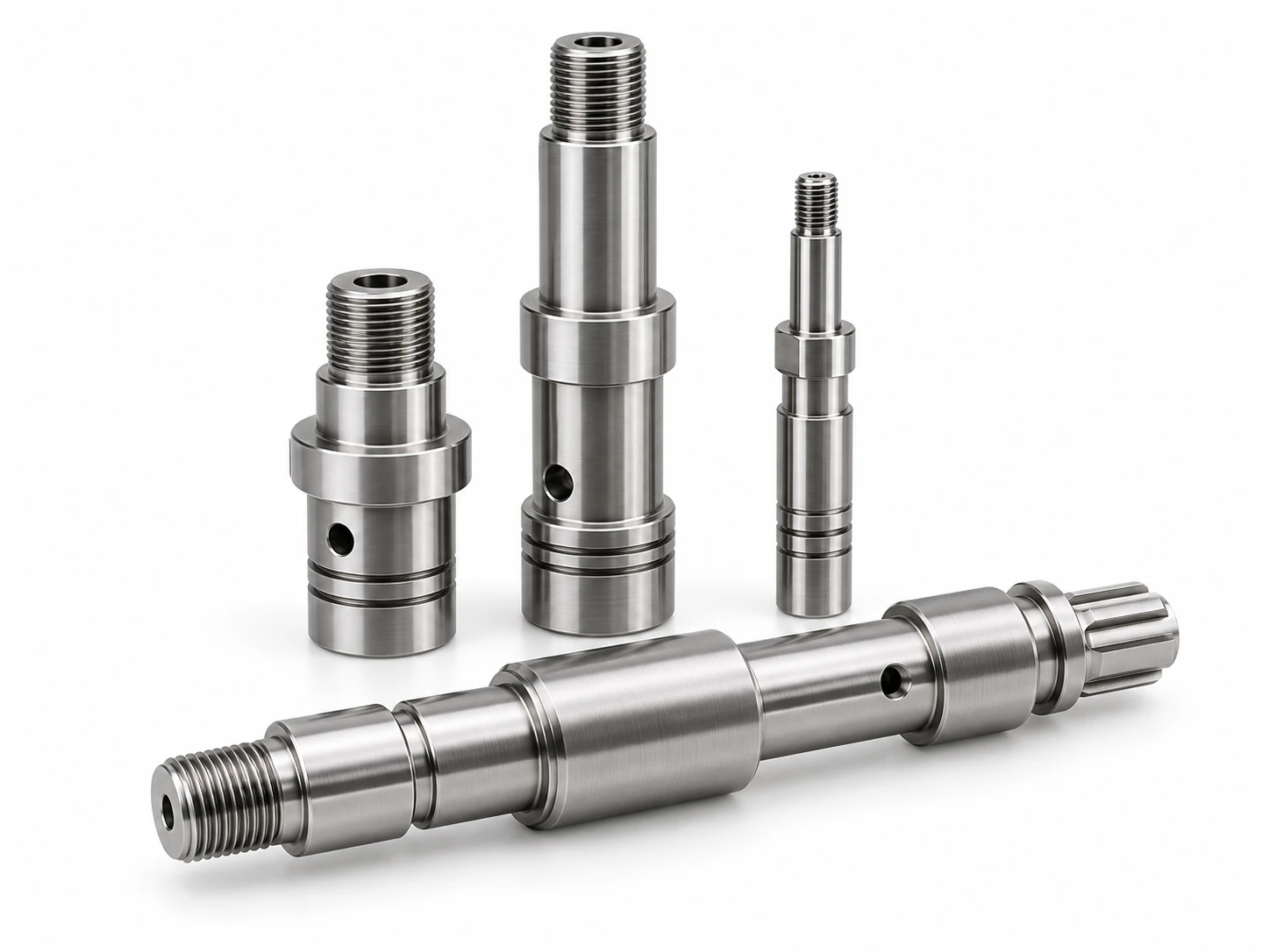
Precision CNC machined nickel alloy shafts and pins with stepped diameters, grooves and threaded ends

Precision Shafts & Pins

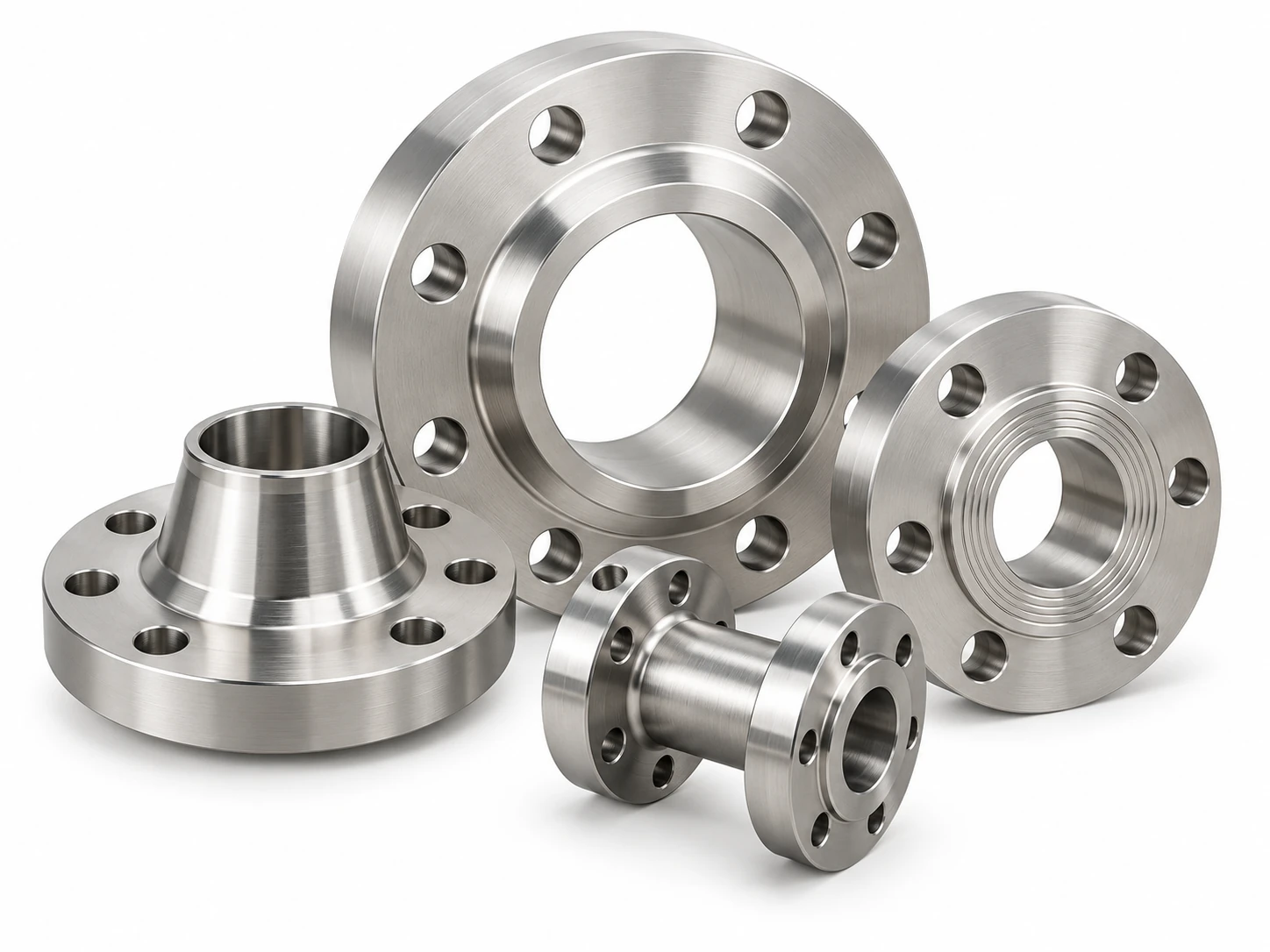
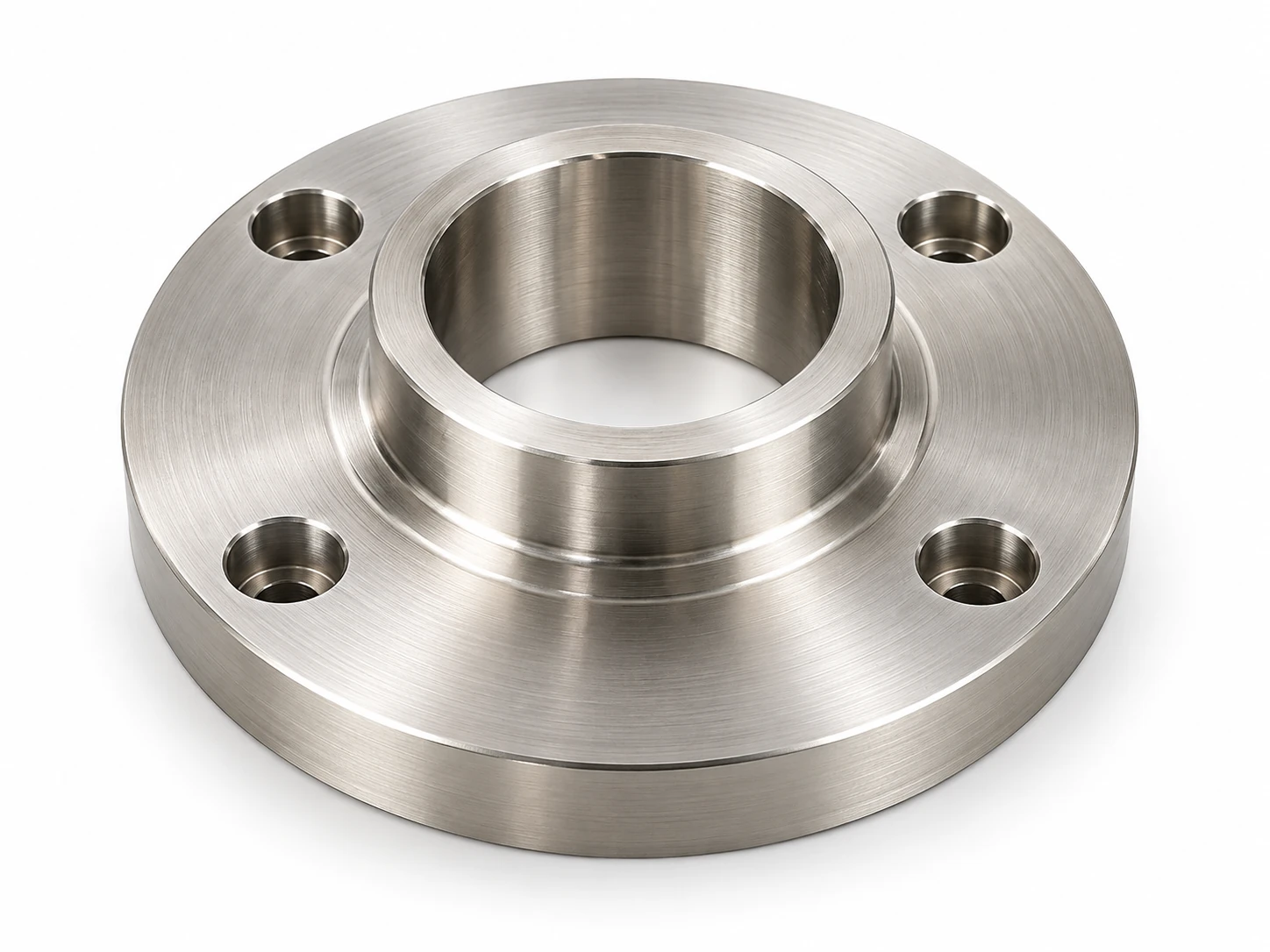
Custom CNC machined nickel alloy flanges and connectors with precision bores and mounting holes

Flanges & Connectors

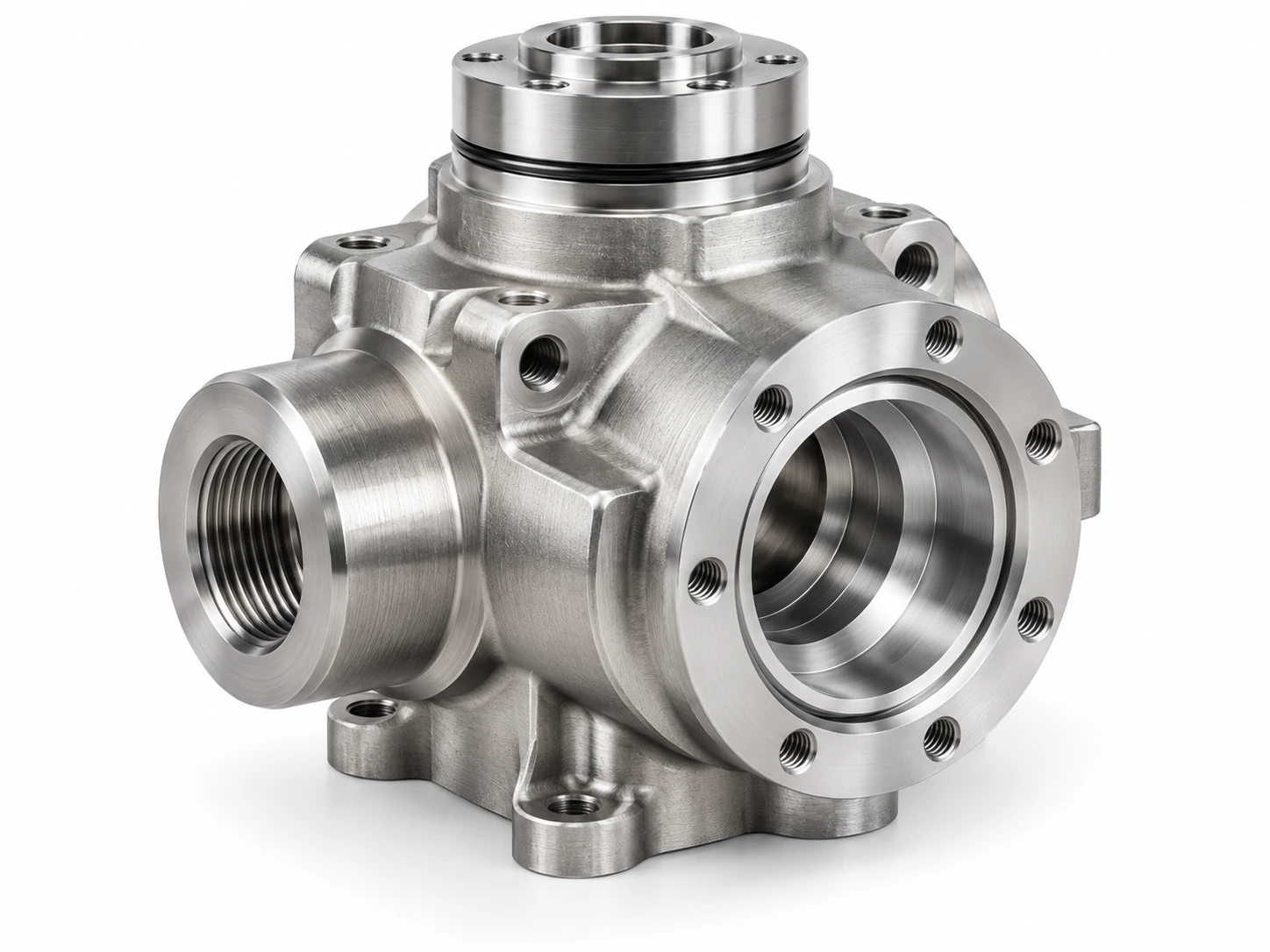
Precision CNC machined nickel alloy valve housing with threaded ports and sealing surfaces

Valve & Pump Components

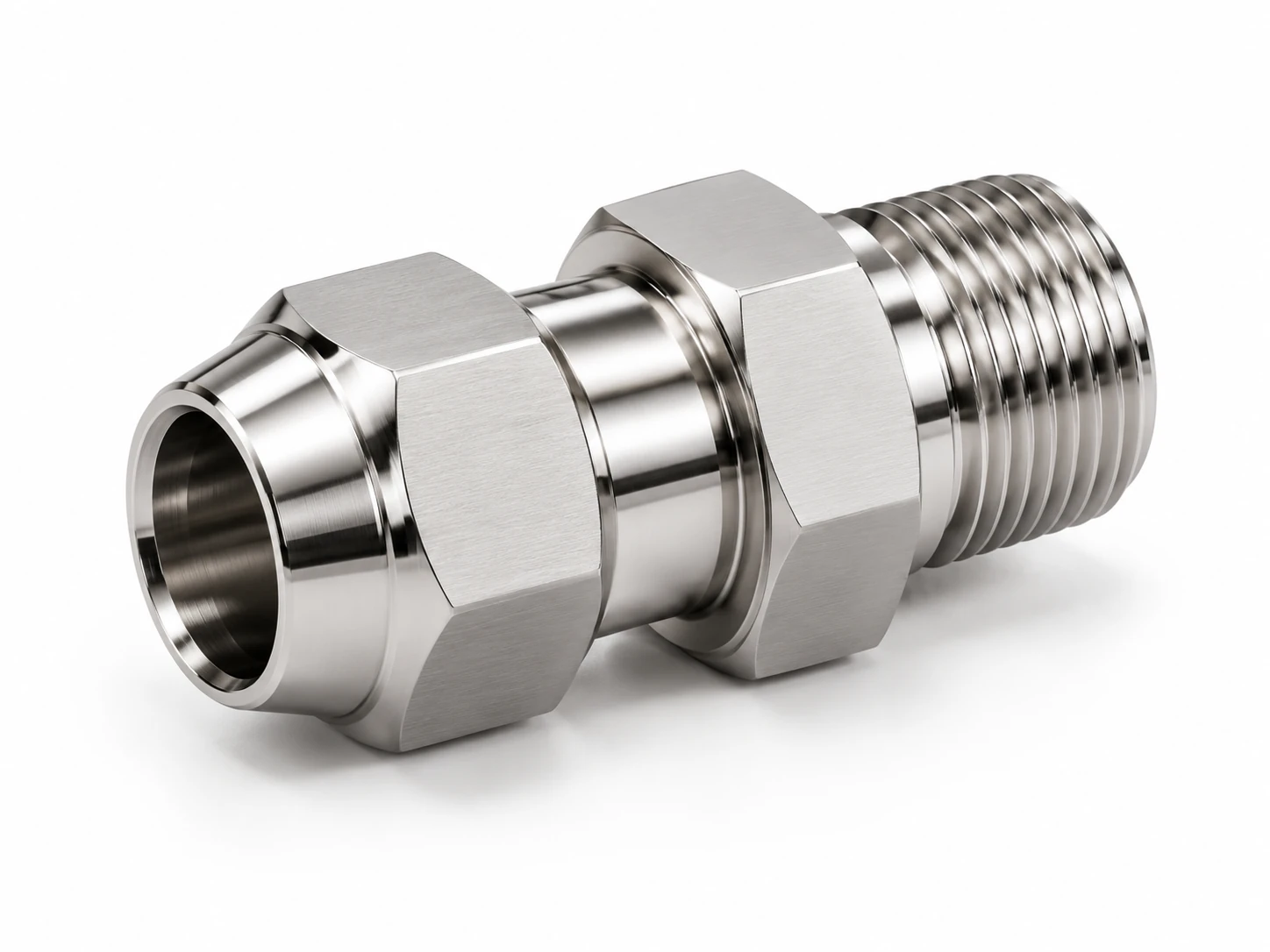
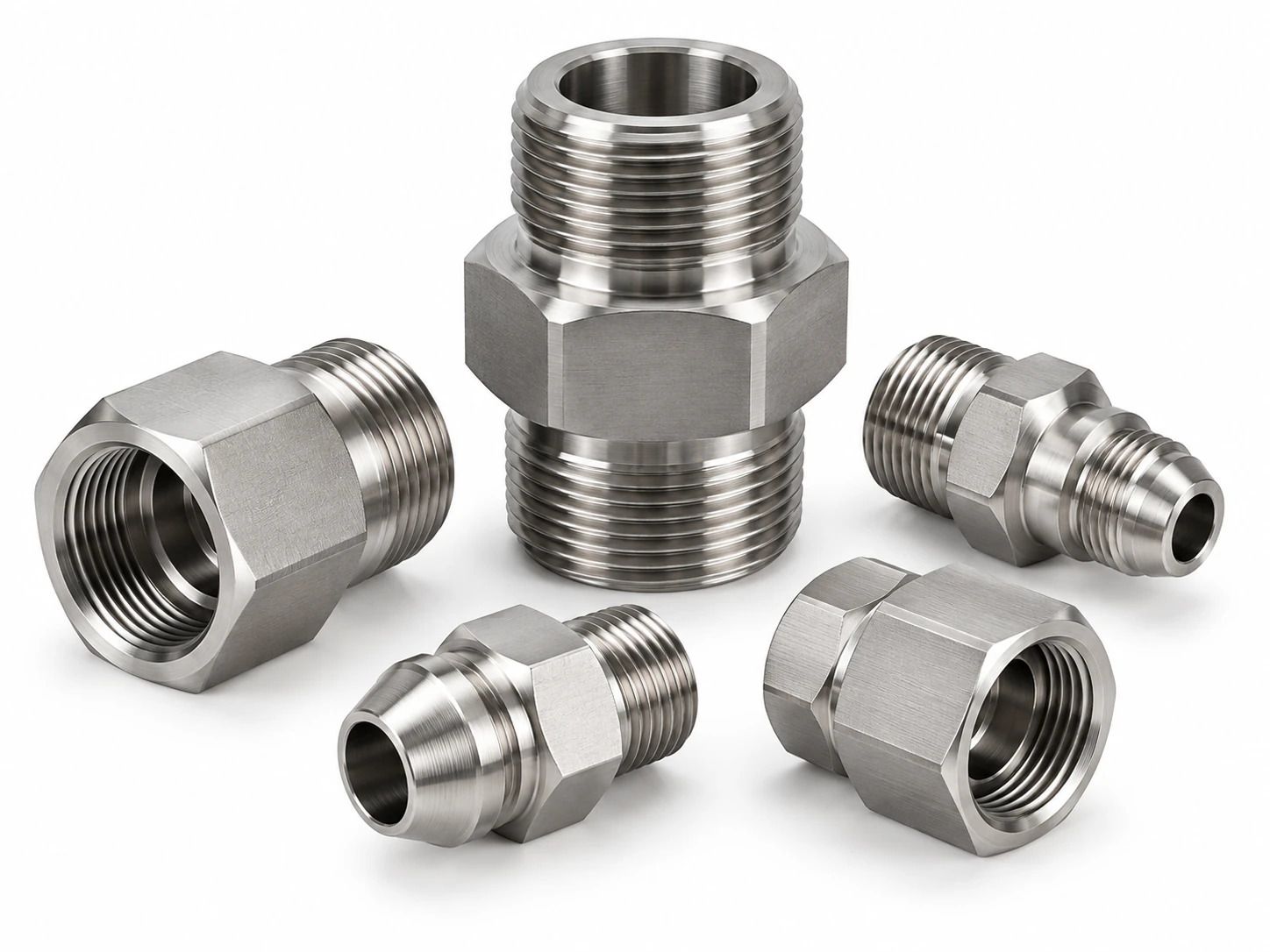
CNC turned nickel alloy fittings and adapters with external threads, internal threads and hexagonal flats

Threaded Fittings & Adapters

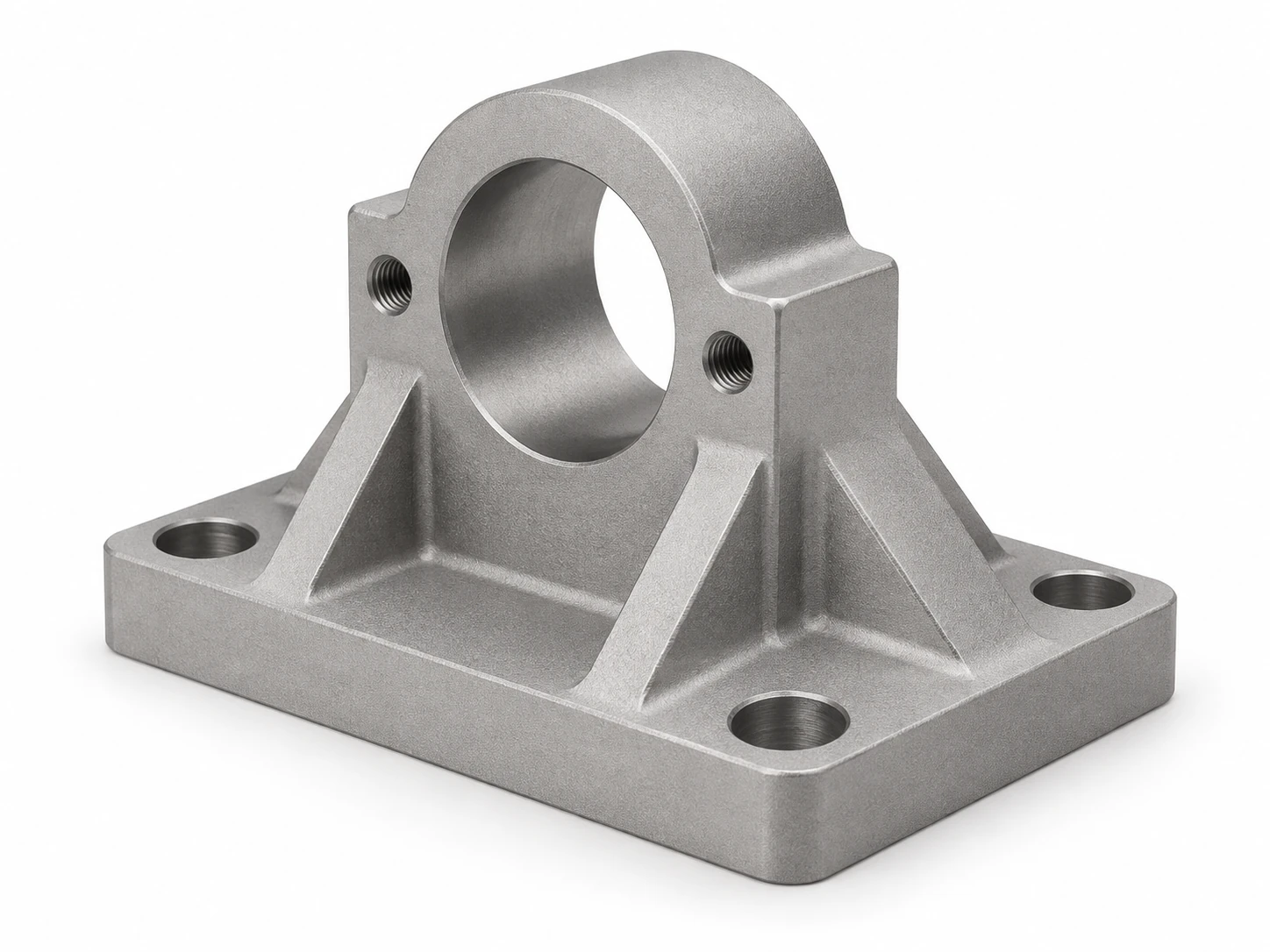
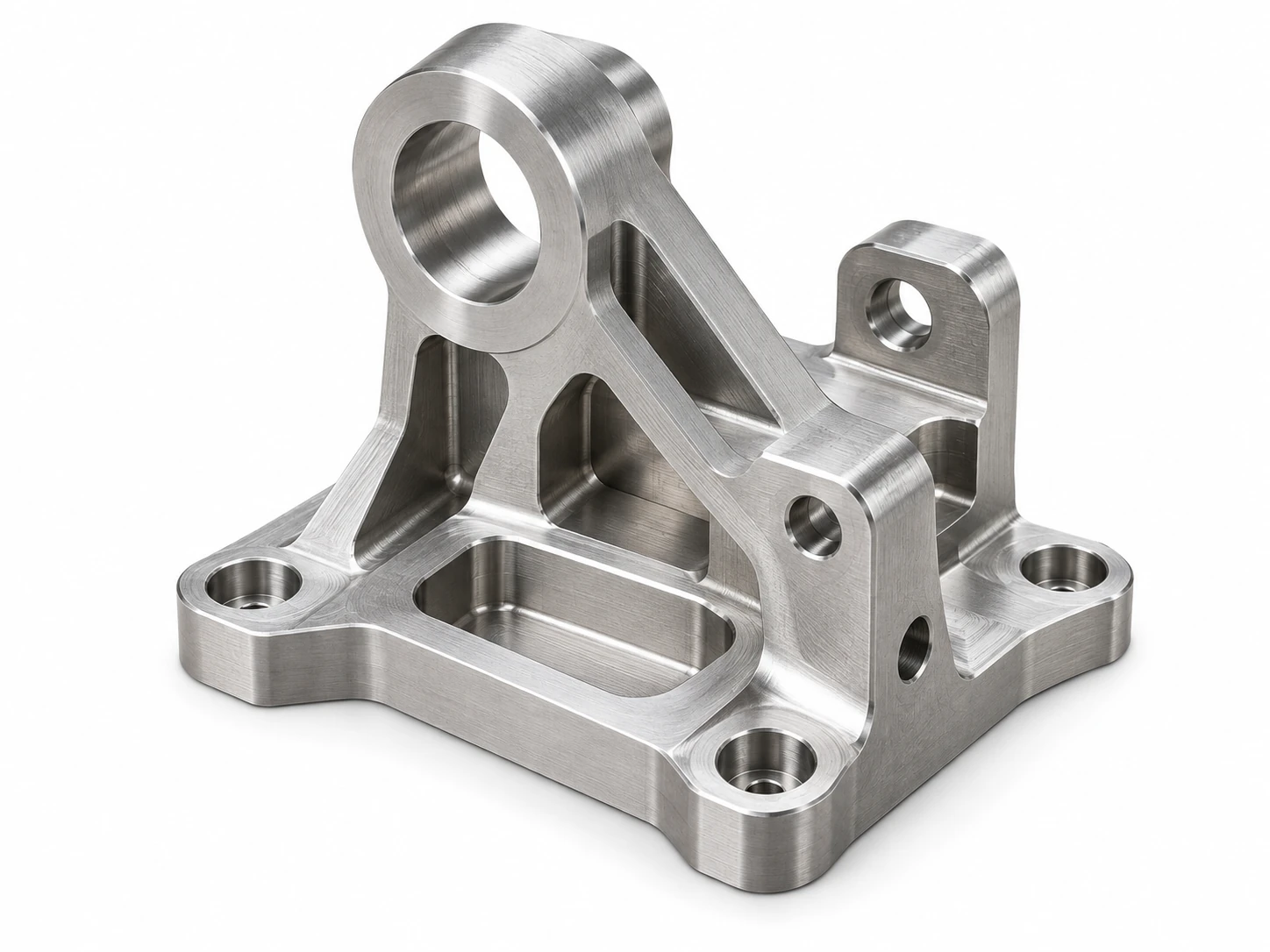
Custom CNC milled nickel alloy mounting bracket with precision holes, pockets and support ribs

Brackets & Mounting Parts

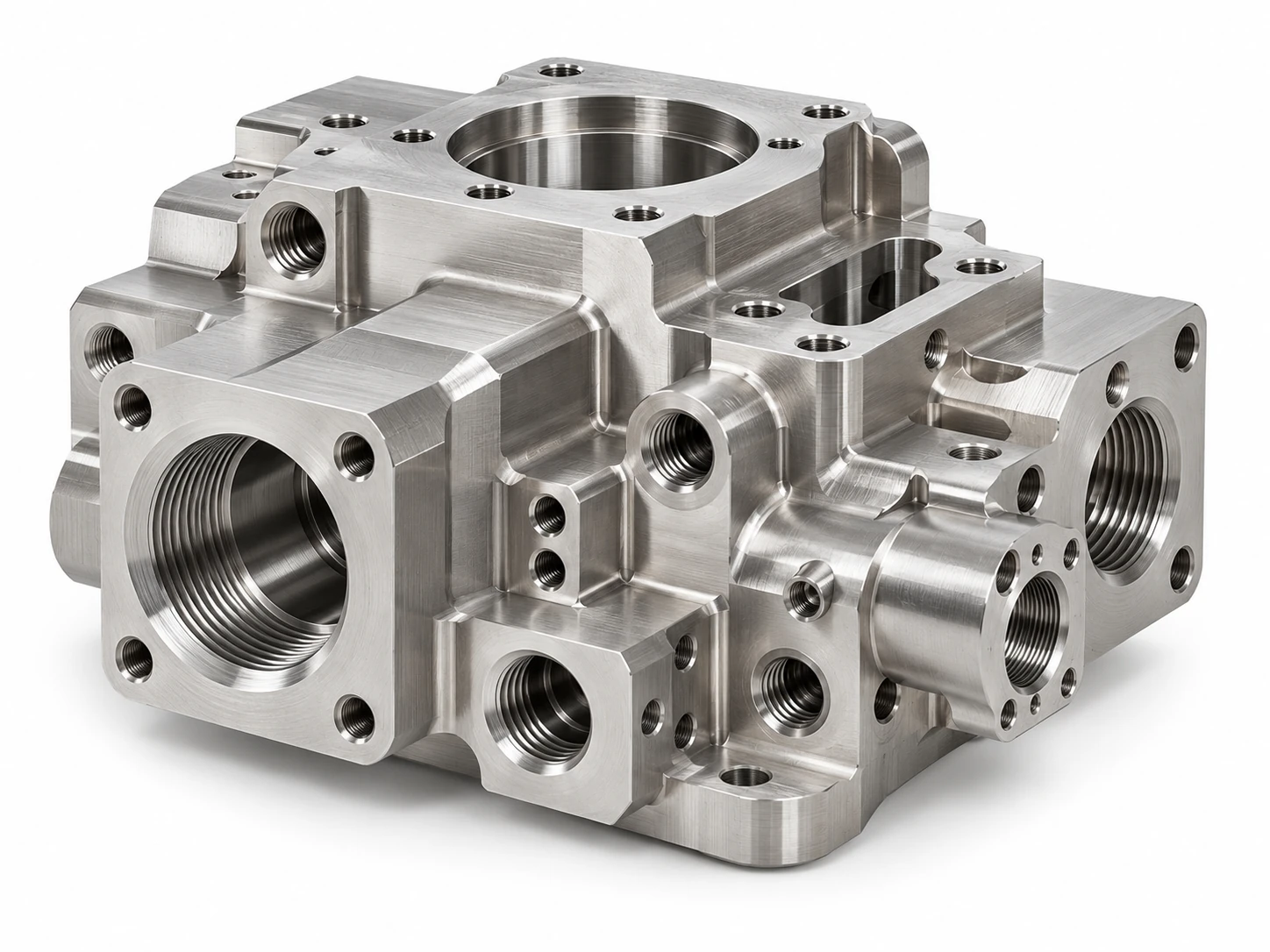
Complex CNC machined nickel alloy mechanical component with multiple threaded ports, bores and milled features

Complex Mechanical Components

Have a similar nickel alloy part? Send us your drawing for a free quote.

How We Machine Your Nickel Parts

From complex milled components to small precision turned parts, we use different CNC machining processes based on your part geometry, tolerances, and production needs.

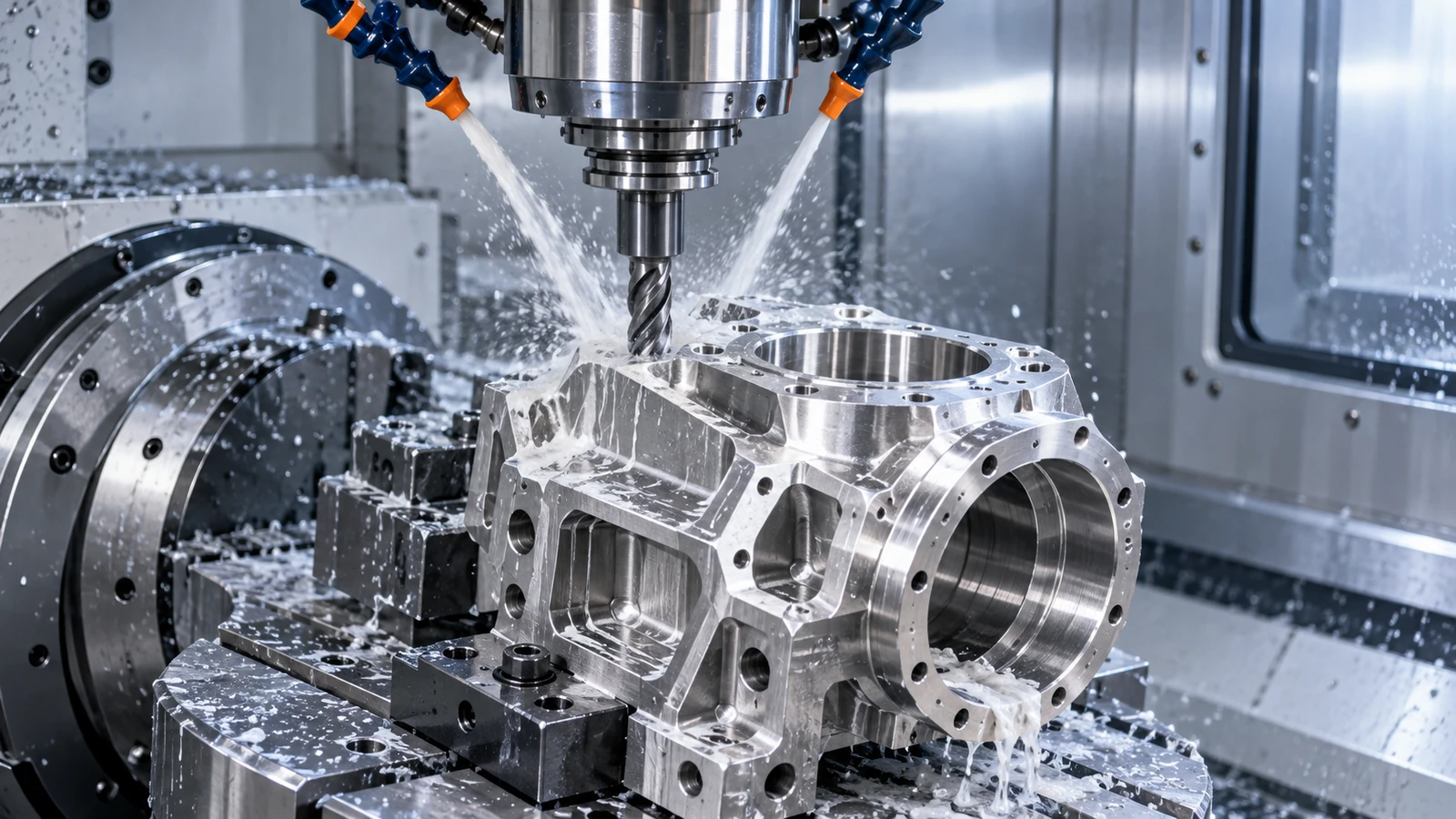
CNC milling of a precision nickel alloy component with complex machined features

CNC Milling Services

Machine brackets, flanges, and complex nickel alloy parts with precision pockets, holes, and multi-sided features.

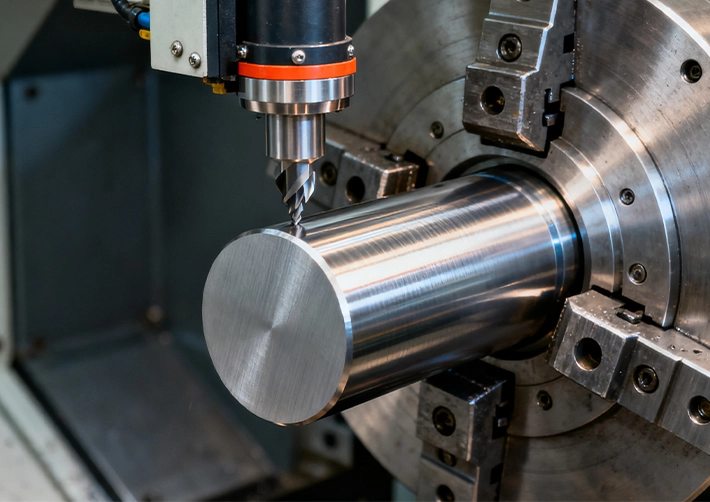
CNC turning process for a precision nickel alloy shaft

CNC Turning Services

Produce shafts, pins, sleeves, and fittings with accurate diameters, bores, shoulders, and threads.

CNC mill-turn machining of a custom nickel alloy mechanical component

Mill-Turn Machining Services

Combine turning and milling for nickel parts with cross-holes, flats, and other features, reducing separate setups.

Swiss CNC machining of small precision nickel alloy turned components

Swiss CNC Machining Services

Machine small, slender nickel components with precise diameters and detailed turned features.

How We Handle Nickel Machining Challenges

Nickel alloys can be difficult to machine due to work hardening, heat buildup, and tool wear. Here’s how we address these challenges to maintain part quality.

Work Hardening

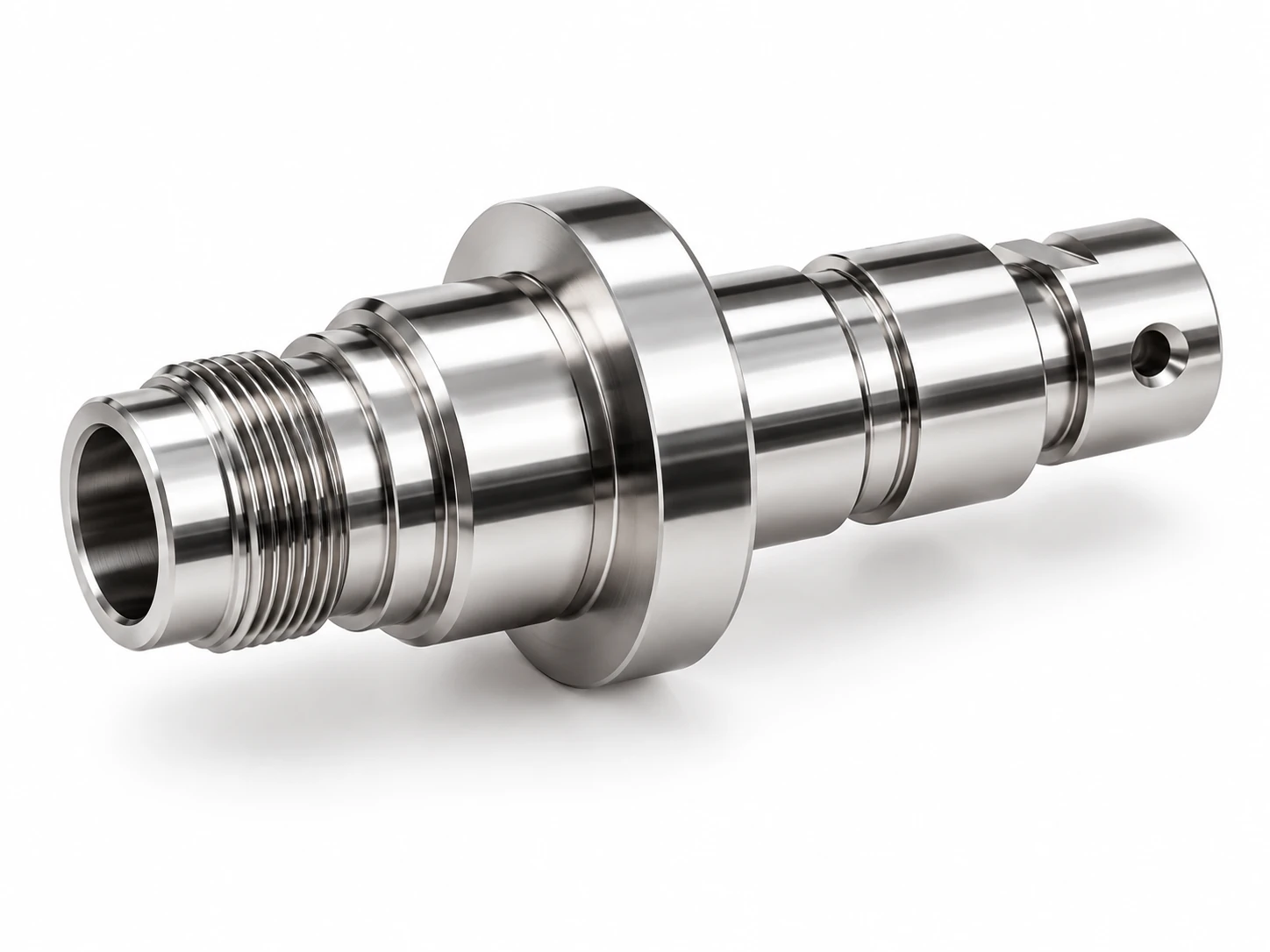
Nickel alloys such as Inconel 625 can work-harden during cutting, making subsequent passes more difficult and increasing tool wear.

OUR APPROACH

Use suitable cutting tools, consistent feeds, and controlled tool engagement to limit excessive work hardening.
Heat Buildup During Cutting

Many nickel alloys retain heat near the cutting zone, which can shorten tool life and affect machining stability.

OUR APPROACH

Adjust cutting speeds and apply effective coolant delivery to help control cutting temperatures.

Tool Wear & Surface Finish

High cutting forces and abrasive behavior in certain nickel alloys can accelerate tool wear and affect surface quality.

OUR APPROACH

Choose suitable carbide tooling, monitor tool condition, and plan finishing passes based on surface requirements.

Distortion & Dimensional Accuracy

Thin walls and complex features may deflect under cutting forces or residual stresses, affecting final dimensions.

OUR APPROACH

Use stable fixturing, controlled material removal, and suitable finishing allowances to protect critical dimensions.

Surface Finishing for Nickel Parts

Many nickel and nickel alloy parts can be used as-machined. When needed, additional finishing can improve surface smoothness, cleanliness, or appearance.

CNC machined nickel alloy component with visible machining marks and satin metallic finish

As-Machined Finish

Retains the original machined surface without additional finishing.

Mechanically polished nickel alloy component with smooth reflective metal surfaces

Mechanical Polishing

Improves surface smoothness and appearance on selected features.

Precision nickel alloy fitting with smooth bright metallic surface representing electropolishing

Electropolishing

Smooths compatible nickel alloy surfaces for improved cleanliness and finish.

Bead blasted nickel alloy component with uniform matte metallic surface

Bead Blasting

Creates a uniform matte finish and reduces visible machining marks.

Finishing Requirements Matter:Specify any required surface roughness, protected areas, or finish standards in your drawing. Not every finishing process is suitable for every nickel alloy or precision feature.

How We Check Your Nickel Parts

Every part is checked against your drawings, from critical dimensions and material specifications to surface finish and final inspection requirements.

CMM inspection for precision CNC machined parts
Material & Grade Verification

Nickel grades and material specifications are checked against project requirements. Material certificates can be arranged when requested.

Precision Dimensional Inspection

CMMs and suitable measuring instruments are used to check critical dimensions, hole positions, and geometric tolerances against approved drawings.

Surface & Edge Inspection

Surface roughness, machined edges, burrs, and critical sealing features are checked against specified finish and workmanship requirements.

Inspection Reports & Documentation

Dimensional inspection reports, First Article Inspection (FAI), and material certificates can be arranged according to project requirements.

Frequently Asked Questions

It depends on the grade and material condition. Nickel 200 can be relatively soft and gummy, while alloys such as Inconel 625 require tighter control of cutting heat, work hardening, and tool wear.

Nickel 200 is commercially pure nickel, often selected for chemical processing and electrical applications. Inconel 625 is a nickel-based alloy designed for greater strength and corrosion resistance in demanding environments.

Yes. Both can be machined using suitable tooling, cutting parameters, and process planning. Their machinability differs, so tolerances, lead times, and machining methods should be evaluated for each part.

Tolerances down to ±0.005 mm may be achievable on suitable features. Actual accuracy depends on the alloy, part geometry, machining process, and inspection requirements.

Some nickel alloys require carefully selected carbide tools and controlled cutting conditions to manage work hardening, high cutting forces, and tool wear. Tooling depends on the grade and material condition.

Not always. Many nickel alloy parts can be used as-machined. Mechanical polishing, electropolishing, or bead blasting may be considered when surface smoothness, cleanliness, or appearance is important.

Nickel alloy parts may cost more because of raw material prices, slower machining, tool wear, and inspection requirements. Geometry, tolerances, quantity, and material grade also affect the final cost.

Yes. YUANYI supports one-off prototypes and low-volume production with no minimum order quantity. Material availability, machining feasibility, and delivery time are confirmed during quotation.

Ready to Machine Your Nickel Parts?

From one-off prototypes to low-volume production, we machine custom nickel and nickel alloy parts to your drawings. Send us your design for a free DFM review and quotation.

Prototypes · Low-Volume Production · DFM Support

Have a CAD Drawing Ready?

Send us your CAD drawing, nickel grade, quantity, and delivery requirements. We’ll review your project and prepare a quotation.

Request A Quote
Upload your drawing and get a quote within 24 hours.