
Maintain Adequate Wall Thickness
Very thin titanium walls can deflect during machining, especially around deep pockets. Use sufficient wall thickness and add supporting ribs where the design allows.

YUANYI provides custom titanium CNC machining services for precision prototypes and low-volume production. Our 3-, 4-, and 5-axis CNC milling and turning capabilities support complex titanium parts, including Grade 2 and Grade 5 (Ti-6Al-4V), with engineering support from design review to final inspection.
Achievable Tolerance
Rapid Prototyping
Complex Titanium Parts
Quality Management
YUANYI offers precision titanium CNC machining for custom prototypes and low-volume production. Our milling and turning capabilities support complex features, tight-tolerance components, and multi-sided machining. We review each part’s material grade, geometry, and tolerance requirements to recommend a suitable manufacturing approach.
| Capability | YUANYI Titanium Machining |
|---|---|
| Titanium Materials | Grade 2, Grade 5 (Ti-6Al-4V) |
| Achievable Tolerance | ±0.005 mm for suitable features |
| Surface Roughness | Ra 0.8–3.2 μm, depending on process |
| Maximum Part Size | Reviewed according to machine capacity and part geometry |
| Production Volume | Single Prototypes to Low-Volume Production |
| Prototype Lead Time | Typically 3–5 business days for suitable parts |
| Quality Inspection | Dimensional Inspection, CMM, FAI Upon Request |
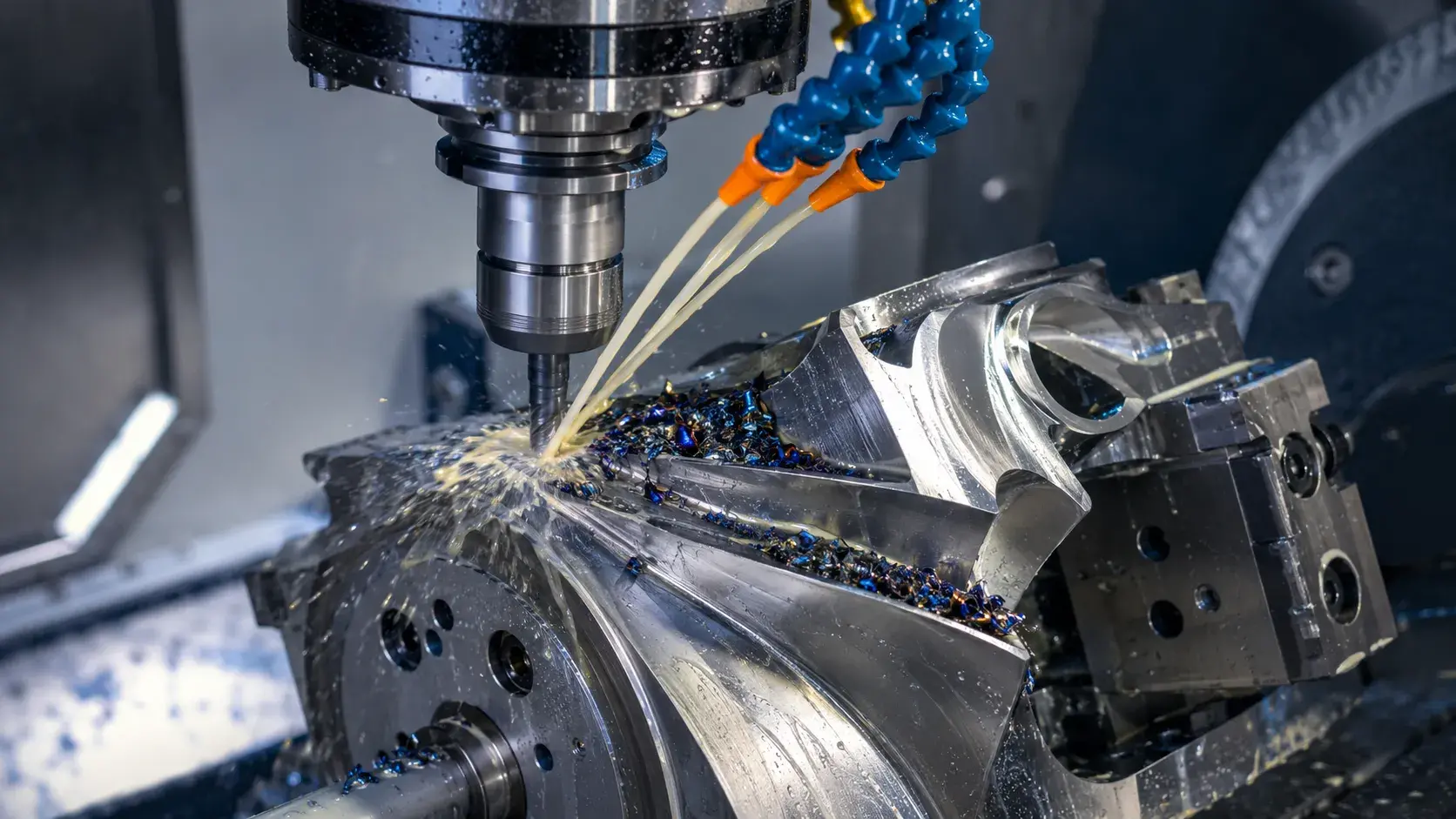
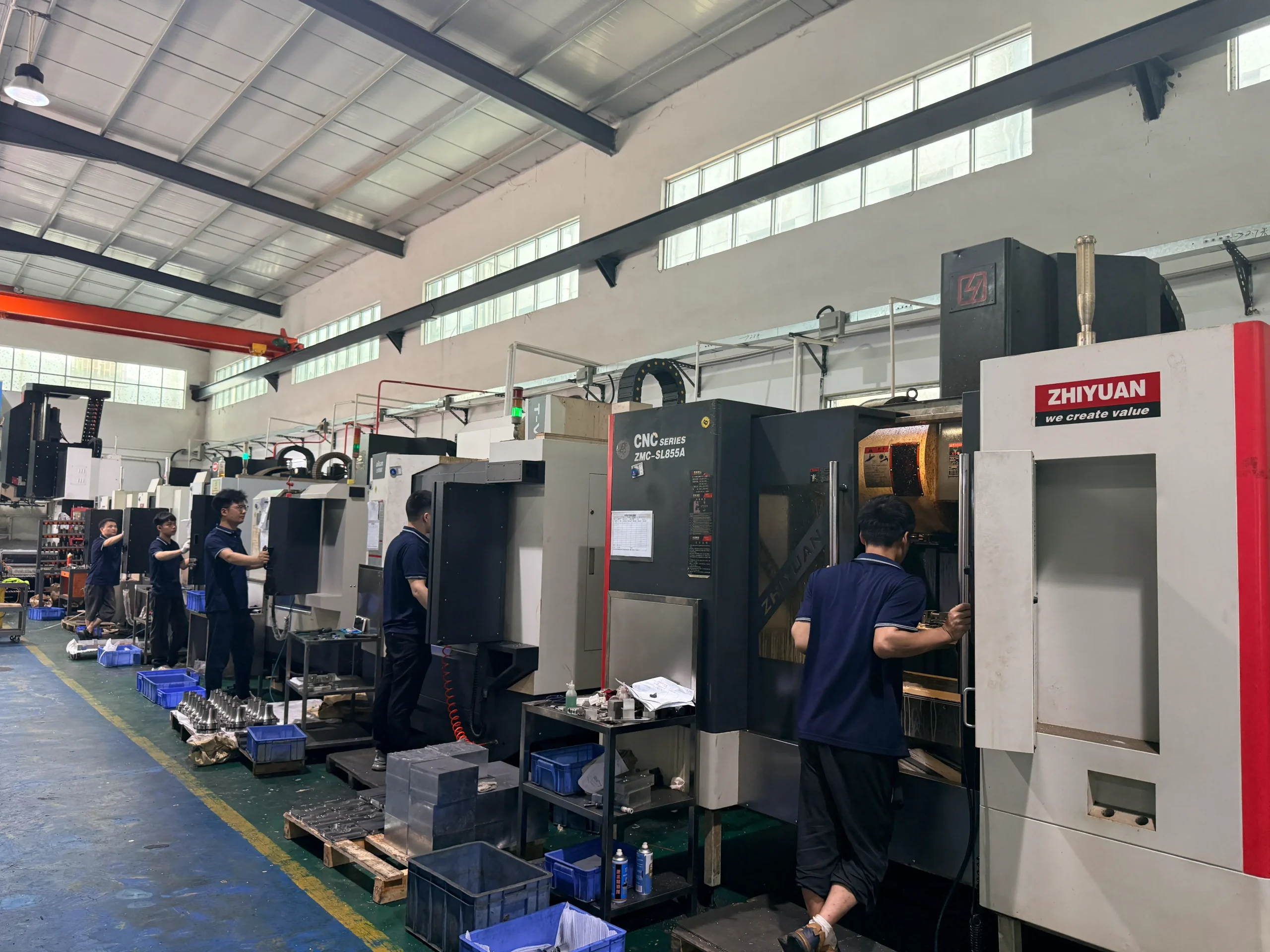
Our 3-, 4-, and 5-axis CNC milling capabilities support titanium components with complex pockets, angled surfaces, precision holes, and multi-sided features. Suitable for structural brackets, housings, and custom mechanical parts.
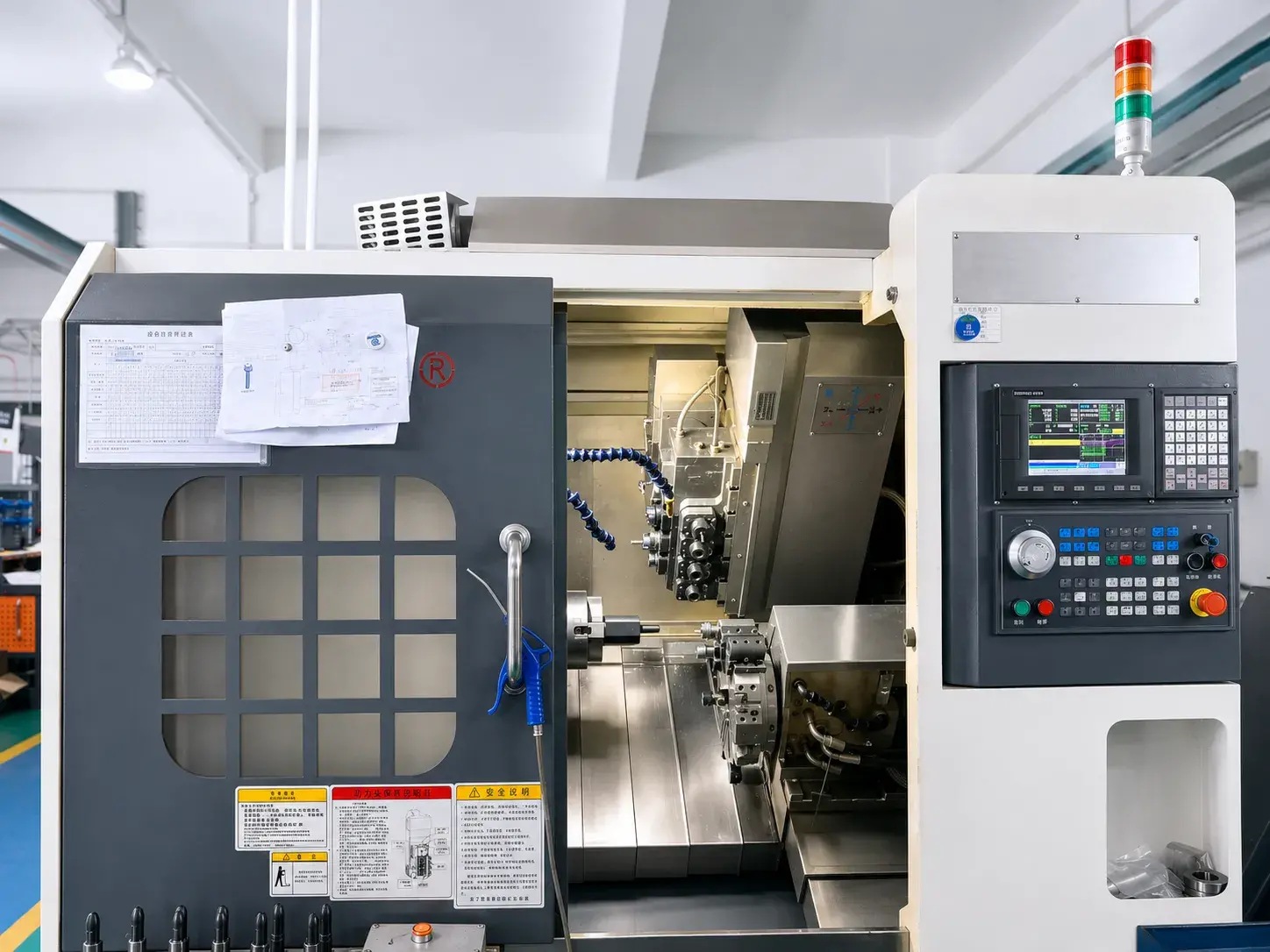
CNC turning is used to produce titanium shafts, bushings, sleeves, and threaded components with accurate diameters and concentric features. Cutting parameters and tool condition are managed to maintain dimensional consistency.
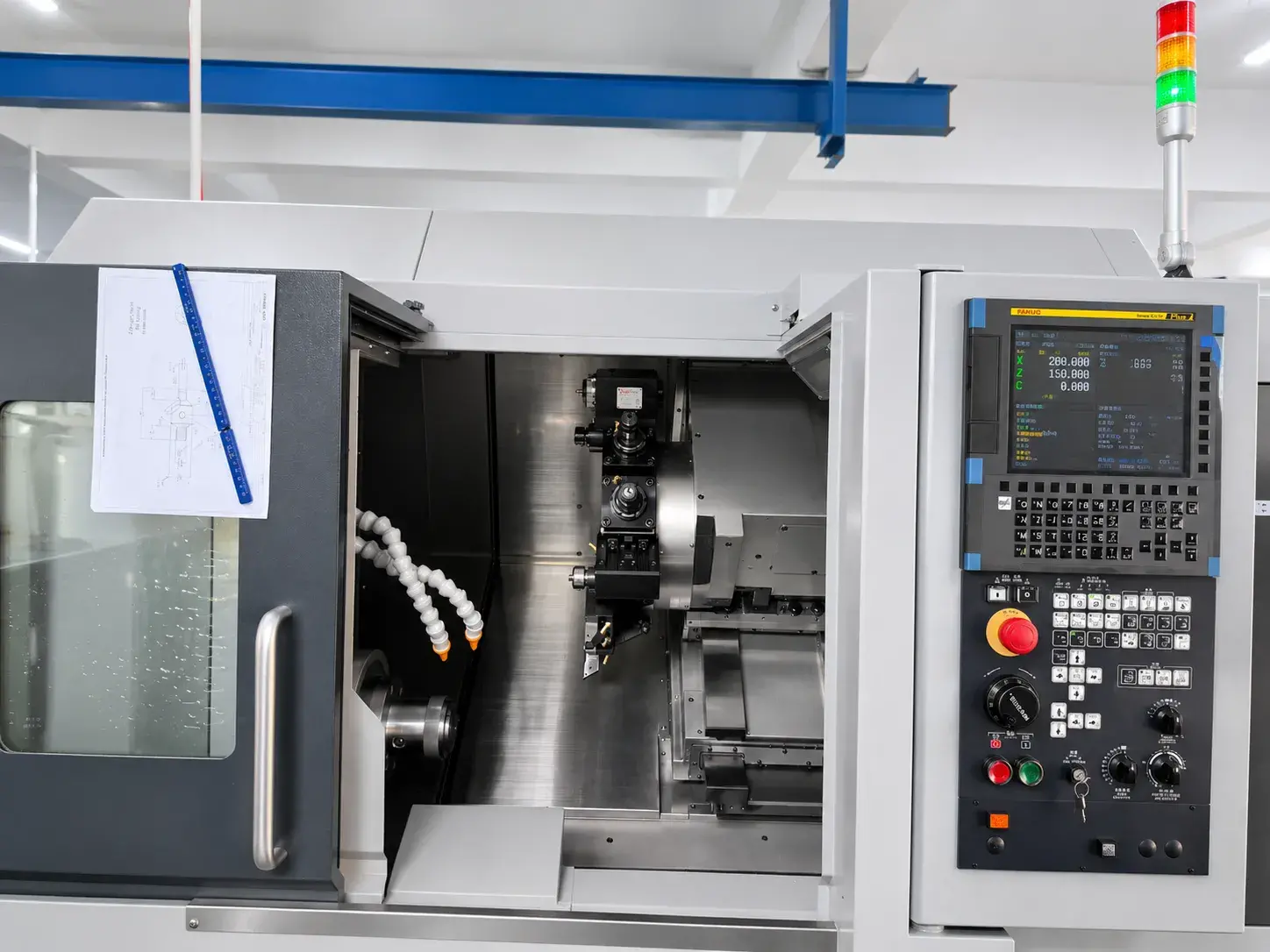
Mill-turn machining combines turning and milling operations for titanium parts requiring both rotational and prismatic features. It can reduce separate setups and help maintain relationships between machined features.
YUANYI provides CNC machining for custom titanium parts, including commercially pure titanium and titanium alloys. Grade 2 offers excellent corrosion resistance, while Grade 5 (Ti-6Al-4V) is widely selected for its high strength-to-weight ratio. We help customers evaluate material grades based on mechanical requirements, part geometry, and machining cost.
| Titanium Grade | Key Properties | Typical CNC Machined Parts |
|---|---|---|
| Grade 2 Commercially Pure Titanium | Excellent corrosion resistance, good ductility, moderate strength. | Chemical processing components, corrosion-resistant fittings, equipment parts. |
| Grade 5 Ti-6Al-4V | High strength-to-weight ratio and good fatigue performance. | Aerospace brackets, structural components, precision mechanical parts. |
| Grade 9 Ti-3Al-2.5V | Moderate-to-high strength and good formability. | Tubular components, connectors, lightweight fittings. |
| Grade 23 Ti-6Al-4V ELI | High fracture toughness and controlled interstitial content. | Specialized high-reliability components and medical-device applications. |
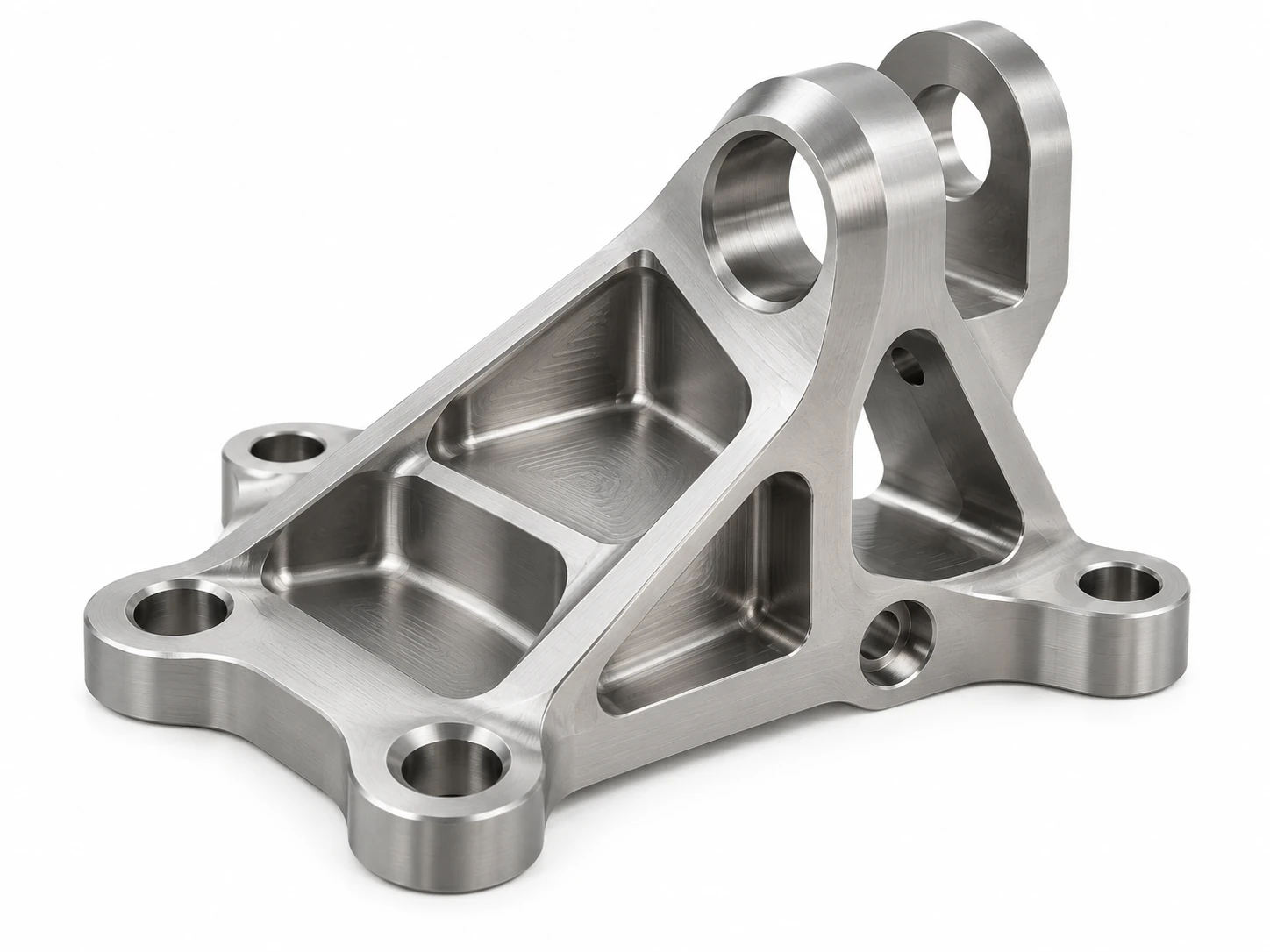
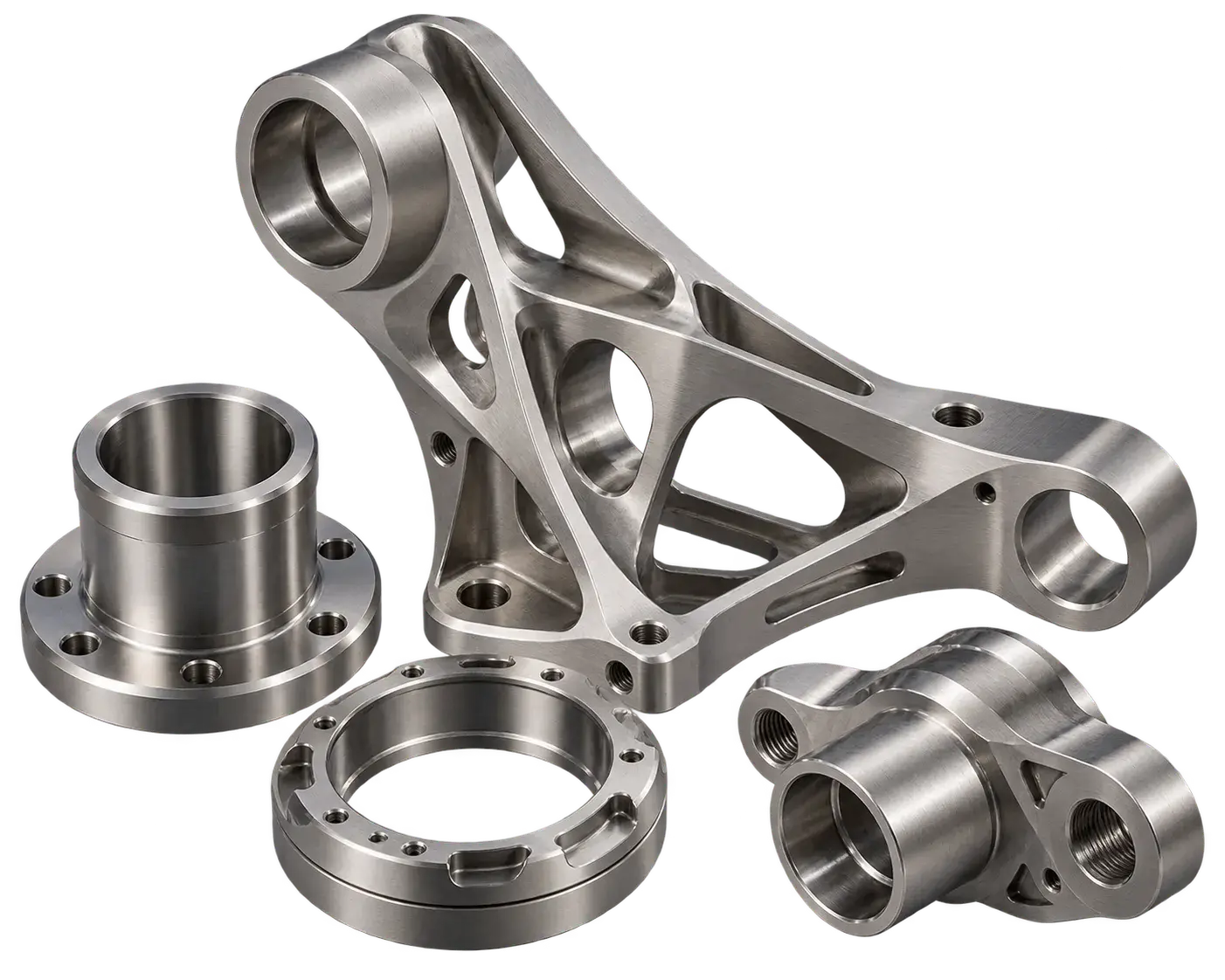
Multi-sided brackets with machined pockets, mounting holes, and angled features for lightweight structural assemblies.
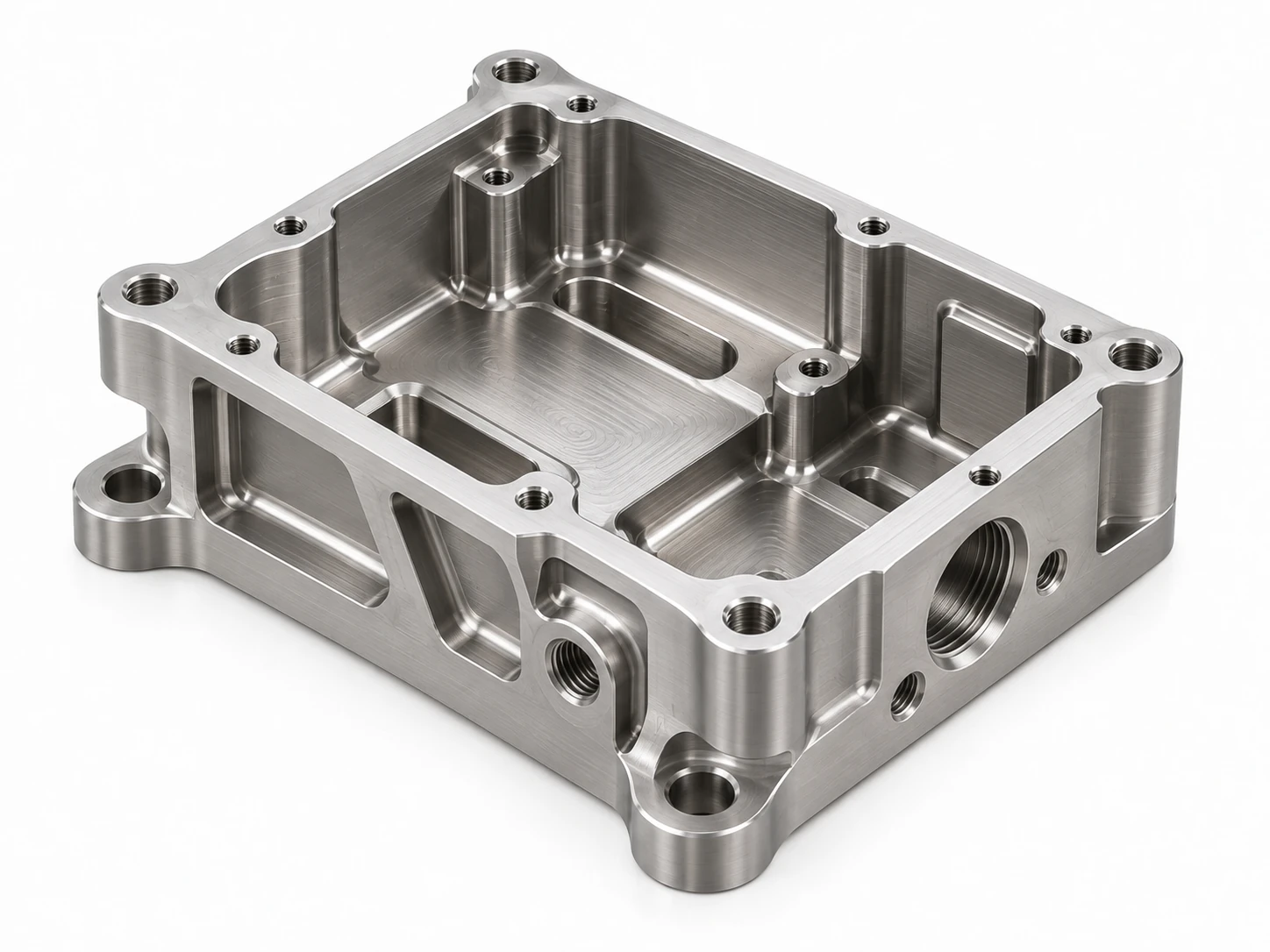
Custom titanium housings with internal cavities, threaded holes, and precision interfaces for compact mechanical assemblies.
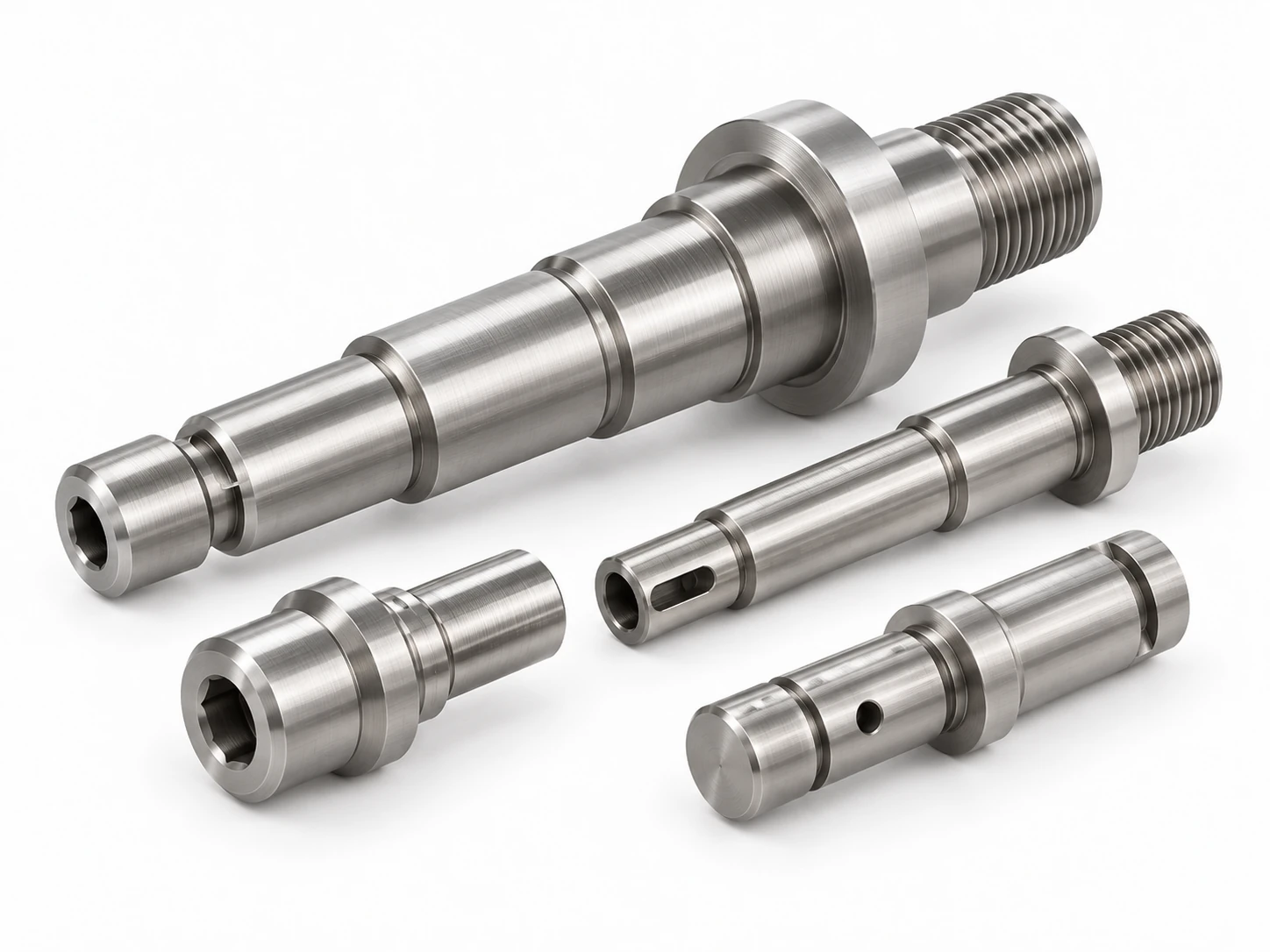
Turned titanium components with stepped diameters, shoulders, threads, and other concentric features.
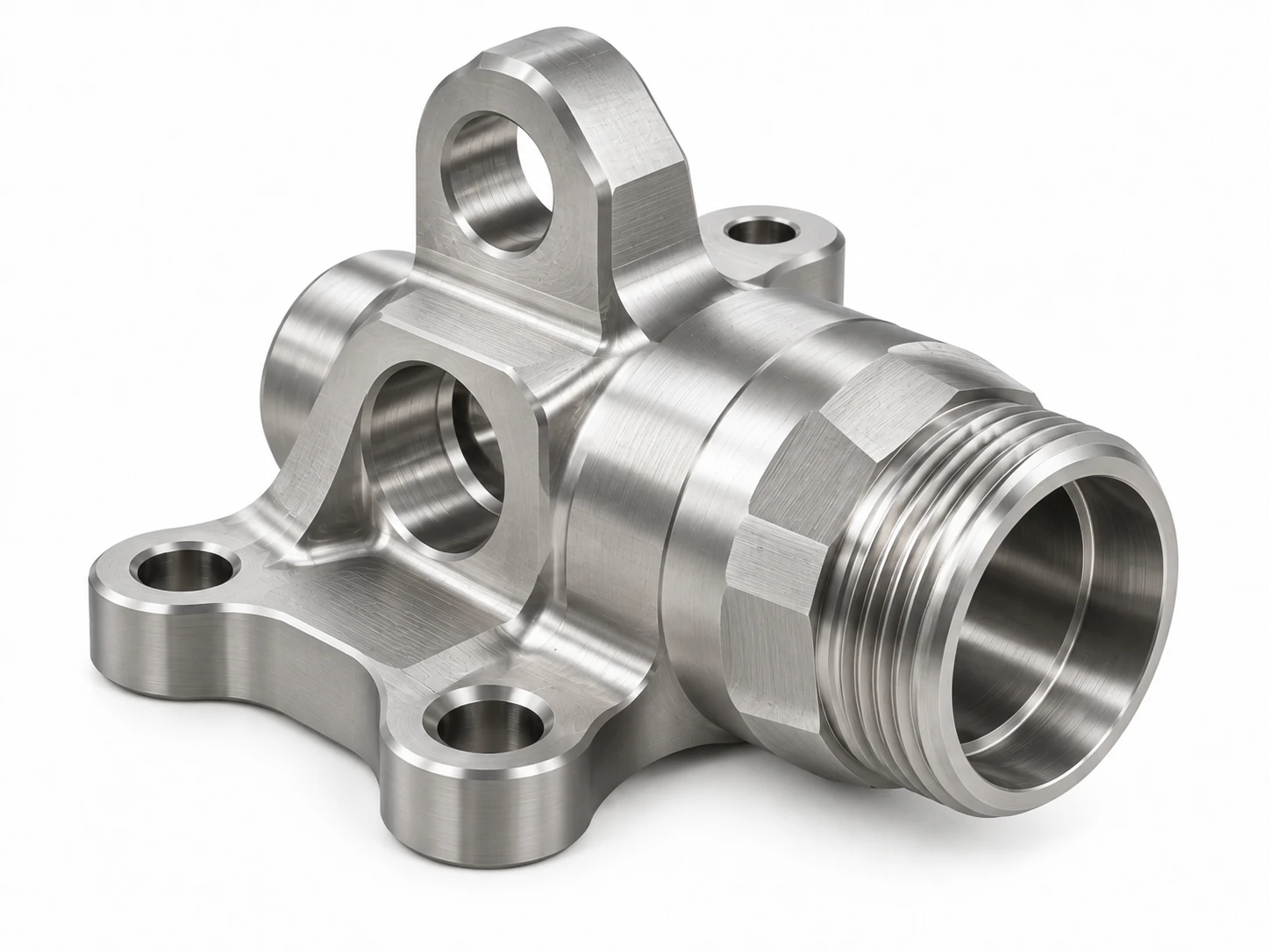
Precision connectors and fittings combining turned profiles, cross-holes, milled flats, and assembly features.
Titanium requires more careful process planning than many common metals. These are typical engineering considerations; actual cutting strategies are chosen for each component.
Titanium has low thermal conductivity, causing heat to concentrate near the cutting edge. Excessive temperatures can accelerate tool wear and affect surface integrity.
Our Approach: We consider cutting parameters, tool engagement, chip evacuation, and suitable cooling methods to help control cutting temperatures.
Titanium alloys can accelerate cutting-tool wear due to concentrated heat and their chemical affinity with tool materials. Worn tools may affect dimensional consistency and surface finish.
Our Approach: We select suitable tooling and cutting conditions and consider tool-condition checks based on material grade and part geometry.
Thin walls and slender titanium features may deform under cutting forces or clamping pressure, making tight dimensional and geometric requirements more challenging.
Our Approach: We review fixturing, machining sequence, material allowances, and finishing passes to reduce the risk of distortion.
Burrs can form around holes, edges, and intersecting features during titanium machining. Cutting conditions and tool wear also influence the final surface finish.
Our Approach: We evaluate machining paths, finishing operations, and deburring requirements to achieve the specified edge and surface conditions.
Very thin titanium walls can deflect during machining, especially around deep pockets. Use sufficient wall thickness and add supporting ribs where the design allows.
Deep, narrow cavities require longer cutting tools, increasing the risk of vibration, tool deflection, and longer machining times. Reduce pocket depth or improve tool access.
Standard cylindrical end mills cannot machine perfectly sharp internal corners. Larger corner radii allow more practical tool sizes and help reduce machining time.
Reserve tight tolerances for critical mating and functional features. Using standard tolerances elsewhere can simplify machining and inspection while controlling cost.
Use standard hole sizes and practical thread depths whenever possible. Avoid unnecessarily deep, small-diameter holes and ensure sufficient access for drilling and tapping.
Undercuts and hard-to-reach surfaces may require special tools or additional setups. Designing for accessible machining directions can simplify production and improve consistency.
Have a titanium part design? Share your CAD drawing for a manufacturability review and quotation.
Request a DFM Review →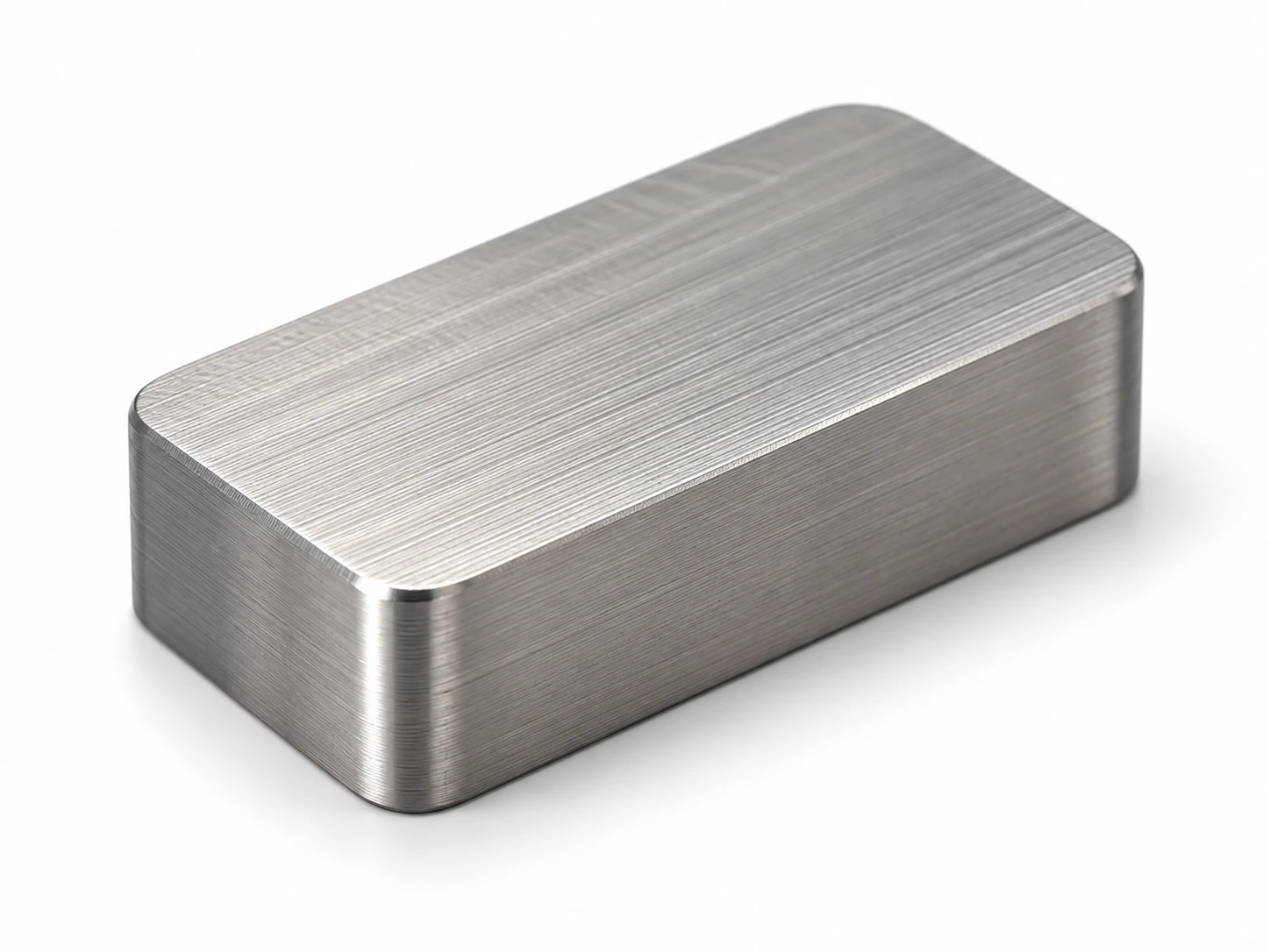
Retains the natural machined surface with visible tool marks. Suitable for functional titanium components when no additional cosmetic finishing is required.
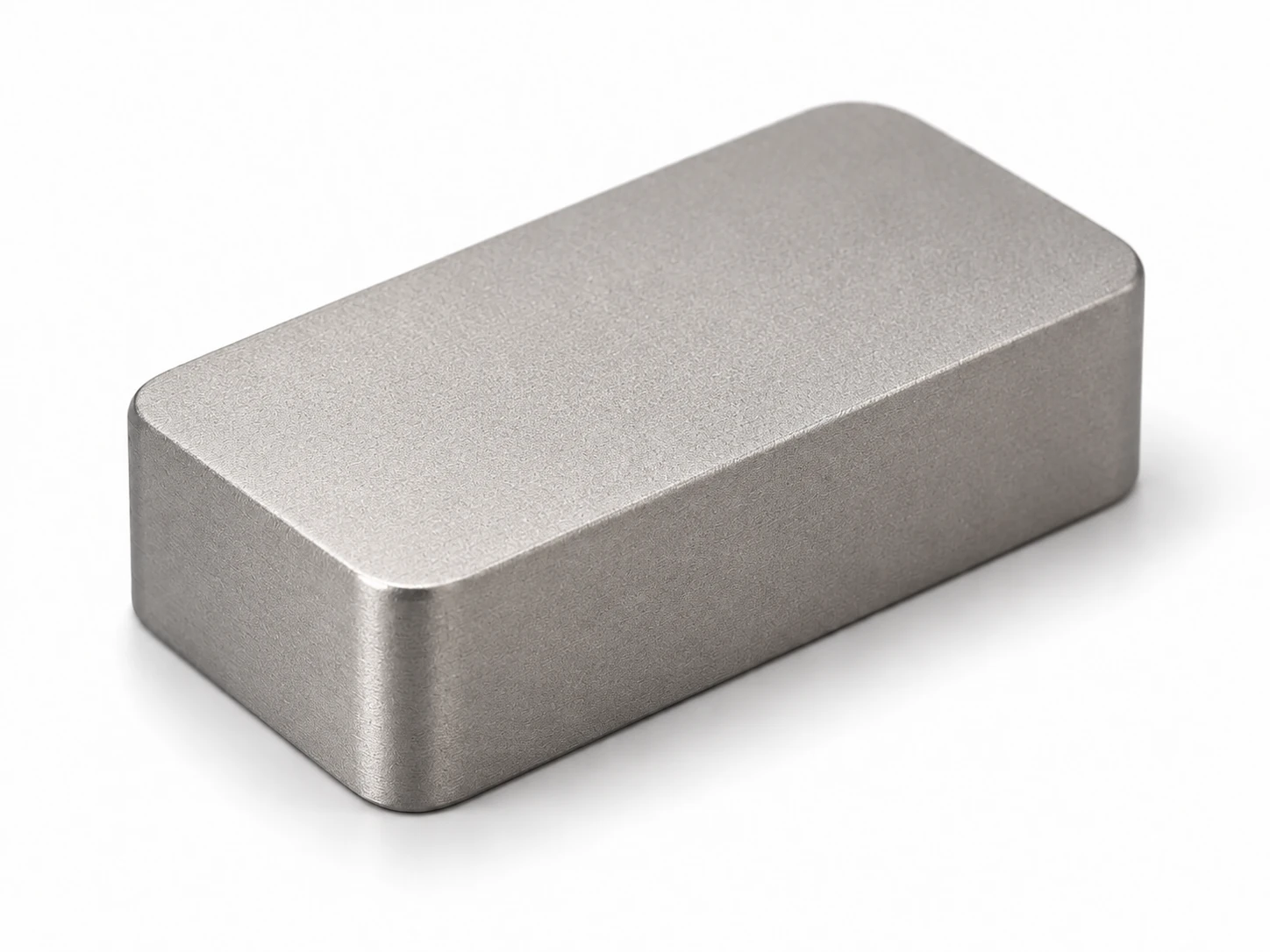
Creates a uniform matte appearance and reduces visible machining marks. Surface roughness and critical dimensions should be considered before blasting.
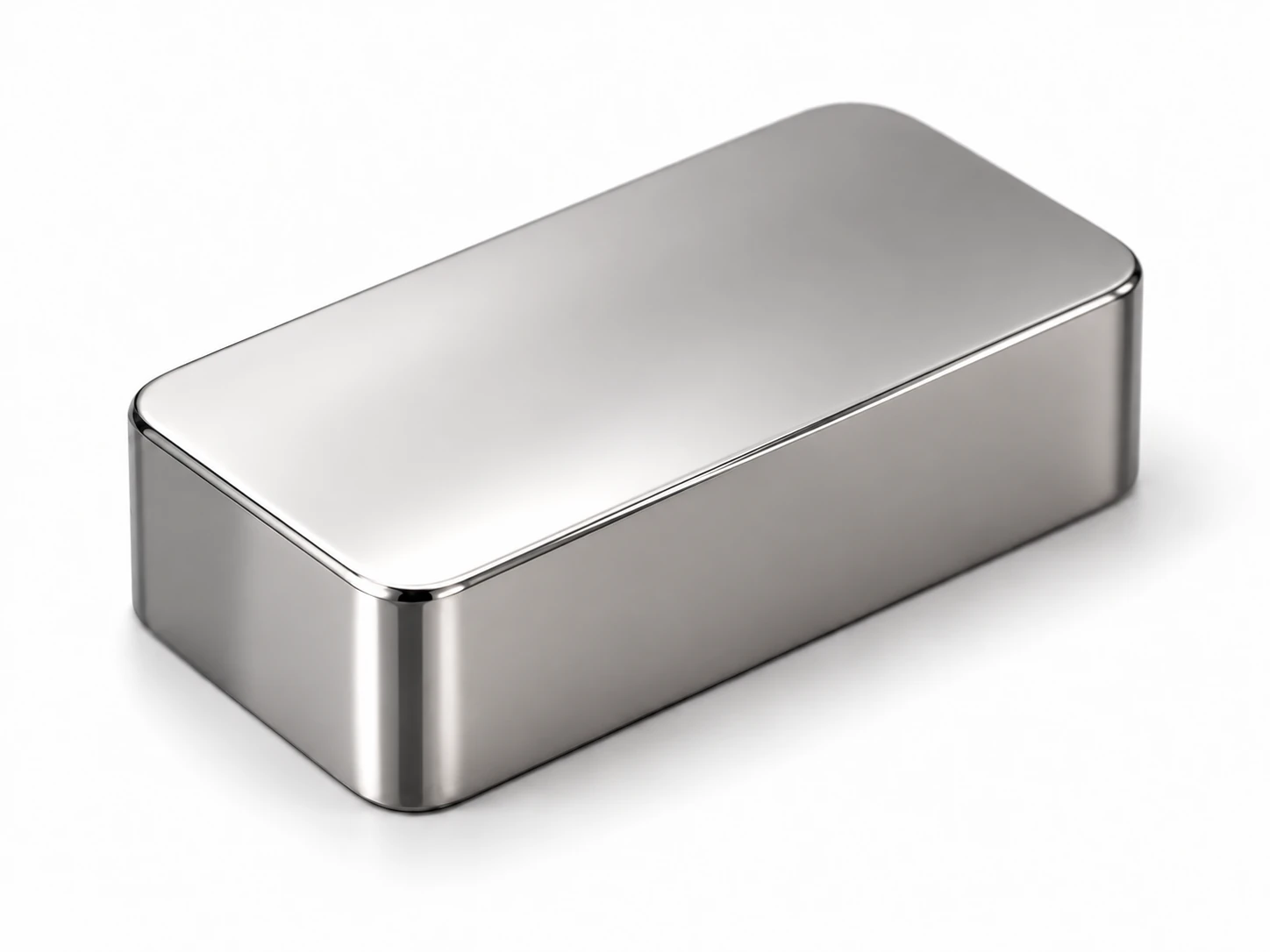
Improves surface smoothness and appearance through controlled finishing. The method depends on the required roughness, part geometry, and functional surfaces.
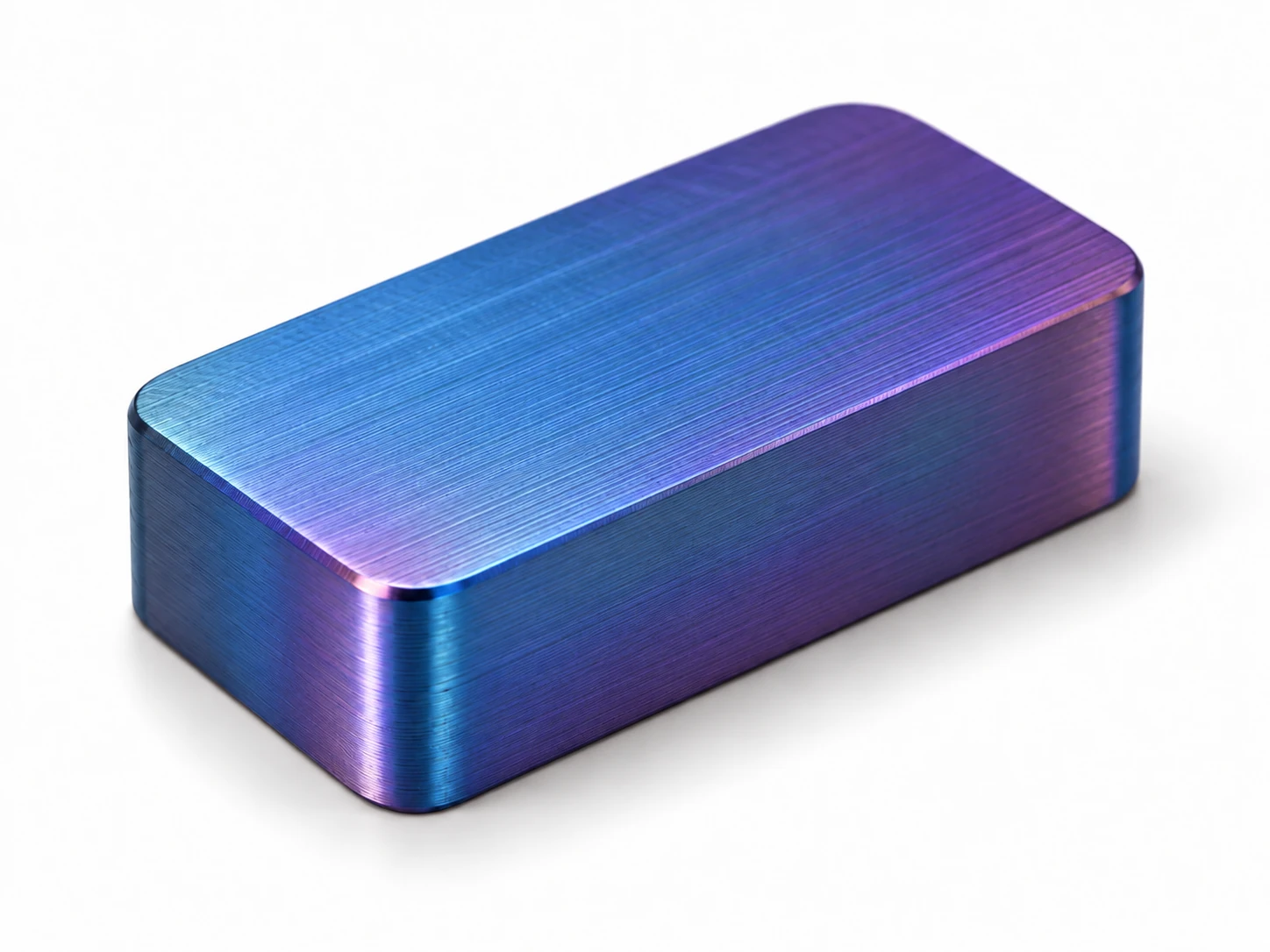
Forms a controlled oxide layer that can produce distinctive colors for identification or decorative purposes. Finish availability and requirements should be confirmed before production.
Engineering Note: Surface finishes can influence fit, texture and inspection requirements. Identify mating surfaces, edge requirements and any finish specifications on your RFQ.
YUANYI applies quality control throughout titanium CNC machining, from drawing review and material verification to final dimensional inspection. Our ISO 9001:2015-certified quality management system supports consistent manufacturing, while inspection methods are selected accord
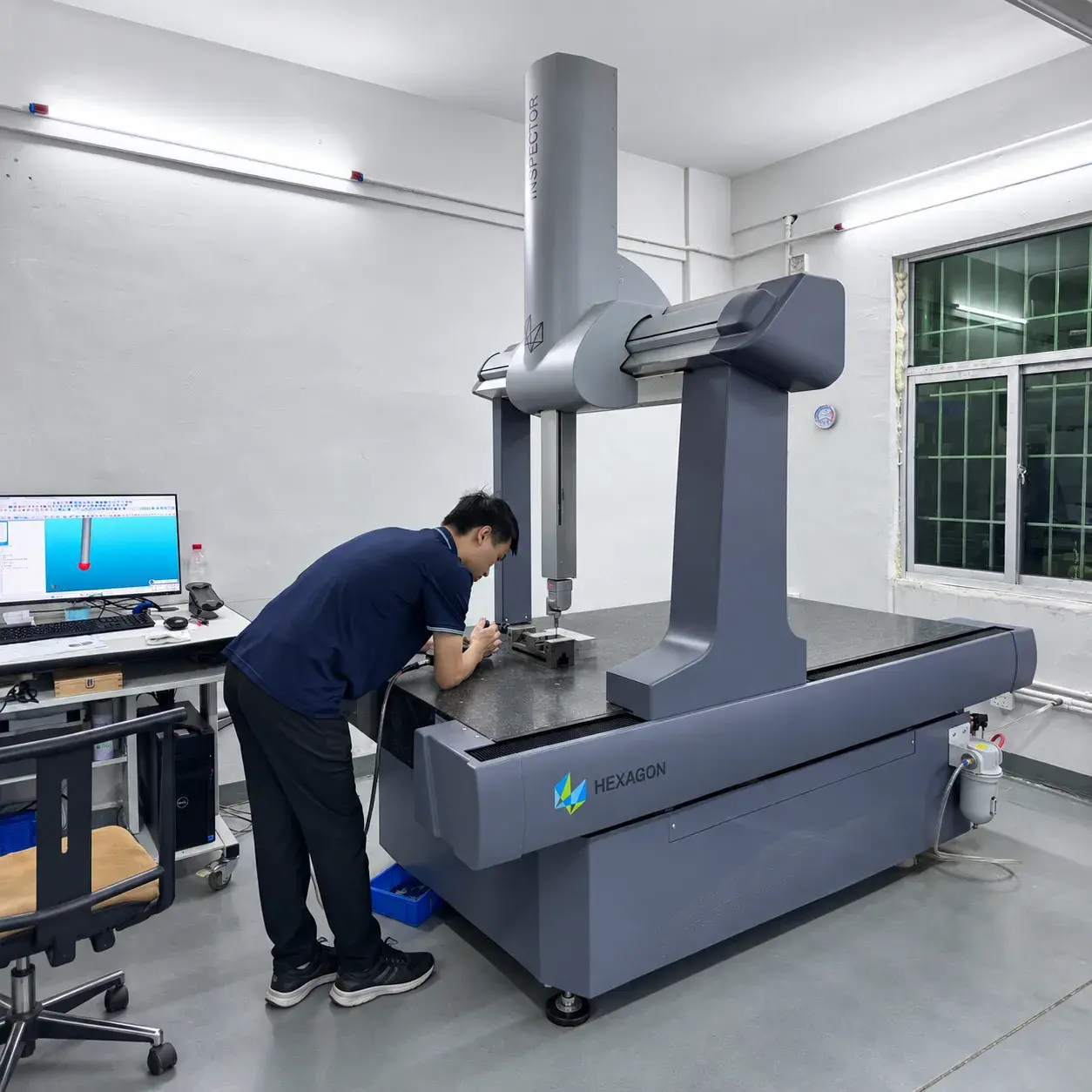
We review titanium grades, drawing specifications, critical dimensions, and inspection requirements before production. Material certificates can be provided when specified.
CMMs and appropriate measuring instruments are used to verify critical dimensions, hole positions, and geometric features against approved drawings.
Machined surfaces, edges, and burr-sensitive features are checked against specified finish and workmanship requirements, with additional inspection where needed.
Dimensional inspection reports, First Article Inspection (FAI), and material certificates can be arranged according to project requirements.
Yes. Titanium can be CNC machined to tight tolerances with appropriate tooling, fixturing, and process control. YUANYI can achieve tolerances as tight as ±0.005 mm on suitable features, depending on part geometry, material grade, and inspection requirements.
We machine Grade 2 commercially pure titanium and Grade 5 (Ti-6Al-4V) for custom precision parts. Other grades, including Grade 9 and Grade 23, can be reviewed based on material availability and project specifications.
Generally, yes. Titanium often requires slower machining conditions, greater attention to tool wear, and more expensive raw material. Actual cost depends on part geometry, material grade, tolerances, quantity, and finishing requirements.
Yes. YUANYI supports one-off titanium prototypes and low-volume production without a minimum order quantity. Lead times depend on material availability, machining complexity, inspection, and finishing requirements.
Yes. Our multi-axis CNC milling and turning capabilities support complex Ti-6Al-4V components, including parts with angled features, precision holes, and multi-sided geometries. Machining feasibility is reviewed against the CAD model and technical drawings.
Please provide a 3D CAD file, preferably STEP, and a 2D drawing showing critical dimensions, tolerances, titanium grade, quantity, and surface finish. We can review the design and discuss any machining requirements before quotation.