
Precision Steel Shafts
Custom shafts with accurate diameters, shoulders, keyways, and threaded features.

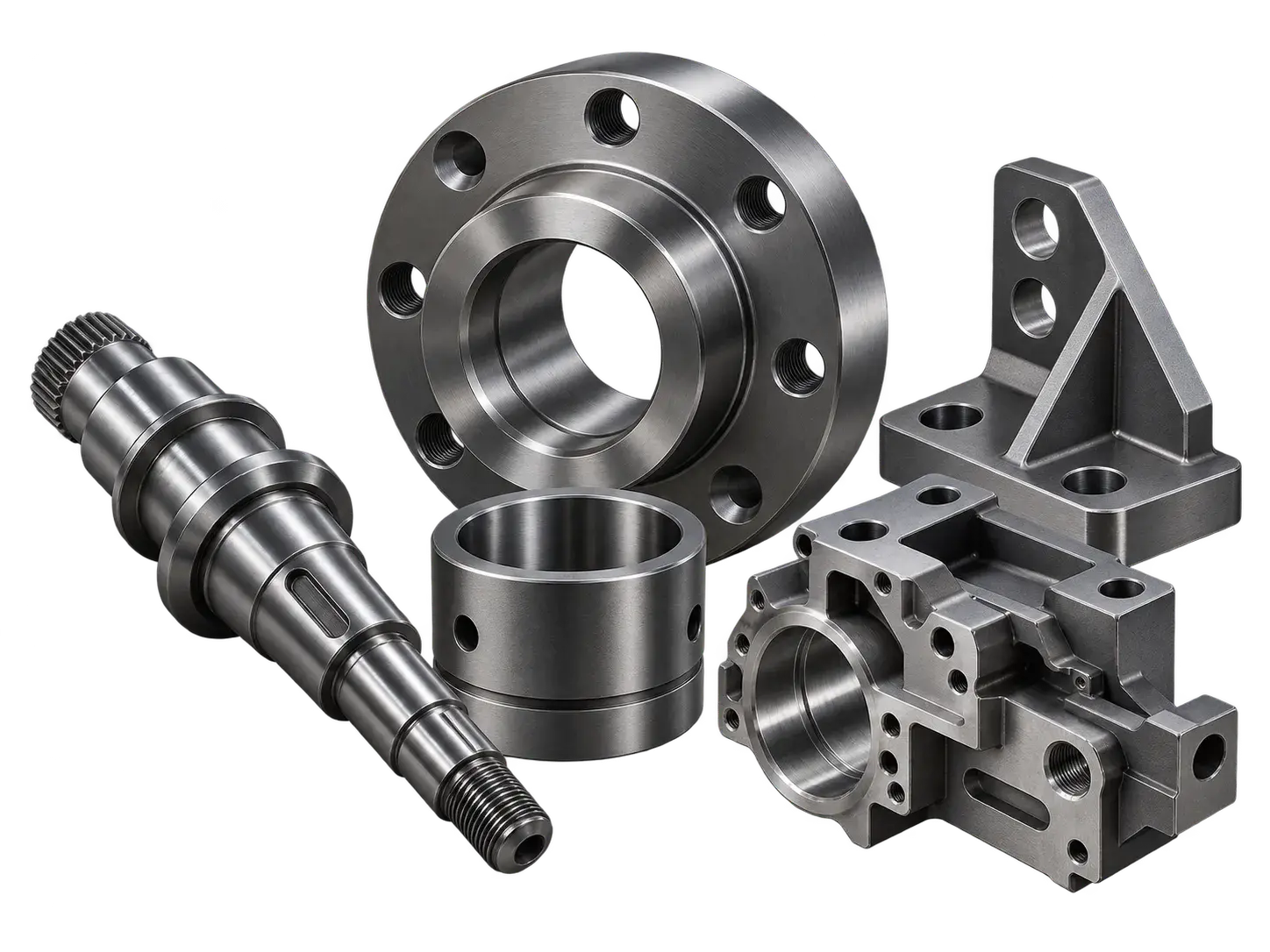
Get custom carbon steel parts machined to your drawings, from precision shafts and brackets to complex mechanical components. Fast prototyping, low-volume production, and no minimum order quantity.
Achievable Tolerance
Rapid Prototyping
Complex Titanium Parts
Quality Management
From precision shafts to complex machined parts, check our machining capabilities, tolerances, and production options to see what fits your project.
| Capability | Specification |
|---|---|
| CNC Processes | 3-, 4- & 5-Axis CNC Milling, CNC Turning, Mill-Turn |
| Carbon Steel Grades | 1018, 1020, 1045, 12L14, A36 |
| Achievable Tolerance | Down to ±0.005 mm for suitable features |
| Surface Roughness | Typically Ra 1.6–3.2 μm, depending on process |
| Maximum Part Size | Subject to machine capacity, geometry, and fixturing |
| Production Volume | No MOQ — prototypes to low-volume production |
| Prototype Lead Time | 3–5 business days for suitable projects |
| Quality Inspection | Dimensional Inspection, CMM, FAI Upon Request |
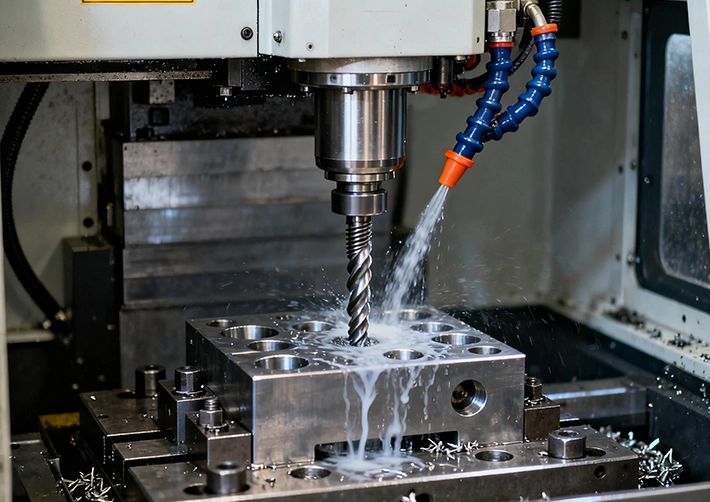
Not all carbon steels machine the same. Compare common grades by strength, machinability, and weldability to find the right material for your part.
| Carbon Steel Grade | Key Properties | Common Machined Parts |
|---|---|---|
| 1018 Low Carbon Steel | Good weldability and general-purpose machinability. | Shafts, pins, spacers, and brackets. |
| 1020 Low Carbon Steel | Good formability and weldability with moderate strength. | Sleeves, bushings, and general mechanical parts. |
| 1045 Medium Carbon Steel | Higher strength and hardness potential; suitable for appropriate heat treatment. | Shafts, hubs, gears, and mechanical components. |
| 12L14 Free-Machining Steel | Excellent machinability and chip control; poor weldability. | Threaded parts, fittings, and precision bushings. |
| A36 Structural Carbon Steel | Economical structural material with good weldability. | Mounting plates, supports, and structural brackets. |
From precision shafts and flanges to custom brackets and housings, see the carbon steel parts we can machine to your drawings.
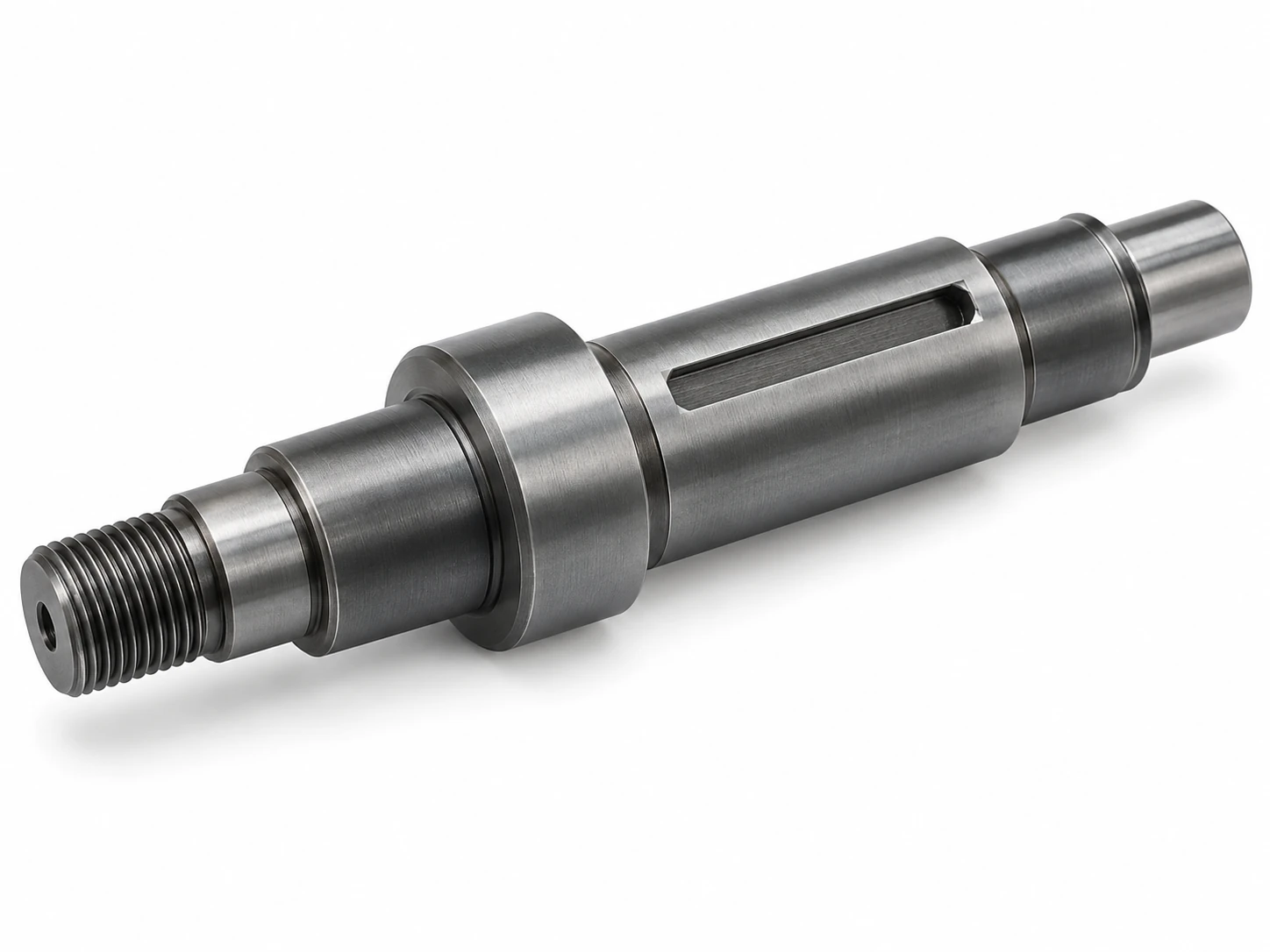
Custom shafts with accurate diameters, shoulders, keyways, and threaded features.
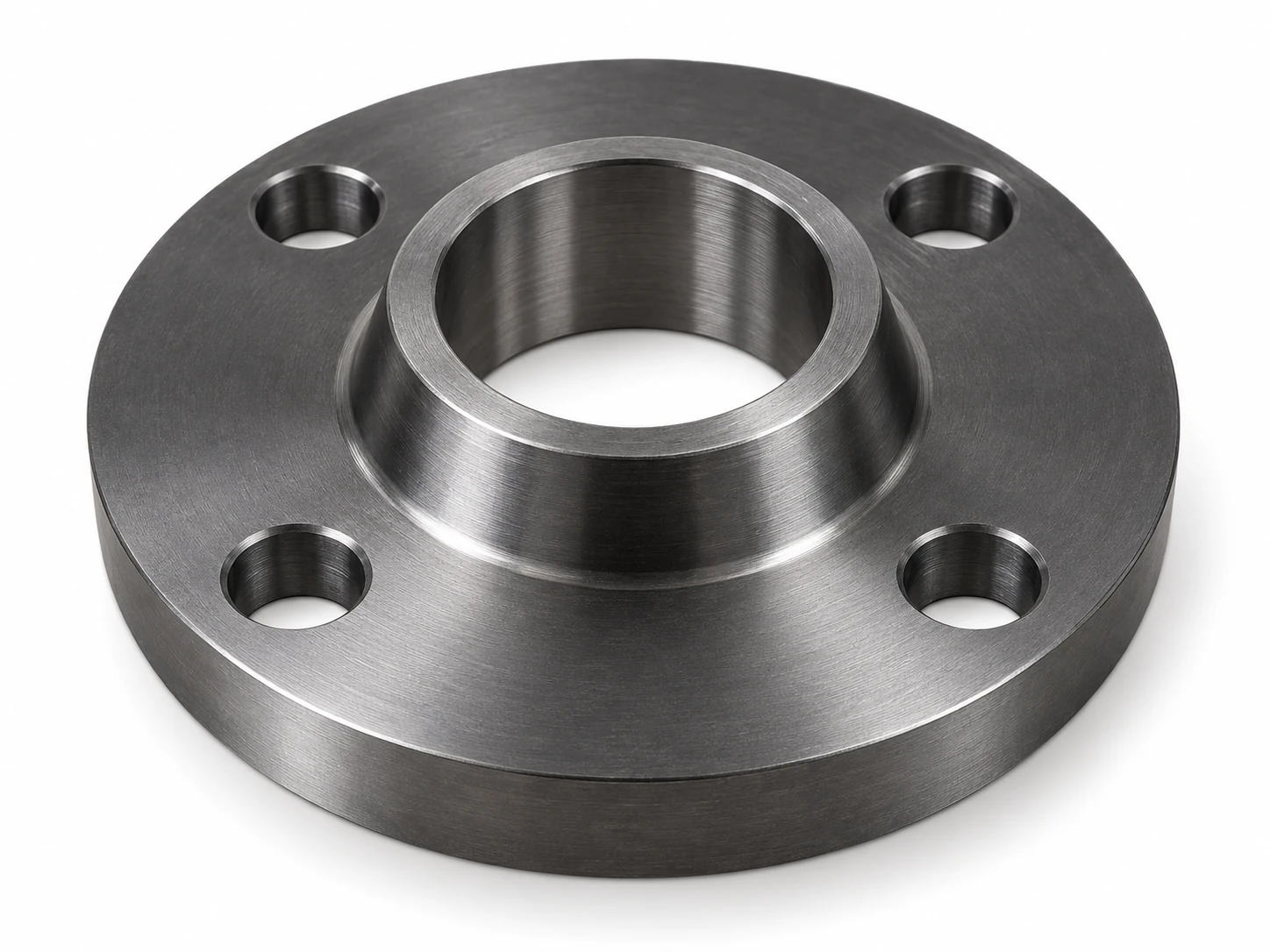
Precision flanges with bolt patterns, bores, and flat mating surfaces.
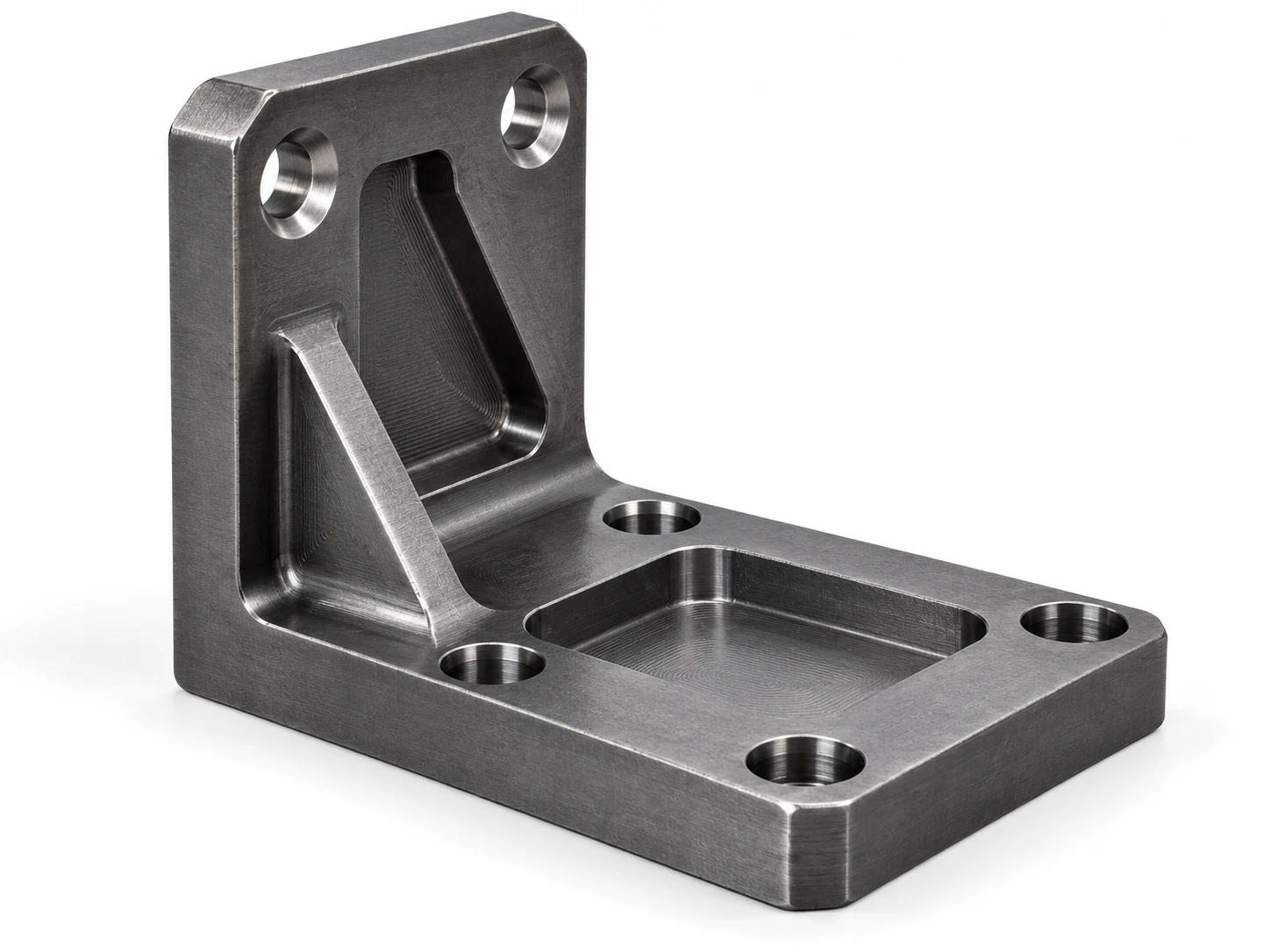
Machined brackets with mounting holes, pockets, and complex structural features.
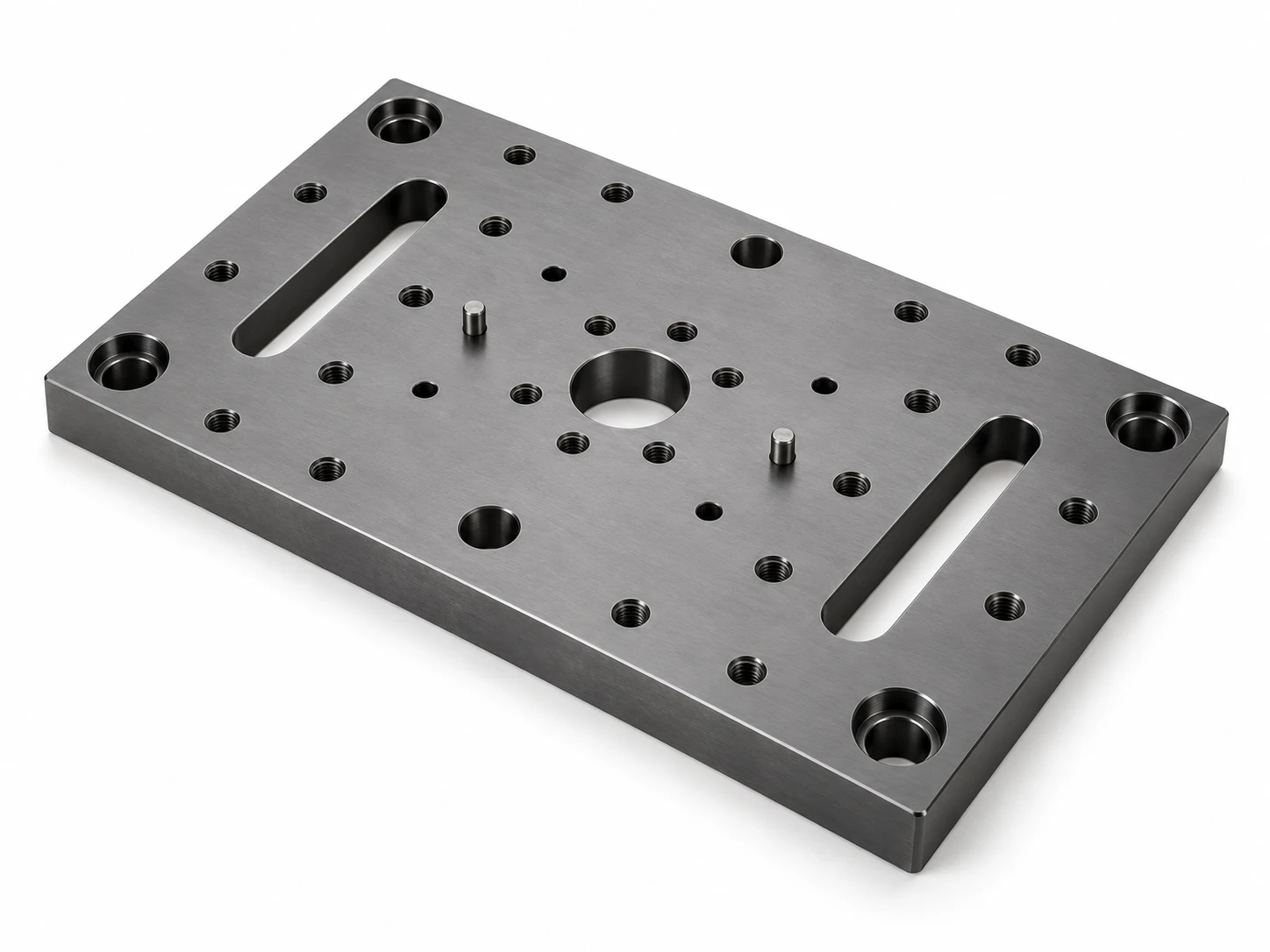
Custom plates and fixtures with precision hole patterns, slots, and alignment features.
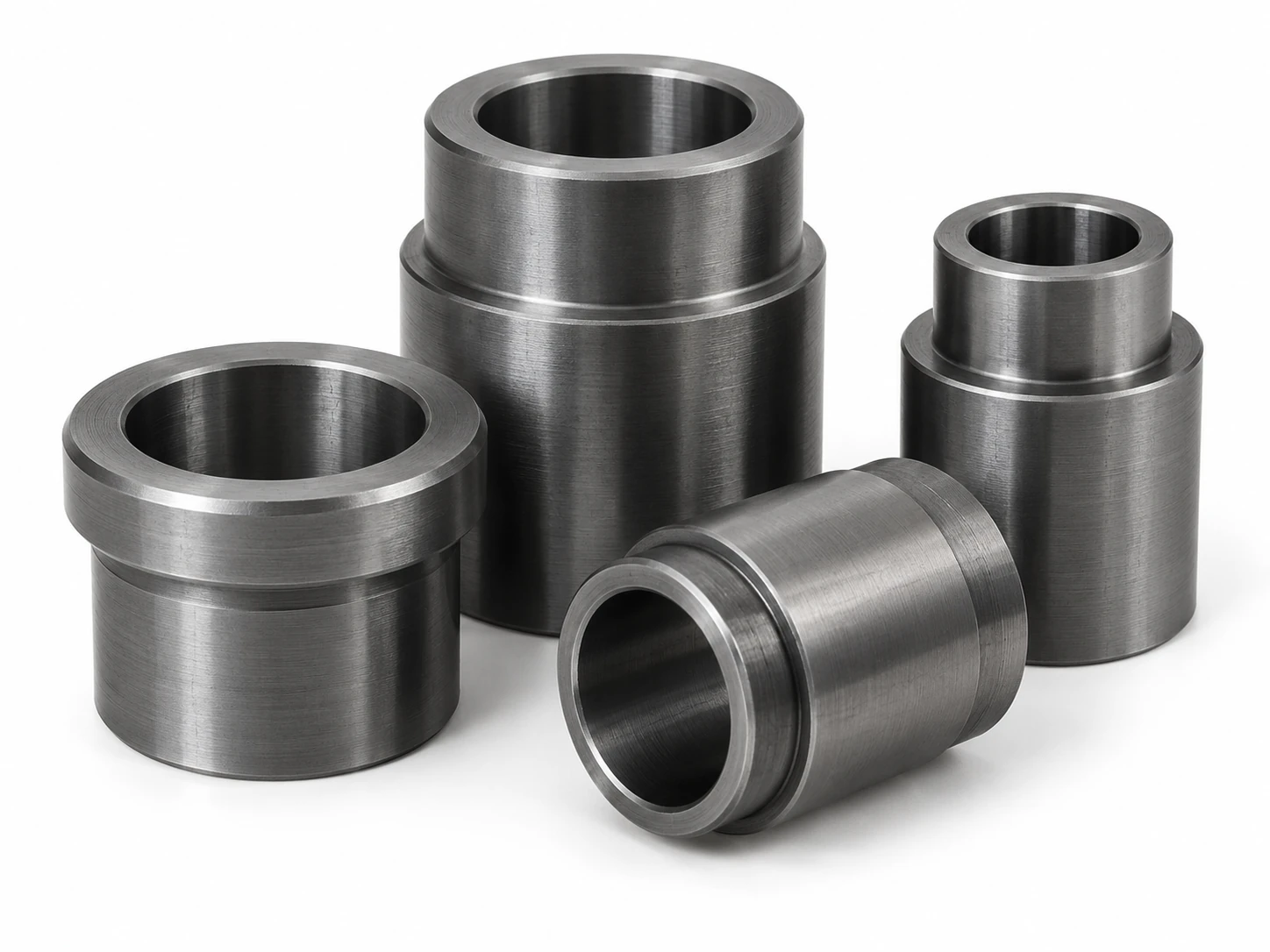
Turned cylindrical components with controlled bores, diameters, and fit requirements.
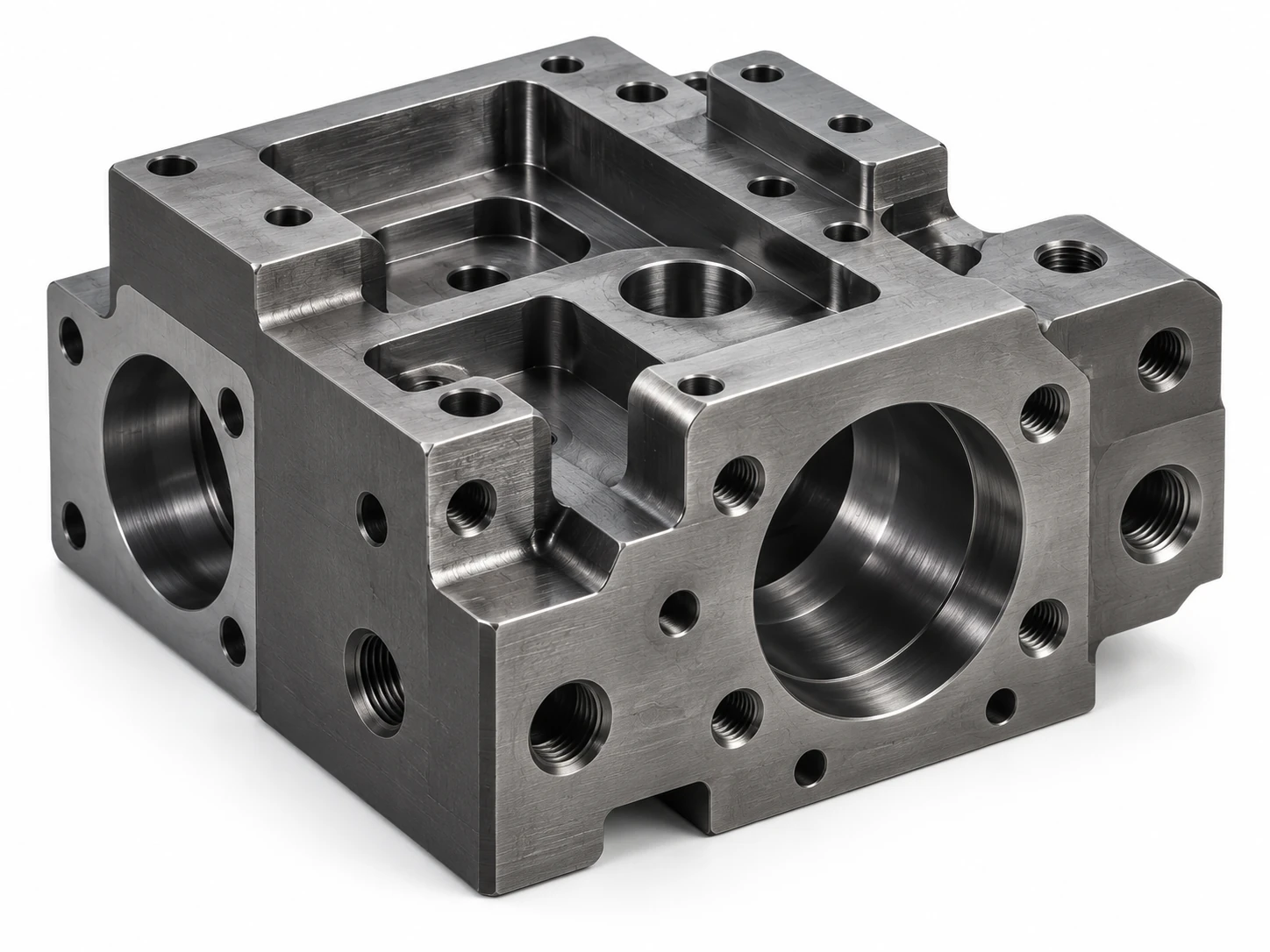
Custom parts with multiple machined faces, pockets, and threaded holes.
Different part geometries call for different machining methods. Choose the right process for your carbon steel parts based on features, tolerances, and production needs.
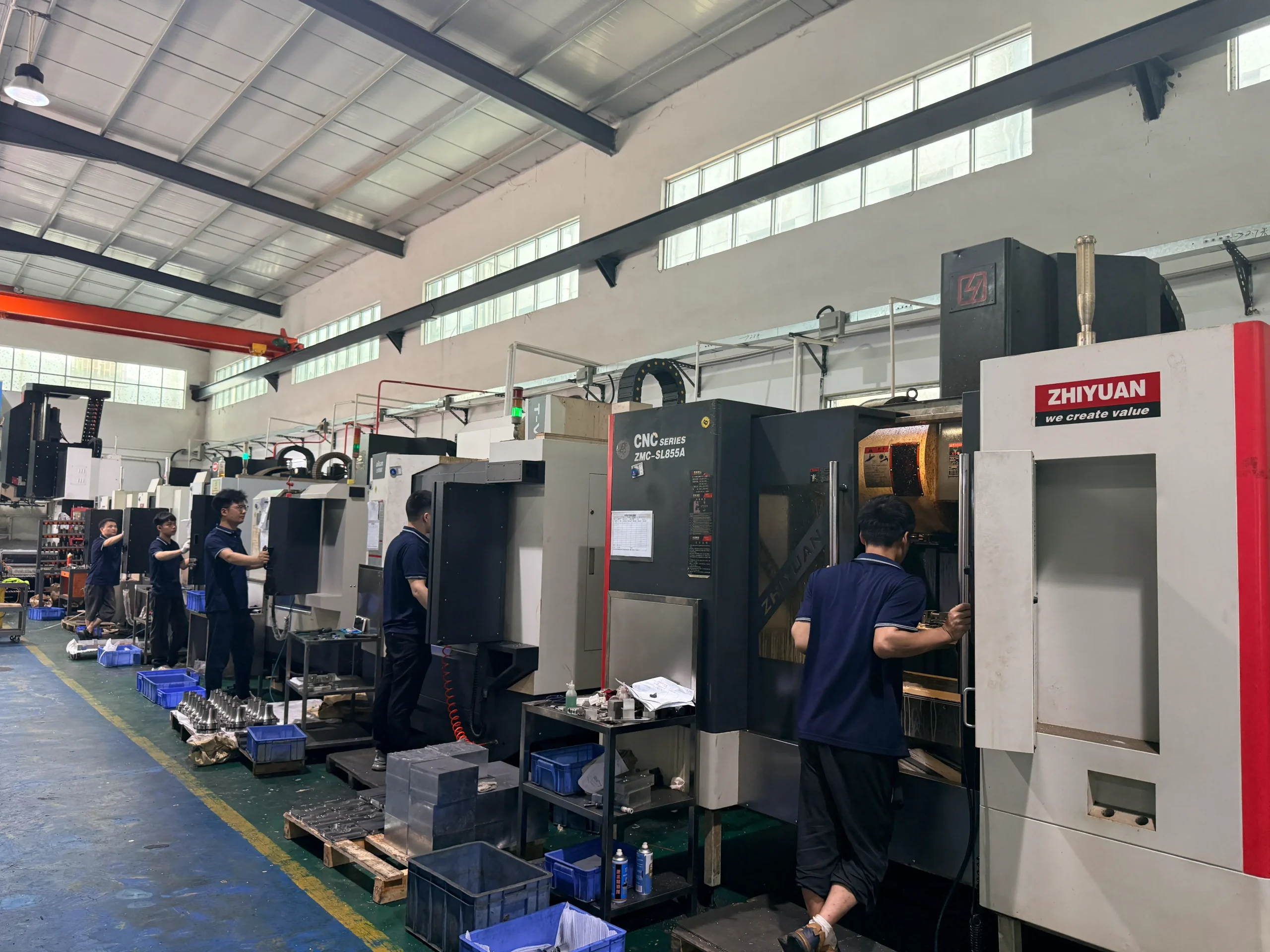
Suitable for brackets, mounting plates, and housings with precision holes, slots, pockets, and multi-sided features.
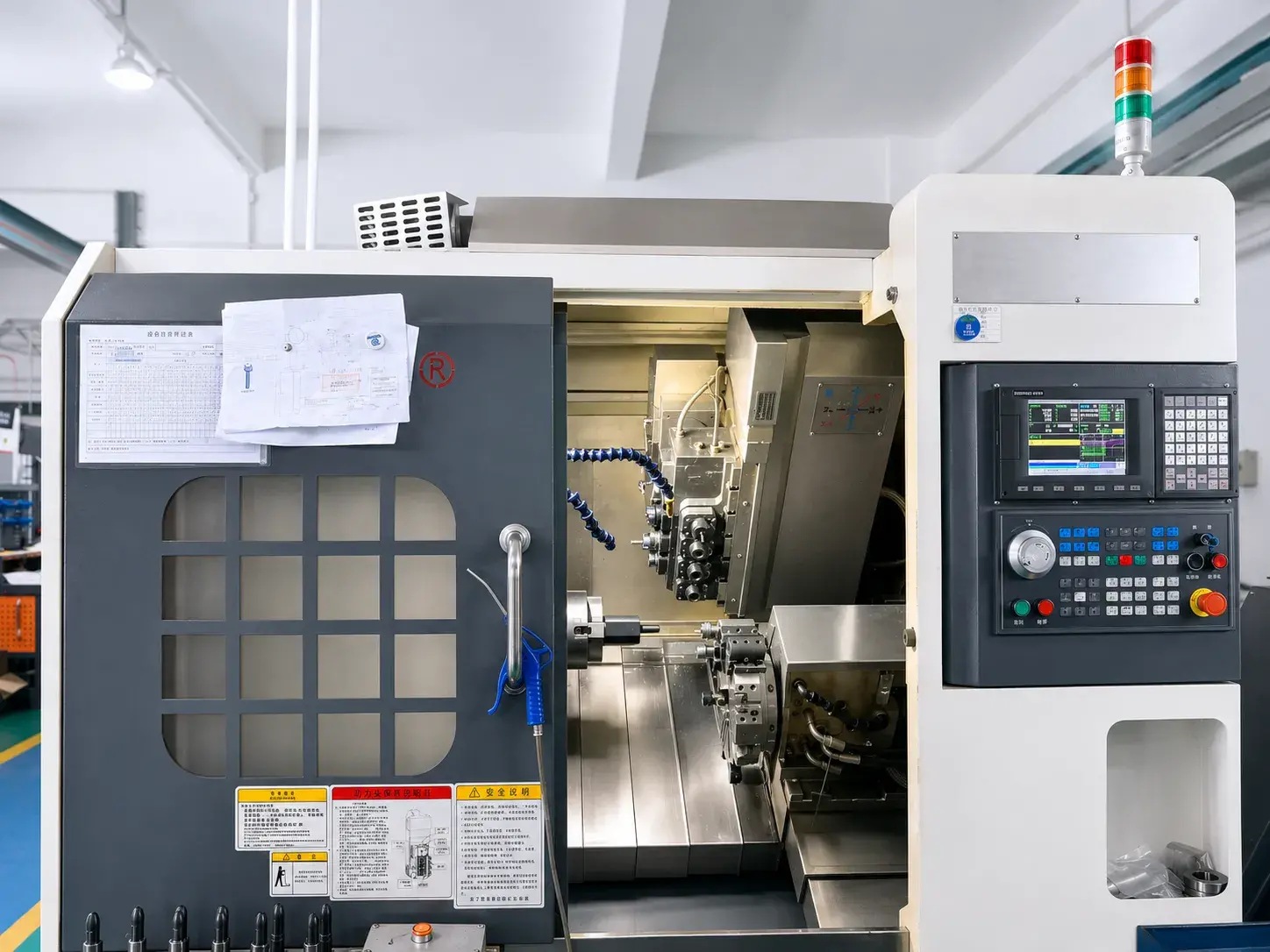
Ideal for shafts, bushings, sleeves, and flanges requiring accurate diameters, bores, shoulders, and threads.
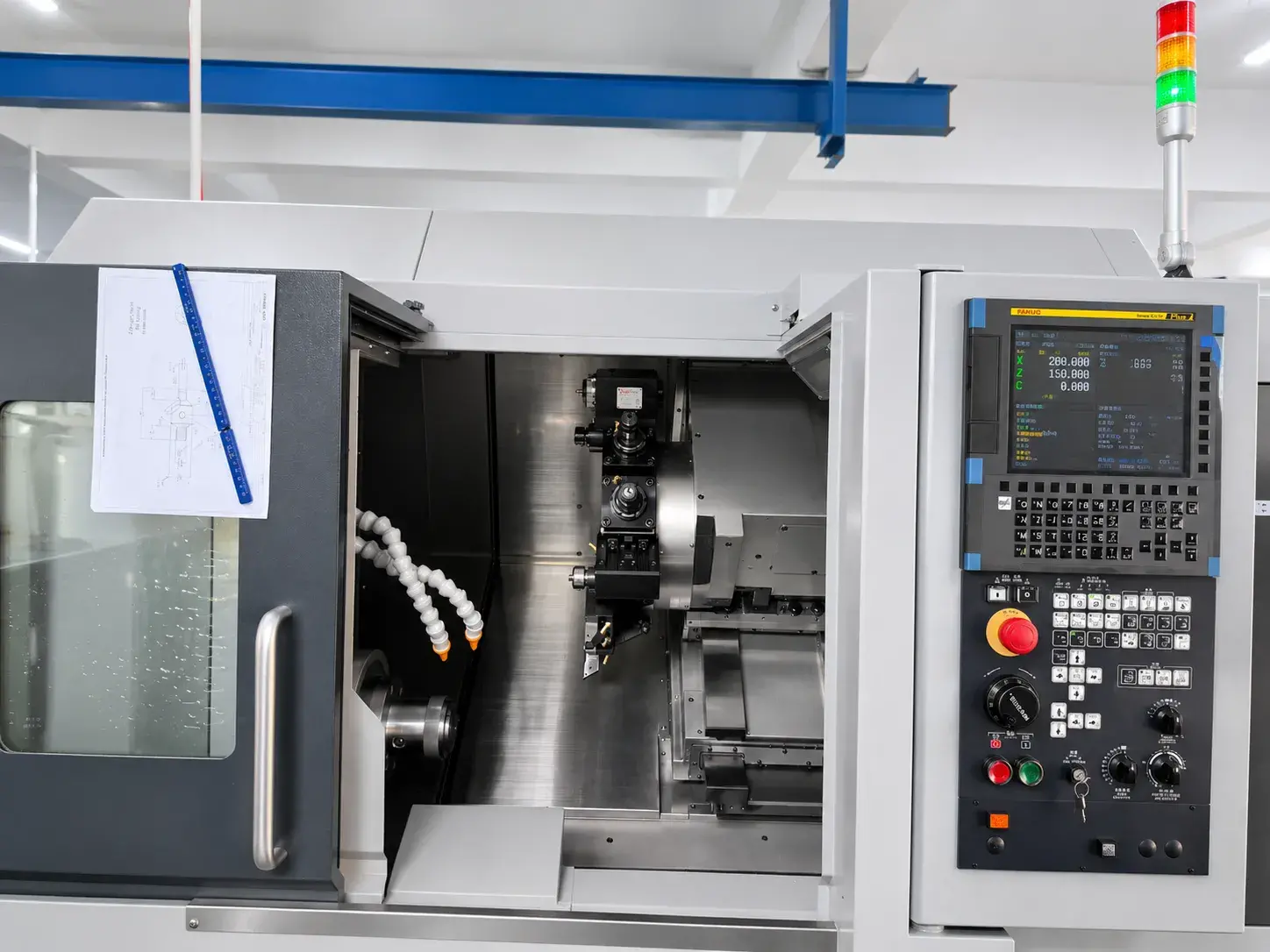
Combines turning and milling for steel parts with cross-holes, keyways, and machined flats, helping reduce separate setups.
Carbon steel machining can involve burrs, tool wear, and dimensional changes. See how careful tooling, fixturing, and process planning help keep your parts within specification.
Softer carbon steel grades can form built-up edges on cutting tools, affecting surface finish and dimensional consistency.
Choose suitable tooling and cutting parameters to control material buildup and improve machining stability.
Drilling and milling can leave burrs around holes, slots, and intersecting features, potentially affecting assembly.
Plan cutting sequences and use controlled deburring to protect critical dimensions and edges.
Long shafts, thin plates, and slender features may distort under clamping forces or after material removal.
Use suitable fixtures, balanced machining sequences, and finishing allowances to reduce distortion.
Heat treatment may cause distortion or dimensional changes, especially on precision bores and mating surfaces.
Plan heat treatment and finish machining around critical dimensions and final hardness requirements.
Small design changes can make your carbon steel parts easier to machine and more cost-effective. Here are six practical tips to consider before production.
Thin walls and unsupported features can flex during machining. Maintain adequate wall thickness and add support where the design allows.
Deep, narrow pockets require longer tools and more machining time. Use practical depths and internal corner radii whenever possible.
Choose standard hole and thread sizes. Avoid unnecessary drilling depth and leave sufficient material around holes and threaded features.
Apply tight tolerances to critical dimensions and mating surfaces. Standard tolerances elsewhere can reduce machining and inspection costs.
Specify required hardness and heat treatment early. Critical bores and mating surfaces may need finish machining after treatment.
Specify surface finishes and protected areas in your drawing. Coating buildup can affect threads, hole sizes, and precision mating fits.
Have a carbon steel part design? Share your CAD drawing for a manufacturability review and quotation.
Request a DFM Review →Choose the right heat treatment or surface finish to improve hardness, wear resistance, or corrosion protection without compromising critical part dimensions.
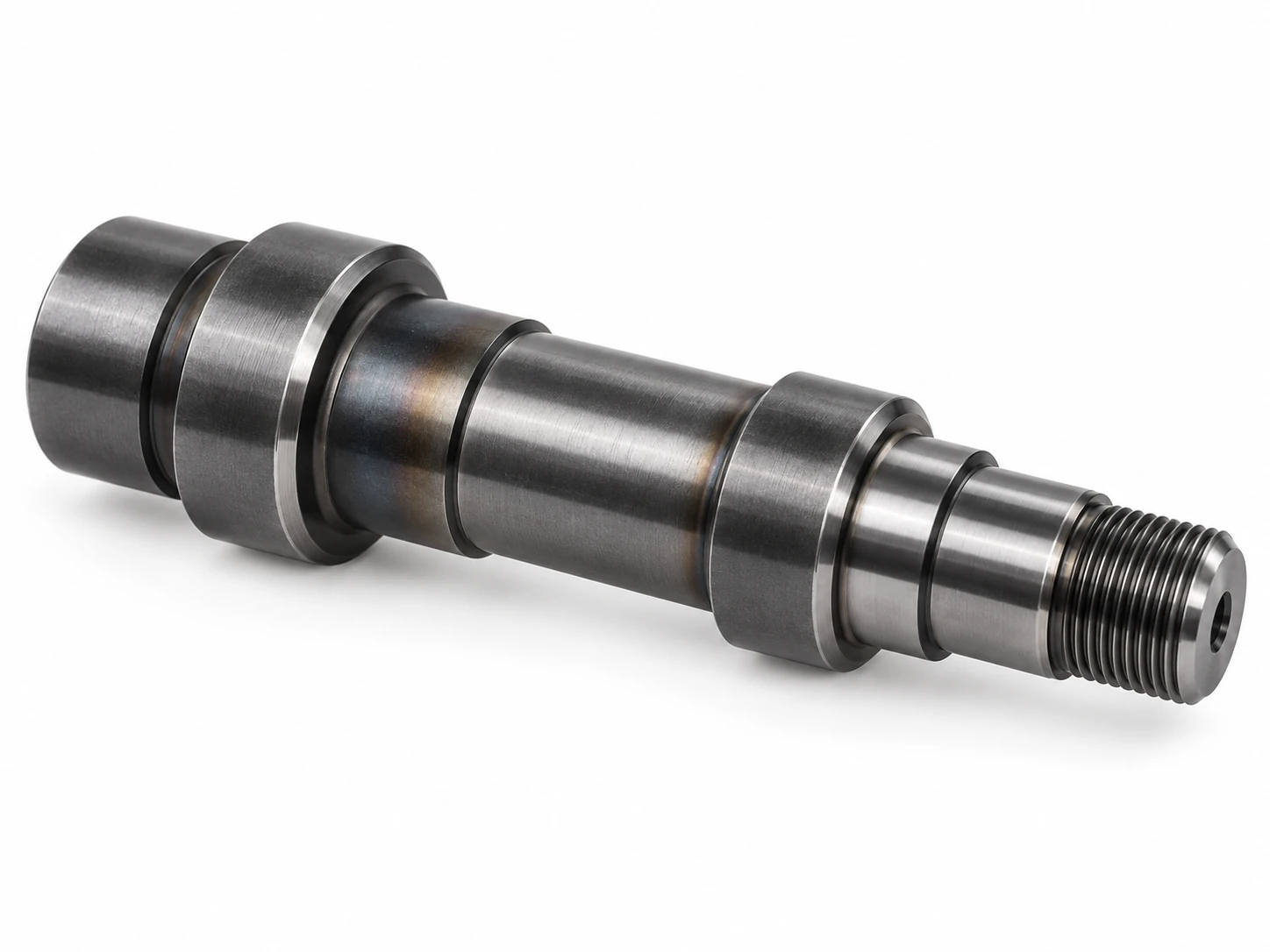
Improves strength and hardness in suitable carbon steel grades, such as 1045, based on mechanical requirements.
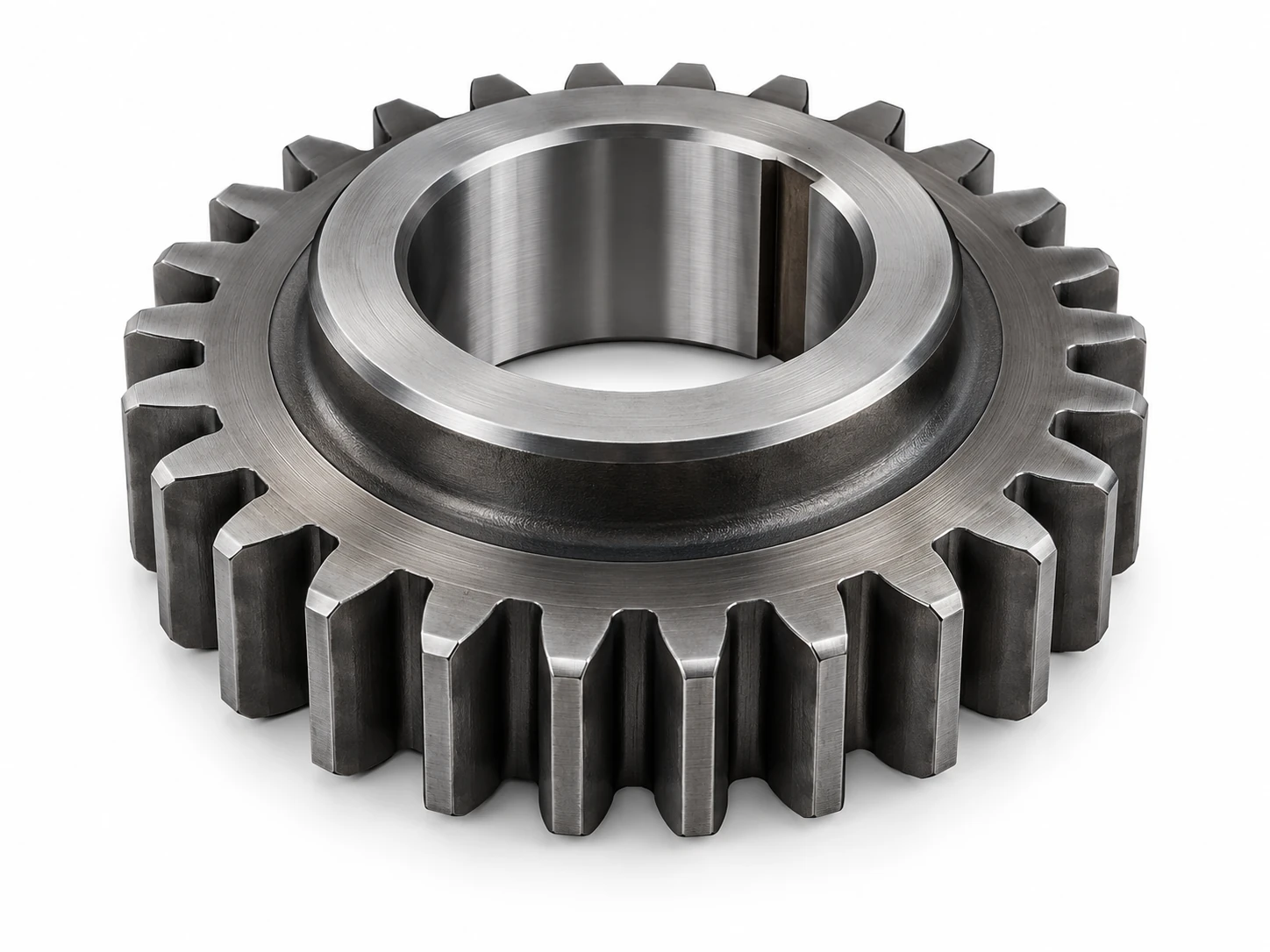
Hardens selected surfaces of suitable steel components to improve wear resistance while retaining a tougher core.
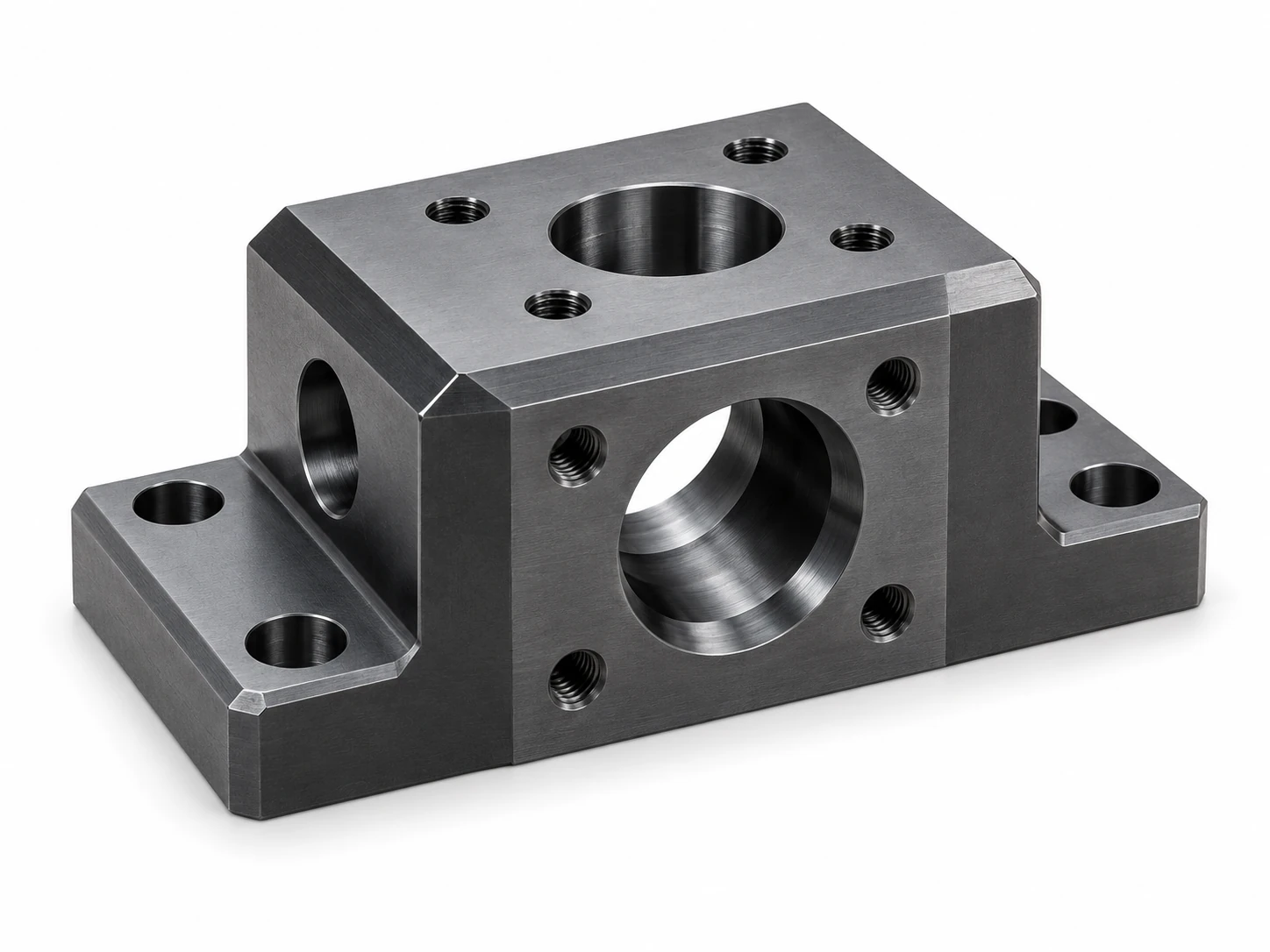
Helps reduce residual stresses in suitable parts before precision finishing or further machining.
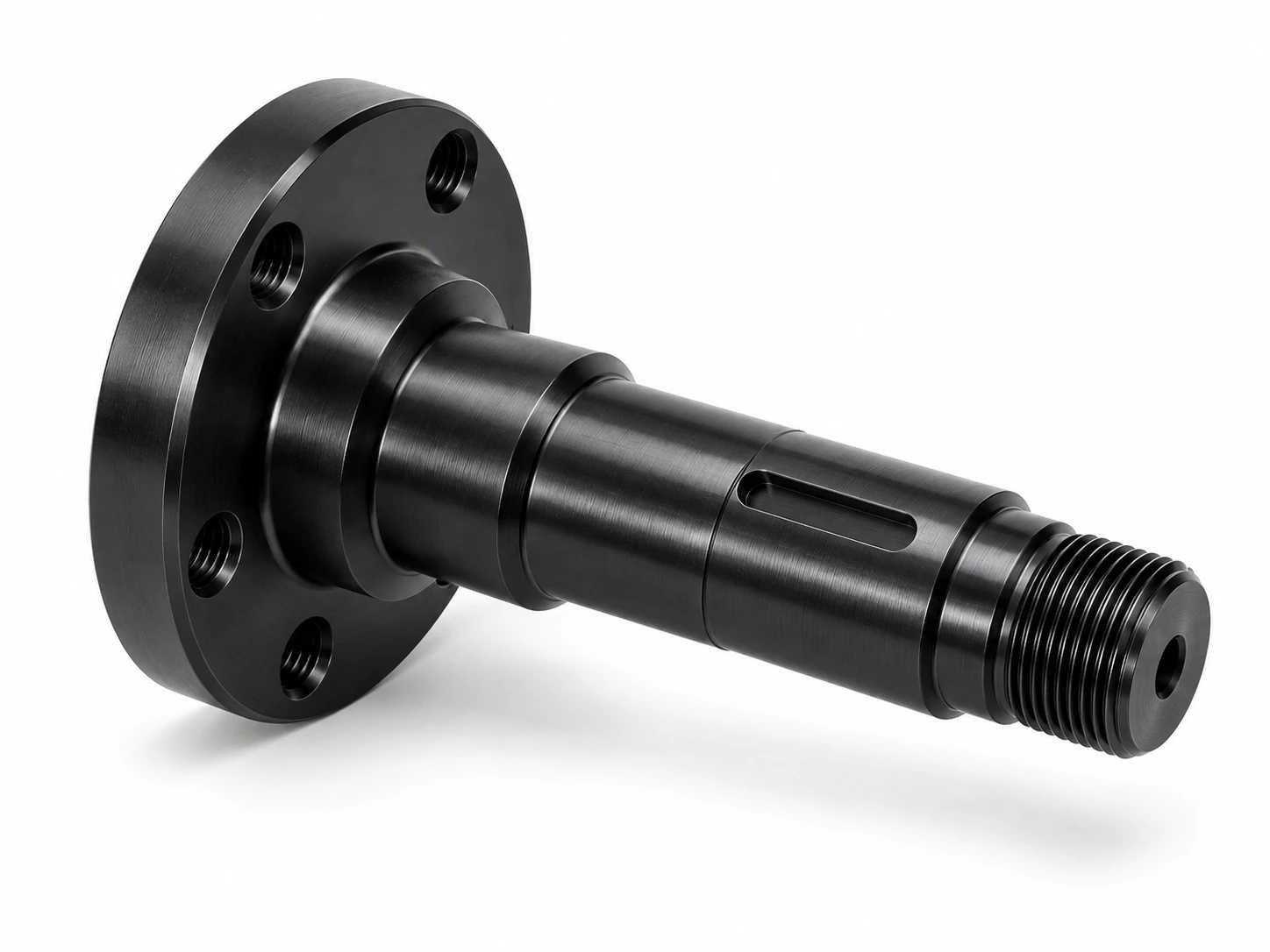
Creates a dark finish with minimal dimensional buildup, typically used with oil for basic corrosion protection.
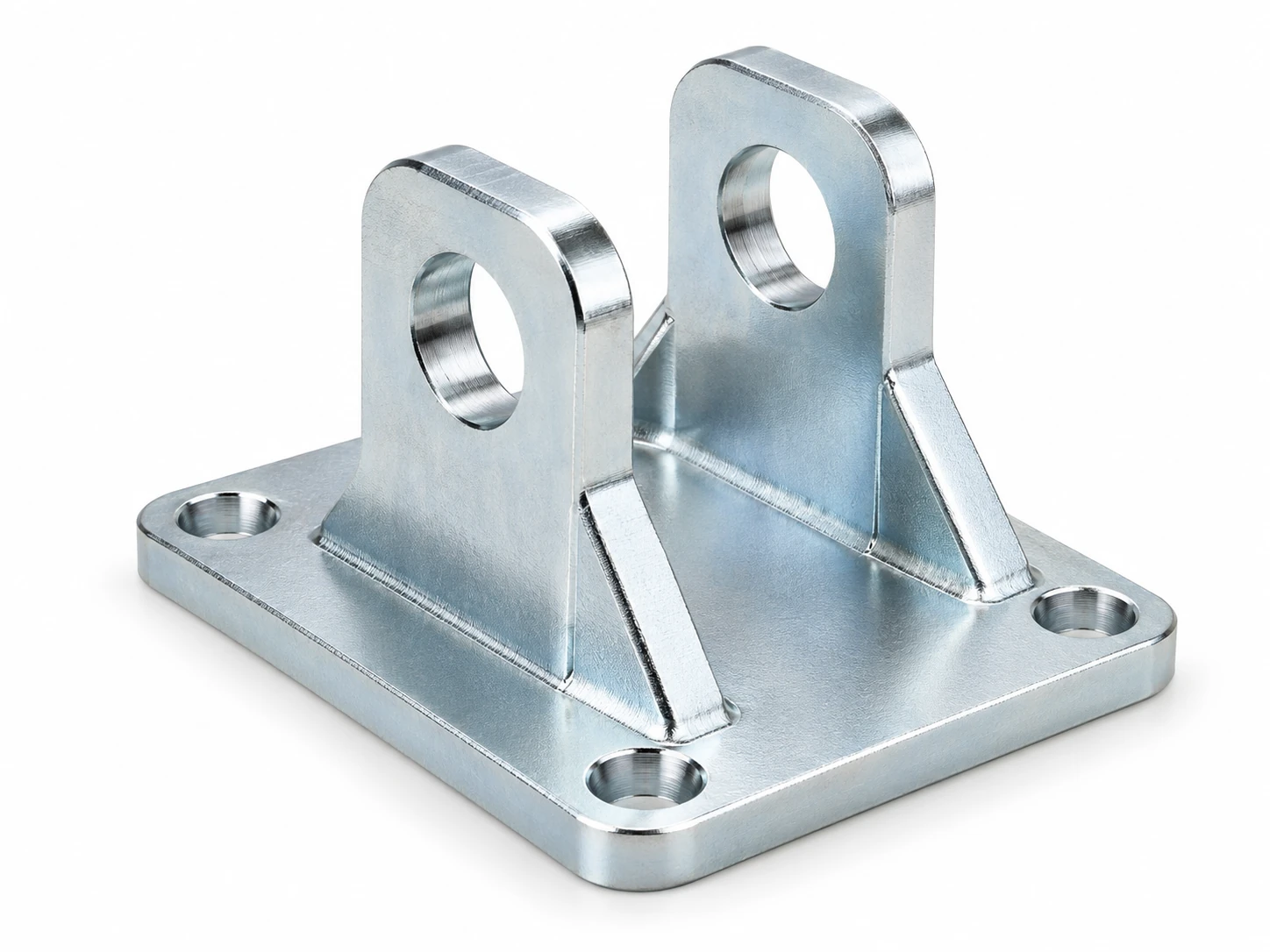
Provides sacrificial corrosion protection for steel parts. Plating thickness should be considered on precision features.
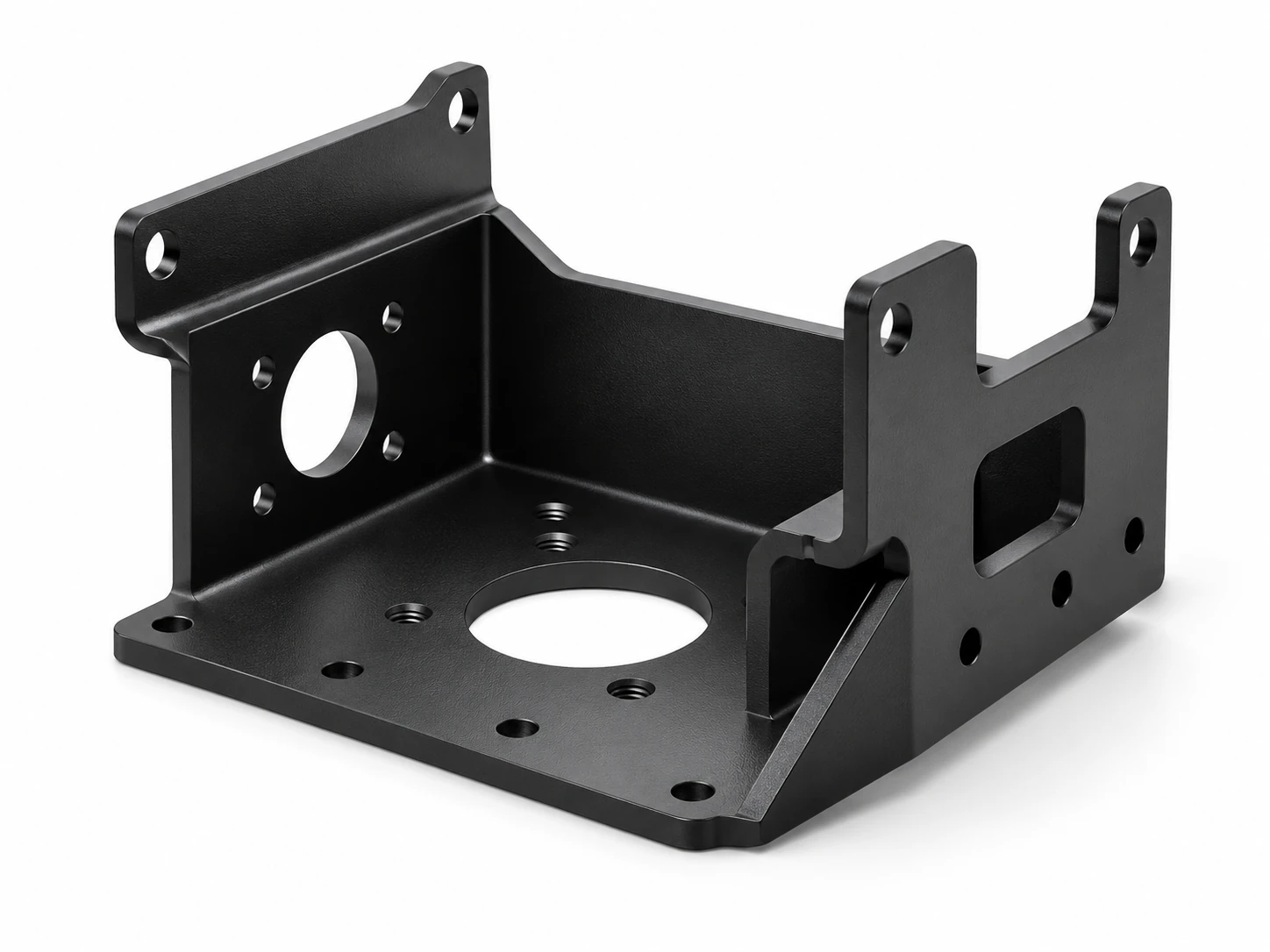
Adds a durable protective finish to brackets, housings, and other components without close-fit coated surfaces.
Specify Treatment Requirements Before Machining
Heat treatment can affect part dimensions, while plating and coatings add thickness. Specify required hardness, coating thickness, protected areas, and final tolerances in your drawings.
From critical dimensions to material and hardness requirements, your carbon steel parts are inspected against your drawings before shipment.
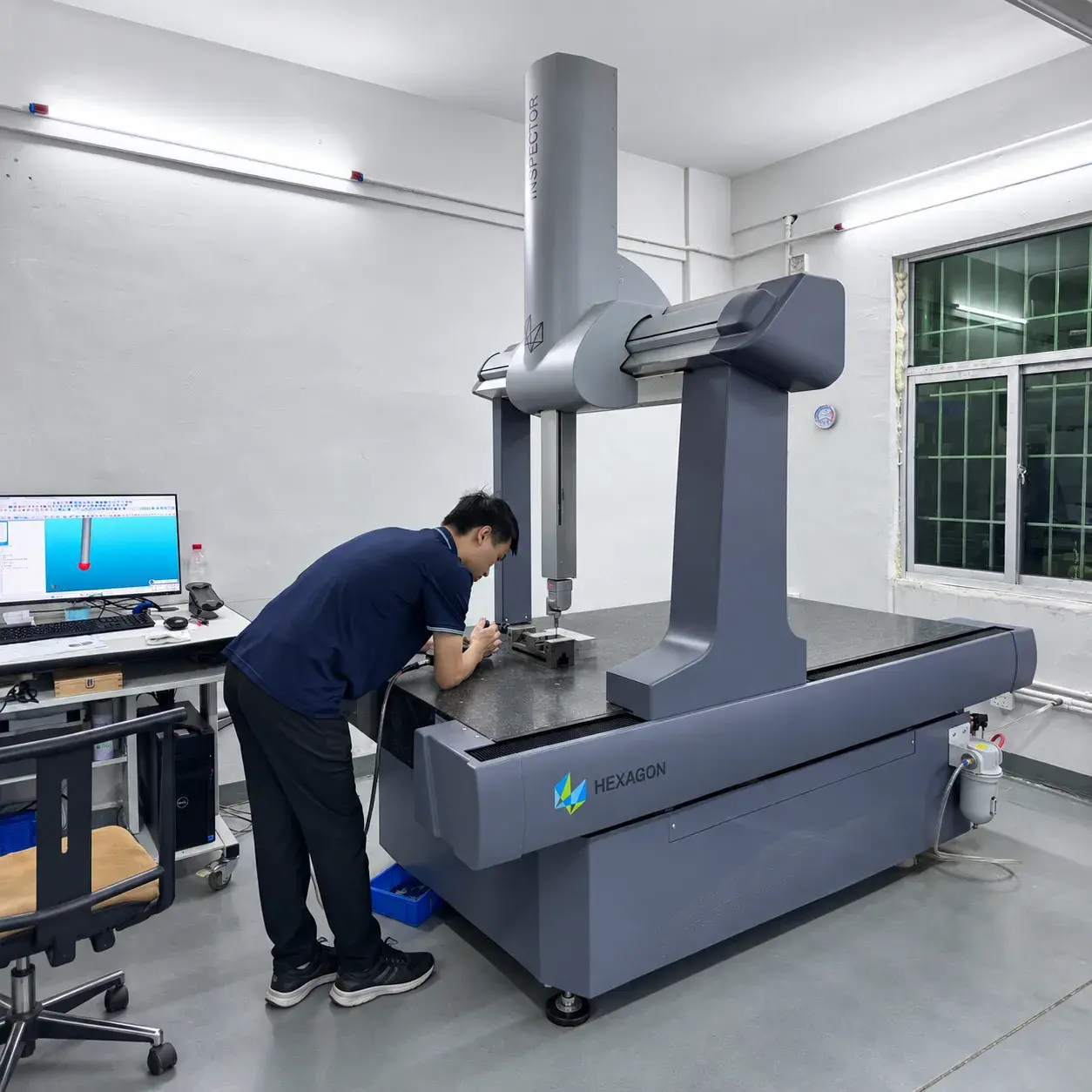
Critical dimensions, hole positions, and geometric tolerances are checked against approved drawings using CMMs and suitable measuring instruments.
Carbon steel grades and material specifications are checked against project requirements. Material certificates can be arranged when requested.
For heat-treated parts, specified hardness and treatment requirements are verified through appropriate inspection and supporting documentation.
Machined surfaces, burrs, edges, and protective finishes are inspected against agreed quality and workmanship requirements.
Most common carbon steel grades can be CNC machined, but machinability depends on carbon content, hardness, and material condition. Free-machining grades such as 12L14 generally cut more easily than hardened medium-carbon steels.
It depends on the part’s requirements. 1018 is a practical choice for general-purpose components, 1045 offers greater strength and hardening potential, while 12L14 is well suited to efficient precision turning when its material limitations are acceptable.
1018 is a low-carbon steel with good weldability and ductility. 1045 contains more carbon, offering higher strength and better hardening potential for shafts and other mechanical parts.
Yes. Unprotected carbon steel can rust when exposed to moisture. Black oxide with oil, zinc plating, and powder coating are common protective options, depending on the operating environment and part requirements.
Yes, suitable carbon steel grades can be heat-treated after machining. Since heating and cooling may cause distortion, critical dimensions may require finishing or inspection after treatment.
Tolerances down to ±0.005 mm may be achievable for suitable features. Actual accuracy depends on part geometry, material condition, machining method, and inspection requirements.
Cost depends on material grade, part complexity, tolerances, quantity, and any required heat treatment or finishing. A CAD model and technical drawing help determine an accurate machining quote.
Yes. YUANYI has no minimum order quantity and supports one-off prototypes and low-volume production. Lead time and pricing depend on the part’s specifications.
From one-off prototypes to production orders, we’re ready to help with your custom carbon steel parts. Send us your drawings for a free DFM review and quotation.
Send us your drawing, carbon steel grade, quantity, and required delivery date to get started.