
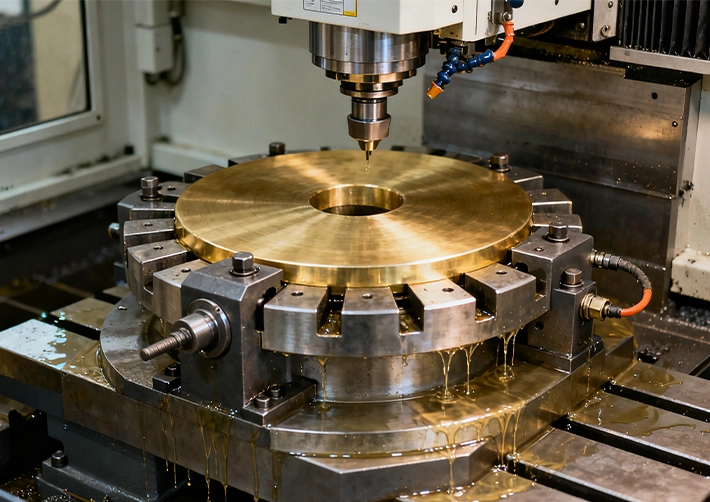
CNC Milling
Suitable for PEEK parts with pockets, holes, slots, contours and multi-side features. CNC milling is ideal for producing precise and complex PEEK components for prototypes and low-volume production.
Learn More →
Precision PEEK CNC machining Services for prototypes, low-volume production and custom PEEK parts in unfilled, glass-filled, carbon-filled and medical-grade PEEK.
Our PEEK CNC machining capabilities support prototypes, low-volume production and custom PEEK parts with precision milling, turning and multi-axis machining.
| Standards | Detail |
|---|---|
| Max Part Size (X/Y/Z) | 2300 × 1500 × 600 mm |
| Minimum Feature Size | Ø1 mm |
| Minimum Wall Thickness | 0.25 mm |
| Machining Tolerance | ±0.01 mm |
| Surface Finish (As Machined) | Ra 0.5–3.2 μm |
| Standard Lead Time | 3 working days for rapid prototyping |
| Machine Types | Gantry CNC, 3-Axis, 4-Axis, 5-Axis CNC, Mill-Turn, Swiss-Type CNC, CNC Turning |
| Common PEEK Grades | Unfilled PEEK, Carbon Filled PEEK (PEEK CF30), Glass Filled PEEK (PEEK GF30), ESD / Conductive PEEK, Medical Grade PEEK |
We provide precision PEEK machining services for prototypes,low-volume production and complex custom PEEK parts.Our capabilities include CNC milling, turning, 5-axis machining and mill-turn machining for a wide range of PEEK components.
Suitable for PEEK parts with pockets, holes, slots, contours and multi-side features. CNC milling is ideal for producing precise and complex PEEK components for prototypes and low-volume production.
Learn More →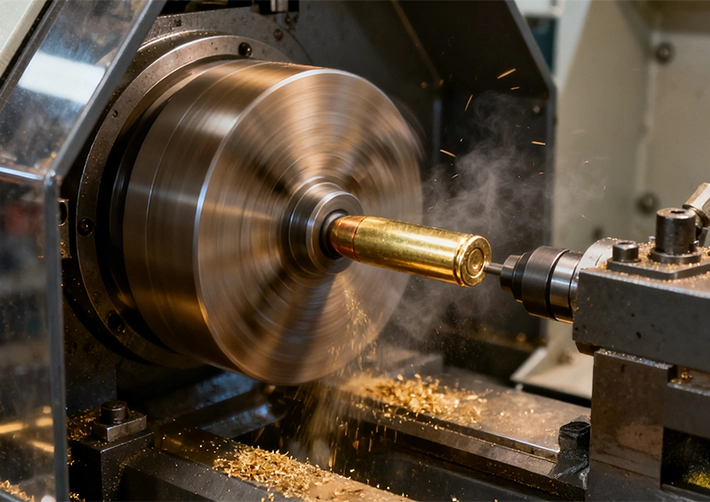
Ideal for PEEK bushings, sleeves, rings, shafts and other rotational parts. CNC turning provides consistent dimensions and surface quality for precision PEEK components.
Learn More →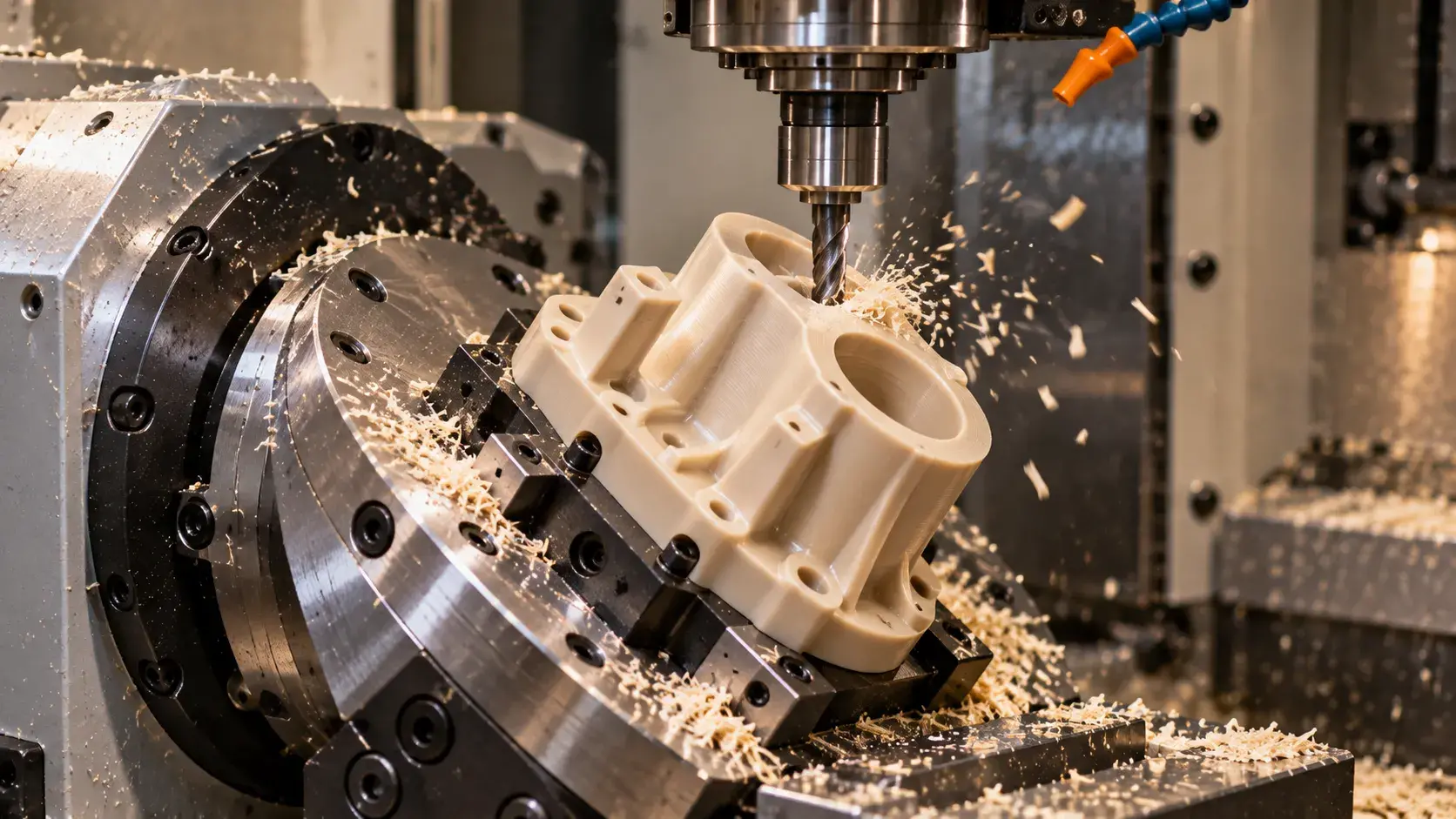
Suitable for complex PEEK parts with multi-angle features, curved surfaces and intricate geometries. 5-axis machining reduces setups and helps maintain consistent accuracy across multiple surfaces.
Learn More →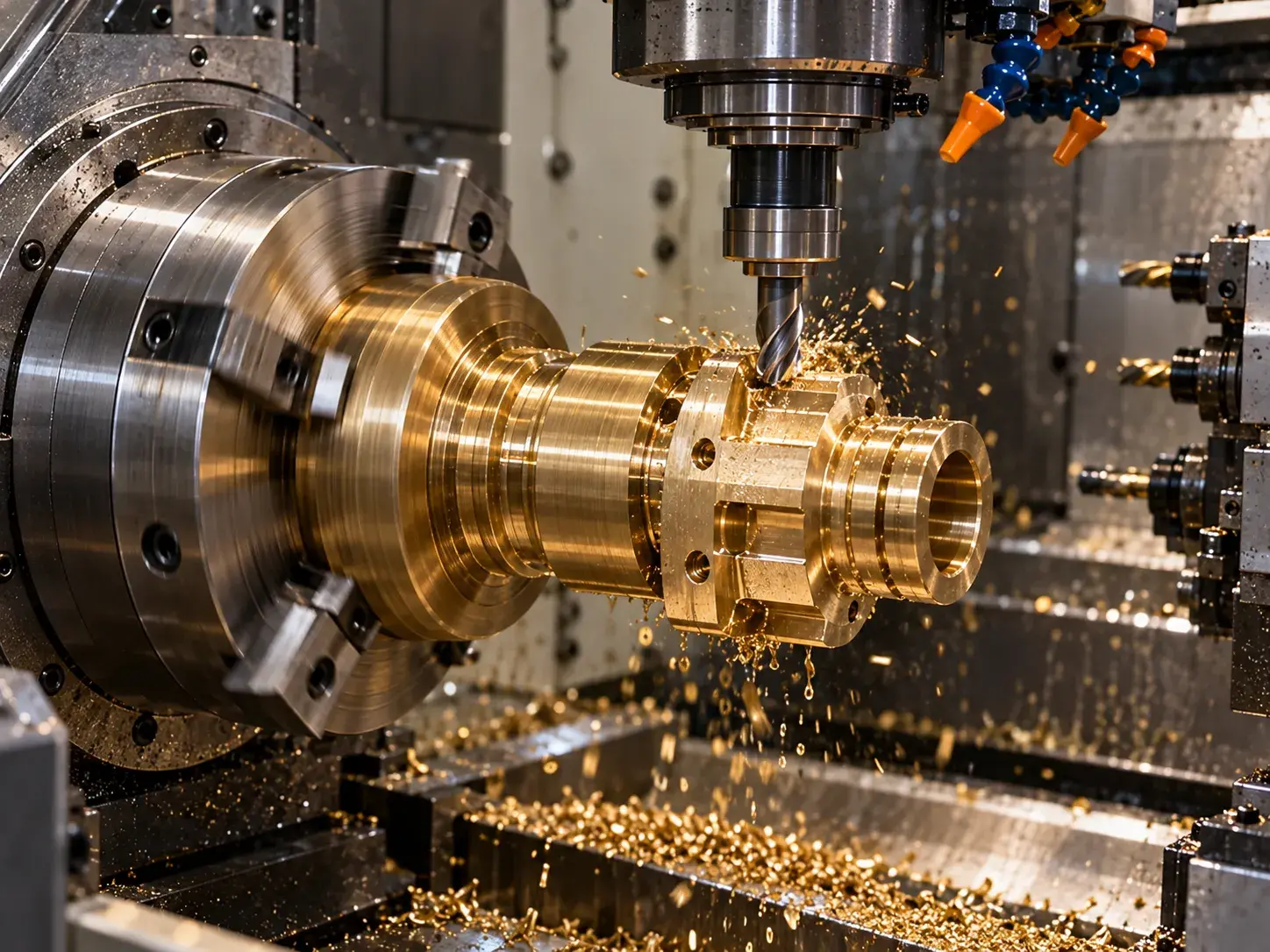
Combines turning and milling in one setup for complex PEEK components with both rotational and milled features, helping reduce secondary operations, setup errors and overall lead time.
Learn More →We machine a range of PEEK grades for precision parts requiringstrength, dimensional stability, wear resistance and high-temperature performance.
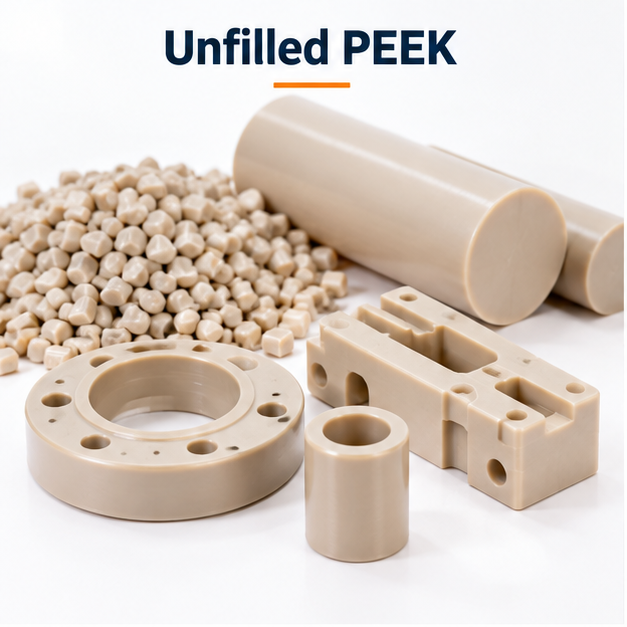
General-purpose PEEK with excellent chemical resistance, electrical insulation and mechanical performance for precision components.
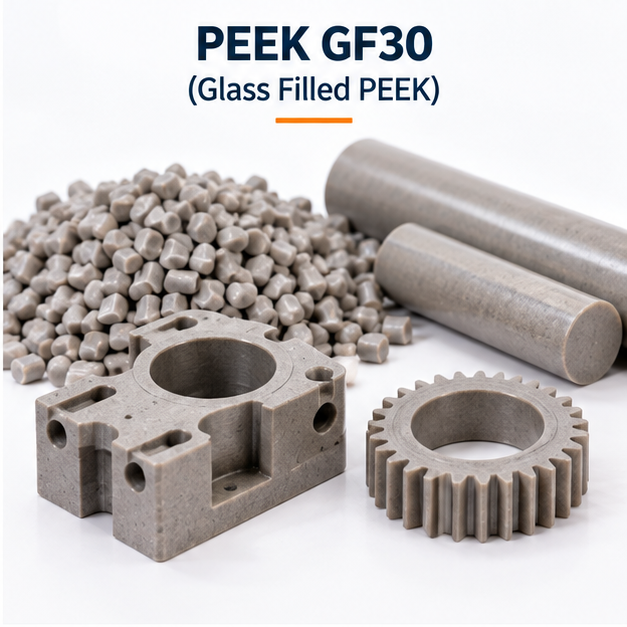
PEEK GF30 contains 30% glass fiber for improved stiffness, dimensional stability and heat resistance.
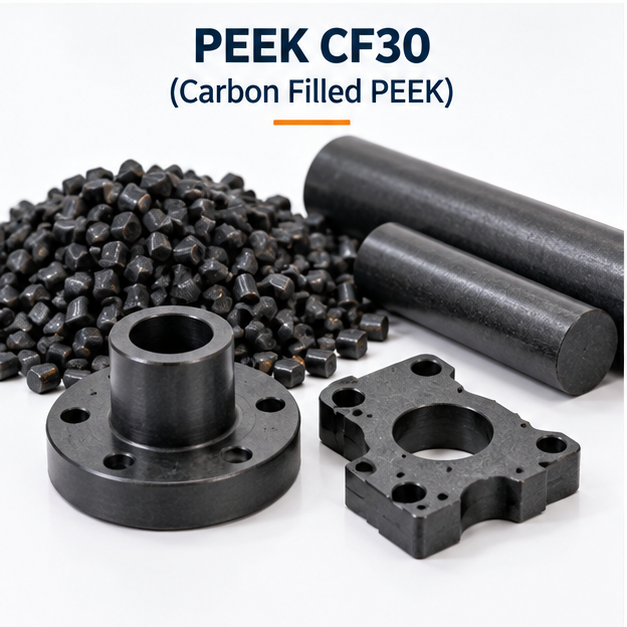
PEEK CF30 is a carbon filled PEEK grade offering higher stiffness, strength and wear resistance.
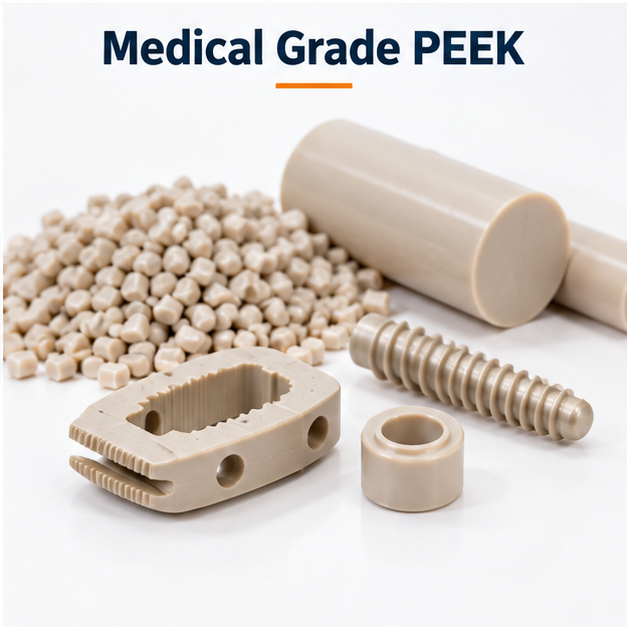
Medical grade PEEK is suitable for specified medical components requiring traceable materials and sterilization compatibility.
We manufacture custom PEEK parts for demanding applications using precision CNC machining, including seals, bearings, bushings and gears in different PEEK grades.
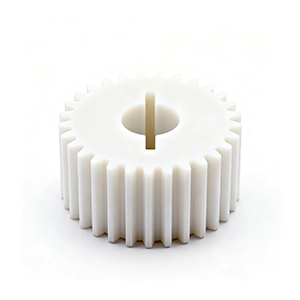
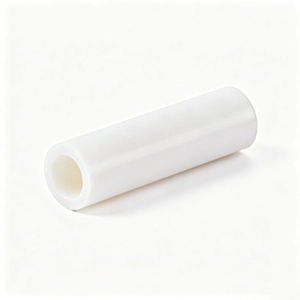
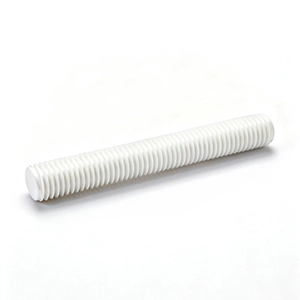
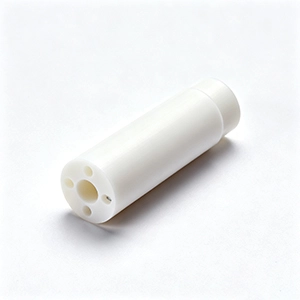
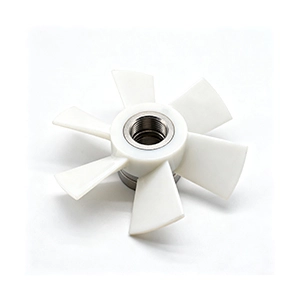
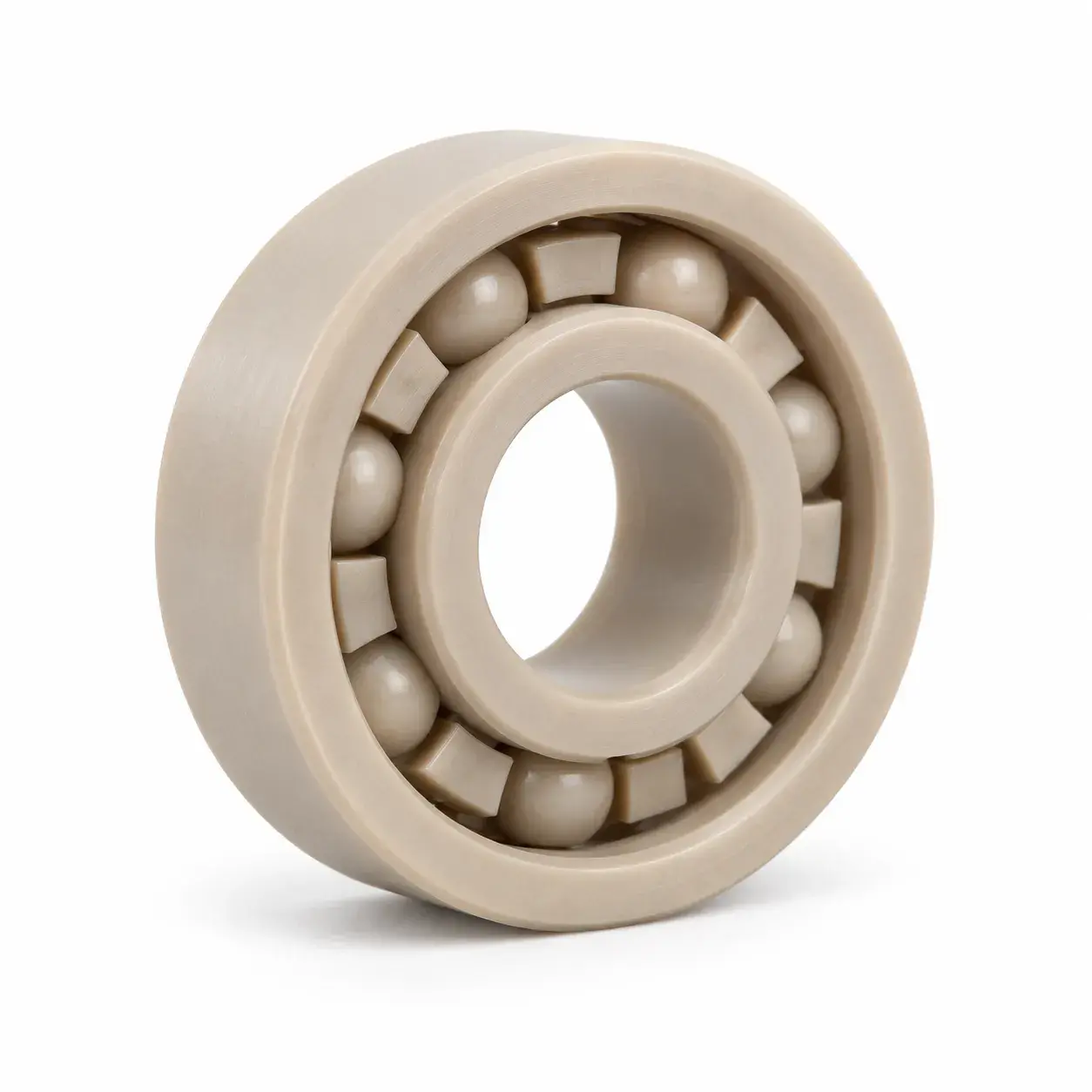
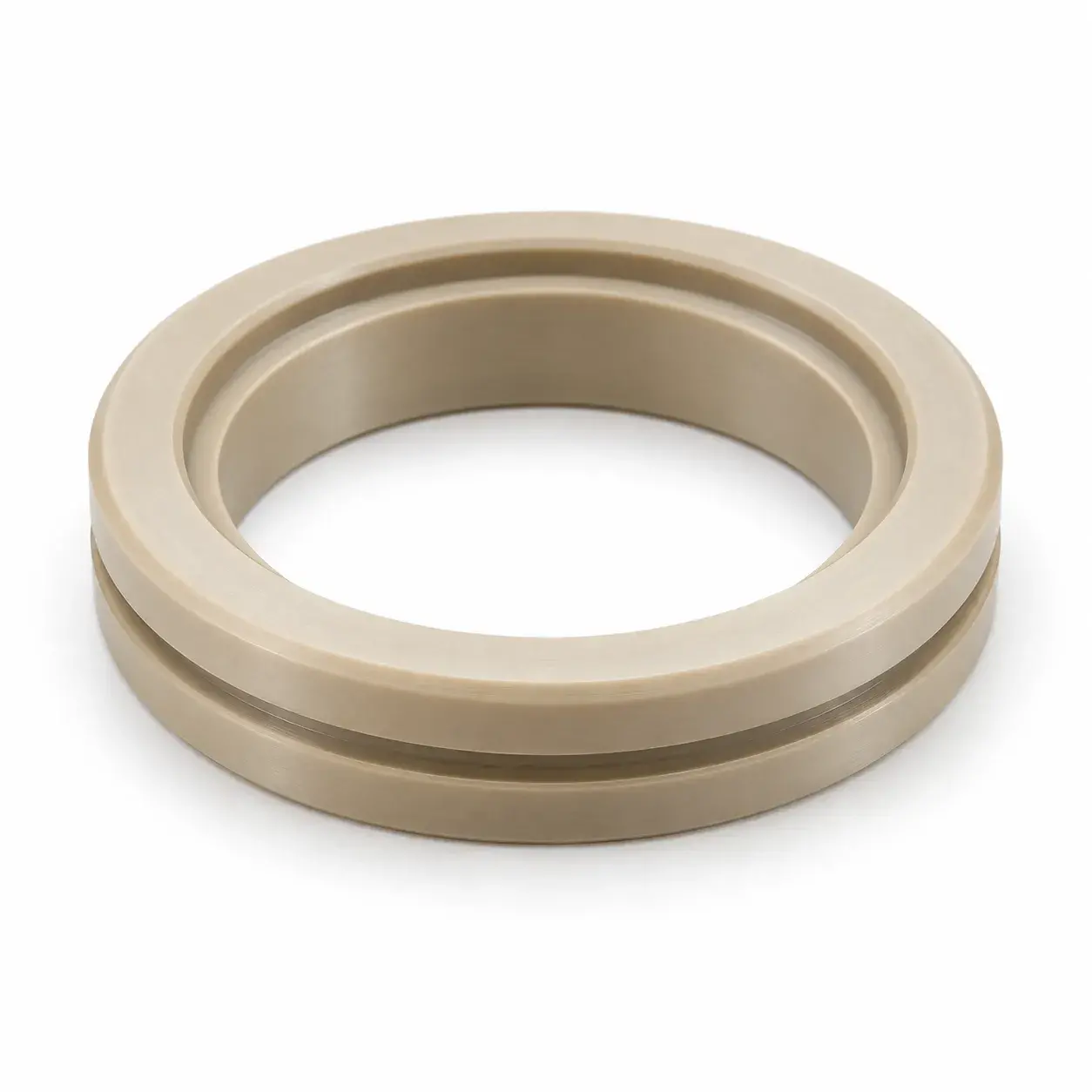
PEEK is widely used for demanding precision components because it combines high temperature resistance, chemical stability, strength and wear performance.
Maintains mechanical performance in high-temperature operating environments.
Resists many chemicals, fuels and aggressive fluids used in industrial applications.
Provides strong mechanical performance while remaining significantly lighter than metal.
Suitable for bearings, bushings, seals and other moving or sliding components.
Offers excellent dielectric properties for electrical and semiconductor applications.
Maintains stable geometry for precision components under demanding operating conditions.
PEEK requires careful control of heat, tooling, workholding and cutting parameters to maintain dimensional accuracy and surface quality during CNC machining.
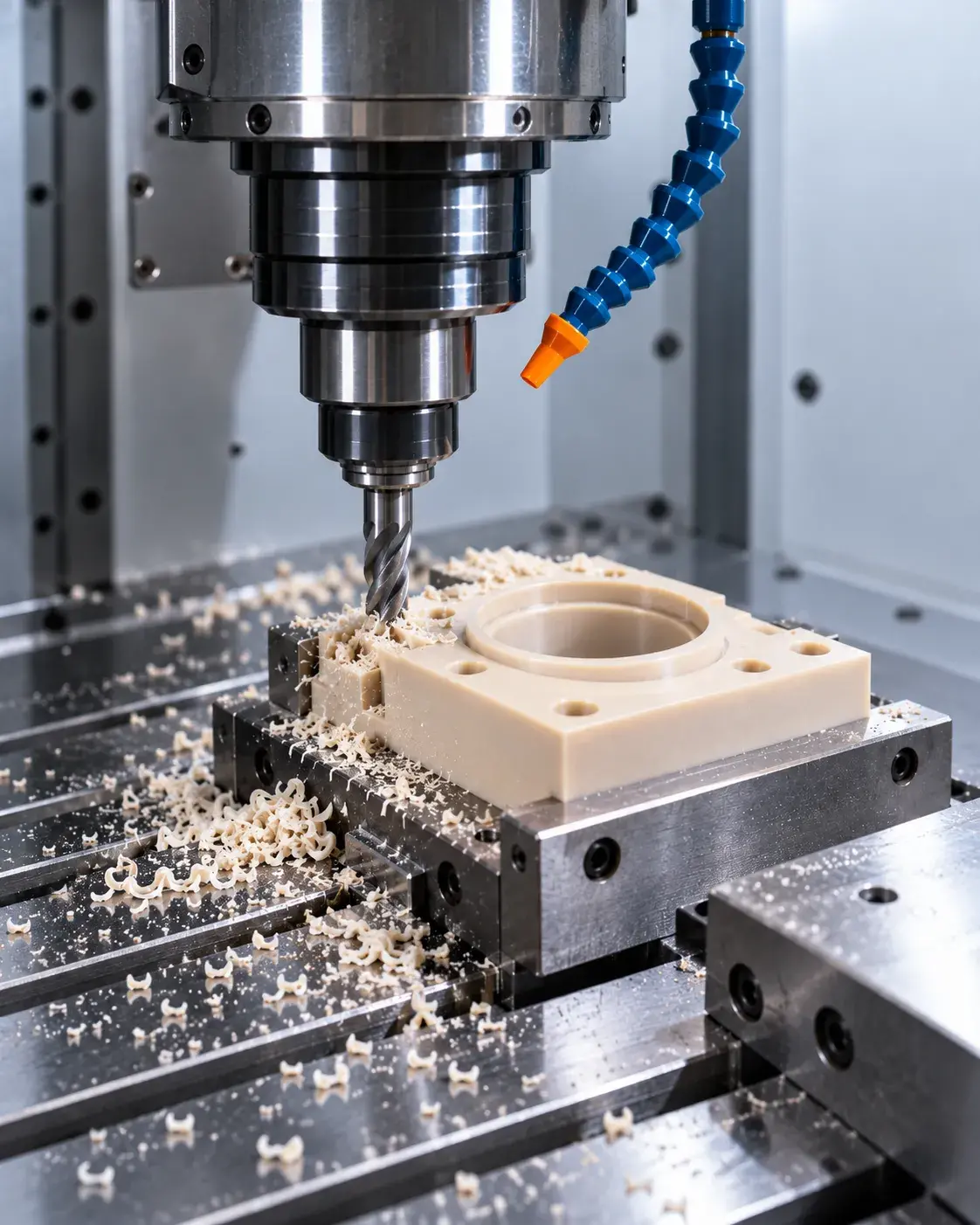
PEEK can deform when excessive heat builds up during machining. We use controlled cutting parameters, sharp tools and staged machining to reduce thermal distortion.
Glass filled PEEK and carbon filled PEEK are more abrasive than unfilled grades. Wear-resistant tooling and appropriate cutting conditions help maintain consistent dimensions.
Thin PEEK features can flex or distort under excessive clamping pressure. Low-force fixturing and balanced material removal help maintain part geometry.
PEEK can produce burrs or edge whitening during machining. Sharp tooling, optimized cutting direction and controlled deburring help improve edge quality.
Precision PEEK CNC machining is widely used for demanding components in industries that require heat resistance, chemical resistance, dimensional stability and low weight.
We inspect critical dimensions and material requirements throughout production to help ensure consistent quality for precision PEEK components.
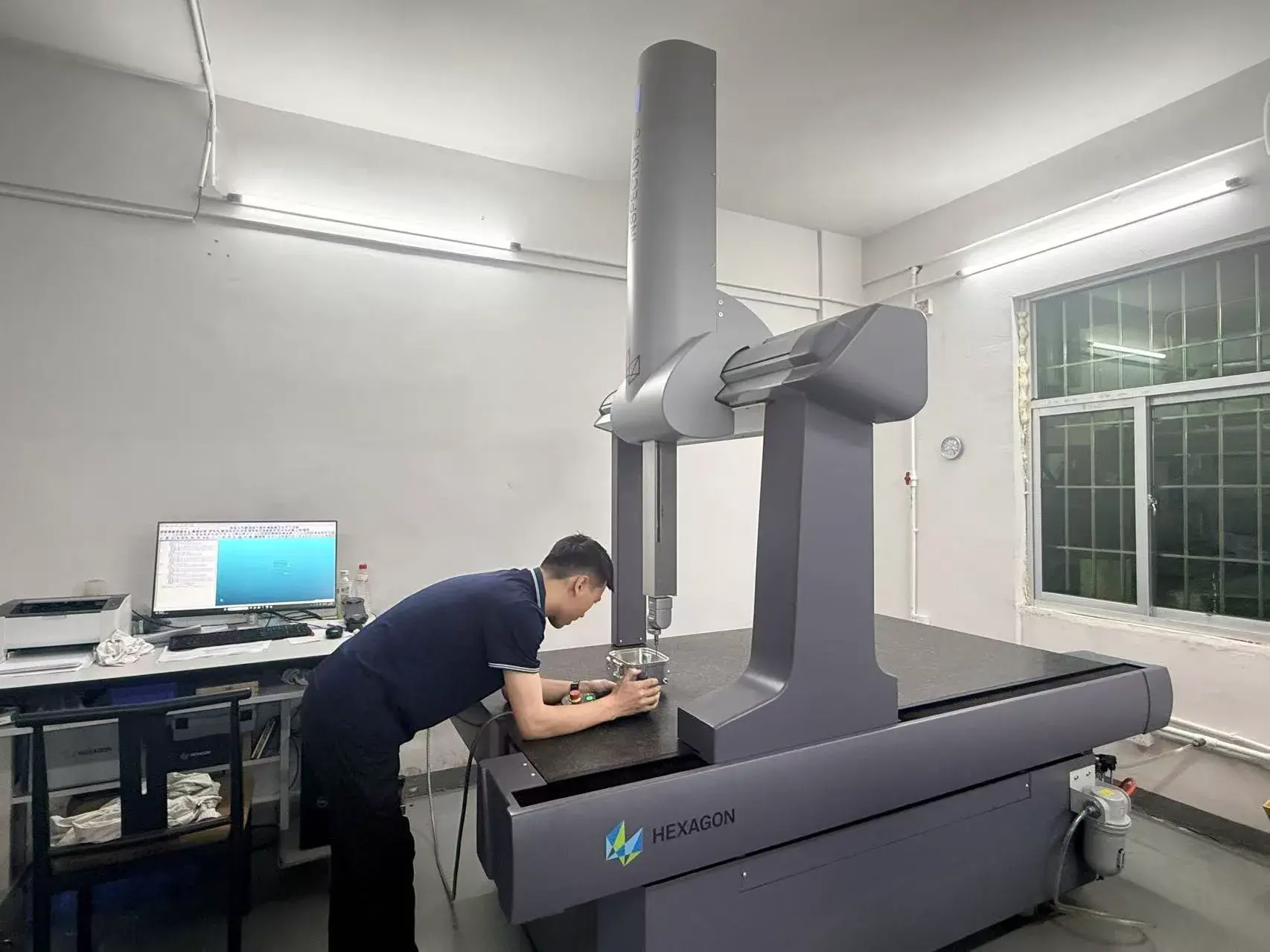
Coordinate measuring machines are used to verify critical dimensions, positions and complex geometric features.

Precision measuring tools are used to check diameters, lengths, threads, holes and other specified dimensions during and after machining.
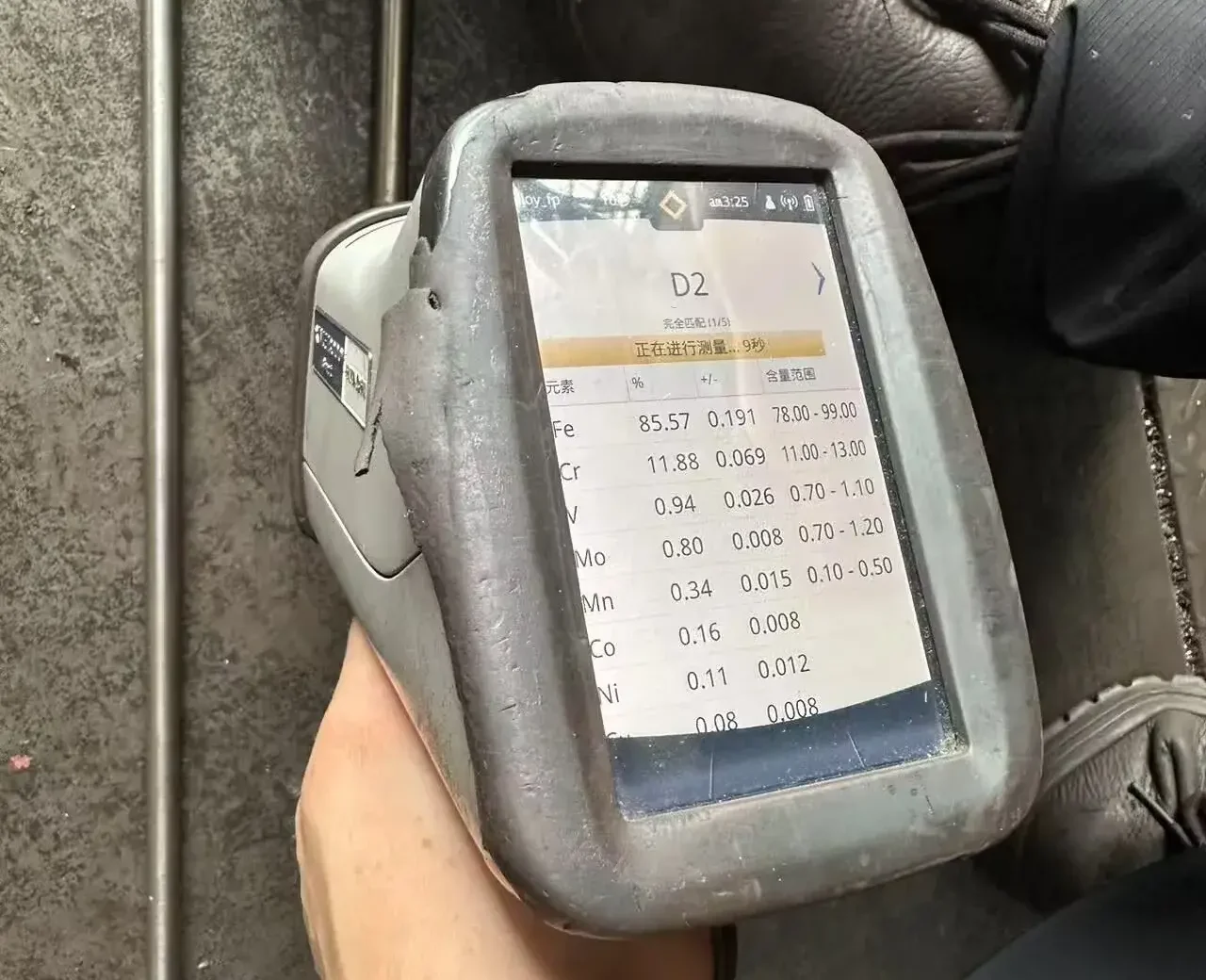
Surface roughness and hardness can be checked when required to confirm functional and finishing specifications.
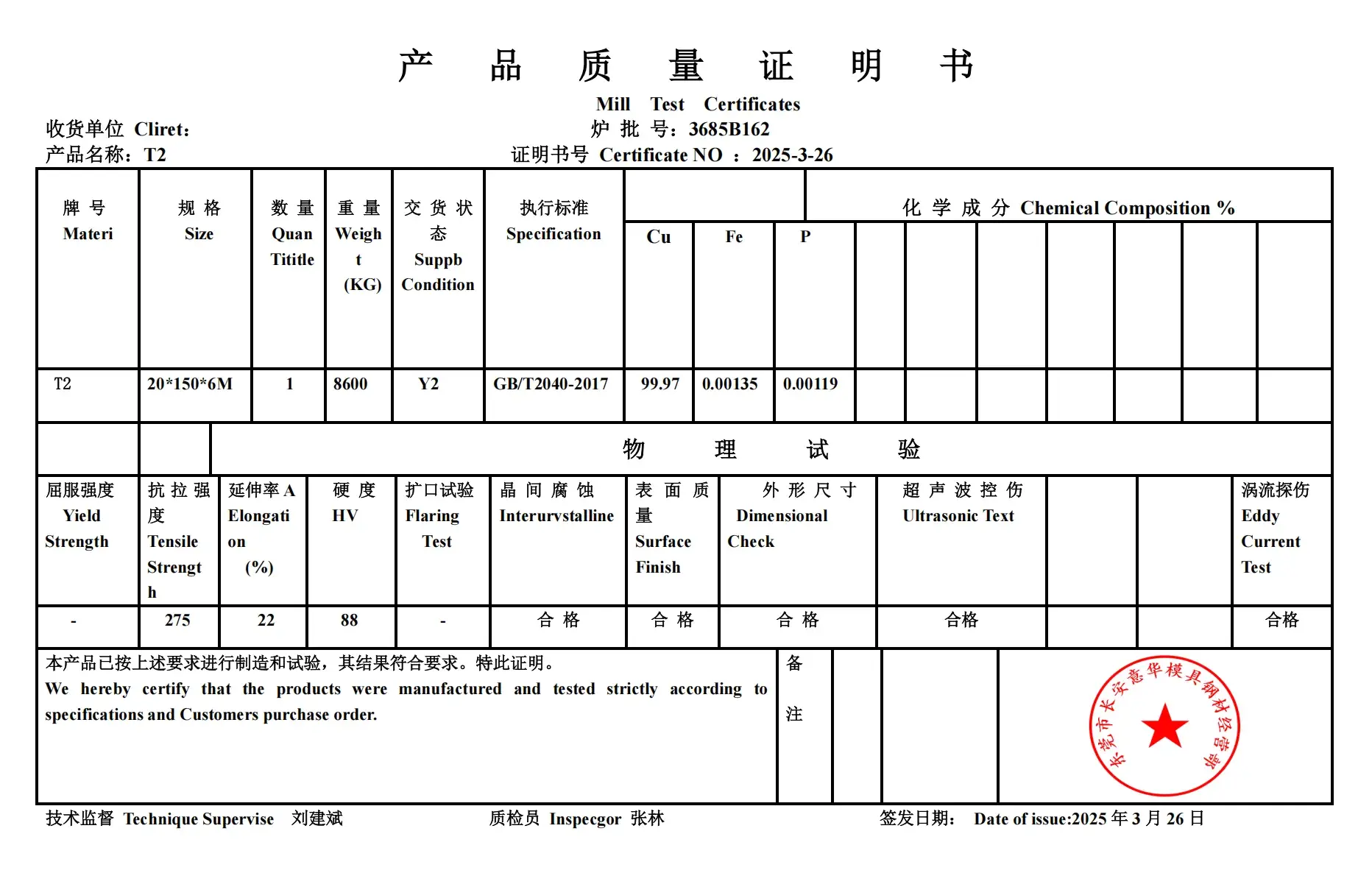
FAI, dimensional inspection reports and material certificates can be provided according to project requirements.
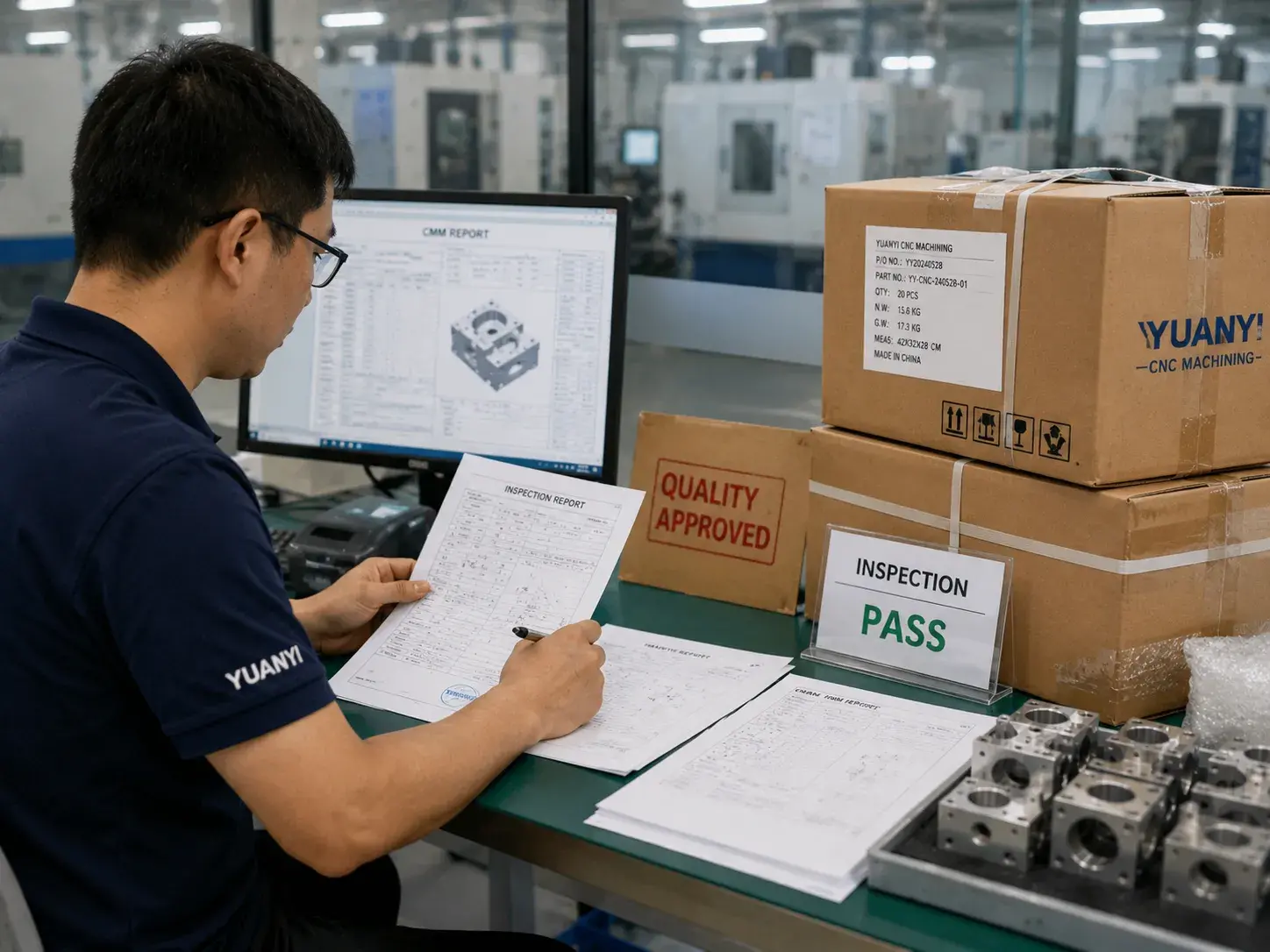
Parts are checked before shipment to confirm drawing requirements, appearance and quantity.
Upload your drawing and material requirements. Our engineering team will review the PEEK grade, geometry, tolerances and machining requirements before quotation.
Typical machining tolerances can reach ±0.01 mm, depending on part geometry, size, wall thickness and material grade.
We machine unfilled PEEK, PEEK GF30, PEEK CF30, ESD / conductive grades and specified medical grade PEEK.
Yes. We machine both glass filled PEEK and carbon filled PEEK, with tooling and cutting parameters adjusted for their higher abrasiveness.
Yes. We produce custom PEEK parts from customer CAD files and drawings for prototypes and low-volume production.
Yes. We manufacture PEEK seals, PEEK bearings, PEEK bushings and PEEK gears, as well as other custom precision components.
For suitable geometries, wall thickness can be as low as 0.25 mm, depending on part size, feature depth and tolerance requirements.
Rapid prototypes can typically be completed in around 3 working days, depending on part complexity, quantity and material availability.
Yes. Material certificates, dimensional inspection reports and FAI documentation are available based on project requirements.