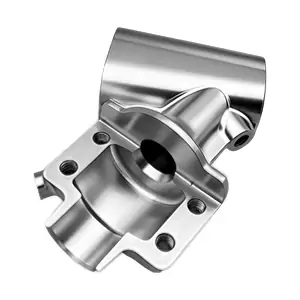
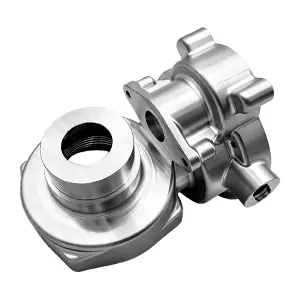
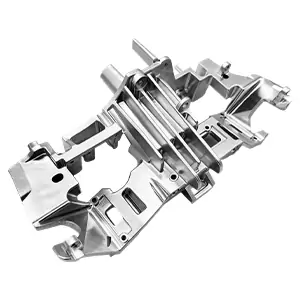
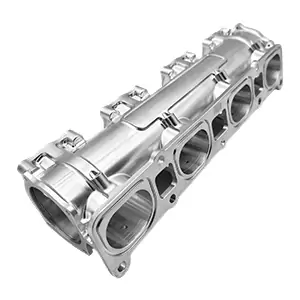
5 Axis CNC Machining Services

Custom 5 Axis CNC machining services, faster lead time, and a better cost effectiveness solution for high precision parts.

13 YEARS

CNC Machining
Manufacturer

52 Machines

CNC Machines

100000+

Machined Parts

96%

On Time Delivery

ISO

9001:2015 Certified
14001:2015 Certified

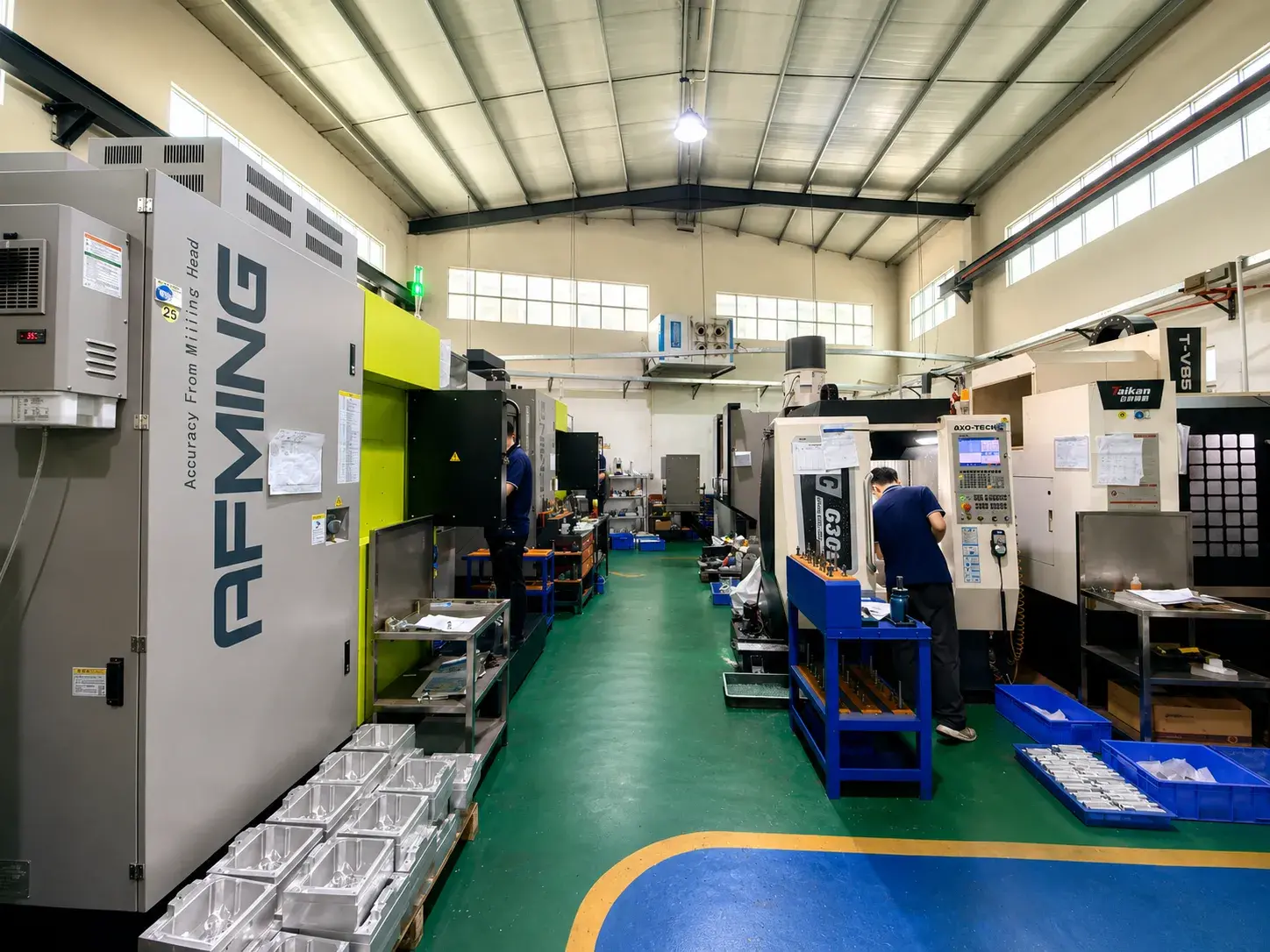
5 Axis CNC Machine Shop in YuanYi

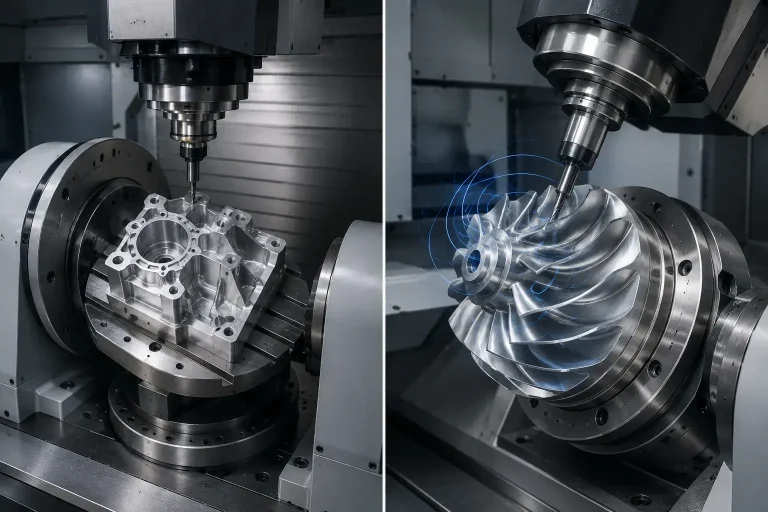
YuanYi’s 5-axis CNC machine shop combines heavy duty machine cutting tools with high performance team to produce complex parts with precision and consistent quality.

CNC milling services for custom parts

5 -Axis CNC Shop

Dedicated multi-axis machining area for complex aluminum and precision CNC components.

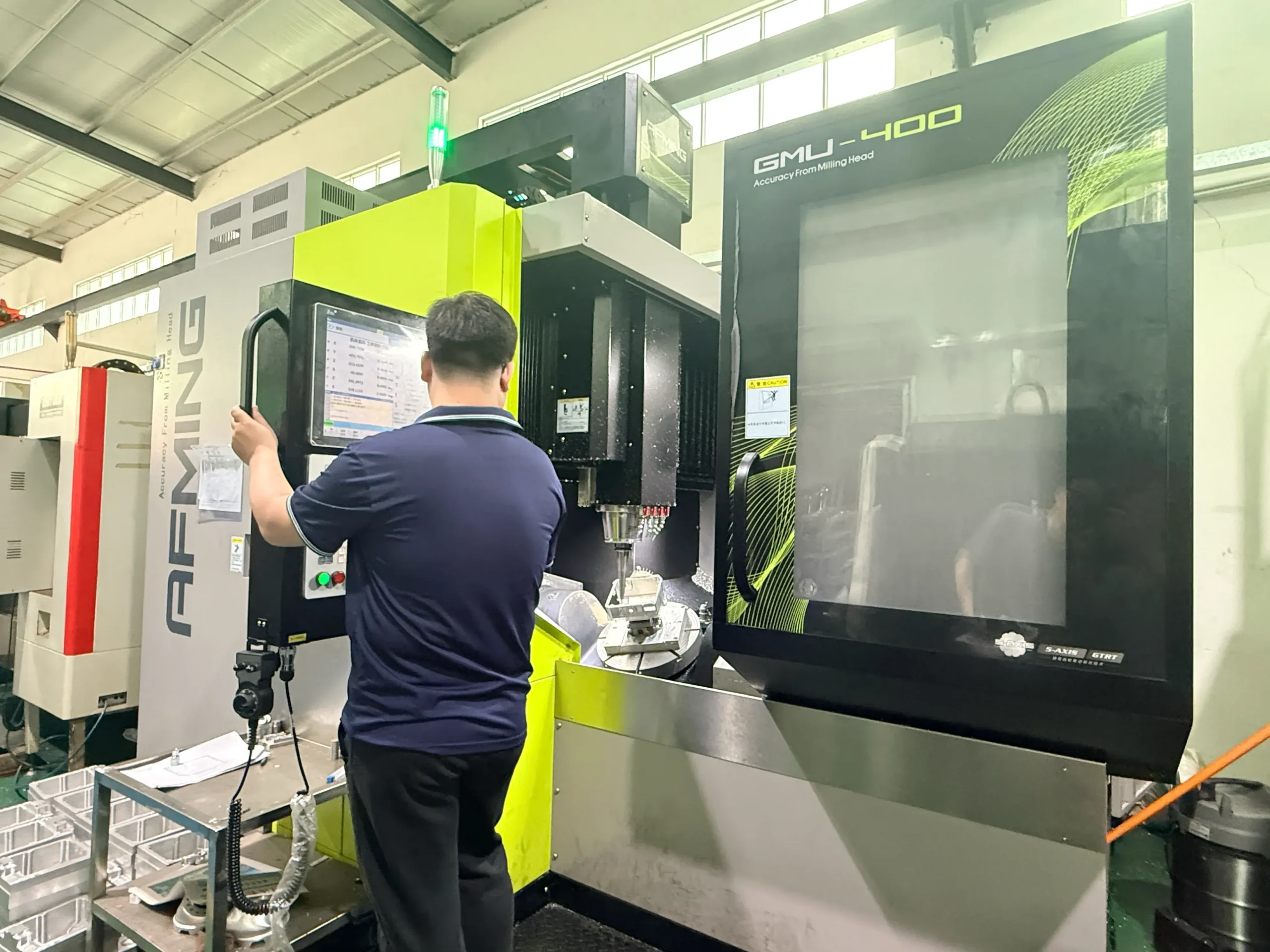
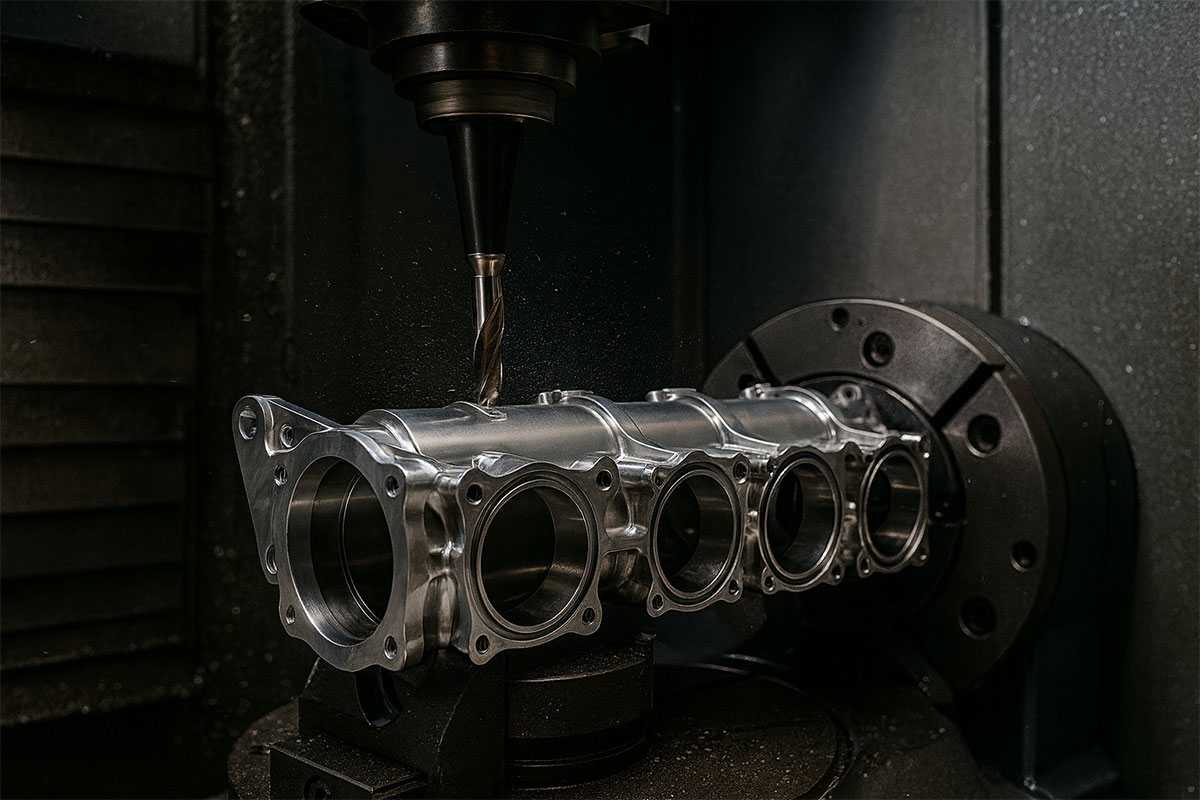
Simultaneous 5 Axis CNC Machine

Capable of machining deep cavities, curved surfaces, and multi-sided structures in a single setup.

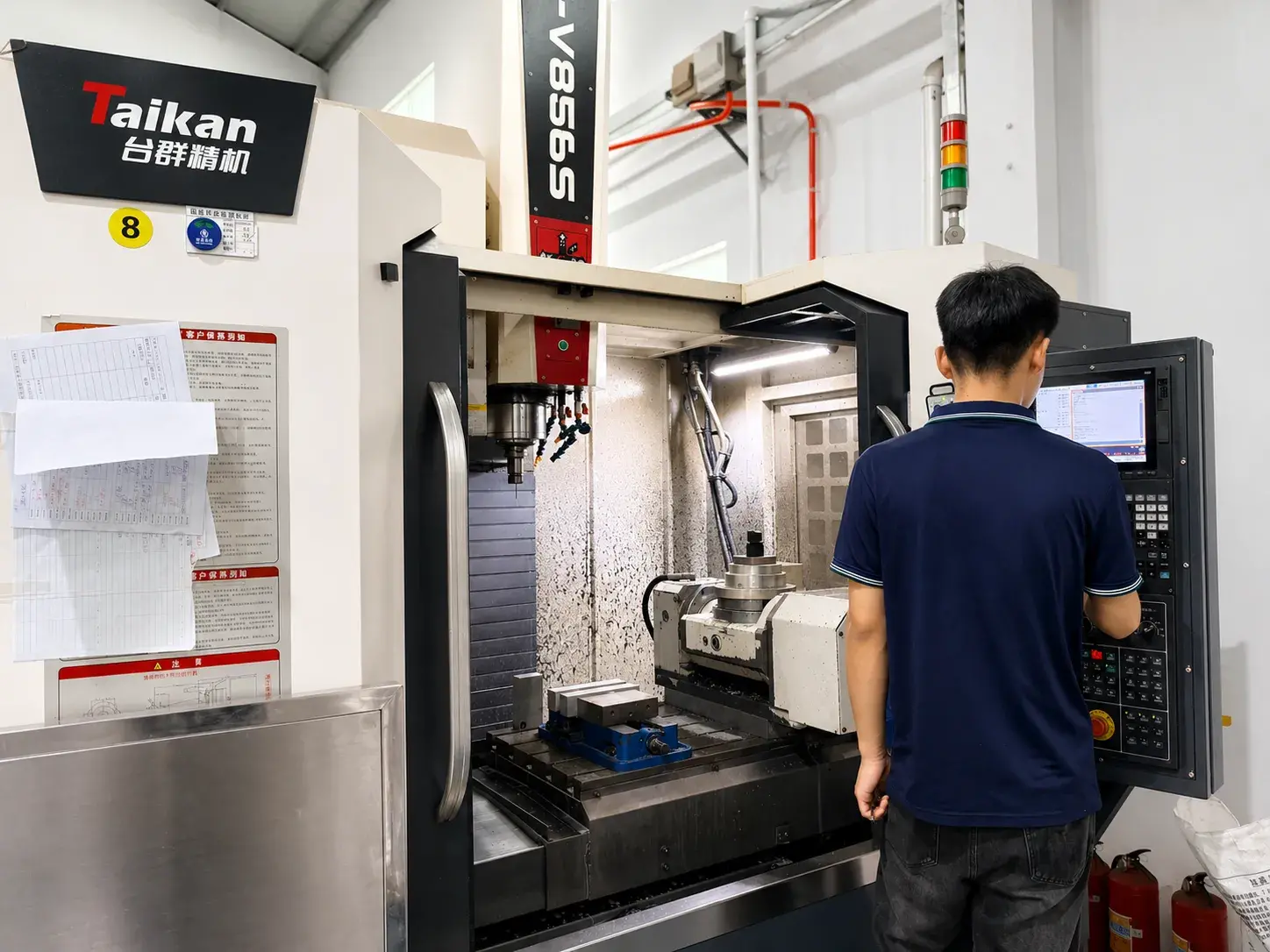
3+2 Axis CNC Machine

Improves machining stability and surface finish for angled and complex features.

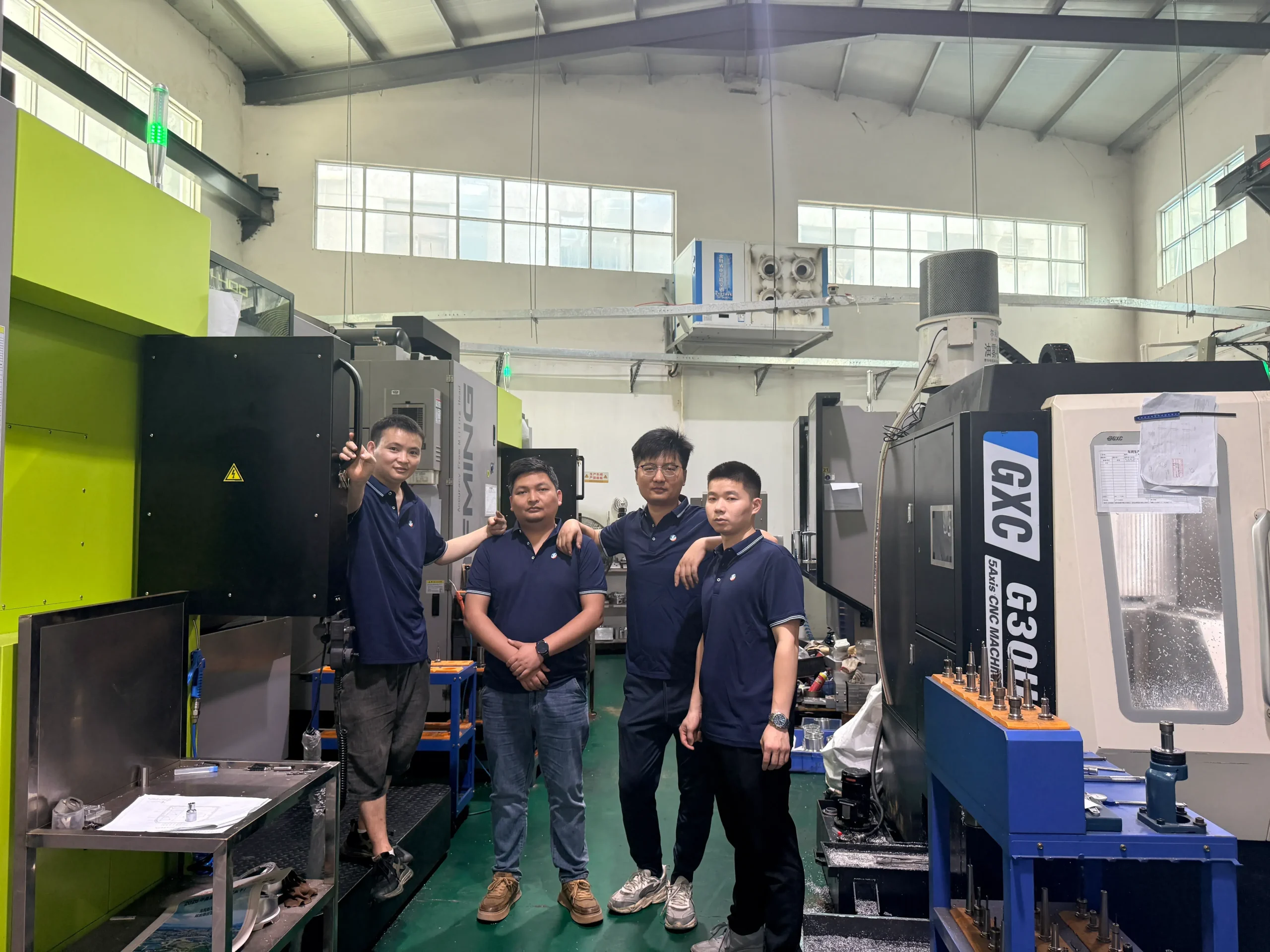
Experienced 5 Axis Team

Programming engineers and operators with 10 years of experience in complex CNC machining projects.

YuanYi 5-Axis CNC Machining Capabilities & Typical Tolerances

We machine high precision parts with tight tolerances down to +/-0.005mm.

SpecificationMetric UnitsImperial Units
Max. Part Dimension600 × 910 × 450 mm23.6 × 35.8 × 17.7 in
Rotary Diameter CapacityØ600 mmØ23.6 in
Typical Tolerance±0.005 mm±0.0002 in
Hole Tolerance (Reamed)±0.005 mm±0.0002 in
Surface Finish (As-Machined)Ra 0.8–3.2 μmRa 32–126 µin
Surface Finish (Polished)Ra ≤0.2 μmRa ≤8 µin

5-Axis CNC Machining Parts YuanYi Manufactured

Quality You Can Rely On YuanYi Machining Parts

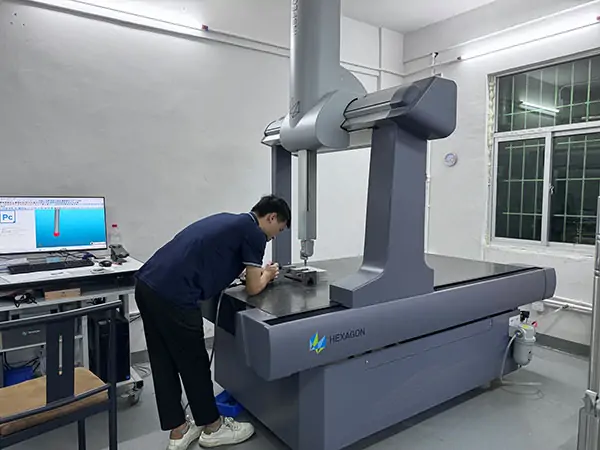
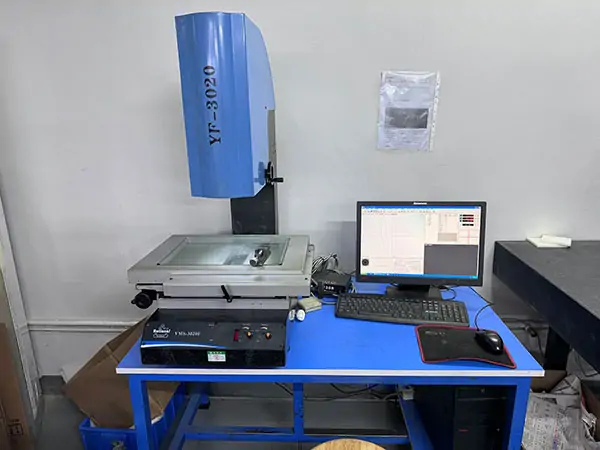
Our quality assurance system covers the entire supply chain, from analyzing data to implementing corrective actions.

3D CMM
2D projectors
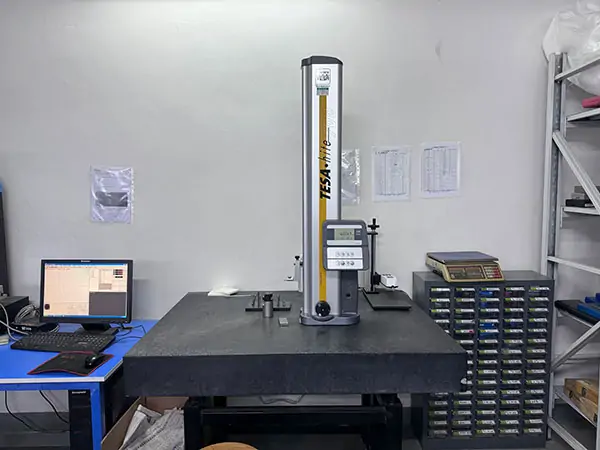
Altimeter
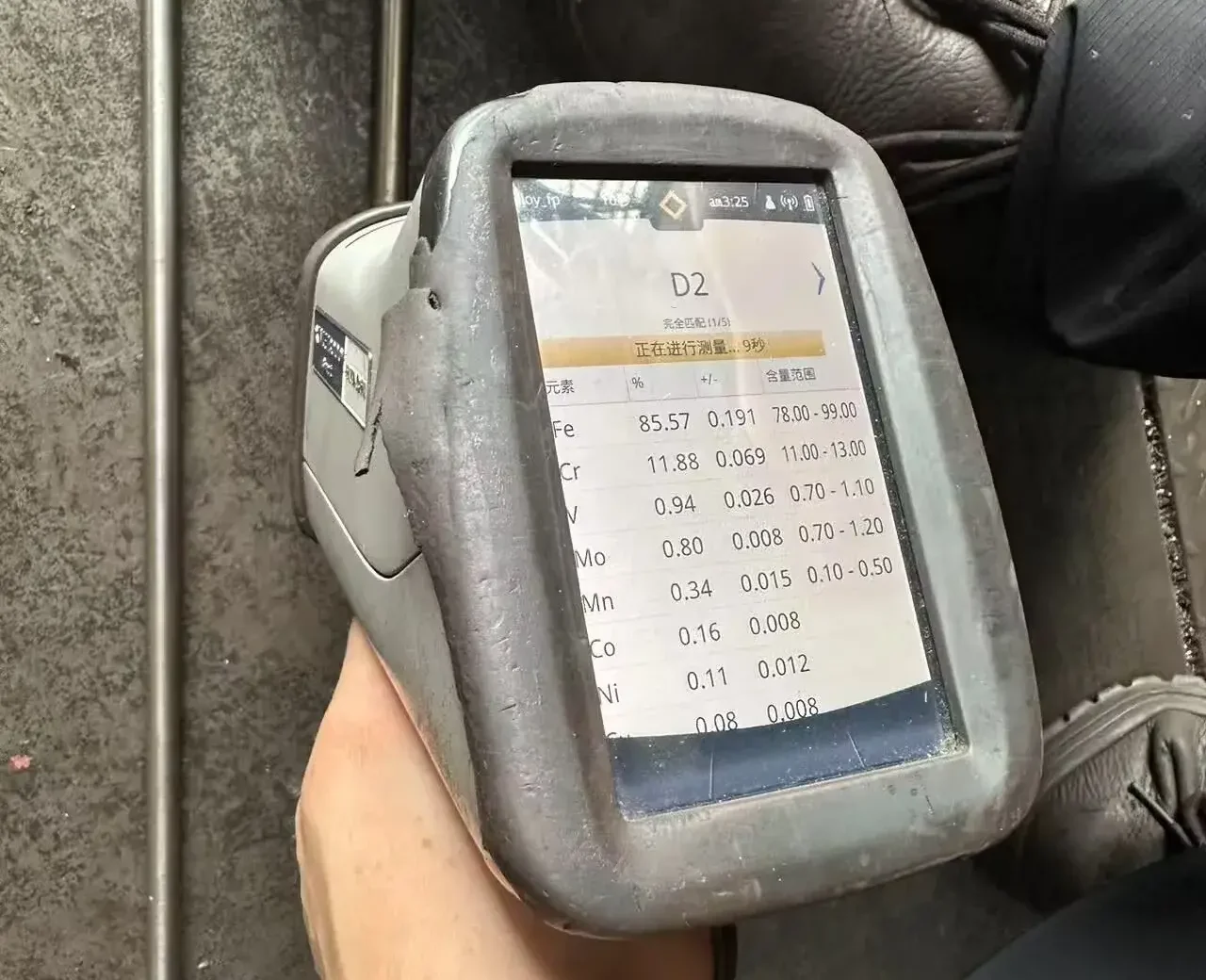
Spectrometer

YuanYi  quality control system follows ISO9001:2015 and ISO14001:2015 certified processes, supported by engineering-led production planning, in-process inspections, and final dimensional verification.

Certified Quality System

ISO9001:2015 and ISO14001:2015 certified manufacturing processes help maintain stable machining quality and production consistency.

Advanced Inspection Capability

CMM inspection, height gauges, and precision measuring equipment support dimensional verification for complex precision components.

Traceable Production Process

From machining strategy review to final inspection reporting, every production stage follows a documented and traceable workflow.

5 Axis CNC Machined Components Case Share​

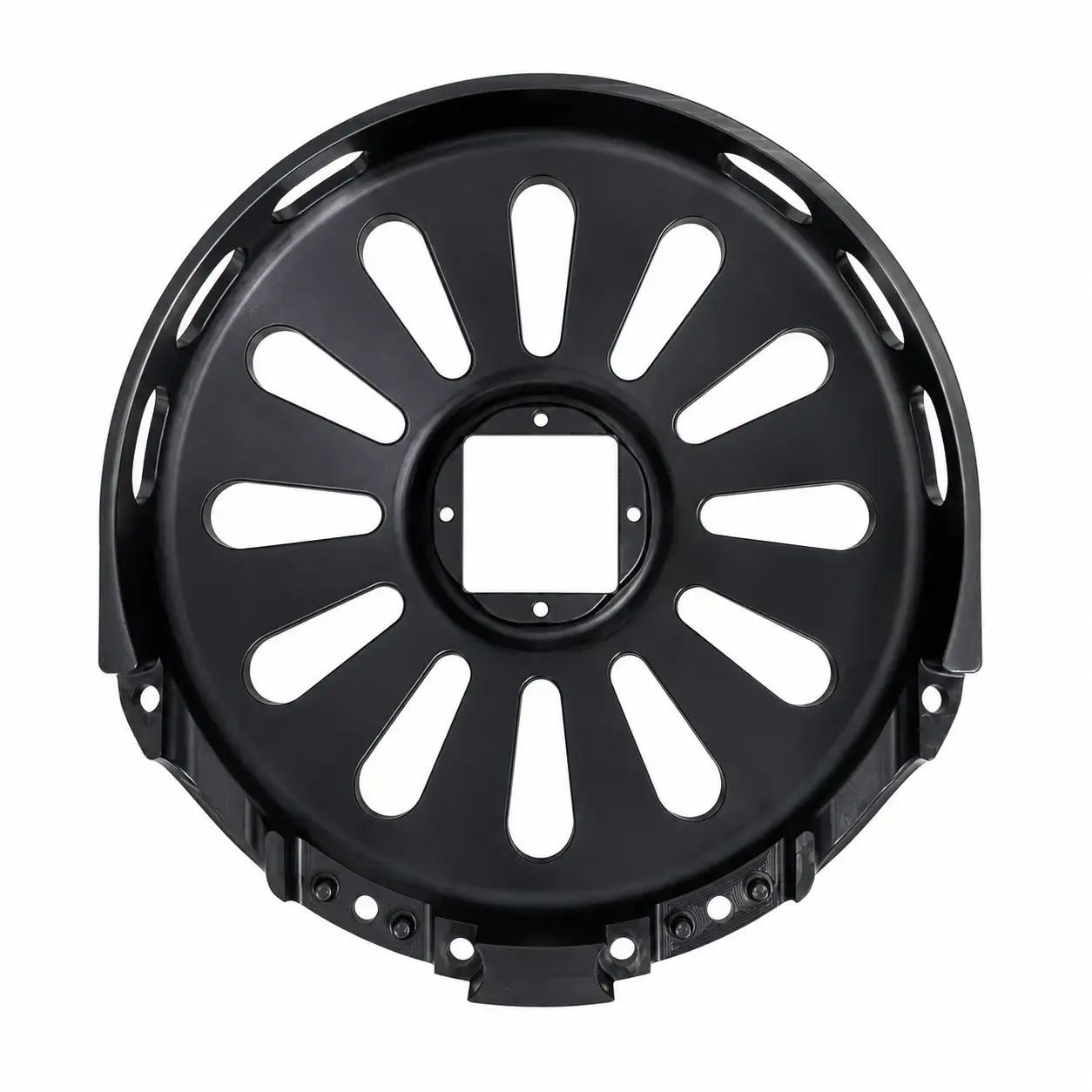
5-axis CNC-machined part

Industry: Aerospace 

Material: Aluminum 7075

Process: 5 Axis CNC Machining

Surface Finish: Ra0.4 μm

Tolerance: ±0.005 mm

Machining Features: Deep Cavities / Undercuts /Multi-Sided Structures

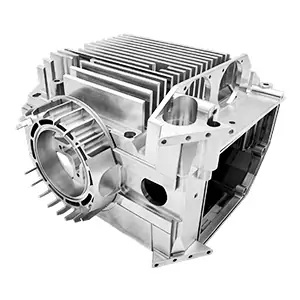
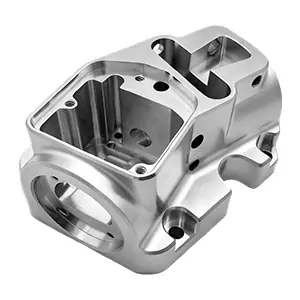
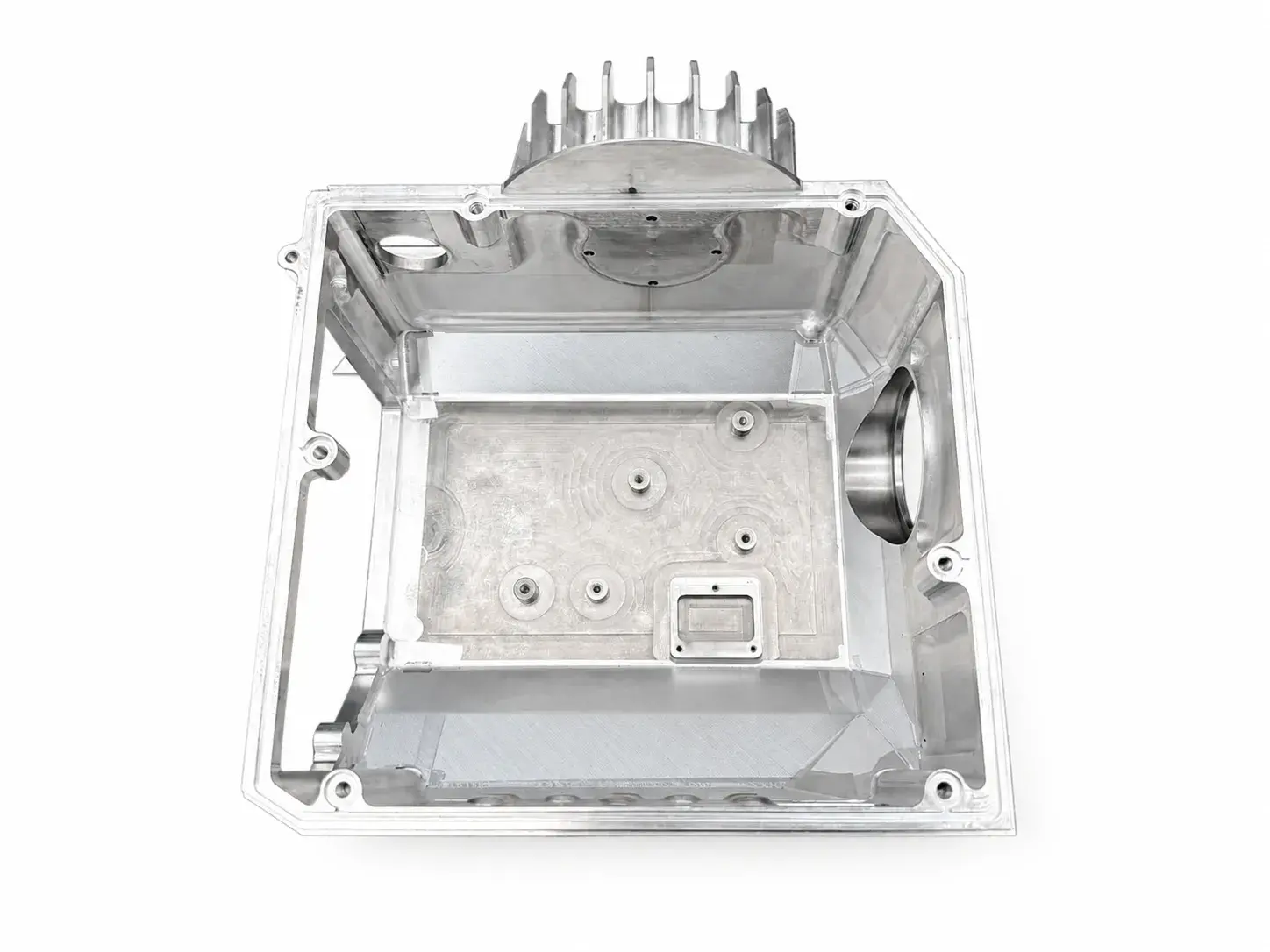
This aluminum alloy housing features deep cavities, undercuts, and complex multi-sided geometry, making it an ideal application for 5-axis CNC machining. To minimize re-clamping and efficiently machine the intricate internal features, we adopted a simultaneous 5-axis machining strategy.

The primary challenge lay in the limited space within the deep undercuts. Standard ER tool holders could not provide sufficient clearance, preventing the cutting tool from reaching critical areas. Additionally, the steep cavity walls required long tool overhangs, increasing the risk of vibration and tool deflection. Furthermore, although the undercut regions required significant material removal, only small-diameter lollipop cutters could access these features, placing high demands on tool rigidity and machining stability.

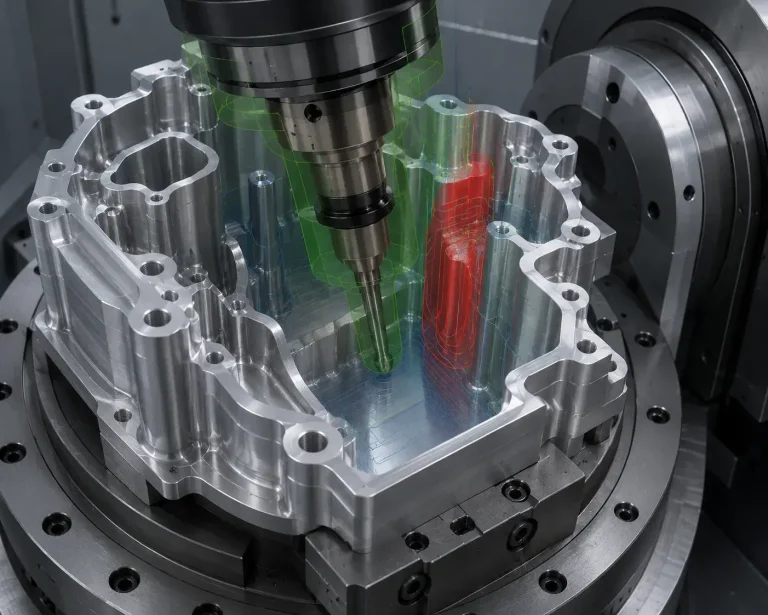
To address this challenge, we performed a full 1:1 machining simulation in hyperMILL before production to verify tool paths, holder clearance, rotary-axis movement, and fixture positioning. We then selected a shrink-fit tool holder with a small-diameter lollipop cutter, which provided greater rigidity and better access than conventional ER tool holders. Therefore, the machining process could be carried out safely without interference.

Our machining strategy prioritized 3+2 indexed machining wherever possible to maximize rigidity and surface quality. Meanwhile, simultaneous 5-axis machining was reserved only for features that could not be reached using fixed-axis machining. During roughing, additional support stock was retained to reduce vibration and minimize thin-wall deformation.

As a result, the project was completed successfully, with all complex undercut features machined without interference or collisions. Finally, the finished part achieved a surface finish of approximately Ra 0.4 μm, and the deep cavity surfaces exhibited excellent quality with no visible chatter marks.


Master Li: 11 years of experience in five Axis CNC machining and programming, been responsible for process planning,tool path optimization, and on-site machining support for complex 5-axis CNC machining parts. He specializes in machining deep cavity structures, undercut areas, complex multi axis work piece, and high precision thin-walled components.

Need Help With Complex 5 Axis CNC Machining Parts?

Upload your PDF and Step Drawings, then get engineering solution feedback for difficult deep-cavity, or high precision parts.

Why Choose YuanYi 5-Axis CNC Machining Services

With advanced Five-Axis CNC technology, we specialize in machining complex components featuring deep cavities and curved surfaces. Our engineering-focused approach ensures precision, reduces setups, and delivers stable quality for parts that are difficult to produce with conventional CNC processes.

Experienced Engineering & Machining Team

Supported by both programmers and machining technicians with 10 years of hands-on 5 axis CNC machining experience for complex precision parts.

Fast Technical Response & Rapid Prototyping

Top Engineering-focused management with direct production involvement helps reduce communication time and supports rapid prototypes in as fast as 2–3 working days.

Cost-Efficient Production Management

Vertical production management and optimized machining workflows help reduce manufacturing costs by approximately 10–15% compared with conventional production structures.

Tight Tolerance Capability

Support high-precision machining up to ±0.005 mm for complex components with demanding dimensional requirements.

Engineering-Focused Machining Solutions

Engineering team evaluates tooling, machining strategy, fixture stability, and manufacturability before production.

Stable Inspection & Quality Control

CMM inspection, in-process dimensional checks, and inspection reports help ensure machining reliability and traceability.

Ready to Start Your Project?

Get an instant quote for your CNC machining needs.
Upload your CAD files and receive competitive pricing with fast turnaround times.

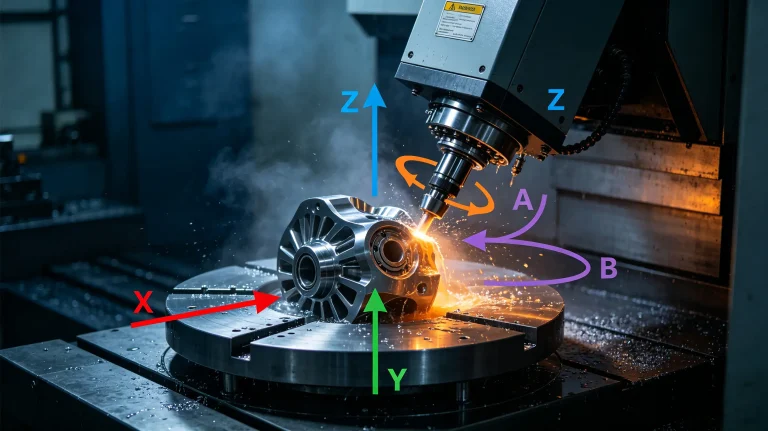
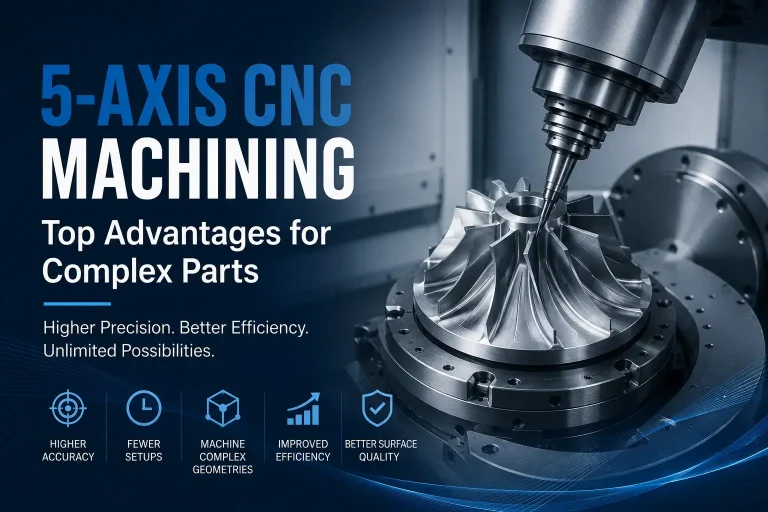
5-axis CNC machining: simultaneous XYZ + A/B rotation for complex, multi-sided parts

What is 5 axis machining?

5-axis machines rely on a tool that moves in five directions—X, Y, and Z, plus A and B rotation. Using a 5-axis CNC lets operators approach a part from all directions in a single operation, eliminating manual repositioning between setups.

  • All-sides access: Simultaneous XYZ + A/B enables undercuts, compound angles, and freeform surfaces.
  • Fewer setups: Single-op machining reduces fixtures, stack-ups, and cumulative error.
  • Speed & finish: Shorter cycle times and better surface quality for complex geometries.
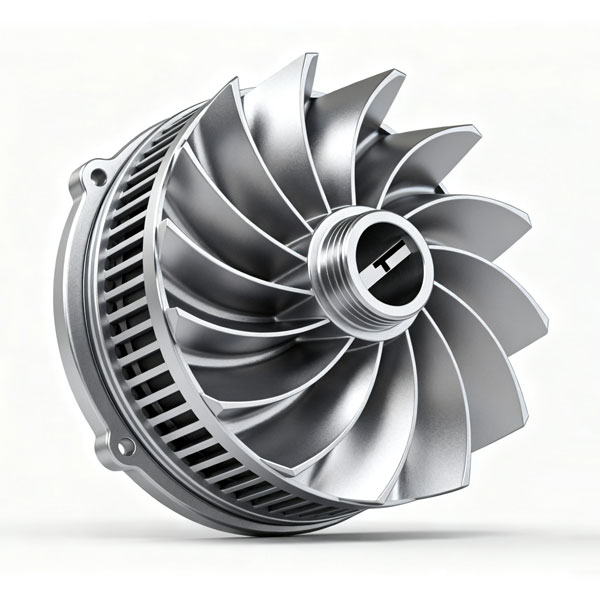
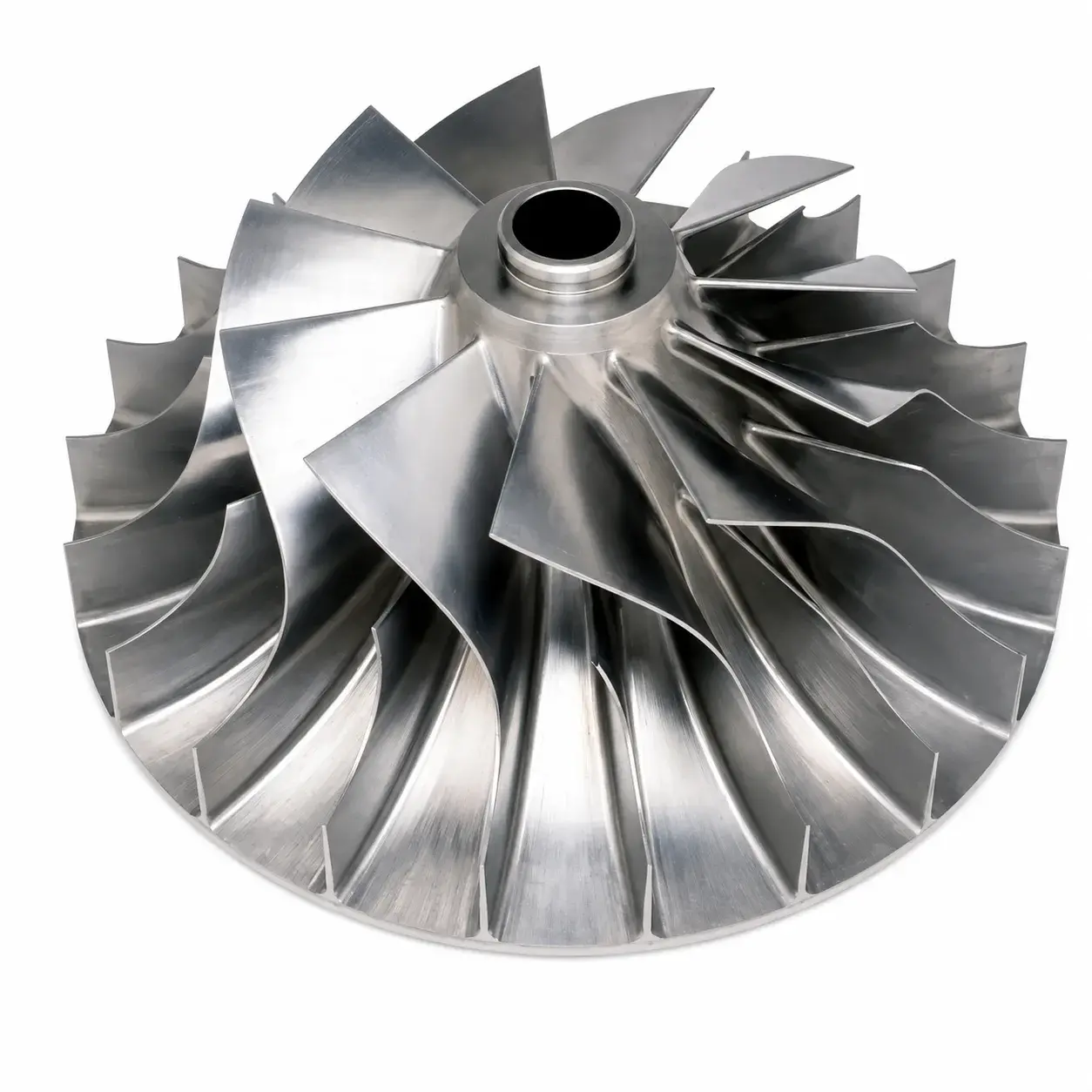
Typical applications: impellers, turbine blades, medical implants, mold & die cores, aerospace brackets, housings, and precision prototypes.
Simultaneous 5 Axis Machining vs 3+2 Axis Machining

5 axis CNC machining can be performed in two main ways: simultaneous 5 axis machining and 3+2 axis machining. Understanding the differences between these methods helps in selecting the most efficient and cost-effective solution for complex CNC machining parts.

FeatureSimultaneous 5 Axis Machining3+2 Axis Machining
Axis MovementAll 5 axes move simultaneouslyTwo axes position first, then 3-axis machining
Machining TypeContinuous multi-angle cuttingIndexed machining
Best ForComplex curves, impellers, turbine bladesMulti-face parts, prismatic components
AccuracyVery high for complex geometriesHigh, but depends on repositioning
Surface FinishBetter for smooth surfacesGood for flat and angular features
SetupSingle setupMultiple indexed setups
CostHigherMore cost-effective

When to Use Simultaneous 5 Axis vs 3+2 Axis Machining

Choosing between simultaneous 5 axis machining and 3+2 axis machining depends on the geometry, tolerance requirements, surface finish expectations, production volume, and overall budget of the project. Both methods belong to 5 axis CNC machining, but they are used for different types of parts and manufacturing goals.

Simultaneous 5 axis machining is recommended when the part has complex curved surfaces, organic shapes, undercuts, or features that require continuous tool movement from multiple angles. Because all five axes move at the same time during cutting, this method is ideal for parts such as impellers, turbine blades, aerospace structural components, medical device parts, and other complex CNC machining parts that require smooth transitions, accurate profiles, and superior surface finish.

Simultaneous 5 Axis Machining

Best for:

Complex curved surfaces
Freeform or organic shapes
Impellers and turbine blades
Aerospace and medical components
Superior surface finish requirements
Tight tolerance parts with reduced repositioning error

Best choice for highly complex parts that require continuous multi-angle cutting.

3+2 Axis Machining

Best for:

Multi-face parts
Angled holes and flat features
Housings, brackets, fixtures
Prototypes and production parts
Cost-effective precision machining
Parts that do not require continuous 5-axis movement

Best choice for multi-angle parts that need accuracy with better cost efficiency.

How We Choose the Right Machining Process

At YUANYI, we do not simply choose a machining process based on the name of the part. Our engineers review your drawings, CAD files, tolerance requirements, material, surface finish needs, and production volume before recommending the most suitable approach. For highly complex geometries, we may use simultaneous 5 axis machining. For parts that require precision on multiple faces but do not need continuous tool movement, 3+2 axis machining may provide a more efficient and economical solution.

Materials for 5-Axis CNC Machining

We machine a wide range of materials, from aluminum and stainless steel to titanium and plastics, ensuring stable results for your five axis parts.

5 Axis CNC Machining Industries

Our high quality CNC technology serves many industries, from aerospace and medical to automotive and robotics – with precision parts you can trust.

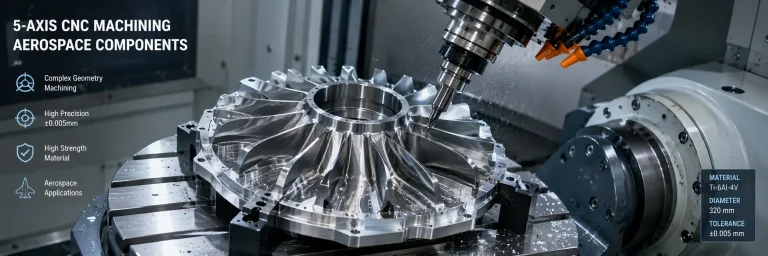
Aerospace 5-Axis Machining

5-axis trims complex housings, deep pockets, angled ports.
Learn More

Automotive Applications

Simultaneous 5-axis keeps blends true and flats in-tolerance.
Learn More

Medical Applications

Undercuts and sculpted cavities finished in one setup.
Learn More

Renewable Energy

Multi-face features with smooth transitions and airflow paths.
Learn More

Robotic Applications

One-and-done setups for compound angles and tight interfaces.
Learn More

Latest New about YuanYi 5 Axis CNC Machining Services

Frequently Asked Questions About 5 Axis CNC Machining

A 5-axis CNC machine is a machining center that moves a cutting tool or workpiece along five different axes simultaneously. Besides the standard X, Y, and Z linear axes, it uses two rotary axes to machine complex geometries from multiple angles without repositioning the part. Compared with conventional machining, 5-axis technology improves accuracy, reduces setups, shortens production time, and delivers better surface finishes on complex components.

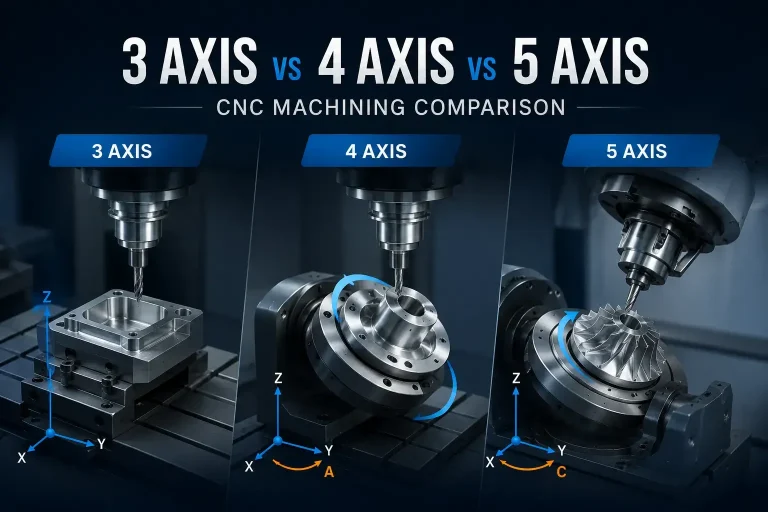
The main difference is the number of controlled axes and the complexity of parts they can produce.

  • 3-axis machiningis best for flat surfaces, pockets, slots, and simple prismatic parts.
  • 4-axis machiningadds one rotary axis, making it suitable for machining features around cylindrical parts.
  • 5-axis machiningadds two rotary axes, allowing multiple faces and complex freeform surfaces to be machined in one setup.

For industries such as aerospace, robotics, and medical devices, 5-axis machining often provides the highest precision and efficiency.

Yes. 5-axis machining is considerably more demanding than conventional CNC machining because it requires advanced CAM programming, fixture design, collision simulation, and machine calibration. Toolpaths must be carefully optimized to maintain accuracy while avoiding interference between the tool, holder, and workpiece. With experienced programmers and modern CAM software, however, complex parts can be produced accurately and efficiently.

The biggest advantage is the ability to machine complex parts in a single setup. This minimizes repositioning errors, shortens lead times, improves dimensional accuracy, and produces smoother surface finishes. Shorter cutting tools can also be used, increasing rigidity and reducing vibration during machining. These benefits make 5-axis machining ideal for high-precision components with complex geometries.

China manufactures and uses several types of 5-axis CNC machines, including trunnion-table machining centers, swivel-head machines, and gantry-style 5-axis machining centers. Many factories also operate equipment from international brands alongside domestic manufacturers. The most suitable machine depends on your part size, material, tolerance requirements, and production volume rather than the machine brand alone.

YuanYi currently operates four simultaneous 5-axis CNC machining centers, including one GXC G30U, two EVERME GMU-400, and one EVERME GMU-600. In addition, we have four Taikan T-V856S 3+2-axis machining centers for efficient positioning operations. Our 5-axis machining capacity supports workpieces up to 600 × 910 × 450 mm and covers aluminum, stainless steel, titanium, brass, copper, engineering plastics, and many other engineering materials. This combination enables us to handle prototype development, low-volume production, and complex precision components with consistent quality and fast turnaround.

Yes. Our standard machining tolerance is typically ±0.005 mm, depending on the material, geometry, and feature size. Critical dimensions are inspected using CMM and other precision measuring equipment before shipment. We also provide dimensional inspection reports and material certificates whenever required to ensure every part meets customer specifications.

For most prototype and low-volume projects, we provide quotations within 24 hours. Standard lead times are typically 3–7 working days after order confirmation, depending on part complexity, material availability, and quantity. If your project has an urgent deadline, we can also evaluate expedited production based on our current machining schedule.

CNC machining cost per hour includes machine depreciation, labor, cutting tools, maintenance, electricity, factory overhead, and machine utilization. However, the total cost of a part also depends on machining time, setup time, material type, tolerance requirements, surface finish, and inspection. For custom precision parts, reviewing the CAD drawing is the most accurate way to provide a reliable quotation.

Yes. As a direct CNC machining manufacturer, YuanYi offers factory-direct pricing without trading company markups. Our engineering team also reviews every drawing for manufacturability (DFM) and may recommend design improvements that reduce machining time and production costs while maintaining quality. This helps customers achieve the best balance between cost, precision, and delivery.

YuanYi has over 13 years of experience in precision CNC machining, providing complete 5-axis machining services for prototypes, low-volume production, and repeat manufacturing. Monthly production capacity of up to 5,000 parts, supported by simultaneous 5-axis and 3+2-axis CNC machining.. We machine aluminum alloys, stainless steel, titanium, brass, copper, engineering plastics, and many other engineering materials. Our programming and machining team has more than 10 years of hands-on industry experience, enabling us to manufacture complex components with consistent quality and tight tolerances. Supported by advanced inspection equipment and a stable production process, we supply precision parts for aerospace, medical, robotics, automation, electronics, and industrial equipment manufacturers worldwide.

Some of the most difficult metals to machine include titanium alloys, Inconel, hardened tool steels, tungsten alloys, and cobalt-based superalloys. These materials generate high cutting temperatures, accelerate tool wear, and require carefully optimized machining parameters. Successful machining depends not only on the material itself but also on machine rigidity, tooling selection, and machining experience.

Yes. A 6-axis CNC machine adds an extra axis beyond traditional 5-axis machining, although the exact configuration varies by machine type. Six-axis systems are commonly found in robotic machining, multi-tasking equipment, or specialized manufacturing applications. For most precision metal components, however, simultaneous 5-axis machining provides more than enough capability while remaining the most practical and cost-effective solution.

Yes. Seven-axis CNC machines exist, but they are relatively rare and are typically used for highly specialized applications such as mill-turn machining centers or robotic manufacturing systems. These machines combine multiple machining operations into a single setup to improve productivity. For the majority of aerospace, medical, automotive, and industrial components, a well-programmed 5-axis machining center is fully capable of meeting precision and quality requirements.

You should choose 5-axis machining when your part contains complex geometries, multiple angled features, deep cavities, or requires machining on several sides with tight tolerances. Although 3-axis machining is more economical for simple components, 5-axis machining often reduces setups, improves accuracy, and shortens production time for high-value parts. If you’re unsure which process is right for your project, YuanYi’s engineering team can review your drawings and recommend the most cost-effective machining solution.

Need Support for Complex 5 Axis CNC Machining Parts?

Request A Quote
Upload your drawing and get a quote within 24 hours.