3 Axis CNC Machining Services

YuanYi provide cost-effective 3 axis CNC machining services for precision parts, prototypes, and batch production

with stable quality, fast lead times, and reliable machining support.

13 YEARS

CNC Machining
Manufacturer

52 Machines

CNC Machines

100000+

Machined Parts

96%

On Time Delivery

ISO

9001:2015 Certified
14001:2015 Certified

3-Axis CNC with YUANYI

YUANYI 3-axis CNC machining services focus not merely on programming itself, but place a strong emphasis on production stability, tooling strategies, fixturing setups, and the efficiency of batch processing. For more complex geometries requiring multi-angle machining, our engineering team can also leverage advanced 5 axis CNC machining services to optimize tool accessibility and reduce multiple setups.

Prior to commencing actual machining, our engineers collaborate with fixturing technicians to review tool accessibility, strategies for machining angled holes, process sequencing, and potential risks of interference. This rigorous review ensures that the machining program operates stably within the actual production environment—rather than merely appearing to function correctly within CAM simulation software.

3-Axis-CNC-Machining-Services

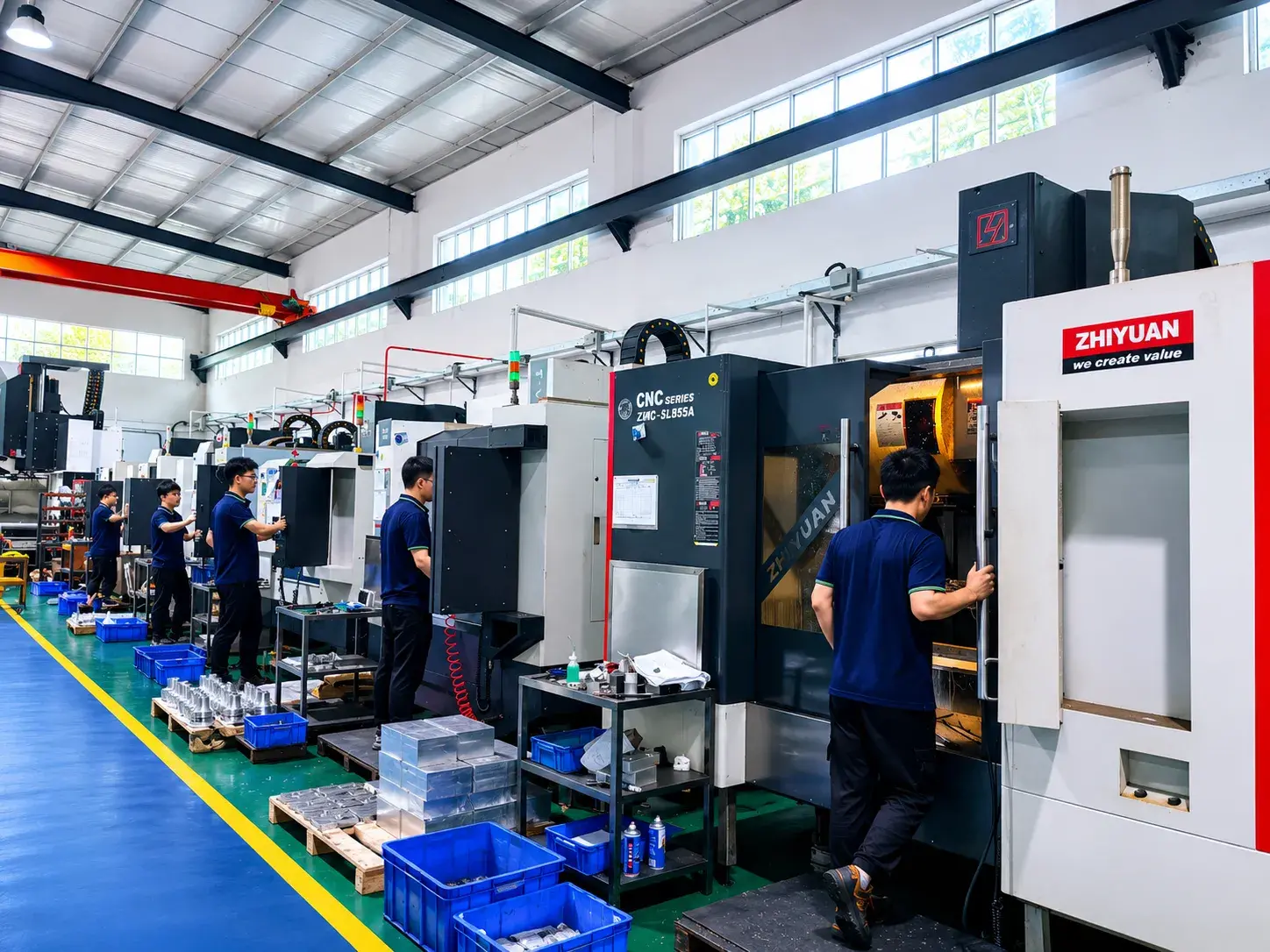
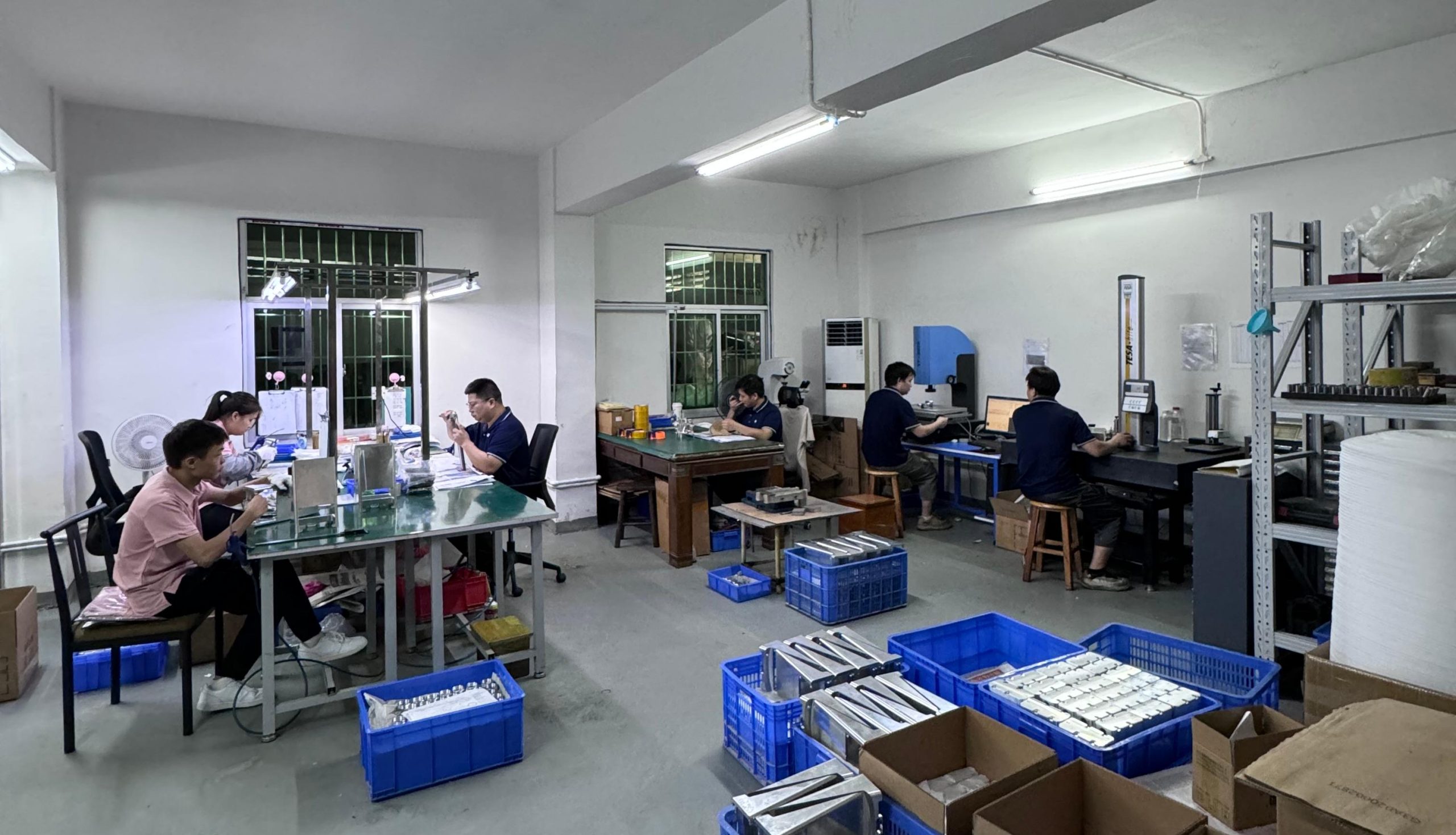
Batch Production Workshop

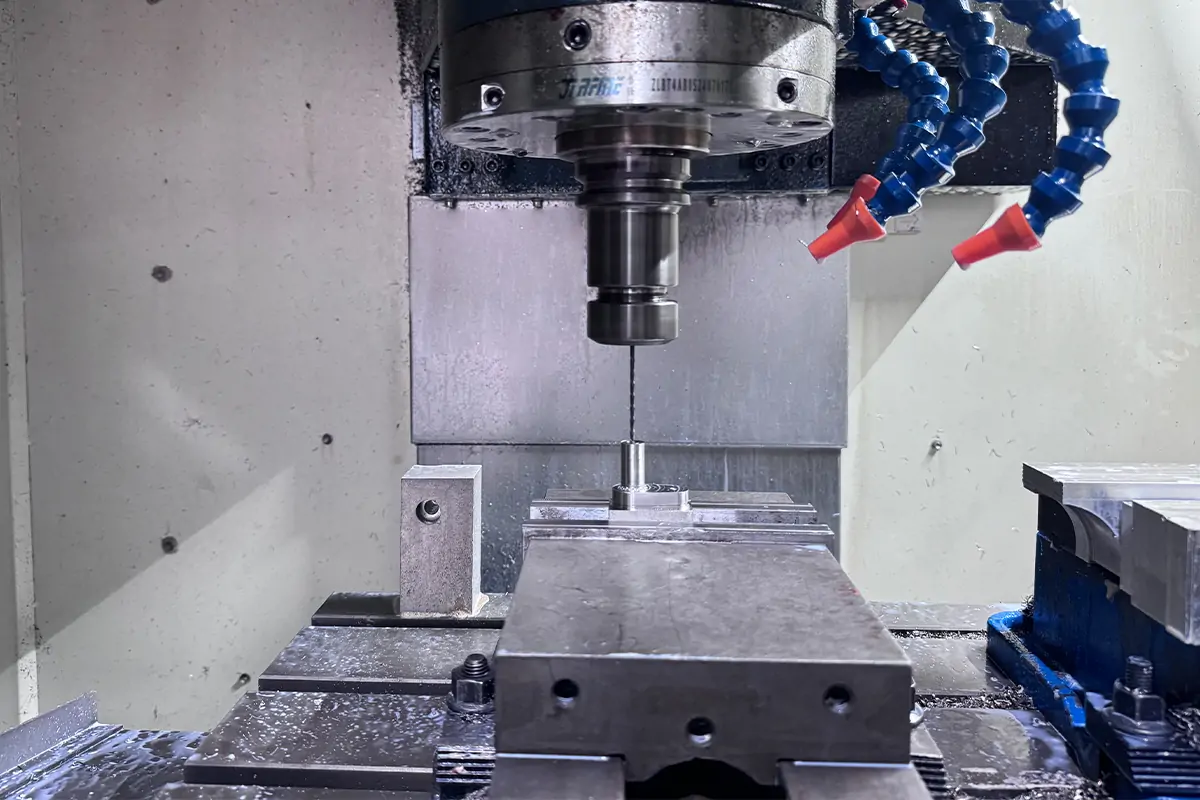
3-Axis CNC Machining Process

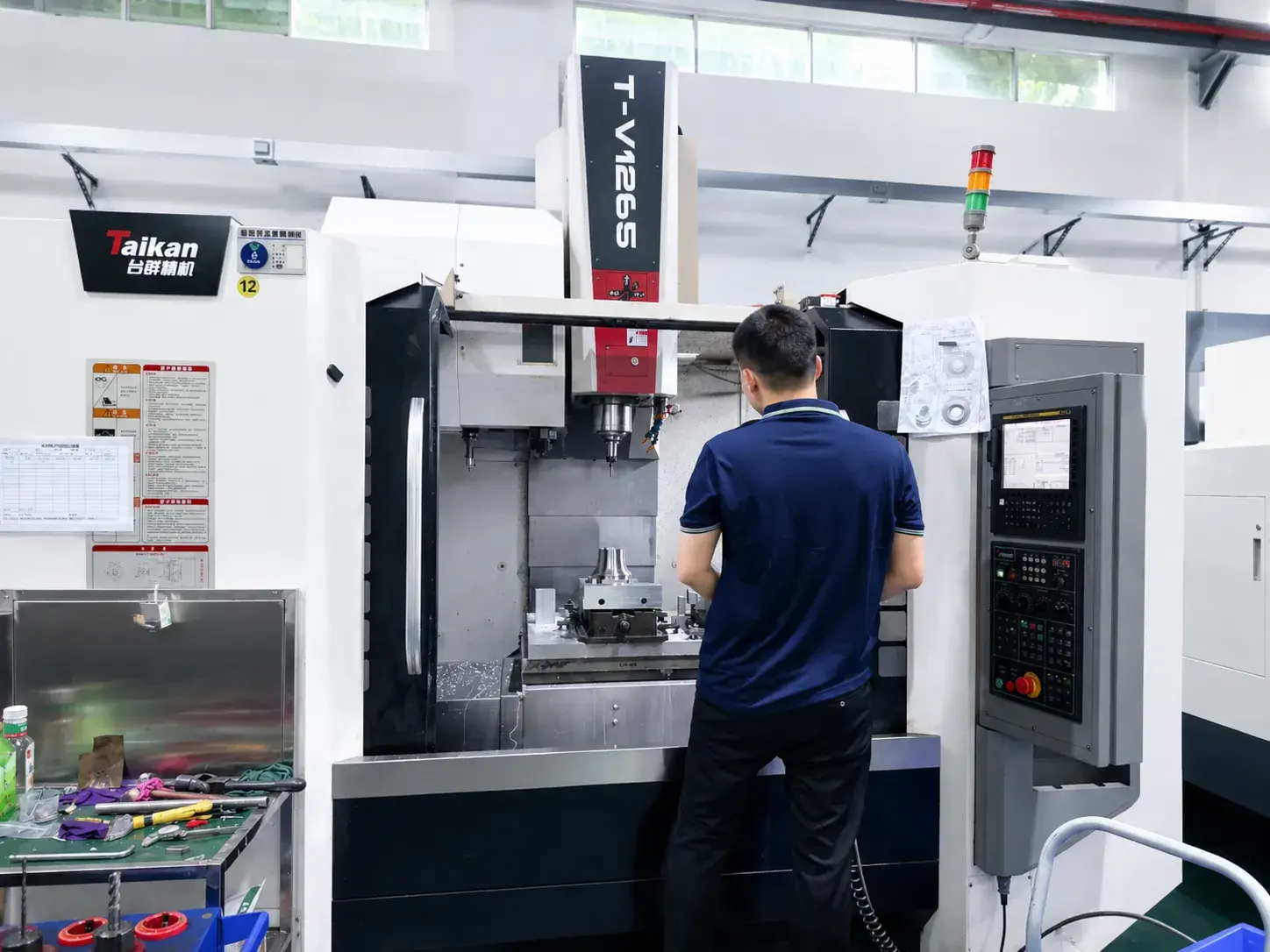
On-Site Setup & Machining Control

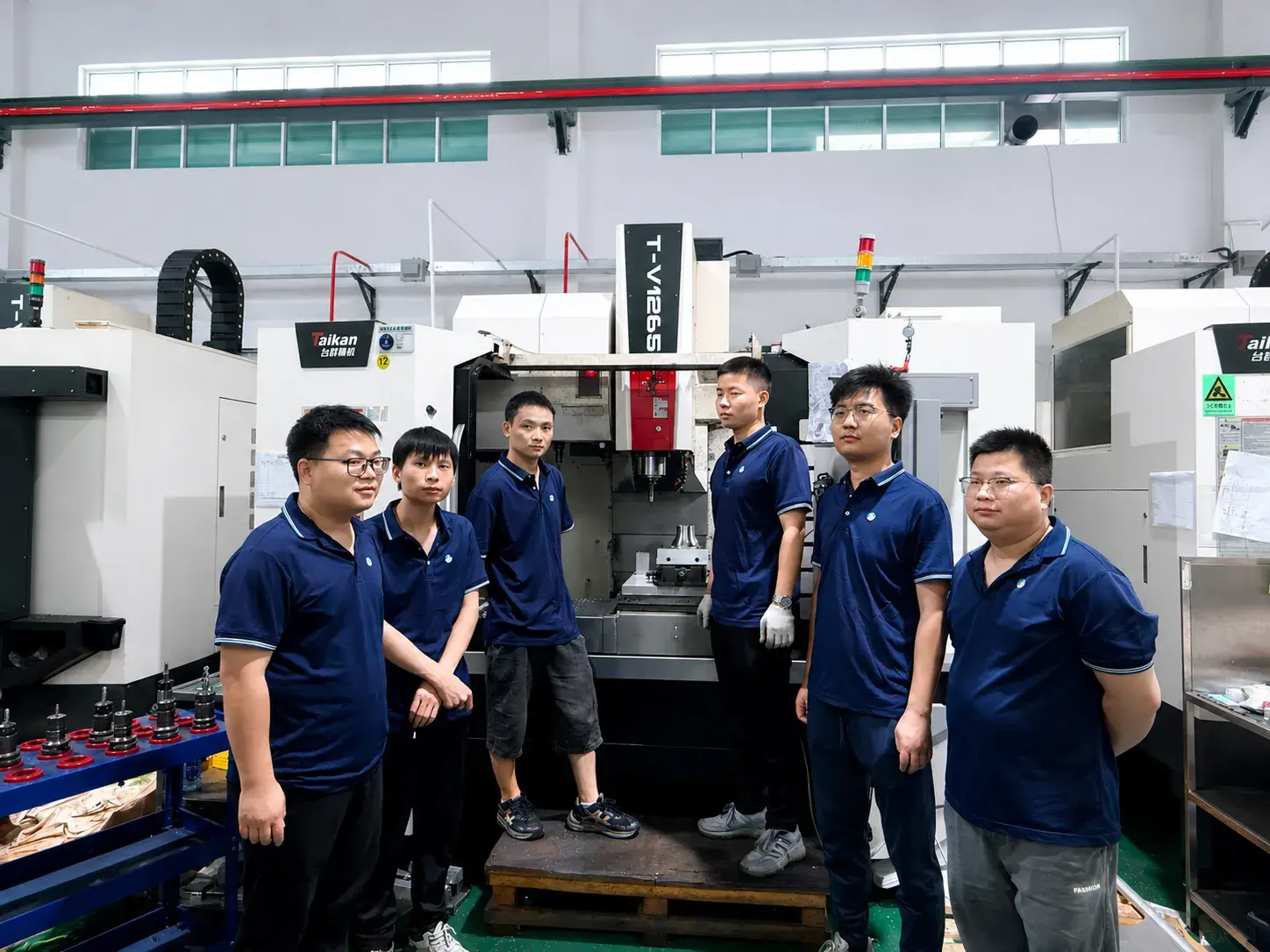
Experienced Machining Team

3-Axis Machining – Capacity & Typical Tolerances

SizeMetric unitsImperial units
Max. part size (XYZ travel)1100 × 650 × 500 mm43.3 × 25.6 × 19.7 in
Typical tolerance (milled)±0.005 mm±0.0002 in
Hole tolerance (reamed)±0.005 mm±0.0002 in
Surface finish (as-milled)Ra 0.8–3.2 μmRa 32–126 µin
Surface finish (polished)Ra ≤0.2 μmRa ≤8 µin

YuanYI 3-Axis CNC Machined Parts

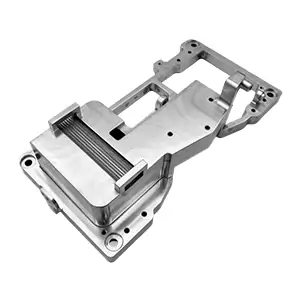
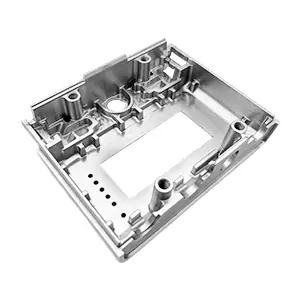
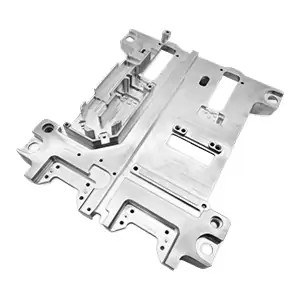
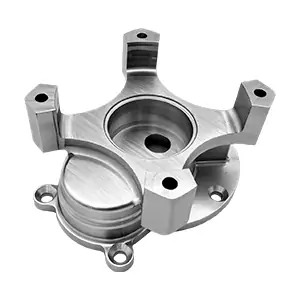
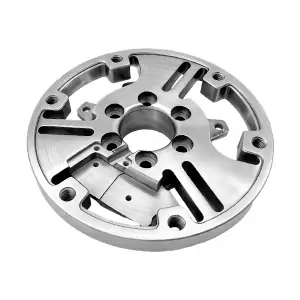
We have successfully machined a wide range of highly complex parts using 3-axis machining, including aluminum alloy parts with intricate contours, parts with deep cavities, functional brackets, industrial bases, fasteners, and parts requiring multi-surface machining. These parts span prototyping, small-batch, and mass production, and involve multiple setups and precision machining.

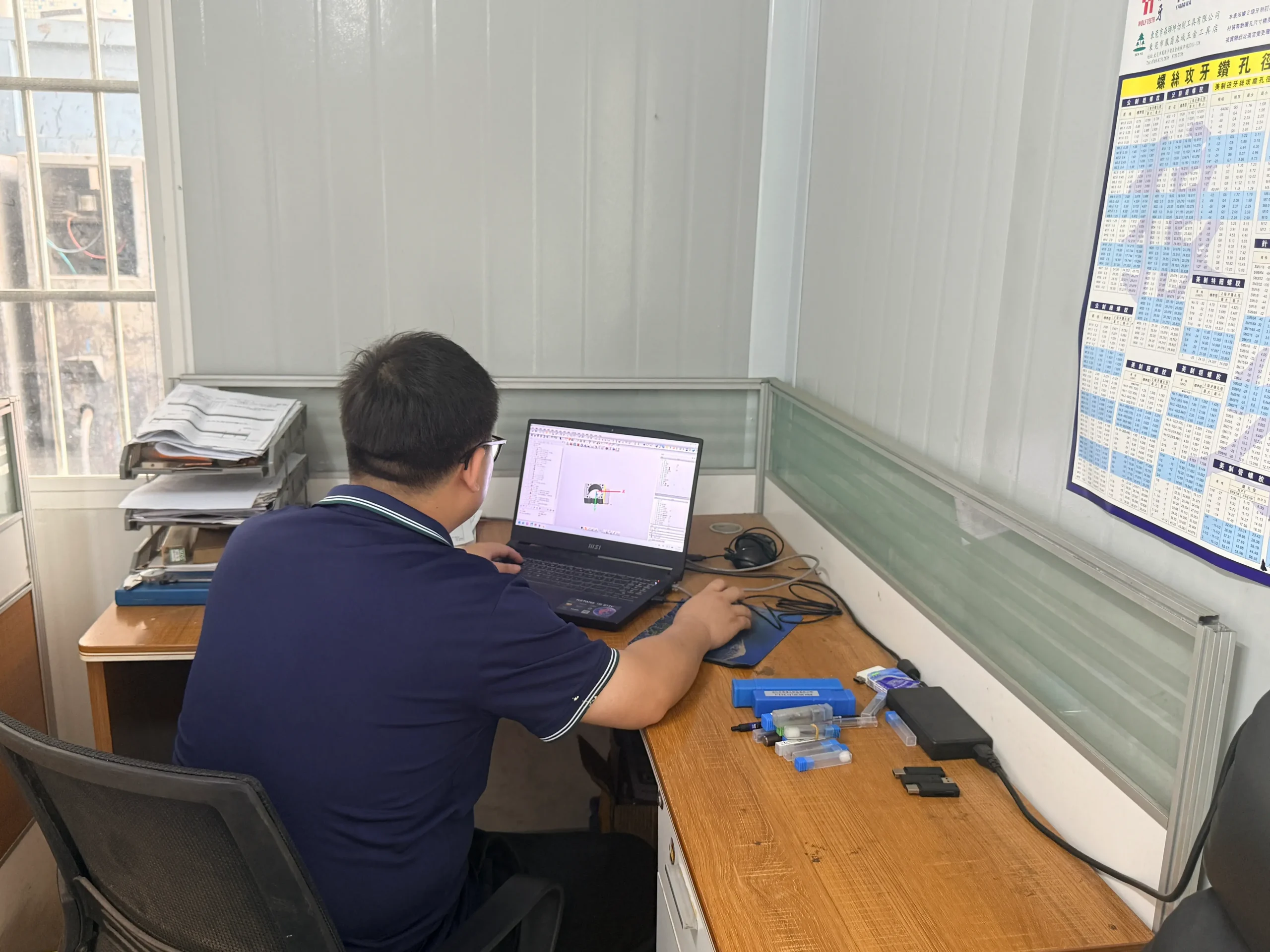
3 Axis CNC Programming Engineer

Experienced 3-Axis Engineer

Master Luo possesses 12 years of hands-on experience in machining and 3-axis programming, and has long been responsible for process planning and on-site machining optimization for large-scale aluminum components, complex structural parts, and batch production parts.

For complex parts, he re-plans the fixturing methods, tool lengths, spindle speeds, cutting depths, and machining sequences based on the actual structural geometry. By doing so, he proactively resolves issues—such as tool collisions, rework requirements, and dimensional instability—that commonly arise on the shop floor, thereby enhancing overall machining efficiency and the stability of batch production.

Fixture Optimization Tooling Strategy Process Planning Batch Production
3-Axis Machined Parts

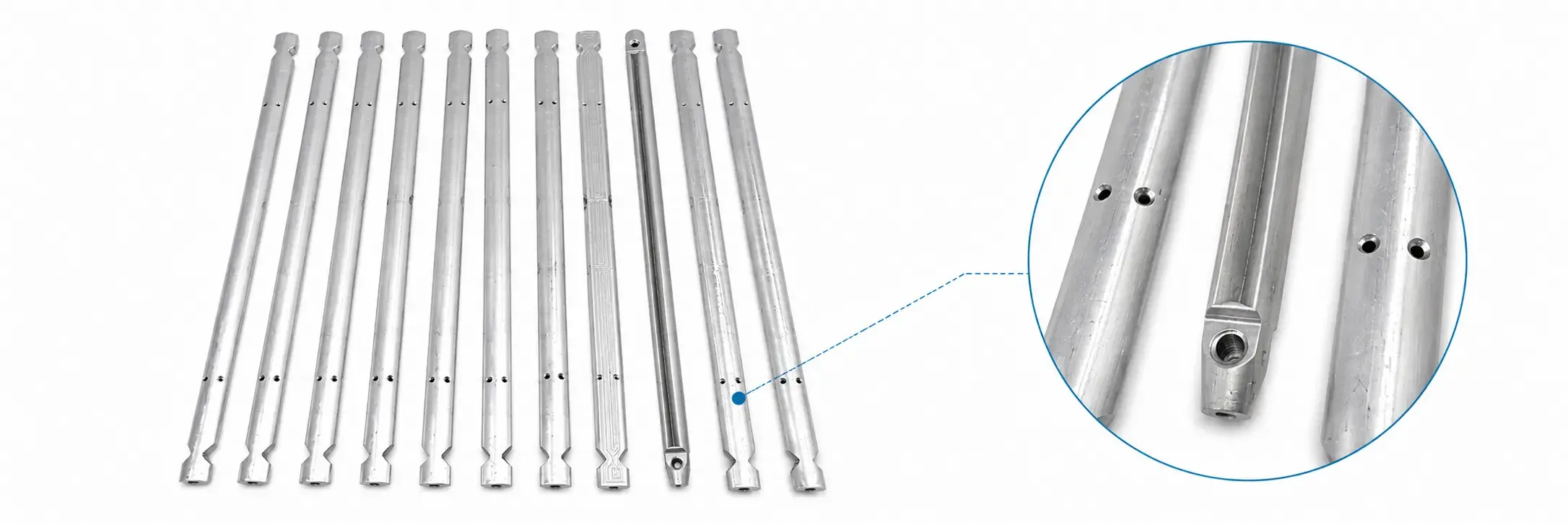
Large Aluminum Part With Angled Hole Machining

Challenge

This aluminum component measures approximately 1200 mm in length and features multiple angled holes on its sides. Since the cutting tool cannot directly access the machining zone while the workpiece is in a standard flat orientation, conventional 3-axis fixturing methods are insufficient to complete the machining process. Furthermore, if programmed using standard conventional methods, on-site machining carries a significant risk of improper tool angles and potential tool interference.

Solution

Once the project commenced, Master Luo re-planned the overall machining process and collaborated with the on-site machine setup specialists to devise a workholding strategy. Ultimately, by utilizing a custom-designed angled fixture, the workpiece was secured in an inclined position for machining, thereby enabling the cutting tool to access the angled side holes from the correct trajectory.

To address areas with limited spatial clearance, we also revised our tooling strategy; specifically, we employed smaller cutters paired with extension holders to machine deep-recessed zones. Concurrently, we optimized the machining sequence and clearance paths to mitigate the risks of tool collision and breakage.

Result

Upon entering the mass production phase, we further optimized our raw material strategy by utilizing pre-stretched aluminum profiles, thereby significantly reducing roughing time. Following this optimization, the processing time per unit was reduced from approximately two hours to just 30 minutes; concurrently, this significantly enhanced the stability of batch processing and lowered overall manufacturing costs.

Need Help With Complex 3 Axis CNC Machining?

Talk with our engineering team about tooling, fixture setup, machining strategy, and production optimization for your project.

Get A Quote

Advantages of 3-Axis CNC Machining

Cost Efficiency

Simpler setups and fast cycles lower part cost for prototypes and production.

Short Lead Times

Standard tools, fixtures and proven CAM libraries accelerate programming and machining.

Stable Accuracy

Straightforward kinematics and rigid workholding support tight tolerances.

Material Flexibility

Aluminum, steels, stainless, copper alloys and engineering plastics.

Scalable Production

Repeatable processes suited to batch runs, Kanban and VMI programs.

Consistent Finish

As‑milled Ra 1.6–3.2 µm typical; post‑finish options for cosmetic surfaces.

Inspection & Quality Control for 3 Axis CNC Machining

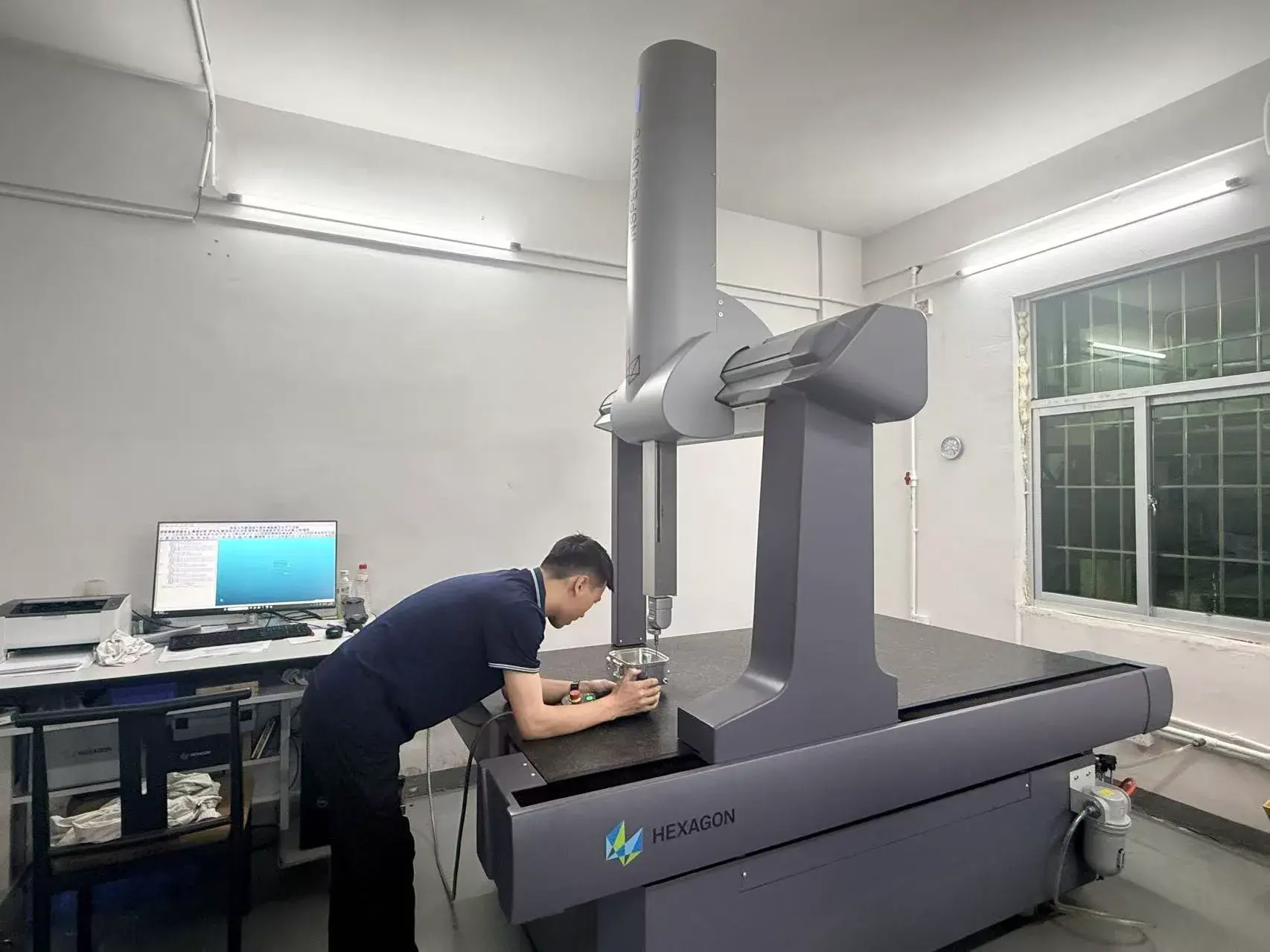
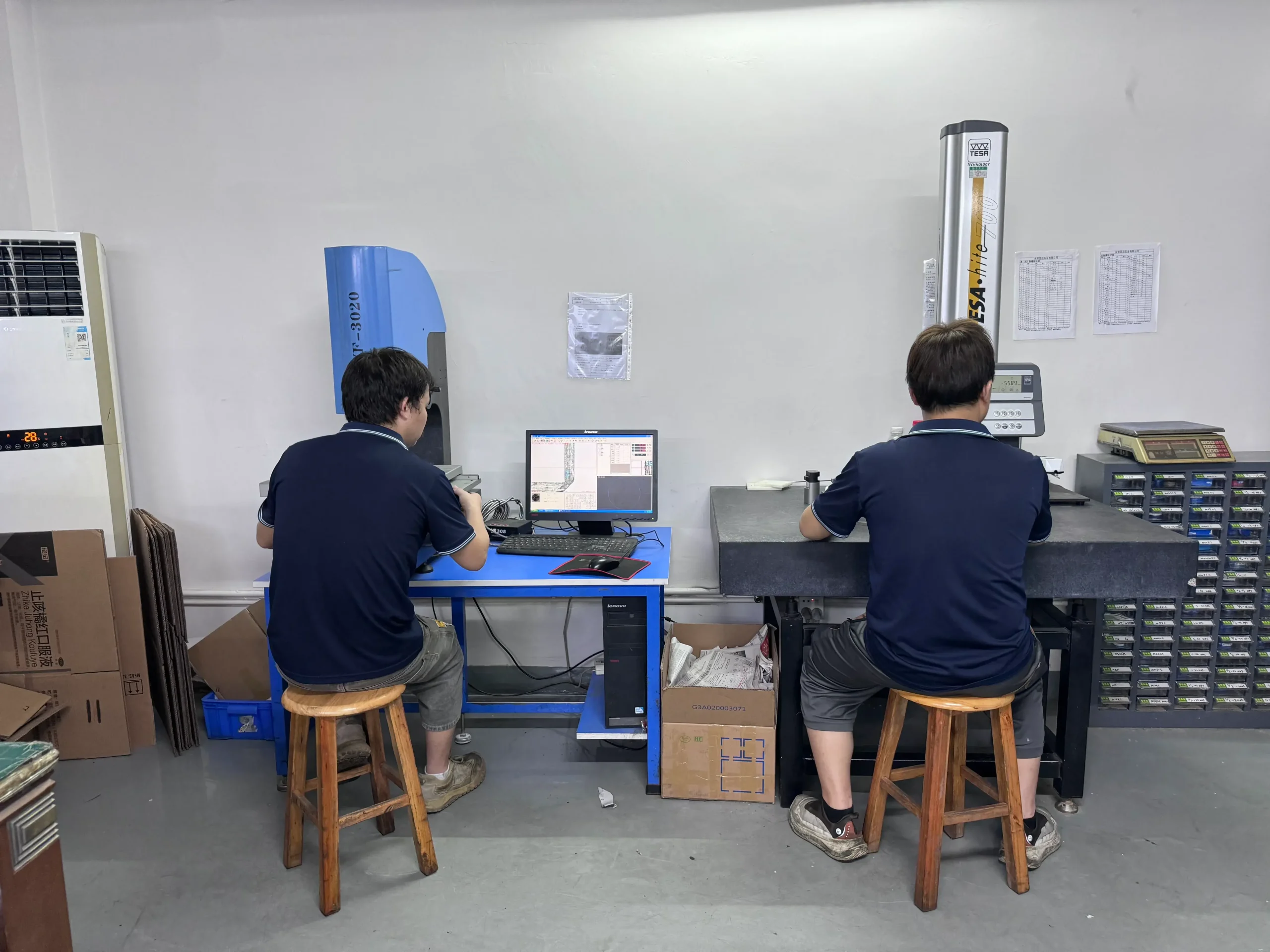
We inspect critical dimensions, hole positions, surface finish, and machining consistency throughout production using precision measuring equipment such as CMM, height gauges, micrometers, calipers, and surface roughness testers to help ensure stable quality for both prototypes and batch production.

01

Drawing & Process Review

Review drawings, tolerances, materials, fixture setup, and machining sequence before production.

02

First Article Check

Confirm key dimensions, hole positions, surface finish, and setup stability before batch machining.

03

In-Process Inspection

Monitor critical dimensions, tool wear, and machining consistency during 3-axis CNC production.

04

Final Inspection Report

Finished parts are inspected with precision measuring tools, with inspection reports available upon request.

3D inspection instrument
2D projectors
Altimeter

Want to learn more about our inspection process?

View our full quality control system, testing process, and inspection capability.

3 axis CNC machining: precision milling and drilling with X, Y, Z movement

What is 3 axis CNC machining?

A 3-axis CNC machine, such as a milling center, drill, or standard machining tool, moves its cutting tool along three linear axes: X (left to right), Y (front to back), and Z (up and down). This enables accurate machining of surfaces, slots, and contours on one side of a workpiece per setup.

  • Simplicity & reliability: Proven technology for a wide variety of prismatic parts.
  • High accuracy: Tight tolerances and consistent results across flat surfaces and 2.5D features.
  • Cost-effective: Lower machine and setup costs compared to multi-axis machining.
Typical applications: plates, brackets, housings, covers, heat sinks, jigs, fixtures, and manifold-style parts.

Industries & Typical Applications for 3-Axis CNC Machining

Aerospace (3-Axis)
3-axis CNC for aerospace brackets and jigs
Precision Parts (3-Axis)
3-axis CNC precision prismatic components
Automotive Core Molds (3-Axis)
3-axis CNC for automotive core molds
New Energy (3-Axis)
3-axis CNC for new-energy hardware
Automation (3-Axis)
3-axis-automation

Materials for 3‑Axis CNC Machining

Any material considered suitable for 3-axis CNC machining must meet high standards of reliability and performance. The following are some commonly used materials for CNC machining:

Surface Finishes for 3 Axis CNC Machining

YUANYI provides surface finishes for 3-axis parts, enhancing appearance, smoothness, durability, and hiding tool marks for high-quality results.

Black Oxide Coating
Black Oxide Coating creates a smooth black surface that enhances appearance and provides mild corrosion resistance, widely used on steel parts for improved durability and a professional finish.
Color Anodized
Color Anodized treatment forms a durable oxide layer with vibrant colors, enhancing both corrosion resistance and decorative appeal for aluminum parts.
E-Coating
E-Coating provides a uniform, durable, and corrosion-resistant finish through an electro-deposition process, ideal for complex metal parts and automotive components.
Gold Plating
Gold Plating offers excellent conductivity, corrosion resistance, and a luxurious appearance, making it ideal for electronic components and decorative finishes.
Nitriding
Nitriding hardens the surface by diffusing nitrogen into the metal, enhancing wear resistance, fatigue strength, and corrosion protection without altering core properties.
Powder Coating
Powder Coating creates a tough, uniform, and decorative finish that resists scratches, corrosion, and fading, commonly used for metal parts and outdoor applications.
Sand Blasting
Sand Blasting cleans and textures the surface using high-speed abrasive particles, improving coating adhesion and giving parts a smooth, matte appearance.
Silver Plating
Silver Plating enhances electrical conductivity, corrosion resistance, and appearance, making it ideal for electrical connectors, contacts, and decorative metal parts.

Frequently Asked Questions about 3-Axis CNC Machining

What is the difference between 3-axis and 5-axis machining?
+

While 3-axis CNC machines operate linearly along the X, Y, and Z axes, 5-axis CNC machines introduce two additional rotational axes (typically A and B), providing significantly enhanced flexibility for complex and precision-oriented applications in industries like aerospace and medical manufacturing.

What is a 3-axis mechanism?
+

A 3-axis mechanism is a precision positioning system that produces linear motion in three mutually orthogonal directions (X, Y, and Z). These motorized positioning systems are used in industrial and scientific automated motion applications and can be optionally equipped with secondary linear or rotational axes.

What is the difference between 3-axis and 4-axis?
+

The key difference is that 4-axis machining adds an A-axis (rotation around the X-axis) to the standard X, Y, and Z linear movements of 3-axis machining. This allows the workpiece to rotate during machining, typically in vertical machining centers where the spindle revolves around the Z-axis.

What are the advantages of a 3-axis setup?
+

The primary advantages of 3-axis machining include simplicity, cost-effectiveness, shorter setup times, less complex programming requirements, and reduced operator training demands compared to multi-axis alternatives, making it accessible for many manufacturing applications.

What can you make with a 3-axis CNC?
+

3-axis CNC machines are ideal for producing flat parts, plates, simple brackets, and components that don't require complex multi-angle machining. They excel at 2.5D machining operations and are commonly used for prototyping, basic parts manufacturing, and applications where tool access from multiple angles isn't necessary.

What are common 3-axis applications?
+

Industries ranging from automotive to aerospace, from medical to energy, employ 3-axis machining to produce complex parts. In the automotive industry, 3-axis CNC machines are used for manufacturing various components such as engine parts, gearboxes, and various custom fabricated pieces.

How many axis are on a CNC?
+

CNC machines have at least 3 axes and operate along an XYZ plane: X axis (vertical), Y axis (horizontal), and a Z axis (depth). More advanced machines can have 4, 5, or even 7 axes for increased flexibility and capability in machining complex geometries.

What software controls 3-axis systems?
+

3-axis CNC systems are typically controlled by specialized CAD/CAM software like ModuleWorks 3-Axis, which is an industry-proven software component for machining everything from simple to complex parts in 3-axes operations.

What are the limitations of 3-axis machining?
+

3-axis machining has limited tool access, primarily operating with a top-down approach. This requires multiple setups for parts with complex geometries or features on multiple sides, which can increase production time and potential alignment errors compared to multi-axis machines.

Is 3-axis CNC suitable for beginners?
+

Yes, 3-axis CNC is generally more suitable for beginners due to its simpler operation, easier programming, and lower complexity compared to multi-axis machines. The reduced training requirements and straightforward setup make it an excellent starting point for those new to CNC machining.

Request A Quote
Upload your drawing and get a quote within 24 hours.