CNC Polypropylene Machining Services

Precision Machining for Polypropylene Components
Custom Solutions for Durable Polypropylene Parts

What is PP CNC Machining?

Polypropylene (PP) is a lightweight, chemical-resistant thermoplastic used in fluid handling, labware, housings, and fixtures. It machines cleanly but can be flexible and prone to burring if the tool isn’t sharp.

  • Tooling: Razor-sharp O-flute / polished carbide; high rake to shear chips.
  • Heat control: Air blast or light mist—avoid melting/chip-weld.
  • Feeds/Speeds: Higher feed with shallow step-over; steady chip load to prevent fuzz.
  • Workholding: Vacuum/soft jaws; support thin walls and large panels.
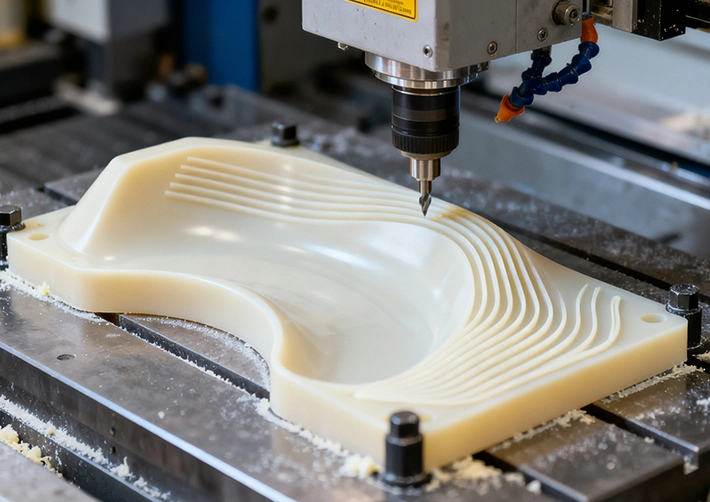
Polypropylene CNC machining overview with O-flute tooling and air blast
PP machining: burr control, finish quality, and chemical resistance

Key Considerations

PP is tough but flexible—use short stick-out and firm clamping. Climb milling gives cleaner edges. Deburr lightly (blade/tumble) to avoid whitening.

For fluid/contact parts, verify media compatibility and consider post-machining stress relief on thick plates.

Precision PP CNC Machining

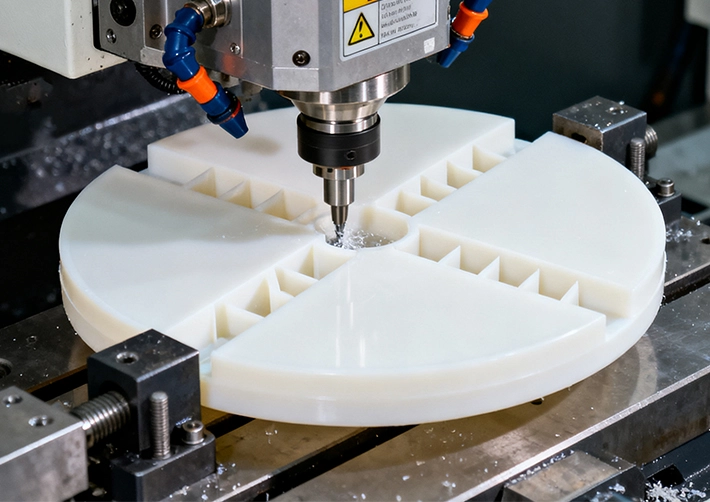
PP 3/4/5-axis CNC milling with vacuum fixturing and O-flute tools

3, 4, 5-Axis CNC Milling

Fast pocketing and contouring for panels, trays, and manifolds. Sharp cutters and air blast deliver clean, uniform textures ready for assembly.

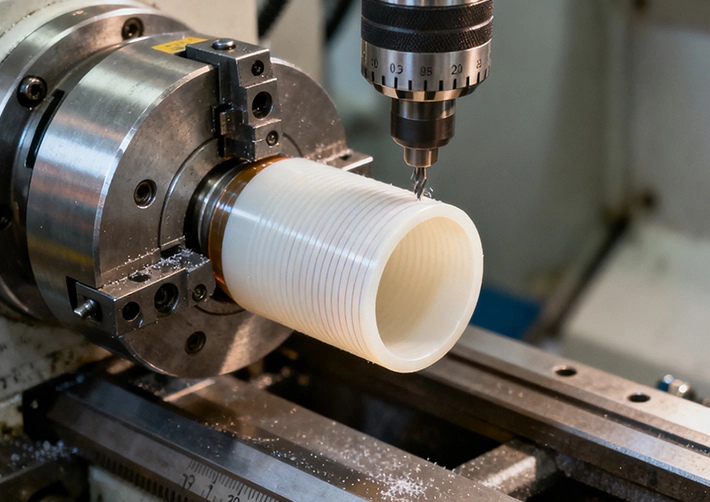
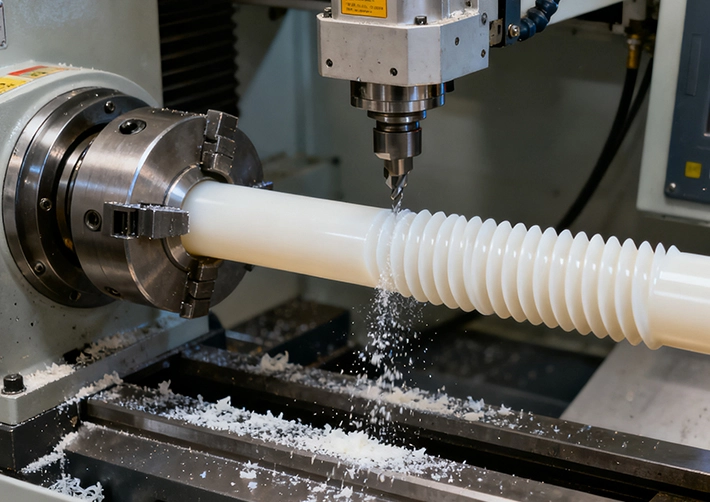
PP CNC turning/mill-turn for caps, fittings, and bushings

CNC Turning & Mill-Turn

Smooth OD/ID finishes for fittings and couplings. Positive-rake inserts and generous chip-breaker geometry reduce fuzz and hold consistent diameters.

PP CNC Machining Capabilities

StandardsDetail
Max Part Size (X/Y/Z)2300 X 1500 X 600mm
Minimum Feature Size⊘1mm
Wall Thickness0.25mm
Tolerance+/-0.01
Surface Finish (as milled)Ra0.5–Ra3.2
Standard Lead Time3 working-days for rapid prototyping
Pricing LevelTo be confirmed after design review
Type of MachineGantry CNC / 3-4-5-Axis CNC / Mill-Turn Compound CNC / Swiss-Type CNC / Turning Machine...etc...
Common GradesPP-H (Homopolymer), PP-C / Impact Copolymer, Glass-Filled PP, ESD/Antistatic PP

Polypropylene Grades

Choose the right balance of stiffness, impact, and chemical resistance.

PP-H homopolymer machined panel with clean edges (3:2)

PP-H (Homopolymer)

  • Higher stiffness and temperature capability
  • Excellent chemical resistance
  • Good for tanks, manifolds, trays
  • Clean edges with sharp tools

Run higher feed with steady chip load; light finish pass for cosmetic faces.

Impact copolymer PP enclosure with uniform finish (3:2)

PP-C / Impact Copolymer

  • Better impact resistance (low temp)
  • Slightly lower stiffness than PP-H
  • Great for housings and guards
  • Good dimensional stability

Use sharp O-flute and air blast; plan a skim pass to minimize fuzz.

Glass-filled polypropylene structural bracket (3:2)

Glass-Filled PP

  • Higher stiffness & heat deflection
  • Abrasive—use coated carbide
  • Good for structural brackets, covers
  • Reduced creep under load

Lower SFM and maintain air/mist to control heat; expect increased tool wear.

ESD polypropylene tray for electronics handling (3:2)

ESD / Antistatic PP

  • Static-safe handling and tooling
  • Fillers may change chip behavior
  • Trays, nests, fixtures
  • Surface resistivity per spec

Confirm resistivity targets; tune feeds to keep edges sharp and reduce fuzz.

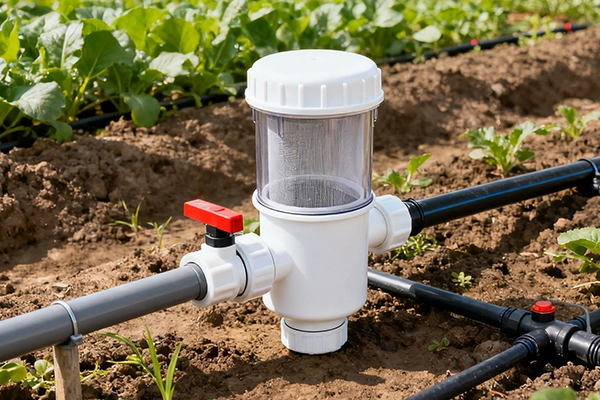
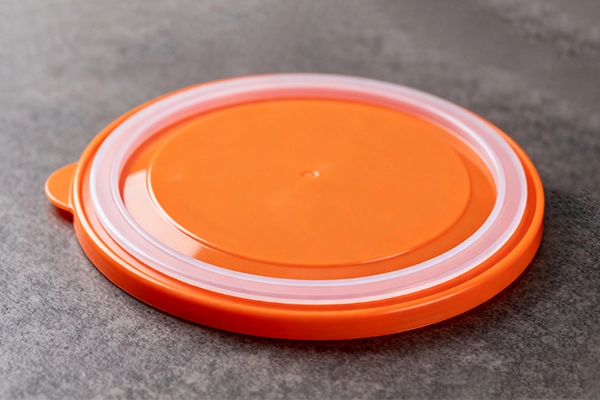
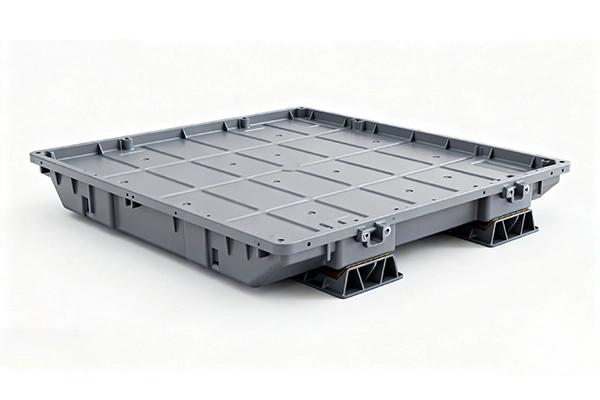
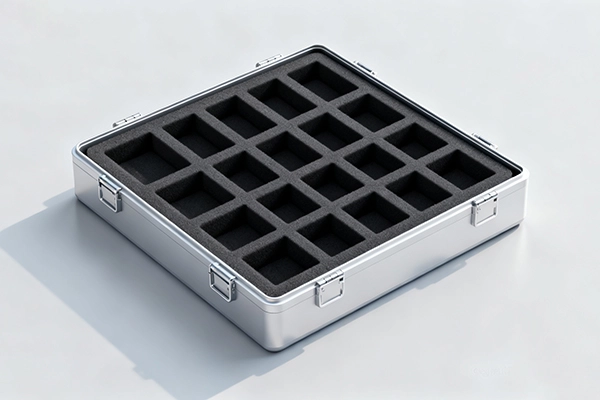
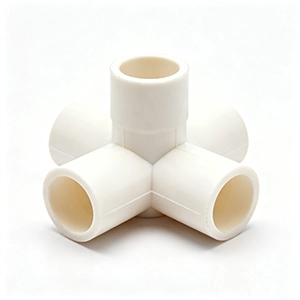
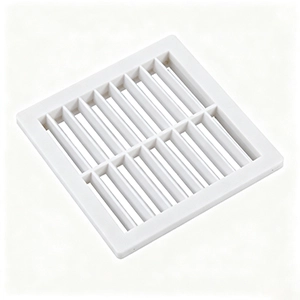
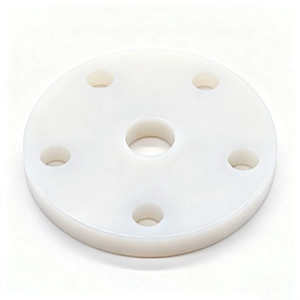
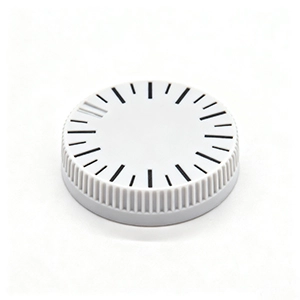
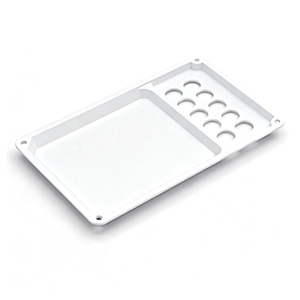
Display of Our PP CNC Machining Parts

Request A Quote
Upload your drawing and get a quote within 24 hours.