
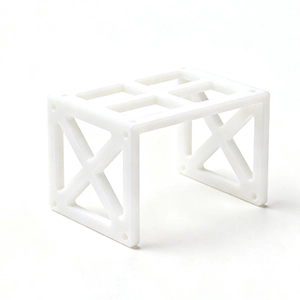
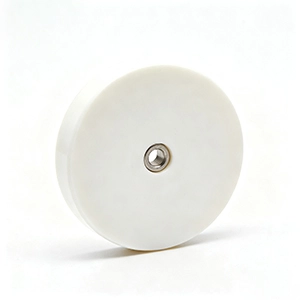
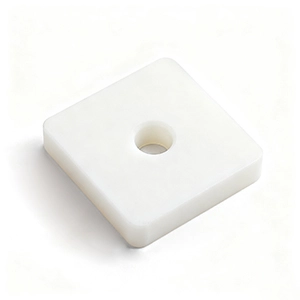
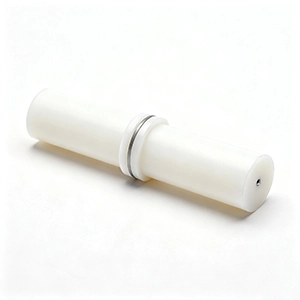
POM CNC Machining Services

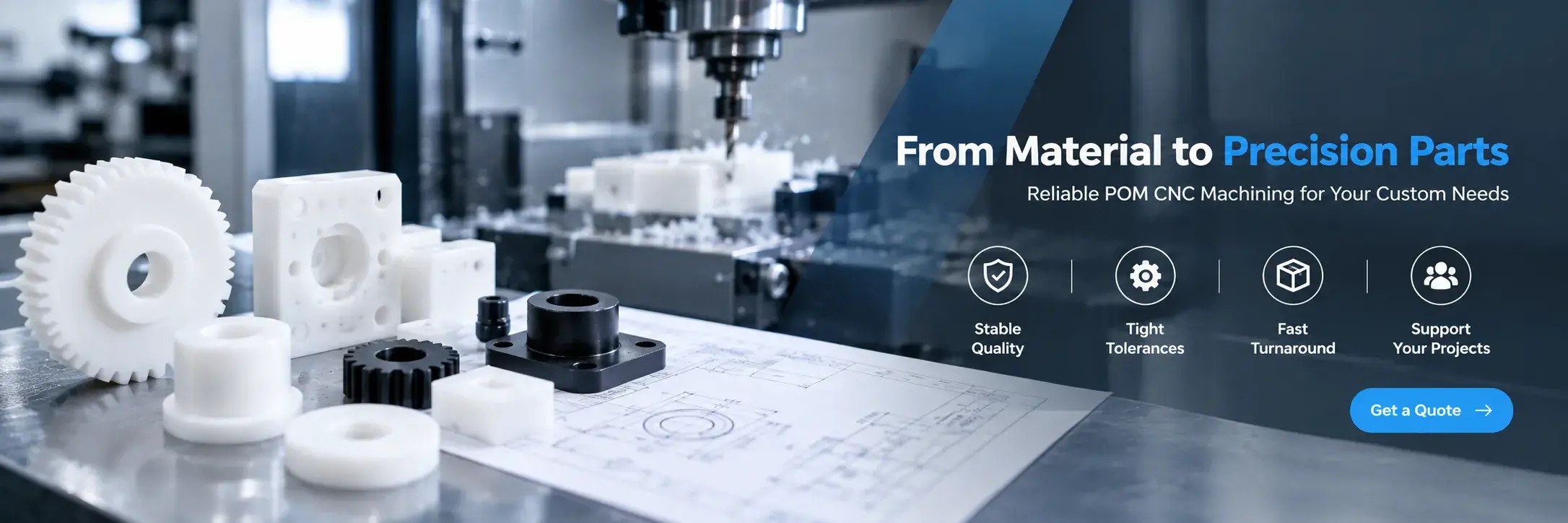
Precision CNC machining for POM, Delrin and acetal parts, with tolerances down to ±0.005 mm. From prototypes to low-volume production, with fast 3–5 day lead times and no MOQ.

YuanYi POM Machining Capabilities and Tolerances

We machine custom POM CNC parts, Delrin parts and acetal parts for prototypes and low-volume production, including complex milled, turned and Swiss-machined components. Our equipment supports small precision parts, larger plastic components and tight-tolerance features.

CapabilitySpecification
Max. Part Size2300 × 1300 × 600 mm
Typical Tolerance±0.005 mm
Swiss Machining ToleranceUp to ±0.003 mm
Minimum Feature SizeØ1 mm
Minimum Wall Thickness0.25 mm, depending on geometry
Surface FinishRa 0.4–3.2 μm
Prototype Lead Time3–5 working days
Production VolumePrototype to low-volume production
Machining Processes3-Axis, 4-Axis, 5-Axis, Turning, Swiss, Mill-Turn, Gantry

Choose the Right CNC Process for Your POM Parts

pom cnc overview

CNC Milling
For complex POM CNC milling parts with pockets, holes, slots and multi-side features.

CNC Turning
For round POM CNC turning parts such as bushings, rollers, sleeves and shafts.

Swiss Machining
For small precision Delrin parts and acetal parts such as pins, spacers and miniature shafts.

Mill-Turn Machining
For complex POM CNC parts combining turned and milled features in one setup.

POM and Delrin Materials We Work With

We machine a range of POM materials, including Delrin, POM-H, POM-C and specialty acetal grades for different mechanical, wear and electrical requirements.

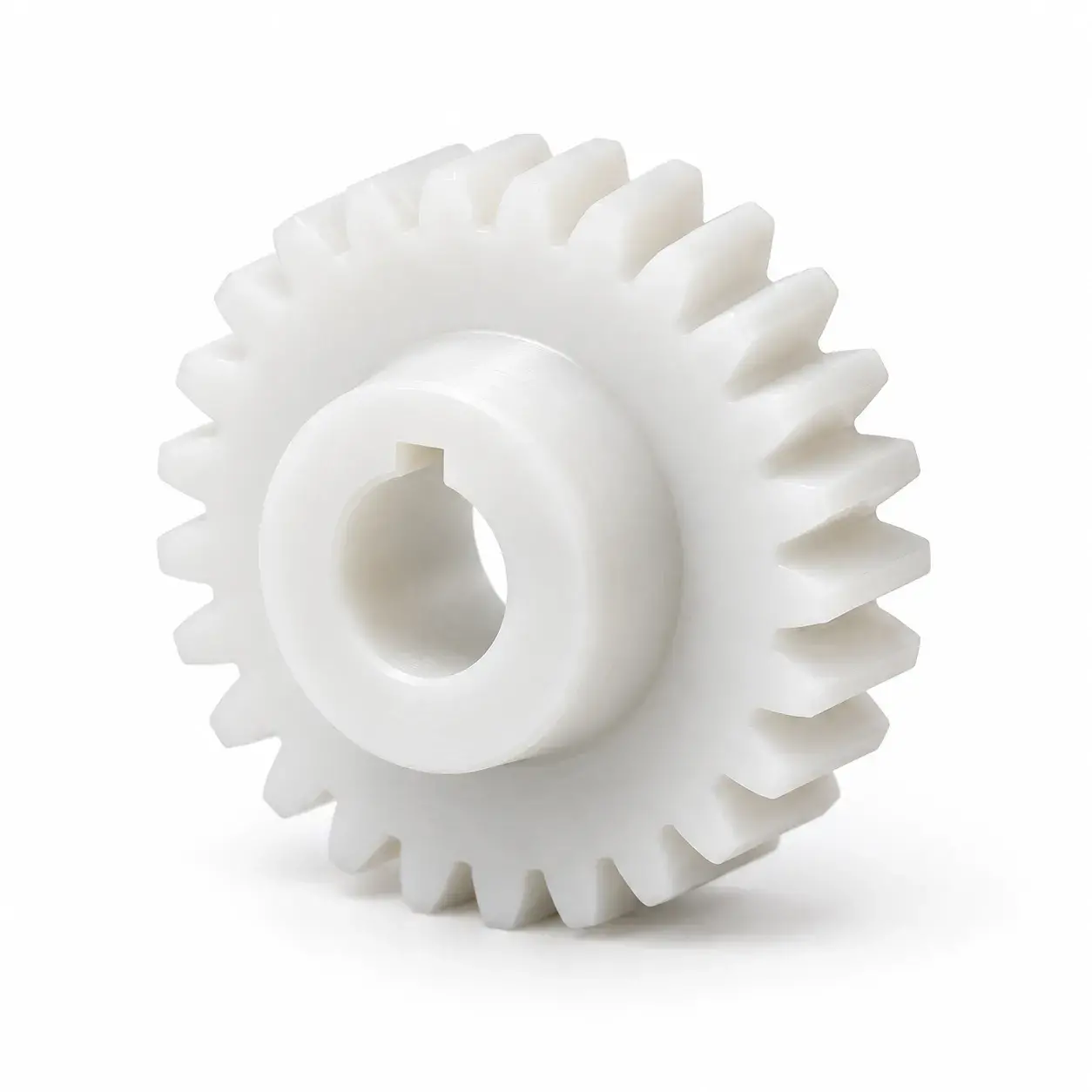
CNC machined Delrin POM-H gear
Delrin / POM-H

High stiffness, strength and wear resistance for gears, bushings and precision mechanical parts.

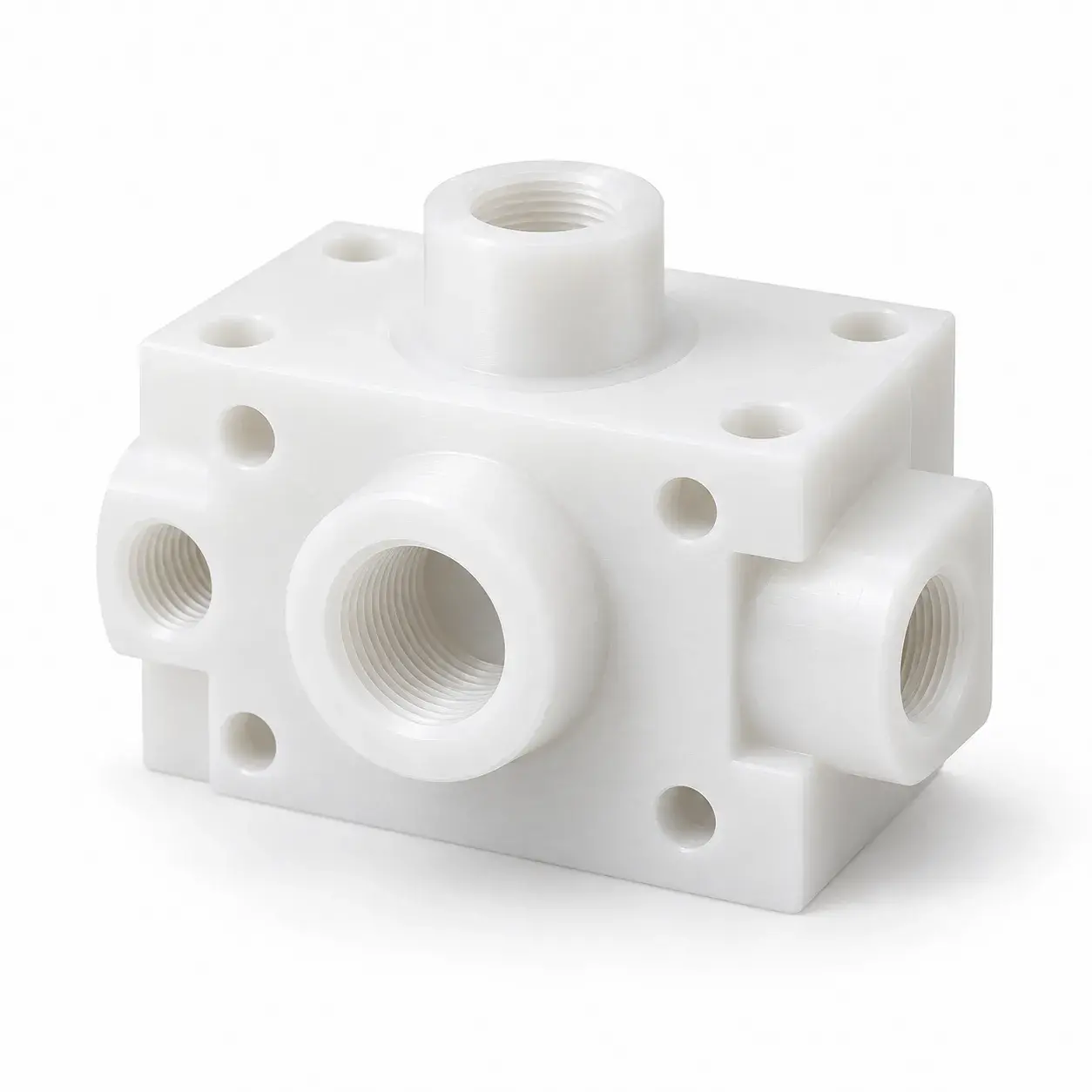
CNC machined POM-C valve manifold
POM-C

Good dimensional stability and chemical resistance for fluid-handling parts, fixtures and general engineering components.

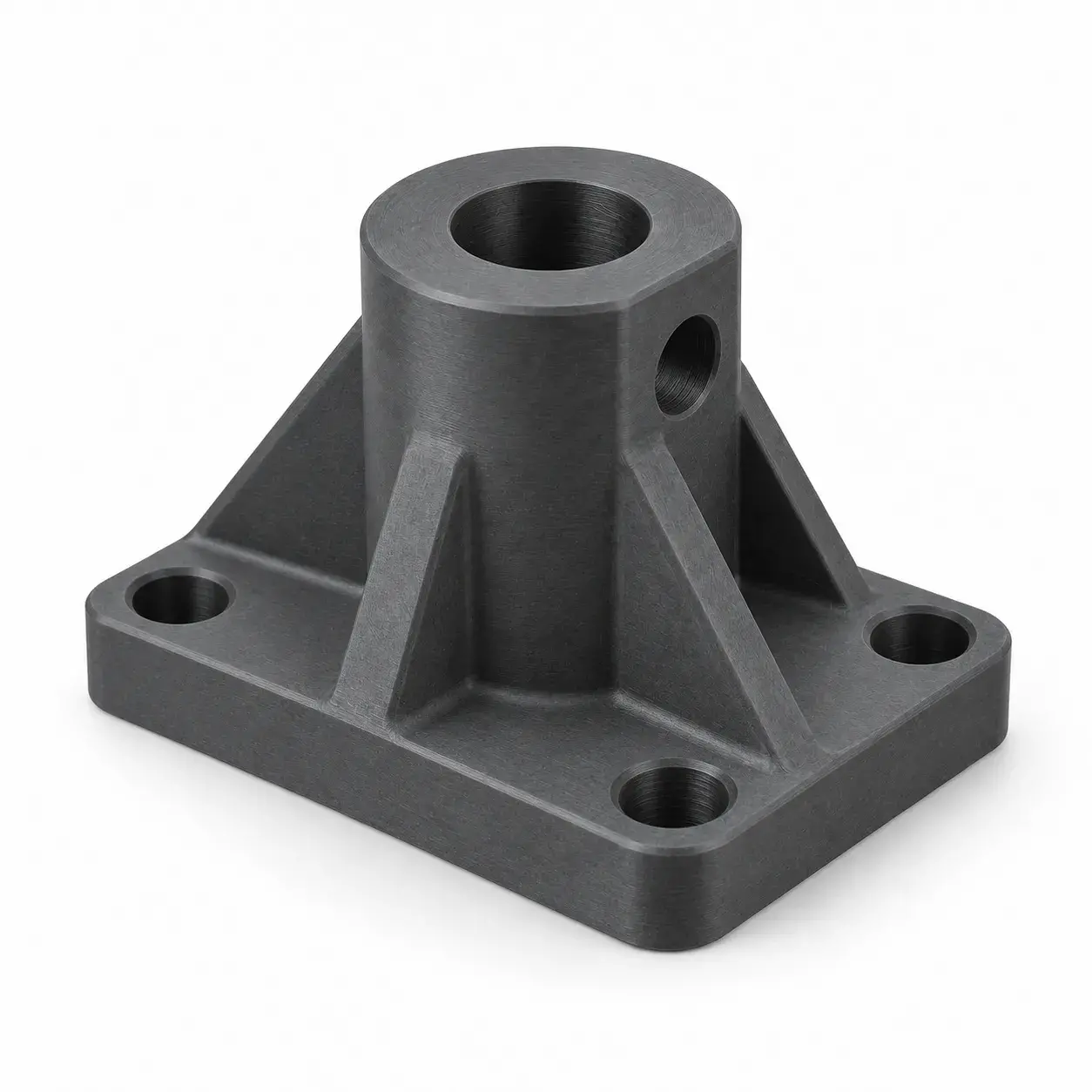
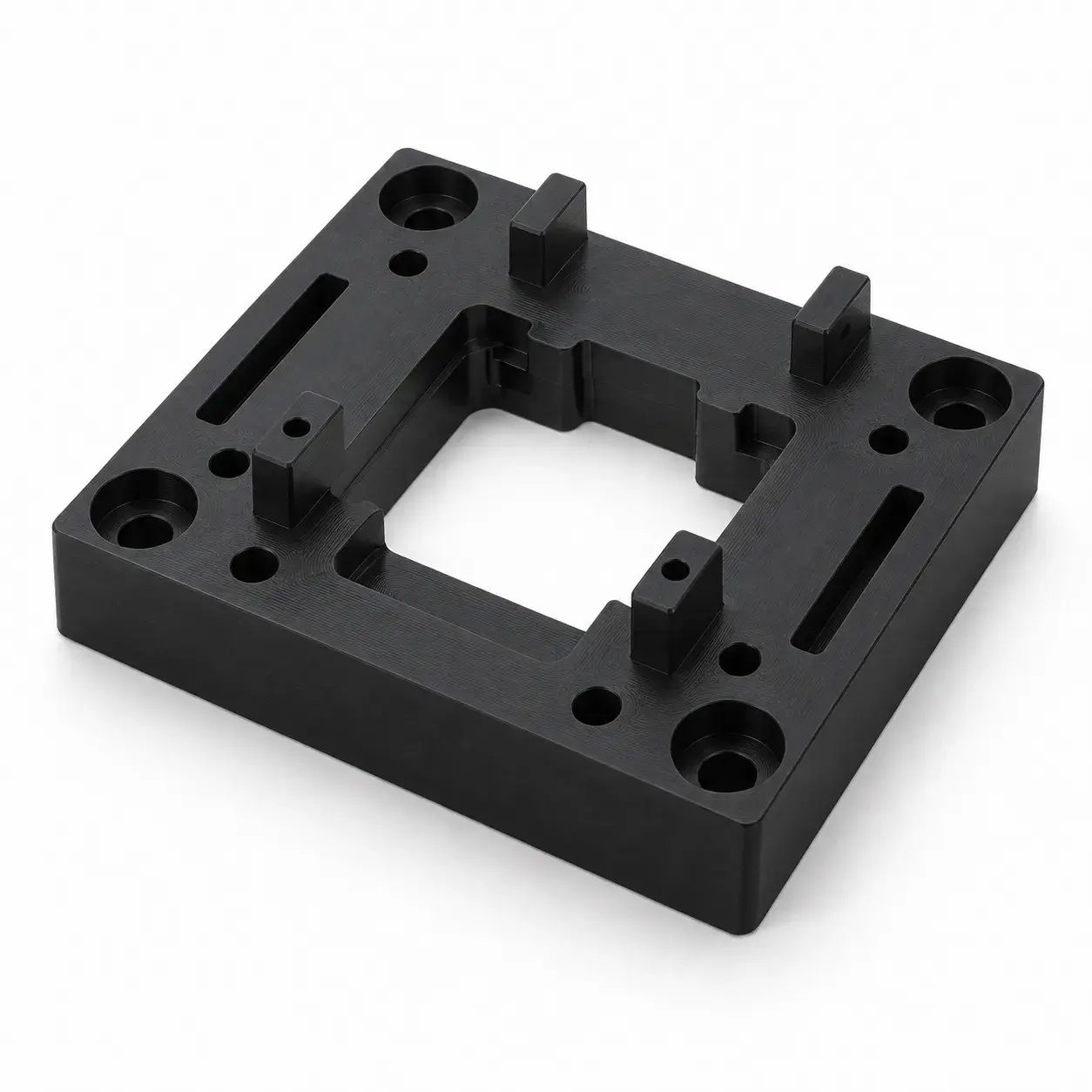
CNC machined glass-filled POM bracket
Glass-Filled POM

Higher stiffness and dimensional stability for structural parts that need improved rigidity.

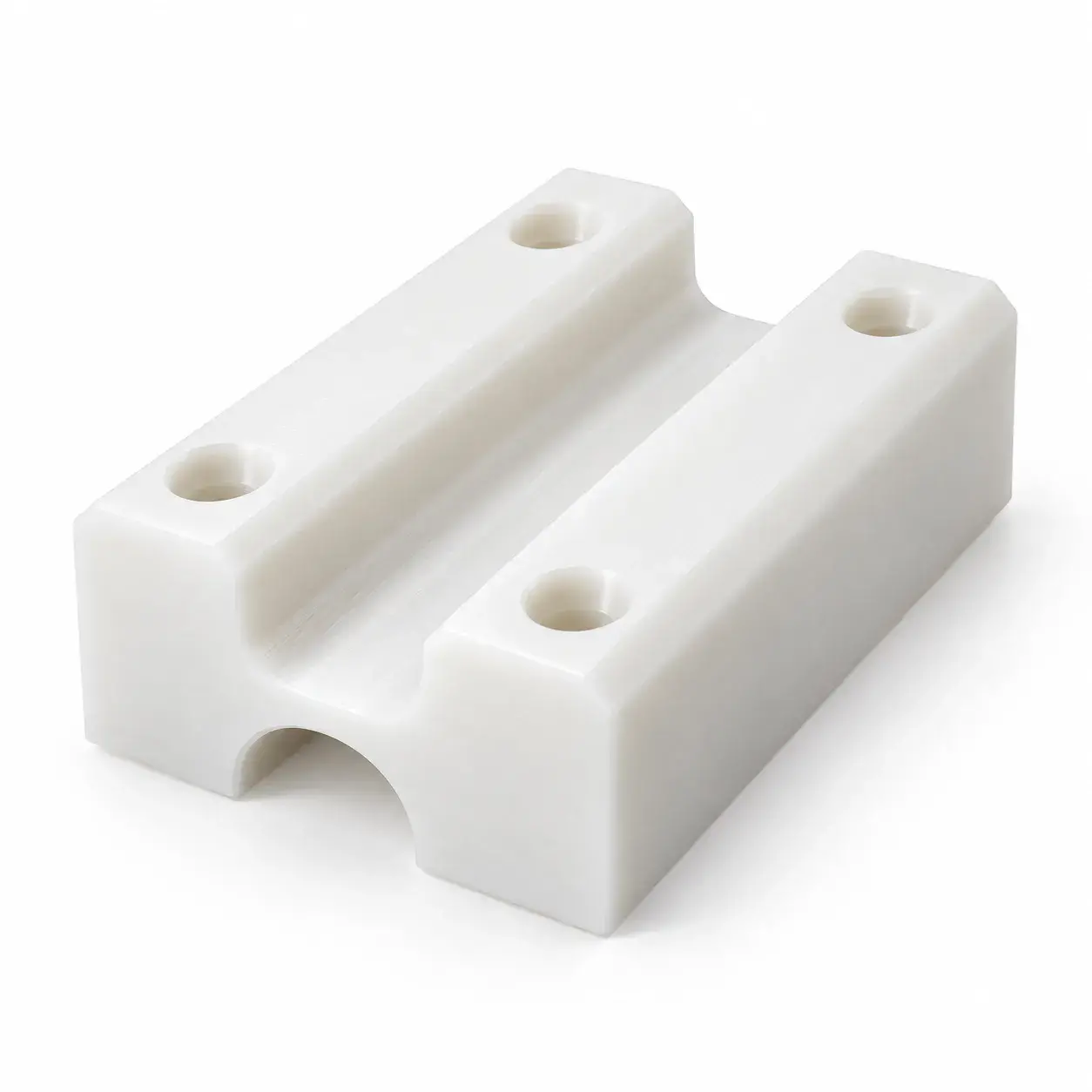
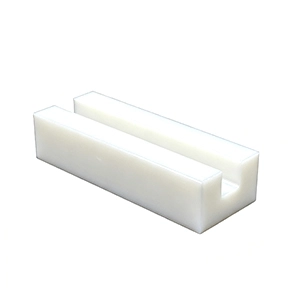
CNC machined lubricated POM guide block
Lubricated POM

Designed for low-friction and wear applications such as guides, sliding parts and moving assemblies.

CNC machined ESD antistatic POM fixture
ESD / Antistatic POM

Suitable for electrical, semiconductor and automation components where static control is required.

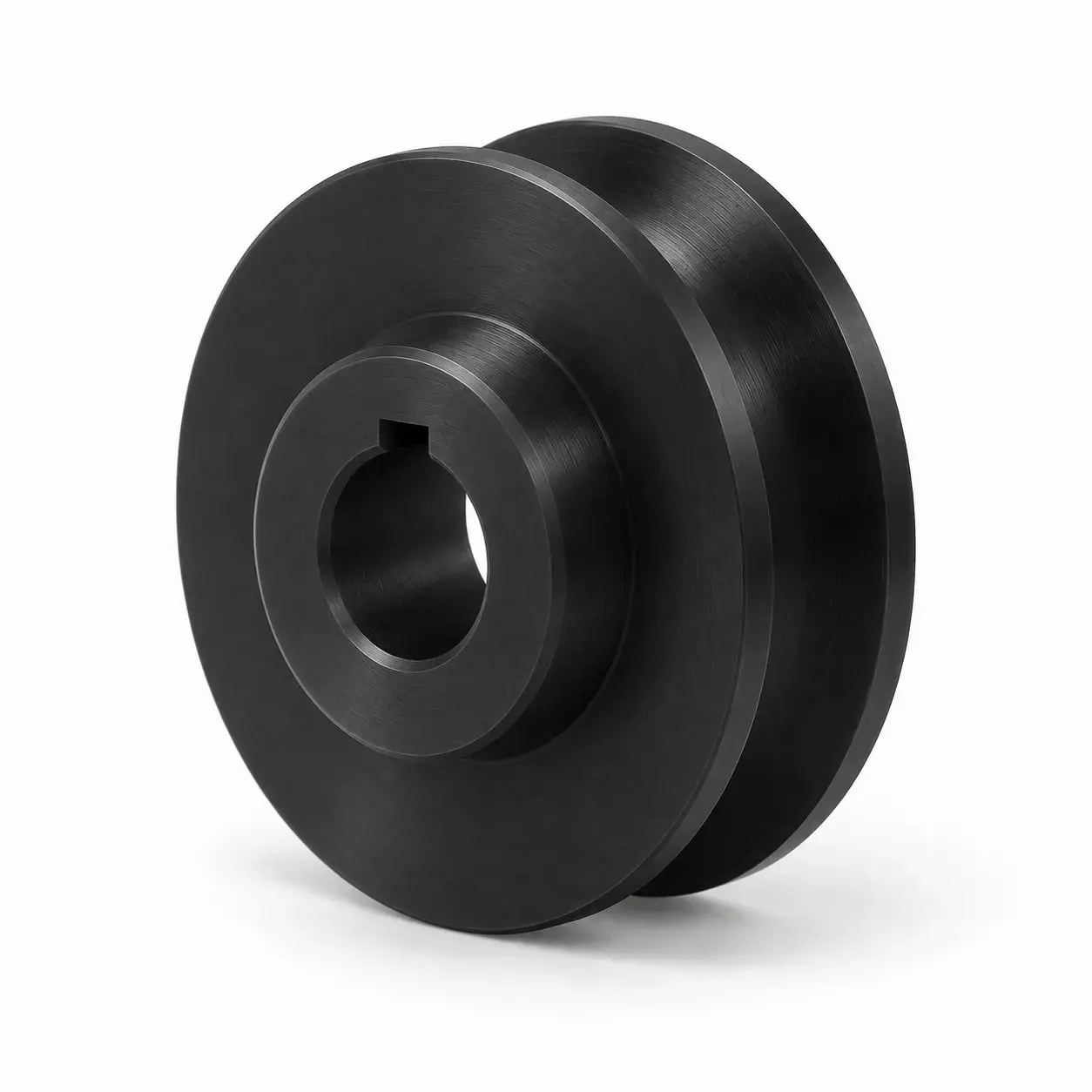
CNC machined UV-stabilized POM pulley
UV-Stabilized POM

Used for parts that may be exposed to UV light or outdoor operating conditions.

POM-H or POM-C: Which Is Better for Your Part?

POM-H and POM-C are both common choices for POM CNC machining, but they behave differently in strength, chemical resistance and long-term use. The better option depends on the part geometry, operating environment and performance requirements.

PropertyPOM-HPOM-C
Strength & StiffnessHigherSlightly lower
Wear ResistanceExcellentVery good
Dimensional StabilityExcellentExcellent
Chemical ResistanceGoodBetter
Hot Water ResistanceModerateBetter
Centerline Porosity RiskHigherLower
Typical ApplicationsGears, bushings, bearings, precision mechanical partsFluid components, fixtures, manifolds, general engineering parts
Best Choice WhenHigher strength and rigidity are prioritiesChemical resistance and lower porosity are more important

Not sure which grade fits your drawing? We can review your application and recommend the most suitable POM material based on tolerance, load, environment and part geometry.

How We Control Distortion in POM Machining

POM CNC machining requires careful control of heat, clamping pressure and material stress. Because POM expands more with temperature than metals, stable machining and inspection conditions are important for tight-tolerance POM machined parts</strong>.

01
Thermal Expansion

Typical POM-H grades can have a linear thermal expansion coefficient around 6–7 × 10⁻⁵ in/in/°F, while POM-C grades may be around 13 × 10⁻⁵ 1/K over moderate temperature ranges. For tight-tolerance POM machined parts, machining and inspection temperature should therefore be kept as stable as practical.

02
Rough, Rest and Finish

For large or flat POM parts, rough machining can release internal stress and cause movement. Pre-machining, followed by a stabilization or stress-relief stage before final machining, can help improve dimensional stability on critical features.

03
Controlled Workholding

Because POM is much less rigid than metals, excessive clamping pressure can distort thin walls and flat sections during machining. Fixtures should support the part evenly rather than simply increasing clamping force.

04
Moisture and Dimensional Stability

Typical POM-H grades show around 0.20–0.25% water absorption after 24 hours, while some POM-C grades may be around 0.05–0.10% over 24–96 hours. Critical dimensions should therefore be considered together with the part's operating environment.

Custom POM CNC Machined Parts

We manufacture a wide range of POM CNC machined parts, Delrin parts and acetal components for prototypes and low-volume production. Typical parts include gears, bushings, rollers, spacers, fixtures, valve components and other precision mechanical parts.

Why Choose YUANYI for POM Machining

We support POM CNC machining, Delrin machining services and custom acetal parts from prototypes to low-volume production, with machining methods selected around part geometry, tolerance and material behavior.

01
Tight-Tolerance Plastic Machining

Critical POM machined parts can be produced to tolerances down to ±0.005 mm where geometry and material conditions allow.

02
Multiple CNC Processes

3-axis, 4-axis, 5-axis, turning, Swiss machining and mill-turn capabilities allow us to select the right process for different POM CNC parts.

03
Prototype to Low-Volume Production

We support one-off prototypes, design validation and repeat low-volume orders with no MOQ.

04
Inspection and Documentation

Dimensional inspection, FAI reports and material certificates are available based on drawing and project requirements.

05
DFM Support for Plastic Parts

We review wall thickness, flatness, tolerances, clamping risks and material movement before production to reduce machining issues.

06
Fast Prototype Turnaround

Prototype Delrin parts and POM components can typically be completed in 3–5 working days depending on complexity.

Where POM Parts Are Commonly Used

Our POM CNC machined parts, Delrin parts and acetal components are used in applications that require low friction, good wear resistance, dimensional stability and reliable mechanical performance.

Automation Equipment

Guides, rollers, locating blocks, spacers and wear components for automated production systems.

Robotics

Lightweight POM parts for joints, guides, bushings and low-friction motion assemblies.

Medical Equipment

Precision Delrin machined parts for housings, fixtures and non-implant mechanical components.

Semiconductor Equipment

ESD and antistatic POM components for fixtures, holders and equipment parts used in controlled environments.

Automotive & Mobility

Bushings, clips, rollers, gears and other wear-resistant acetal parts for mechanical assemblies.

Industrial Equipment

Custom POM CNC parts for valves, conveyors, pumps, tooling and general machinery.

Ready to Machine Your POM Parts?

Send us your drawing for a fast DFM review and quote for POM CNC machining, Delrin parts and custom acetal components.

Frequently Asked Questions

For suitable geometries, critical dimensions on POM CNC parts can reach ±0.005 mm. Swiss-machined features may reach tighter tolerances depending on part size, wall thickness and material condition.

Yes. We provide Delrin machining services for gears, bushings, rollers, spacers, fixtures and other precision mechanical components.

POM-H generally offers higher stiffness and strength, while POM-C typically provides better chemical resistance and lower centerline porosity.

It can. Heat, clamping pressure and internal material stress may cause dimensional movement, especially on large, flat or thin-wall POM machined parts.

Yes, depending on geometry. Thin sections may require controlled workholding, lighter cutting loads and additional machining steps to reduce distortion.

Typical machined finishes are around Ra 0.4–3.2 μm, depending on geometry, tooling and finishing requirements.

Yes. We support one-off prototypes and low-volume POM CNC machining projects with no MOQ.

You can send STEP, STP, IGES, SLDPRT, PRT, DWG, DXF, PDF and common image or compressed file formats.

Request A Quote
Upload your drawing and get a quote within 24 hours.