
13 YEARS
CNC Machining
Manufacturer
52 Machines
CNC Machines
100000+
Machined Parts
96%
On Time Delivery
ISO
9001:2015 Certified 14001:2015 Certified

Delivering large format CNC machining solutions with flexible production capabilities, and precision machining for oversized components.
CNC Machining
Manufacturer
CNC Machines
Machined Parts
On Time Delivery
9001:2015 Certified 14001:2015 Certified
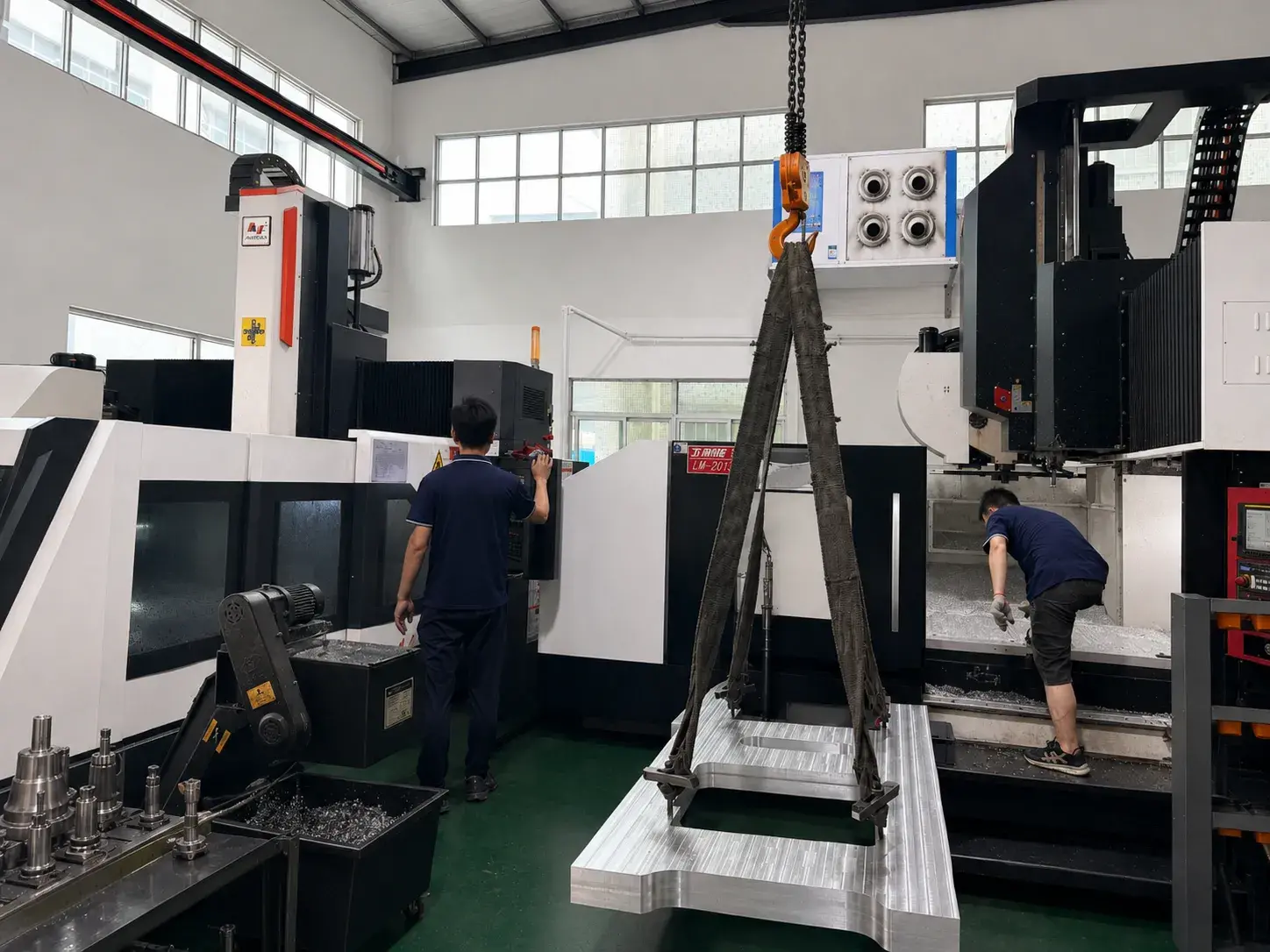
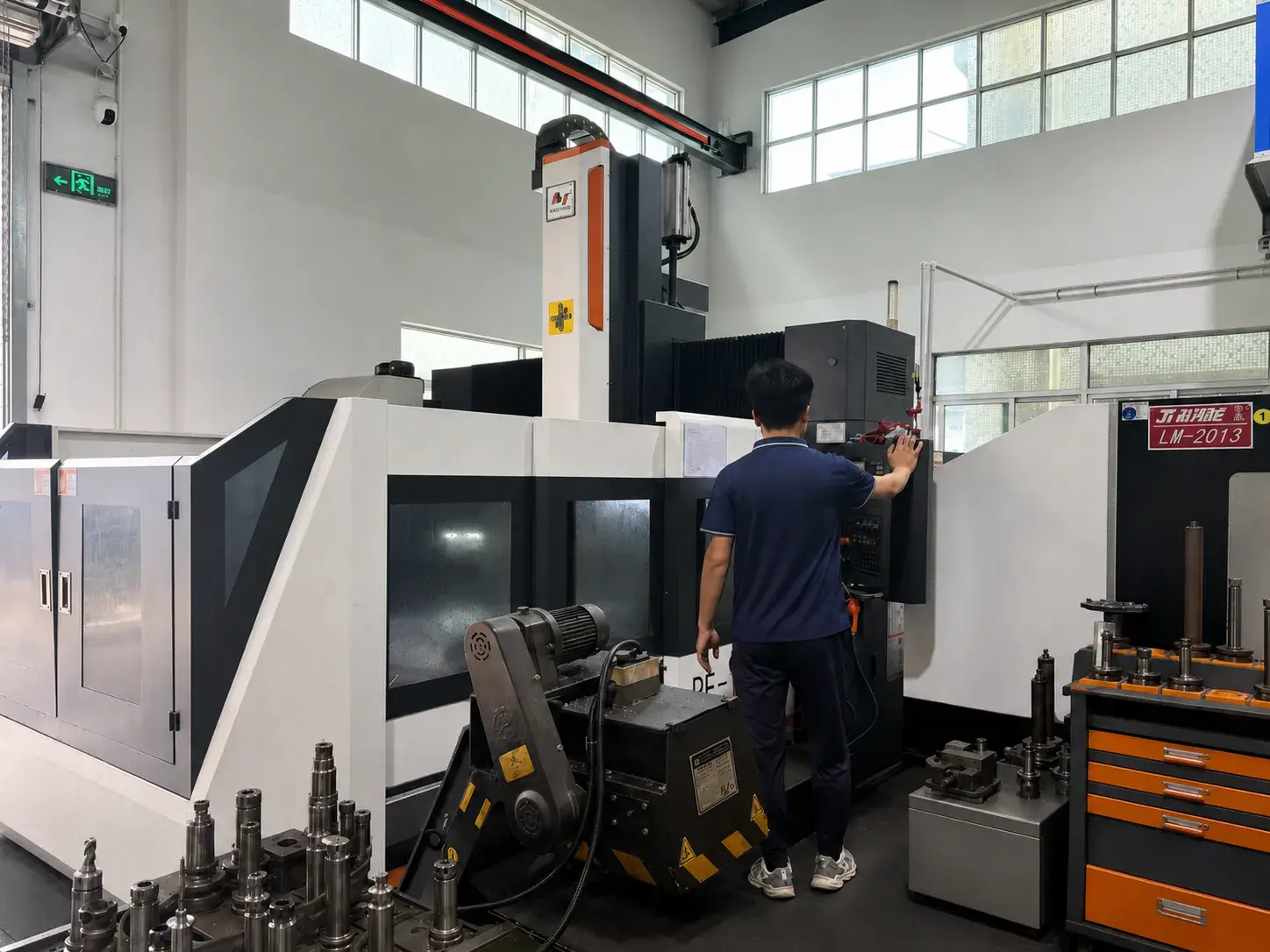
YuanYi utilizes high-performance CNC gantry milling machines with heavy-duty machine tools to achieve precise and efficient machining for large format and complex industrial components.
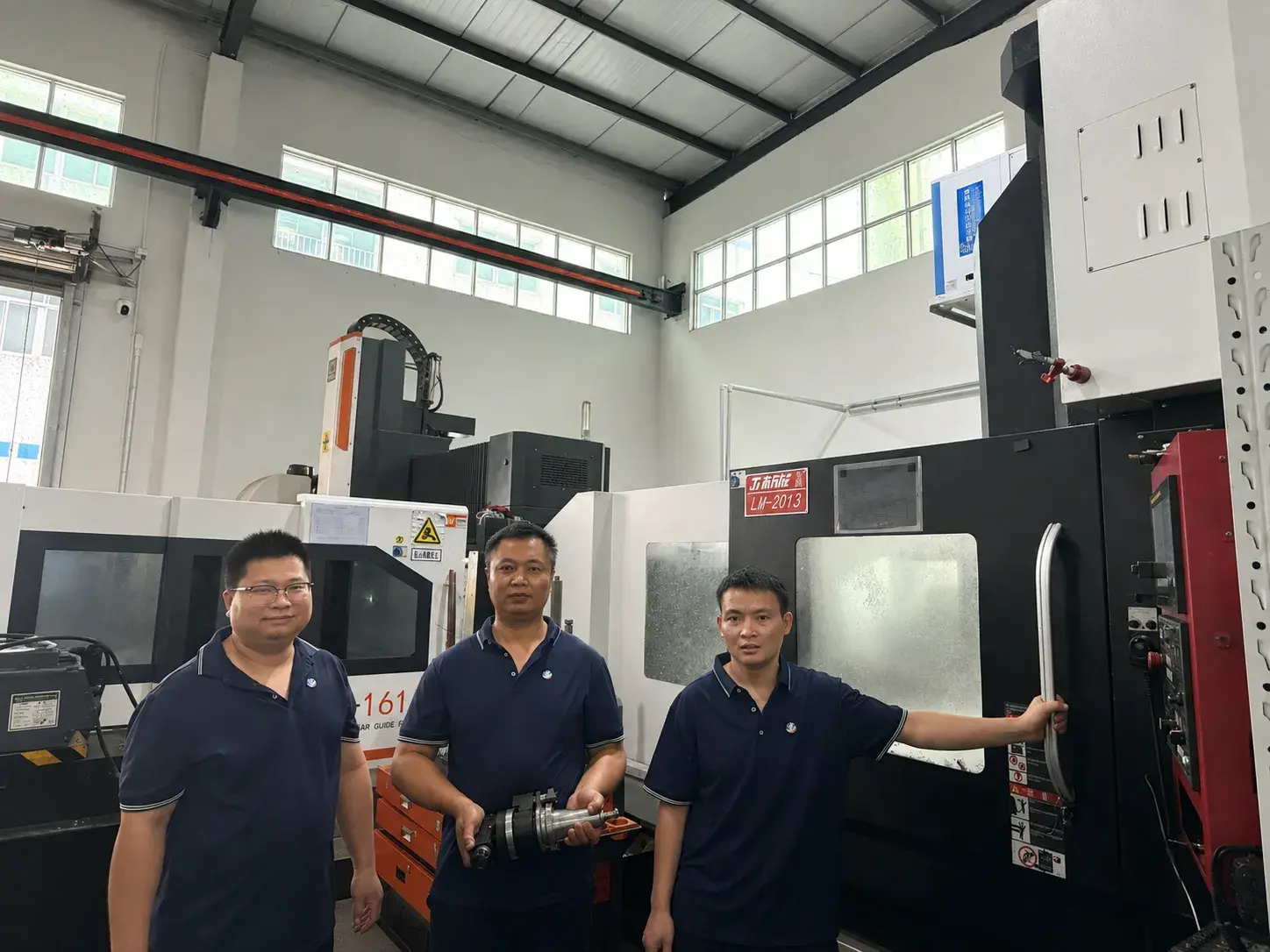
YuanYi Gantry Machining Center Workshop specializes in machining large aluminum parts, structural components, and oversized industrial parts. Throughout the production process, our team works closely together on lifting, clamping, machining, and process adjustments to minimize the risk of deformation and maintain consistent accuracy for large CNC parts. Depending on part dimensions, structural complexity, and machining requirements, we select the appropriate CNC gantry milling machine and machining strategy to ensure stable and efficient production.
| Specification | Metric Units | Imperial Units |
|---|---|---|
| Max. part Dimension | 2300 × 1300 × 600 mm | 90.6 × 51.2 × 23.6 in |
| Max. table load | 5000 kg | ≈ 11,023 lb |
| Typical machining tolerance | Up to ±0.01 mm | Up to ±0.0004 in |
| Hole accuracy | Up to ±0.005 mm | Up to ±0.0002 in |
| As-machined surface finish | Ra 0.8–3.2 μm | Ra 32–126 µin |
| Fine surface finish | Ra ≤0.2 μm | Ra ≤8 µin |
Large-scale gantry milling tests not only the equipment’s travel range but also the practical coordination skills of the programming, setup, and on-site machining teams. For large aluminum and structural components, deformation control, clamping methods, and machining sequences often have a direct impact on the final machining stability.
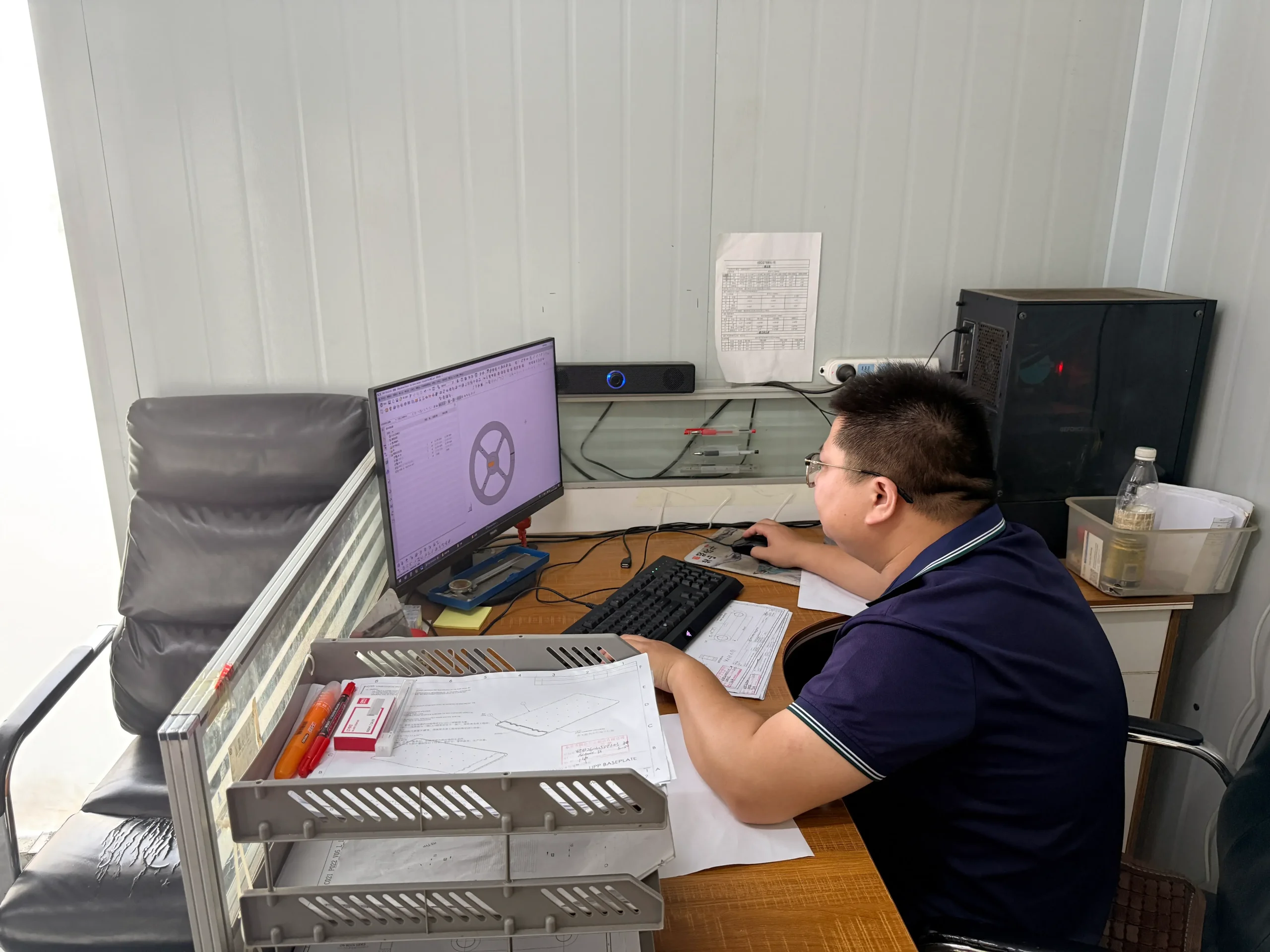
Hu Bin has 11 years of experience in large-part CNC machining and gantry CNC programming, specializing in machining process optimization for large aluminum parts, machine bases, structural components, and industrial equipment parts. His experience covers CNC programming, process planning, deformation control, and machining of complex large-format components.
For oversized CNC parts, Mr Hu evaluates clamping methods, support points, machining allowances, cutting sequences, and tool selection based on the size and structure of each part. This practical approach helps minimize deformation, maintain machining stability, and achieve consistent accuracy throughout the gantry milling process.
Send us your drawings for machining review, deformation analysis, and production support for large CNC machining projects.
Request A Quote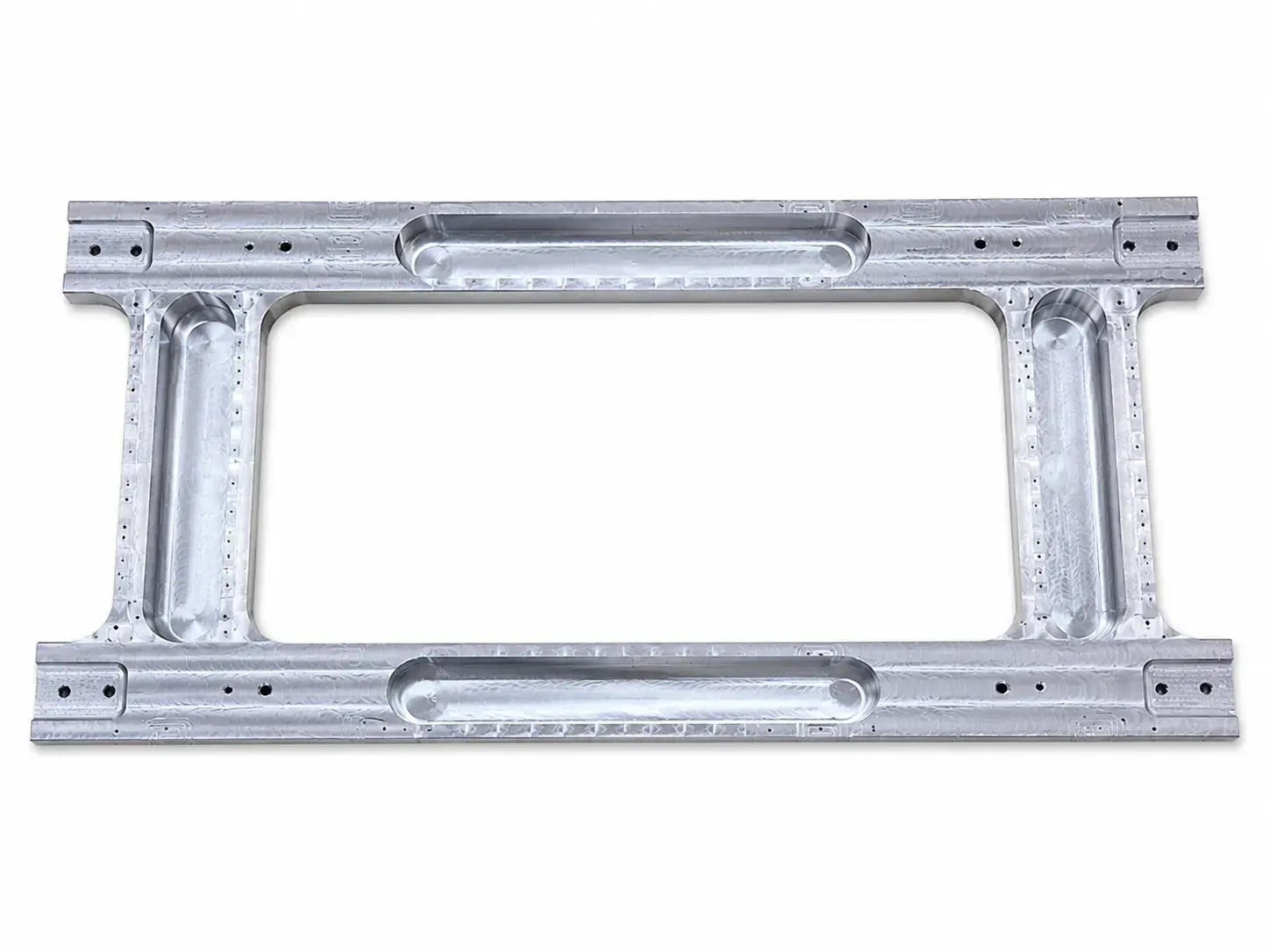
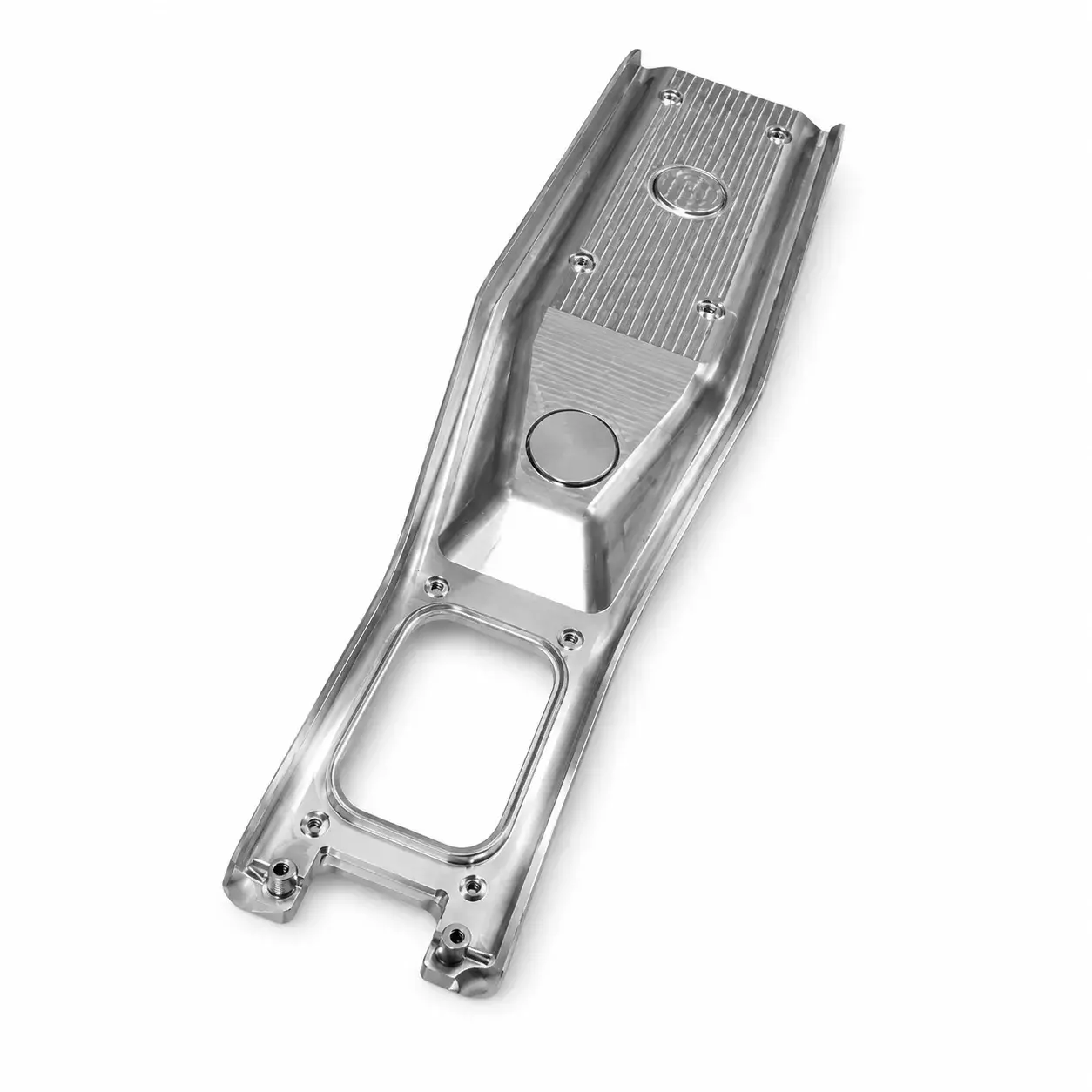
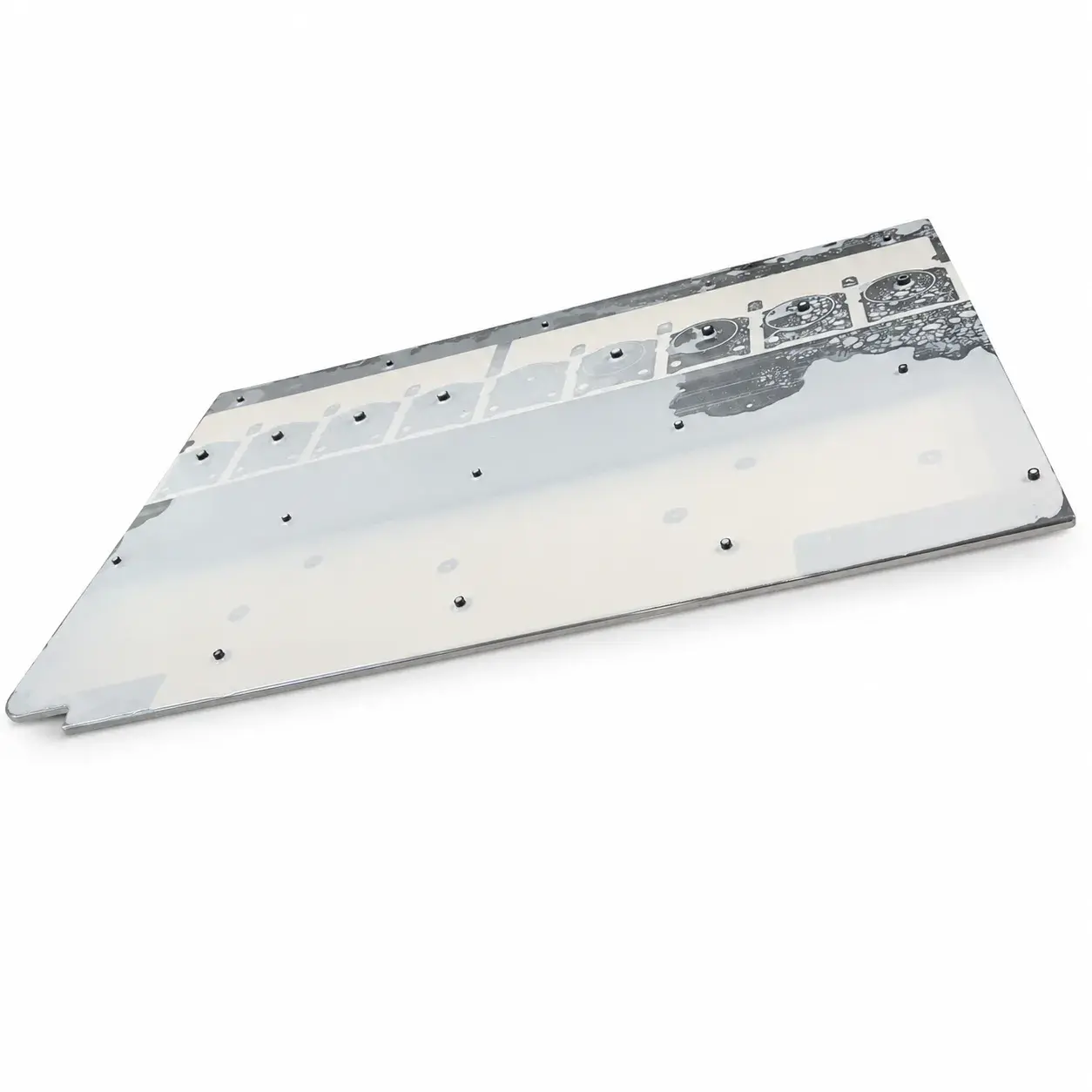
This part is a typical large-part gantry machining project. Due to its large overall dimensions and the significant amount of material removal required across a wide surface area, deformation control was one of the key challenges during machining.
During clamping, one end of the part showed approximately 15 mm of warpage. If machining had proceeded without properly correcting and supporting the distorted area, some surfaces could have been left with insufficient machining allowance, potentially affecting the final flatness and dimensional accuracy of the part.
Before machining began, our programming and setup team evaluated the lifting method, support points, and machining positions based on the size and structure of the part. Additional machining allowance was reserved in critical areas to compensate for potential deformation during rough machining.
During machining, the setup technician used shims to level and support the workpiece. The clamping method and machining sequence were then adjusted according to the actual deformation observed at each stage. Flatness was also checked throughout the process to maintain stability and prevent excessive distortion during material removal.
By planning the lifting and support strategy in advance and carefully controlling machining allowances, clamping, and cutting sequences, we successfully controlled deformation of the large aluminum part and maintained the required flatness and dimensional stability.
This project demonstrates that successful large-part gantry machining depends on more than machine capability alone. CNC programming, workpiece setup, deformation control, and the practical experience of the machining team all play an important role in achieving stable and accurate results.
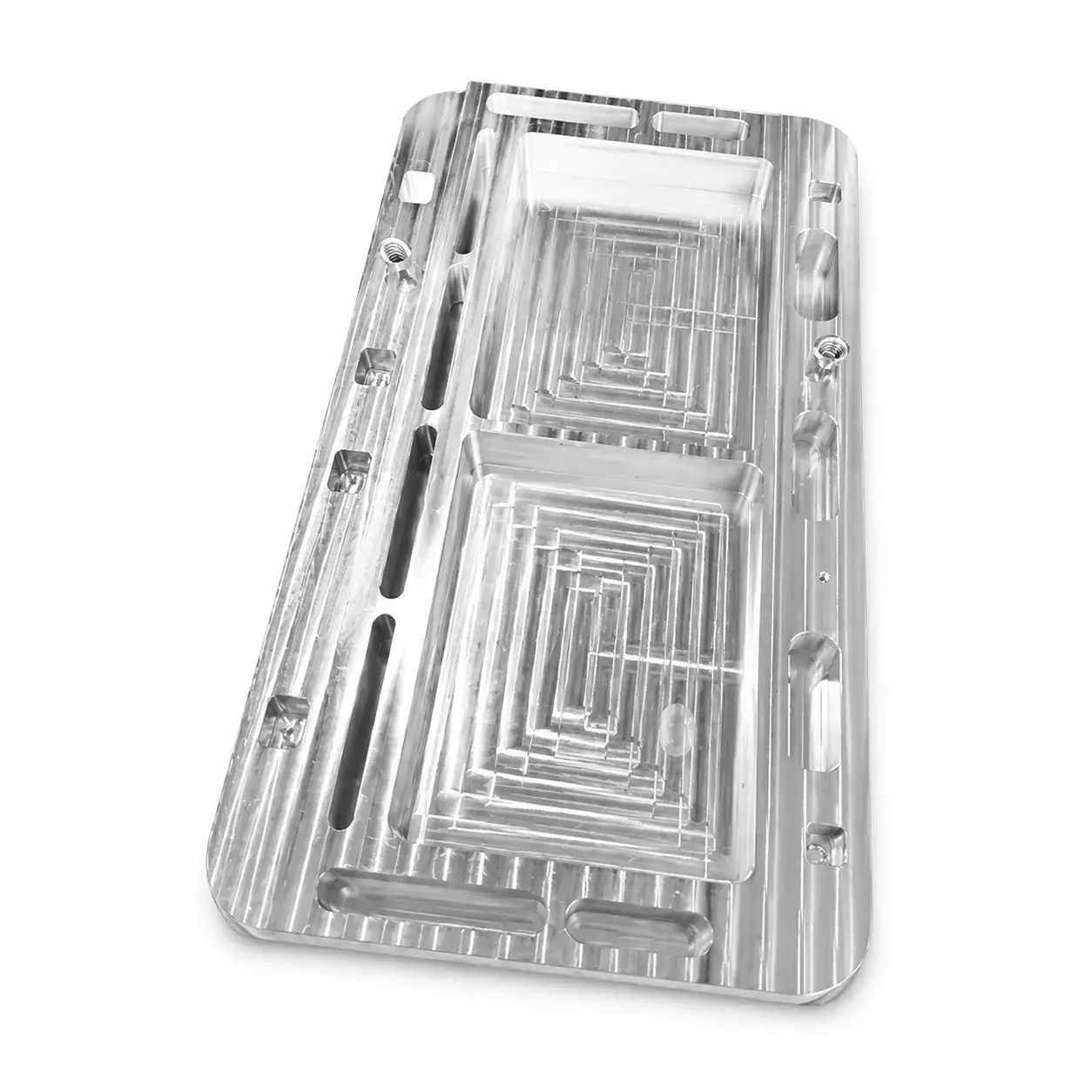
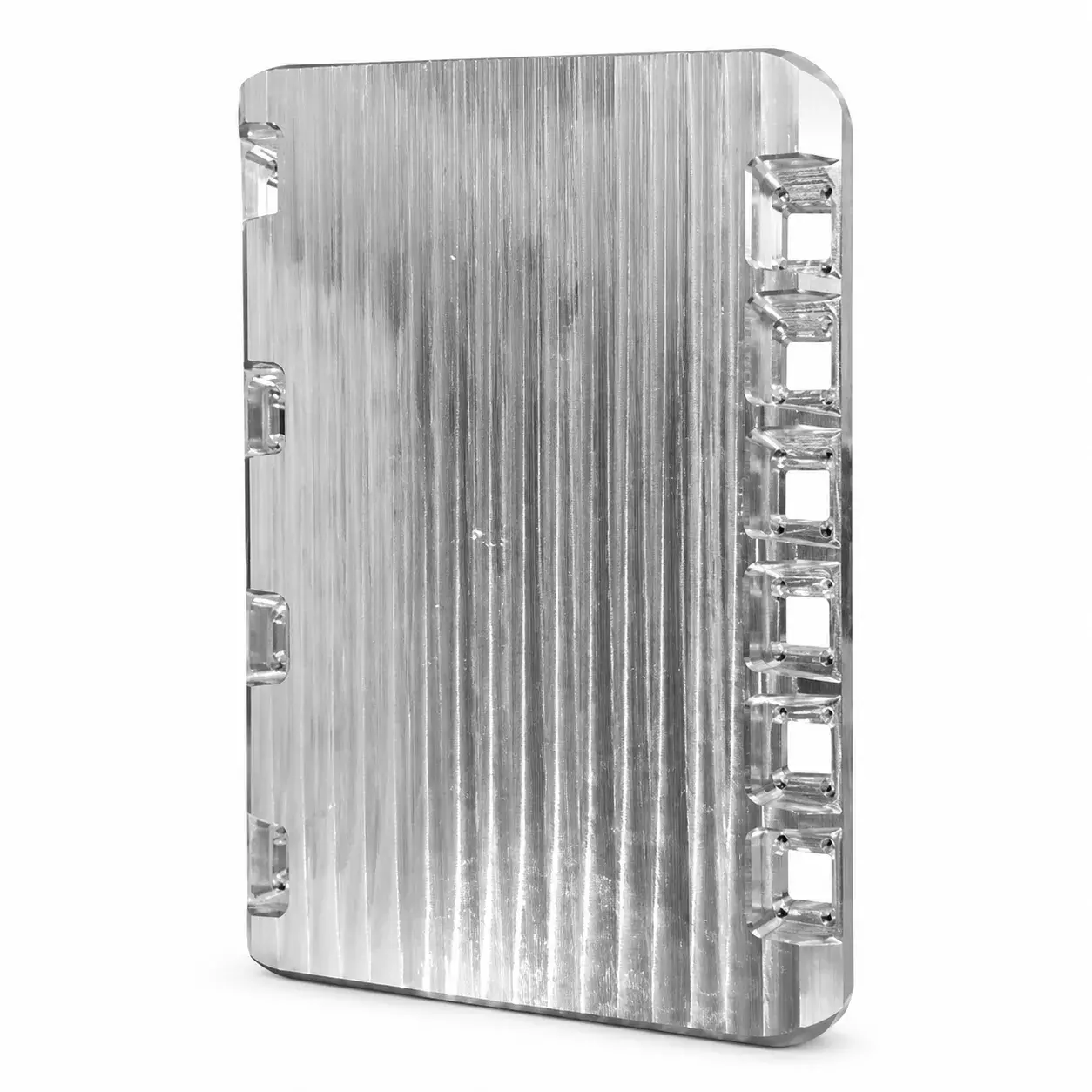
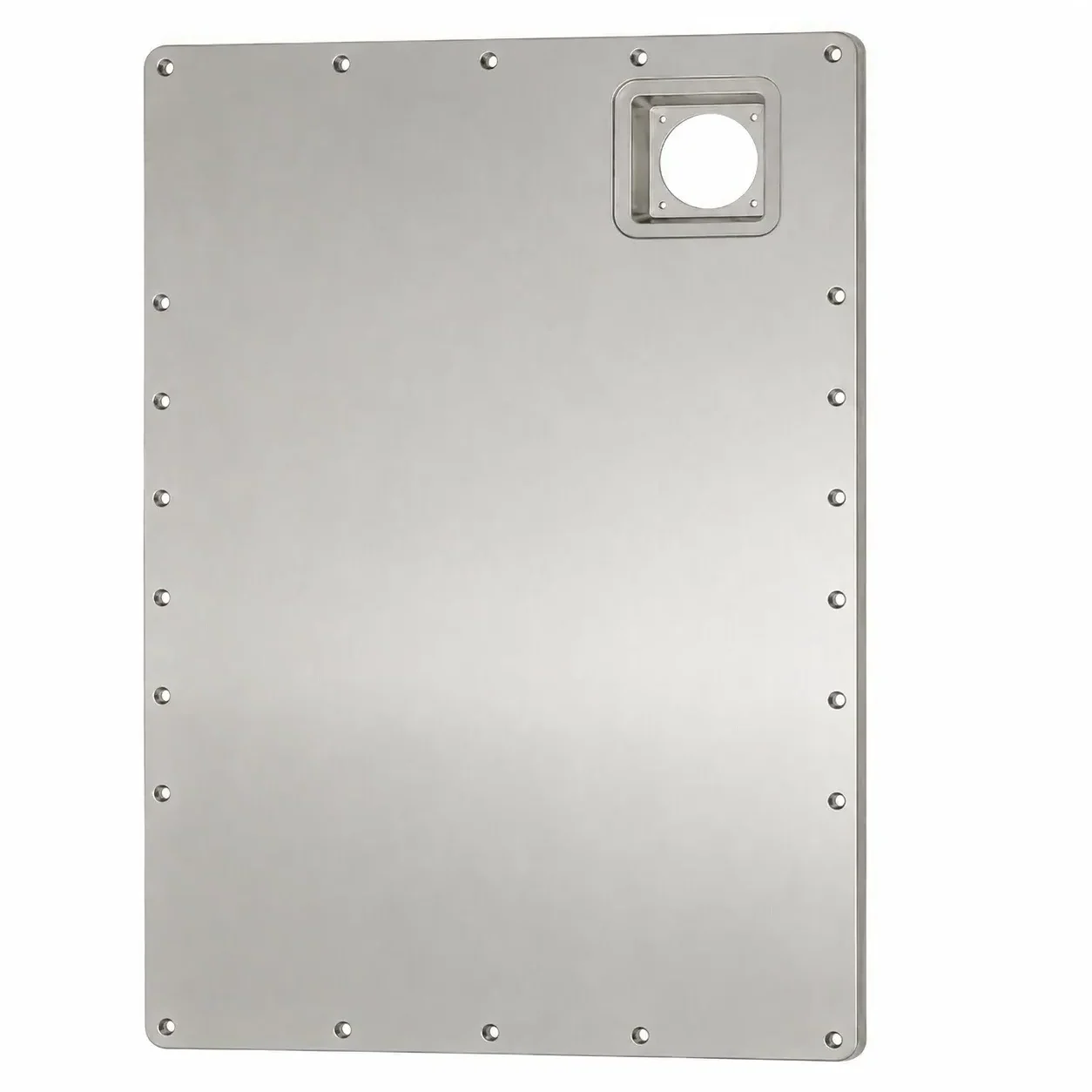
Our gantry CNC machining services support large aluminum machining, steel structural components, machine bases, and oversized CNC parts for industrial equipment, automation systems, and large-part manufacturing applications.
From machining review to final inspection, quality control is integrated throughout the CNC machining process to help maintain the stable quality.
Review machining strategy, fixture setup, and critical dimensions before production.
Monitor key dimensions and machining conditions during production.
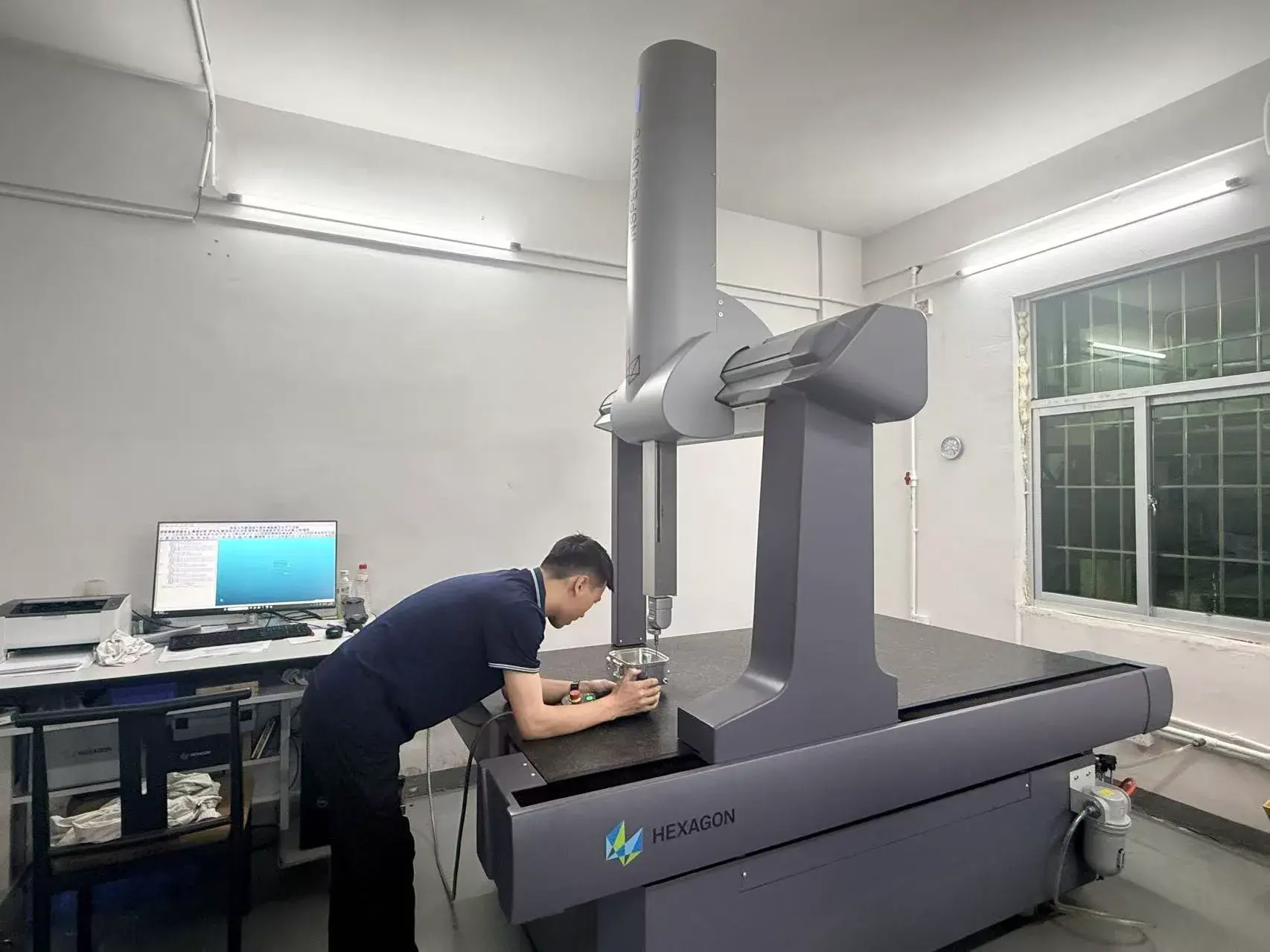
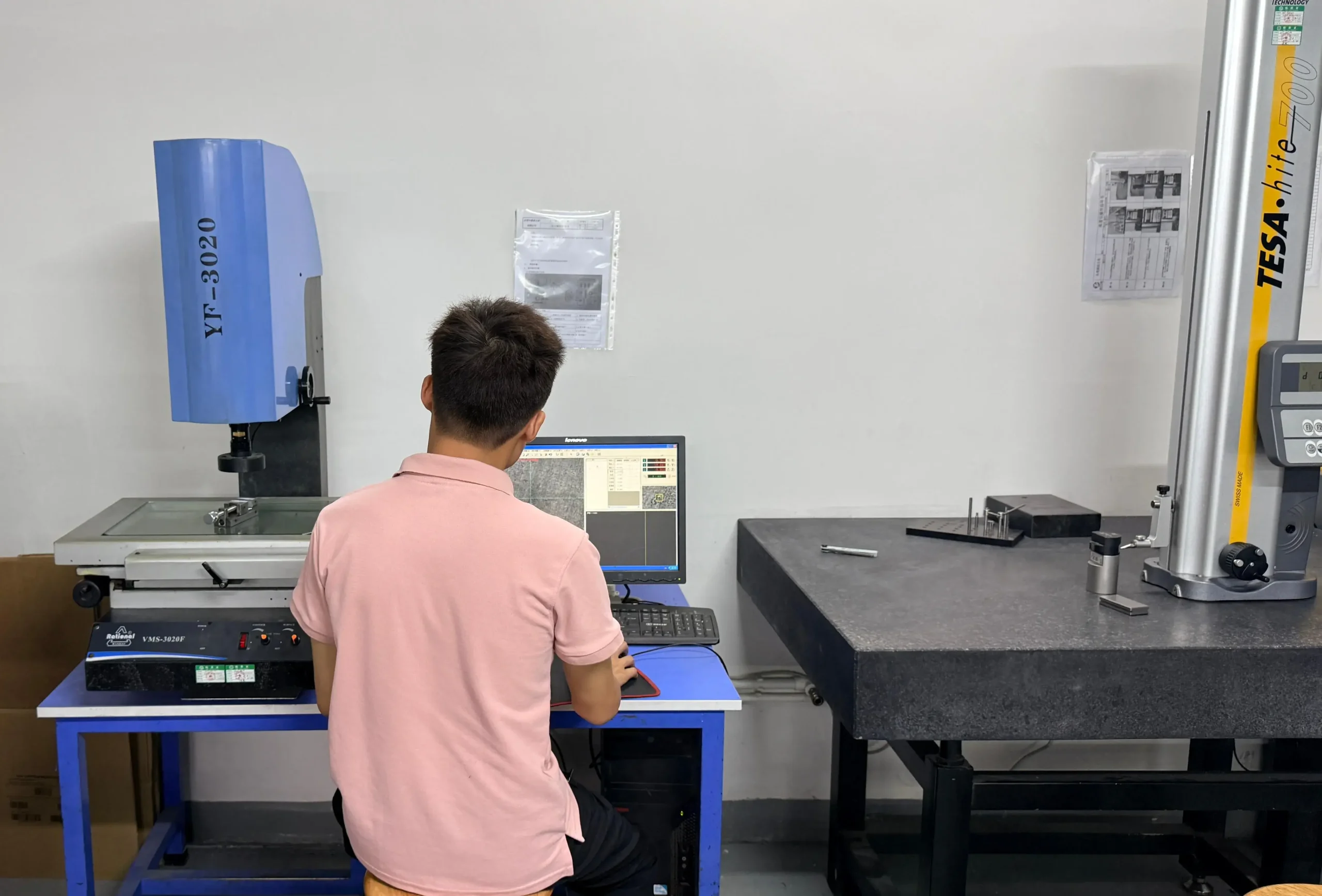
Inspect finished parts by using CMM, height gauges, and precision measuring tools.
Material certificates and dimensional inspection reports available upon request.
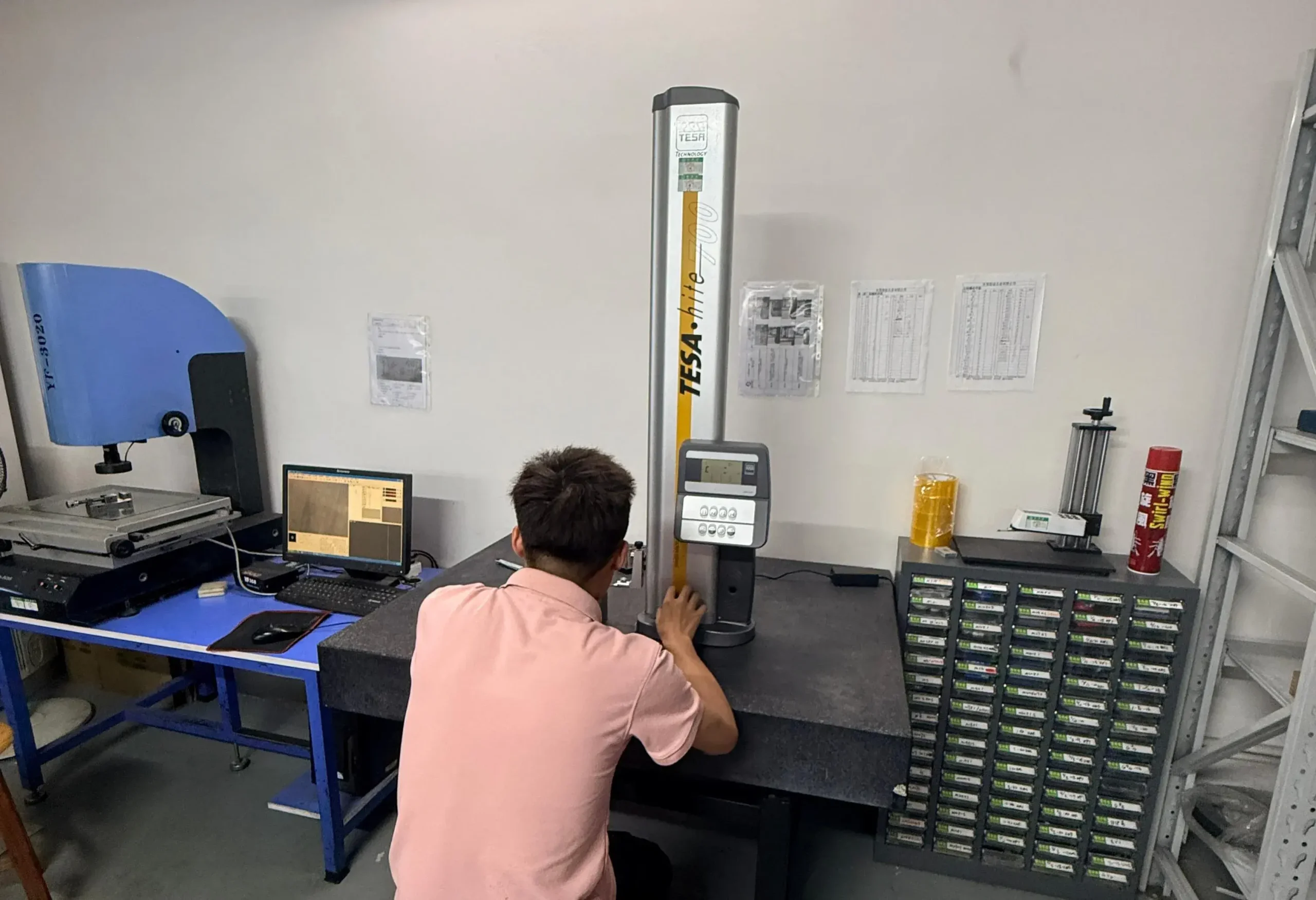
View our full quality control system, testing process, and inspection capability.
With over 13 years of CNC machining experience, we specialize in manufacturing large and oversized precision parts.
We support prototype machining and batch production for large CNC machining projects with flexible order quantities.
From CNC machining and surface finishing to inspection and production support, we provide complete manufacturing solutions.
Our gantry machining capability supports oversized parts up to 2300 × 1300 × 600 mm for large-format applications.
Stable production planning and efficient machining processes ensure reliable delivery for prototype and production projects.
Dimensional inspection and quality reports are available to verify critical large CNC machined components.
Send us your drawings for machining review, fixture evaluation, and production support for large aluminum parts, structural components, and oversized CNC machining projects.
Our gantry CNC machining services support a wide range of common materials and are widely used in the manufacturing of large CNC parts, machine tool bases, structural components, and industrial equipment. The following are the materials we commonly machine:
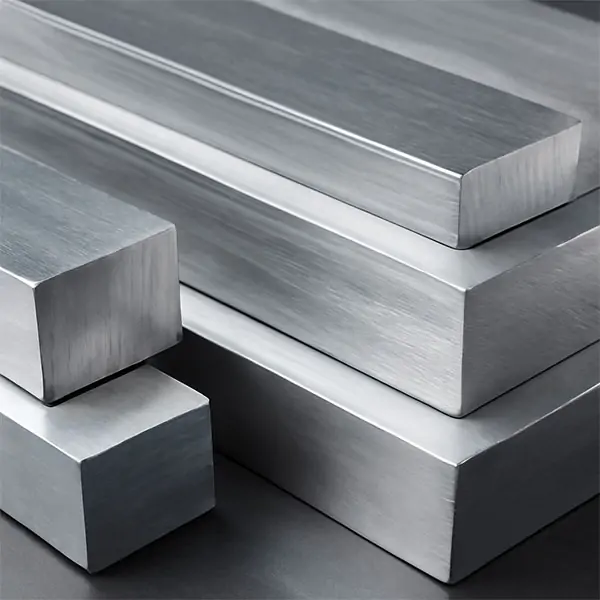
6061,6063, 7075, and 6082 are widely used for lightweight precision parts, housings, brackets, and automation components.
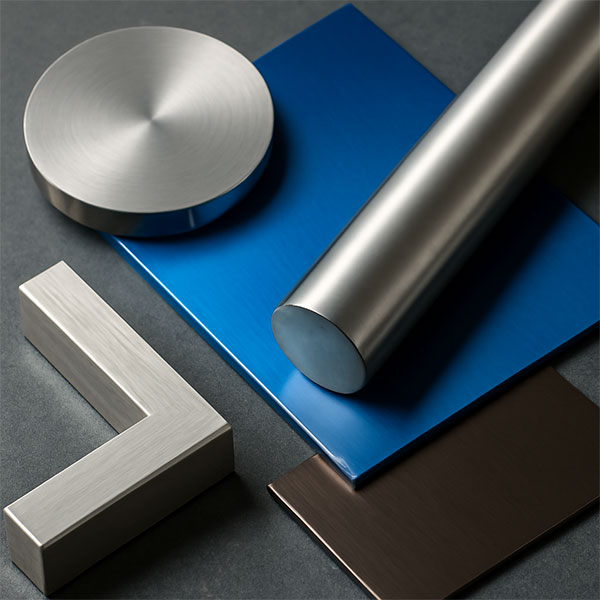
304, 316, and 17-4PH are suitable for durable and corrosion-resistant parts with stable machining performance.
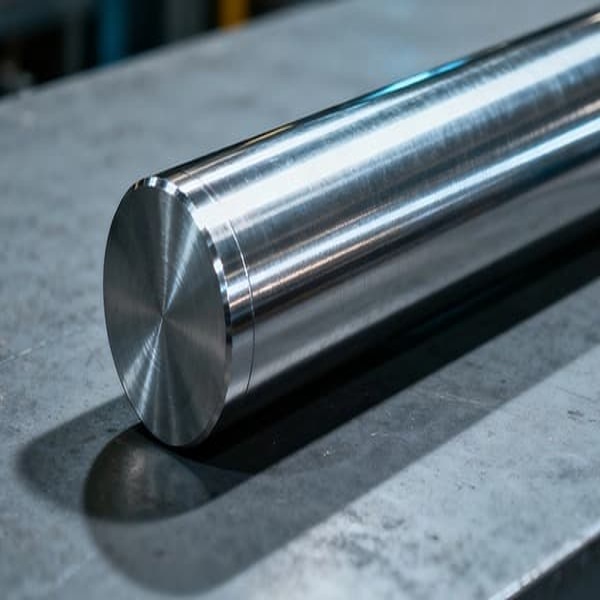
Carbon steel is widely used for machine bases, welded structures, and heavy-duty industrial parts.
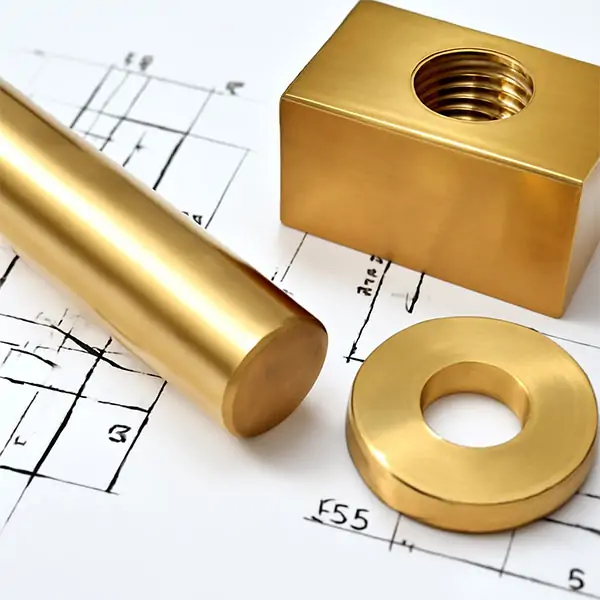
C360 and C260 provide excellent machinability for fittings, valves, and precision machined connectors.
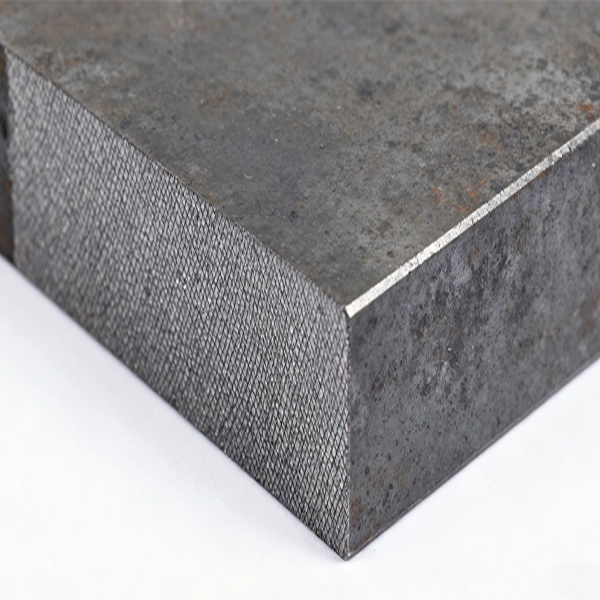
Tool steel and tooling plates are widely used for fixture plates, mold bases, and industrial applications requiring stable flatness and wear resistance.
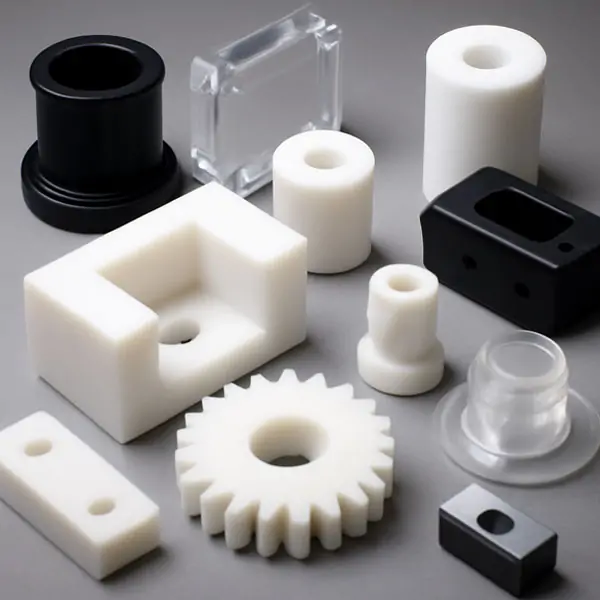
POM, PTFE, PE, PEEK, HDPE and ACRYLIC are suitable for lightweight, wear-resistant, and insulating parts.
Gantry milling covers wide surfaces in one pass, leaving even textures on large plates and frames. We provide production finishes—anodizing (Type II/III), chromate conversion (Alodine), bead-blast, polishing, electroless nickel, passivation, black oxide, and powder coat/paint for large weldments.
Large machined parts are more challenging to produce because maintaining flatness, dimensional stability, and consistent accuracy becomes increasingly difficult as workpiece size increases. Standard CNC milling machines may also be limited by their travel range, rigidity, and work envelope, often requiring multiple setups or repositioning for oversized components.
Gantry CNC machining is well suited for large-part machining due to its rigid machine structure, extended travel, and ability to accommodate large and heavy workpieces. These advantages help reduce repositioning, improve machining stability, and maintain consistent dimensional accuracy across large surfaces. Gantry machining is therefore an effective solution for large aluminum parts, machine bases, structural components, and long industrial parts with demanding precision requirements.
Gantry machining provides more stable support for oversized CNC parts and long structural components during heavy cutting and long-travel machining.
Larger machining travel helps reduce multiple setups and accumulated positioning errors during large-part CNC machining.
More stable machining conditions help maintain flatness and dimensional consistency across large aluminum plates and machine bases.
Commonly used for large aluminum machining, steel structures, automation equipment parts, and industrial machine frames.

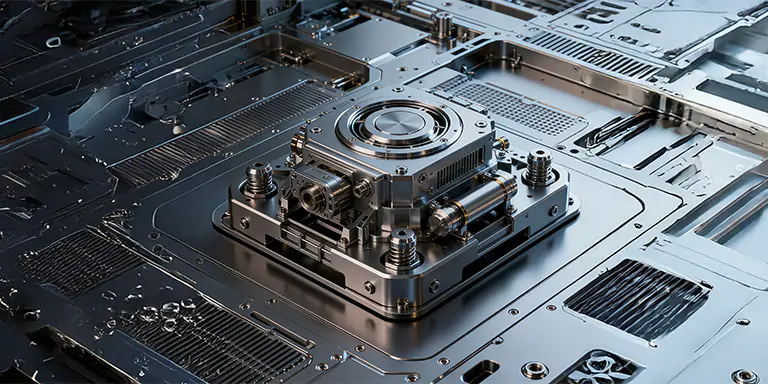

A gantry is a rigid bridge-style structure that supports the spindle and allows it to move across a large machining area. Compared with a standard CNC milling machine, a gantry machining center provides greater travel and stability, making it better suited for machining large plates, machine bases, structural components, and other oversized parts.
At YUANYI, our gantry CNC machining centers are primarily used for large aluminum and steel components that require stable cutting, controlled flatness, and dimensional accuracy over long machining distances.
A CNC gantry machine moves the cutting spindle across a large workpiece according to programmed toolpaths. Its bridge-style structure provides rigidity and allows machining over a larger working envelope than many conventional CNC mills.
For large parts, however, machine travel alone is not enough. At YUANYI, we combine CAM programming, workpiece alignment, modular fixturing, controlled cutting sequences, and in-process inspection. For parts prone to deformation, our machinists also adjust support points, machining allowances, clamping, and cutting sequences during production to maintain flatness and dimensional stability.
Our current gantry CNC machining capacity supports parts up to 2300 × 1300 × 600 mm (90.6 × 51.2 × 23.6 in).
This machining envelope is suitable for large aluminum plates, machine bases, structural frames, automation components, molds, and other oversized industrial parts. Actual machinability should still be confirmed from the part drawing because geometry, clamping requirements, and tool access can affect the usable machining envelope.
Our gantry machining center supports a maximum table load of approximately 5,000 kg (11,023 lb).
For heavy components, our engineering team evaluates lifting, support points, workholding, clamping, and machining strategy before production to ensure that the part can be safely and accurately machined.
For gantry-machined parts, our typical machining tolerance can reach up to ±0.01 mm (±0.0004 in), with hole accuracy also reaching up to ±0.005 mm under suitable conditions.
Actual achievable tolerance depends on part size, geometry, material, wall thickness, feature location, and machining requirements. For very large components, flatness and dimensional stability may be just as important as individual dimensional tolerances.
Maintaining accuracy on large parts requires more than a high-precision machine. At YUANYI, we control the complete machining process, including fixture setup, alignment, support points, machining allowances, cutting strategy, machining sequence, and deformation control.
Critical dimensions are monitored during machining, and finished components are inspected using CMMs, height gauges, and other precision measuring equipment. For large aluminum plates and structural components, our team also monitors flatness and adjusts clamping and machining sequences when necessary to reduce deformation.
Our large-part CNC and gantry machining services support a wide range of metals and engineering plastics, including:
Material selection depends on the required strength, weight, corrosion resistance, wear resistance, dimensional stability, and final application.
We can evaluate large castings, welded structures, and similar oversized components for gantry machining. Our current capabilities are particularly suited to large aluminum parts, steel structures, machine bases, frames, tooling plates, and industrial structural components.
Because castings, weldments, and forgings may contain residual stress or distortion, we review the material condition, geometry, machining allowance, clamping method, and tolerance requirements before confirming manufacturability. Please send us your drawings and material specifications for engineering review.
Yes, when the part geometry, machining envelope, and feature accessibility allow it. Our gantry machining capacity of up to 2300 × 1300 × 600 mm allows many large plates, frames, baseplates, and structural components to be machined with fewer setups.
Reducing setups can help minimize repositioning errors and improve dimensional consistency. For example, large EV battery trays can have drilling, pocketing, and sealing-groove operations performed in one setup when the geometry is suitable. Complex parts may still require repositioning or multiple setups.
Yes. Our gantry machining service supports an MOQ of 1 piece, making it suitable for one-off components, prototypes, replacement parts, and low-volume large-part production.
Depending on part size, complexity, and machining requirements.
Large-part CNC machining does not have a fixed price. Cost depends on the part dimensions, material, raw-stock size, machining time, amount of material removal, tolerance requirements, surface finish, setup complexity, tooling, inspection requirements, and order quantity.
For large gantry-machined components, workholding, lifting, deformation control, and machining sequence can also significantly affect cost. Send us your drawings and project requirements, and our engineering team can review the part and prepare a project-specific quotation.
To prepare an accurate quotation, please provide your 2D or 3D drawings, material specification, quantity, tolerances, surface finish or surface treatment requirements, and any critical dimensions or inspection requirements.
YUANYI commonly accepts STEP, STP, IGS, IGES, X_T, DWG, and PDF files for quotation and engineering review. Providing complete technical information helps our engineers evaluate machining strategy, fixtures, deformation risks, inspection requirements, and production time more accurately.
Lead time depends on part size, material availability, geometry, machining time, tolerance requirements, surface treatment, inspection requirements, and order quantity.
For general CNC projects, YUANYI states that prototypes can typically be completed in approximately 3–5 days, while production runs may require 1–3 weeks depending on the project. Large gantry-machined components should be reviewed individually because setup, lifting, long machining cycles, deformation control, and finishing can extend the production schedule.
Choose a supplier based on its actual machining envelope, table load, large-part experience, tolerance capability, deformation-control experience, inspection equipment, material capability, and ability to support prototypes as well as production.
For example, YUANYI offers gantry machining up to 2300 × 1300 × 600 mm, a maximum table load of 5,000 kg, typical machining tolerances up to ±0.01 mm, MOQ from 1 piece, in-process inspection, CMM final inspection, and dimensional inspection reports upon request. We also have more than 13 years of CNC machining experience and support machining, surface finishing, inspection, and production of large components.