
13 YEARS
CNC Machining
Manufacturer
52 Machines
CNC Machines
100000+
Machined Parts
96%
On Time Delivery
ISO
9001:2015 Certified 14001:2015 Certified

Precision 4 Axis CNC Milling for complex multi-sided and rotational parts with fewer setups, delivering higher efficiency.
CNC Machining
Manufacturer
CNC Machines
Machined Parts
On Time Delivery
9001:2015 Certified 14001:2015 Certified
Our 4 Axis CNC Machining Services are well-suited for parts that have multiple faces, side holes, circular patterns, and rotating structures.Compared to traditional 3 axis machining, 4 axis machining minimizes the need for frequent repositioning, leading to better consistency in dimensions and increased efficiency in the machining process.
At YUANYI, our 4-axis machining process is more than just following the drawings.Before beginning production, our engineers carefully analyze the part’s structure, machining orientation, clamping techniques, and tool access to reduce unnecessary setups and lower the risk of manufacturing issues.
For parts with rotating features, the design of the fixture and the sequence of machining steps play a key role in ensuring dimensional stability.
We work with a variety of materials including aluminum, stainless steel, titanium, brass, and engineering plastics.We also provide professional inspection procedures and dimensional reports tailored to meet the specific needs of each project.

| Size | Metric Units | Imperial Units |
|---|---|---|
| Max. part size (XYZ travel + rotary) | 1200 × 700 × 550 mm | 47.2 × 27.6 × 21.7 in |
| Rotary diameter capacity | Ø350 mm | Ø13.8 in |
| Typical tolerance (milled) | ±0.005 mm | ±0.0002 in |
| Hole tolerance (reamed) | ±0.005 mm | ±0.0002 in |
| Surface finish (as-milled) | Ra 0.8–3.2 μm | Ra 32–126 µin |
| Surface finish (polished) | Ra ≤0.2 μm | Ra ≤8 µin |
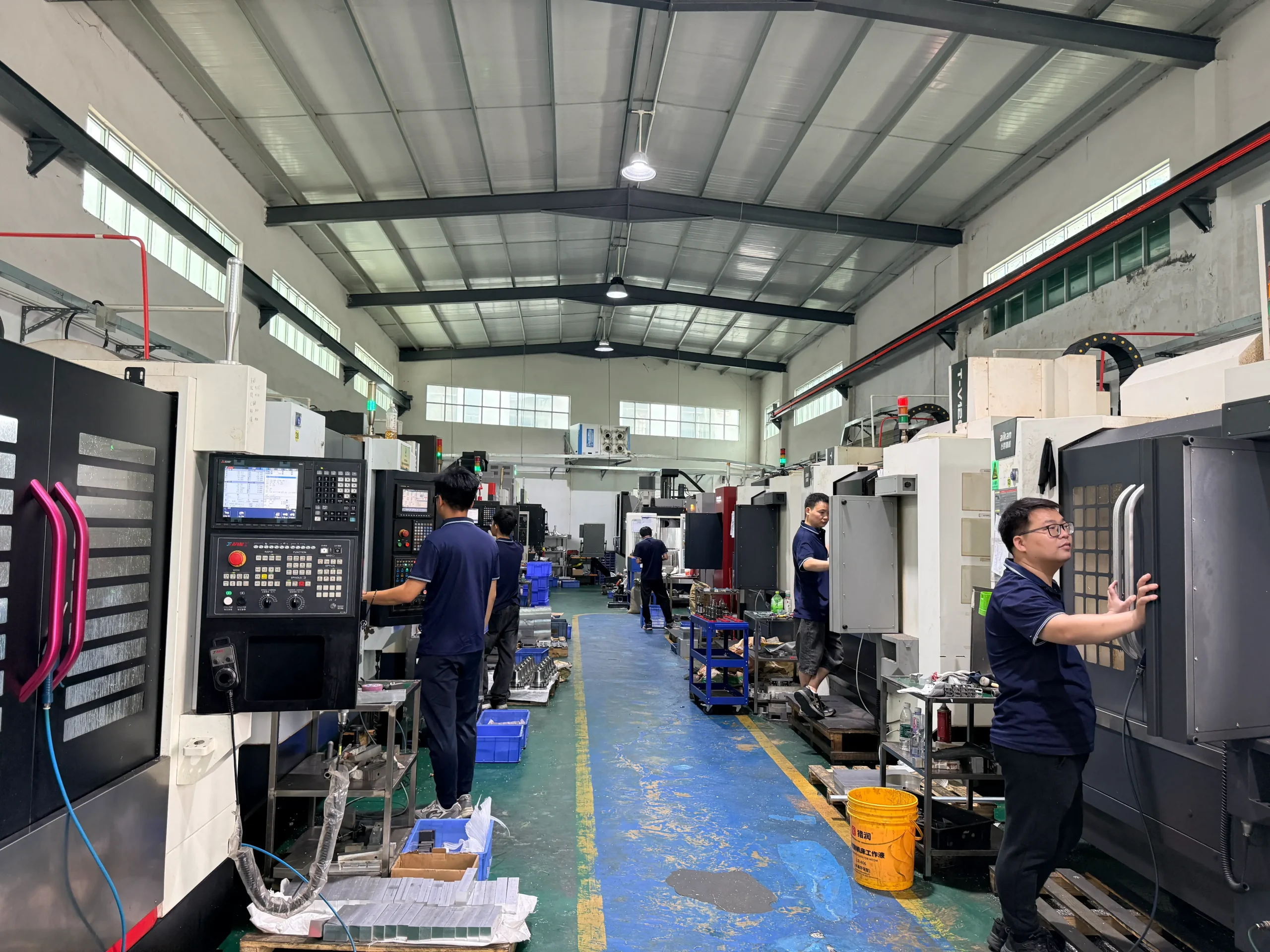
Multiple CNC machining centers operating simultaneously to support stable production, rapid turnaround, and multi-side machining projects.

From fixture setup to rotary machining, every process is optimized for machining stability, accuracy, and production efficiency.
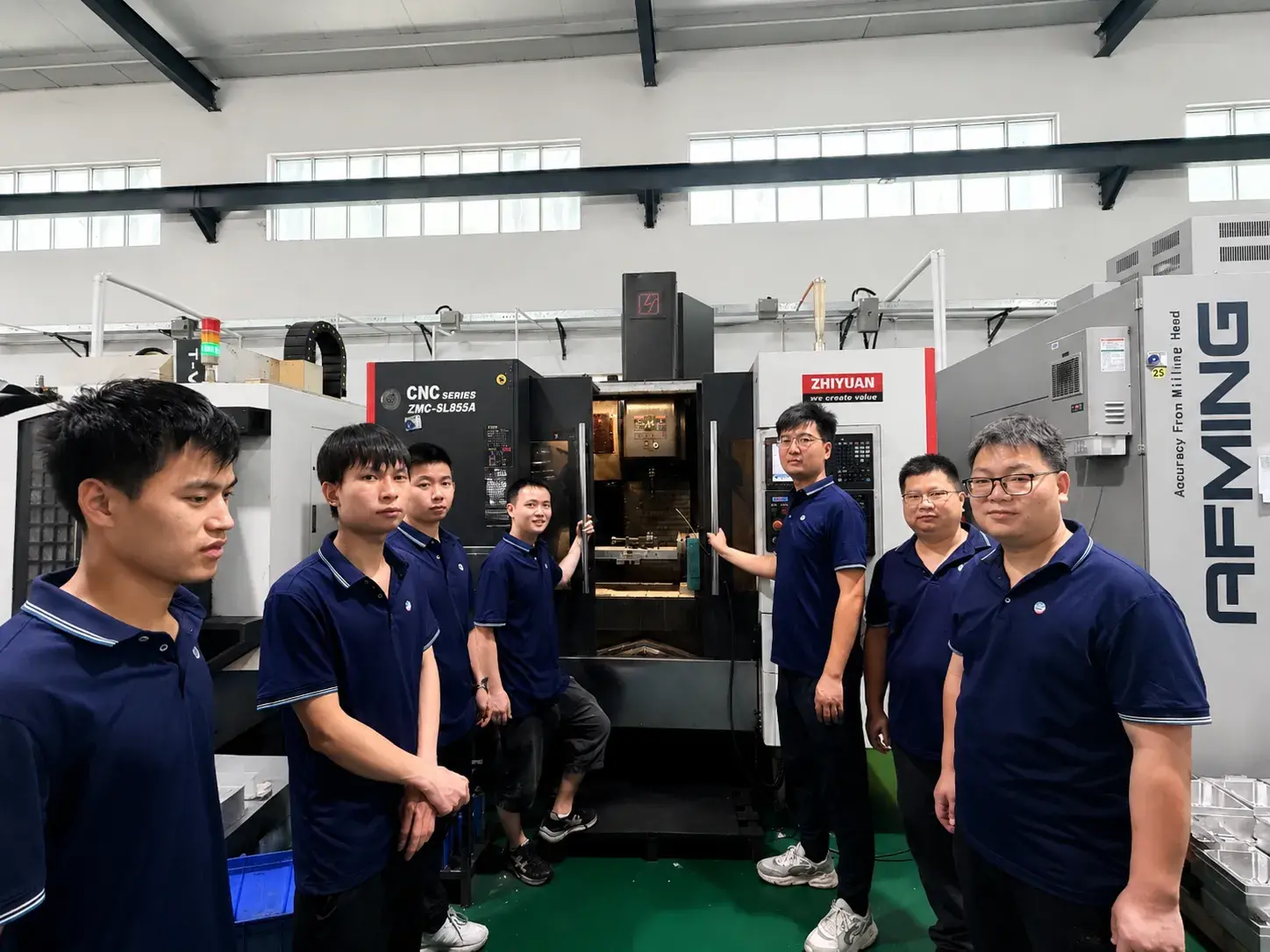
Our programming engineers and machine setup technicians work closely together throughout production to ensure stable machining quality and consistent results.
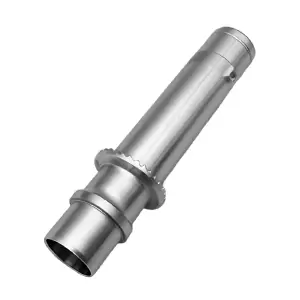
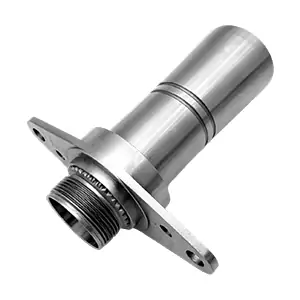
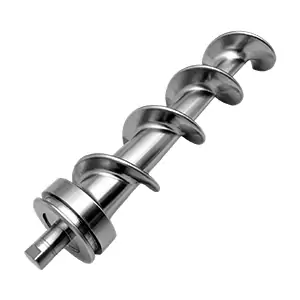
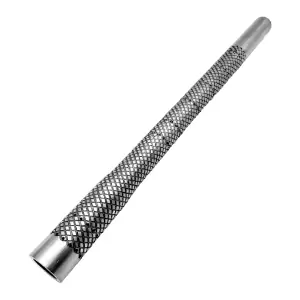
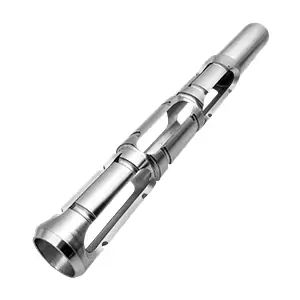
Send your drawings and project requirements. Our engineers will reviewyour design, recommend the right machining solution, and provide a fast quotation.
Through the use of fixture support, rotation center alignment, and optimized 4-axis simultaneous machining strategies, we improved machining stability and production efficiency for parts with external circular grooves. This 4 Axis CNC Machining process helps achieve consistent accuracy for complex rotary components.
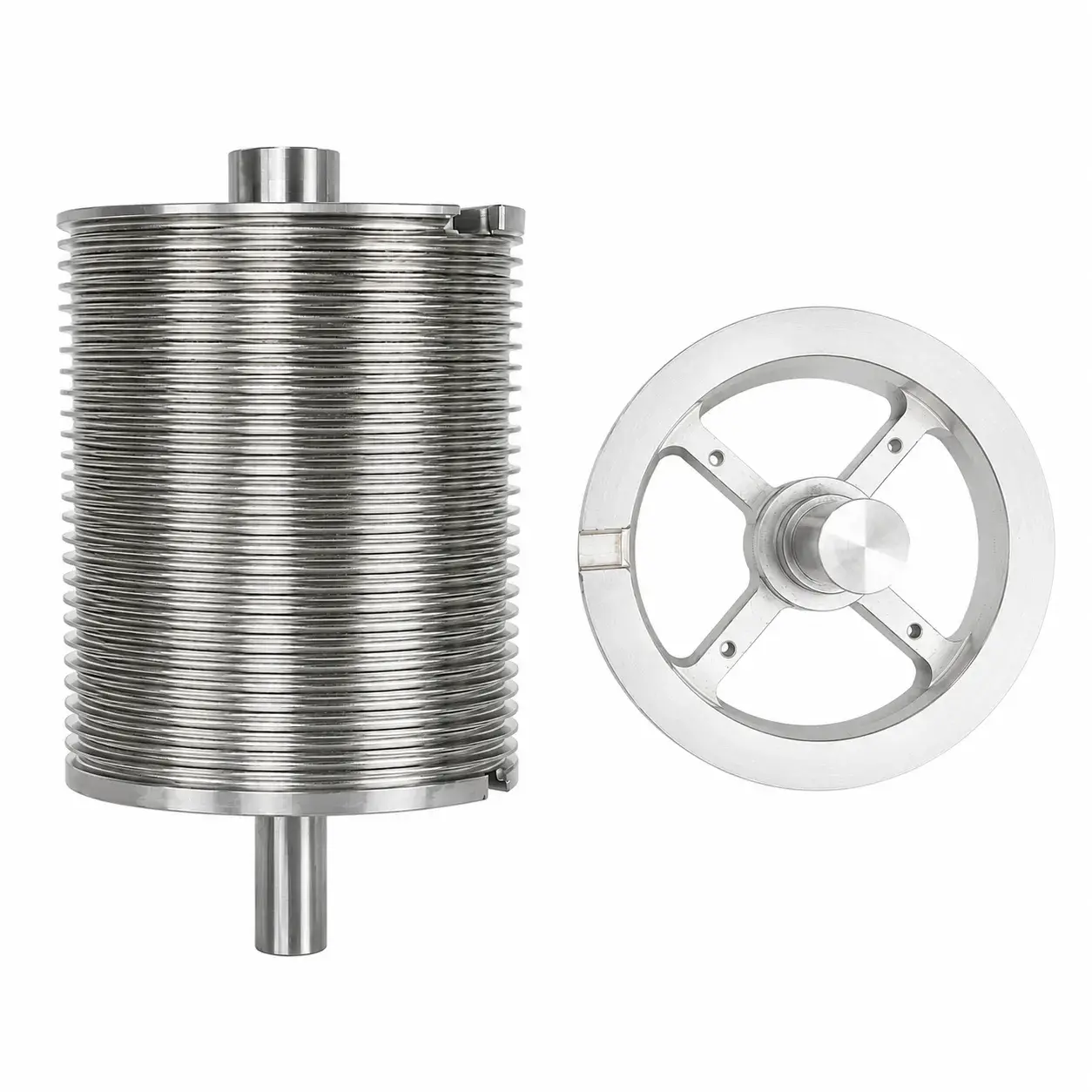
This part requires the machining of multiple slots on the outer surface of a cylinder. Because the workpiece has a rotational structure, unstable clamping during machining can easily lead to wobbling, eccentricity, and dimensional inconsistencies. Additionally, some of the slots cannot be machined using standard three-axis machining and require four-axis simultaneous machining.
Before formal machining begins, we first verify the cutting dimensions, clamping distances, and tool clearance positions to assess in advance whether there is a risk of tool collision during four-axis rotation.
To improve machining stability, we have added auxiliary support fixtures and set the programming coordinates at the center of the four-axis rotation to prevent eccentricity and dimensional inconsistencies during machining. At the same time, we employ a strategy of using separate tools for roughing and finishing to reduce tool wear and enhance the final surface quality.
Through four-axis simultaneous machining combined with auxiliary jig support, overall machining stability and clamping efficiency were significantly improved. For the internal bore sections, we also incorporated wire EDM as an auxiliary process. This reduced total machining time and production costs by 30% while ensuring dimensional consistency and final surface quality.
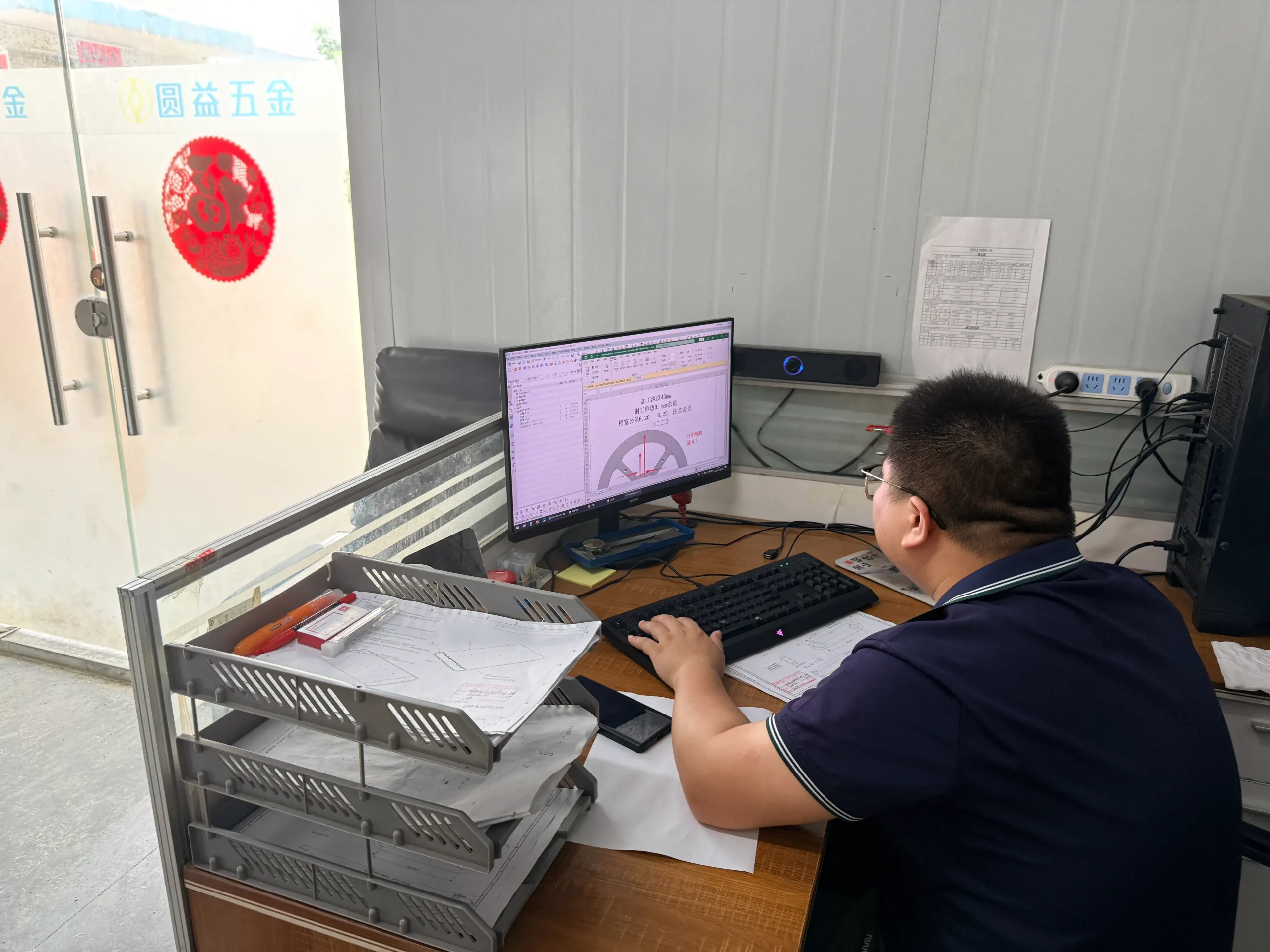
Hu Bin has 11 years of hands-on programming experience and has long been responsible for programming and process optimization for fixed-axis and four-axis interpolation components. Before actual machining begins, he carefully verifies the clamping method, tool clearance, rotation center, and machining sequence to help reduce potential issues such as collisions, eccentricity, and dimensional instability during the machining process.
Upload your drawing and our engineering team will review the machining process and provide a quote.
From machining review to final inspection, quality control is integrated throughout the CNC machining process to help maintain stable part quality.
Review machining strategy, fixture setup, and critical dimensions before production.
Monitor key dimensions and machining conditions during production.
Inspect finished parts by using CMM, height gauges, and precision measuring tools.
Material certificates and dimensional inspection reports available upon request.
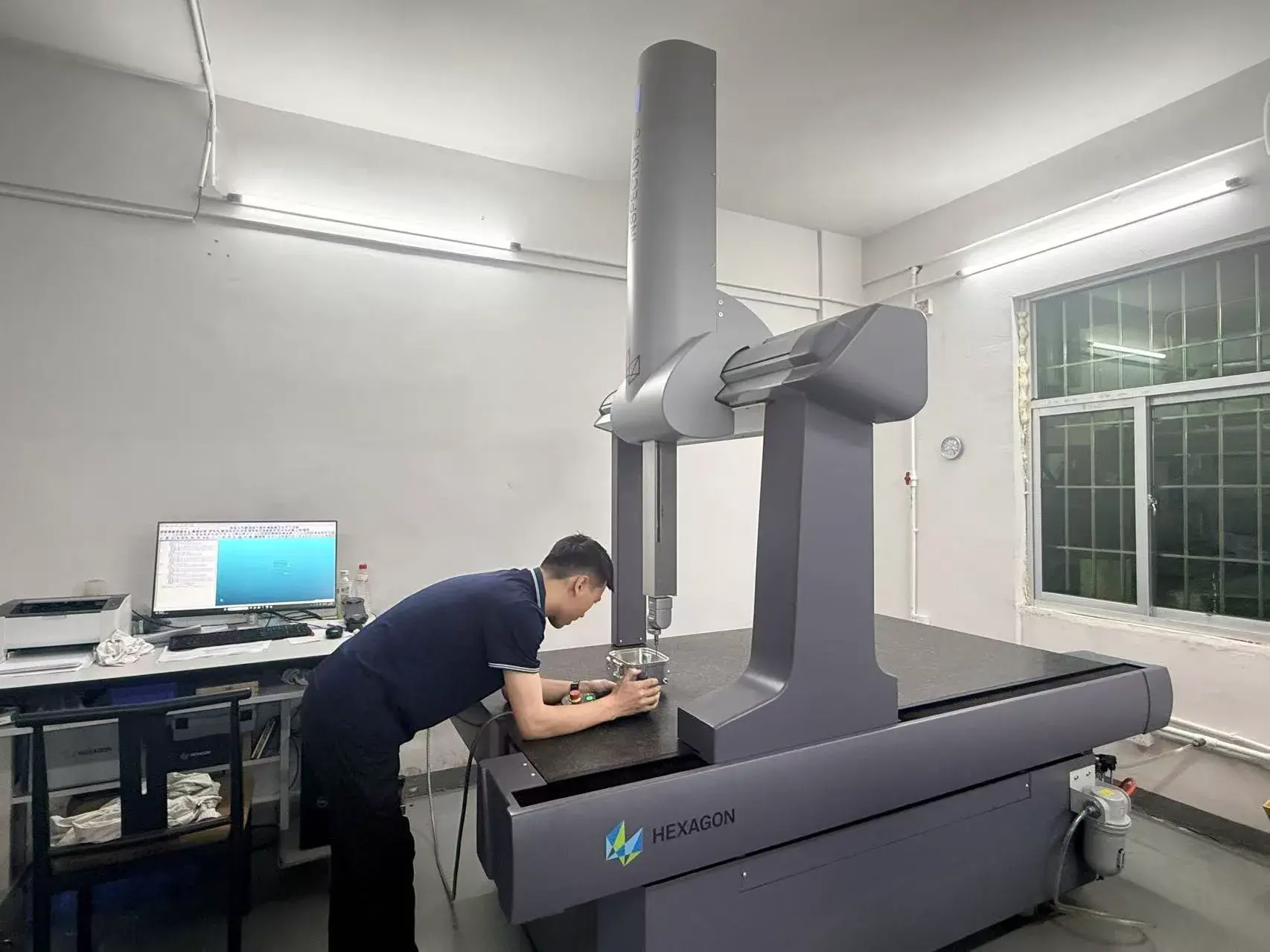
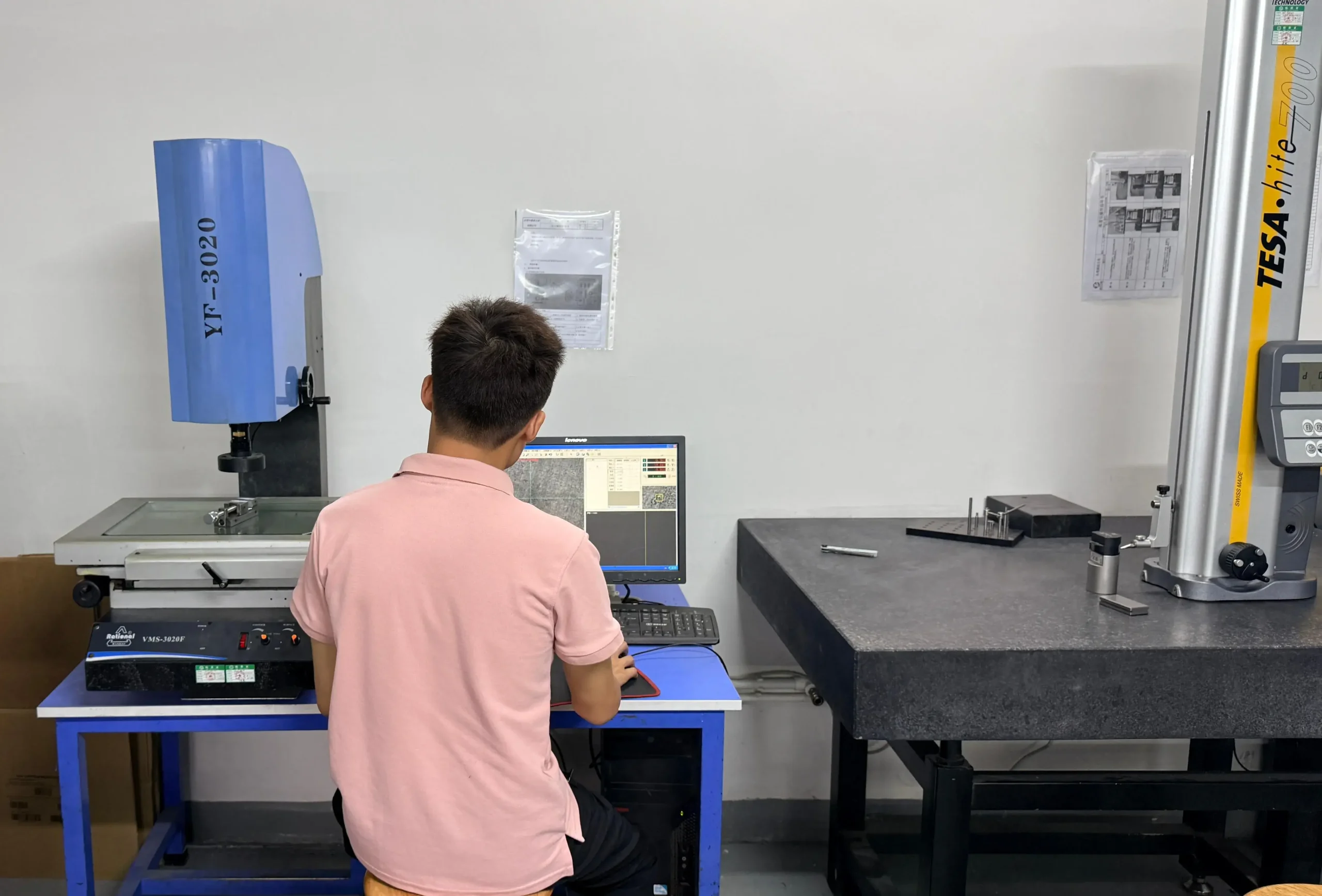
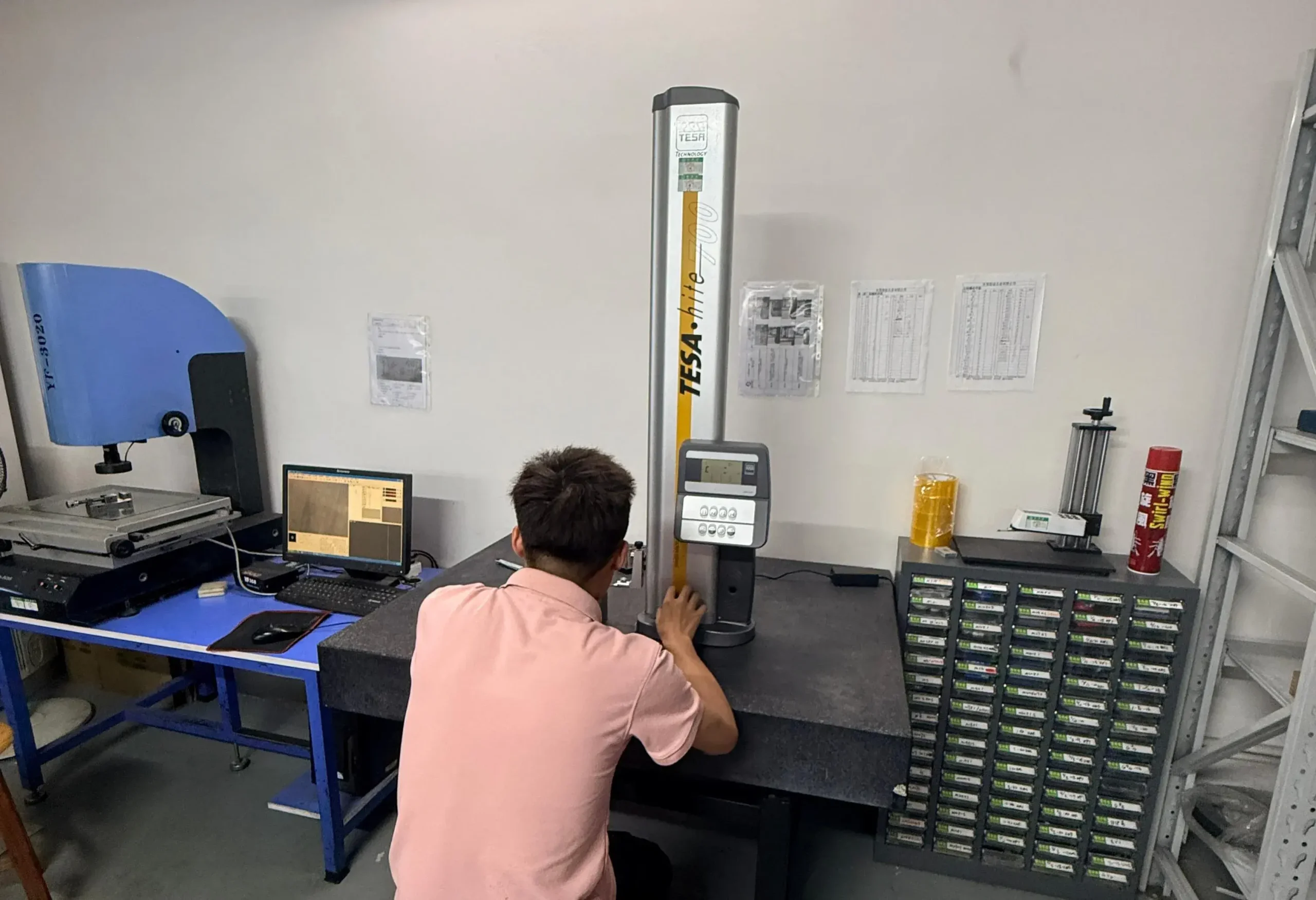
View our full quality control system, testing process, and inspection capability.
4 Axis CNC Machining is typically a preferable option when a component needs to be machined on several sides, requires rotational positioning, or has features arranged around a cylindrical shape.In comparison to standard 3 Axis CNC Machining, the inclusion of a fourth axis enables the workpiece to rotate during the machining process.This reduces the need for manual repositioning and helps maintain consistent machining results.
In real-world manufacturing scenarios, many parts do not require the full capabilities of 5 Axis CNC Machining.For components that have side holes, indexed angles, circular hole patterns, grooves, or multiple faces, 4 Axis Machining can often provide improved production efficiency while maintaining cost-effectiveness.
At YUANYI, we commonly suggest 4 Axis Machining for parts such as:
For certain projects, selecting 4 Axis CNC Machining over 5 Axis CNC Machining can lead to significant cost savings without compromising on tolerance or quality.YUANYI engineers assess the part’s design, machining accessibility, and production volume before recommending the most appropriate machining method.
Choosing the right CNC machining method depends on part geometry, machining angles, tolerance requirements, and production cost. Here is a simple comparison to help you understand when 4-Axis Machine Tool is the better choice.
Best for simple and open parts
Best for rotary and multi-face features
Best for complex curved surfaces
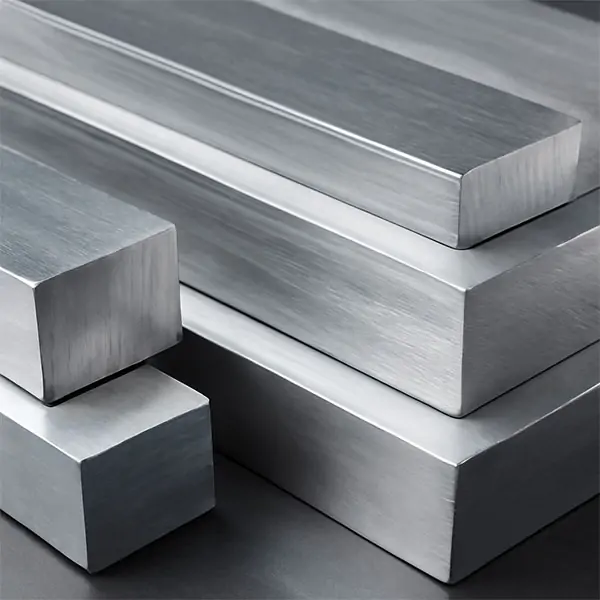
6061, 7075, and 5052 are widely used for lightweight precision parts, housings, brackets, and automation components.
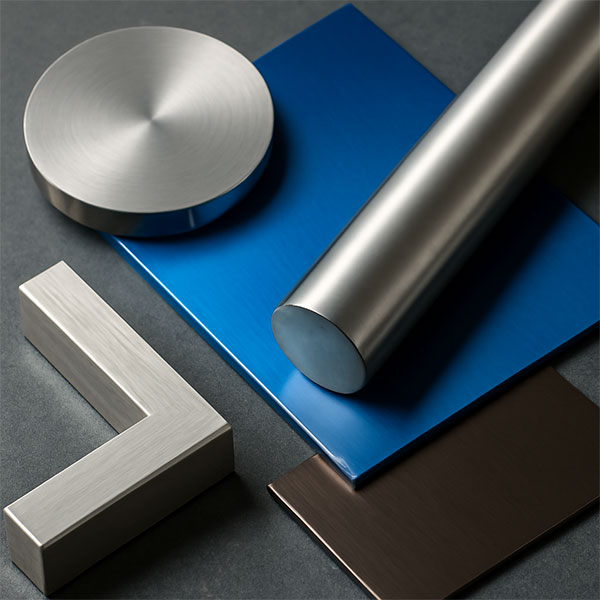
304, 316, and 17-4PH are suitable for durable and corrosion-resistant parts with stable machining performance.
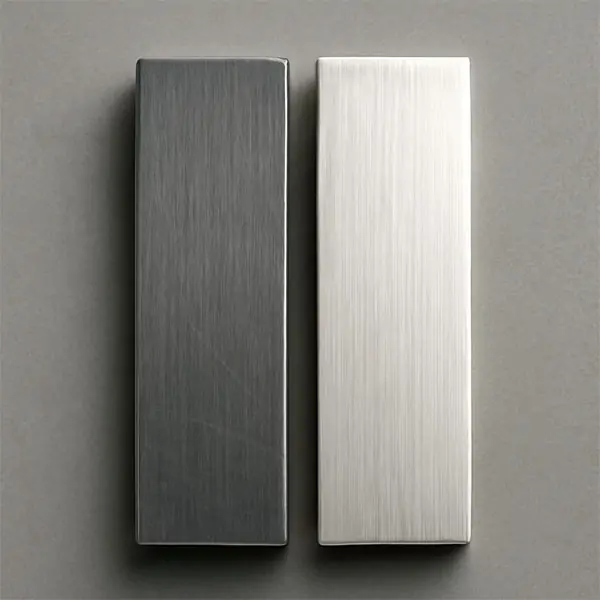
Ti-6Al-4V and Grade 2 are often selected for aerospace, medical, and high-strength lightweight components.
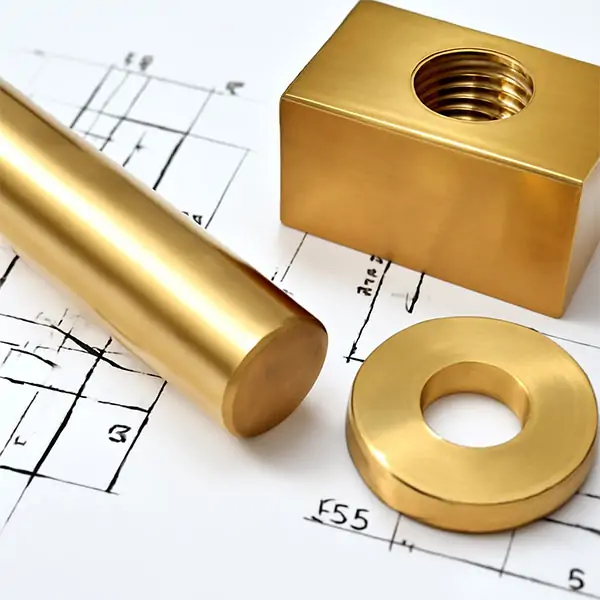
C360 and C260 provide excellent machinability for fittings, valves, and precision machined connectors.
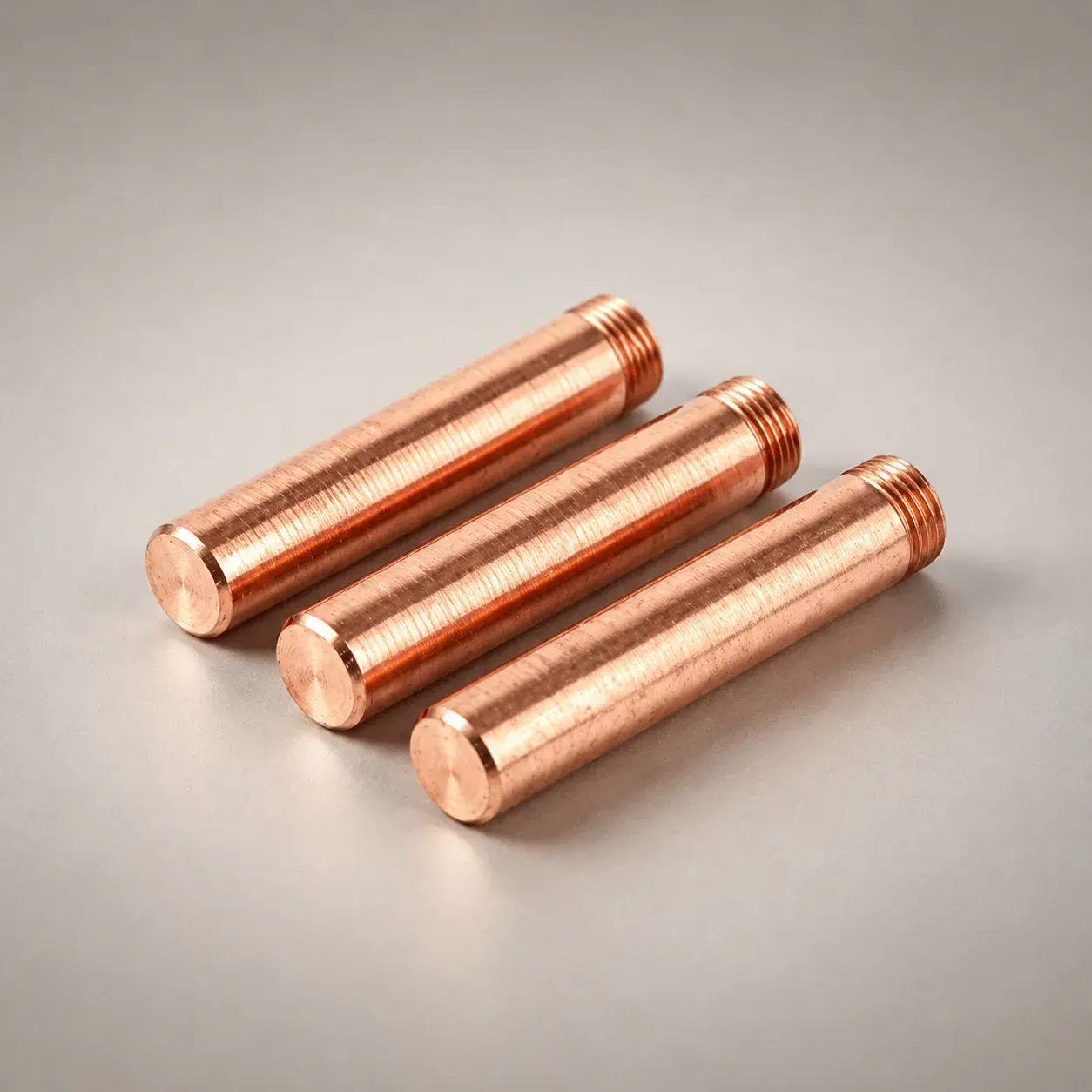
C110 and C101 are used for electrical, conductive, and thermal management components.
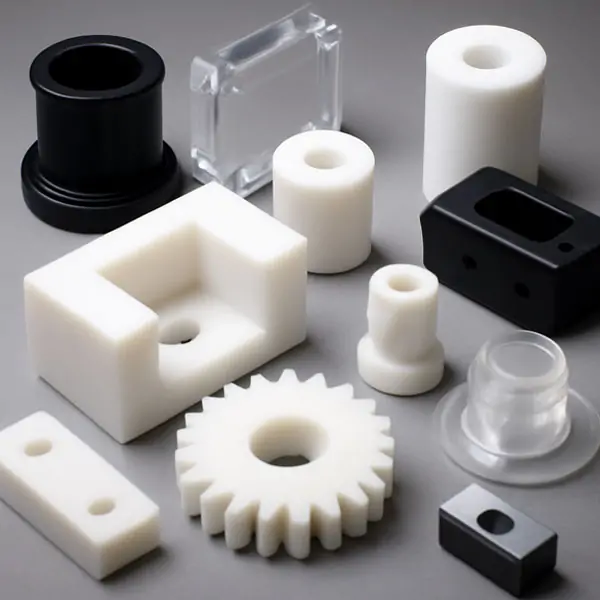
POM, Nylon, PTFE, PEEK, and ABS are suitable for lightweight, wear-resistant, and insulating parts.



4-axis CNC machining is ideal for multi-sided and rotational parts that require milling, drilling, slots, holes, or complex features around multiple faces. Typical parts include fixtures, shafts, valve components, housings, cylindrical parts, and other components with radial or circular features.
Choose 4-axis CNC machining when your part has features on multiple sides or around a rotational axis. Compared with 3-axis machining, the rotary axis allows more features to be machined with fewer setups, helping reduce repositioning errors and improve machining efficiency.
Yes. The rotary axis can automatically reposition the workpiece to machine different sides and angular features without repeated manual re-clamping. Fewer setups can reduce setup time, minimize accumulated positioning errors, and improve consistency between machined features.
Yes. Depending on the part geometry and fixturing, our 4-axis CNC machines can rotate the workpiece to access multiple sides in a single setup. This is especially useful for parts with side holes, slots, circular patterns, and features that require accurate positioning between faces.
We machine a wide range of metals and engineering plastics, including aluminum, stainless steel, carbon steel, titanium, brass, copper, PEEK, POM, nylon, and acrylic. Material selection depends on your part design, application, tolerance, and performance requirements.
Our 4-axis CNC machining can achieve tolerances as tight as ±0.005 mm, depending on part geometry, material, feature size, and machining requirements. Critical dimensions can be verified through dimensional inspection before shipment.
Yes. YuanYi supports 4-axis CNC machining from one-off prototypes and low-volume orders to production runs. We can adjust the machining process, fixturing, and inspection plan according to your part complexity, quantity, and quality requirements.
Yes. All machined parts undergo final inspection before shipment. Dimensional inspection reports, FAI reports, and material certificates are available upon request based on your project and quality requirements.