
13 YEARS
CNC Machining
Manufacturer
52 Machines
CNC Machines
100000+
Machined Parts
96%
On Time Delivery
ISO
9001:2015 Certified 14001:2015 Certified

YuanYi delivers precision mill turn machining for complex parts with tight tolerances, fewer setups, and consistent quality.
CNC Machining
Manufacturer
CNC Machines
Machined Parts
On Time Delivery
9001:2015 Certified 14001:2015 Certified
YuanYi combines CNC turning and milling in one setup to produce complex precision parts with tight tolerances and consistent quality. Our engineering team reviews part geometry, tolerances, tooling access, and machining strategy before production to reduce machining risks and improve efficiency.
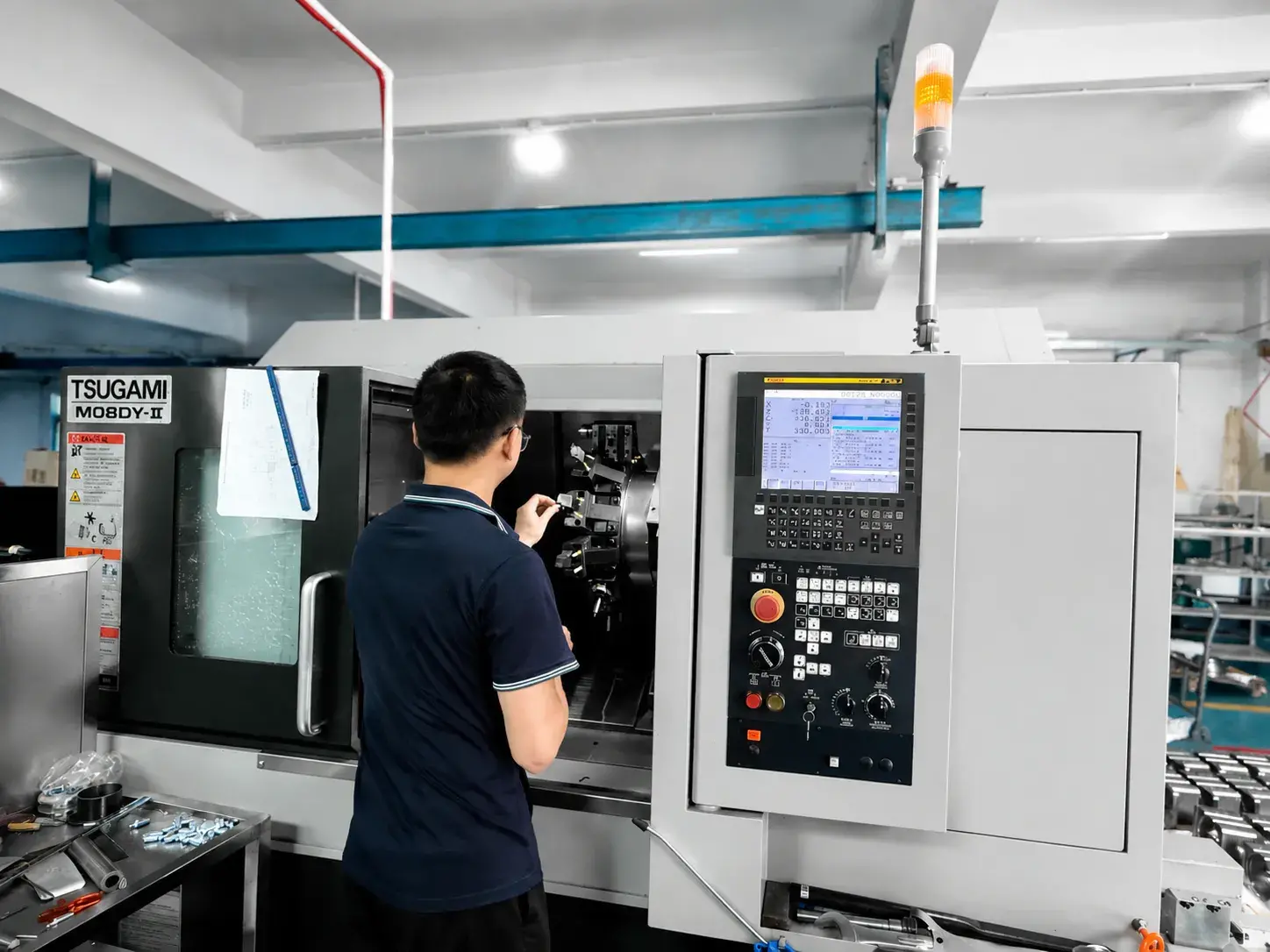
Every project is reviewed before machining to identify potential risks related to tolerance, tool accessibility, and machining strategy.
Whenever possible, we reduce secondary operations and repeated repositioning to improve dimensional consistency.
From side holes and slots to eccentric features and multi-surface geometries, we help simplify challenging machining projects.
Quality checks are performed during and after machining to ensure critical dimensions remain under control.
| Item | Metric units | Imperial units |
|---|---|---|
| Bar / chucked part size | Ø 3–65 mm (bar) / Ø 3–250 mm (disc) | Ø 0.12–2.56 in (bar) / Ø 0.12–9.84 in (disc) |
| Effective length (with sub-spindle hand-off) | ≤ 500 mm | ≤ 19.7 in |
| Typical tolerance (mill-turned) | ±0.005 mm | ±0.0002 in |
| Roundness / concentricity (typical) | ≤ 0.01 mm | ≤ 0.0004 in |
| Surface finish (as-machined) | Ra 0.4–3.2 μm | Ra 16–126 µin |
| Surface finish (polished) | Ra ≤0.2 μm | Ra ≤8 µin |
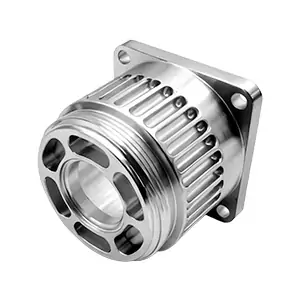
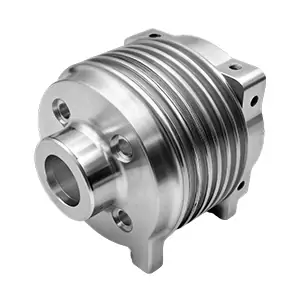
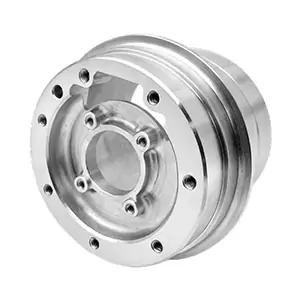
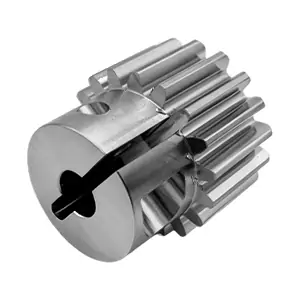
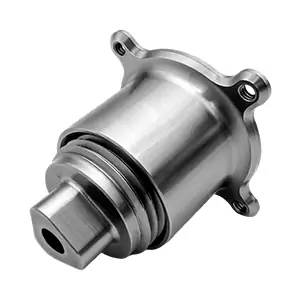
Working with YUANYI means more than ordering mill turn machined parts. You get an experienced machining team that supports your project from technical review to stable production delivery.
Our programming and setup masters have **20 years of hands-on machining experience**, helping avoid costly production mistakes before they happen.
Technical questions are reviewed directly by experienced engineers, reducing delays and improving project efficiency.
When machining challenges arise, our engineering and production teams work together quickly to find practical solutions.
We focus not only on the first part, but also on maintaining stable quality throughout production runs.
Whether you need a prototype, a small batch, or ongoing production, we can support your project requirements.
From machining and finishing to inspection and assembly support, we simplify your supply chain by managing multiple processes under one roof.
Upload your drawing and our engineers will review your requirements and provide a fast quote.
Our mill-turn machining service is supported by experienced programming and setup masters, helping customers solve complex accuracy, concentricity, and batch consistency challenges.
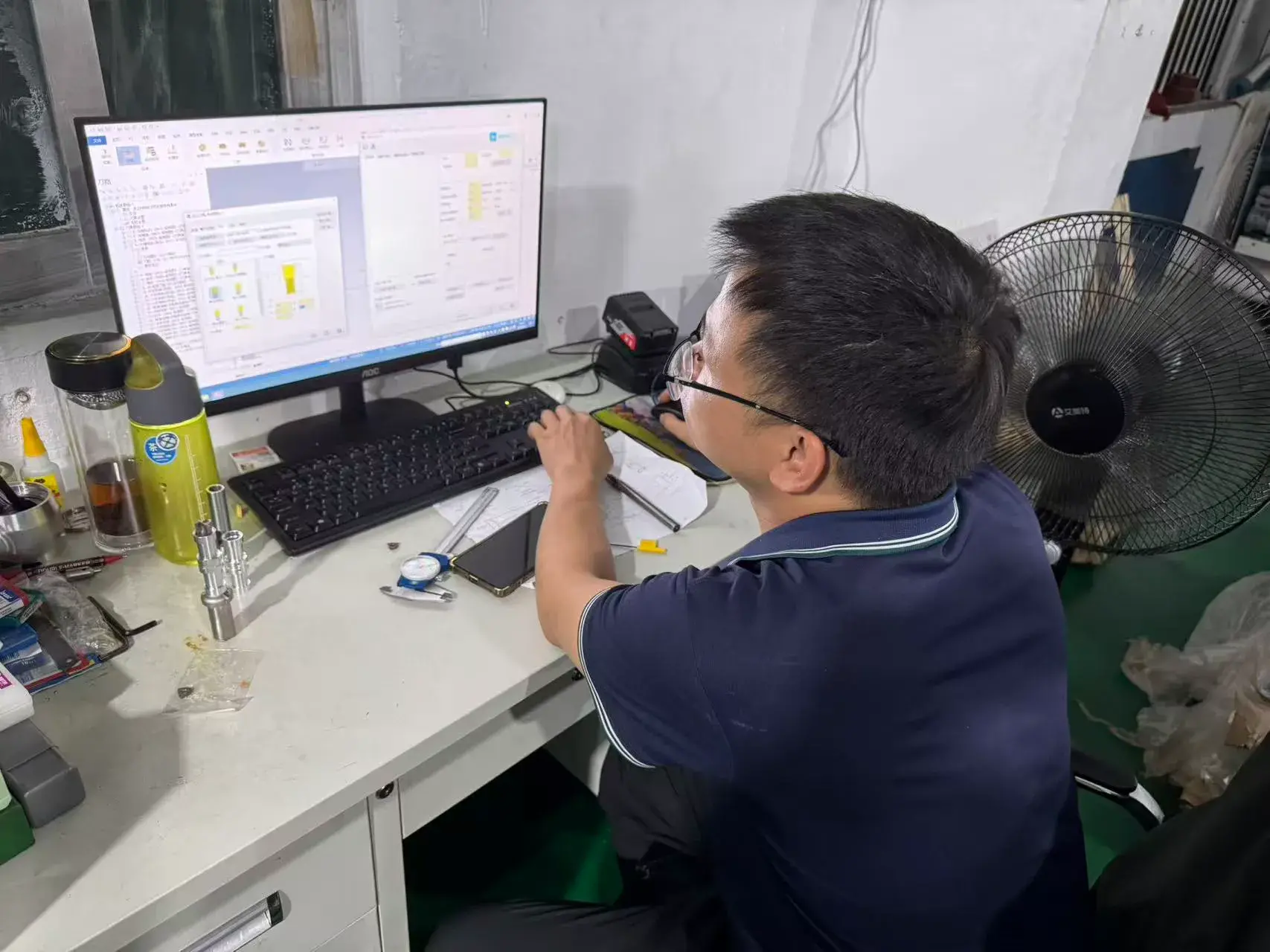
Mr Li has 20 years of experience in programming and setting up turning-milling machining centers. He is well-versed in single-setup machining solutions for parts requiring high concentricity and positional accuracy.
He specializes in optimizing machining processes based on product structure, material properties, and precision requirements, with a particular focus on clamping stability, tool selection, toolpath planning, and thermal deformation control.
A customer required a small precision component with side-milled surfaces and a custom internal profile...
A customer required a small precision component featuring side-milled surfaces and a custom internal profile. The main challenge was not achieving the tolerance on a single part, but maintaining concentricity, positional accuracy, and surface consistency throughout batch production.
After reviewing the part design with our engineering and production teams, we selected a TSUGAMI M08DY‑II Mill‑Turn Machine mill-turn machine and completed all turning and milling operations in a single setup. By machining under the same datum reference, we minimized errors caused by secondary clamping and manual repositioning.
To improve stability, the outer diameter was finish-turned first to establish the primary datum before side milling and internal profile machining. During finishing, spindle speeds were maintained between 4,500 and 5,000 rpm with reduced feed rates to achieve a smoother surface finish.
For the internal profile and side features, small-diameter carbide tools were programmed with arc entry and climb milling strategies to reduce cutting vibration and improve dimensional consistency.
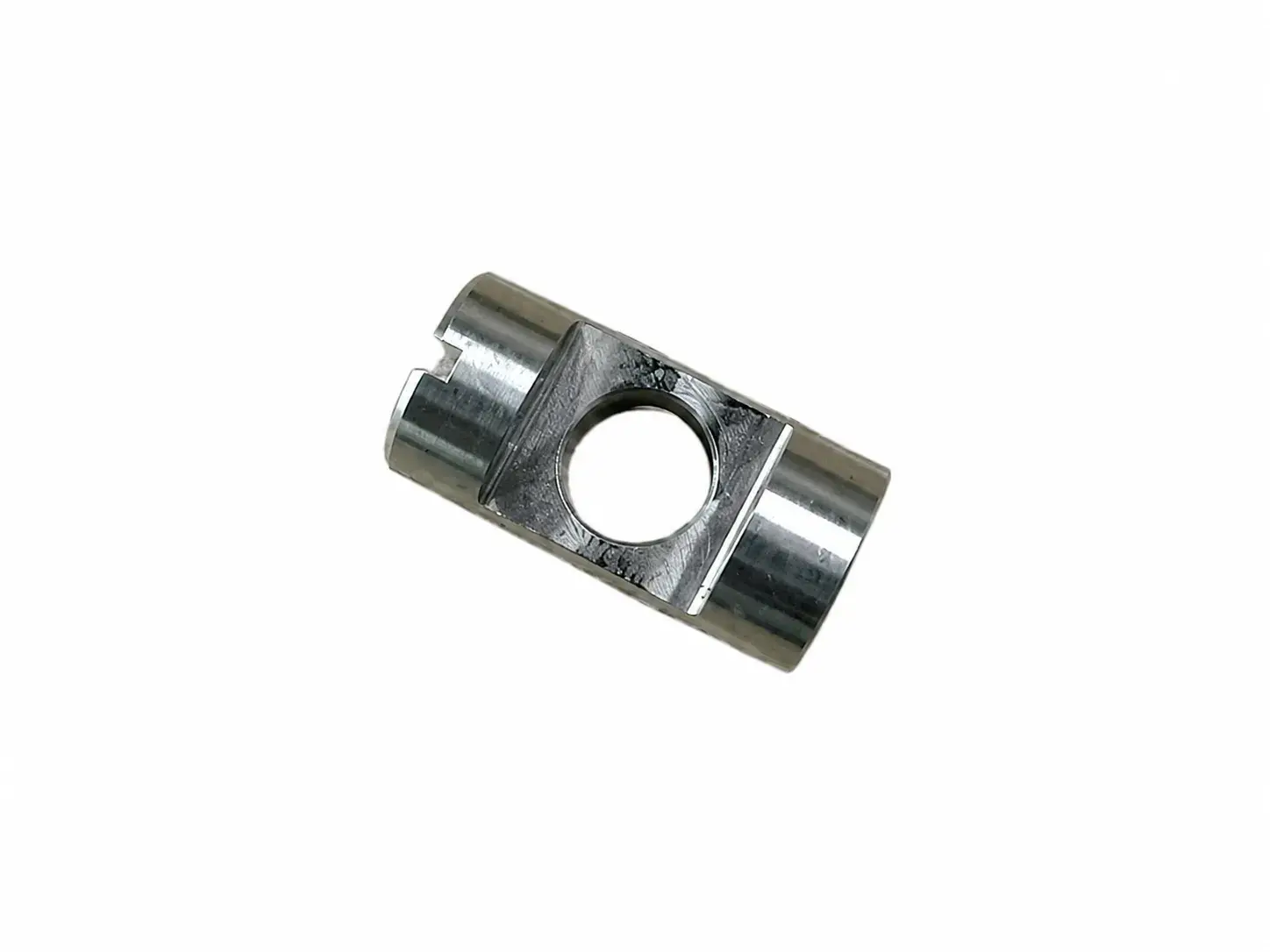 Precision turned-milled part (15×8 mm, Ra0.4 μm)
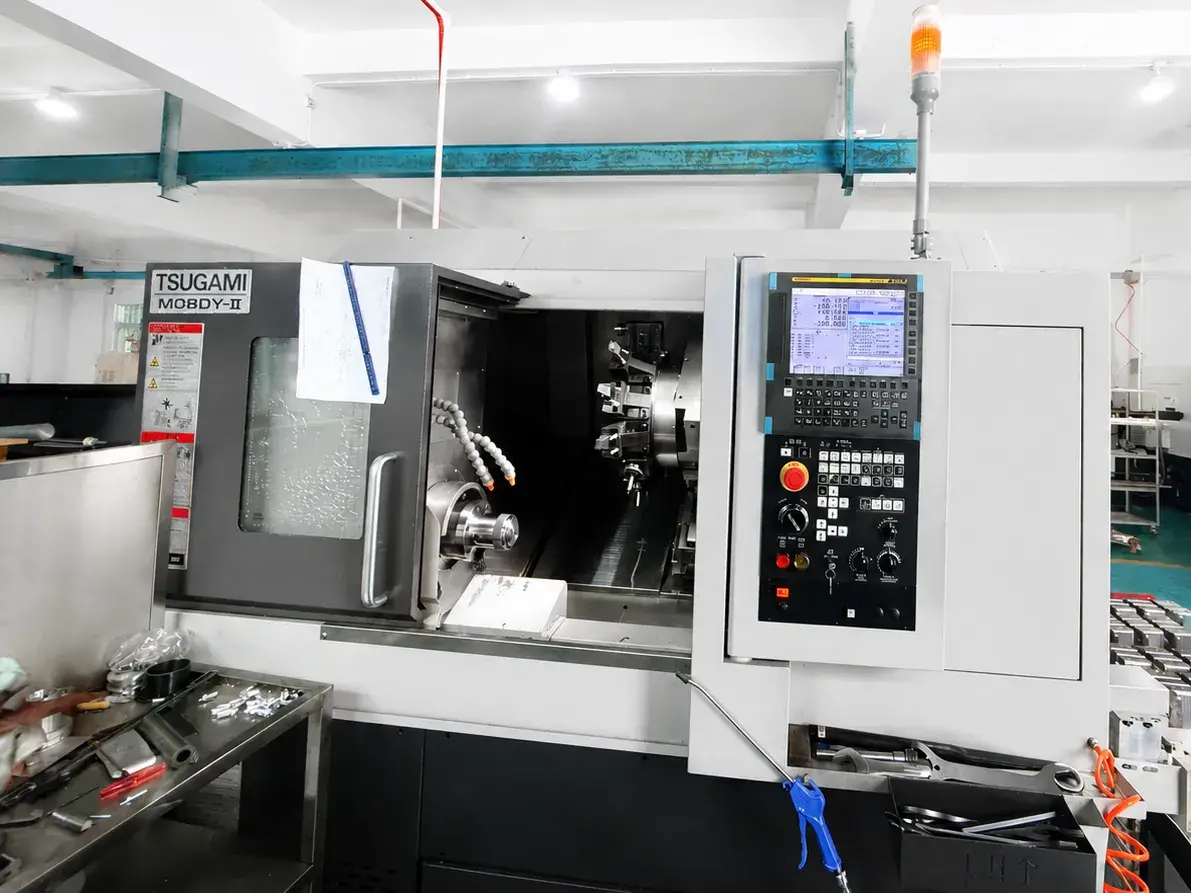 TSUGAMI M08DY-II Mill-Turn Machine
Every mill-turn component is inspected throughout production to ensure dimensional accuracy, concentricity, and consistent quality from the first part to the final batch.
Review drawings, tolerances, materials, and critical dimensions before production.
Verify key dimensions, surface finish, and machining results before batch production.
Check dimensional trends during production to control tool wear and size drift.
Inspect finished parts according to drawings and customer requirements.
Provide dimensional reports and quality records when required.
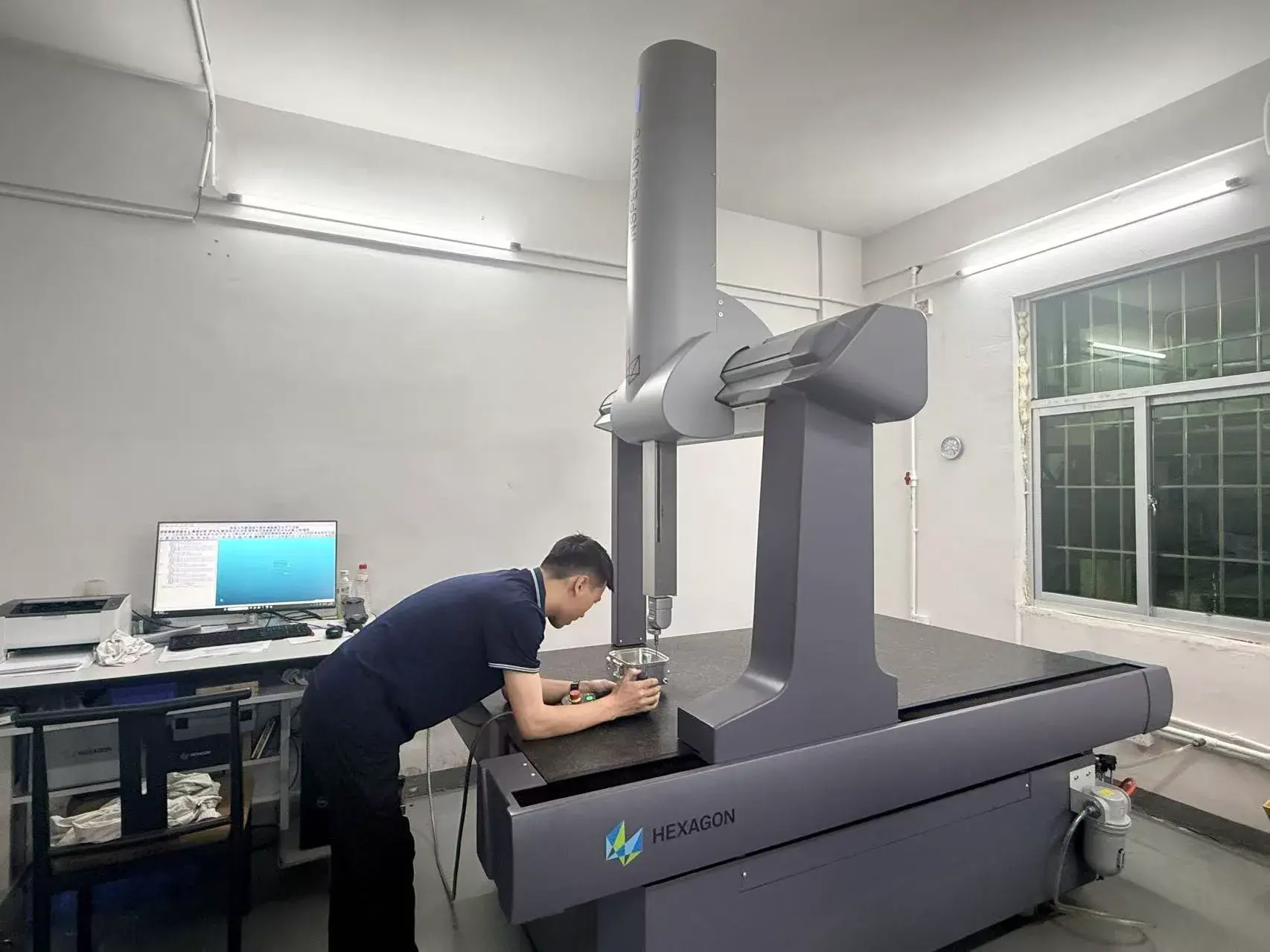
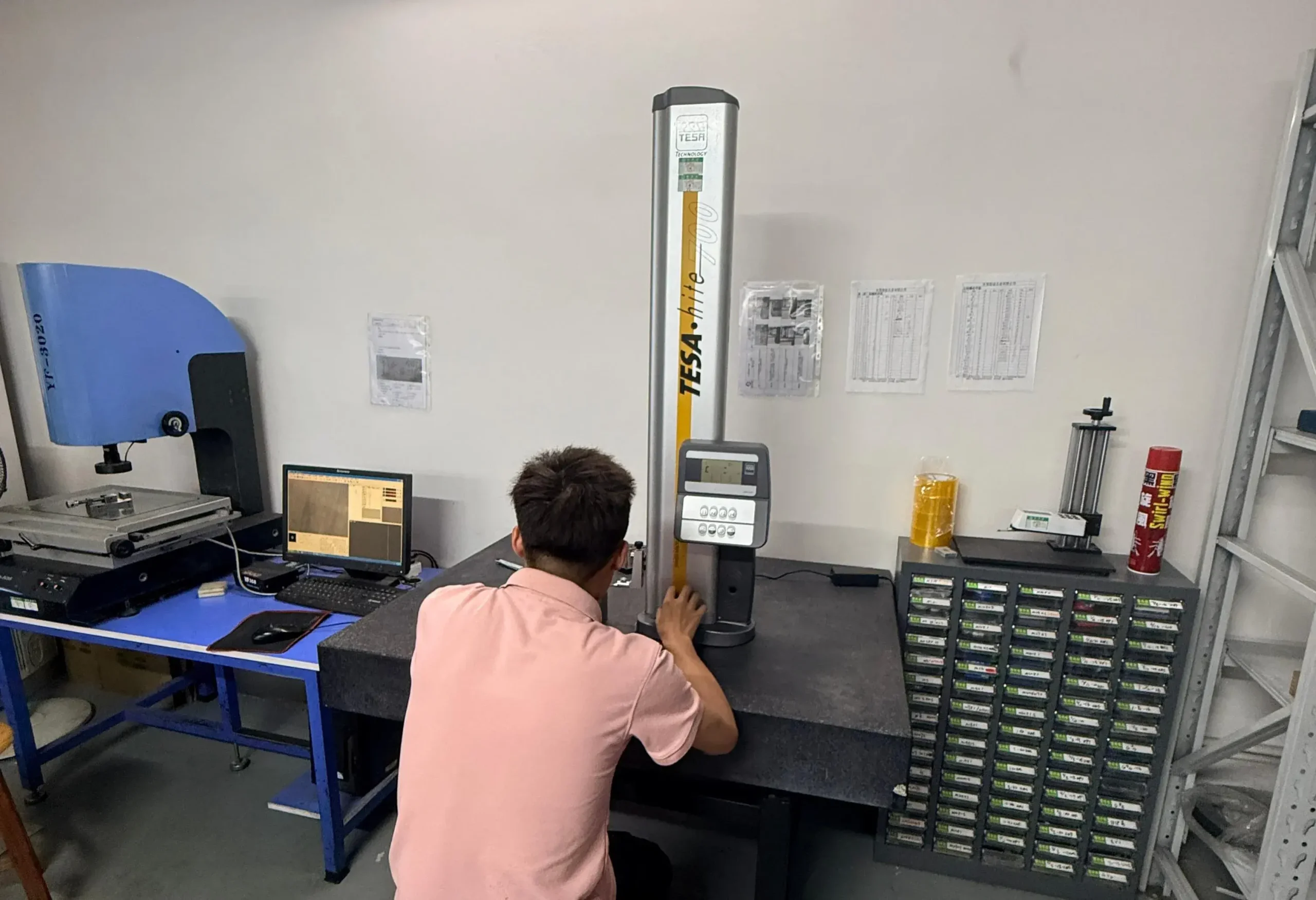
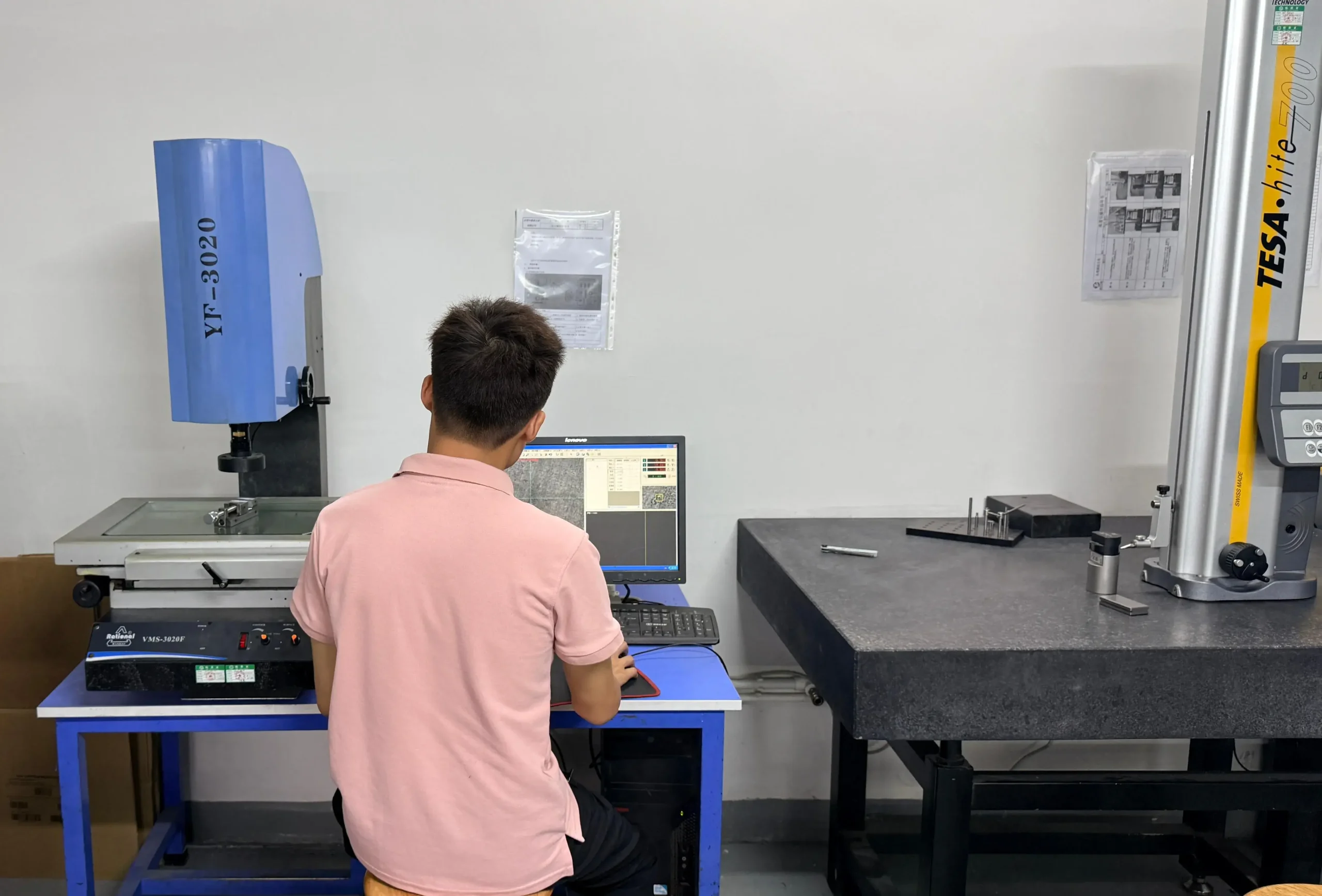
View our full quality control system, testing process, and inspection capability.
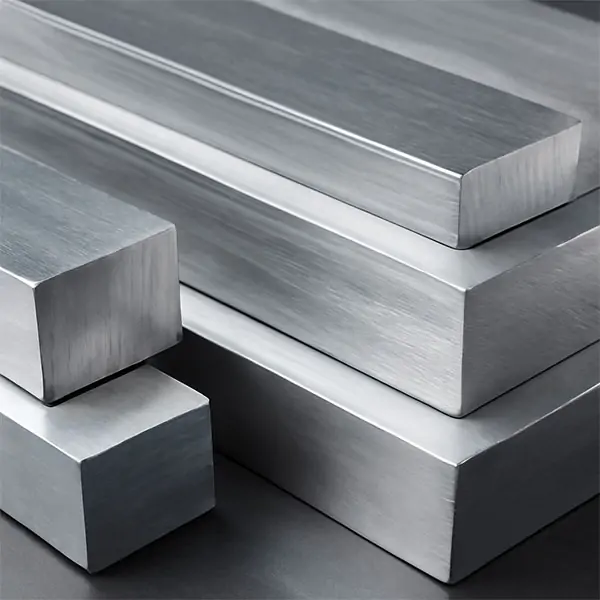
6061, 7075, and 5052 are widely used for lightweight precision parts, housings, brackets, and automation components.
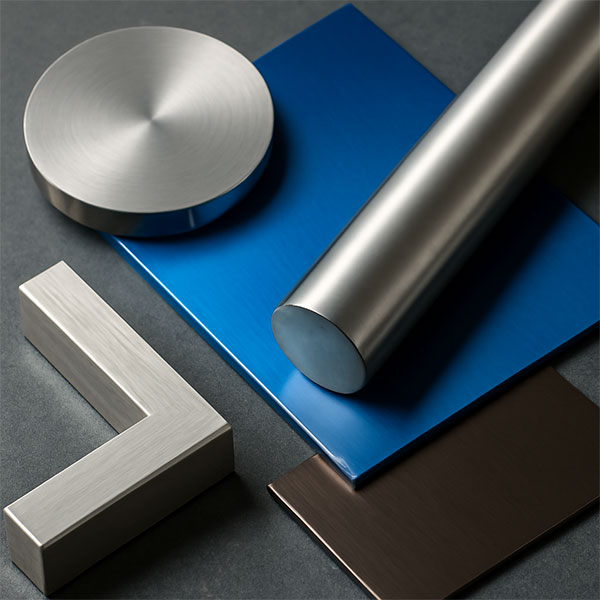
304, 316, and 17-4PH are suitable for durable and corrosion-resistant parts with stable machining performance.
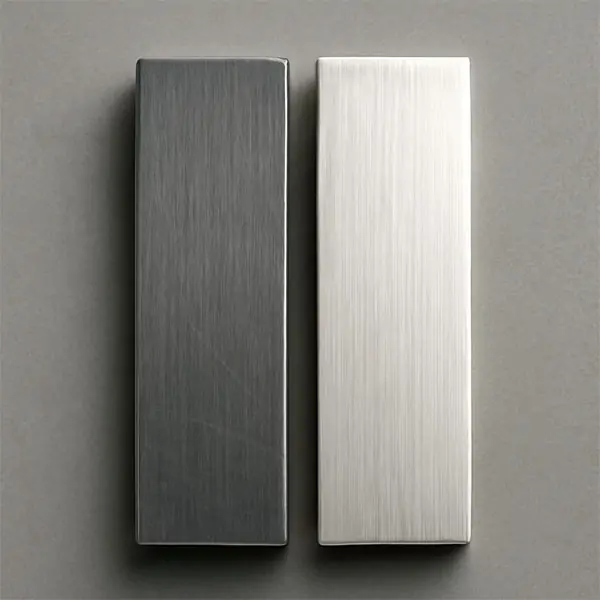
Ti-6Al-4V and Grade 2 are often selected for aerospace, medical, and high-strength lightweight components.
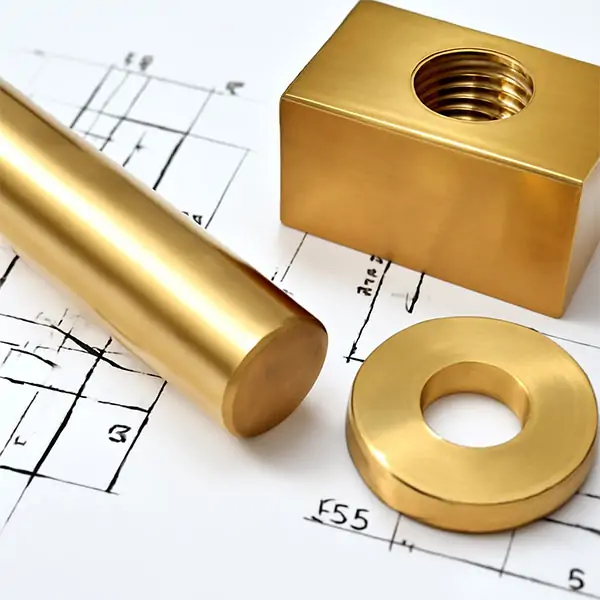
C360 and C260 provide excellent machinability for fittings, valves, and precision machined connectors.
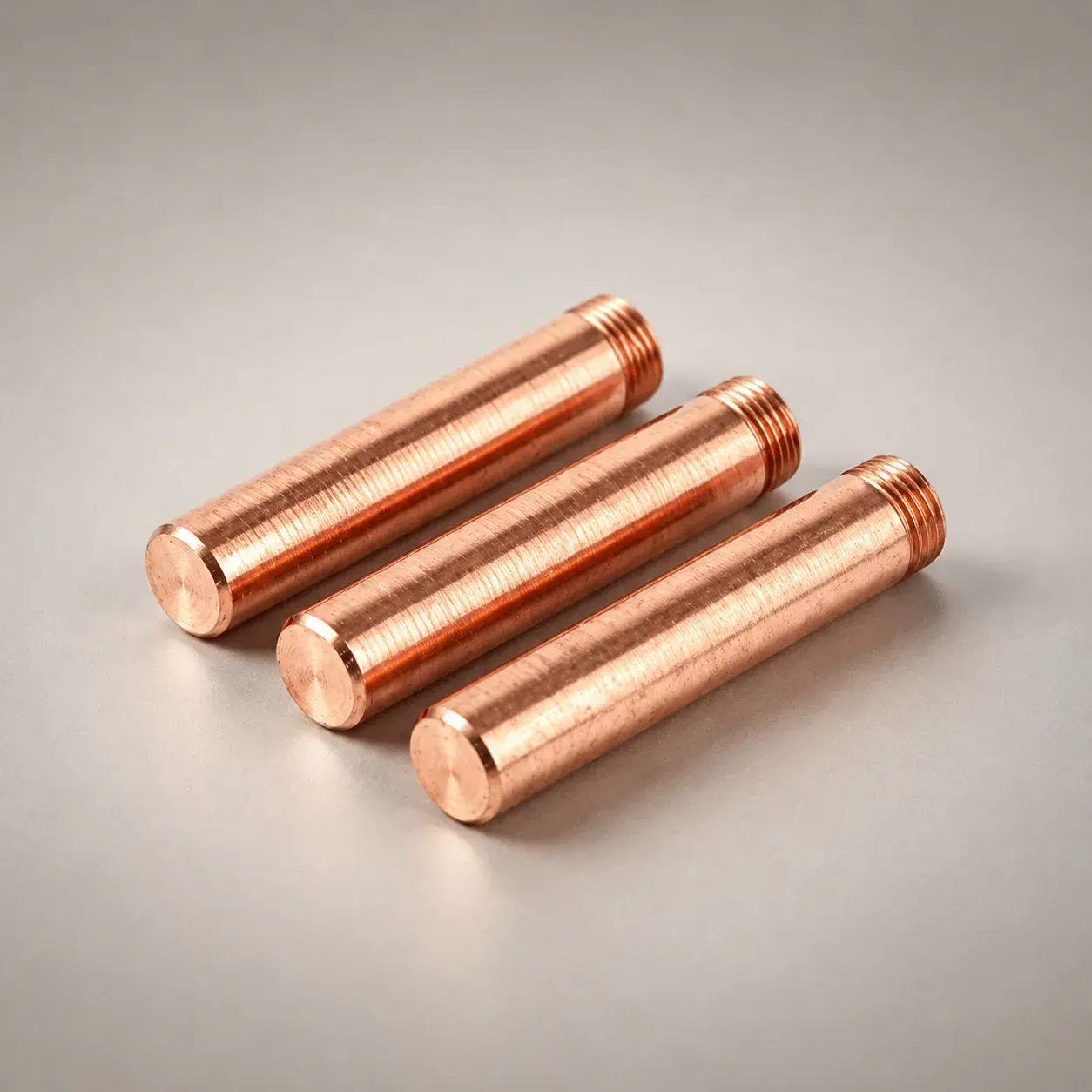
C110 and C101 are used for electrical, conductive, and thermal management components.
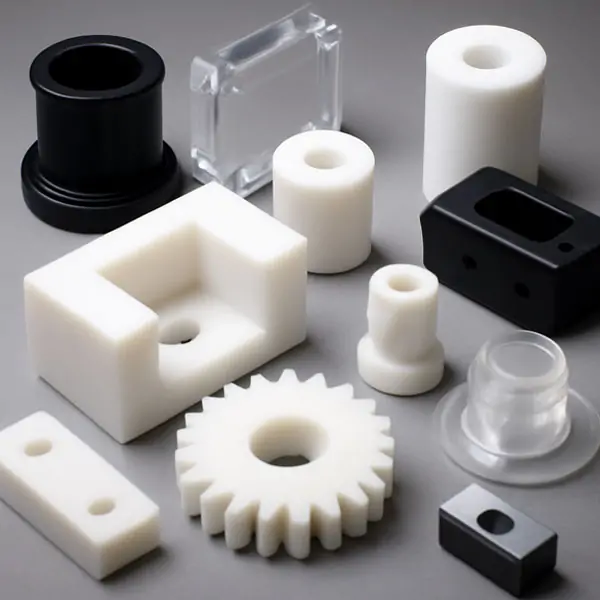
POM, Nylon, PTFE, PEEK, and ABS are suitable for lightweight, wear-resistant, and insulating parts.
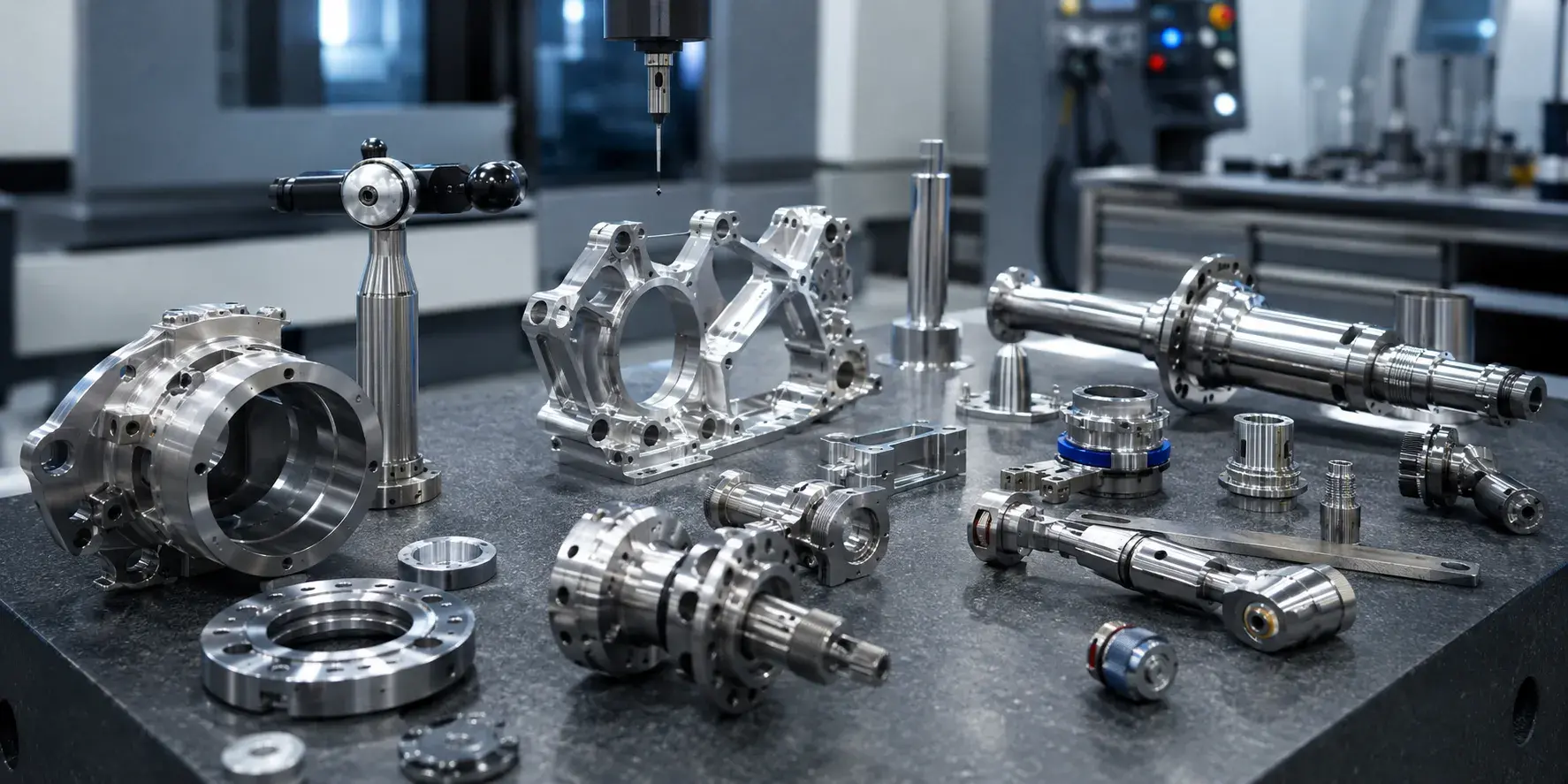
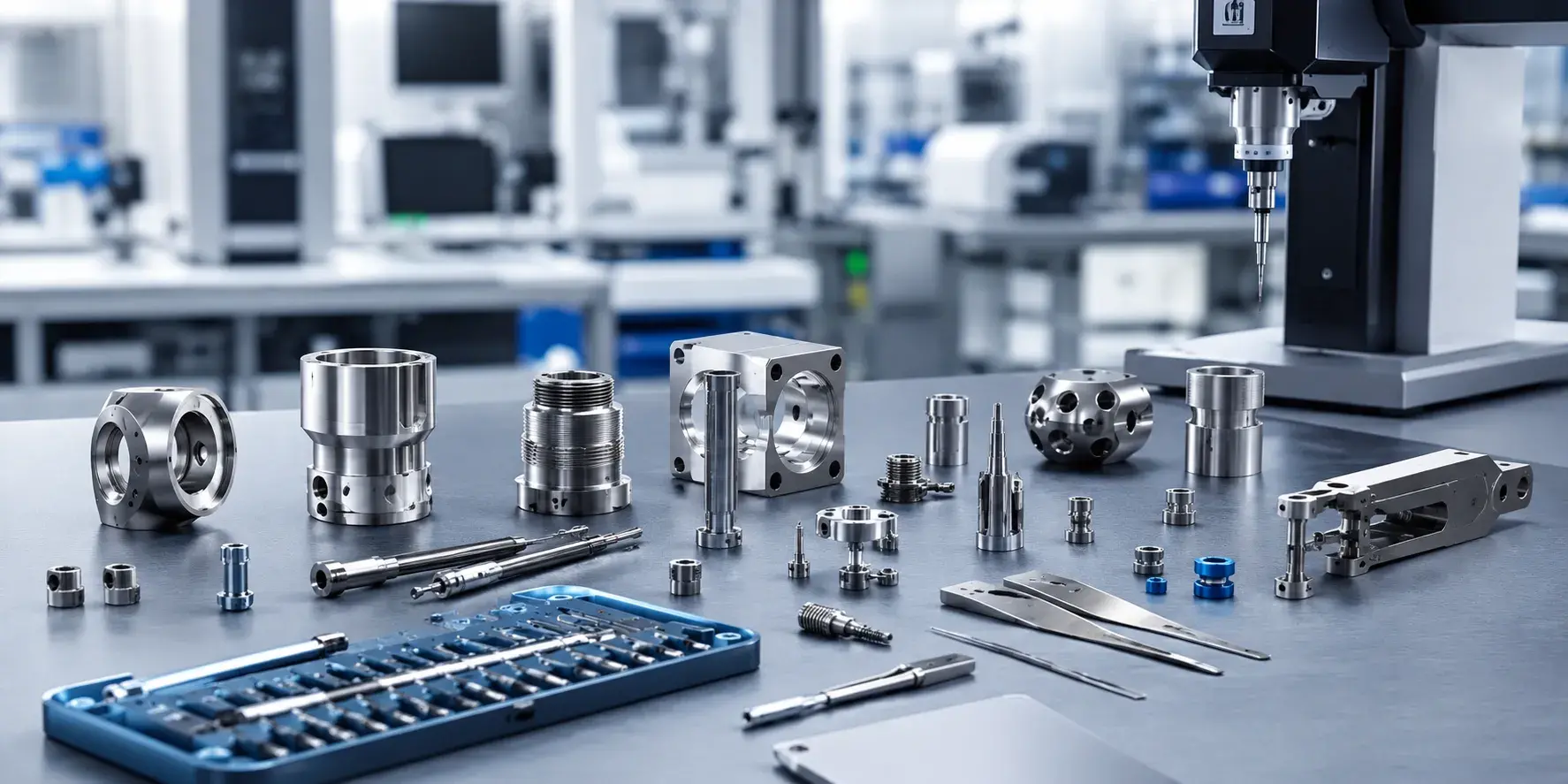
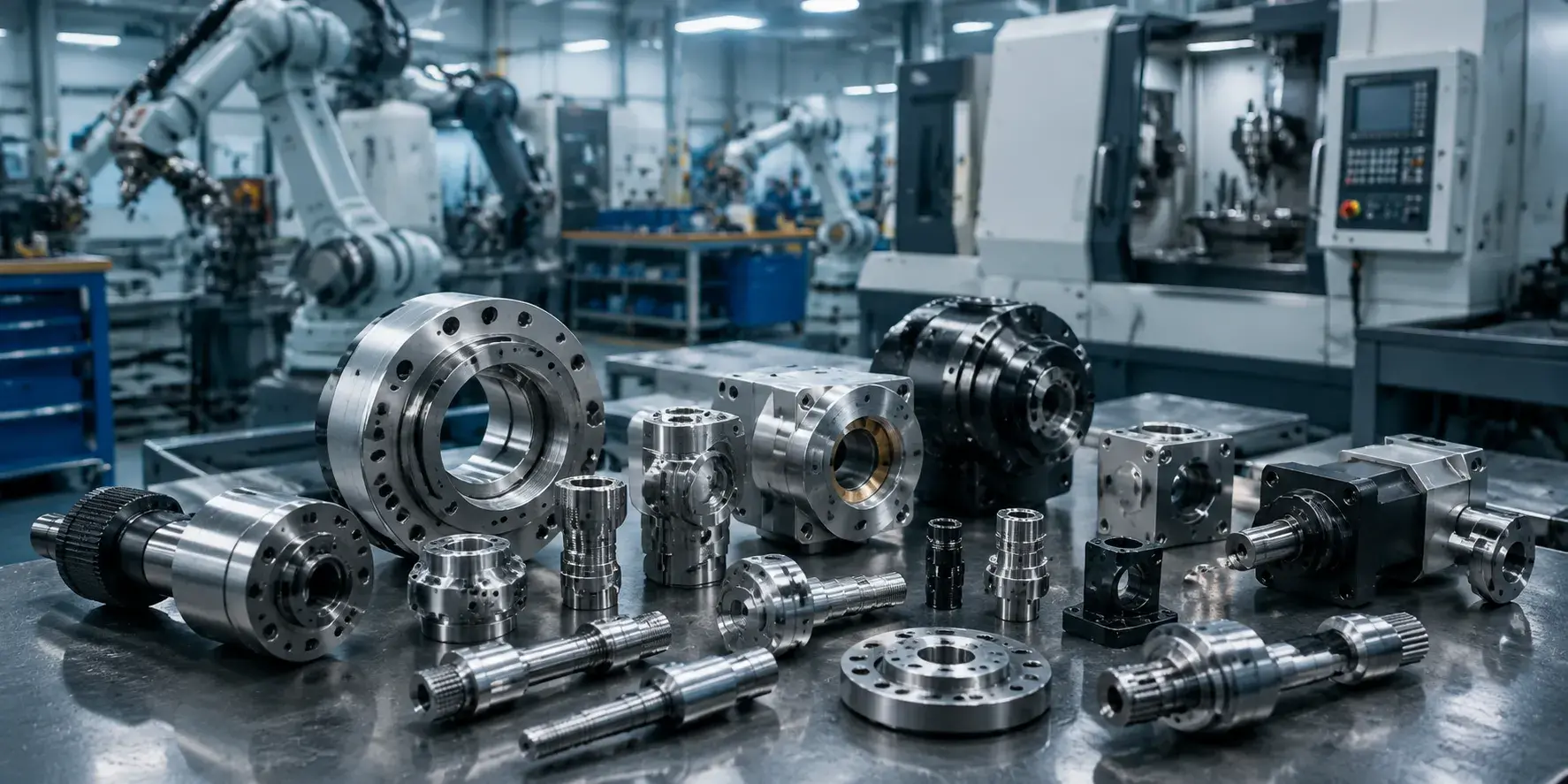
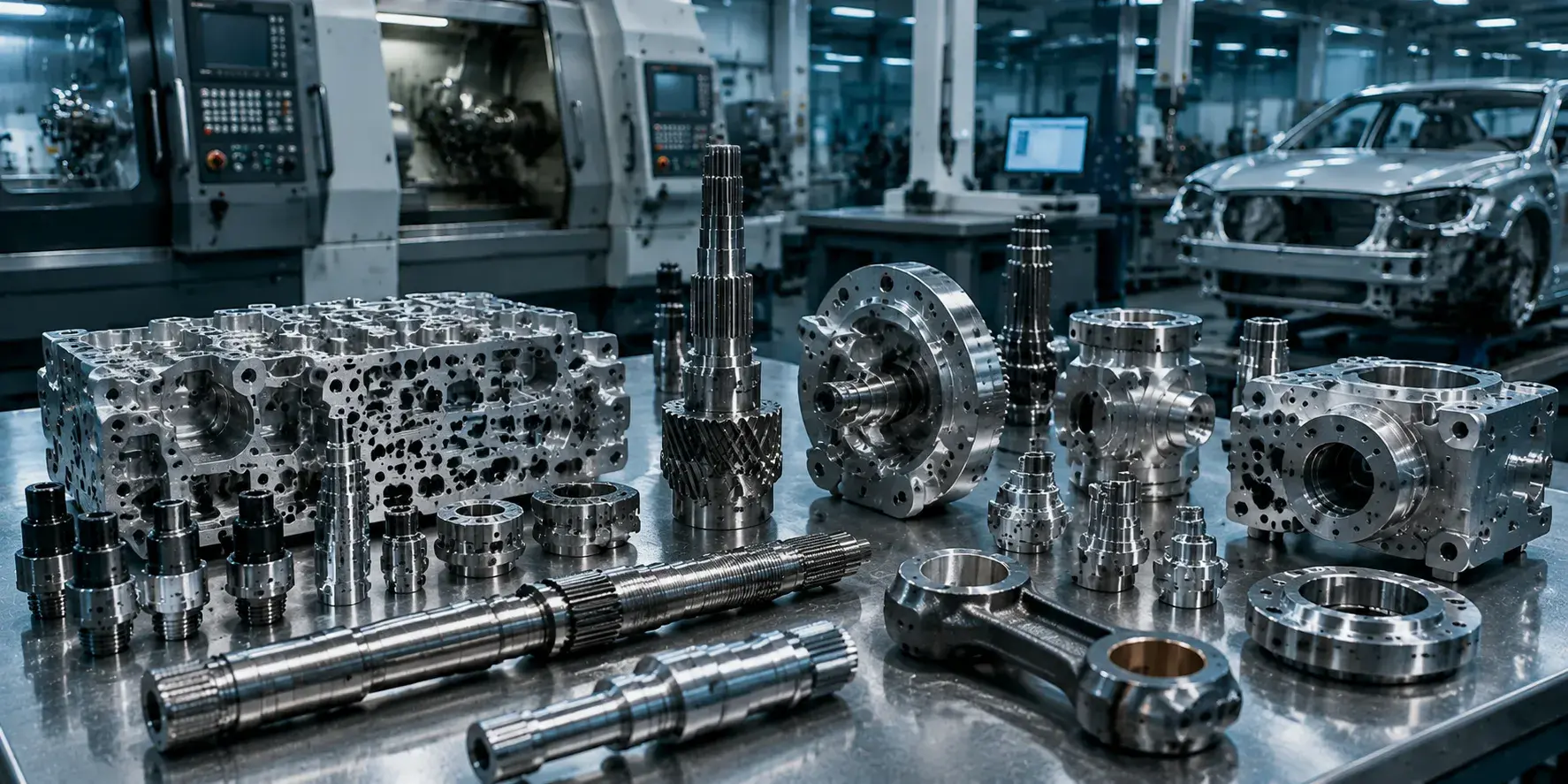
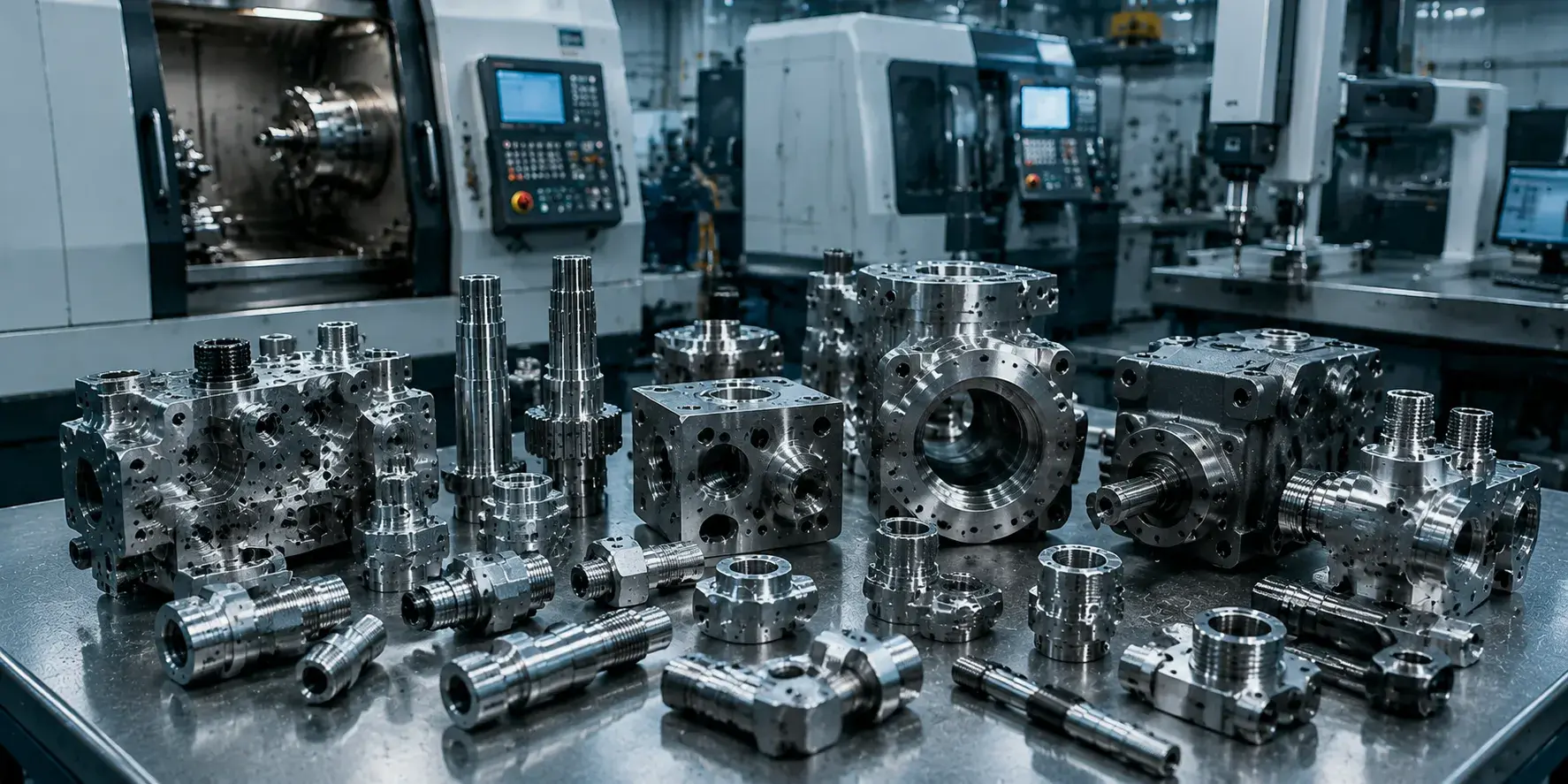
Elevate the durability, precision, and appearance of your mill-turn components. Our specialized surface finishes enhance wear and corrosion resistance, improve dimensional stability, and deliver a professional look—ensuring every component meets both functional and aesthetic requirements.
Mill turn machining combines CNC turning and milling in one machine, allowing turned and milled features to be produced in a single setup. It is ideal for complex precision parts that require tight tolerances, concentricity, and multiple features.
A mill turn machine is a CNC machining center capable of both turning and milling operations. Depending on the machine configuration, it may use live tooling, multiple axes, and a sub-spindle to machine complex parts with fewer setups.
Turn mill and mill turn are often used interchangeably to describe CNC machines or processes that combine turning and milling. Terminology can vary by manufacturer and machine configuration, so the more important distinction is the machine’s actual turning, milling, axis, tooling, and spindle capabilities.
Mill turn machining reduces multiple setups and part handling by combining turning and milling operations on one machine. This can improve dimensional consistency, reduce setup-related errors, shorten production time, and increase efficiency for complex parts.
Not generally. CNC mills are optimized for features such as flats, slots, pockets, and complex surfaces, while CNC lathes are more efficient for cylindrical and rotational features. For parts requiring both, mill turn machining can combine the advantages of turning and milling in one setup.
Mill turn machining is well suited for parts that combine cylindrical features with flats, slots, cross holes, threads, off-center features, or multi-surface geometries. Typical parts include shafts, fittings, couplings, sleeves, valve components, and other complex precision components.
At YuanYi, typical mill turn machining tolerances can reach ±0.005 mm, depending on part geometry, material, feature size, and tolerance requirements. Critical dimensions can be verified through in-process and final inspection.
Mill turn machining supports a wide range of materials, including aluminum, stainless steel, carbon and alloy steels, brass, copper, titanium, and engineering plastics. Material selection depends on the part’s mechanical, dimensional, surface, and application requirements.
Yes. Mill turn machining can be used for prototypes, low-volume production, and repeat production. One-setup machining is especially useful for complex parts where reducing repositioning and maintaining consistent feature relationships are important.
YuanYi controls consistency through engineering review, stable workholding, optimized toolpaths, controlled cutting parameters, and in-process and final inspection. One-setup machining also helps reduce errors caused by repeated clamping and repositioning.
Upload your CAD drawing and our engineering team will review it to provide a fast, practical quotation.Get expert guidance on tolerances, materials, and one-setup machining strategies for your precision components.