Precision Swiss CNC Machining Services

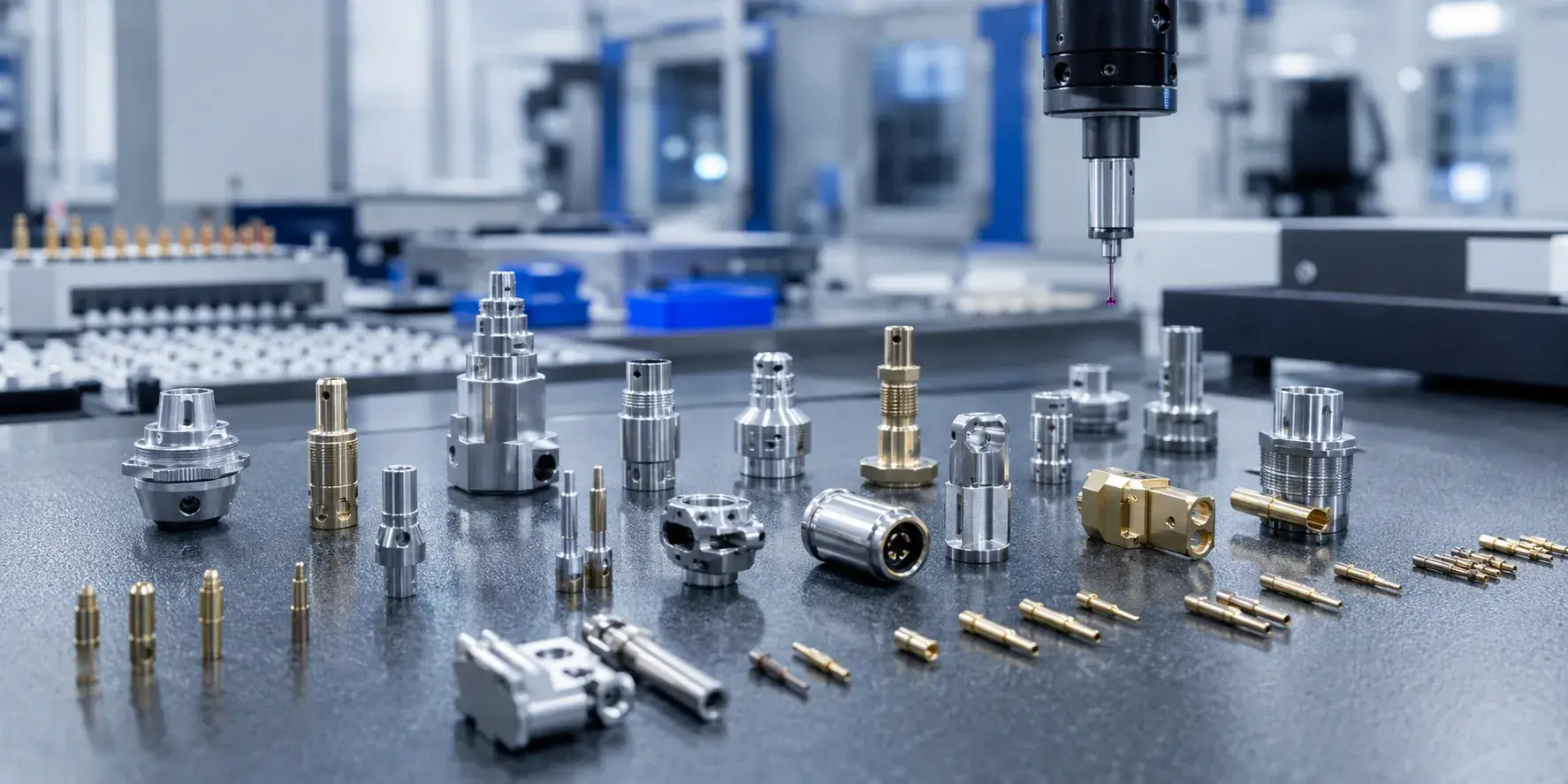
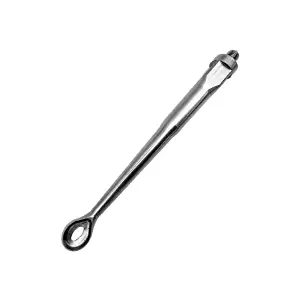
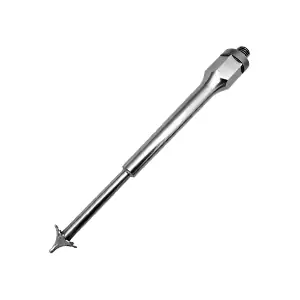
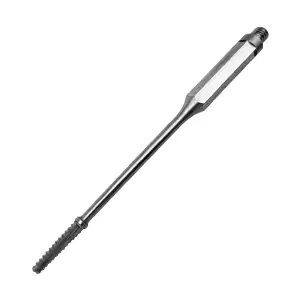
From miniature shafts and pins to complex connectors, Our Swiss machining capabilities support demanding applications across medical, aerospace, automotive, and industrial markets.

13 YEARS

CNC Machining
Manufacturer

52 Machines

CNC Machines

100000+

Machined Parts

96%

On Time Delivery

ISO

9001:2015 Certified
14001:2015 Certified

YuanYi CNC Swiss Machining Capabilities

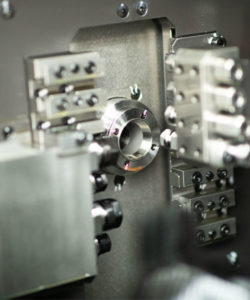
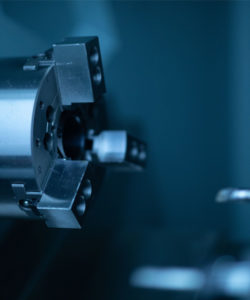
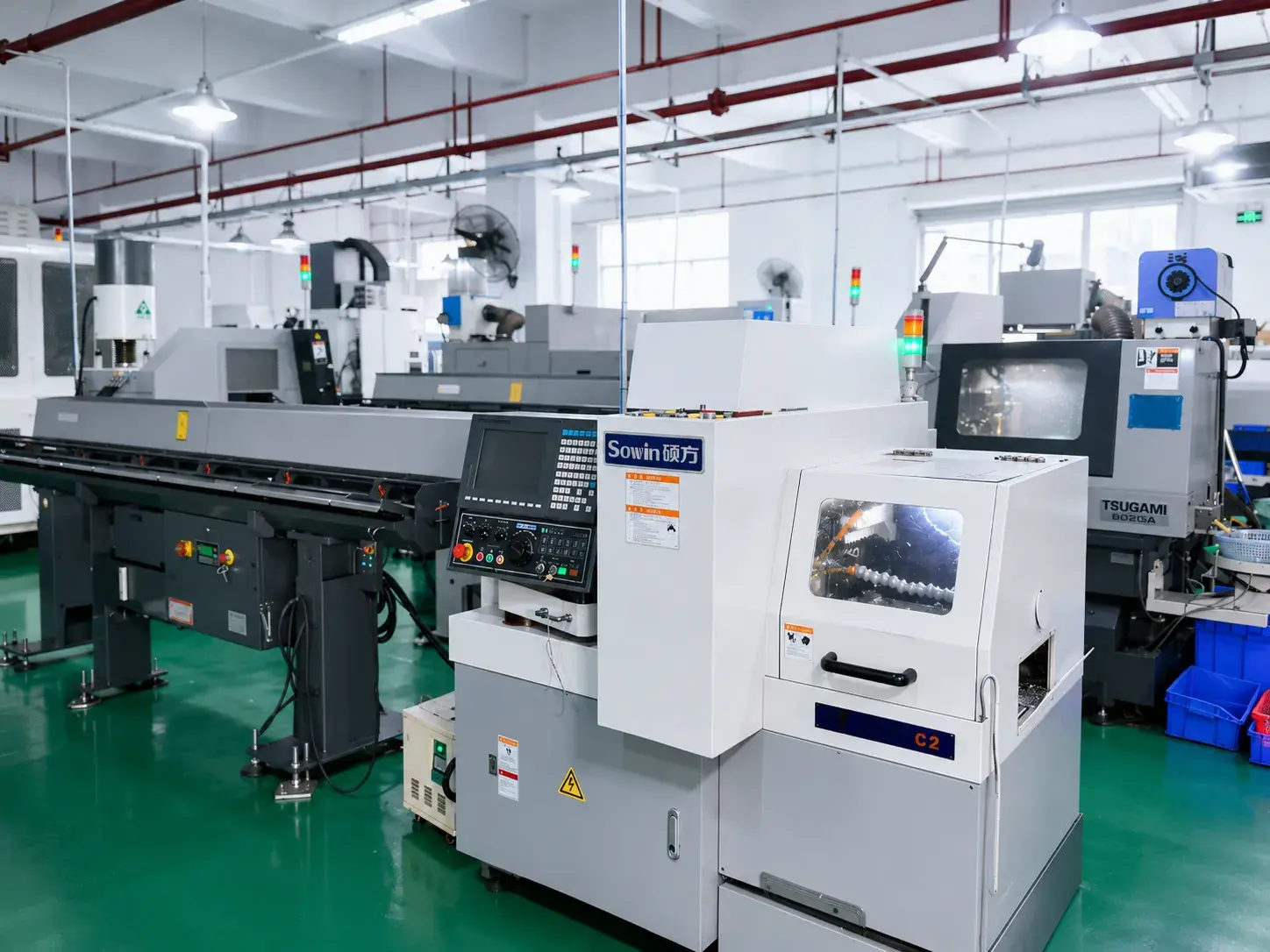
YuanYi’s Swiss CNC machine shop specializing in small-diameter, slender, and complex components that require tight tolerances and consistent quality. Our Swiss-type machines combine guide-bushing support with turning, drilling, milling, tapping, and threading to efficiently complete multiple operations in a single setup.

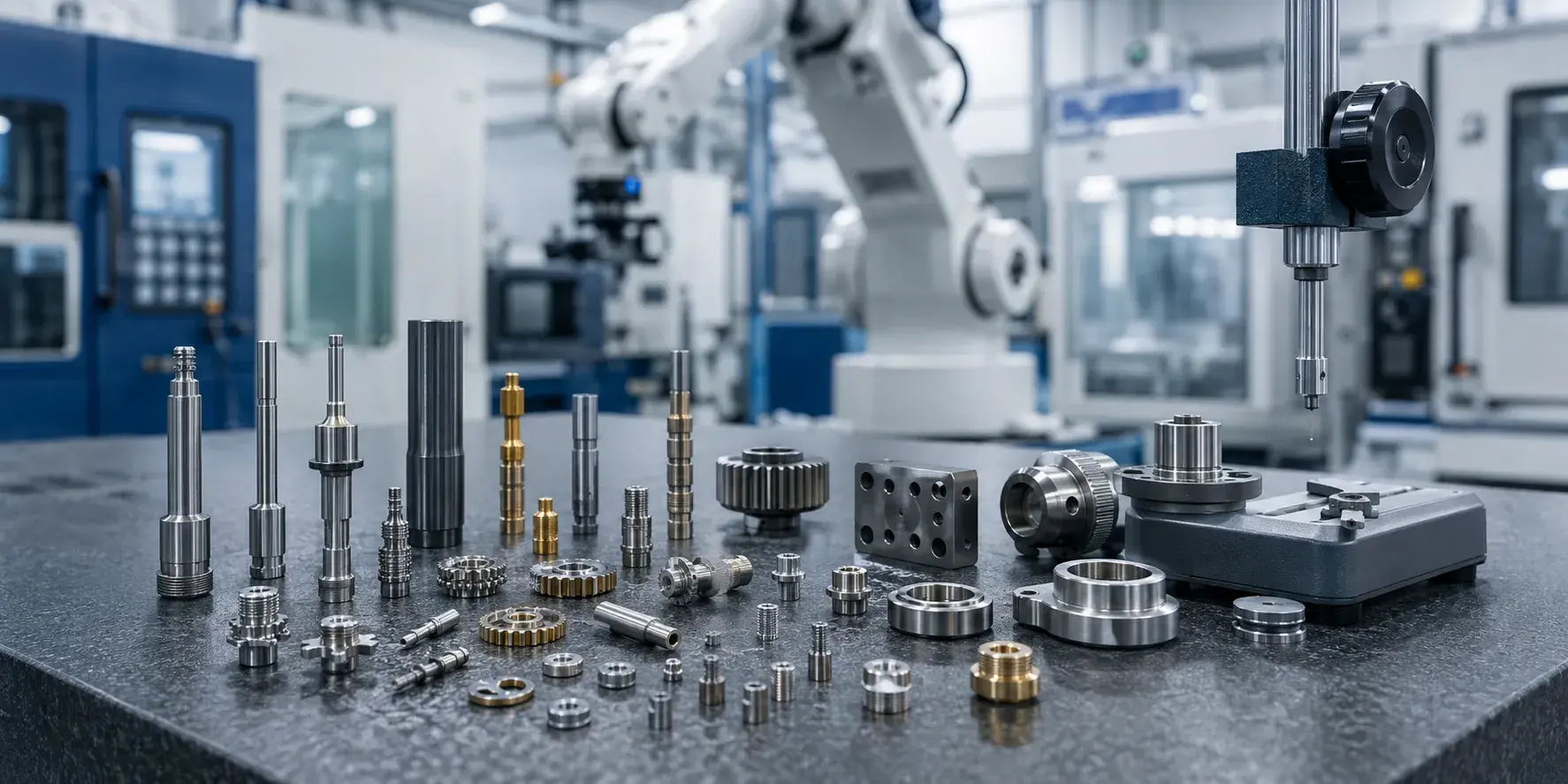
Our Swiss Turning capabilities are well suited for precision shafts, pins, connectors, bushings, sensor components, medical parts, and other small-diameter components with complex geometries. For long, slender parts with high length-to-diameter ratios, guide-bushing support helps minimize vibration and tool deflection while maintaining dimensional consistency and surface quality.

As an experienced Swiss CNC machining manufacturer, YuanYi optimizes spindle speed, feed rates, tooling, and machining sequences based on part geometry, material, and tolerance requirements. In-process inspection and dimensional compensation further reduce setup-related errors and variation, supporting stable, repeatable results across production batches.

cnc Swiss Machines

Swiss CNC Machining Typical Tolerances

ItemMetric UnitsImperial Units
Bar / Chucked SizeØ 1–100 mm (bar) / Ø 35–250 mm (chucked)Ø 0.04–3.94 in (bar) / Ø 1.38–9.84 in (chucked)
Effective Length≤ 250 mm≤ 9.8 in
Typical Tolerance±0.003 mm±0.0001 in
Roundness / Concentricity≤ 0.005 mm≤ 0.0002 in
Surface Finish, As-MachinedRa 0.4–3.2 μmRa 16–126 µin
Surface Finish, PolishedRa ≤0.2 μmRa ≤8 µin

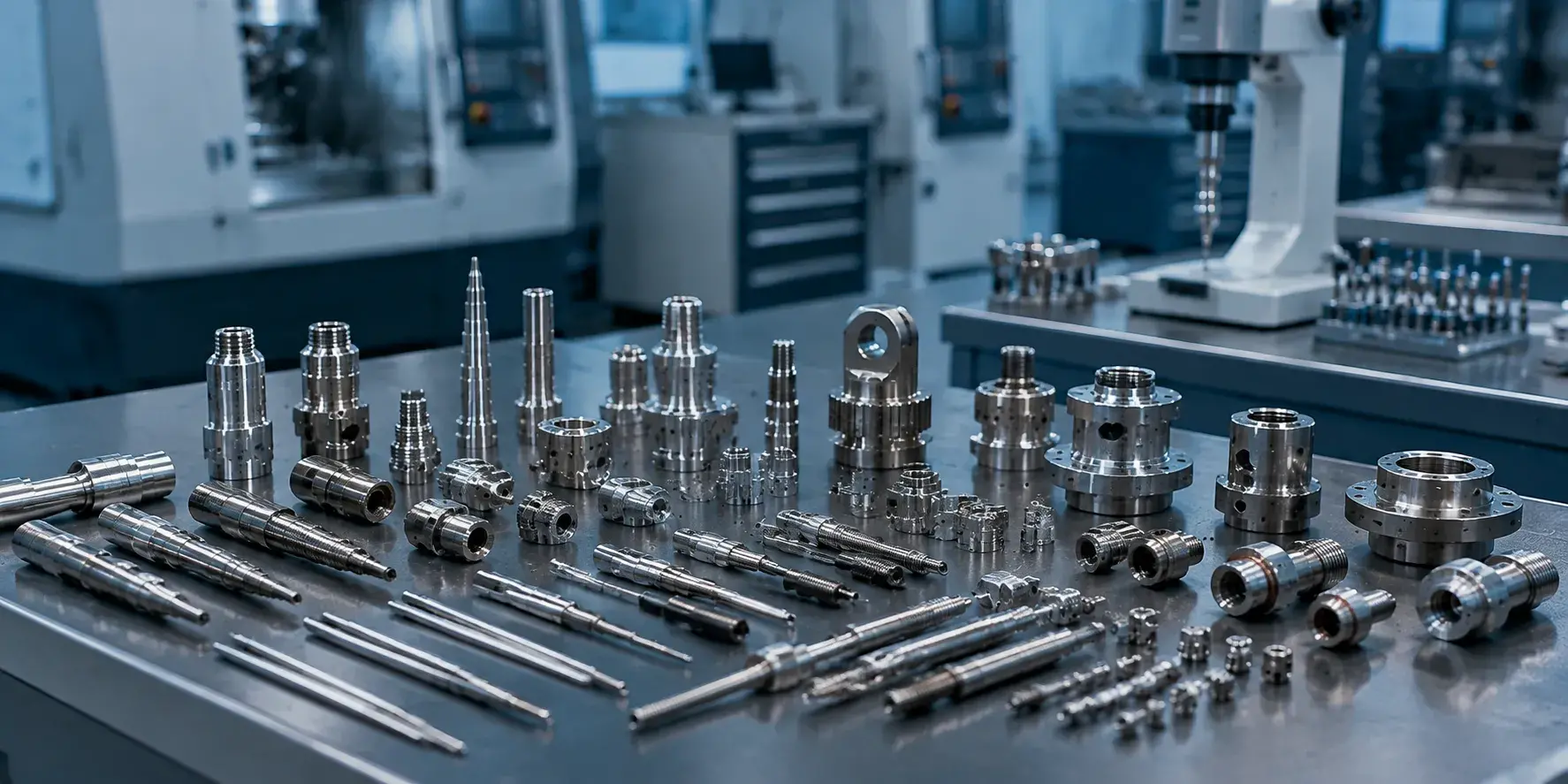
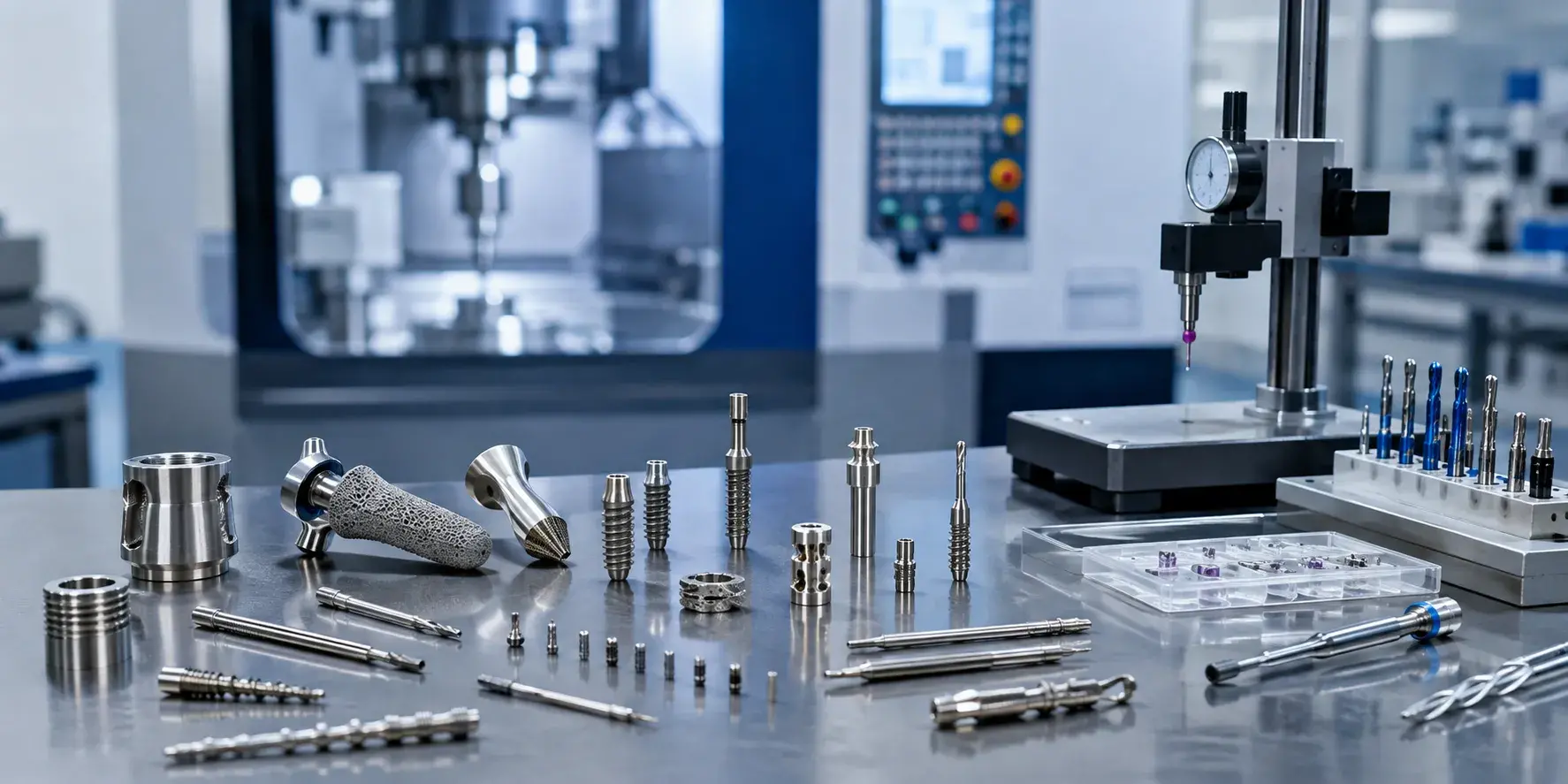
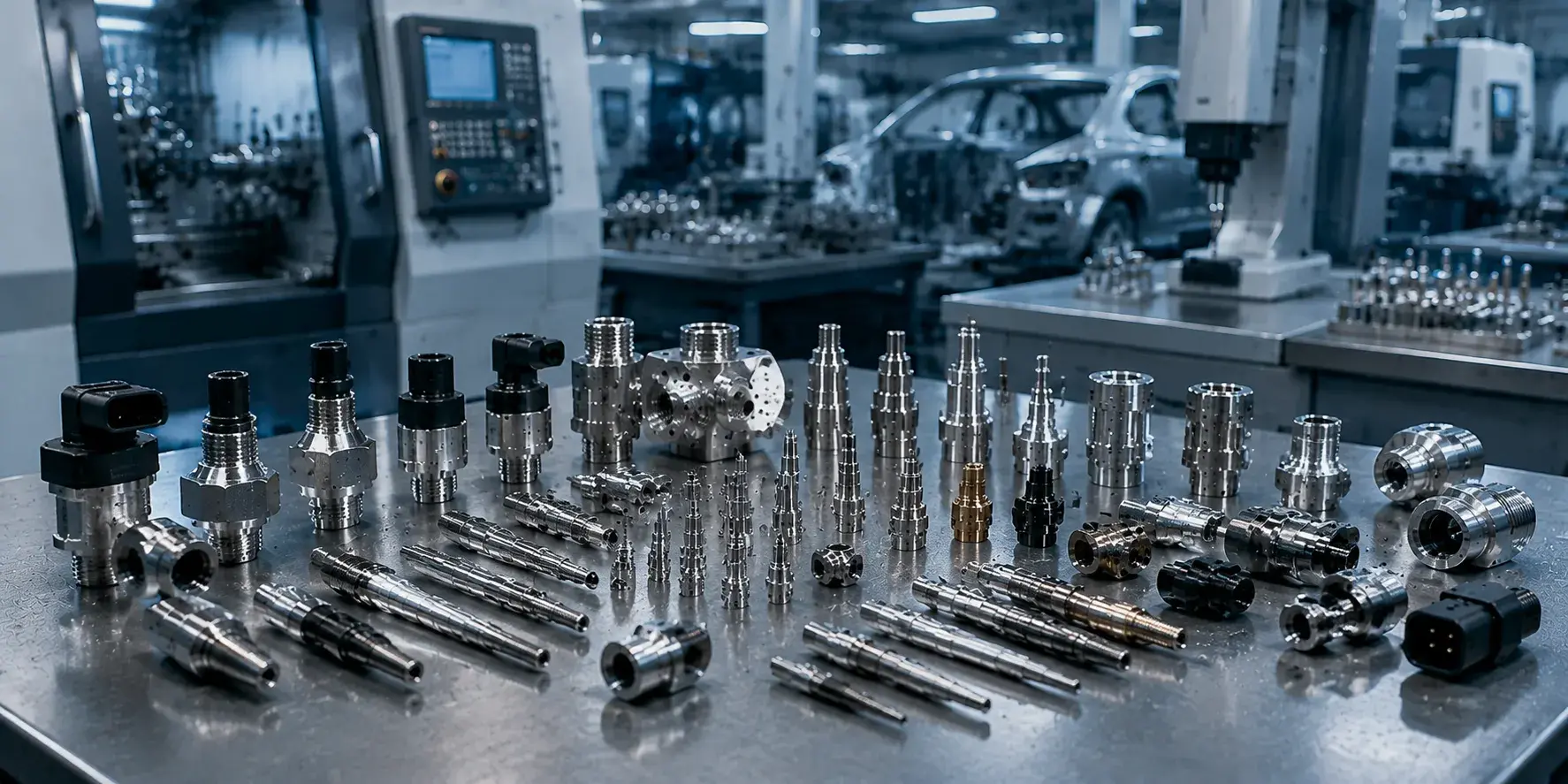
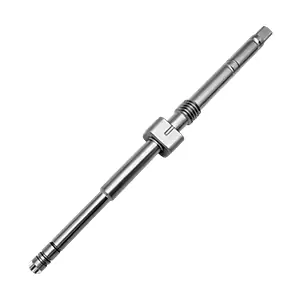
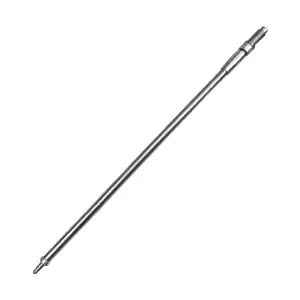
Precision Components Manufactured with Swiss CNC Machining

Why Choose YuanYi for Swiss CNC Machining?

Experienced Swiss Machining Team

Our Swiss machining specialists have over 15 years of hands-on programming and setup experience, helping solve challenges related to slender shafts, tight tolerances, and surface finish requirements.

Tight Tolerance Control

We optimize machining parameters, tooling strategies, and in-process inspection methods to achieve tolerances as tight as ±0.003 mm on critical features, depending on part geometry and material requirements.

Support for Complex Small Parts

From precision shafts and connectors to sensor and medical components, we machine a wide range of small-diameter parts with complex features.

Prototype to Production Support

From prototypes and low-volume runs to ongoing production, we provide flexible manufacturing support tailored to your project requirements.

Full Inspection with Reports

Each project can be supported with first-article inspection, in-process checks, final inspection, and dimensional reports when required.

Fast Engineering Response

Our engineering team reviews drawings, materials, tolerances, and manufacturability before production to identify potential issues early, reduce communication time, and improve machining efficiency.

Need Precision Swiss CNC Machining Support?

Upload your part drawings and our engineering team will review your requirements, machining challenges, and provide a fast quote with professional manufacturing suggestions.

Swiss-Type Machining Case Study

Swiss CNC Machining Case Study: Achieving ±0.003 mm tolerance

A real machining case showing how our experienced Swiss-type machining master controlled vibration, dimensional drift, and surface finish for a long, small-diameter precision shaft.

Swiss-type machining master
15+ Years Experience

Swiss Machining Programmer & Setup Specialist

Luo Dong Sheng has more than 15 years of hands-on experience in Swiss-type machining programming and machine setup.

He is experienced in machining small-diameter parts, long slender shafts, and tight-tolerance components, and is skilled at optimizing cutting parameters, tooling strategies, and machining processes to improve dimensional stability, surface finish, and production consistency.

Small Diameter Parts Long Slender Shafts Ra 0.4 μm Finish ±0.003 mm Tolerance

Project Overview

Part TypePrecision Slender Shaft
Length160 mm
DiameterØ5 mm
Surface FinishRa 0.4 μm
Tolerance±0.003 mm
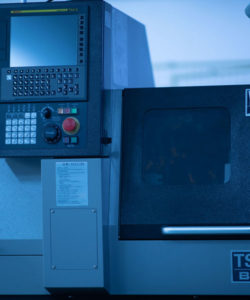
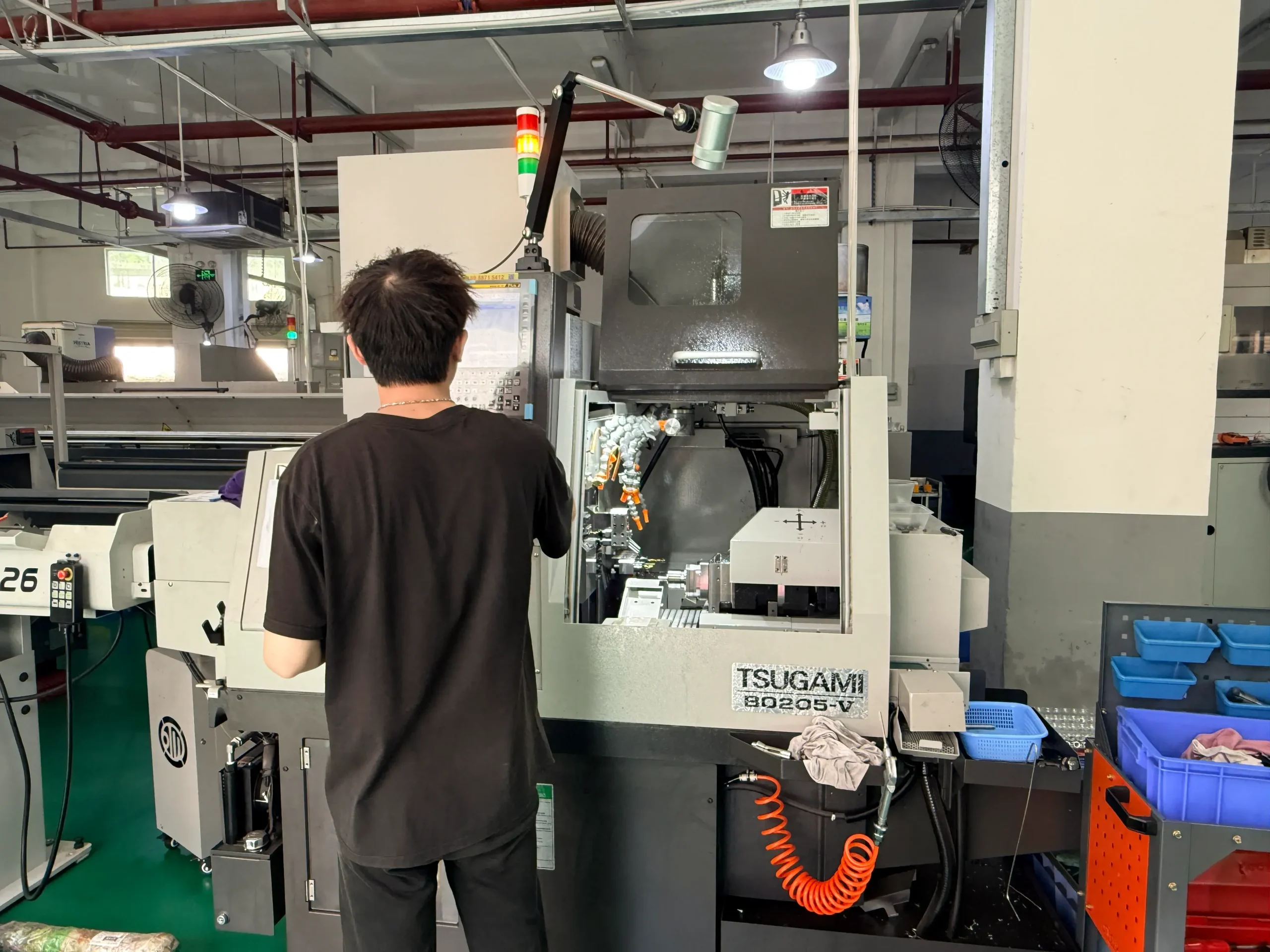
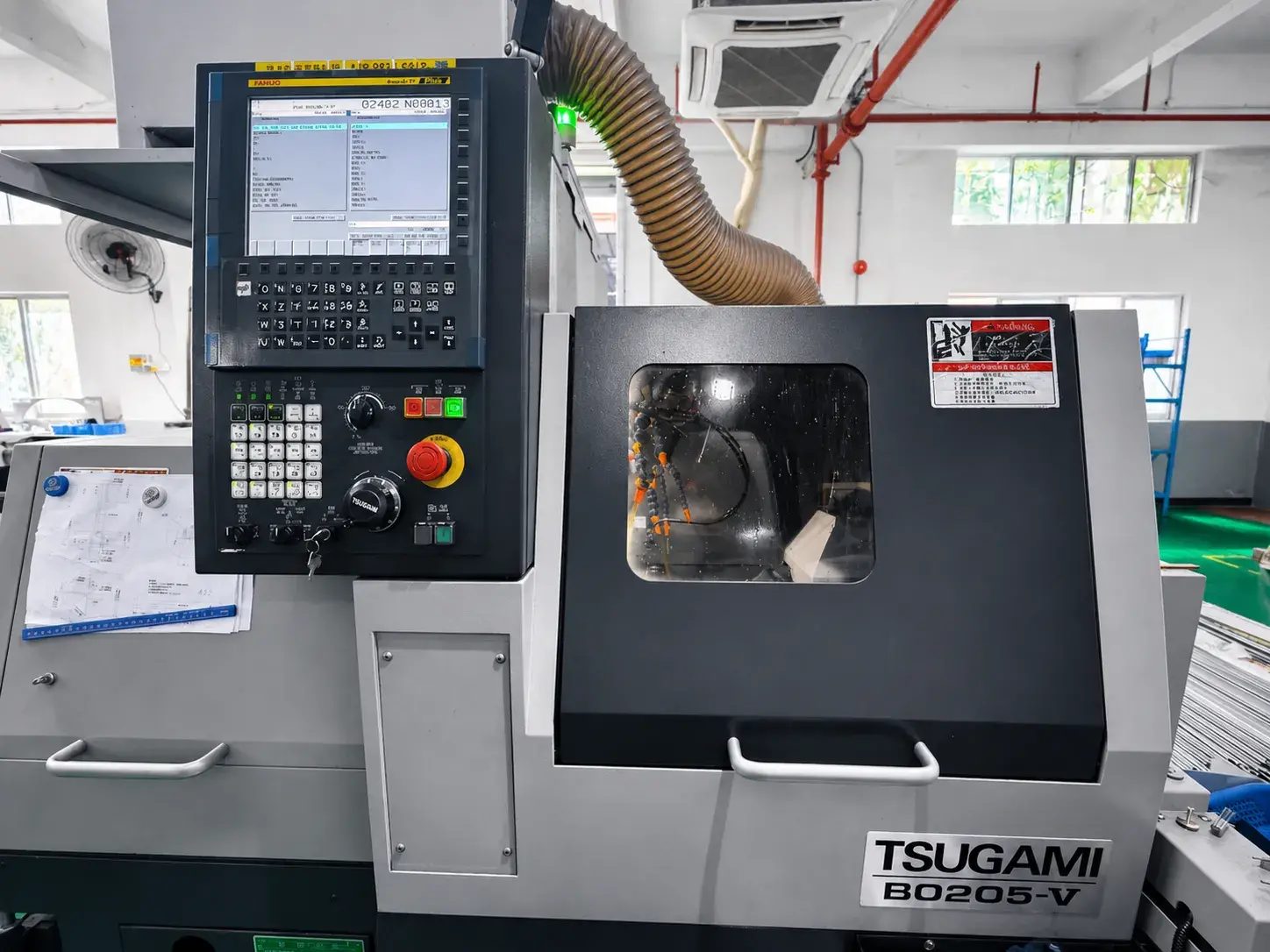
MachineTSUGAMI B0205-V
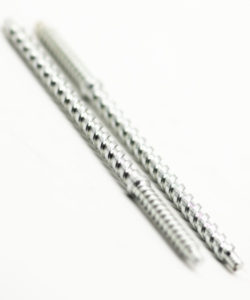
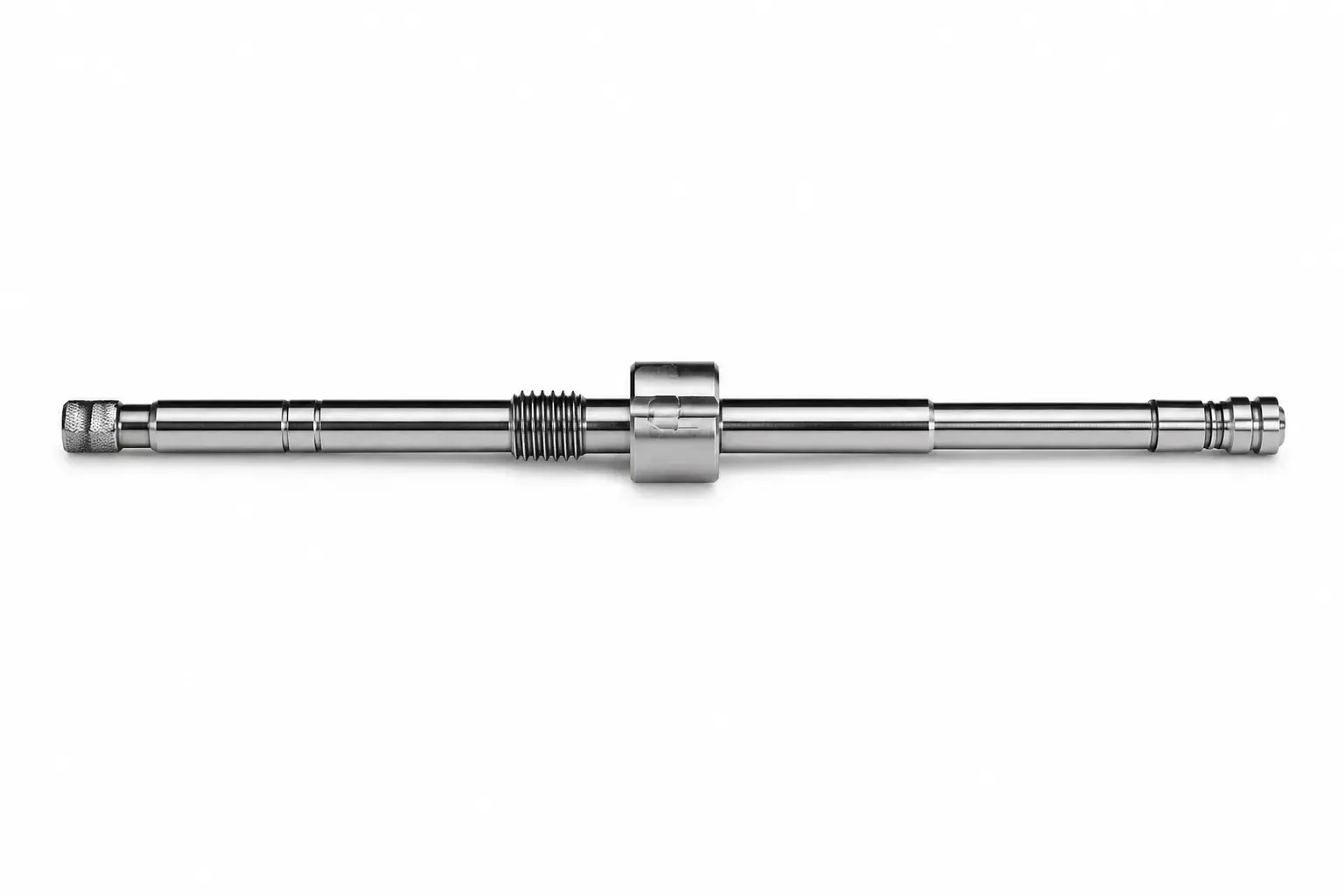
Swiss-type machined slender shaft

The Challenge

This part is a typical long and slender shaft component. The overall length is approximately 160 mm, while the diameter is only 5 mm. The customer required a surface finish of Ra 0.4 μm and a critical dimensional tolerance of ±0.003 mm.

For this type of high length-to-diameter ratio part, the difficulty is not simply machining the shape. The real challenge is maintaining stability along the entire shaft while controlling chatter, deformation, tool deflection, dimensional drift, and surface finish consistency.

During the initial trial on the TSUGAMI B0205-V Swiss-type machine, the normal stable machining accuracy was around 0.005 mm. However, the customer requirement was ±0.003 mm, which was tighter than the regular stable range. If conventional parameters were used, the parts could show visible tool marks, local size variation, and unstable batch consistency.

Process Optimization

How We Solved It

01

Rough Turning Optimization

Roughing speed was controlled at about 6000–7000 rpm, with feed rate around 0.03–0.05 mm/rev to keep material removal stable and reduce bending caused by excessive cutting force.

02

Finish Turning Strategy

For finishing, spindle speed was increased to about 9000–11000 rpm, while feed rate was reduced to 0.01–0.02 mm/rev. The single-side finishing allowance was controlled at about 0.02–0.03 mm.

03

Tooling Adjustment

Sharper finishing inserts were selected, and the tool nose radius and cutting angle were adjusted to reduce cutting resistance and improve surface quality.

04

Inspection & Compensation

First-article inspection and process compensation were used to monitor dimensional trends and adjust offsets before the size drifted outside the required tolerance range.

Detailed Process Description

In the rough turning stage, the main priority was not maximum cutting efficiency, but stable material removal. For a Ø5 mm shaft with a length of 160 mm, excessive cutting force can easily cause slight bending or vibration. By controlling spindle speed and feed rate within a stable range, we reduced the risk of deformation before the finishing process.

During finish turning, the spindle speed was increased while the feed rate was reduced to improve surface quality and dimensional control. The finishing allowance was kept small and consistent, which helped reduce tool pressure on the slender shaft and minimized the risk of dimensional drift.

Tooling was also a key factor. We selected sharper finishing inserts and adjusted the tool nose radius and cutting angle according to the part structure. For positions where chatter marks were more likely to appear, segmented light cutting was used instead of one long continuous cut.

Throughout the process, first-article inspection and in-process measurement were used to track dimensional trends. Based on the measurement results, small compensation adjustments were applied before the part moved outside the required tolerance range.

Final Results

Stable Quality for Batch Production

Through parameter optimization, tooling improvement, segmented light cutting, guide bushing support, and in-process compensation, we solved the common problems of chatter, unstable surface finish, and dimensional drift in slender shaft machining.

±0.003 mm Stable Tolerance
Ra 0.4 μm Surface Finish
Higher Yield Reduced Rework
Batch Stable Better Consistency

Quality Assurance for Swiss CNC Machined Parts

Every Swiss type machining project follows a structured inspection proces to ensure dimensional consistency, surface finish quality, and stable batch production.

01

Engineering Review

Review drawings, tolerances, materials, and critical dimensions before production.

02

First Article Inspection

Verify key dimensions, surface finish, and machining results before batch production.

03

In-Process Monitoring

Check dimensional trends during production to control tool wear and size drift.

04

Final Inspection

Inspect finished parts according to drawings and customer requirements.

05

Inspection Report

Provide dimensional reports and quality records when required.

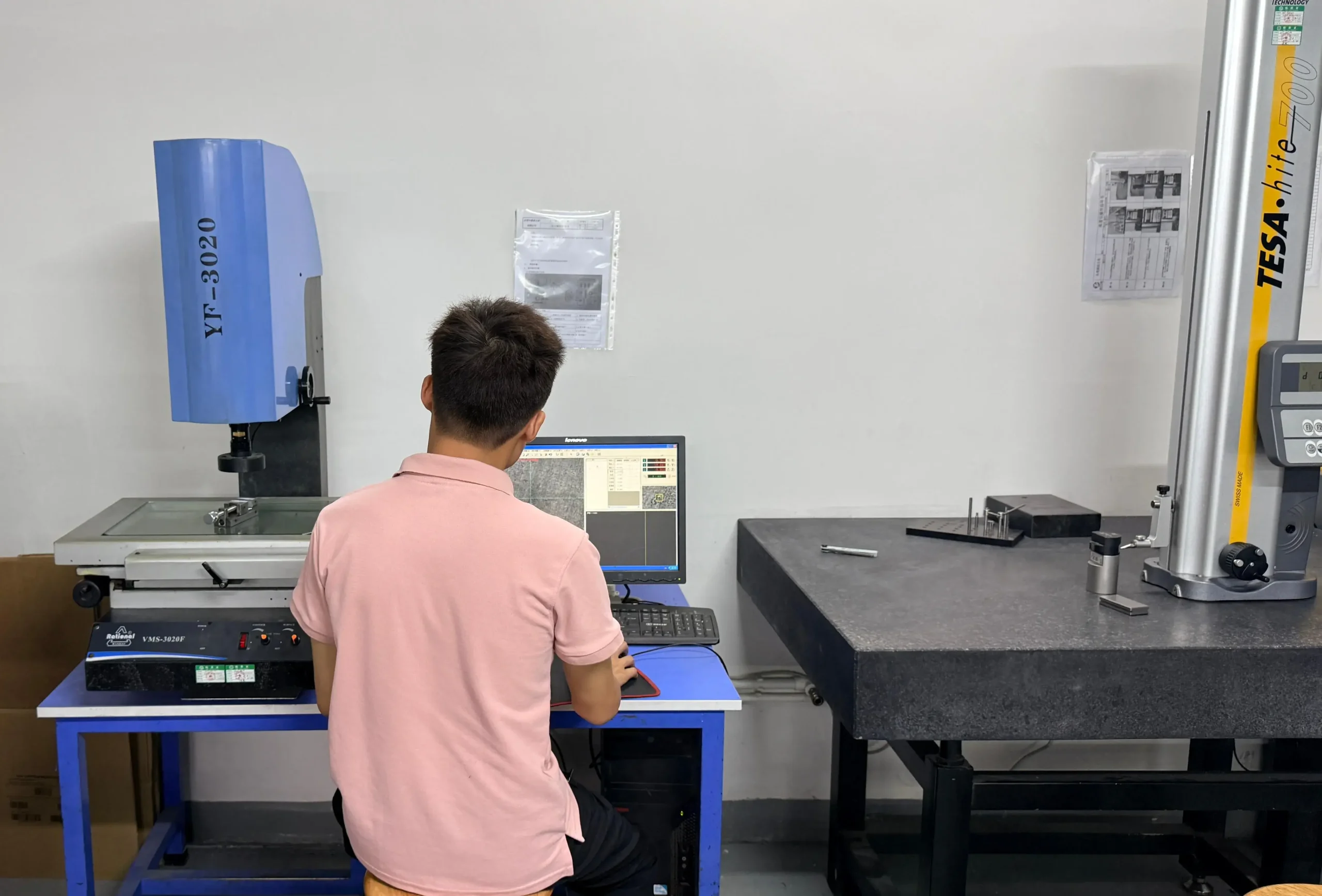
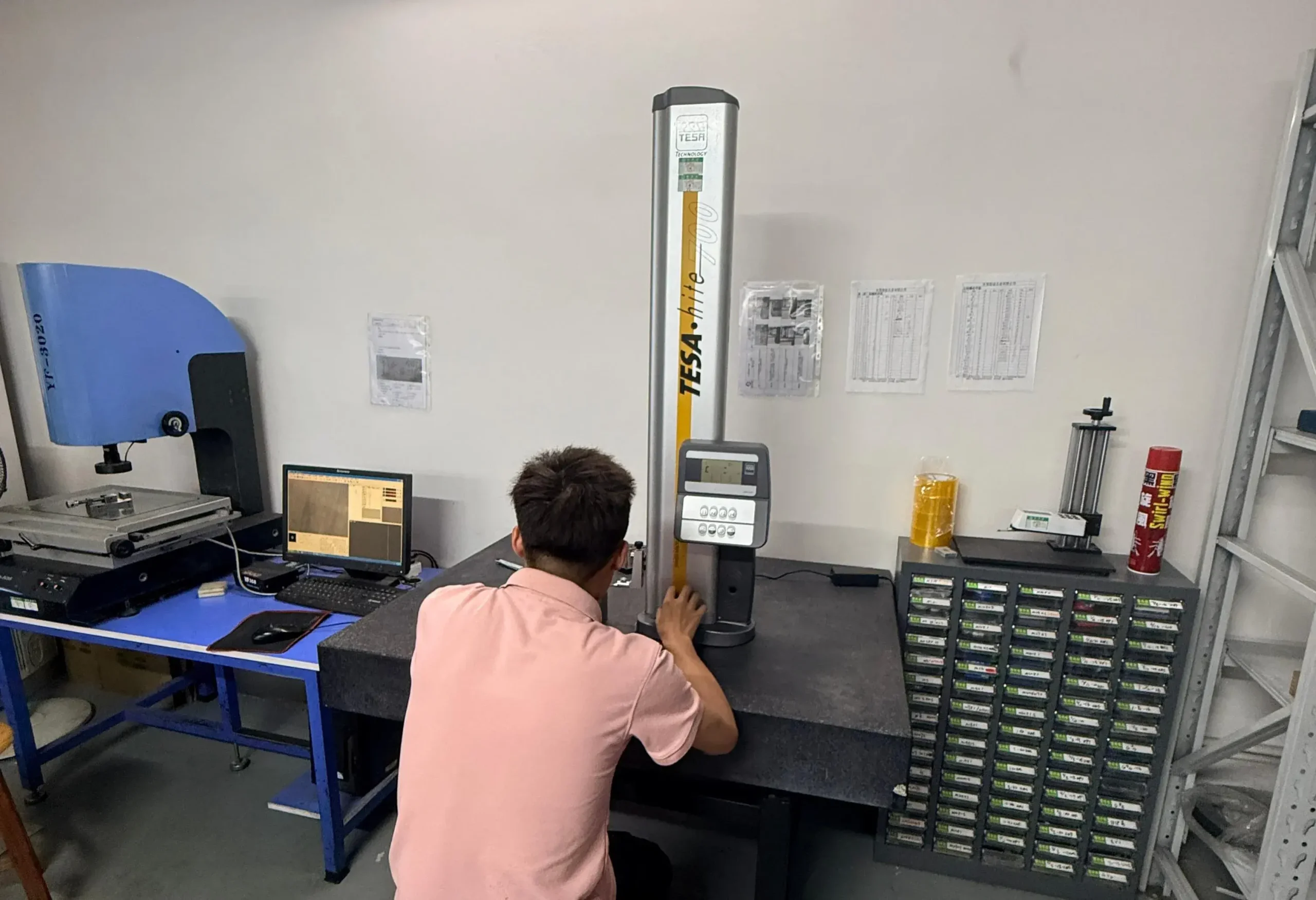
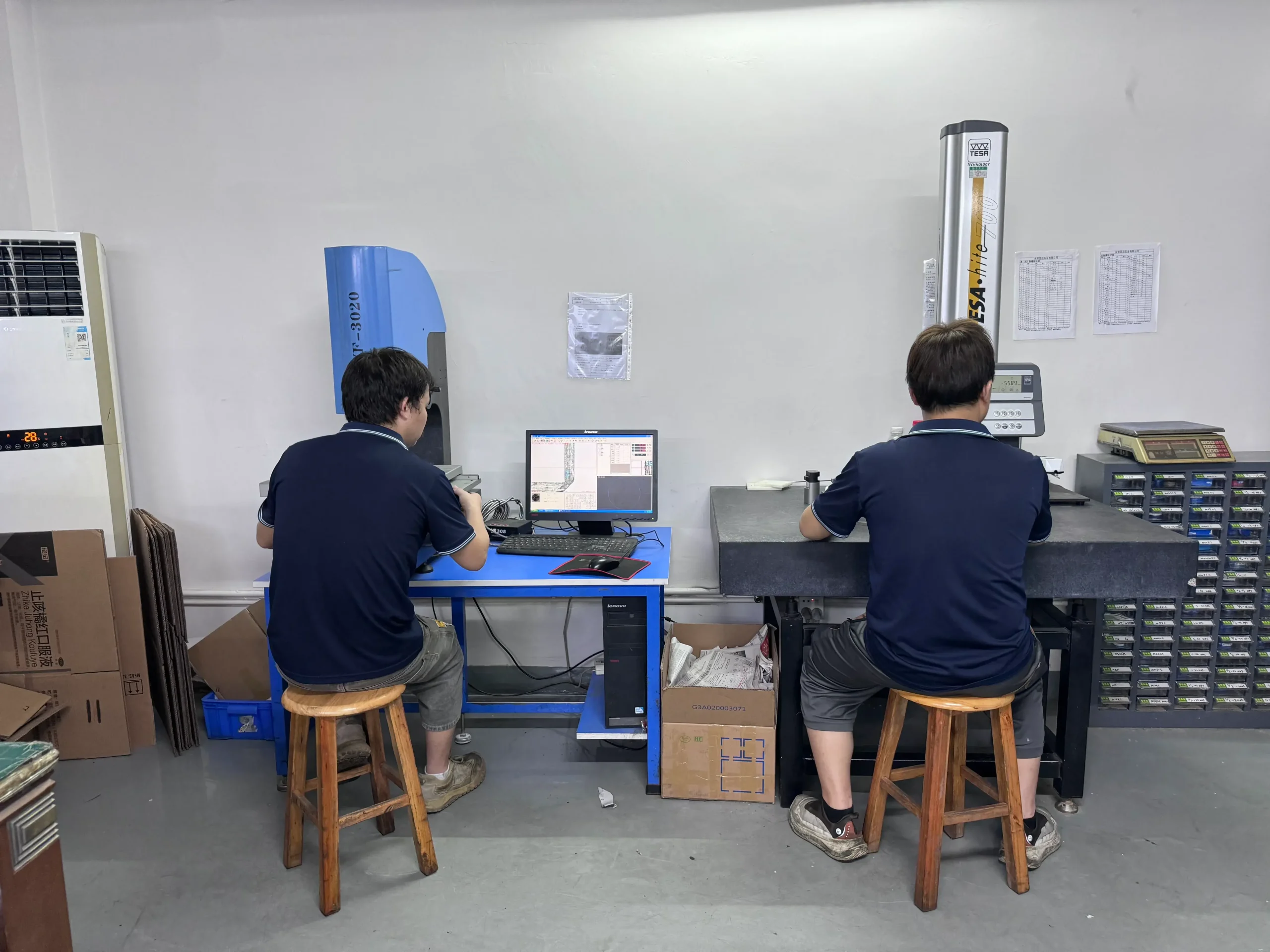
First article inspection for Swiss CNC machined parts
Dimensional measurement for Swiss machined parts
Inspection report for CNC Swiss machined parts

Want to learn more about our inspection process?

View our full quality control system, testing process, and inspection capability.

Swiss CNC machine

What is a Swiss CNC Machine?

Swiss CNC Machines create thin walls with the deepest cuts—something more difficult to achieve on traditional lathes. By combining a sliding headstock with guide-bushing support, Swiss machines maintain accuracy on long and slender parts.

  • Increased production volume: Swiss CNC machining provides short manufacturing cycle times.
  • Higher efficiency: Produce more parts in less time with short, quick movements.
  • Consistent quality: Precision control ensures dimensional accuracy from prototypes to mass runs.
Typical applications: medical screws, electronic connectors, instrument pins, watch parts, aerospace fasteners, and other small high-precision components.
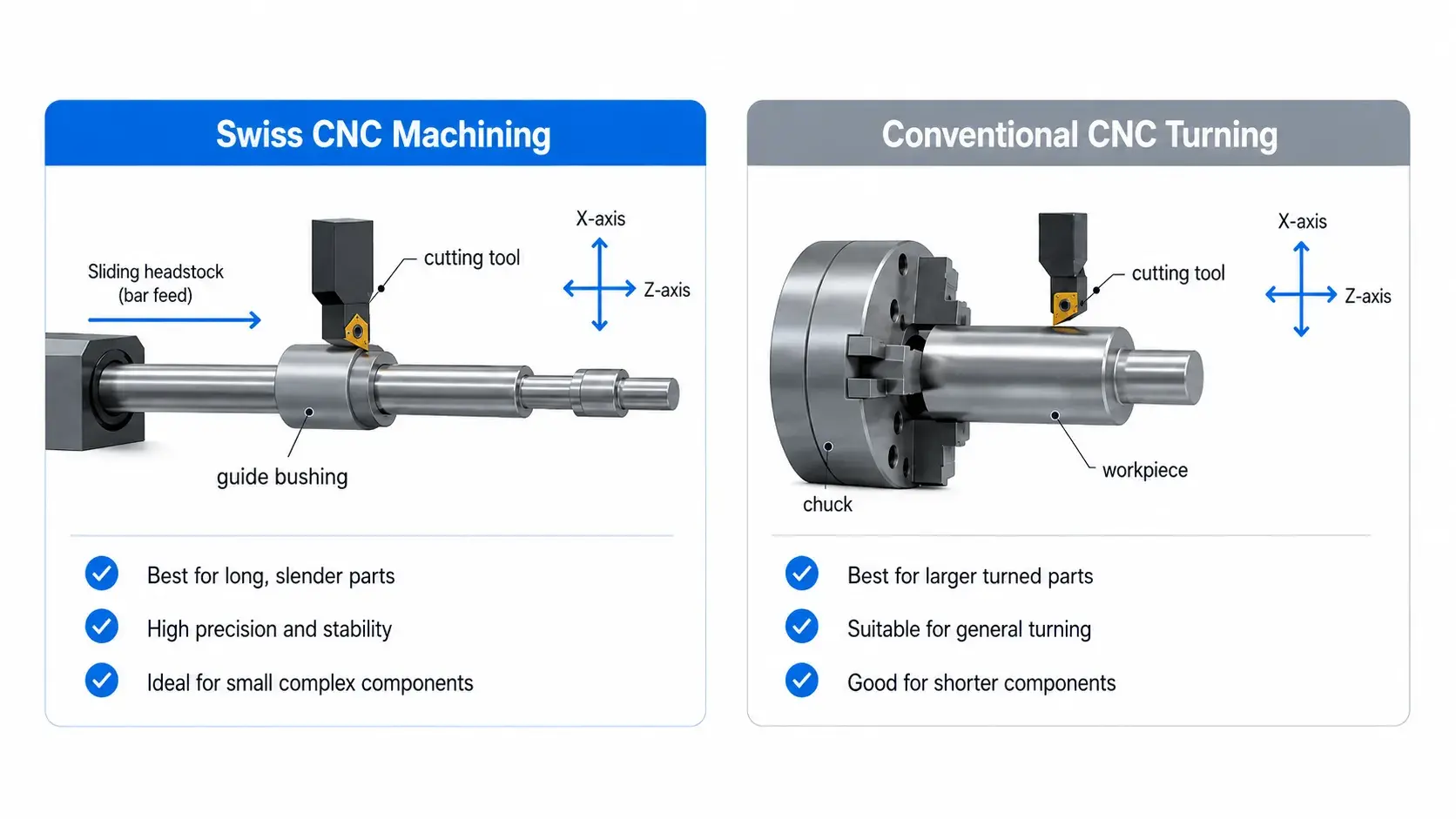
Swiss Turning VS Conventional CNC Turning

Swiss CNC machining and conventional CNC turning use different machining principles, making them suitable for different part requirements. Swiss CNC is ideal for small, long, and high-precision components, while conventional CNC turning is better suited for larger and less complex turned parts.

FeatureSwiss CNC MachiningConventional CNC Turning
Workpiece SupportMaterial is guided through a guide bushing for better stabilityWorkpiece is held by a chuck without guide bushing support
Best ForSmall diameter, long slender, and complex precision partsLarger diameter and shorter turned components
Typical PartsMedical components, shafts, pins, connectors, miniature partsBushings, flanges, housings, larger shafts
Precision CapabilityUp to ±0.003 mm for critical featuresTypically suitable for general turning requirements
Material RemovalEfficient for high-volume small precision partsBetter for larger material removal operations
Production VolumeExcellent for repeat production and high-volume partsSuitable for prototypes and low-to-medium volume production

Key Differences of Swiss CNC Lathers

Spindle housing for CNC machining systems.

Unlike a conventional lathe with a fixed headstock—where the workpiece is held in a chuck or collet and either cantilevers into the enclosure or is supported at one end by a tailstock—the Swiss Lather features a sliding, movable headstock.

swiss-turning

On a standard lathe, the bar is gripped in the main-spindle chuck. As the length-to-diameter ratio grows (around 4:1 or more), cutting forces push the free section off line, causing deflection, chatter, and loss of accuracy.

In a Swiss-type machine, the bar is held in a sliding collet and supported by a close-fitting guide bushing at the cut. The tool works right next to the guide bushing, so the unsupported length is only a few millimeters. This layout virtually eliminates deflection and maintains tight tolerances on long, slender parts.

Spindle housing for CNC machining systems.

Modern Swiss-type lathes typically offer five-axis control (or more) with live tooling and sub-spindles, letting them complete many operations in a single cycle—turning and facing, drilling, milling/slotting, threading, grooving, part-off, and back-working.

By contrast, conventional lathes are usually limited to three or four axes and seldom finish a part in one pass. That means extra setups or even multiple machines, which lengthens cycle time and stacks tolerances, reducing overall precision.

cncturning

Swiss-type CNC lathes typically run cutting oil rather than water-based coolant. Oil brings higher lubricity and a cleaner work environment—no “prune-hand” skin from water exposure and far less odor from bacteria growth.

The trade-off is heat removal: oil sheds heat less efficiently than water. As a result, it’s wise to outfit Swiss machines with a fire-suppression system and follow strict thermal and safety controls.

tsugami

In Swiss-type CNC turning, Z-axis motion comes from the bar advancing through the guide bushing (moving stock), not from the tool traveling in Z. This kinematic layout keeps the cut near the support and changes how Z is referenced.

As a result, programming offsets invert relative to a conventional lathe: to turn longer or drill deeper you apply a positive Z offset on a Swiss machine. On a fixed-head lathe, the same action typically uses a negative Z offset.

swiss-parts

On conventional lathes, the workflow is straightforward: roughing pass, finishing pass, then feature ops (e.g., OD grooves, threads) to complete the part.

In Swiss-type turning, the guide bushing limits the effective cutting window, so you machine in segments to hold size and tolerance: turn the OD up to a feature, cut it, return to OD turning, advance stock, and repeat along the length.

Swiss Machining in Applications & Industries

Aerospace Components
Swiss CNC Aerospace Parts
Medical Device Components
Swiss CNC Medical Parts
Automotive Parts
Swiss CNC Automotive Parts
Electronic Components
Swiss CNC Electronic Parts
Robotics Components
Swiss CNC Robotic Parts

Materials for Swiss Turning

Swiss turning works from bar stock (typically Ø0.5–32 mm) and favors free-machining grades that hold size and finish in oil-cut conditions. Common options include:
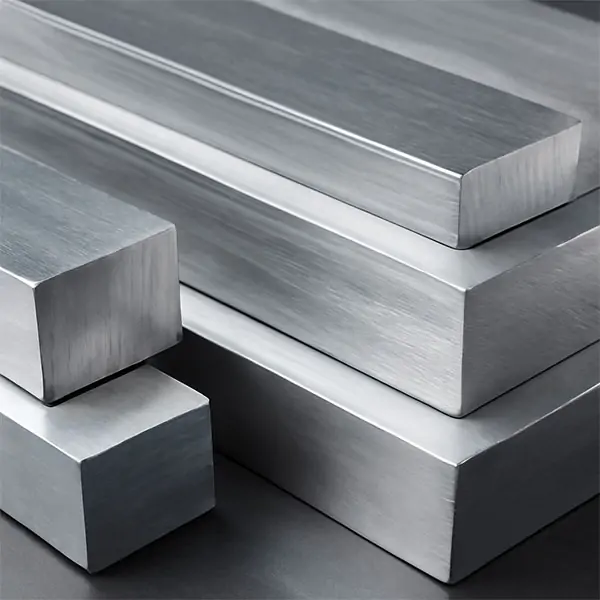
Stainless steels 303 / 304 / 316 / 316L / 17-4PH; carbon & alloy steels 12L14, 1215, 4140, 4340; aluminum 2011 / 2024 / 6061 / 7075; copper alloys—brass C360, bronze, copper C110; titanium Gr2 / Gr5; and engineering plastics—POM (Delrin), PEEK, PTFE, Nylon, PC, PPSU, PBT.
Heat-treat, stress-relief, passivation, and plating/anodizing are available for tight-tolerance Swiss-turned parts.

how-dense-is-aluminum

Aluminum Alloys

6061, 7075, and 5052 are widely used for lightweight precision parts, housings, brackets, and automation components.

can-stainless-steel-be-anodised

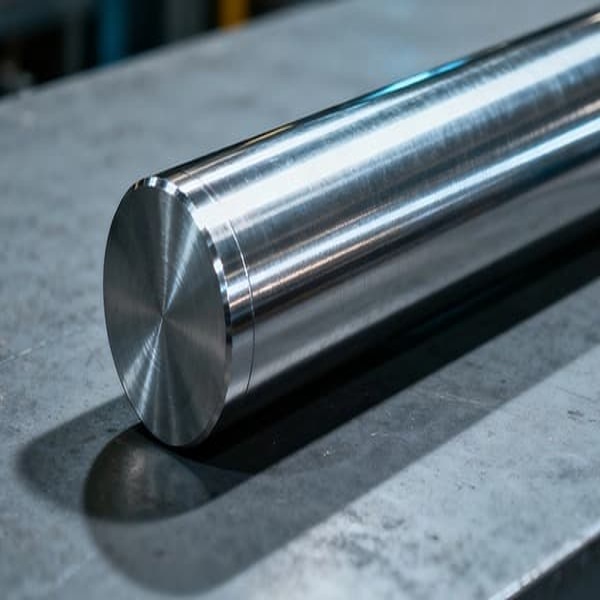
Stainless Steel

304, 316, and 17-4PH are suitable for durable and corrosion-resistant parts with stable machining performance.

carbon-steel

Carbon Steel

Carbon steel is widely used for machine bases, welded structures, and heavy-duty industrial parts.

brass-material-density

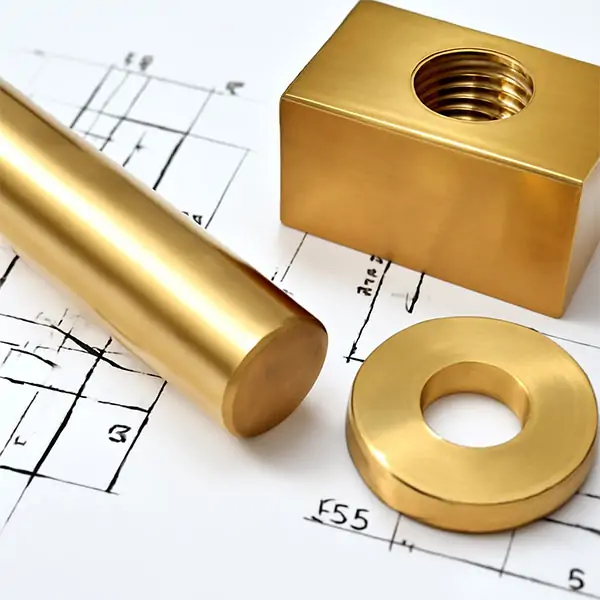
Brass

C360 and C260 provide excellent machinability for fittings, valves, and precision machined connectors.

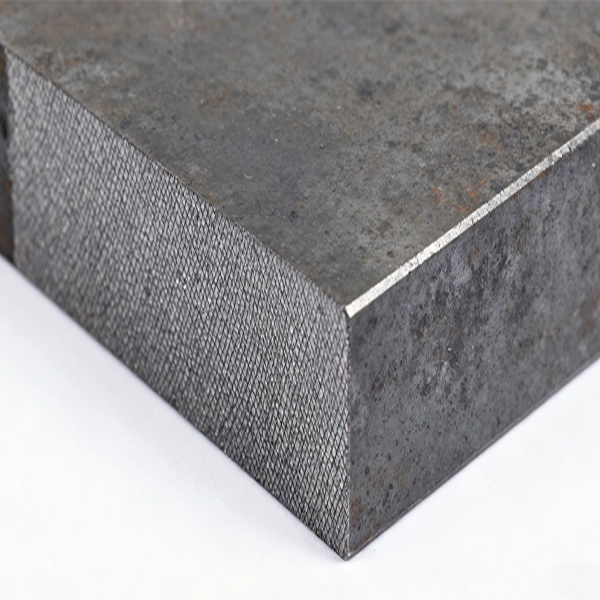
Tool Steel

Tool steel and tooling plates are widely used for fixture plates, mold bases, and industrial applications requiring stable flatness and wear resistance.

plastico-a-medida

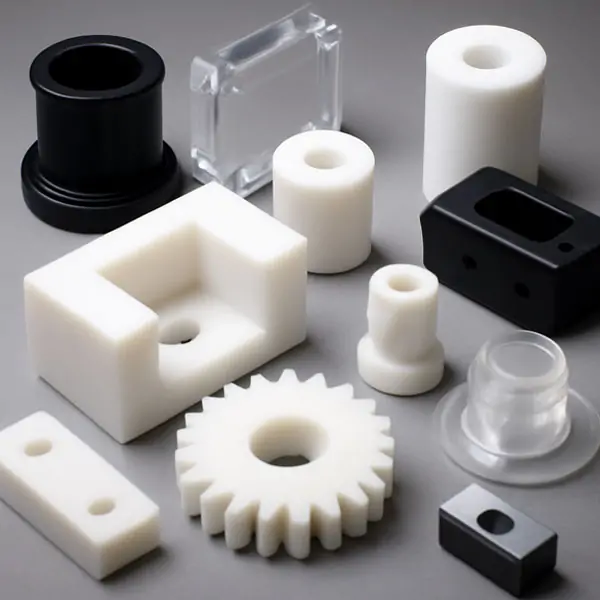
Engineering Plastics

POM, Nylon, PTFE, PEEK, and ABS are suitable for lightweight, wear-resistant, and insulating parts.

Surface Finishes for Swiss CNC Turning

Swiss-type turning delivers uniform, fine turned surfaces on small-diameter parts—typical as-turned Ra 0.8–3.2 µm (32–125 µin).
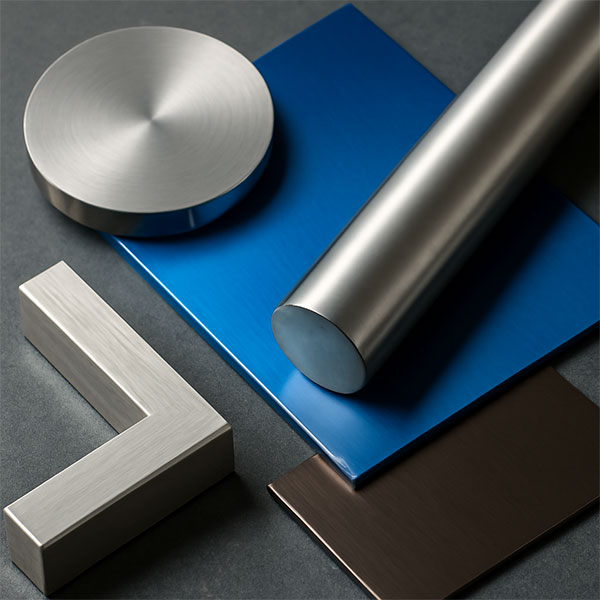
Production finishes include anodizing (Type II/III), chromate conversion (Alodine), bead-blast, polishing, electroless nickel / zinc-nickel plating, passivation, black oxide, and powder coat/paint. Heat treatment and laser marking are available on request.

Black Oxide Coating
Black Oxide Coating creates a smooth black surface that enhances appearance and provides mild corrosion resistance, widely used on steel parts for improved durability and a professional finish.
Color Anodized
Color Anodized treatment forms a durable oxide layer with vibrant colors, enhancing both corrosion resistance and decorative appeal for aluminum parts.
E-Coating
E-Coating provides a uniform, durable, and corrosion-resistant finish through an electro-deposition process, ideal for complex metal parts and automotive components.
Gold Plating
Gold Plating offers excellent conductivity, corrosion resistance, and a luxurious appearance, making it ideal for electronic components and decorative finishes.
Nitriding
Nitriding hardens the surface by diffusing nitrogen into the metal, enhancing wear resistance, fatigue strength, and corrosion protection without altering core properties.
Powder Coating
Powder Coating creates a tough, uniform, and decorative finish that resists scratches, corrosion, and fading, commonly used for metal parts and outdoor applications.
Sand Blasting
Sand Blasting cleans and textures the surface using high-speed abrasive particles, improving coating adhesion and giving parts a smooth, matte appearance.
Silver Plating
Silver Plating enhances electrical conductivity, corrosion resistance, and appearance, making it ideal for electrical connectors, contacts, and decorative metal parts.

CNC Swiss Machining Service FAQ

Swiss-style machining is a precision CNC machining method designed primarily for producing small, complex, and precision components. It is also commonly referred to as Swiss CNC machining or Swiss-type machining. The process is well suited to parts that require consistent dimensional control, multiple machining operations, and efficient production from prototypes through ongoing production runs.

Swiss machining gets its name from its historical association with Switzerland, where this machining approach was developed for manufacturing small, precise components for the watchmaking industry. Over time, the technology evolved into modern CNC Swiss machining, which is now used across a wide range of precision manufacturing applications.

Swiss CNC machining and Swiss screw machining are closely related terms and are often used interchangeably when referring to precision machining of small, high-volume components. The main distinction is in how the terms are commonly used: “Swiss CNC machining” emphasizes the machining process and equipment, while “Swiss screw machining” often emphasizes the production of precision turned parts, particularly for repeat production. Both can involve turning, drilling, milling, tapping, and threading operations depending on the machine and part requirements.

In most manufacturing contexts, “Swiss CNC machine” and “Swiss lathe” refer to the same general type of CNC equipment used for Swiss-style machining. “Swiss lathe” emphasizes the machine’s turning function, while “Swiss CNC machine” is a broader term that can include machines capable of turning as well as additional operations such as drilling, milling, tapping, and threading. The exact capabilities depend on the machine configuration.

When choosing a Swiss CNC machining supplier, consider the supplier’s experience with precision and complex components, tolerance control, inspection capabilities, engineering support, and ability to support your required production volume. It is also important to evaluate whether the supplier can review drawings and manufacturability requirements before production and provide consistent quality from initial prototypes or low-volume runs through ongoing production.

When requesting a Swiss CNC machining quote, provide a 2D drawing or 3D CAD model along with the material, required quantity, critical tolerances, surface finish requirements, and any special inspection or packaging requirements. If available, include information about the application and production schedule. Providing complete part and project details allows the machining team to evaluate manufacturability, identify potential issues early, and prepare a more accurate quote.

Looking for a Reliable Swiss CNC Machining Partner?

From precision shafts and connectors to complex small-diameter components, we provide machining support backed by experienced engineers, stable quality control, and flexible production quantities.

Request A Quote
Upload your drawing and get a quote within 24 hours.