

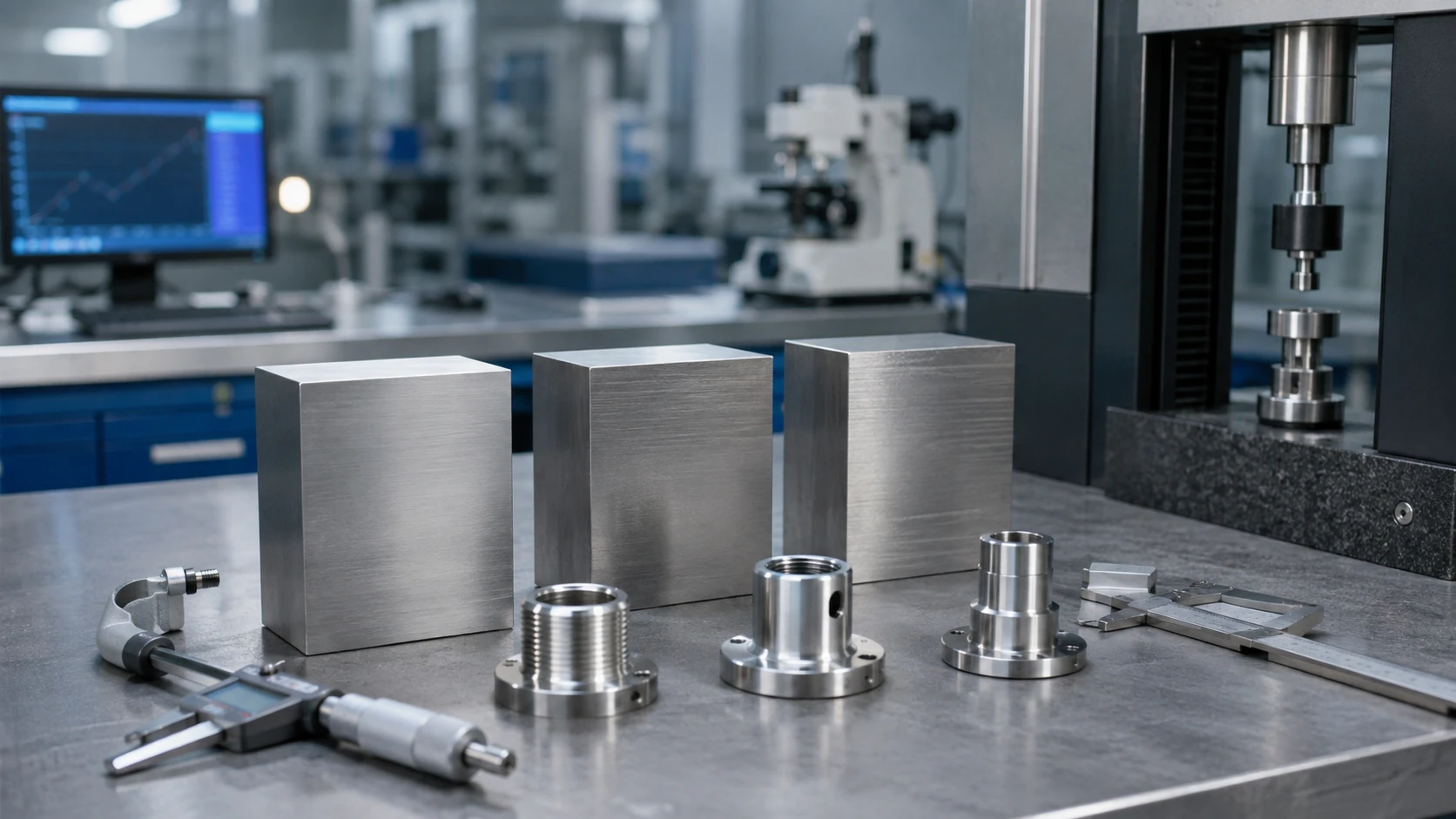
Stainless steel is a commonly used material in various industries such as CNC machining, medical devices, food processing, marine components, and general industrial use.
However, different types of stainless steel, like 18/10, 304, and 316, can be confusing because they are similar but are suited for different uses based on their performance characteristics.
The key differences are as follows:
18/10 stainless steel is a variation of 304 stainless steel, containing about 18% chromium and 10% nickel.
304 stainless steel is known for its good corrosion resistance and ease of machining, making it suitable for a wide range of general applications.
316 stainless steel includes molybdenum, which enhances its corrosion resistance, especially in harsh environments such as marine and chemical settings.
What Is 18/10 Stainless Steel?
18/10 stainless steel refers to the chromium and nickel content:
- 18% chromium
- 10% nickel
The composition is very close to 304 stainless steel, which is why 18/10 is often considered a commercial name rather than a separate stainless steel grade.
Typical Composition
| Element | 18/10 Stainless Steel |
|---|---|
| Chromium (Cr) | ~18% |
| Nickel (Ni) | ~10% |
| Carbon (C) | ≤0.08% |
| Molybdenum (Mo) | None |
What Is 304 Stainless Steel?
304 stainless steel is the most commonly used austenitic stainless steel grade.
It is sometimes called 18/8 stainless steel because it typically contains:
- 18% chromium
- 8% nickel
304 offers a strong balance between:
- Corrosion resistance
- Strength
- Cost
- Machinability
Advantages of 304 Stainless Steel
| Benefit | Description |
|---|---|
| Corrosion resistance | Excellent for normal environments |
| Machinability | Easier to CNC machine than 316 |
| Cost | Lower than 316 |
| Availability | Widely available globally |
What Is 316 Stainless Steel?
316 stainless steel is a higher-performance stainless steel grade developed for environments requiring better corrosion resistance.
The key difference is the addition of molybdenum:
- Chromium: 16–18%
- Nickel: 10–14%
- Molybdenum: 2–3%
Molybdenum significantly improves resistance against:
- Chlorides
- Saltwater
- Chemical exposure
- Pitting corrosion
Therefore, 316 is often called marine-grade stainless steel.
18/10 vs 304 vs 316 Stainless Steel: Key Differences
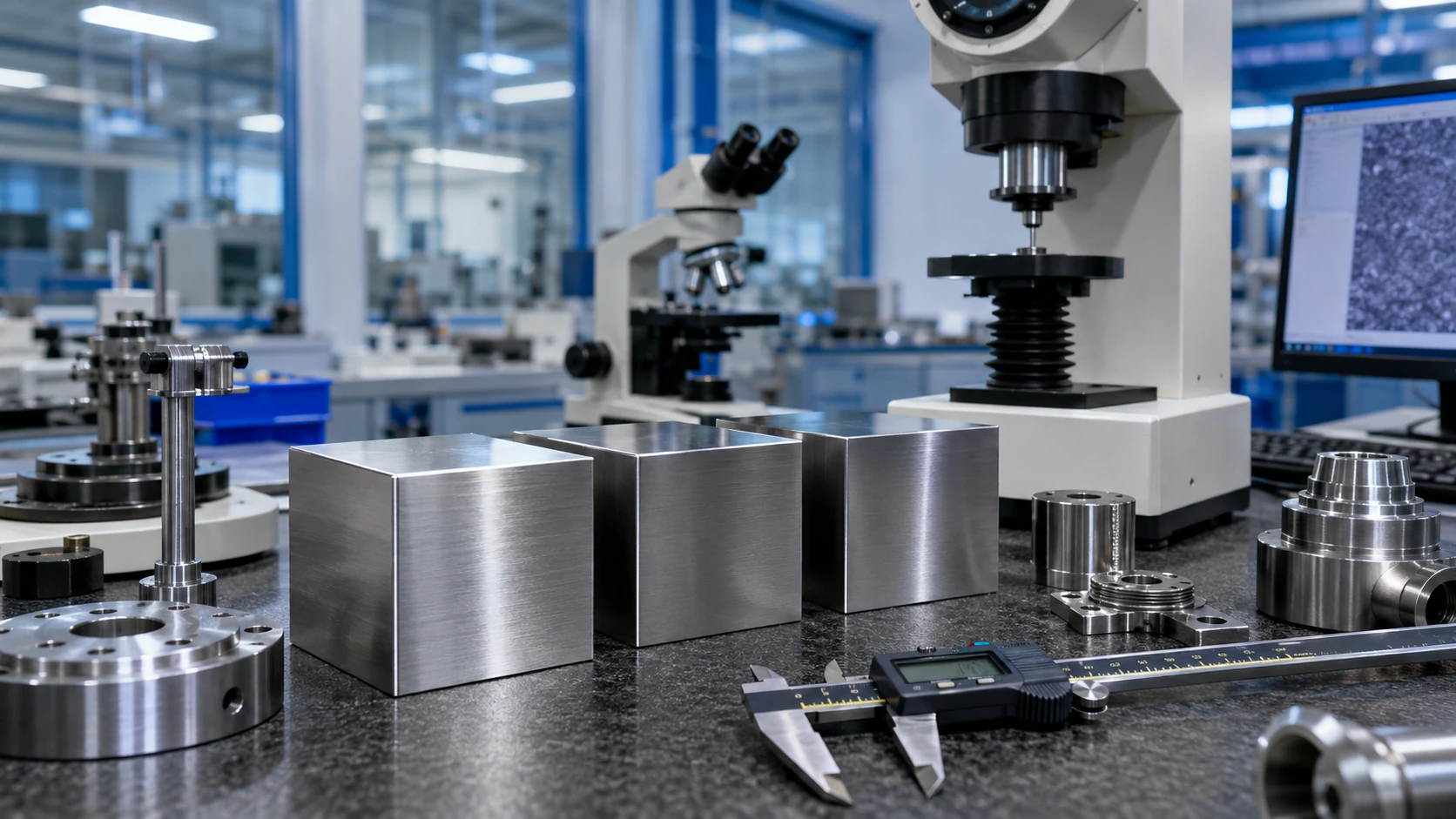
| Property | 18/10 Stainless Steel | 304 Stainless Steel | 316 Stainless Steel |
|---|---|---|---|
| Stainless Grade | Similar to 304 | Austenitic stainless steel | Austenitic stainless steel |
| Chromium | ~18% | 18–20% | 16–18% |
| Nickel | ~10% | 8–10.5% | 10–14% |
| Molybdenum | No | No | 2–3% |
| Corrosion Resistance | Good | Excellent | Superior |
| CNC Machining | Good | Better | More difficult |
| Cost | Medium | Lower | Higher |
| Marine Environment | Limited | Not recommended | Excellent |
Corrosion Resistance Comparison
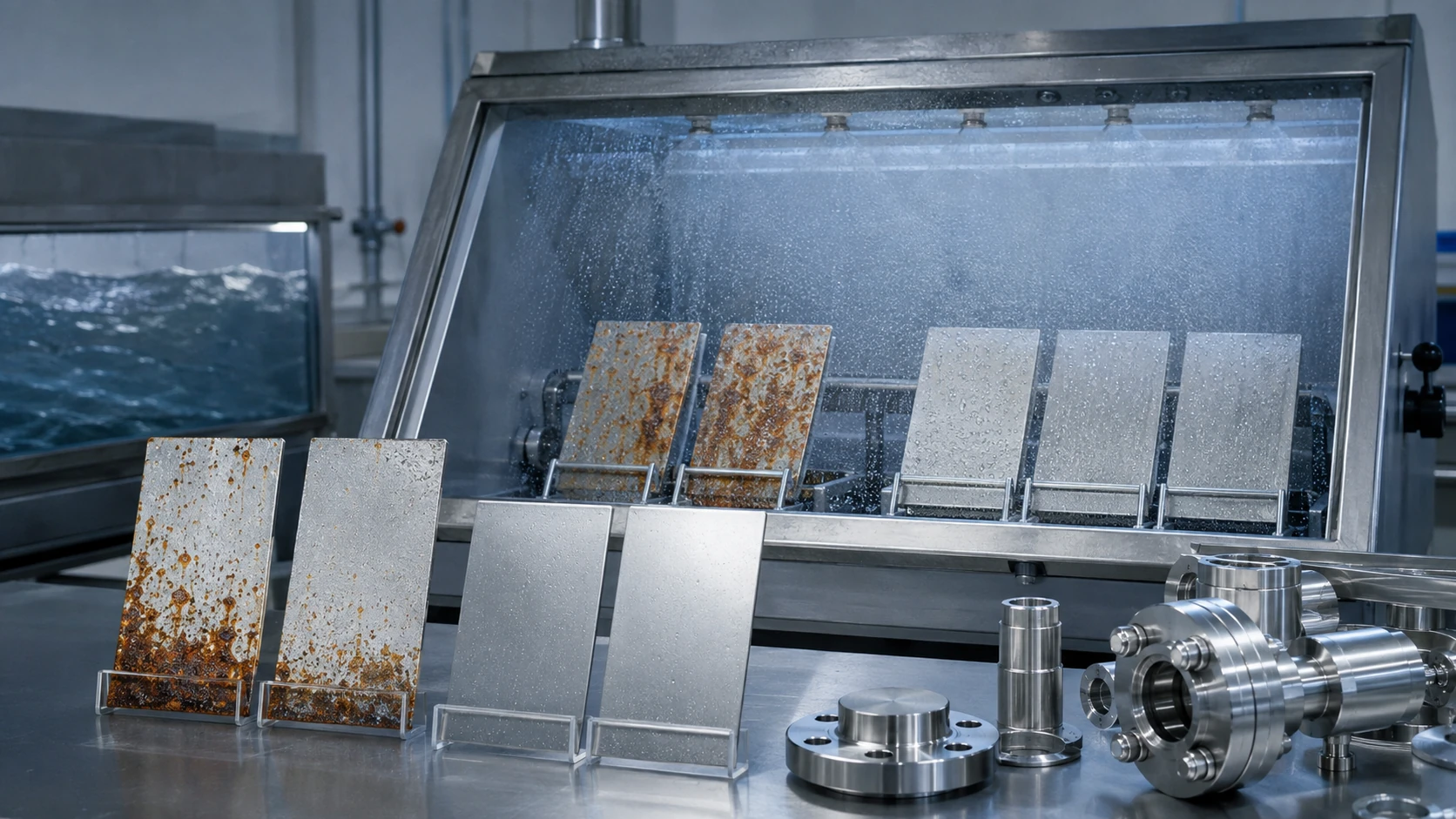
This is where 316 stainless steel has the biggest advantage.
304 Stainless Steel
304 performs well in:
- Indoor environments
- Freshwater applications
- General industrial use
However, prolonged exposure to:
- Saltwater
- Chlorides
- Chemical environments
can cause pitting corrosion.
316 Stainless Steel
316 contains molybdenum, which improves resistance to localized corrosion.
Recommended for:
- Marine equipment
- Chemical processing
- Medical devices
- Pharmaceutical equipment
- Coastal applications
CNC Machining Comparison: 304 vs 316 Stainless Steel
For CNC machining, 304 stainless steel is simpler to machine and more economical, whereas 316 stainless steel provides superior corrosion resistance but needs more cautious machining because it tends to work-harden more and causes greater tool wear.
| Machining Factor | 304 Stainless Steel | 316 Stainless Steel |
|---|---|---|
| Machinability | Easier to machine | More difficult to machine |
| Tool Wear | Lower | Higher |
| Cutting Speed | Faster | Slower |
| Machining Cost | Lower | Higher |
| Applications | General CNC parts, prototypes, low-volume production | Medical, marine, chemical, and harsh-environment parts |
18/10 vs 304 vs 316 Applications
18/10 Stainless Steel Applications
- Kitchen equipment
- Food containers
- Consumer products
304 Stainless Steel Applications
- CNC machined brackets
- Industrial components
- Automotive parts
- Automation equipment
- Food processing equipment
316 Stainless Steel Applications
- Marine components
- Medical equipment
- Chemical processing parts
- Pharmaceutical machinery
- Offshore applications
Cost Comparison
Generally:
316 Stainless Steel > 304 Stainless Steel ≈ 18/10 Stainless Steel
316 costs more because of:
- Higher nickel content
- Added molybdenum
- Better corrosion resistance
For applications without severe corrosion conditions, 304 is usually the more economical choice.
18/10 vs 304 vs 316 Stainless Steel: Which One Should You Choose?
The appropriate stainless steel grade depends on the specific application, working conditions, and production requirements.
Select 18/10 stainless steel if:
- You require a visually appealing surface and moderate corrosion resistance.
- The material is intended for use in food-related applications or consumer goods.
- Extreme levels of corrosion resistance are not necessary.
Select 304 stainless steel if:
- You need consistent performance during CNC machining and cost-effective manufacturing.
- The parts are used in general industrial, automated, or mechanical settings.
- A balance of corrosion resistance, strength, and ease of machining is important.
Select 316 stainless steel if:
- The components are exposed to saltwater, chemical environments, or challenging conditions.
- Higher levels of corrosion resistance and long-lasting durability are essential.
- The increased material cost is worth the enhanced performance.
CNC Machining Stainless Steel Parts at YUANYI
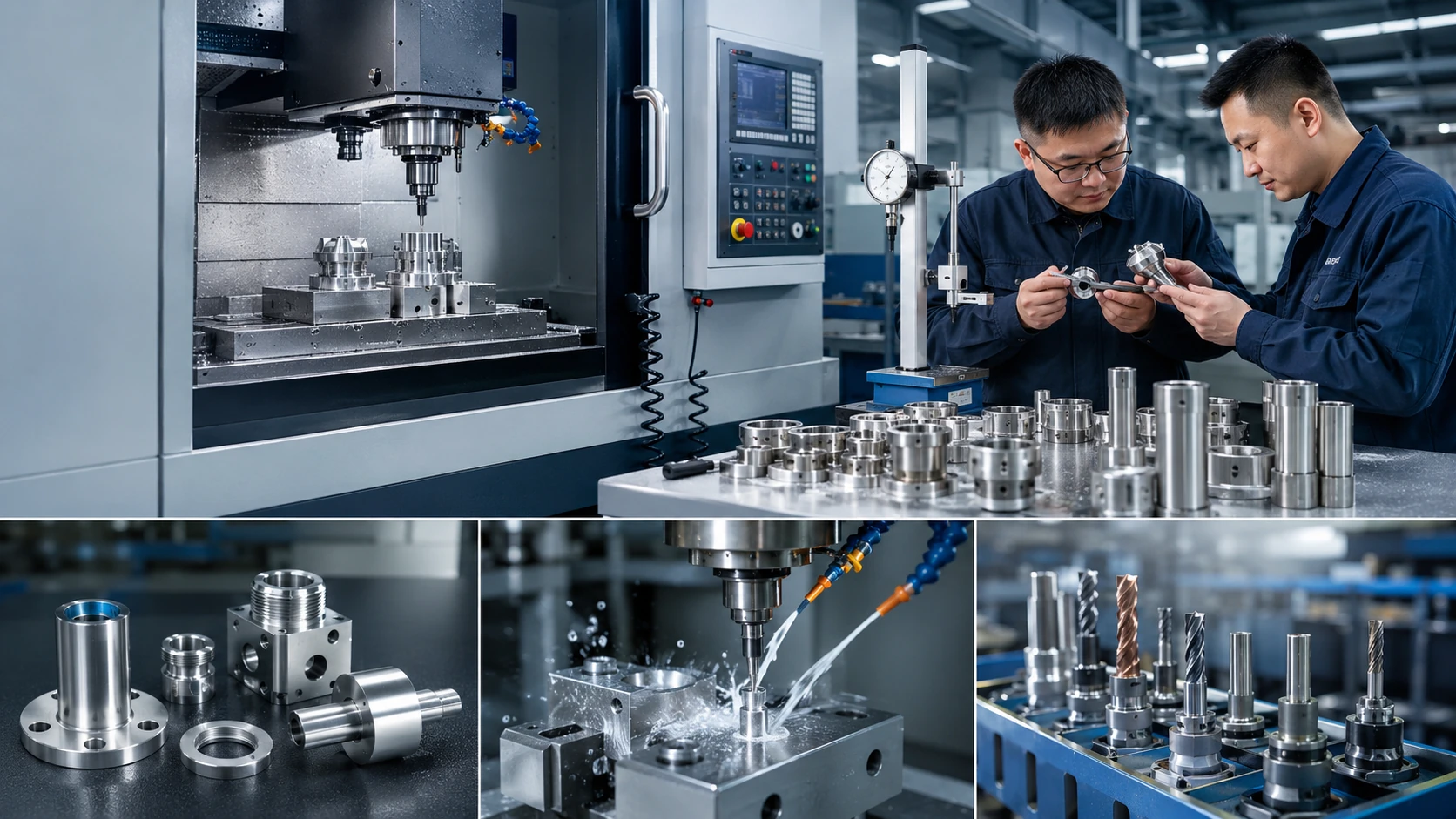
YUANYI Precision Manufacturing provides custom stainless steel CNC machining services for prototypes, low-volume production, and precision components. We work with materials including 304, 316, 316L, and 17-4 PH stainless steel, using advanced CNC milling, CNC turning, 5 axis cnc machining services, and strict quality inspection to deliver reliable parts for medical, aerospace, automation, and industrial applications.
YUANYI provides precision CNC machining services for 304, 316, and other stainless steel materials. Send your drawings today and get a fast quote from our engineering team.
Get a Free QuoteConclusion
In summary, 18/10, 304, and 316 stainless steel each have distinct benefits.18/10 stainless steel is ideal for general use where appearance and resistance to corrosion are important.304 stainless steel provides a good balance of ease of machining, performance, and cost.When dealing with tough environments that demand high corrosion resistance, 316 stainless steel is the preferred option.Knowing these differences helps engineers choose the appropriate material for durable and cost-effective CNC machined components.
Frequently Asked Questions
Yes. 18/10 stainless steel is generally a commercial description of stainless steel with approximately 18% chromium and 10% nickel, which is very close to 304 stainless steel.
No. 18/10 stainless steel is generally non-magnetic because it is an austenitic stainless steel similar to 304. However, some cold-working processes may cause slight magnetic properties.
316 is better for harsh environments because it contains molybdenum, which improves corrosion resistance. However, 304 is usually more cost-effective for general applications.
304 stainless steel is generally easier to machine than 316 because it produces less tool wear and requires less aggressive cutting control.
For marine, chemical, or medical applications, the additional corrosion resistance of 316 often justifies the higher cost.
Not necessarily. 316 stainless steel has better corrosion resistance than 304, but their mechanical strength is quite similar. The main advantage of 316 is improved resistance to saltwater, chemicals, and harsh environments.



