

Aluminum can typically be restored to its original luster and given a smooth or even mirror-like finish through a series of steps, including cleaning, grinding, polishing, and brightening. The specific aluminum polishing method used depends on the type of aluminum, the condition of the surface, and the desired final finish.
Whether you’re refurbishing old aluminum products or enhancing the appearance of CNC machined aluminum parts, the correct polishing process is crucial. This article will outline the complete steps for polishing aluminum, common polishing methods, and techniques for polishing different aluminum parts, helping you achieve the ideal mirror finish.
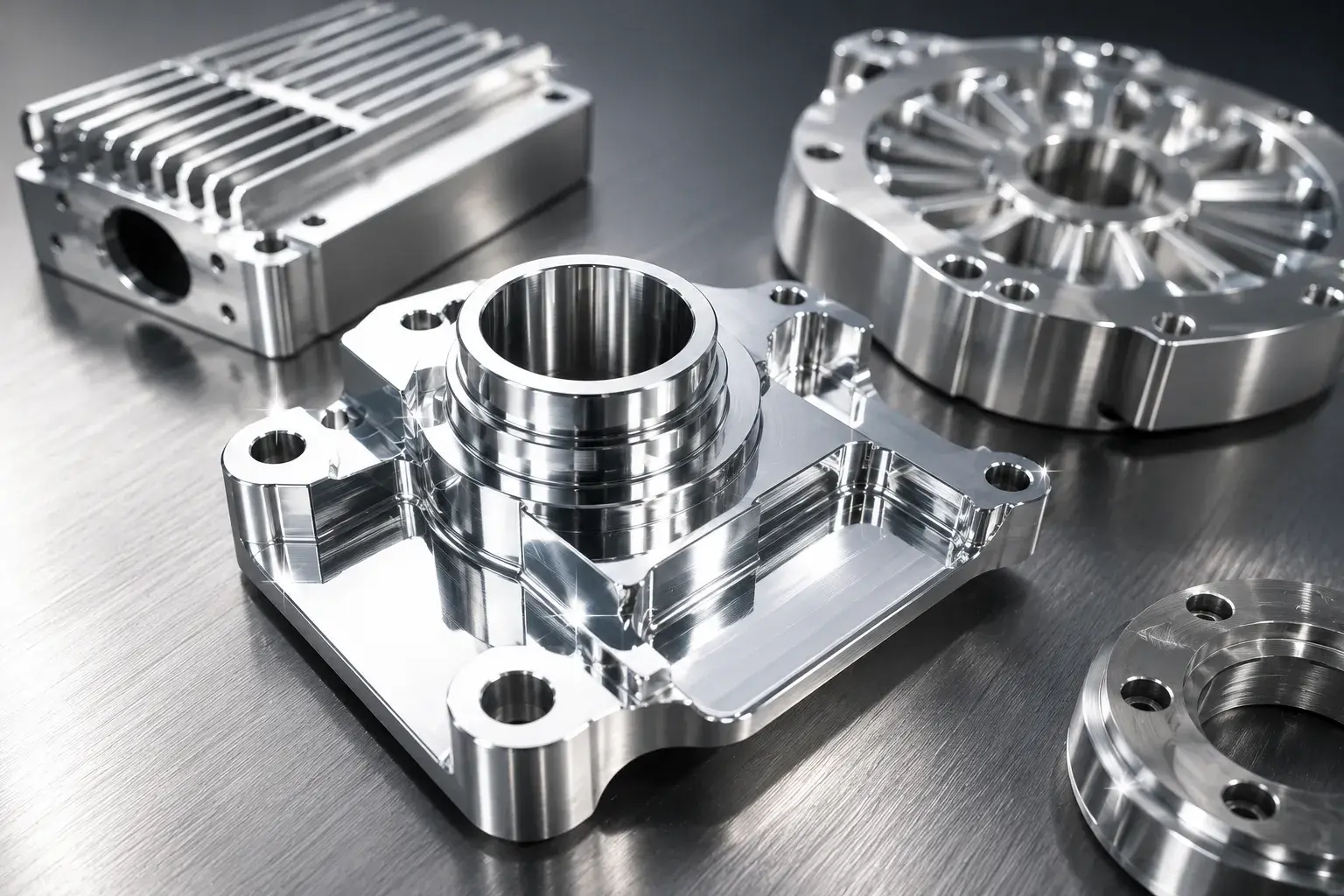
Why Polishing Aluminum Is Important
Aluminum offers advantages such as light weight, corrosion resistance, and ease of machining, making it widely used in industries such as automotive, aerospace, electronics, medical, and industrial equipment.
However, aluminum surfaces are prone to losing their luster due to oxidation, machining marks, scratches, or prolonged use, which can affect the product’s appearance and quality.
Proper aluminum polishing not only restores the metal’s luster but also removes minor scratches and surface defects, making parts smoother and more aesthetically pleasing.
For CNC machined aluminum parts, polishing also enhances the product’s texture and provides a better foundation for subsequent surface treatments such as anodizing, electroplating, or powder coating.
Furthermore, a high-quality aluminum polishing process reduces the adhesion of surface contaminants, making parts easier to clean and maintain while extending their service life.
For products requiring a premium appearance or a mirror-finish aluminum effect, polishing is an indispensable step in the manufacturing process.
Tools and Materials You'll Need
Before beginning aluminum polishing, preparing the appropriate tools and materials can improve polishing efficiency and achieve a better surface finish. The tools required may vary depending on the size of the aluminum part, its surface condition, and the desired finish, but the following are some of the most commonly used ones.
| Tool / Material | Purpose |
|---|---|
| Cleaner or Degreaser | Remove oil, dust, and surface contaminants before aluminum polishing. |
| Sandpaper 240–3000 Grit | Remove oxidation, scratches, and gradually refine the aluminum surface. |
| Polishing Compound | Improve surface brightness and help achieve a smoother polished finish. |
| Buffing Wheel or Polishing Cloth | Used with polishing compound to create a glossy or mirror finish aluminum surface. |
| Electric Polisher | Improve polishing efficiency, especially for larger aluminum parts. |
| Microfiber Cloth | Wipe off polishing residue and clean the final surface. |
| Safety Gear | Protect eyes, hands, and lungs during sanding and polishing. |
For typical DIY projects, hand tools are usually sufficient; however, for larger parts or those requiring a mirror finish, using power-driven polishing equipment can achieve a more uniform and efficient polishing result.
How to Polish Aluminum Step by Step
Achieving a high-quality mirror finish aluminum surface is not simply about applying a polishing compound. The final result depends on careful surface preparation, progressive sanding, proper polishing techniques, and post-treatment protection. Follow the steps below to achieve the best results.
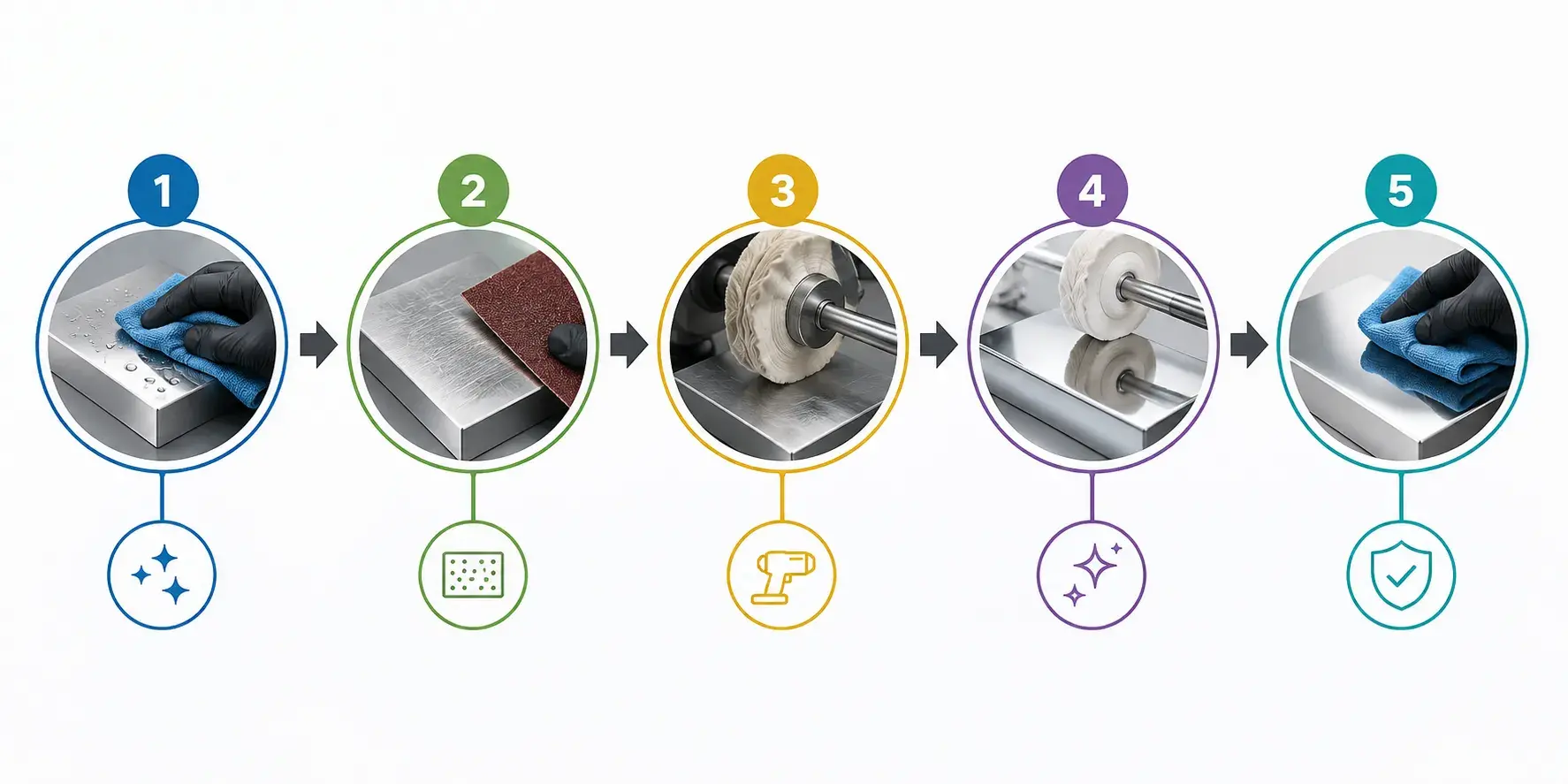
Step 1 – Clean the Aluminum Surface
Before polishing, thoroughly clean the surface of the aluminum part to remove oil, dust, cutting fluid, and other contaminants. If particles remain on the surface, they can easily cause new scratches during the subsequent polishing process, affecting the final aluminum polishing result.
We recommend following these cleaning steps:
- Use a neutral detergent or degreaser to remove oil and dust.
- For minor oxidation, wipe the surface with isopropyl alcohol (IPA) or a specialized metal cleaner.
- Rinse with clean water (if applicable), then dry thoroughly with a microfiber cloth.
- Inspect the surface under ample lighting to check for visible scratches, oxidation layers, or machining marks.
Pro Tip: For CNC machined aluminum parts, ensure that all cutting fluid is completely removed; otherwise, residual oil may affect the subsequent grinding and polishing results.
Step 2 – Sand the Aluminum Surface
Sanding determines the quality of the final polish. Its primary purpose is to remove the oxide layer, scratches, and machining marks, and to gradually reduce surface roughness in preparation for subsequent mirror polishing.
It is recommended to sand progressively from coarse to fine grit, rather than using high-grit sandpaper directly.
Recommended Sandpaper Grit
| Surface Condition | Recommended Grit |
|---|---|
| Heavy oxidation | 240–400 |
| Visible machining marks | 400–600 |
| Light scratches | 800–1000 |
| Fine surface preparation | 1200–1500 |
| Mirror finish preparation | 2000–3000 |
After finishing with one grit of sandpaper, switch to the next finer grit and rotate the sanding direction by about 90°. This makes it easier to determine whether the sanding marks from the previous step have been completely removed.
Pro Tip: Don’t skip multiple grit levels, or it will be difficult to completely remove deeper sanding marks during the subsequent polishing process.
Step 3 – Polish the Aluminum
Once the surface is uniform and smooth, you can begin the actual polishing process. Apply an appropriate amount of polishing compound to a cotton wheel or polishing cloth, and polish by moving slowly at a steady speed, avoiding prolonged contact with any single area.
If using a power polisher, maintain a steady speed and apply moderate pressure. Excessive pressure can cause localized overheating, resulting in darkening of the surface or uneven polishing.
For industrial parts with high-precision requirements, a two-stage process—coarse polishing followed by fine polishing—is typically used to further enhance surface gloss and consistency.
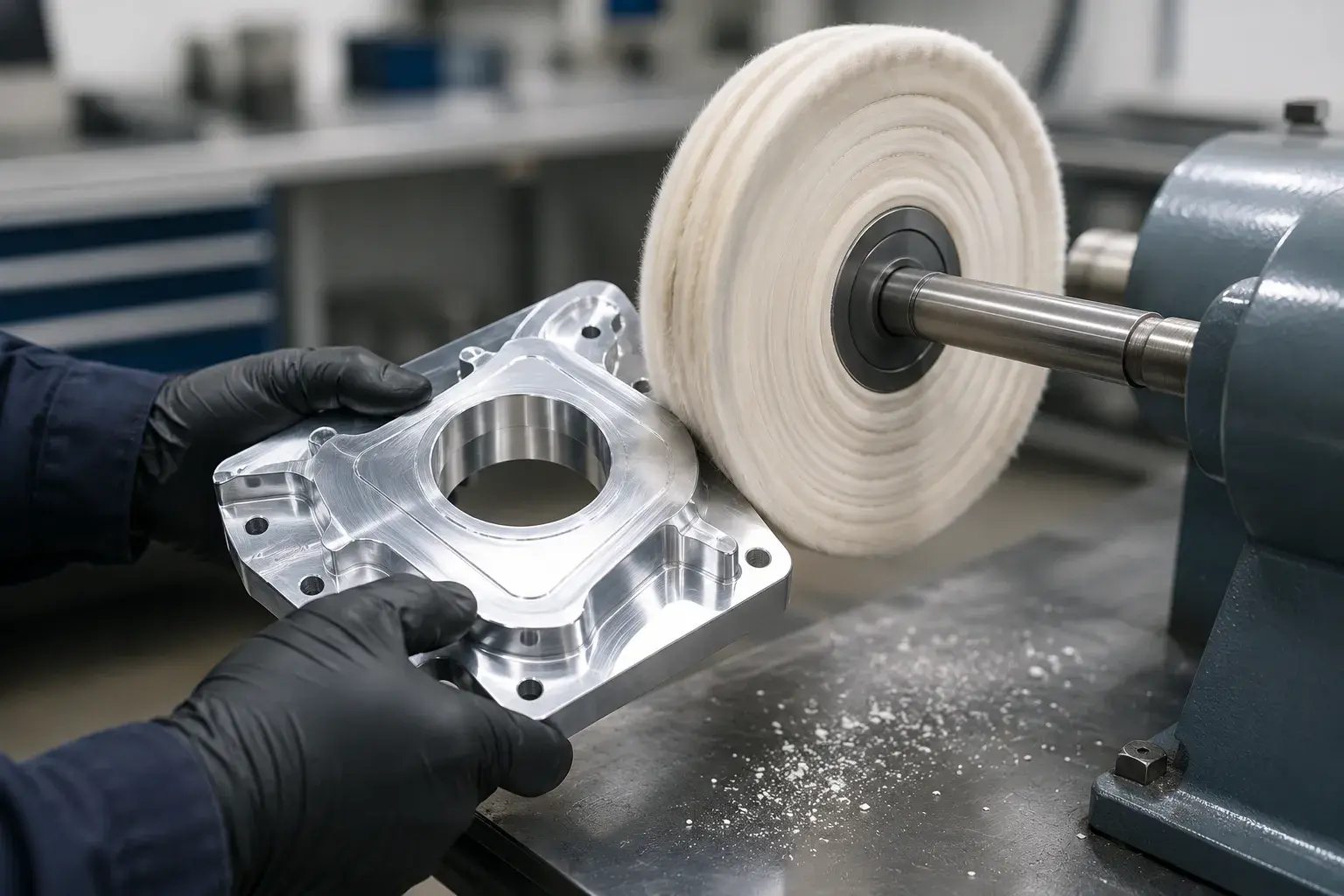
Step 4 – Buff to a Mirror Finish
After polishing is complete, continue buffing with a clean polishing wheel to further enhance the reflectivity and gradually bring the aluminum part to a mirror finish.
The mirror finish is not determined by the polishing compound, but rather by the quality of the preceding grinding process. If sanding marks are not completely removed, a truly uniform mirror finish cannot be achieved, even with repeated buffing.
For high-end CNC machined aluminum parts, multiple rounds of fine polishing and a final buffing process are typically required to achieve a more stable and consistent appearance.
Step 5 – Protect the Polished Surface
Aluminum parts that have just been polished will quickly come into contact with the air again and form a new oxide layer. Therefore, it is recommended to apply a protective coating based on the operating environment to prolong the surface’s luster.
Common protection methods include:
| Protection Method | Typical Protection | Best For |
|---|---|---|
| Protective Wax | Short-Term Protection | Indoor Applications |
| Polymer Sealant | Medium-Term Protection | Frequently Used Parts |
| Clear Coating | Long-Term Protection | Outdoor or High-Humidity Environments |
| Anodizing | Long-Term Corrosion Resistance | Industrial and Precision Components |
Pro Tip: If you plan to anodize the part later, it is recommended that you do not apply protective wax or sealant beforehand, as this may affect the anodizing results.
Different Aluminum Polishing Methods
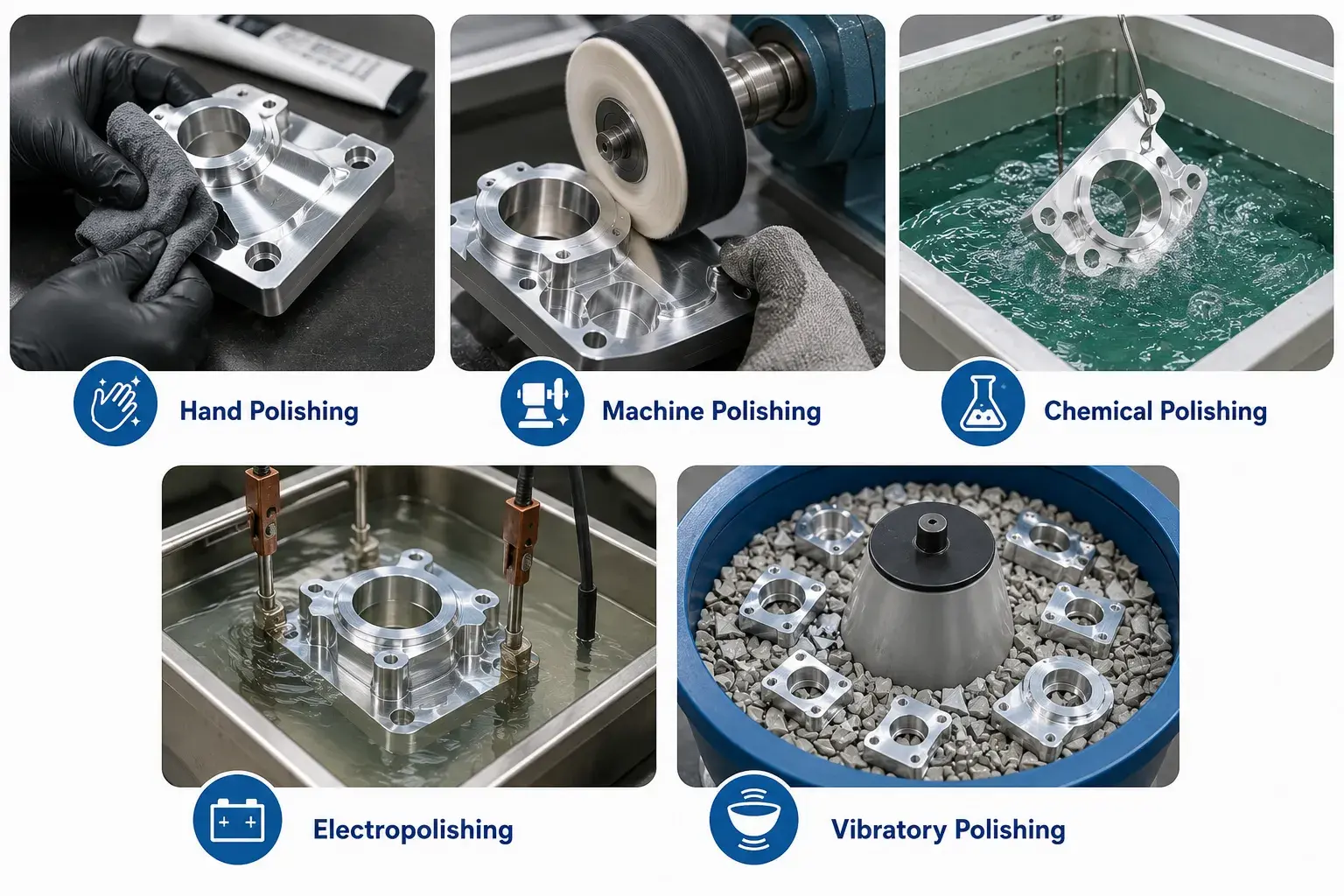
Different aluminum polishing methods are suitable for different part sizes, materials, and surface quality requirements. Choosing the right process not only improves polishing efficiency but also yields more consistent surface results. Below are several common polishing methods and their applicable scenarios.
Hand Polishing
Hand polishing is the simplest and most cost-effective method, typically performed using sandpaper, polishing compound, and microfiber cloth. It is suitable for small parts, spot repairs, or home DIY projects, but it is relatively inefficient and struggles to maintain consistent surface quality on large or complex parts.
Machine Polishing
Machine polishing uses electric polishers with cotton or wool wheels to significantly improve efficiency and achieve a more uniform luster. This method is widely used for automotive parts, consumer electronics, and CNC machined aluminum parts, and is one of the most common aluminum polishing processes in industrial production.
Chemical Polishing
Chemical polishing uses a chemical solution to dissolve microscopic protrusions on the surface of aluminum parts, resulting in a smoother surface. Since it requires no mechanical contact, it is particularly suitable for parts with complex shapes that are difficult to process with polishing wheels. However, this process requires strict control of the chemical formulation and processing time and is typically used in professional production environments.
Electropolishing
Electropolishing uses electrochemical reactions in an electrolyte solution to further reduce surface roughness, resulting in a smoother, cleaner surface and improved corrosion resistance. This process is commonly used for medical devices, precision instruments, and industrial parts that require high surface cleanliness.
Vibratory Polishing
Vibratory polishing utilizes abrasive media to continuously rub against the surface of parts within a vibrating machine. It can process large quantities of small parts at once and is characterized by high consistency and efficiency. It is commonly used for hardware components, fasteners, and small aluminum parts produced in batches.
Comparison of Aluminum Polishing Methods
| Method | Finish Quality | Efficiency | Best For |
|---|---|---|---|
| Hand Polishing | Good | Low | DIY, Small Parts |
| Machine Polishing | Excellent | High | CNC Parts, Large Surfaces |
| Chemical Polishing | Very Good | Medium | Complex Shapes |
| Electropolishing | Excellent | Medium | Medical & Precision Parts |
| Vibratory Polishing | Good | Very High | High-Volume Small Parts |
How to Polish Different Types of Aluminum
Not all aluminum materials are suitable for the same polishing method. Different aluminum alloys, machining processes, and surface conditions can all affect the final polishing result. Understanding the characteristics of different types of aluminum helps in selecting the appropriate polishing process and achieving optimal surface quality.
CNC Machined Aluminum:CNC-machined aluminum typically retains tool marks, so it is recommended to first sand the surface in stages using sandpaper, followed by mechanical polishing to achieve a uniform luster. For parts with higher requirements, a fine-polishing process can also be incorporated to achieve a surface finish approaching a mirror finish.
Common materials include 6061, 7075, and 5052 aluminum, among which 6061 offers the best polishing performance and is one of the most commonly used materials for high-gloss components.
Cast Aluminum:Cast aluminum parts typically exhibit porosity, shrinkage cavities, and a relatively coarse surface texture, so they require more sanding steps than standard machined parts. For parts with numerous surface defects, it is difficult to achieve a true mirror finish even after polishing.
If a high-gloss finish is desired, it is recommended to add a machining process after casting, followed by polishing.
Anodized Aluminum:It is generally not recommended to polish anodized aluminum parts directly.
Since the anodized layer itself acts as a protective coating, polishing will remove it, causing the surface to lose its corrosion resistance. If repolishing is necessary, the anodized layer must typically be removed first, followed by re-grinding and polishing, and then re-anodizing as needed.
Aluminum Wheels:Automotive wheels are constantly exposed to dirt, moisture, and brake dust, making their surfaces prone to oxidation and fine scratches. Before polishing, thoroughly clean the wheels, then select the appropriate sandpaper based on the degree of oxidation, and finally use a specialized aluminum polishing compound to restore the luster.
After polishing, it is recommended to apply a protective wax or sealant to slow down re-oxidation and maintain the shine.
Aluminum Sheet:For aluminum sheets, decorative panels, and architectural panels, the focus of polishing is maintaining consistency across the entire surface. It is recommended to use mechanical polishing equipment while maintaining a uniform speed and pressure to avoid localized over-polishing, which could affect the overall appearance.
For large-area aluminum sheets, industrial production typically employs automated polishing equipment to improve efficiency and ensure surface consistency.
How to Maintain a Polished Aluminum Finish
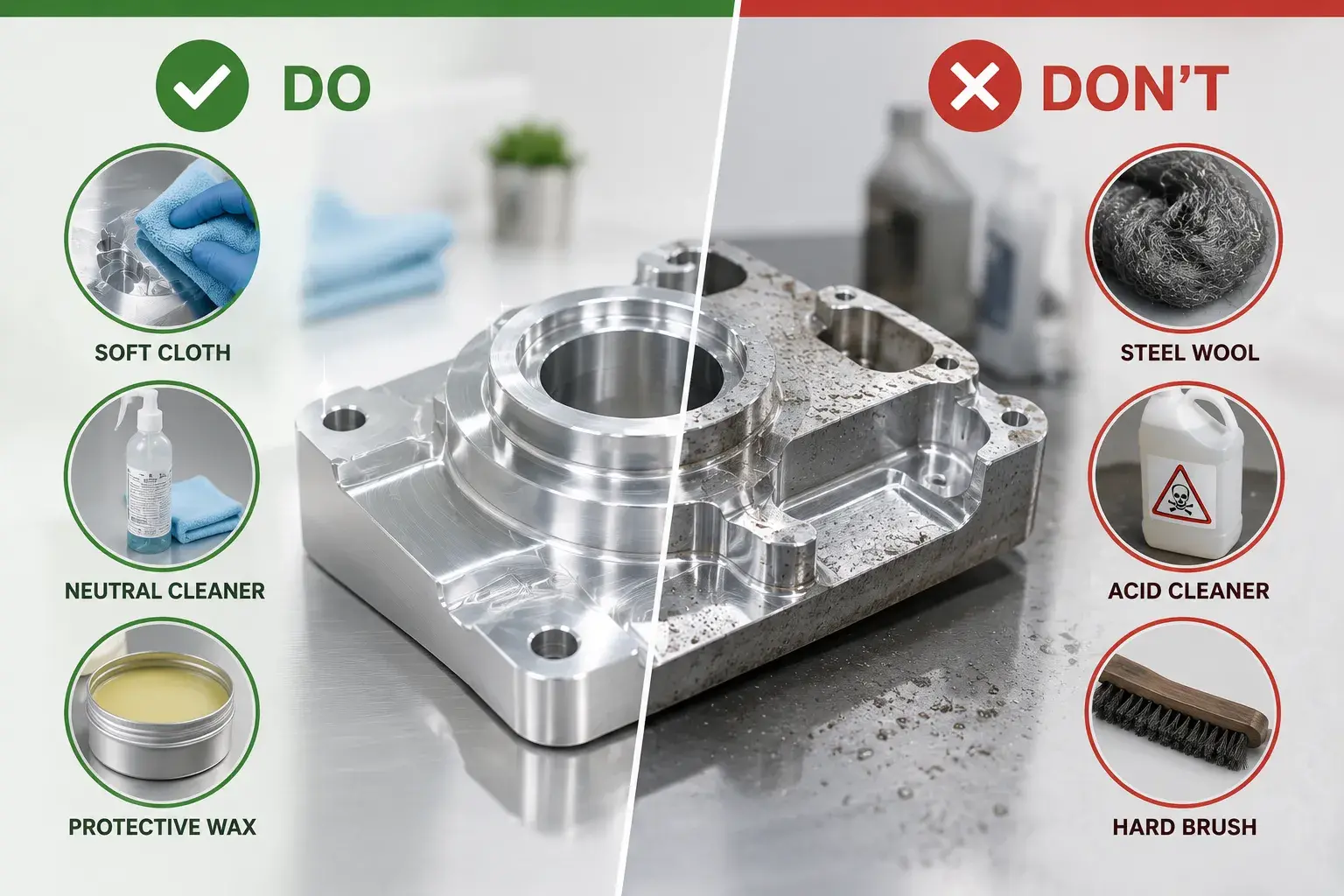
Once aluminum polishing is complete, proper maintenance can effectively prolong the surface’s luster and slow down the oxidation process. The following simple maintenance methods can help aluminum parts retain their attractive appearance over the long term.
- Clean the Surface Regularly
Use a microfiber cloth with a neutral cleaner to promptly remove dust, fingerprints, and grease, keeping the surface clean. - Apply a Protective Layer
Select a protective wax, sealant, or clear protective coating based on the usage environment to reduce exposure to air and moisture and delay oxidation. - Avoid Harsh Cleaning Agents
Do not use steel wool, stiff-bristled brushes, or strong acidic or alkaline cleaners, as these can scratch or corrode the aluminum surface. - Keep the Surface Dry
Wipe the surface dry immediately after cleaning to avoid prolonged exposure to moisture and reduce the risk of oxidation. - Store Aluminum Parts Properly
For long-term storage, it is recommended to keep them in a dry, well-ventilated environment, away from salt spray, chemicals, and high humidity. - Perform Light Polishing When Necessary
When the surface begins to lose its luster or develops minor scratches, use a fine polishing compound for simple maintenance; there is no need to perform a complete re-polishing.
Common Mistakes to Avoid
Even when using the correct tools, improper technique can still affect the final result of aluminum polishing. Below are some of the most common mistakes made during the polishing process, along with their corresponding solutions.
| Common Mistake | Why It Matters | Best Practice |
|---|---|---|
| Skipping Surface Cleaning | Dirt and debris can create new scratches during sanding. | Always clean and dry the aluminum before polishing. |
| Skipping Sandpaper Grits | Deep sanding marks may remain visible after polishing. | Progress gradually from coarse to fine grits. |
| Using Too Much Pressure | Excessive pressure can generate heat and cause an uneven finish. | Use light, even pressure throughout the process. |
| Using the Wrong Polishing Compound | Different compounds are designed for different polishing stages. | Select a compound that matches the desired finish. |
| Ignoring Surface Protection | Freshly polished aluminum can quickly oxidize. | Apply wax, sealant, or another protective coating after polishing. |
| Polishing Anodized Aluminum Directly | It removes the anodized layer and reduces corrosion resistance. | Remove the anodized coating first if re-polishing is required. |
Quick Tips:
- Don’t skip grit sizes just to save time; each grit is designed to remove the scratches left by the previous one.
- When polishing, move the tool in a steady, even motion; don’t linger in one spot for too long.
- Once polishing is complete, apply a protective coating as soon as possible to prevent the aluminum from re-oxidizing.
- If your goal is a mirror-finish aluminum surface, the quality of the sanding is often more important than the amount of time spent polishing.
How YUANYI Achieves a Mirror Finish on CNC Aluminum Parts
For standard aluminum products, manual polishing is usually sufficient to meet basic requirements. However, for high-precision CNC-machined aluminum parts, manual polishing alone cannot guarantee consistency and dimensional accuracy, so more specialized machining and surface treatment processes are required.
At YUANYI, we develop appropriate polishing solutions based on the part’s structure, material type, and surface requirements to ensure both aesthetic quality and dimensional accuracy.
Our CNC aluminum polishing process typically includes:
- Selecting appropriate machining parameters based on the part’s material to minimize tool marks and reduce the amount of subsequent grinding required.
- Removing burrs and sharp edges to prepare the part for polishing.
- Using multiple grades of sandpaper for gradual sanding to uniformly remove machining marks and fine scratches.
- Performing mechanical polishing according to customer requirements to achieve a high-gloss or mirror-finish aluminum effect.
- Using inspection equipment such as a coordinate measuring machine (CMM) and roughness meters to ensure that dimensions and surface quality meet specifications.
- Depending on project requirements, follow-up surface treatments such as anodizing, sandblasting, and electroplating can be performed.
Need Precision Polished Aluminum Parts?
YUANYI delivers precision CNC machined aluminum parts with high-quality surface finishes, including brushed, polished, and mirror finish aluminum. Upload your CAD files today for a fast quote.
FAQs About Polishing Aluminum
No. Aluminum itself does not rust like steel, but a natural oxide layer will reform on the polished surface. If you need to maintain the shine over the long term, we recommend applying a protective wax, sealant, or undergoing surface treatments such as anodizing.
Yes, but the amount of material removed is usually minimal. For standard products, the impact is negligible; however, for precision CNC parts with tight tolerances, an appropriate polishing allowance should be factored into the machining process.
A mirror finish depends not only on the polishing process but is also influenced by the type of aluminum alloy, casting quality, machining marks, and surface defects. Aluminum parts with numerous pores or inclusions are unlikely to achieve a true mirror finish, even with repeated polishing.
Yes, but sandblasting will remove the high-gloss finish achieved by polishing, resulting in a uniform matte or frosted texture. Therefore, one process is generally selected based on the final appearance requirements, rather than using both simultaneously.
Not necessarily. If a part needs to retain its machined texture, a non-slip surface, or high dimensional consistency, not all areas require polishing. During actual machining, polishing is typically performed only on designated areas according to drawing specifications.
Minimizing deep scratches and visible tool marks, optimizing CNC machined surface quality, avoiding complex geometries, and selecting appropriate surface roughness requirements can all reduce the time required for subsequent polishing, thereby lowering overall processing costs.
Standard polishing is primarily used to improve surface quality and remove minor defects, whereas mirror polishing requires finer grinding and multiple polishing passes to achieve a higher gloss and better reflectivity; consequently, it involves longer processing times and higher costs.
When parts have high requirements for appearance consistency, surface roughness, dimensional accuracy, or batch consistency, professional polishing services typically offer more consistent results than manual polishing and are better suited for precision CNC-machined parts and industrial products.



