
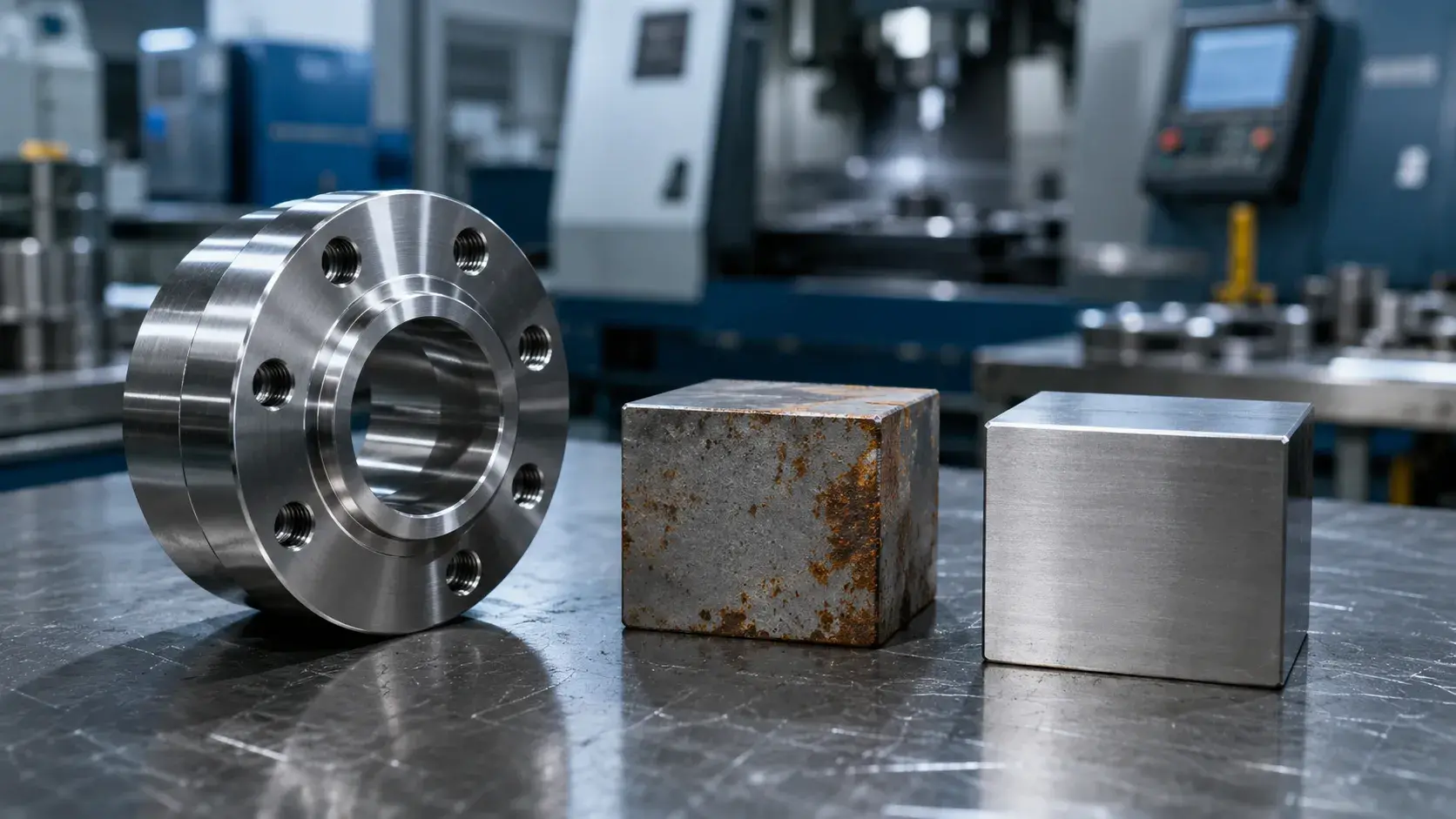
yes, stainless steel can rust, but it is much more resistant to corrosion than ordinary steel.
Many people think stainless steel means “steel that never rusts.” In reality, stainless steel is not completely rust-proof. Its ability to resist rust comes from a thin protective layer formed by chromium on the surface.
When this protective layer is damaged or exposed to harsh environments, stainless steel corrosion can still happen.
Understanding does stainless steel rust is important when choosing materials for industrial equipment, outdoor applications, and precision manufactured parts.
Does Stainless Steel Rust?
So, can stainless steel rust? Yes, stainless steel can rust under certain conditions, but it is much more resistant to corrosion than regular steel.
The difference is that stainless steel does not rust as easily as carbon steel. Traditional steel contains iron that reacts with oxygen and moisture to create rust. Stainless steel, on the other hand, contains chromium, which creates a protective surface layer that slows down corrosion.
This layer is called a passive chromium oxide layer.
Think of it like a very thin invisible shield:
- Oxygen reaches the stainless steel surface
- Chromium reacts with oxygen
- A protective chromium oxide layer forms
- The layer blocks further corrosion
As long as this protective layer remains intact, stainless steel can maintain excellent corrosion resistance for many years.
But if the environment is too aggressive, or the surface becomes damaged, rust may eventually appear.
Why Is Stainless Steel Resistant to Rust?
The reason stainless steel does not rust is due to the presence of chromium.
Most types of stainless steel include at least about 10.5% chromium.When this element comes into contact with oxygen, it forms a very thin layer of chromium oxide on the surface of the metal.
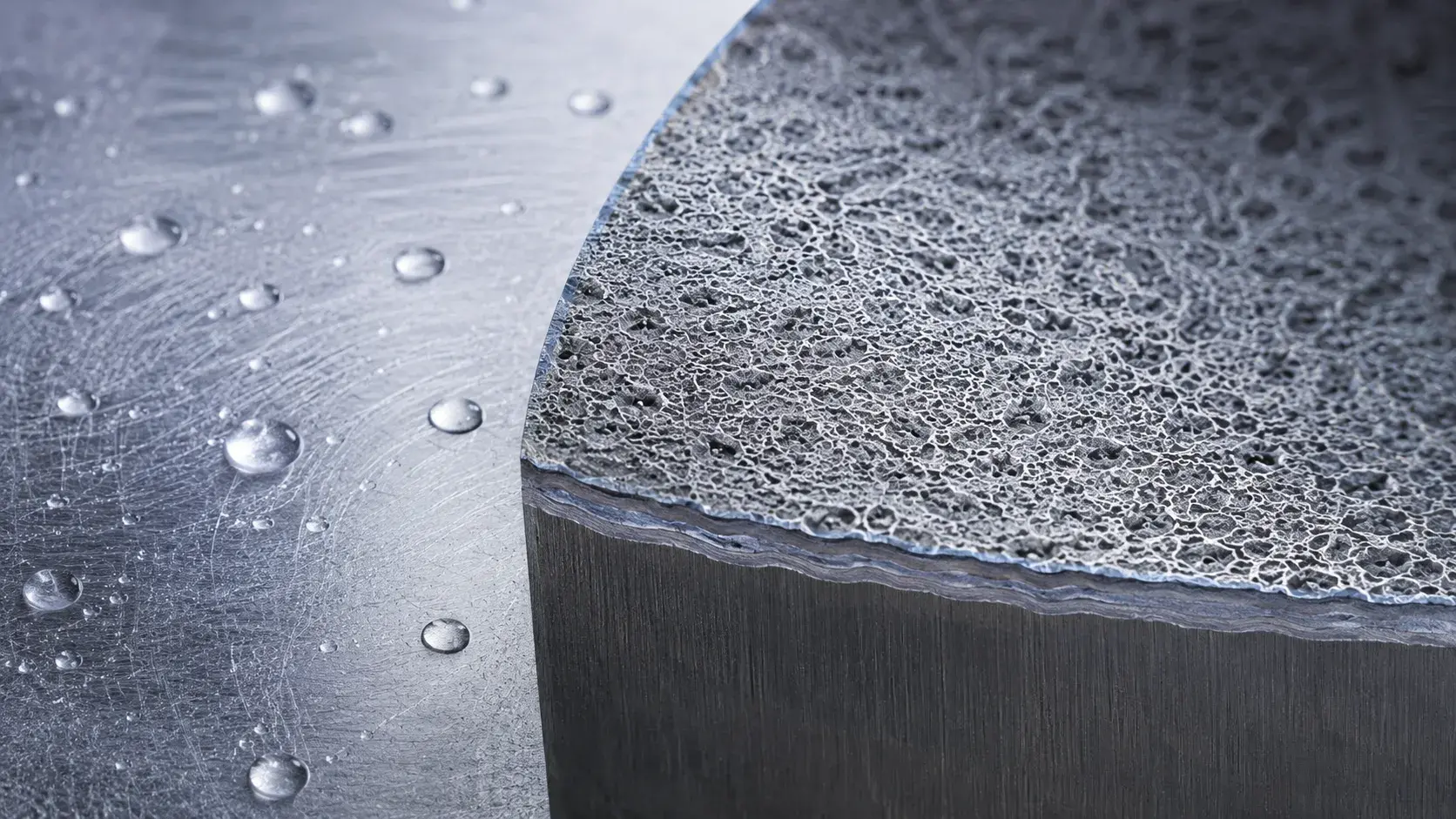
This oxide layer is different from the rust that forms on regular steel because it has the following characteristics:
- It is very thin
- It is stable
- It is transparent
- It can repair itself if damaged
This ability to repair itself is what sets stainless steel apart from regular steel.
For example:
If there is a scratch on carbon steel, the exposed iron continues to corrode.
However, if there is a scratch on stainless steel, the chromium in the material reacts with oxygen again to form the protective oxide layer.
This is the reason stainless steel is commonly used in places where durability and resistance to corrosion are important.
How Does Stainless Steel Prevent Corrosion?
The ability of stainless steel to resist corrosion is due to a process known as passivation.
When stainless steel is exposed to oxygen, the chromium in it reacts with the oxygen to form a protective layer of chromium oxide.
This layer helps to prevent:
- Oxygen from coming into contact with the underlying metal
- Moisture from speeding up the corrosion process
- Chemical reactions from harming the surface
However, this protective layer has its limits.
The passive layer can weaken if the stainless steel is exposed to:
- Salt water
- Strong acids
- Industrial chemicals
- Surface contaminants
- High temperatures
That is why it is important to select the appropriate grade of stainless steel.
A material that performs well in indoor conditions may not function the same way in environments like marine or chemical settings.
Why Does Stainless Steel Rust?
Many people are surprised when they see rust on stainless steel. After all, if it is called “stainless,” why can it rust?
The reason is simple: stainless steel is rust-resistant, not rust-proof.
Under normal conditions, the chromium oxide layer protects the surface. But when this protective layer is damaged or the environment becomes too aggressive, stainless steel corrosion can occur.
Here are the most common reasons why stainless steel may rust:
1.Exposure to Salt and Chlorides
Salt is one of the main threats to stainless steel.
Chloride ions, which are present in seawater, coastal air, and de-icing salts, can break down the protective layer of chromium oxide that forms on the surface of stainless steel.
When this layer is damaged, corrosion can start to affect the exposed area.
This is why stainless steel parts used in:
- Marine equipment
- Coastal structures
- Chemical processing systems
- Outdoor applications
often need to be carefully chosen based on their performance in these environments.
For example, 316 stainless steel generally offers better corrosion resistance than 304 stainless steel in saltwater, because 316 contains molybdenum, which enhances its ability to resist chloride-induced corrosion.
2.Surface Contamination During Manufacturing
Sometimes stainless steel doesn’t rust due to the material itself, but because of contamination that occurs during production.
During manufacturing, small particles from carbon steel tools, grinding wheels, or other metals can become stuck on the surface of stainless steel.
These iron particles may corrode and create the impression that the stainless steel is rusting on its own.
This is particularly important for precision parts where keeping the surface clean is essential.
Appropriate cleaning, passivation, and handling procedures can help avoid this kind of corrosion.
3.Damage to the Protective Layer
The chromium oxide layer is very thin.Even though it can repair itself, repeated damage can reduce its ability to protect the steel.
Common causes of this damage include:
- Deep scratches
- Aggressive mechanical treatment
- Chemical exposure
- Incorrect cleaning methods
In industrial settings, the way a surface is finished and processed after manufacturing can greatly affect how well the steel resists corrosion over time.
4.Choosing the Wrong Stainless Steel Grade
Not all stainless steels behave the same way.
A frequent mistake is assuming that any grade of stainless steel can work in any environment.
For example:
- 304 stainless steel is suitable for most general use situations
- 316 stainless steel performs better in marine and chemical environments
- Specialized grades may be needed for extreme conditions
Selecting the right stainless steel grade is often more important than just choosing any stainless steel.
Does Stainless Steel Corrode in Salt Water?
Yes, stainless steel can corrode in salt water, especially if the wrong grade is selected.
Salt water contains chloride ions that can attack the passive chromium oxide layer. Over time, this may lead to localized corrosion, including pitting corrosion.
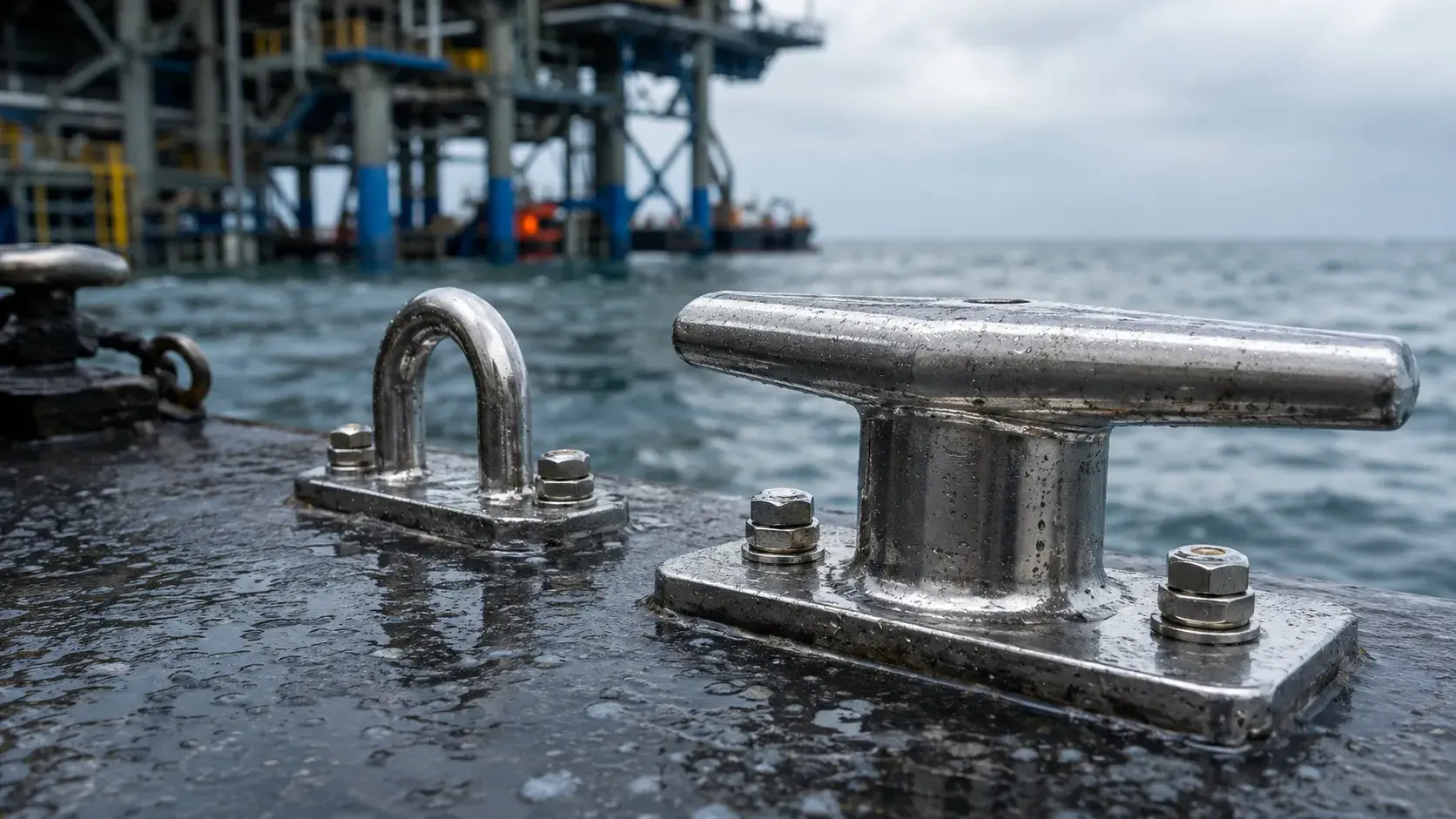
However, stainless steel is still one of the better choices for marine environments compared with many other metals.
The performance depends heavily on the stainless steel grade:
| Environment | Recommended Stainless Steel |
|---|---|
| Indoor applications | 304 stainless steel |
| Outdoor environments | 304 or higher grades |
| Coastal environments | 316 stainless steel |
| Marine and chemical applications | 316L stainless steel |
For applications exposed to moisture and salt, engineers often choose 316 stainless steel corrosion resistance because of its improved chloride protection.
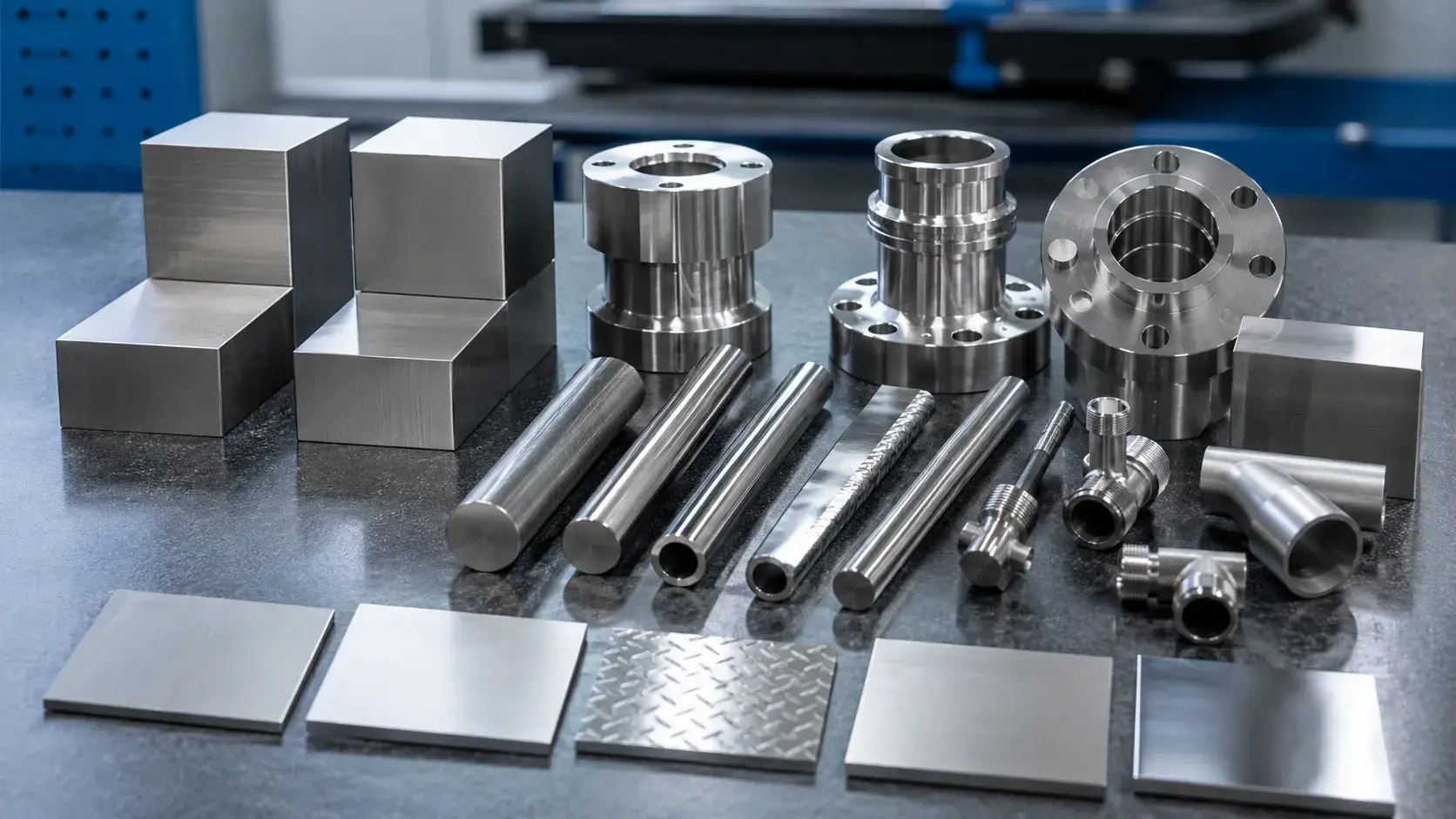
304 vs 316 Stainless Steel Corrosion Resistance

When selecting stainless steel, one of the most common questions is:
Should I choose 304 or 316 stainless steel?
Both are excellent corrosion-resistant materials, but they are designed for different environments.
| Property | 304 Stainless Steel | 316 Stainless Steel |
|---|---|---|
| Chromium | Around 18% | Around 16-18% |
| Nickel | Around 8% | Around 10% |
| Molybdenum | No | Yes |
| General corrosion resistance | Excellent | Better |
| Salt water resistance | Good | Excellent |
| Common applications | Food equipment, general industrial parts | Marine, chemical, medical applications |
The biggest difference is molybdenum.
316 stainless steel contains molybdenum, which helps it resist chloride environments and makes it a better choice for demanding applications.
However, 304 stainless steel remains a popular option because it provides excellent performance at a lower cost.
The right choice depends on:
- Operating environment
- Corrosion requirements
- Budget
- Mechanical requirements
Stainless Steel Rust vs Carbon Steel Rust
Many people compare stainless steel with carbon steel because both are commonly used in manufacturing.The main difference lies in how they react to oxygen and moisture.
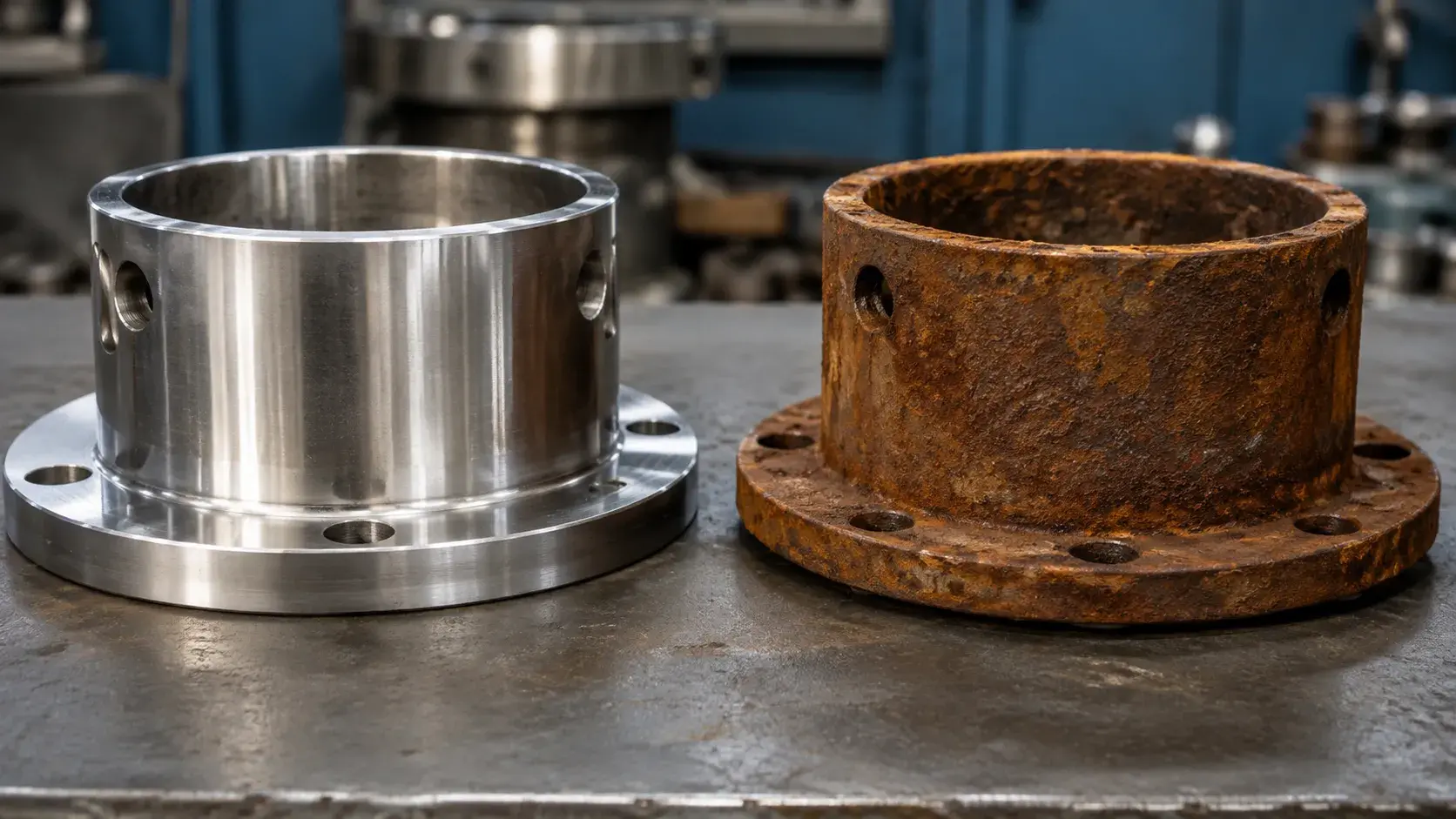
Carbon steel offers minimal protection against corrosion.When the surface is exposed, iron reacts with oxygen and water, leading to rust formation.This rust spreads and gradually weakens the material.
Stainless steel reacts differently due to its chromium content, which forms a protective oxide layer that prevents corrosion.
The difference between stainless steel oxidation and traditional rust can be summarized below:
| Feature | Stainless Steel | Carbon Steel |
|---|---|---|
| Main protection | Chromium oxide layer | No natural protective layer |
| Reaction with oxygen | Forms passive oxide film | Forms iron oxide (rust) |
| Corrosion speed | Generally slower | Faster |
| Surface damage | Often limited to surface | Can weaken the structure |
| Maintenance requirement | Lower | Higher |
Stainless steel is often chosen for situations where long-lasting performance and protection against corrosion are essential.
That said, stainless steel isn’t always the ideal option for every application.Engineers must carefully evaluate factors like the surroundings, mechanical needs, and the anticipated duration of use before deciding on the most suitable material.
How to Prevent Stainless Steel Corrosion?
Although stainless steel already has good resistance to corrosion, proper care and handling can enhance its performance even more.
Here are some common methods to minimize stainless steel corrosion:
1.Choose the Right Stainless Steel Grade
The first important step is selecting a grade that is suitable for the specific working environment.
For example:
- 304 stainless steel is ideal for general industrial and indoor uses
- 316 stainless steel is better suited for environments involving salt water, chemicals, and harsh conditions
- 316L stainless steel is often chosen where both welding and corrosion resistance are important factors
Selecting the correct material at the start can help avoid many corrosion problems in the future.
2.Keep the Surface Clean
Contamination is a frequent cause of stainless steel corrosion.
Maintaining a clean surface helps preserve the protective layer of chromium oxide.
Best practices include:
- Removing dirt and chemical residues
- Avoiding contact with carbon steel particles
- Using appropriate cleaning methods
This is particularly important for precision components, as surface quality affects both the appearance and the performance of the material.
3.Apply Passivation Treatments
Passivation is a chemical process that enhances the corrosion resistance of stainless steel.
This treatment removes free iron particles from the surface and helps restore the protective passive layer.
Passivation is commonly used for:
- Medical components
- Aerospace parts
- Precision industrial components
- Food processing equipment
4.Consider Surface Finishing
The surface finish can also affect how stainless steel resists corrosion.
A smoother surface typically reduces areas where contaminants and moisture can accumulate.
Common surface treatments for stainless steel include:
- Polishing
- Brushing
- Electropolishing
- Coatings
For precision applications, choosing the right finish can improve both the appearance and long-term reliability of the material.
Is Stainless Steel Good for CNC Machining?
Yes, stainless steel is one of the most widely used materials for precision manufacturing.
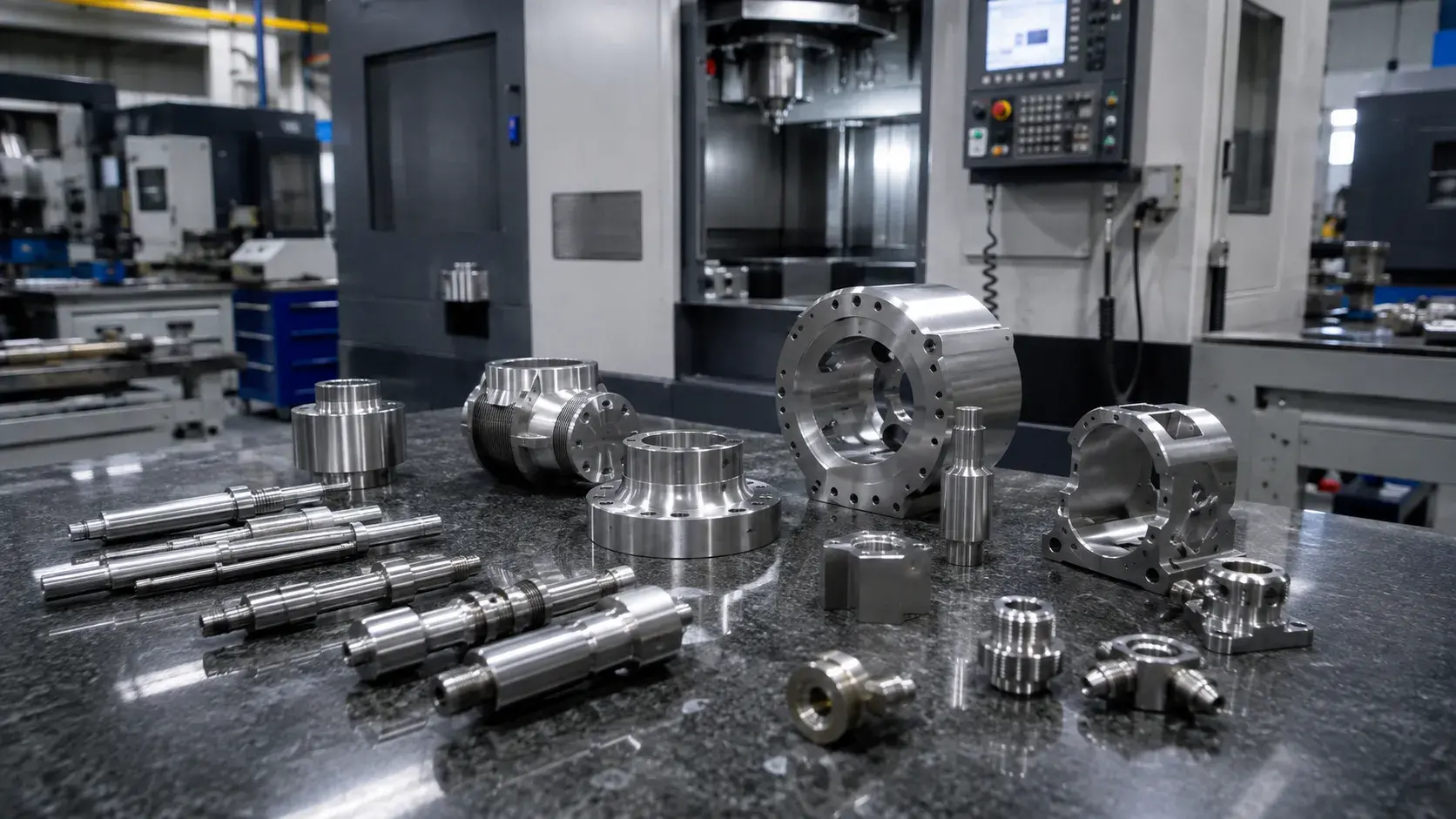
Although stainless steel is more difficult to machine than aluminum or brass, it provides excellent strength, durability, and corrosion resistance.
This makes it a popular choice for parts that need to perform in demanding environments.
Common advantages of stainless steel CNC machining include:
| Advantage | Description |
|---|---|
| Corrosion resistance | Suitable for harsh environments |
| High strength | Handles demanding mechanical loads |
| Temperature resistance | Performs well in high-temperature applications |
| Surface quality | Can achieve excellent finishes |
| Durability | Long service life |
Common CNC machined stainless steel parts include:
- Medical components
- Aerospace parts
- Automotive components
- Industrial fittings
- Precision shafts
- Mechanical housings
When choosing stainless steel for CNC machining, engineers usually consider:
- Required strength
- Corrosion environment
- Machining complexity
- Surface finish requirements
- Production volume
For example, 304 stainless steel is often selected for general precision parts, while 316 stainless steel is preferred for applications requiring higher corrosion resistance.

Custom Stainless Steel Parts Manufacturing
Stainless steel continues to be a dependable material for creating precise components due to its strength, durability, and ability to resist corrosion.
For projects that need dependable performance in tough environments, choosing the appropriate stainless steel grade and machining method is crucial.
YUANYI offers precision stainless steel CNC machining services for prototypes, small-scale production, and custom parts.
With advanced machining technology and rigorous quality control, we assist customers in manufacturing dependable stainless steel components for use in industrial, medical, aerospace, and automation sectors.
YUANYI provides precision stainless steel CNC machining for prototypes, low-volume production, and high-quality custom components.
Get a QuoteFAQ About Stainless Steel Corrosion
Yes, 304 stainless steel can rust under harsh conditions such as salt exposure, chemicals, or surface contamination. For most general applications, it provides excellent corrosion resistance.
Yes, 316 stainless steel can rust, but it offers better corrosion resistance than 304 stainless steel, especially in marine and chloride environments.
Yes, stainless steel parts can develop corrosion after machining if contamination or improper surface treatment damages the protective layer. Proper cleaning and finishing help maintain corrosion resistance.
Stainless steel can perform well outdoors, but the environment matters. Coastal areas, salt exposure, and industrial pollution may increase the risk of corrosion.
With the right grade and proper maintenance, stainless steel components can last for decades. Service life depends on the material grade and working environment.



