
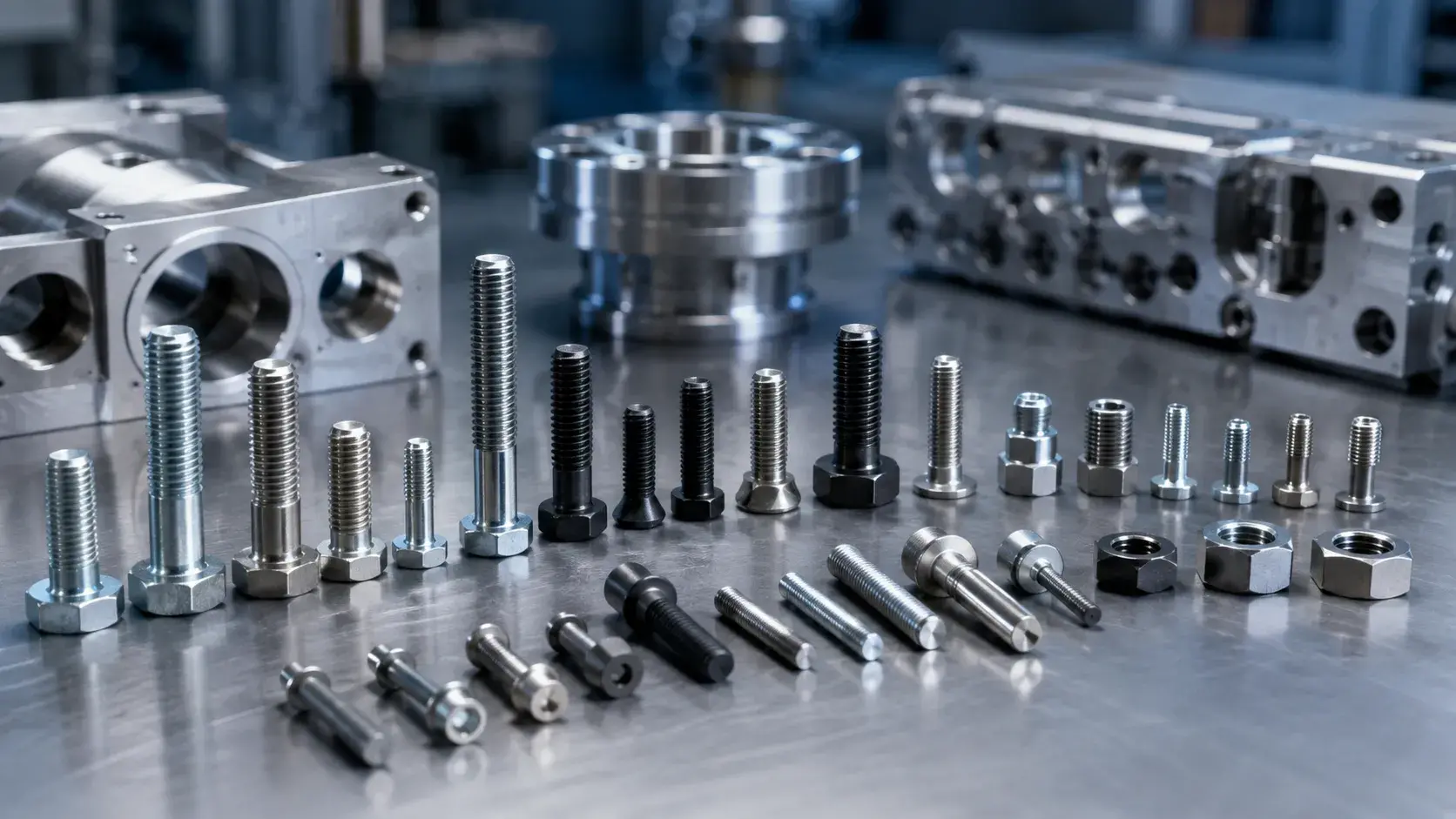
Bolt vs Screw vs Rivet vs Nut: Differences, Applications, and How to Choose

bolt screw rivet nut fasteners comparison for CNC machining

Among the most widely used fastening components, bolts, screws, rivets, and nuts are often mixed up because they may appear similar and are all used to connect parts.

However, they differ significantly in their design, the way they are installed, their load-bearing capacity, and the specific applications in which they are used.

This article explains the distinctions among bolts, screws, rivets, and nuts, examines the situations where each is best used, and assists engineers in choosing the right fastening method for different manufacturing and CNC machining assembly needs.

What Are Mechanical Fasteners?

Mechanical fasteners are parts used to connect two or more sections together without the need for welding or using permanent adhesives.
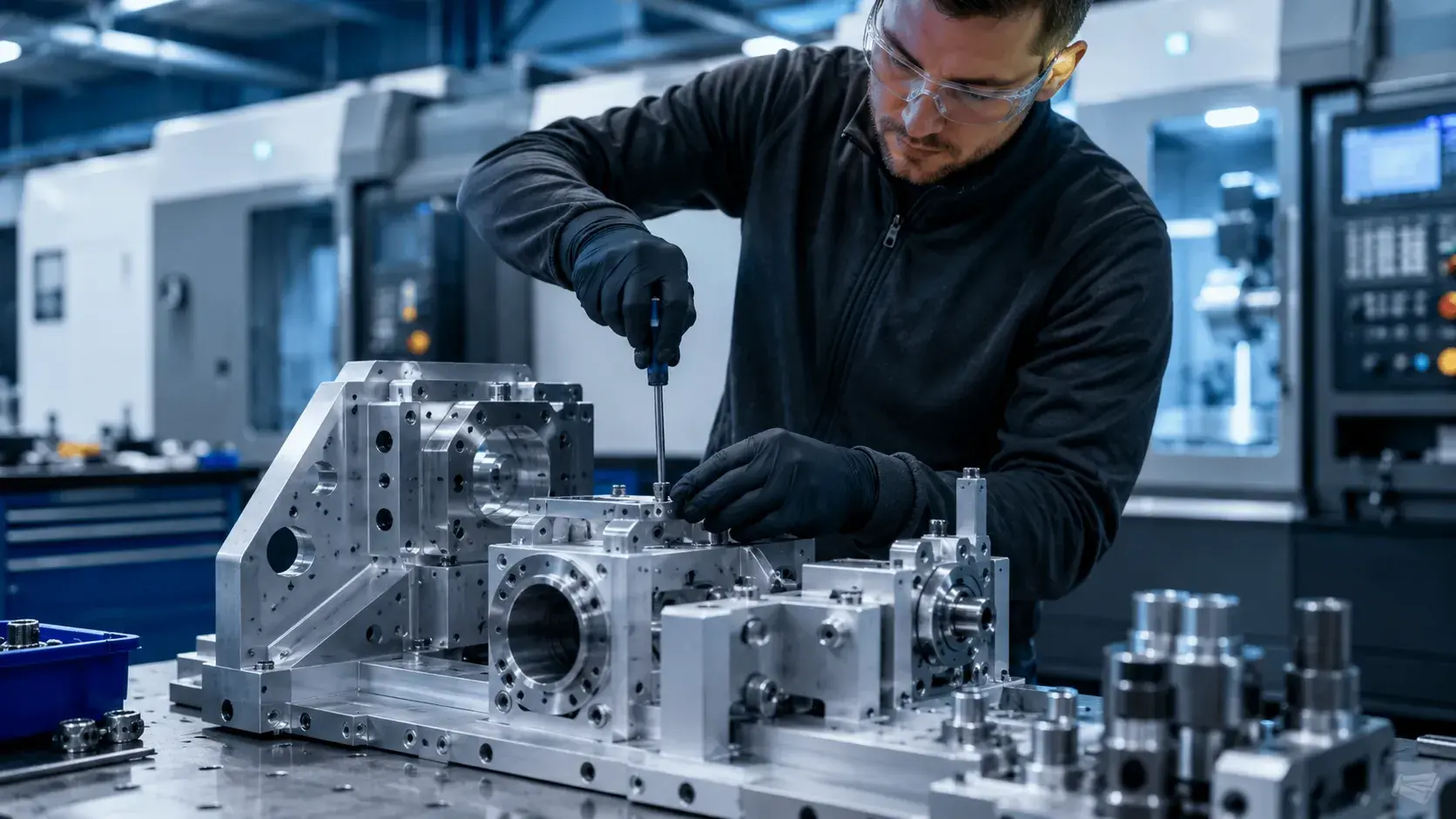
mechanical fasteners used in CNC machined assembly

These fasteners are frequently used in the production of CNC machined components, automotive parts, aerospace systems, industrial machinery, and electronic devices.

In contrast to welding, mechanical fasteners offer the advantage of allowing parts to be assembled, disassembled, and repaired as required.Depending on their function, fasteners can be broadly categorized into two main types:

removable and permanent fasteners.

Removable fasteners, such as bolts, screws, and nuts, are designed to be easily installed and taken apart.They are commonly used in CNC assemblies where parts might need to be modified or replaced.

Permanent fasteners, like rivets, form a durable connection that is not easily removed.These are typically used in situations where a strong, long-lasting bond is essential, such as in aerospace and transportation systems where reliability and resistance to vibration are critical.

What Is a Bolt?

A bolt is a type of fastener that has threads and is usually used along with a nut to join two or more parts.When it is tightened, the bolt applies a clamping force that holds the components together firmly.
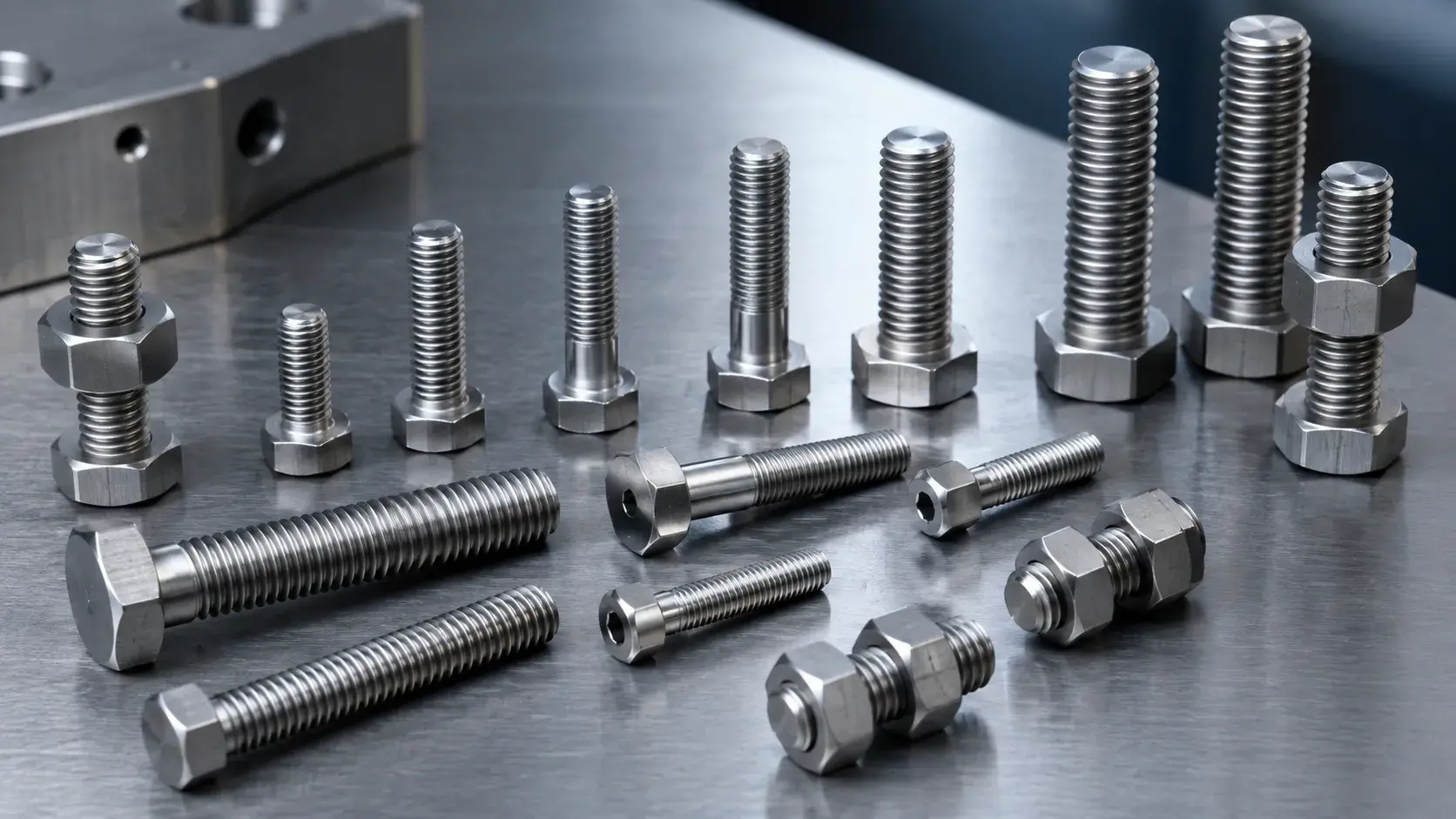
bolt industrial fastener

Bolts are often chosen for situations where high strength, stability, and the ability to remove them for maintenance are important.

They are used in various fields like industrial machines, automotive parts, construction equipment, and large CNC machined components.

Some common types of bolts are:

  • Hex bolts – these are widely used in general industrial applications and for machinery assembly.
  • Machine bolts – these are used in mechanical setups where accurate and dependable fastening is required.

In the case of CNC machined parts, bolts are chosen when parts need strong connections but also need to be disassembled or replaced later.

What Is a Screw?

A screw is a fastener with threads that forms a connection by attaching directly to a threaded hole or into a piece of material.Unlike bolts, screws usually don’t need a separate nut.
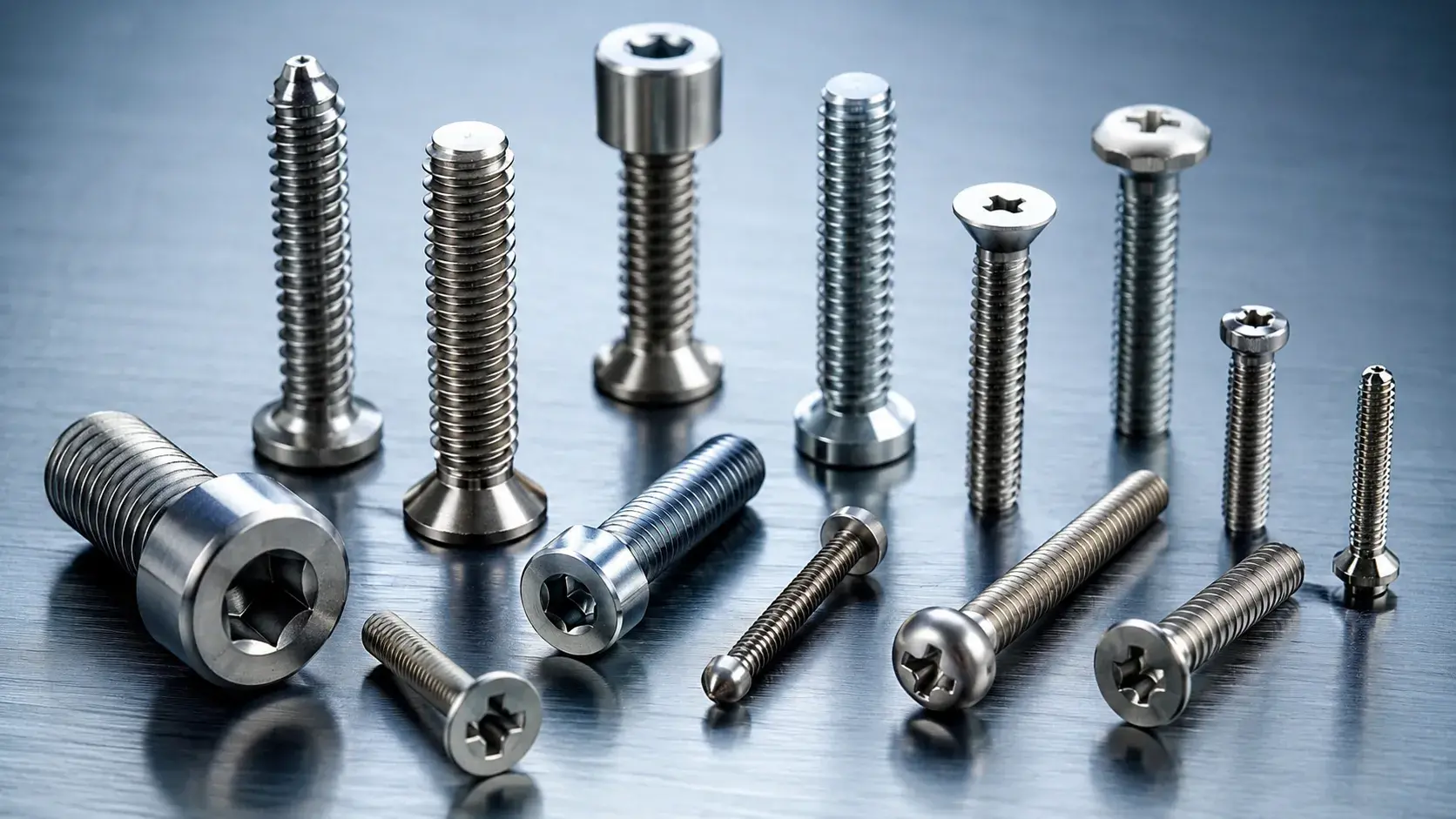
screw machine fastener

In CNC machining, engineers often create tapped holes so that screws can be used to connect different parts directly.This makes screws a popular option for precision parts, enclosures, and small mechanical components.

Common types of screws are:

  • Machine screws – these are used with threaded holes or nuts in precision assemblies.
  • Self-tapping screws – these create their own threads when they are installed into softer materials.

Screws are best suited for applications where compact size, easy assembly, and frequent access are important, such as electronics, robotics, and CNC aluminum parts.

What Is a Rivet?

A rivet is a fastener used to permanently join two or more parts by deforming the rivet during installation.Unlike bolts and screws, rivets do not use threads and are not intended to be removed easily.
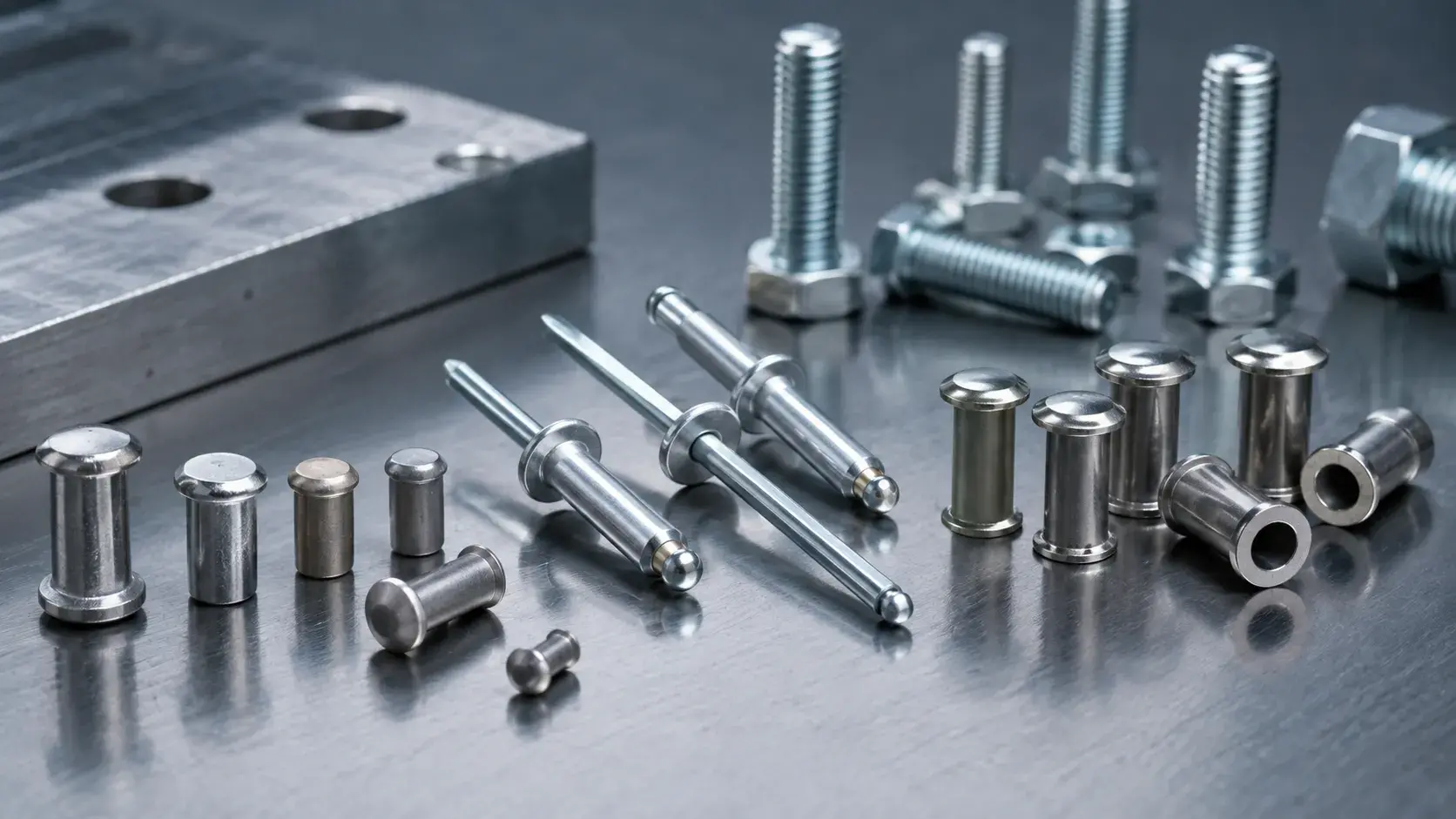
rivet permanent fastener

Rivets are often used where a strong, lightweight, and vibration-resistant connection is needed.
They are commonly found in aerospace structures, aircraft parts, sheet metal assemblies, and transportation equipment.

Common types of rivets are:

  • Blind rivets – these are used when access to only one side of the assembly is available.
  • Solid rivets – these provide strong permanent connections for heavy-duty use.

In industries where reliability and weight reduction are essential, such as aerospace manufacturing, rivets continue to be a vital fastening method.

What Is a Nut?

A nut is a fastener that has threads and is used with a bolt or threaded rod.
When tightened onto the bolt, it creates the clamping force required to hold several parts together securely.
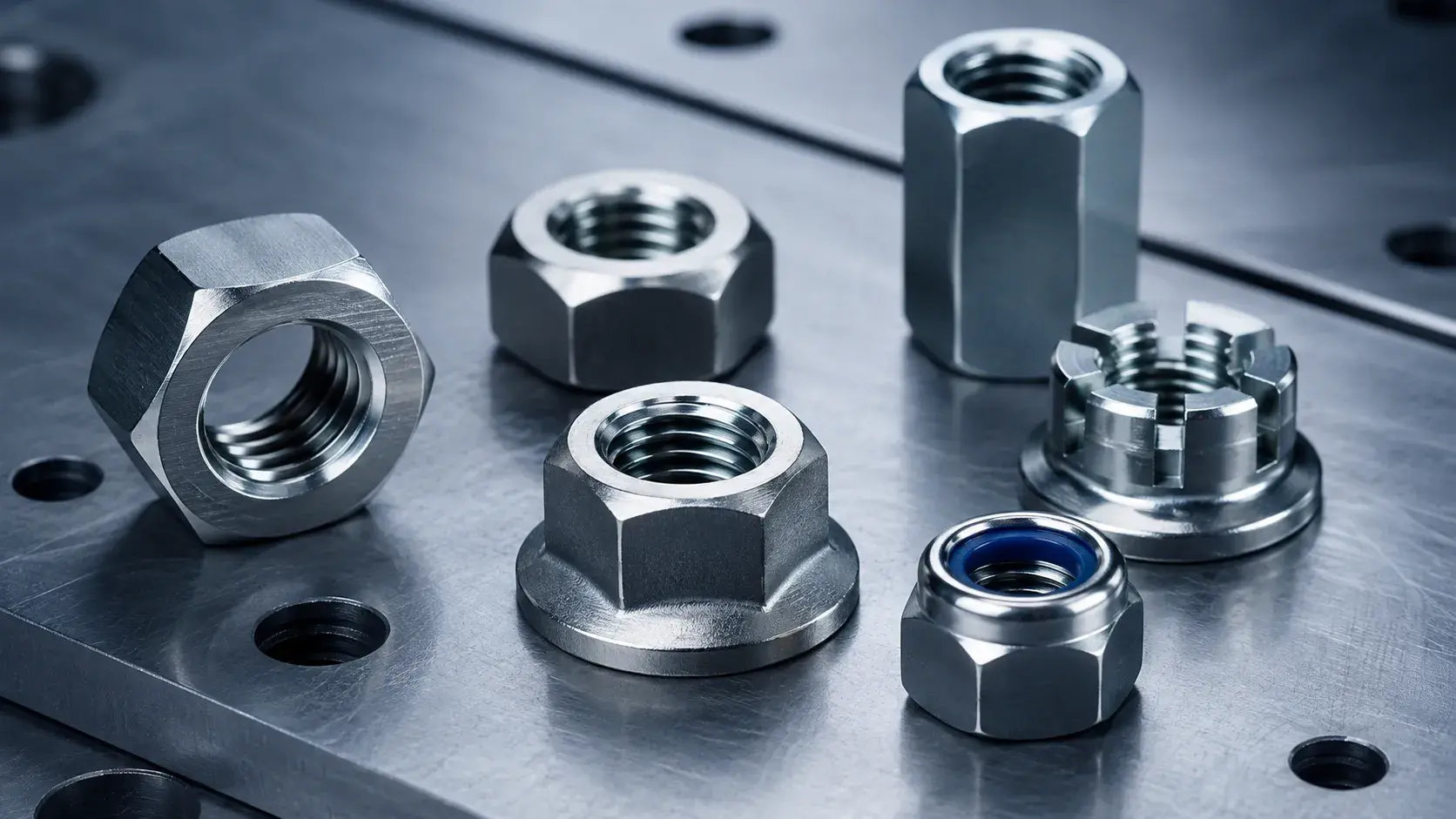
nut threaded fastener

Common types of nuts are:

  • Hex nuts – the most common type used in industrial settings.
  • Lock nuts – these are designed to prevent loosening due to vibration.
  • Flange nuts – these offer a larger contact area for better stability.

Nuts are typically used in combination with bolts rather than on their own.
In mechanical systems, the pairing of bolts and nuts ensures a strong and reusable connection.
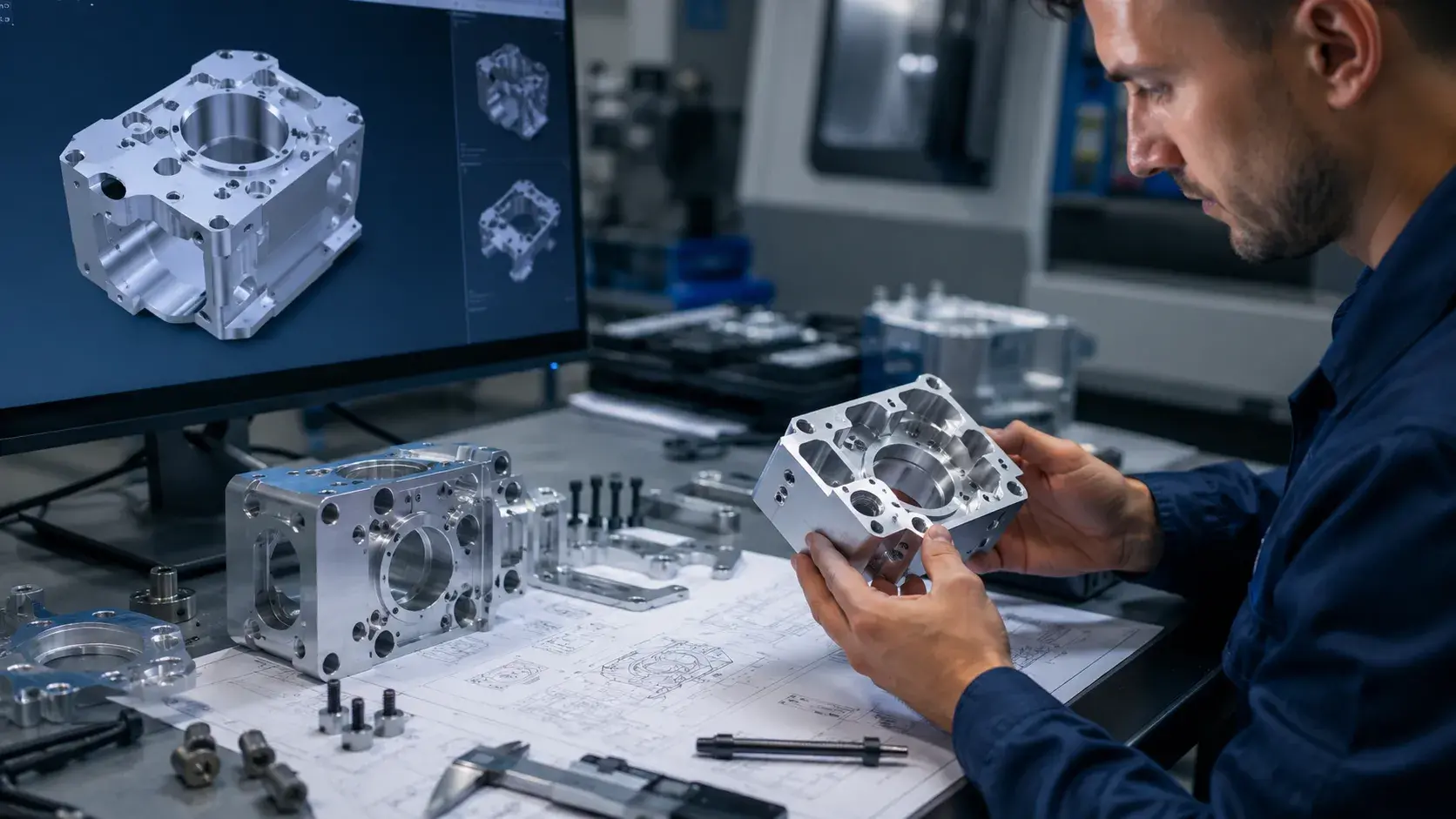
Bolt vs Screw vs Rivet vs Nut: Key Differences

Although bolts, screws, rivets, and nuts are all used to fasten components, they work in different ways and are suitable for different applications.

The main differences are related to how they are installed, whether the connection can be removed, and the type of load they can handle.

FastenerMain FeatureConnection TypeCommon Applications
BoltHigh-strength fastening, usually used with a nutRemovable connectionMachinery, automotive parts, industrial assemblies
ScrewDirect fastening into threaded holes or materialsRemovable connectionCNC parts, electronics, precision assemblies
RivetCreates a permanent mechanical jointPermanent connectionAerospace structures, sheet metal assemblies
NutUsed together with bolts to secure componentsThreaded connectionMechanical assemblies and structural parts

Bolts are typically chosen for strong and easily detachable connections.Screws are often used in situations that require precise fitting.Rivets are best suited for applications where a permanent joint is needed.Nuts are used with bolts to form a reliable and secure fastening system.

Bolt vs Screw: What Is the Difference?

The main difference between a bolt and a screw is how they create a connection.

A bolt usually works together with a nut to clamp multiple components together, while a screw typically fastens directly into a threaded hole or material.

FeatureBoltRivet
Connection typeRemovable threaded connectionPermanent mechanical connection
ThreadExternal thread used with a nutNo thread required
InstallationInstalled with standard tools and can be removed easilyRequires riveting tools and permanent deformation
AccessibilityUsually requires access for installation, unless threaded holes are usedCan be installed from one side in some applications
StrengthProvides high clamping force and adjustable connectionProvides strong and stable permanent joints
Vibration resistanceMay require locking methods to prevent looseningExcellent resistance to vibration loosening
ReusabilityCan be removed and reusedUsually cannot be reused after removal
Common applicationsCNC assemblies, machinery, automotive partsAerospace, sheet metal, structural components

For CNC machined parts, screws are widely used because manufacturers can create accurate threaded holes during machining. This allows components such as covers, brackets, and housings to be assembled securely while remaining easy to maintain.

Bolts are more commonly used for larger assemblies where higher strength and greater clamping force are required.

Bolt vs Rivet: Which One Should You Choose?

The choice between a bolt and rivet depends on factors such as maintenance requirements, connection type, and application environment.

ConsiderationBoltRivet
Connection typeRemovable connectionPermanent connection
MaintenanceEasy to remove, inspect, and replaceDifficult to remove after installation
StrengthProvides high clamping forceProvides strong permanent joints
Vibration resistanceMay require locking methods to prevent looseningExcellent resistance to vibration loosening
WeightGenerally heavierLightweight fastening solution
Best forMachinery, CNC assemblies, automotive componentsAerospace structures, sheet metal, permanent assemblies

In general, choose bolts when components need future maintenance, adjustment, or replacement. Choose rivets when a lightweight, permanent, and vibration-resistant connection is more important than serviceability.

For example, aerospace structures often use rivets because they provide reliable permanent joints with reduced weight. Industrial equipment and CNC machining assemblies usually prefer bolts because components may need inspection, repair, or replacement during the product lifecycle.

Screw vs Rivet: What's the Difference?

The main difference between a screw and rivet is whether the connection is designed for removal. Screws create a threaded connection that can be installed and removed multiple times, while rivets form a permanent joint after installation.

FeatureScrewRivet
Connection typeRemovable threaded connectionPermanent mechanical connection
ThreadUses internal or external threads for fasteningNo threads required
InstallationTightened with standard tools into threaded holes or materialsInstalled by deforming the rivet body
AccessibilitySuitable when future access or maintenance is neededUseful when only limited access is available
ReusabilityCan be removed and reusedUsually needs replacement after removal
MaintenanceEasy to inspect, repair, or replaceDifficult to disassemble
Vibration resistanceMay require locking features to prevent looseningExcellent resistance to vibration loosening
Common applicationsCNC machined parts, enclosures, precision assembliesAerospace structures, sheet metal, permanent assemblies

For CNC machined components, screws are commonly used because manufacturers can machine precise threaded holes directly into parts, allowing easy assembly and maintenance. Rivets are better suited for applications where a permanent and lightweight connection is more important than serviceability.

How to Choose Fasteners for CNC Machined Parts?

CNC machined parts with threaded holes for fasteners

Selecting the appropriate fastener for CNC machined parts involves considering the material used, the expected load, and whether the assembly will require future maintenance.

  • Material: Choose fasteners that are compatible with the material of the part.For instance, stainless steel screws are frequently used with CNC machined aluminum parts because they offer good resistance to corrosion.
  • Load requirements: Bolts are typically used for high-strength applications, whereas screws are more common for precise components and smaller assemblies.
  • Maintenance needs: Use screws or bolts when there is a possibility that parts may need to be removed or adjusted.Rivets are preferable for permanent connections where long-term stability is a priority.

In CNC machining, engineers often design threaded holes directly into the parts, which allows screws or bolts to be used for creating secure and serviceable assemblies.

Common Applications of Fasteners in CNC Machining

Fasteners play an important role in CNC machining by helping to join various parts together and form sturdy mechanical systems.The type of fastener selected is based on the design of the part, the conditions it will be used in, and the need for maintenance.
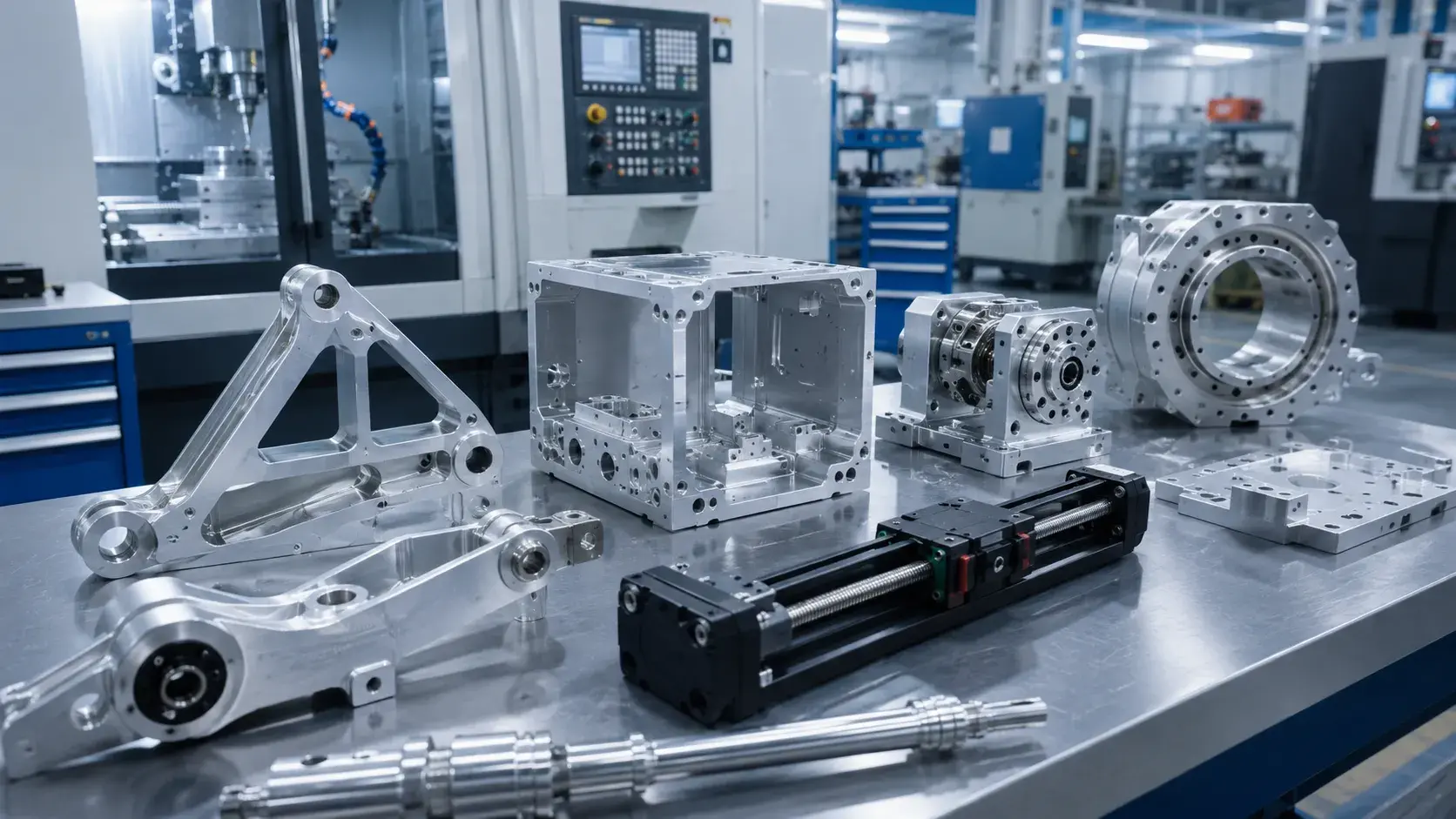
CNC machined components with fastener applications

Common uses of fasteners include:

CNC Aluminum Enclosures

Screws are frequently used in CNC machined aluminum parts, such as electronic enclosures, covers, and protective housings.

These parts often have threaded holes created during the machining process, which make it simple to assemble and disassemble the components when needed.

Industrial Machinery Components

Bolts and nuts are commonly used in industrial machines and equipment.They offer strong holding power and can handle heavy-duty use.

Aerospace Components

Rivets are widely used in aerospace applications because they provide lightweight, permanent, and durable connections that can resist vibrations.

Precision Mechanical Assemblies

Screws and bolts are often used in precision mechanical systems, robotic parts, and automation equipment.These fasteners help ensure precise positioning and dependable performance.

When designing custom CNC machined parts, choosing the appropriate fastening method during the planning phase can enhance the ease of assembly, the overall reliability of the product, and its performance over time.


Conclusion

Selecting the appropriate fastener depends on the specific needs of the application, such as the required strength, maintenance considerations, and whether the connection needs to be disassembled in the future.

Bolts and screws are typically used in CNC assemblies because they allow for easy maintenance and provide dependable fastening.Rivets, on the other hand, are more suitable for applications that require a permanent connection, offering a lightweight and vibration-resistant solution.

When designing CNC machined parts, taking into account the fastening requirements early on can enhance the efficiency of assembly, improve the part’s durability, and contribute to better overall performance of the final product.

Custom CNC Machining Services for Precision Components

YUANYI offers custom CNC machining services for precision components that have complex features such as threaded holes, mounting structures, and assembly needs.

Using advanced CNC milling, turning, and inspection technologies, we assist customers in manufacturing dependable parts for use in aerospace, medical, automation, and industrial sectors.

FAQs About Bolts, Screws, Rivets, and Nuts

Yes. Screws are commonly used in CNC machined parts because manufacturers can create precise threaded holes during machining. This allows components such as housings, covers, and brackets to be assembled securely and removed easily for maintenance.

For CNC aluminum parts, stainless steel screws are commonly used because they provide good corrosion resistance and reliable fastening performance. The final choice depends on factors such as load requirements, environment, and assembly design.

Threaded holes are suitable for many metal CNC parts where repeated assembly is not excessive. For softer materials or applications requiring frequent assembly and disassembly, threaded inserts can provide improved durability.

Yes. Many mechanical assemblies use both bolts and screws depending on the function of each component. Bolts are often used for structural connections, while screws are used for smaller or precision components.

Engineers should consider material selection, thread size, load requirements, accessibility, and whether the assembly needs future maintenance. Proper fastening design helps improve part reliability and simplifies assembly.

Rivets can be used with CNC machined components when a permanent connection is required. However, screws and bolts are often preferred for CNC assemblies because they allow easier inspection, repair, and replacement.

Table of Contents
Discuss Your Complex Machining Requirements

Need Custom CNC Machined Parts?

From rapid prototypes to low-volume production, our engineering team can review your drawings and provide a manufacturing quote.

  • 24-Hour Quotation
  • DFM Engineering Support
  • No Minimum Order
  • ISO 9001 Certified
Request A Quote
Upload your drawing and get a quote within 24 hours.
