
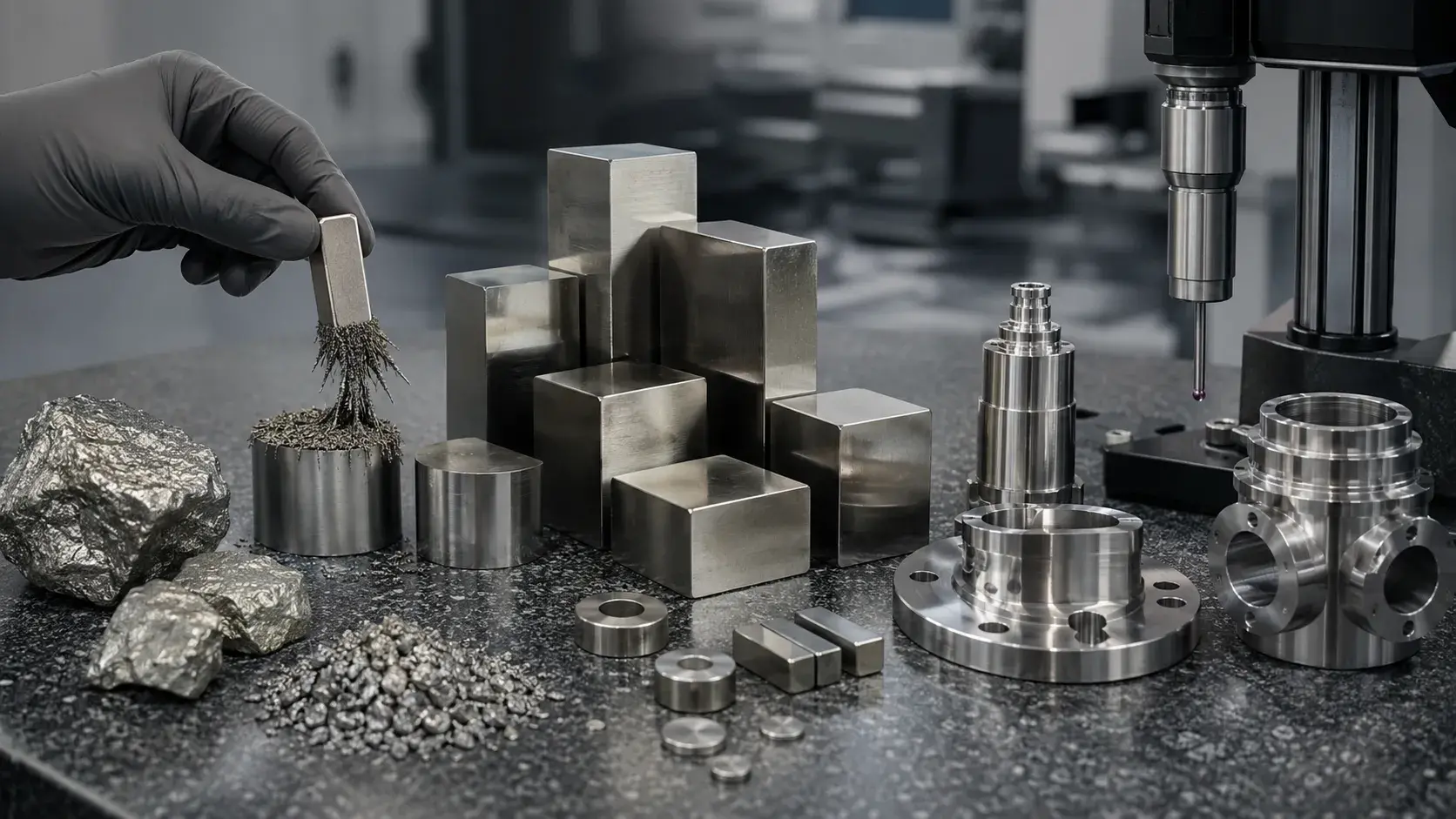
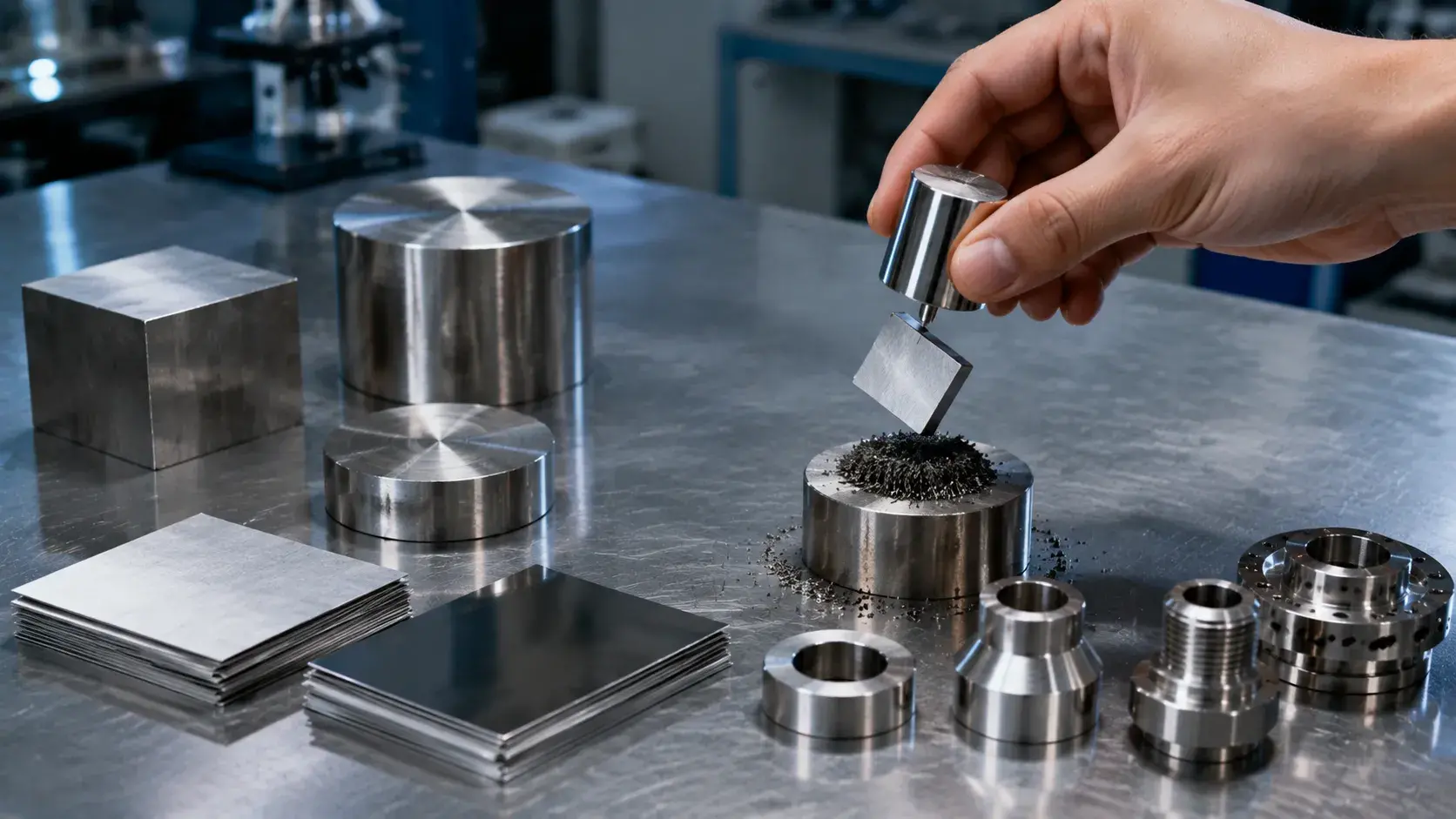
Nickel is one of the few naturally occurring metals that have magnetic properties.When it is in its pure form, nickel is magnetic because it is a ferromagnetic material, meaning it can be attracted to magnets at room temperature.
What Is Nickel?
Nickel is a transition metal with an atomic number of 28.It has a silvery-white color, strong resistance to corrosion, and good durability.
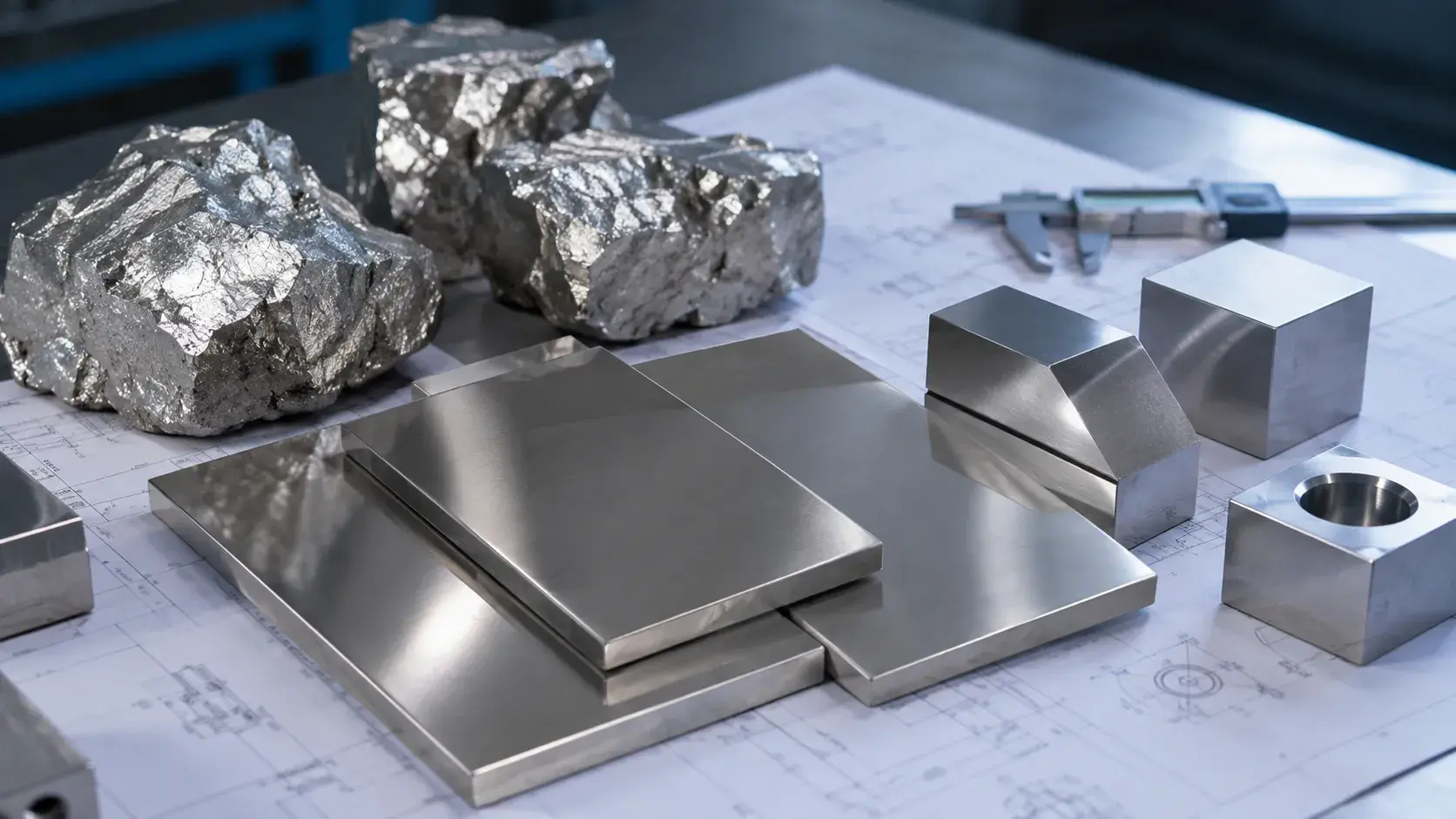
It is commonly used in various alloys like stainless steel, Inconel, and Monel.These alloys are important in industries such as aerospace, automotive, electronics, and chemical processing.Pure nickel is quite hard and can be shaped easily, which makes it appropriate for CNC machined parts that need both accuracy and strength.
Is Nickel Magnetic?
Yes, nickel is magnetic.When it is in its pure form, it is a ferromagnetic metal, which means the magnetic domains within it can align in the same direction, creating a magnetic field.
At normal room temperature, pure nickel can be attracted to a magnet.However, its magnetic strength is not as strong as that of other ferromagnetic materials like iron and cobalt.
Nickel stays magnetic as long as it is below its Curie temperature, which is about 358°C (676°F).Once it is heated beyond this temperature, it loses its ferromagnetic properties and becomes paramagnetic.
| Material | Magnetic Property |
|---|---|
| Nickel | Ferromagnetic |
| Iron | Ferromagnetic |
| Cobalt | Ferromagnetic |
| Aluminum | Non-magnetic |
| Copper | Non-magnetic |
| Titanium | Non-magnetic |
Why Is Nickel Magnetic?
The magnetic properties of nickel are due to its atomic structure.
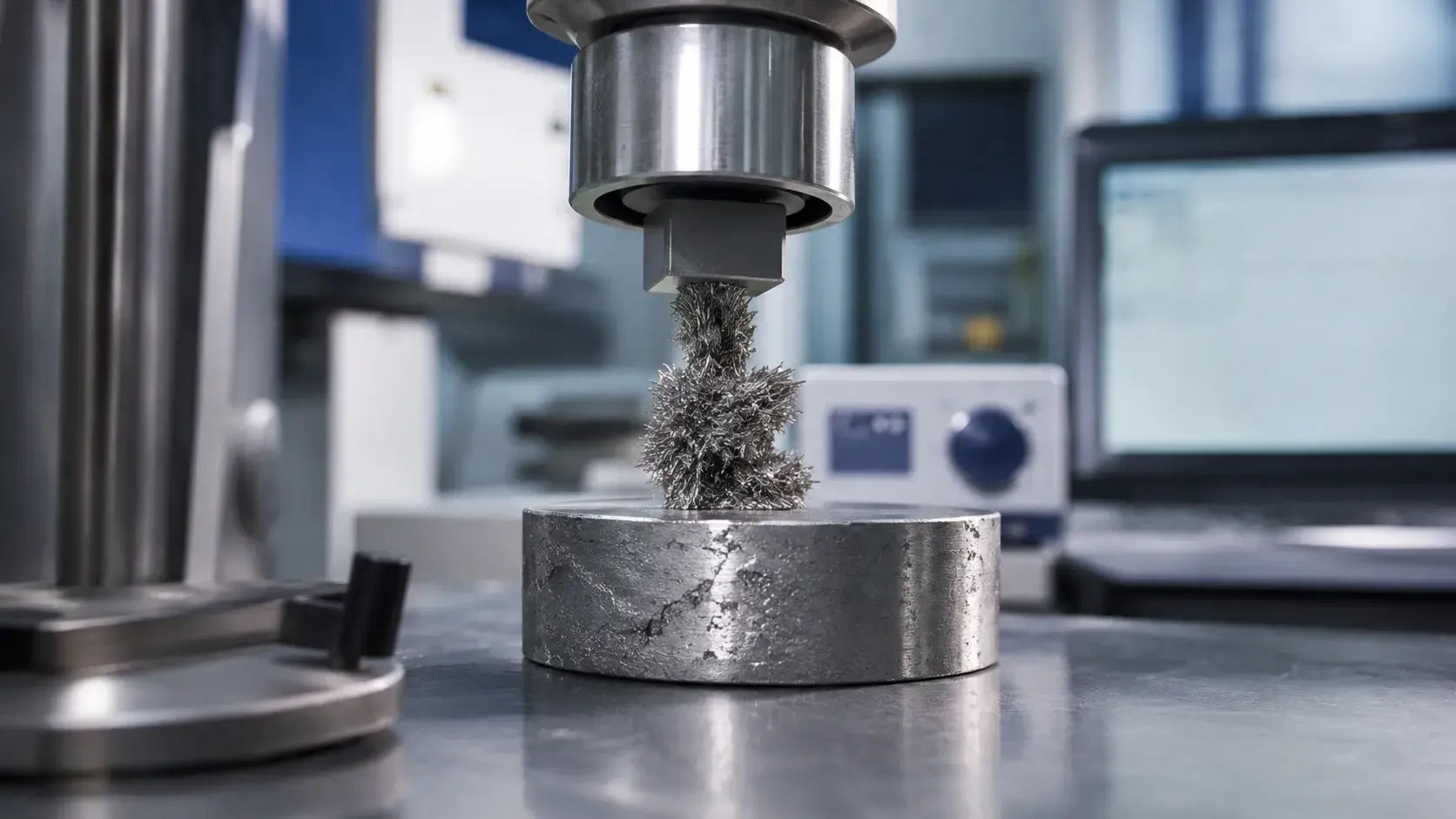
Each nickel atom has unpaired electrons, which generate small magnetic fields.In pure nickel, these magnetic fields can align in the same direction, creating magnetic domains.When a large number of these domains align, the material exhibits ferromagnetism.
This unique atomic arrangement allows nickel to retain its magnetic characteristics, making it one of the few metals that are naturally magnetic at room temperature.
Is Nickel Always Magnetic?
Although pure nickel is magnetic, not all nickel-based materials exhibit the same magnetic behavior.The magnetic properties of nickel materials can be influenced by several factors:
Chemical Composition
The addition of other elements like chromium, molybdenum, iron, or copper can alter the magnetic characteristics of nickel alloys.
Crystal Structure
Different types of crystal structures affect how magnetic domains are arranged within the material.
Manufacturing Process
Methods such as cold working, heat treatment, and machining can have a slight impact on the magnetic performance of the material.Due to these factors, some nickel alloys display strong magnetism, while others show very weak or almost no magnetic response.
Can Nickel Become a Magnet?
Yes, nickel can become magnetized because it is a ferromagnetic material.
When exposed to an external magnetic field, the magnetic domains inside pure nickel can align in the same direction, allowing the material to develop magnetic properties. After removing the external magnetic field, some magnetism may remain depending on the material condition.
However, nickel is not commonly used as a permanent magnet material because its magnetic strength is lower than materials such as iron-based magnetic alloys.
In practical engineering applications, nickel is more often selected for its combination of:
- Corrosion resistance
- High-temperature performance
- Mechanical strength
- Wear resistance
rather than its magnetic properties alone
Factors Affecting Nickel’s Magnetic Properties
Even though pure nickel is magnetic, its ability to be attracted to magnets can change based on various factors.
Temperature
The temperature of nickel has a major impact on its magnetic behavior.
When heated beyond its Curie temperature, which is about 358°C (676°F), nickel loses its ferromagnetic properties.
Below this temperature, nickel remains magnetic.
However, once it exceeds this point, it becomes paramagnetic, meaning it no longer strongly attracts magnets.
Alloy Composition
When other elements are added to nickel, it can greatly alter its magnetic properties.
For example:
- Adding chromium can decrease the magnetic response of nickel
- Copper can reduce its ferromagnetic behavior
- Molybdenum can influence the magnetic structure of nickel alloys
This is why different nickel alloys can exhibit very different magnetic characteristics.
Crystal Structure
The internal arrangement of atoms in a material determines how magnetic domains are organized.Changes in the crystal structure can either enhance or weaken the alignment of these domains.
This is one reason why some materials containing nickel are magnetic, while others are almost non-magnetic.
Manufacturing Process
The way nickel-based materials are produced, such as through cold working, heat treatment, or machining, can affect their magnetic properties.
The mechanical stresses and structural changes that occur during these processes may lead to small differences in how magnetic the material behaves.
For engineers choosing nickel materials, it is important to understand these factors when designing parts that will be used near sensors, electronic systems, or magnetic environments.
Are Nickel Alloys Magnetic?
Nickel alloys do not always exhibit the same magnetic characteristics as pure nickel.
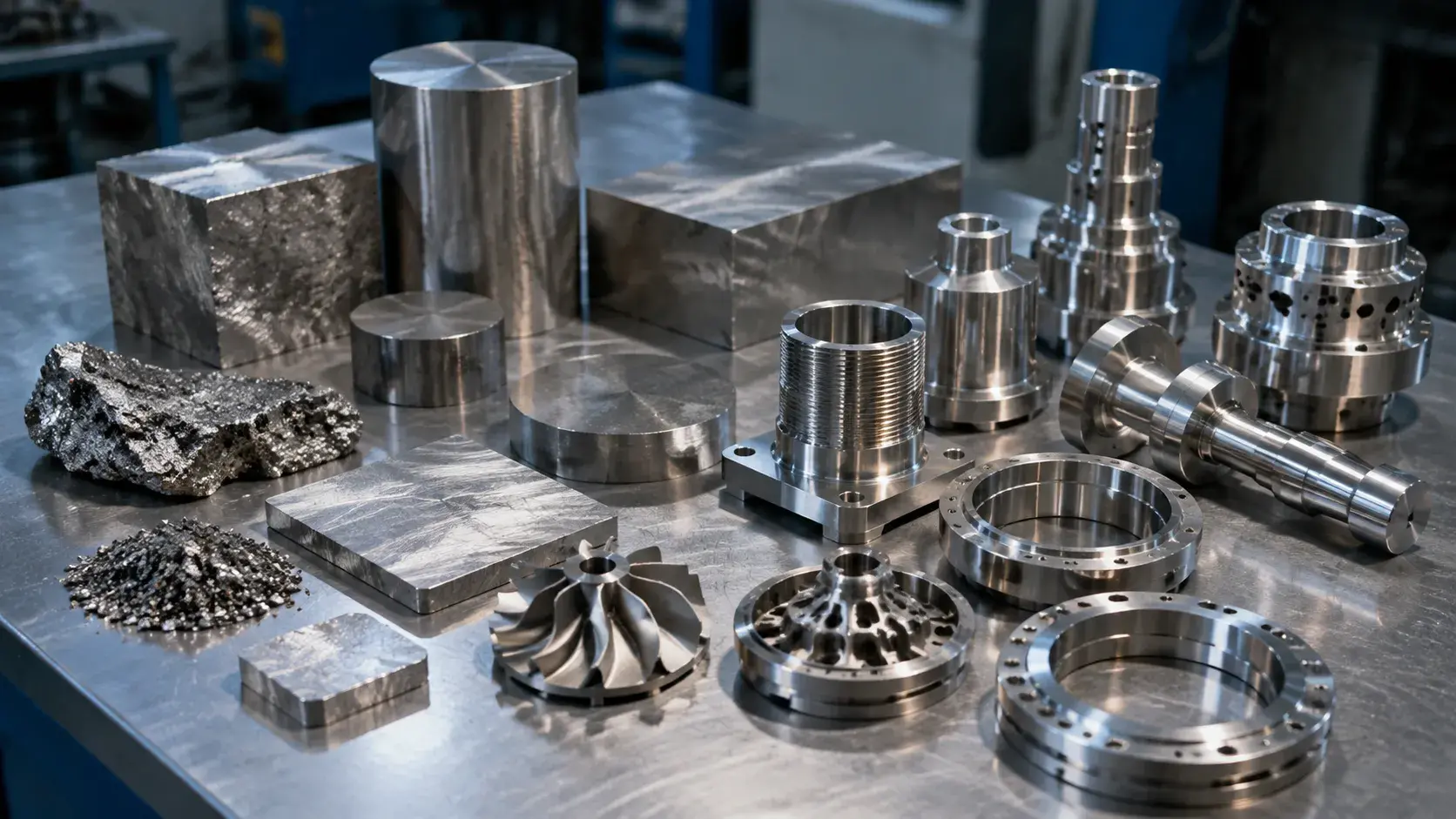
In many engineering uses, nickel-based alloys are preferred over pure nickel due to their outstanding resistance to corrosion, strong performance at high temperatures, and good mechanical properties.
Nevertheless, the inclusion of other elements in the alloy can decrease or even remove the magnetic properties.
| Nickel Material | Magnetic Behavior |
|---|---|
| Pure Nickel | Strongly magnetic |
| Inconel 718 | Weakly magnetic |
| Inconel 625 | Nearly non-magnetic |
| Monel 400 | Low magnetic response |
| Hastelloy | Usually weakly magnetic |
For example, Inconel 625 contains a high amount of nickel but is generally considered nearly non-magnetic because its alloy structure reduces ferromagnetic behavior.
Why Are Some Nickel Alloys Non-Magnetic?
Many people assume that nickel alloys should always be magnetic because they contain nickel. However, alloy composition plays a major role.
Elements such as chromium, molybdenum, and copper can change the internal structure of nickel alloys and affect magnetic domain alignment.
As a result:
- Pure nickel → strongly magnetic
- Some nickel alloys → weakly magnetic
- Certain nickel alloys → nearly non-magnetic
This difference is important when selecting materials for precision components used near magnetic fields or sensitive electronic systems.
Is Nickel-Containing Stainless Steel Magnetic?
A common misconception is that stainless steel containing nickel must be magnetic.
This is not always true.
Austenitic stainless steels such as 304 and 316 stainless steel contain nickel but are generally considered non-magnetic because of their austenitic crystal structure.
However, manufacturing processes can influence their magnetic behavior. Cold working, bending, or machining may introduce slight magnetic properties in some stainless steel components.
Related article: Can Stainless Steel Rust?
Nickel vs Other Metals: Magnetic Comparison

Nickel is one of only a few metallic elements with natural ferromagnetic properties.
| Metal | Magnetic? |
|---|---|
| Nickel | Yes |
| Iron | Yes |
| Cobalt | Yes |
| Aluminum | No |
| Copper | No |
| Brass | No |
| Titanium | No |
Understanding these differences helps engineers select the right material for specific applications, especially when magnetic interference must be controlled.
Applications of Nickel and Nickel Alloys
Nickel and nickel-based alloys are commonly used in various industries where high strength, corrosion resistance, and good performance at high temperatures are essential.
Aerospace Components
Nickel alloys, such as Inconel, are frequently used for:
- Engine parts
- Components that operate at high temperatures
- Structural parts in aerospace applications
Medical Applications
Nickel alloys find use in:
- Medical devices
- Surgical tools
- Precision instruments
Electronic and industrial equipment
Nickel materials are applied in:
- Sensors
- Electrical components
- Equipment that resists corrosion
CNC Machining of Nickel and Nickel Alloys
Nickel alloys are commonly used in precision manufacturing, yet they are regarded as materials that are challenging to machine.
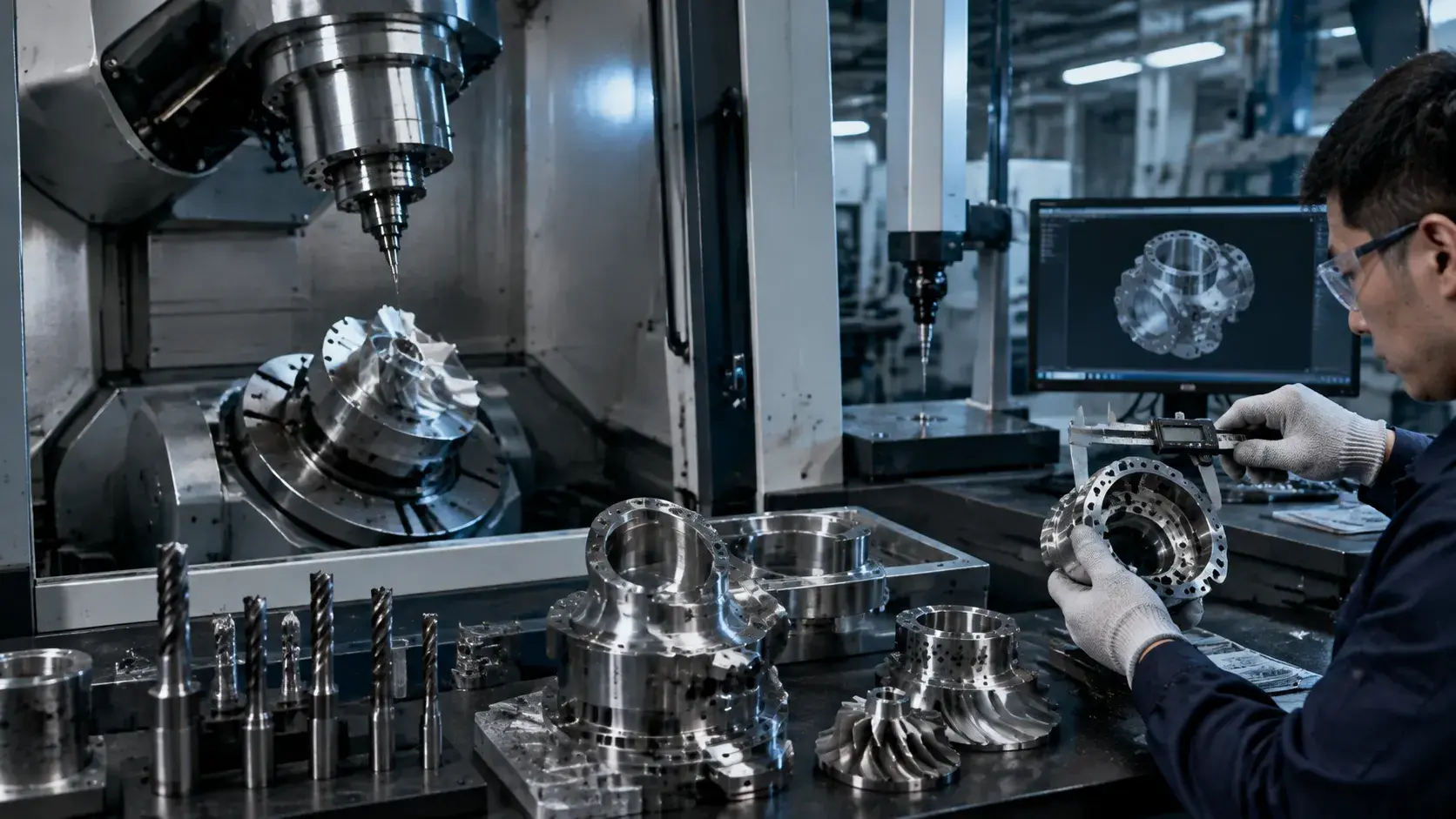
When compared to materials like aluminum or mild steel, nickel alloys exhibit the following characteristics:
- High material strength
- Excellent resistance to high temperatures
- Low thermal conductivity
- Strong work-hardening properties
These features necessitate skilled machining expertise and carefully planned cutting techniques.
At YUANYI Precision Manufacturing, we offer tailored CNC machining solutions for components made from nickel and nickel-based alloys.
Our services include:
- CNC milling
- CNC turning
- 5 axis CNC machining service
- Swiss CNC machining
Our team of experienced engineers, combined with advanced inspection tools, enables us to support customers throughout the entire production process, from creating prototypes to manufacturing final parts, ensuring precise tolerances and consistent quality control.

Conclusion
Pure nickel is magnetic, but the magnetic characteristics of nickel alloys can change based on their composition and structure.
Some nickel materials exhibit strong magnetic behavior, while many engineering nickel alloys are only slightly magnetic or almost non-magnetic.
For engineers choosing materials for precise components, knowing about nickel’s magnetic properties and the characteristics of nickel alloys is essential to making the correct material selection for each specific application.
FAQs About Nickel Magnetism
Nickel plating itself does not always make a material magnetic. The magnetic behavior usually depends on the base material underneath and the thickness and structure of the nickel coating.
For example, nickel-plated steel may still be magnetic because the steel core is magnetic, while nickel-plated non-magnetic metals may show little magnetic response.
Inconel 718 is generally considered weakly magnetic. Although it contains a high amount of nickel, its alloy composition and microstructure reduce its ferromagnetic behavior compared with pure nickel.
Inconel 625 is usually considered nearly non-magnetic. Its nickel-chromium-molybdenum composition gives it excellent corrosion resistance and high-temperature performance while maintaining very low magnetic response.
Yes, machining processes can slightly influence the magnetic properties of nickel-based materials. Cold working, residual stress, and changes in microstructure may affect magnetic response in some alloys.
It depends on the specific nickel material and application. Pure nickel may interact with magnets, while many nickel alloys have weak or minimal magnetic response. Engineers should select materials based on the required magnetic performance.



