

420 stainless steel, also known as SS420, is a type of martensitic stainless steel that contains a higher amount of carbon.It is recognized for its strong hardness, good strength, and ability to resist wear.
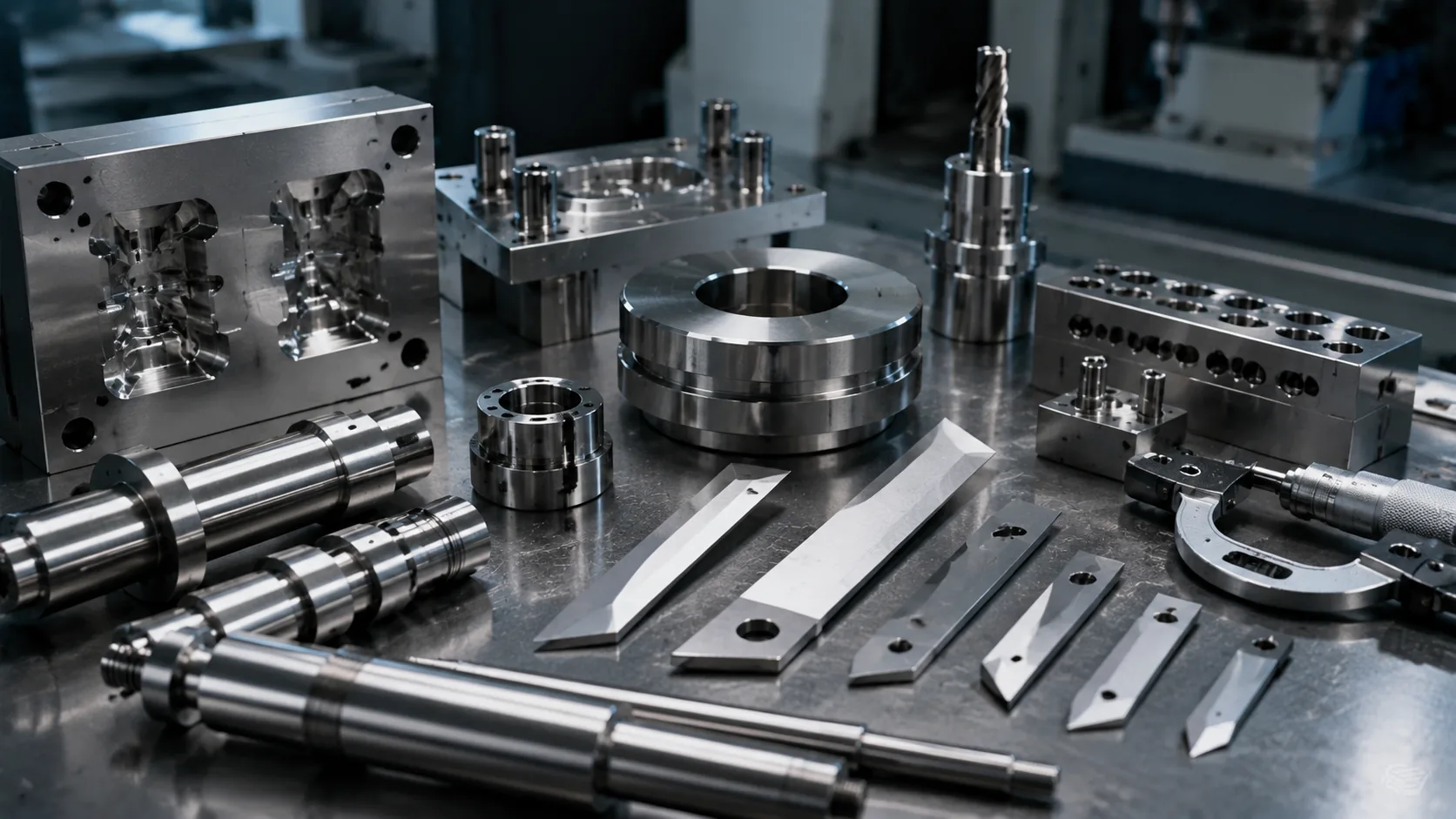
Unlike austenitic stainless steels, 420 stainless steel can be strengthened through heat treatment.This process helps increase its hardness and toughness, making it ideal for parts that require good wear resistance and the ability to maintain a sharp edge.
In CNC machining, 420 stainless steel is often used for components where hardness and mechanical strength are more important than maximum corrosion resistance.
Examples include cutting tools, shafts, molds, and parts that need to withstand wear.
316 stainless steel is an austenitic stainless steel that is well known for its strong corrosion resistance and durability.It contains molybdenum, which enhances its ability to resist corrosion from chlorides, allowing it to perform well in tough environments.
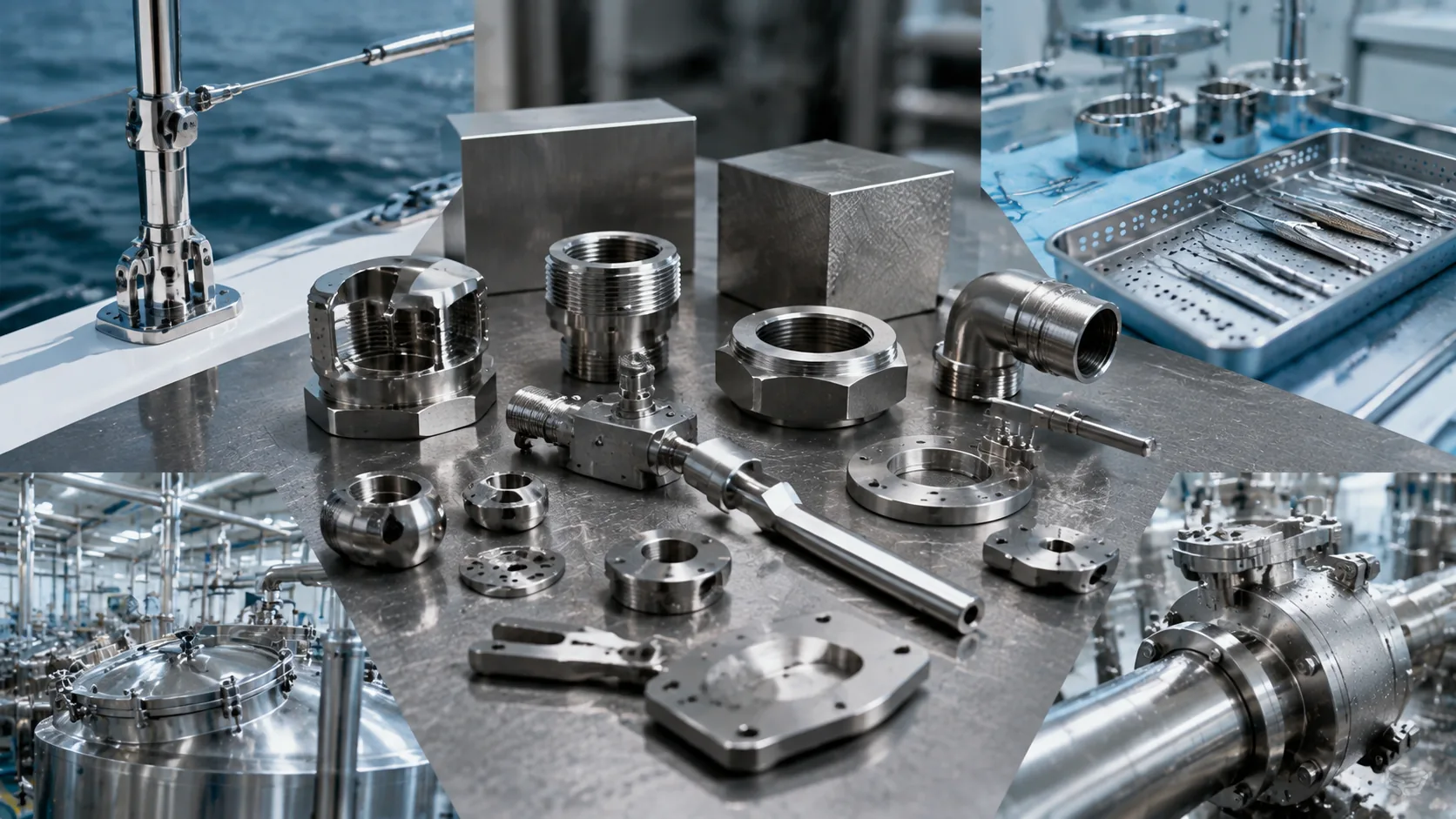
Compared to 420 stainless steel, 316 stainless steel has lower hardness but offers better corrosion resistance, toughness, and resistance to chemical reactions.
For CNC machining, 316 stainless steel is frequently selected for parts used in marine, medical, food processing, and chemical industries where long-term protection against corrosion is essential.
The primary difference between 420 stainless steel and 316 stainless steel lies in their main performance characteristics.
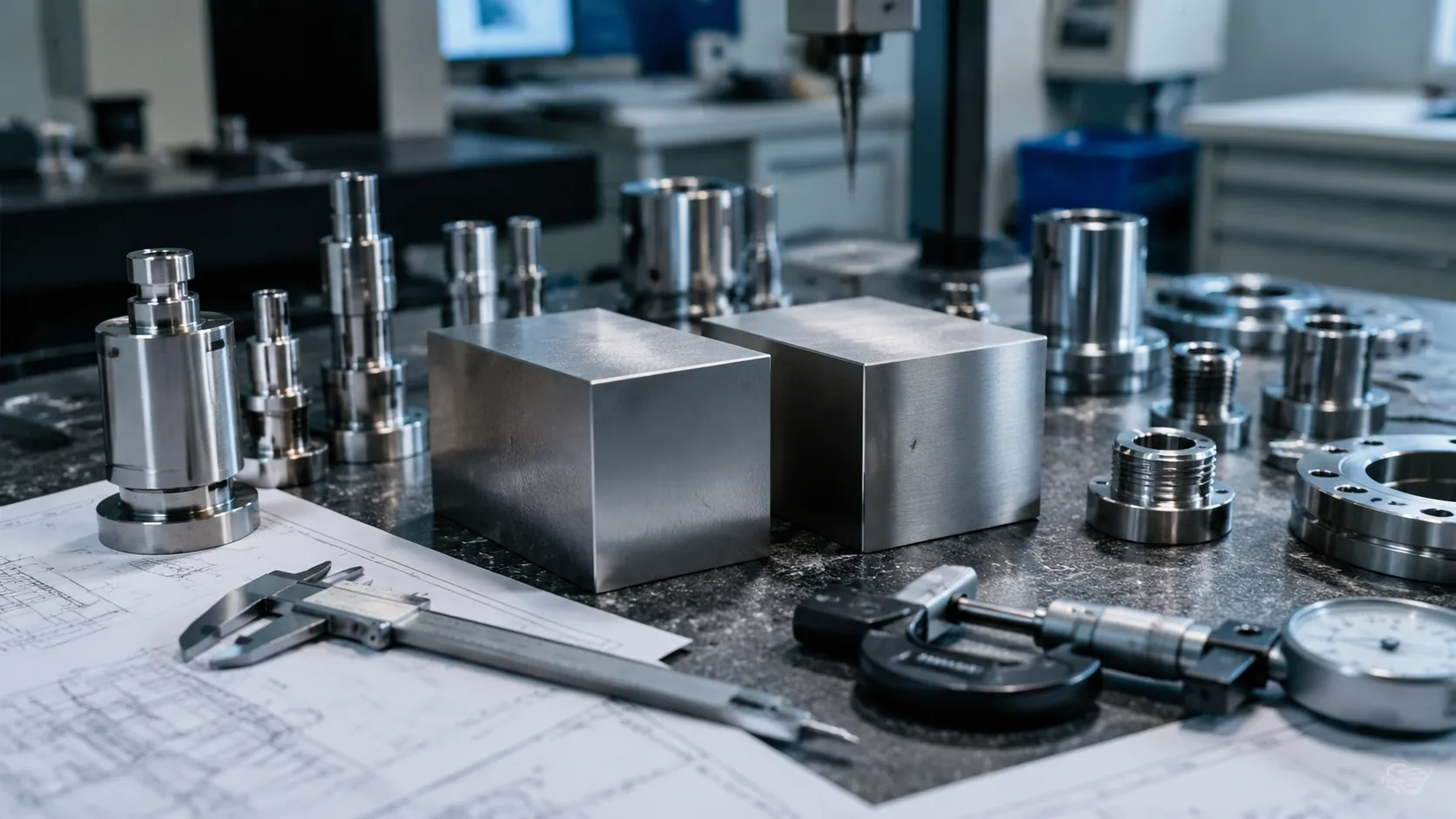
420 stainless steel is known for its high hardness and wear resistance, while 316 stainless steel is known for its excellent corrosion resistance and toughness.
The following comparison highlights the main differences between these two stainless steel grades.
Chemical Composition
The chemical composition of stainless steel plays an important role in determining its performance.
| Feature | 420 Stainless Steel | 316 Stainless Steel |
|---|---|---|
| Carbon | Higher carbon content (about 0.15–0.40%) | Lower carbon content (≤0.08%) |
| Chromium | About 12–14% | About 16–18% |
| Nickel | Low content | Higher content (about 10–14%) |
| Molybdenum | None | About 2–3% |
The higher carbon content in 420 stainless steel helps improve hardness after heat treatment, but it also reduces corrosion resistance.
The molybdenum added to 316 stainless steel improves its resistance to chlorides and chemical environments.
Hardness
Hardness is one of the biggest differences between these two materials.
| Material | Hardness |
|---|---|
| 420 Stainless Steel | Up to around 50 HRC after heat treatment |
| 316 Stainless Steel | Around 15–20 HRC |
420 stainless steel is the preferred choice for parts that require high hardness and wear resistance, such as cutting tools and wear-resistant components.
316 stainless steel is softer but provides better toughness and durability in demanding environments.
Corrosion Resistance
When it comes to corrosion resistance, 316 stainless steel has a clear advantage.
| Material | Corrosion Performance |
|---|---|
| 420 Stainless Steel | Moderate corrosion resistance |
| 316 Stainless Steel | Excellent corrosion resistance |
420 stainless steel performs well in normal environments but is not ideal for saltwater, chemical exposure, or long-term moisture conditions.
Because of its molybdenum content, 316 stainless steel provides much better corrosion resistance in marine, medical, and chemical applications.
Wear Resistance
Wear resistance is closely related to hardness.
| Material | Wear Resistance |
|---|---|
| 420 Stainless Steel | Excellent |
| 316 Stainless Steel | Moderate |
Due to its higher hardness, 420 stainless steel is often used for parts exposed to friction or repeated contact.
Common applications include:
- Blades
- Molds
- Shafts
- Wear-resistant components
For 316 stainless steel, corrosion resistance is usually more important than wear resistance.
Machinability and CNC Processing
Both materials can be machined using CNC processes, but they require different machining approaches.
| Material | CNC Machining Characteristics |
|---|---|
| 420 Stainless Steel | Easier to machine in the annealed condition; higher tool wear after heat treatment |
| 316 Stainless Steel | More difficult to machine due to toughness and work hardening |
When machining 420 stainless steel, heat-treated material may increase tool wear because of its higher hardness.
For 316 stainless steel, proper cutting parameters and tooling are essential because work hardening can affect machining efficiency.
Applications
The best material choice depends on the working environment and the specific requirements of the part.
| Application | Recommended Material |
|---|---|
| Cutting tools | 420 Stainless Steel |
| Surgical instruments | 420 / 316 depending on requirements |
| Marine components | 316 Stainless Steel |
| Chemical equipment | 316 Stainless Steel |
| Food processing equipment | 316 Stainless Steel |
| Wear-resistant parts | 420 Stainless Steel |
Deciding which type of stainless steel to use—420 or 316—depends largely on the environment in which the part will be used and the specific properties that are most important.
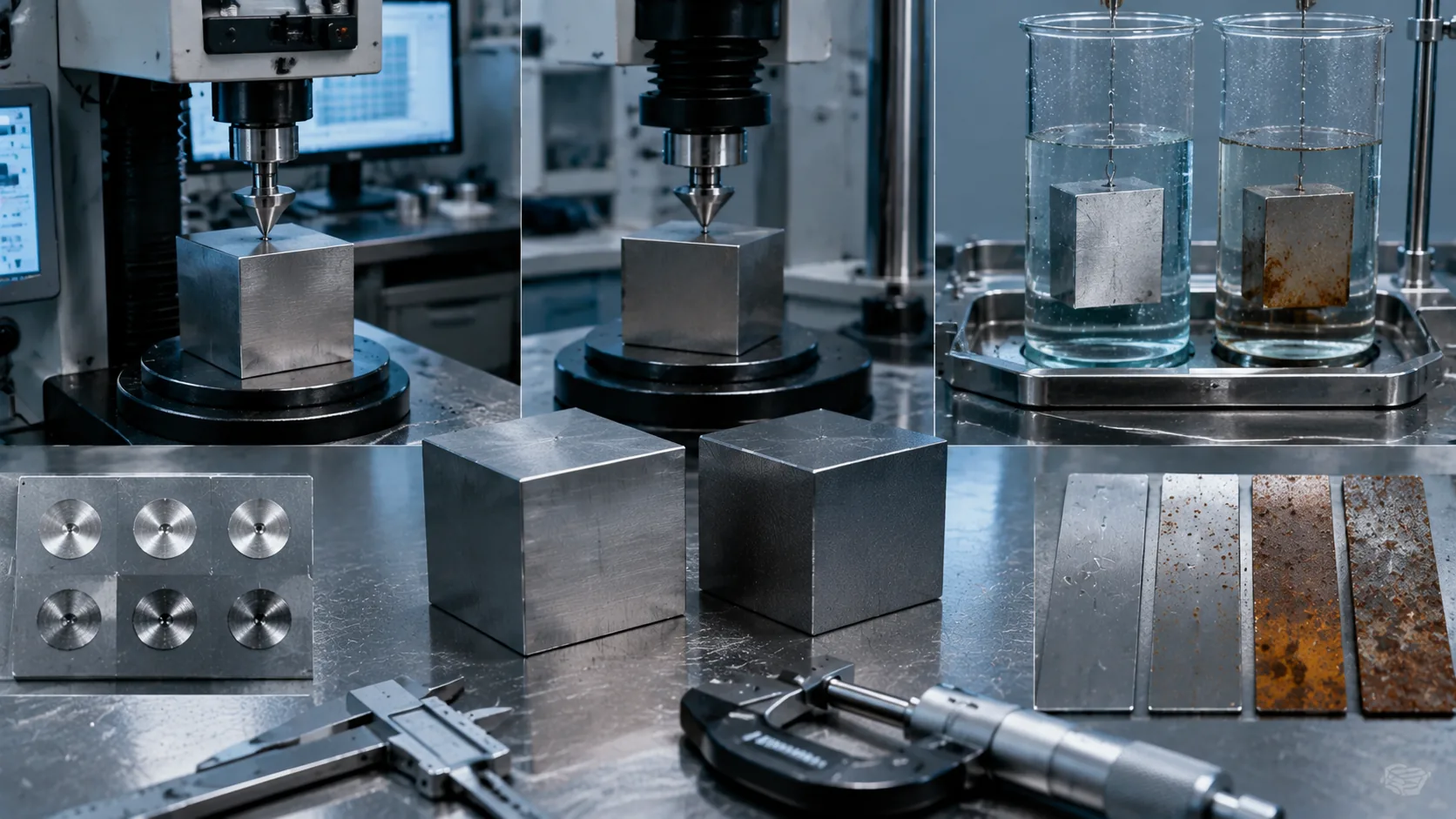
There isn’t a single type that is better in every situation.
The best choice depends on whether the component needs more hardness, better corrosion resistance, or a combination of different characteristics.
Select 420 Stainless Steel If You Need:
420 stainless steel is ideal when hardness and wear resistance are the key factors.
You should choose 420 if your part requires:
- High hardness
- Good wear resistance
- Better edge retention
- Ability to be heat treated
- Strong mechanical performance
This type is often used for parts that experience friction, cutting, or repeated contact.
Common applications include:
- Cutting tools
- Blades
- Molds
- Wear-resistant components
Choose 316 Stainless Steel If You Need:
316 stainless steel is typically the better option when corrosion resistance is more important than hardness.
Opt for 316 if your part needs:
- Excellent corrosion resistance
- Better toughness
- Resistance to saltwater or chemicals
- Long service life in tough environments
This type is commonly used for:
- Marine components
- Medical equipment
- Food processing equipment
- Chemical processing parts
Quick Decision Guide
| Requirement | Recommended Material |
|---|---|
| Maximum hardness | 420 Stainless Steel |
| Wear resistance | 420 Stainless Steel |
| Cutting or abrasion applications | 420 Stainless Steel |
| Marine environment | 316 Stainless Steel |
| Chemical exposure | 316 Stainless Steel |
| Medical applications | 316 Stainless Steel |
| Better corrosion resistance | 316 Stainless Steel |
| Better surface hardness | 420 Stainless Steel |
When choosing materials for CNC machined parts, it is important to consider the part’s operating environment, mechanical requirements, and expected lifespan.
Selecting the right stainless steel grade during the design phase can improve part performance and reduce unnecessary manufacturing costs.
At YUANYI, we offer stainless steel CNC machining services to create precision components from various stainless steel materials, such as 420 stainless steel and 316 stainless steel.
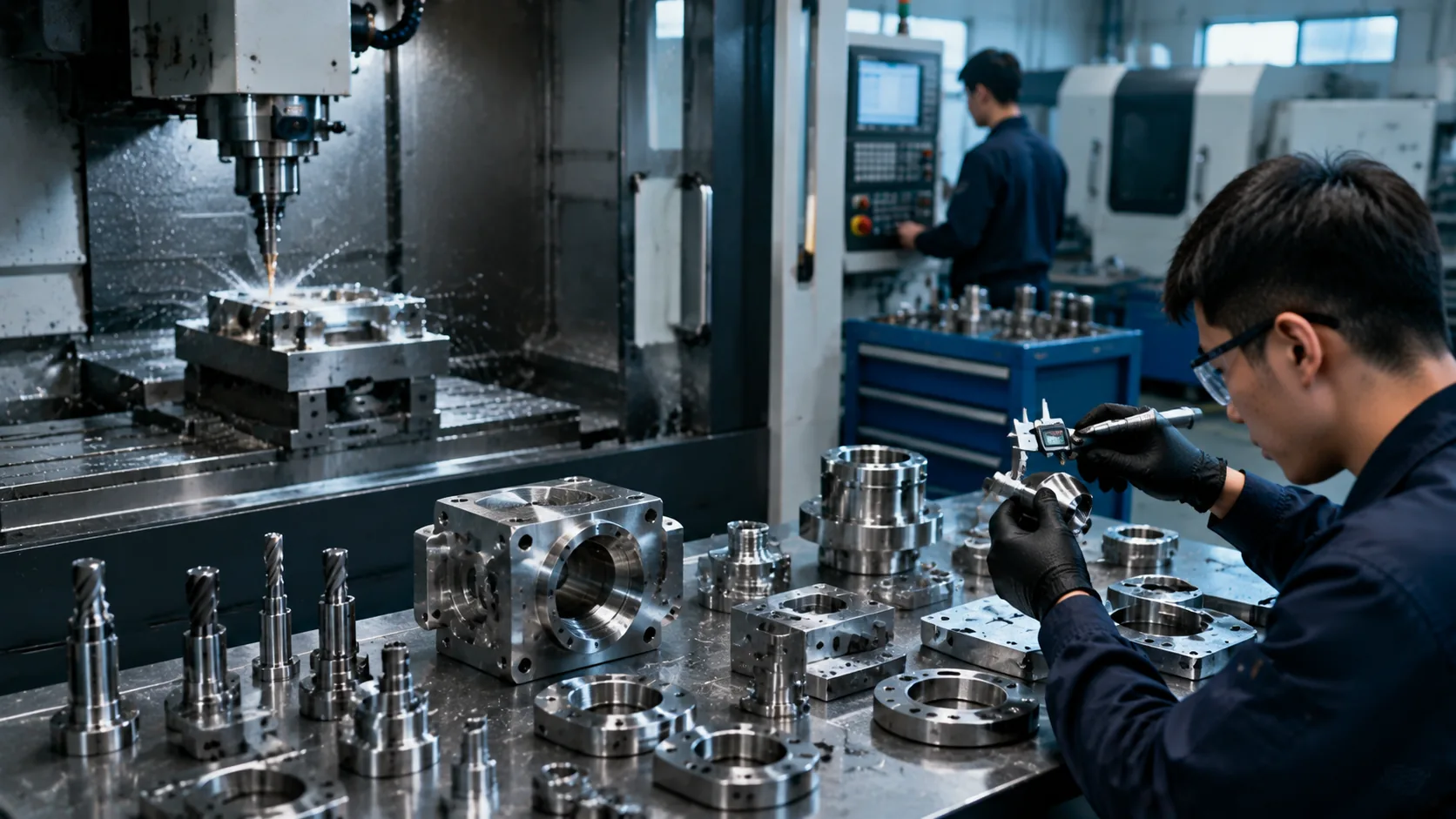
Our engineers work closely with customers to choose the best materials and machining methods based on specific part needs, including hardness, corrosion resistance, dimensional tolerances, and the intended application environment.
Why Choose YUANYI for Stainless Steel CNC Machining?
- Precision Machining: We use advanced CNC milling and turning technologies to produce stainless steel parts with complex designs and tight tolerance requirements.
- Material Expertise: We have experience working with different types of stainless steel, including martensitic 420 and austenitic 316, to meet specific performance needs.
- Custom Manufacturing: We support the development of prototypes, low-volume production runs, and custom stainless steel components.
- Quality Inspection: We conduct thorough inspections to ensure that all machined parts meet the specified drawing requirements and quality standards.
- Engineering Support: Our team reviews customer drawings and offers manufacturing recommendations before starting production.



