

14 gauge steel has a thickness of about 0.0747 inches or 1.897 millimeters.It is widely used in sheet metal applications because it offers a good balance of strength, durability, weight, and ease of manufacturing.
In the sheet metal industry, steel thickness is usually measured in gauge numbers rather than millimeters.A smaller gauge number means the metal is thicker.Therefore, 14 gauge steel is thicker than 16 or 18 gauge steel but thinner than 12 gauge steel.
What Is 14 Gauge Steel?
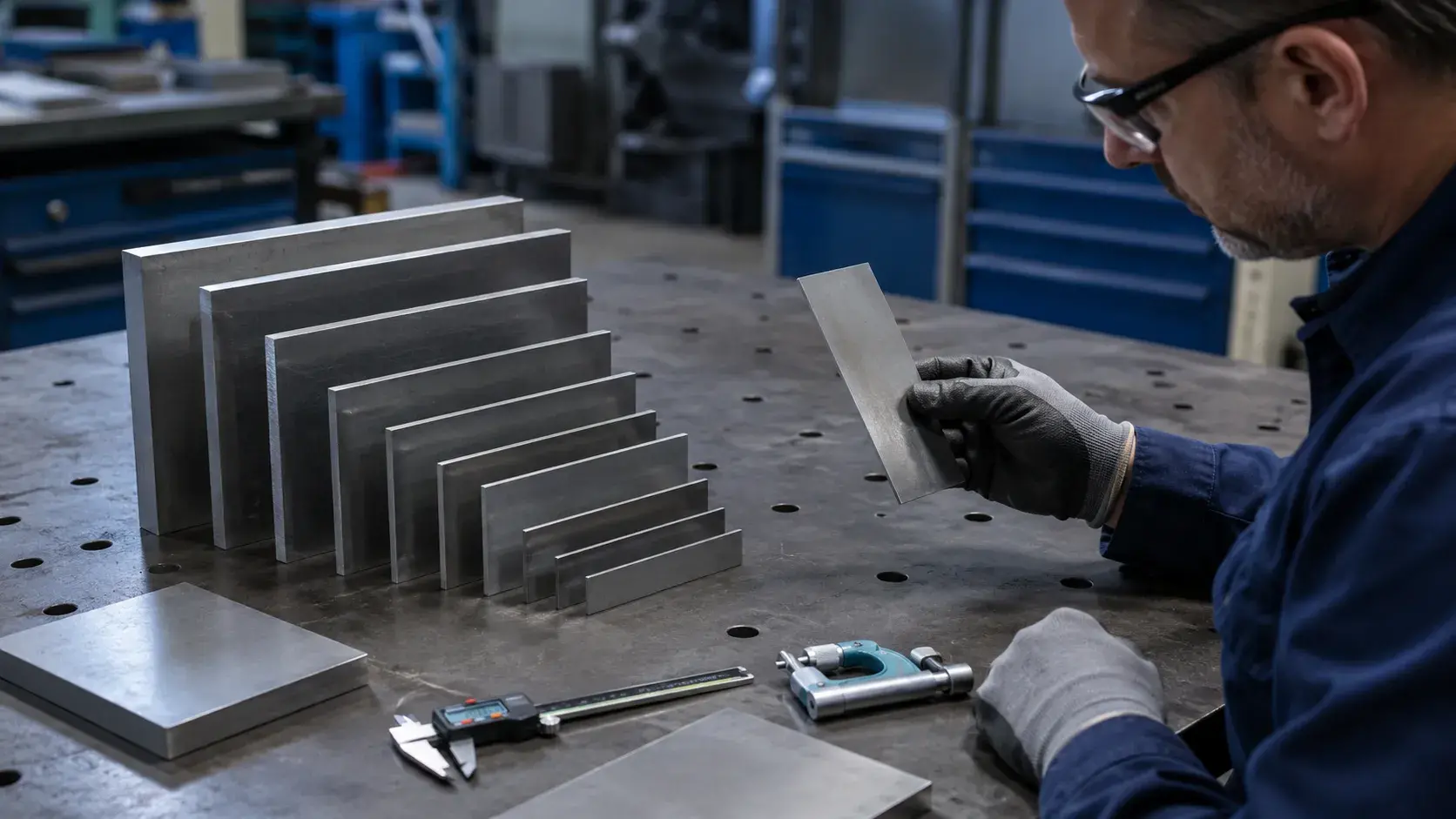
14 gauge steel refers to a type of steel sheet that has a specific thickness determined by the sheet metal gauge system.The gauge number does not indicate an exact measurement; rather, it is a standard classification used to describe the thickness of the metal.
In the gauge system, a smaller gauge number means a thicker metal sheet. For example:
- 12 gauge steel is thicker than 14 gauge steel
- 14 gauge steel is thicker than 16 gauge steel
- 16 gauge steel is thicker than 18 gauge steel
This system is widely used in steel, stainless steel, galvanized steel, and other sheet metal materials.
How Thick Is 14 Gauge Steel?
The standard thickness of 14 gauge steel is:
| Measurement | Thickness |
|---|---|
| Inches | 0.0747 in |
| Millimeters | 1.897 mm |
| Gauge | 14 gauge |
In most engineering applications, 14 gauge steel is considered a medium-thickness sheet metal material. It is thick enough to provide good rigidity and impact resistance while still allowing common fabrication methods such as cutting, bending, welding, and machining.
14 Gauge Steel Thickness by Material Type
Even though the gauge number is the same, the actual thickness can vary based on the material standard.
| Material | Approximate Thickness |
|---|---|
| 14 gauge carbon steel | 1.897 mm |
| 14 gauge galvanized steel | Around 1.994 mm |
| 14 gauge stainless steel | Around 1.984 mm |
The differences occur because different metals use different gauge standards.
14 Gauge Steel Thickness Chart
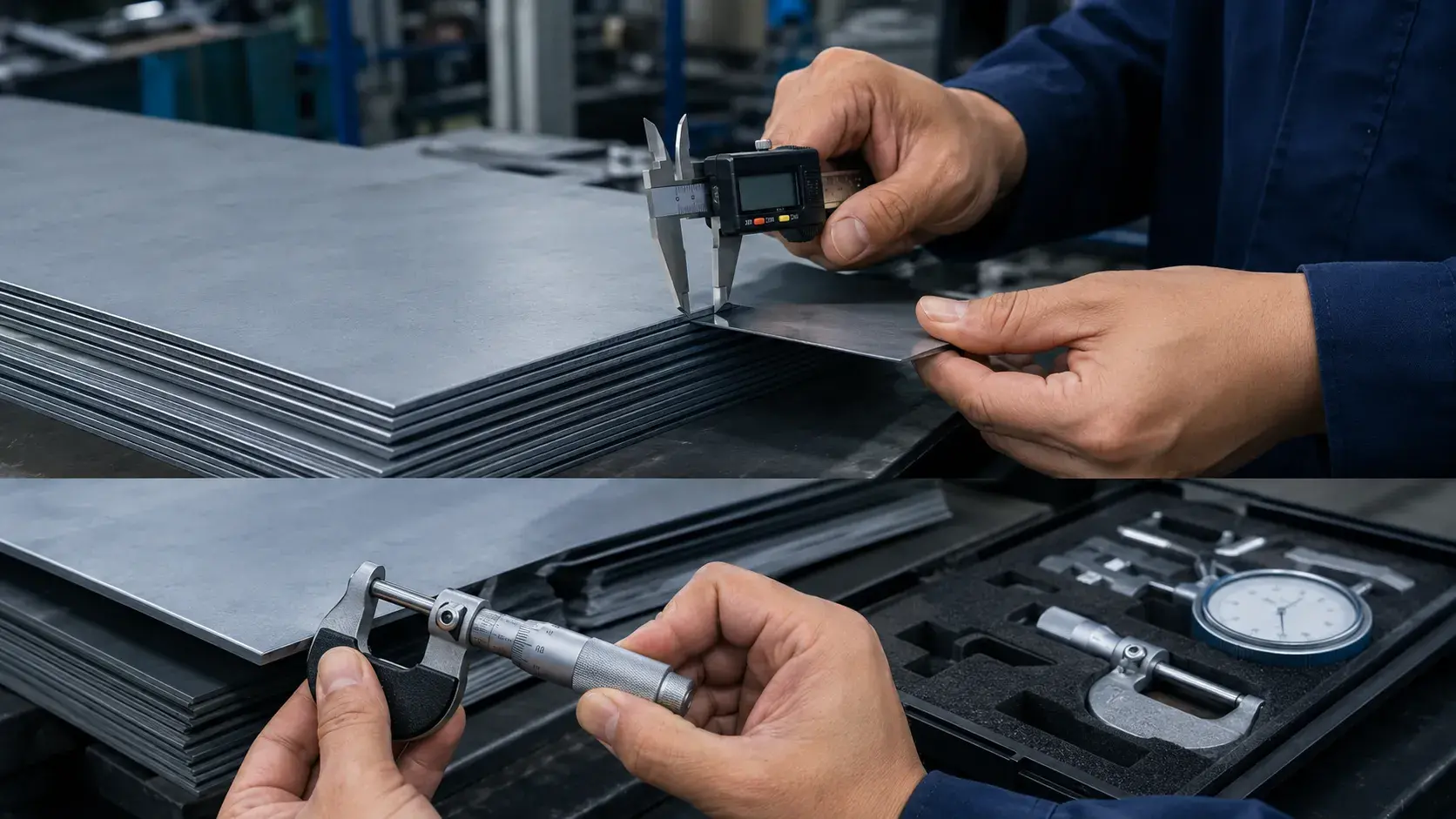
A steel thickness chart helps engineers, designers, and manufacturers quickly compare different gauge sizes and select the right sheet metal thickness for their applications.
The following chart shows common steel gauge thickness conversions:
| Steel Gauge | Thickness (Inches) | Thickness (mm) |
|---|---|---|
| 10 gauge | 0.1345 in | 3.416 mm |
| 12 gauge | 0.1046 in | 2.656 mm |
| 14 gauge | 0.0747 in | 1.897 mm |
| 16 gauge | 0.0598 in | 1.519 mm |
| 18 gauge | 0.0478 in | 1.214 mm |
| 20 gauge | 0.0359 in | 0.912 mm |
| 22 gauge | 0.0299 in | 0.759 mm |
From the chart, 14 gauge steel sits in the middle range of sheet metal thicknesses. It provides more strength and rigidity than thinner gauges such as 18 or 20 gauge, while remaining easier to process compared with heavier materials like 10 or 12 gauge steel.
14 Gauge Steel vs Other Steel Thicknesses
Different steel thicknesses provide different levels of strength, weight, and durability. The following table compares 14 gauge steel with other commonly used steel gauges.
| Steel Gauge | Thickness (mm) | Relative Thickness | Strength & Rigidity | Common Applications |
|---|---|---|---|---|
| 10 Gauge Steel | 3.416 mm | Much thicker than 14 gauge | Highest strength and rigidity | Heavy equipment, structural components, industrial frames |
| 12 Gauge Steel | 2.656 mm | Thicker than 14 gauge | Higher strength and impact resistance | Heavy-duty brackets, machinery parts, supports |
| 14 Gauge Steel | 1.897 mm | Balanced thickness | Good balance of strength, weight, and cost | Enclosures, brackets, machine components, automotive parts |
| 16 Gauge Steel | 1.519 mm | Thinner than 14 gauge | Moderate strength, easier forming | Panels, covers, light structures |
| 18 Gauge Steel | 1.214 mm | Much thinner than 14 gauge | Lower rigidity, lightweight | Decorative panels, lightweight enclosures |
How Strong Is 14 Gauge Steel?
14 gauge steel is a type of medium-thickness sheet metal that offers a good balance of strength, rigidity, and weight.It has a thickness of about 1.897 mm (0.0747 inches), making it strong enough for many industrial and commercial uses while still being easy to work with.
However, the strength of 14 gauge steel is not only determined by its thickness.Other elements, such as the type of steel, the design of the part, the supporting structure, and the way it is loaded, also play a role in how well the component performs.
For example, a 14 gauge carbon steel sheet and a 14 gauge stainless steel sheet are about the same thickness, but they have different mechanical properties and levels of corrosion resistance.
Important factors that influence the strength of 14 gauge steel include:
- Material Grade: Different types of steel have different levels of yield strength and tensile strength.
- Part Design: Features such as bends, reinforcements, and the overall shape can greatly affect the stiffness of the component.
- Application Requirements: Parts that are exposed to vibration, impact, or heavy loads might need a thicker material.
- Manufacturing Method: Processes like welding, forming, machining, and finishing can impact the final performance of the steel.
For many uses, such as machine enclosures, brackets, equipment panels, and industrial parts, 14 gauge steel offers enough strength while keeping the weight and cost of the material manageable.
How Much Does 14 Gauge Steel Weigh?
The weight of 14 gauge steel depends on the sheet size, material type, and density of the metal. Since different materials have different densities, the weight of 14 gauge stainless steel, carbon steel, and galvanized steel will vary slightly.
For carbon steel, the approximate weight of 14 gauge steel is:
| Sheet Size | Approximate Weight |
|---|---|
| 1 square foot | About 2.5 lb (1.13 kg) |
| 4 × 8 ft sheet | About 80 lb (36 kg) |
The general formula for calculating steel sheet weight is:
Weight = Volume × Material Density
or:
Weight = Length × Width × Thickness × Density
Common Applications of 14 Gauge Steel
14 gauge steel is widely used in industrial, commercial, and manufacturing applications because it provides a good balance of strength, durability, and cost.
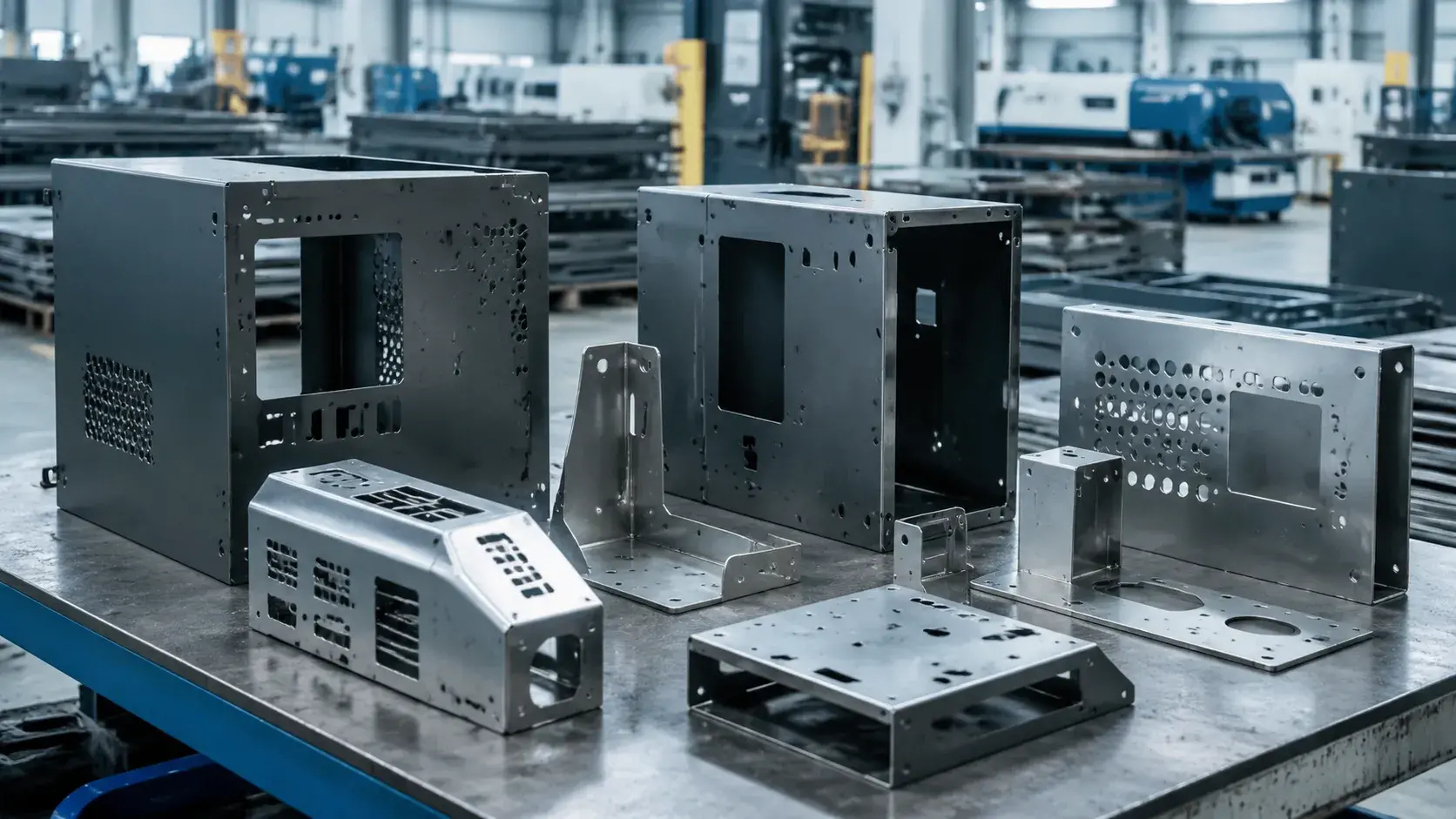
Industrial Applications of 14 Gauge Steel
14 gauge steel is commonly used for industrial components that require good rigidity and long-term durability.
Typical applications include:
- Machine enclosures
- Equipment frames
- Protective guards
- Mounting brackets
- Control cabinets
Automotive Applications of 14 Gauge Steel
In automotive applications, 14 gauge steel is often selected for parts that require reliable strength without excessive weight.
Common uses include:
- Support brackets
- Reinforcement components
- Mounting parts
- Custom fabricated automotive components
Construction Applications of 14 Gauge Steel
14 gauge steel is also widely used in construction and metal fabrication projects where moderate strength and durability are required.
Common applications include:
- Metal frames
- Structural supports
- Steel brackets
- Protective panels
- Fabricated assemblies
CNC Machining Considerations for 14 Gauge Steel Parts
When producing 14 gauge steel components, several factors can influence the machining process and the final product quality:
Material Selection
Various types of steel have different levels of machinability.Carbon steel is often used for general purposes, whereas stainless steel offers improved resistance to corrosion.
Part Design
Steel components that are relatively thin may need appropriate fixtures and support to avoid bending or warping during machining.
Surface Requirements
Depending on the intended use and environment, additional surface treatments like powder coating, plating, or other finishing methods may be necessary.
Tolerance Requirements
For steel parts that require high precision, manufacturers must carefully manage machining settings, tool choices, and quality inspection procedures to ensure consistent and accurate dimensions.
Factors to Consider When Selecting Steel Thickness
Selecting the appropriate steel thickness involves evaluating the specific needs of the application, the method of manufacturing, and the available budget.
The key considerations include:
Strength and Rigidity
A greater steel thickness typically offers increased strength and rigidity.
For applications that require heavy-duty performance, a thicker gauge may be necessary.On the other hand, 14 gauge steel is commonly used for general industrial components, brackets, and enclosures.
Weight and Cost
Using thicker steel enhances durability but also raises the weight and cost of the material.It is important to find a balance between the required performance and the overall project requirements.
Manufacturing Process
The method used to fabricate the steel can influence the choice of material.It is essential to take into account factors such as CNC machining, laser cutting, bending, and welding when determining the suitable steel thickness.
14 Gauge Steel vs Other Materials
Steel thickness is only one factor when selecting a material. Engineers also compare 14 gauge steel with alternatives such as aluminum and stainless steel based on strength, weight, corrosion resistance, and application requirements.
14 Gauge Steel vs Aluminum
Compared with aluminum, 14 gauge steel provides higher strength and better rigidity at the same thickness.
| Feature | 14 Gauge Steel | Aluminum |
|---|---|---|
| Strength | Higher | Lower |
| Weight | Heavier | Lighter |
| Corrosion Resistance | Moderate | Excellent |
| Cost | Generally lower | Higher |
| Common Uses | Industrial parts, brackets, frames | Aerospace parts, lightweight components |
Aluminum is often preferred when weight reduction and corrosion resistance are priorities, while steel is commonly selected for applications requiring higher strength and durability.
14 Gauge Steel vs Stainless Steel
Stainless steel has similar strength characteristics to carbon steel but provides much better corrosion resistance.
| Feature | 14 Gauge Steel | Stainless Steel |
|---|---|---|
| Strength | Good | Good to Excellent |
| Corrosion Resistance | Moderate | Excellent |
| Cost | Lower | Higher |
| Surface Appearance | Basic | Better finish |
| Common Uses | Machinery, structures, brackets | Medical, food, chemical, outdoor applications |
Stainless steel is a better choice for harsh environments where corrosion resistance and appearance are important.
Conclusion
14 gauge steel has a thickness of about 1.897 millimeters or 0.0747 inches.It is commonly used because it offers a good balance between strength, weight, cost, and ease of manufacturing.
When compared to thinner steel gauges such as 16 or 18, 14 gauge steel provides greater stiffness and durability.On the other hand, compared to thicker gauges like 10 or 12, it is easier to work with and has a lighter weight.
Frequently Asked Questions About 14 Gauge Steel
14 gauge steel is a specific type of sheet metal made from steel. The term “sheet metal” refers to thin metal sheets in general, while 14 gauge steel specifically describes the thickness of a steel sheet.
Yes, 14 gauge steel can be bent and formed using suitable equipment. However, the required force depends on the steel grade, bending method, bend radius, and tooling used.
The temperature resistance of 14 gauge steel depends on the specific steel grade and operating environment. Carbon steel can handle many industrial applications, while stainless steel grades are often preferred for high-temperature or corrosive environments.
Standard carbon steel can rust when exposed to moisture and oxygen without protection. To improve corrosion resistance, 14 gauge steel can be galvanized, painted, powder coated, or replaced with stainless steel.
14 gauge steel can be cut using different methods depending on production requirements, including:
Laser cutting
Plasma cutting
Waterjet cutting
CNC machining
Shearing tools
The best method depends on the required accuracy, production volume, and part design.
Yes, 14 gauge steel is commonly used for fabrication projects because it offers a good balance between strength, workability, and cost. It is suitable for brackets, enclosures, frames, and custom metal components.



