

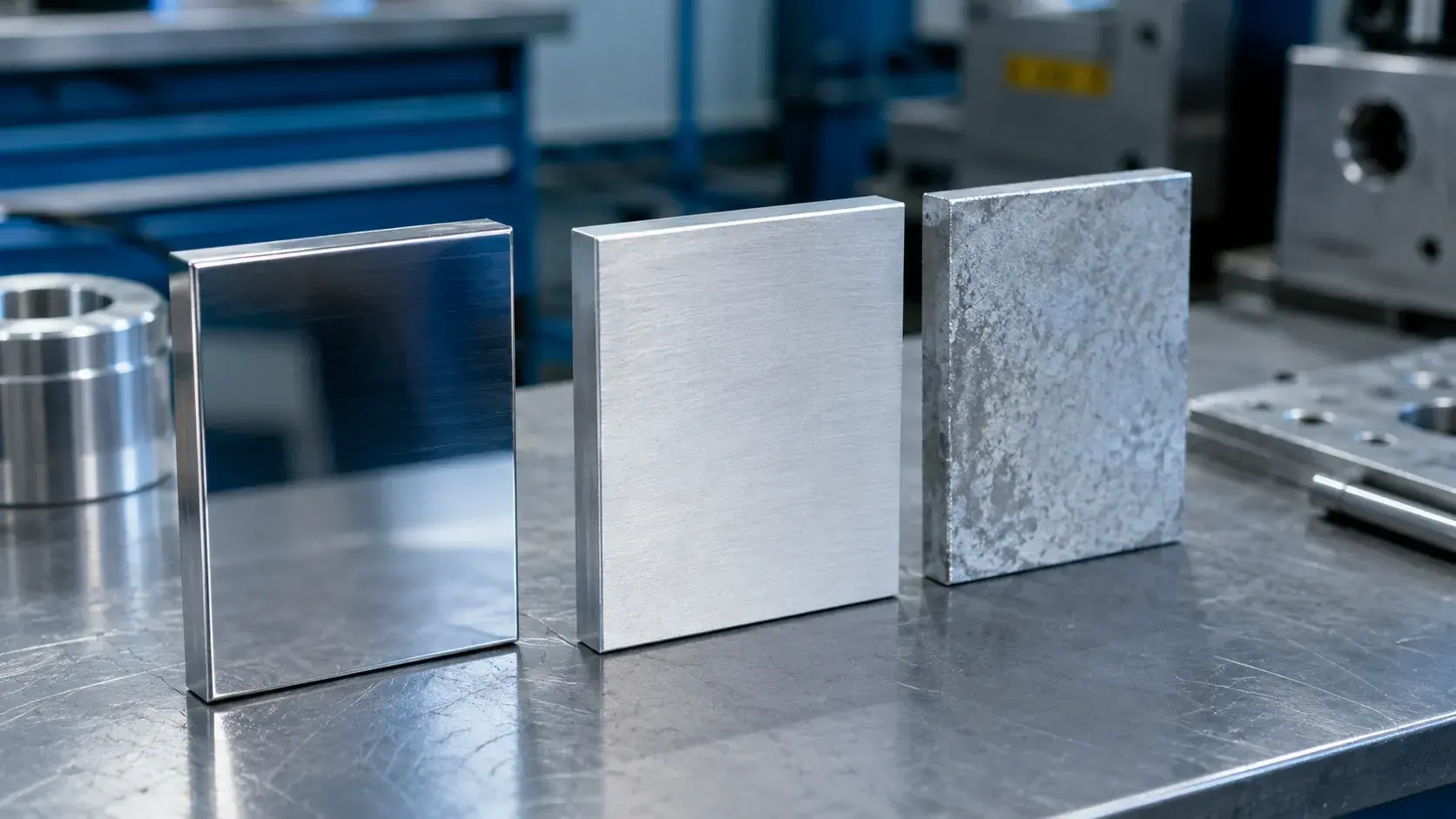
Aluminum does not rust in the same way as iron or steel.When aluminum comes into contact with oxygen, it develops a thin layer of oxide that acts as a protective barrier, helping to stop more damage from happening.Nevertheless, aluminum can still corrode in specific situations, particularly in environments that include salt water, chemicals, or high levels of exposure.
Does Aluminum Rust?
No, aluminum does not rust in the usual way.
Rust is a type of oxidation that happens to iron, leading to the formation of iron oxide, which slowly weakens the metal.
Since aluminum does not contain iron, it cannot develop the typical red-brown rust that you see on steel.
Instead, when aluminum is exposed to oxygen, it forms a thin layer of aluminum oxide on its surface.
This process is known as aluminum oxidation.
Unlike the rust that affects steel, this oxide layer has several important characteristics:
- It is thin
- It is stable
- It sticks firmly to the surface
- It acts as a protective barrier against further oxidation
Because of this natural protection, aluminum is generally very resistant to corrosion compared to many other metals.
However, it is not entirely immune to corrosion.In certain conditions, aluminum surfaces can still be damaged over time.
Why Does Aluminum Oxidize?
Aluminum tends to oxidize because it is chemically active.
When aluminum is first exposed to the air, it quickly reacts with oxygen to form a layer of aluminum oxide (Al₂O₃) on its surface.
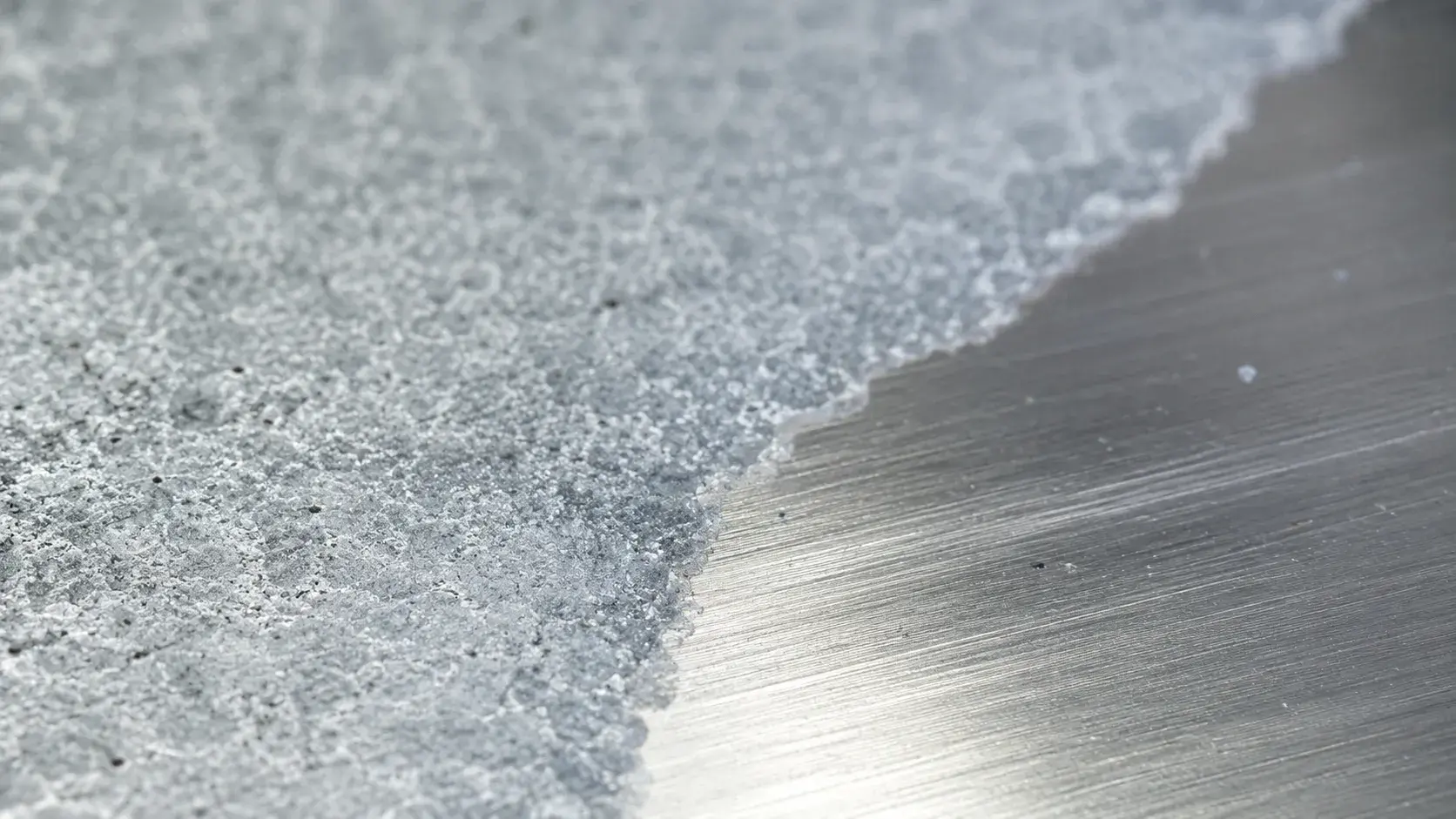
This oxide layer acts as a barrier that stops oxygen from reacting with the metal underneath.
This is different from how steel oxidizes.
In the case of steel:
- Iron reacts with oxygen and water, leading to rust formation.
- This rust continues to grow and weakens the metal structure over time.
For aluminum:
- It reacts with oxygen, forming a stable oxide layer.
- This layer stops further oxidation from happening significantly.
Because of this natural oxide layer, aluminum is commonly used in many industries, including aerospace, automotive, construction, and manufacturing.
What Happens When Aluminum Corrodes?
Although aluminum has good corrosion resistance, it can still corrode under certain conditions.
Factors that accelerate aluminum corrosion include:
| Environment | Effect on Aluminum |
|---|---|
| Dry air | Minimal surface oxidation |
| Fresh water | Usually slow corrosion |
| Salt water | Faster corrosion due to chlorides |
| Acidic chemicals | Can damage oxide protection |
| Industrial environments | Possible chemical reactions |
In particular, salt water is one of the biggest challenges for aluminum because chloride ions can break down the protective oxide layer.
This is why aluminum components used in marine, outdoor, and industrial environments often require additional surface protection.
Aluminum Rust vs Oxidation: What Is the Difference?
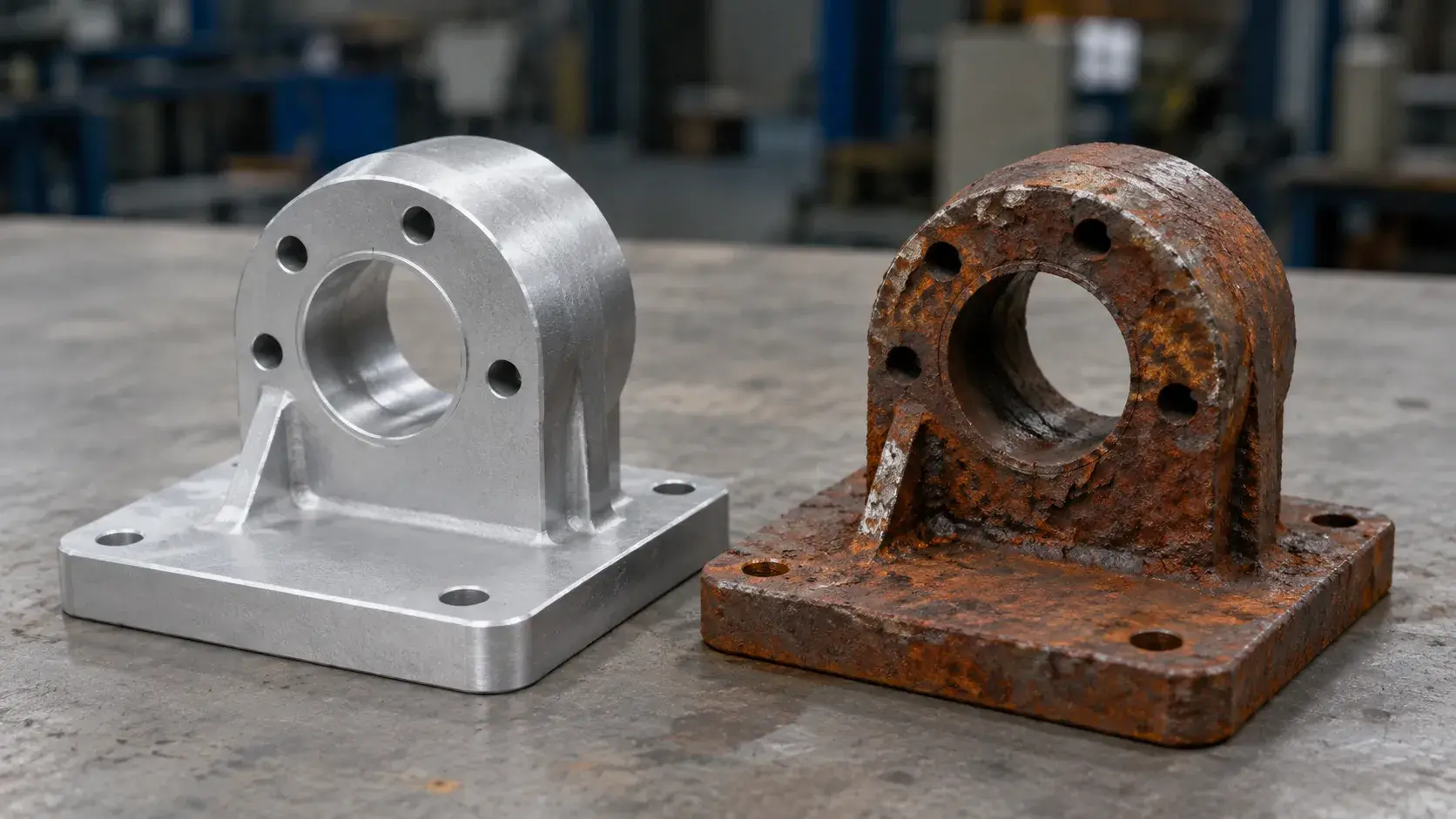
Many people confuse rust and oxidation, but they are not the same process.
The difference between aluminum rust vs oxidation mainly comes from how the surface reaction affects the metal.
| Feature | Rust | Aluminum Oxidation |
|---|---|---|
| Common metals | Iron and steel | Aluminum |
| Main compound | Iron oxide | Aluminum oxide |
| Appearance | Red or brown flakes | White or gray surface layer |
| Effect on metal | Weakens structure | Protects the surface |
| Long-term result | Progressive damage | Improved corrosion resistance |
The oxide layer on aluminum is actually one of the reasons this material performs well in demanding applications.
Does Aluminum Corrode in Water?
Yes, aluminum can corrode when it comes into contact with water, but the extent of corrosion varies depending on the type of water and the surrounding environment.
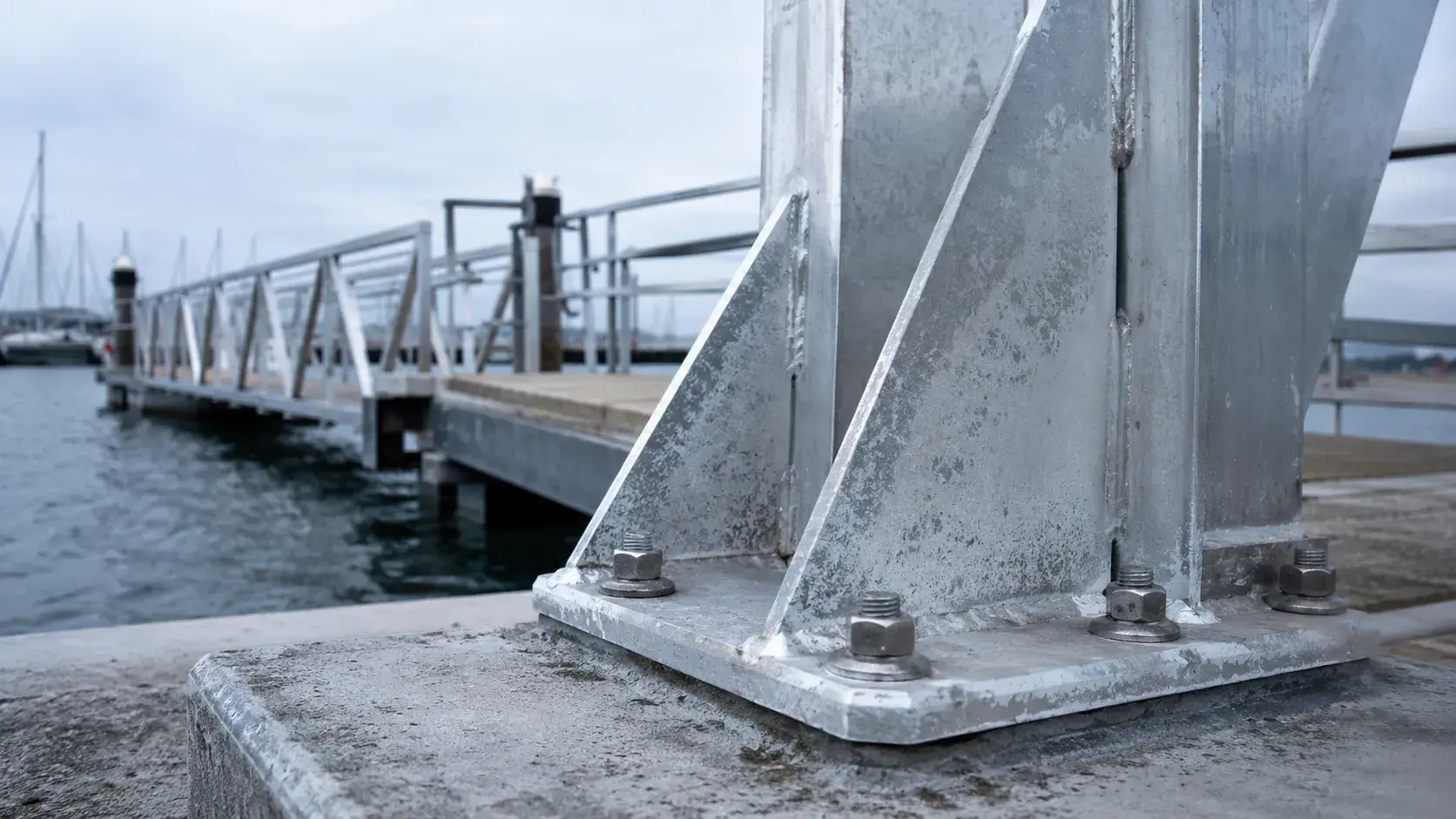
In regular fresh water, aluminum typically resists corrosion effectively because a thin layer of oxide forms on its surface, offering protection.
On the other hand, salt water can lead to faster corrosion of aluminum.The chloride ions present in salt water can weaken and break down the protective oxide layer, making the metal more vulnerable.
Aluminum’s resistance to corrosion is especially important in the following areas:
- Marine equipment
- Outdoor structures
- Transportation parts
- Industrial machines
To enhance the durability of aluminum in these settings, engineers often choose specific alloys and apply surface treatments that help prevent corrosion over time.
How to Prevent Aluminum Corrosion?
Aluminum naturally develops a protective oxide layer, which helps shield it from corrosion.
However, in harsh environments, extra protection may be necessary to ensure its longevity.
Choosing the right surface treatments, materials, and maintenance practices can greatly enhance the durability of aluminum.
Common ways to minimize aluminum corrosion are:
1.Anodizing Aluminum
Anodizing is a widely used technique to boost the corrosion resistance of aluminum.
In the anodizing process, the natural oxide layer on aluminum is thickened using an electrochemical method.This results in a stronger and more durable protective surface.
Advantages of anodized aluminum include:
- Better resistance to corrosion
- Increased surface hardness
- Improved ability to withstand wear
- More options for appearance and finish
Anodized aluminum is commonly used in aerospace parts, electronic enclosures, car components, and building materials.
2.Applying Protective Coatings
Protective coatings act as a barrier that prevents aluminum from coming into contact with harmful elements.
Typical coating techniques include:
- Powder coating
- Painting
- Chemical treatments
- Protective films
These methods are particularly helpful for aluminum parts that are used outdoors, in wet conditions, or in areas with chemical exposure.
3.Selecting the Appropriate Aluminum Alloy
Different aluminum alloys have varying levels of corrosion resistance.It is important to pick the right alloy depending on the conditions it will face to ensure long-lasting performance.
For instance:
- Aluminum from the 5000 series usually has excellent corrosion resistance
- Aluminum from the 6000 series offers a good balance of strength and ease of machining
- Aluminum from the 7000 series is very strong but may need extra protection in certain environments.
Which Aluminum Alloys Are Commonly Used in Manufacturing?
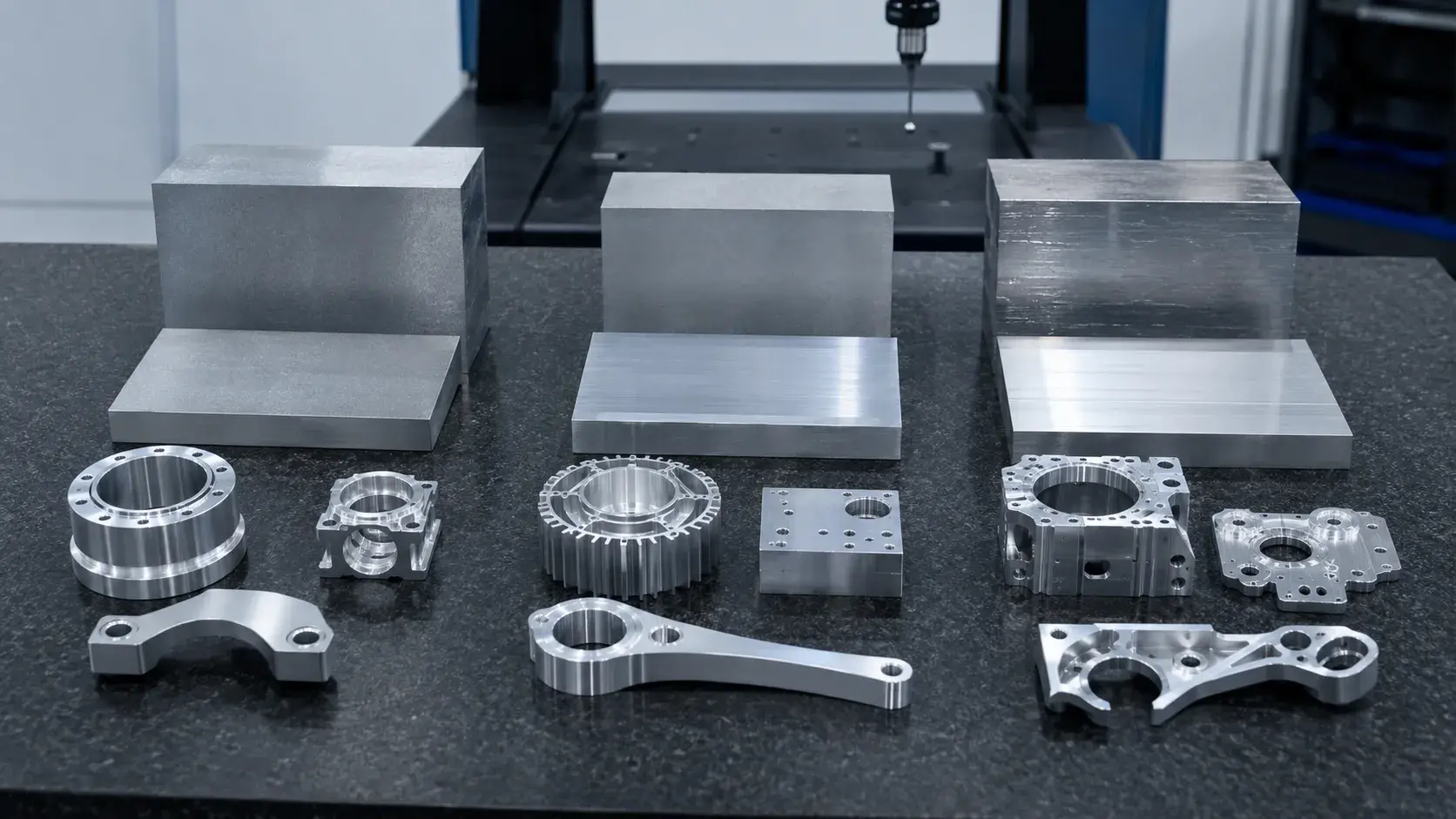
Different aluminum alloys provide different combinations of strength, corrosion resistance, machinability, and weight performance.
The most commonly used aluminum alloys in manufacturing include:
| Aluminum Alloy | Main Characteristics | Common Applications |
|---|---|---|
| 5052 Aluminum | Excellent corrosion resistance and good formability | Marine parts, sheet metal components, enclosures |
| 6061 Aluminum | Balanced strength, machinability, and corrosion resistance | CNC machined parts, frames, structural components |
| 7075 Aluminum | Very high strength and lightweight properties | Aerospace components, high-performance parts |
Among these alloys, 6061 aluminum is one of the most widely used materials for precision manufacturing because it provides a good balance between machinability, strength, and corrosion resistance.
7075 aluminum is often selected when higher mechanical performance is required, especially in aerospace and demanding engineering applications.
Related Articles:5052 vs 6061 vs 7075 Aluminum
Is Aluminum Good for CNC Machining?
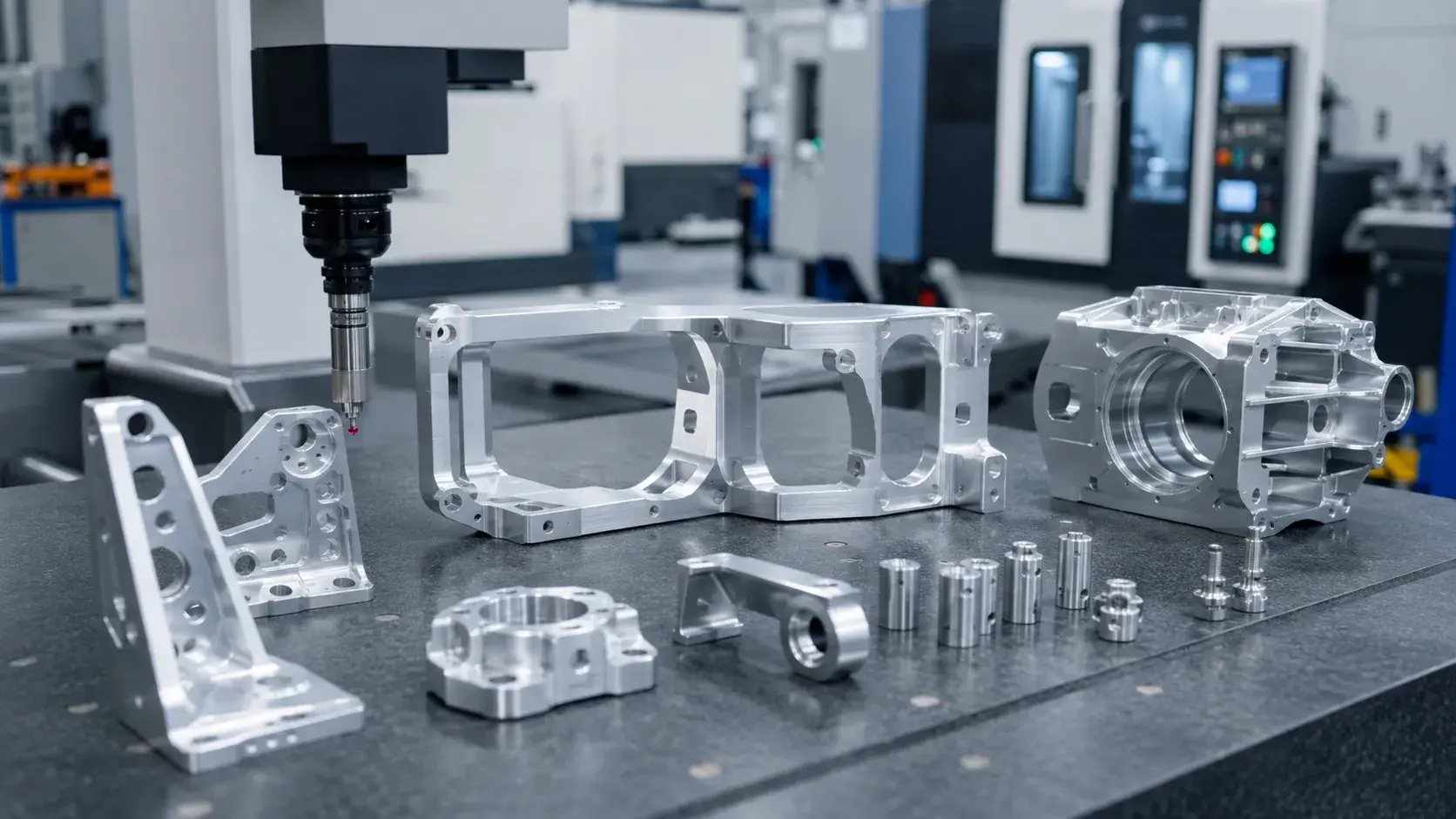
Yes, aluminum is one of the most commonly used metals for CNC machining.
Its popularity comes from several advantages:
| Advantage | Description |
|---|---|
| Lightweight | Reduces overall component weight |
| Excellent machinability | Allows efficient cutting and processing |
| Good corrosion resistance | Suitable for many environments |
| Good surface finish | Produces smooth machined surfaces |
| High strength-to-weight ratio | Suitable for demanding applications |
Because of these properties, aluminum is widely used for precision components in:
- Aerospace equipment
- Automotive parts
- Robotics
- Medical devices
- Electronic housings
- Industrial machinery
For manufacturers requiring lightweight and precise components, aluminum CNC machining is often an effective solution.
When selecting aluminum for CNC manufacturing, engineers usually consider:
- Required strength
- Operating environment
- Corrosion resistance
- Surface finish requirements
- Production volume
Choosing the correct aluminum alloy and machining process helps ensure reliable part performance.
Custom Aluminum Parts Manufacturing
Aluminum is a commonly used material in precision manufacturing due to its light weight, ease of machining, and resistance to corrosion.
For projects that require precise measurements, smooth surfaces, and dependable performance, choosing the appropriate aluminum alloy and machining method is crucial.
YUANYI offers precision CNC machining services for aluminum parts, including prototypes and small batches of production components.
With advanced machining technologies and thorough quality control procedures, we assist customers in producing durable aluminum parts for use in aerospace, automotive, industrial, and other sectors.
YUANYI provides precision CNC machining for aluminum components, offering tight tolerances, reliable quality, and prototype to low-volume production.
Get a QuoteFAQ About Aluminum Corrosion
Yes, aluminum can develop a white or gray surface appearance when it oxidizes.
This color change comes from the formation of aluminum oxide on the surface. Unlike rust on steel, this oxide layer is usually protective and helps prevent deeper corrosion.
The appearance of oxidation may vary depending on the environment, alloy type, and surface treatment.
No, aluminum does not rust underwater because rust specifically refers to iron oxidation.
However, aluminum can still experience aluminum corrosion when exposed to water, especially salt water. Marine environments can be challenging because chloride ions may damage the protective oxide layer and accelerate corrosion.
For underwater or marine applications, engineers often consider corrosion-resistant alloys and surface treatments.
In many environments, aluminum has better natural corrosion resistance than standard steel because it forms a protective oxide layer.
However, the best material choice depends on the application.
| Material | Corrosion Behavior |
|---|---|
| Aluminum | Forms protective oxide layer |
| Carbon steel | Can develop damaging rust |
| Stainless steel | Uses chromium oxide layer for protection |
Factors such as strength requirements, temperature, chemicals, and environmental exposure should also be considered when selecting materials.
Yes, anodizing significantly improves aluminum corrosion resistance by creating a thicker and more durable oxide layer.
Anodized aluminum is commonly used for:
- Outdoor components
- Electronic housings
- Aerospace parts
- Architectural applications
However, anodizing does not make aluminum completely immune to corrosion. Severe chemical exposure or physical damage to the surface can still affect protection.
The lifespan of aluminum outdoors depends on the alloy, environment, and surface treatment.
In normal outdoor conditions, aluminum can remain functional for many years because of its natural oxide protection. However, coastal areas, industrial pollution, and harsh chemical environments may require additional protection.
Using the correct alloy and surface finish can greatly improve long-term durability.



