

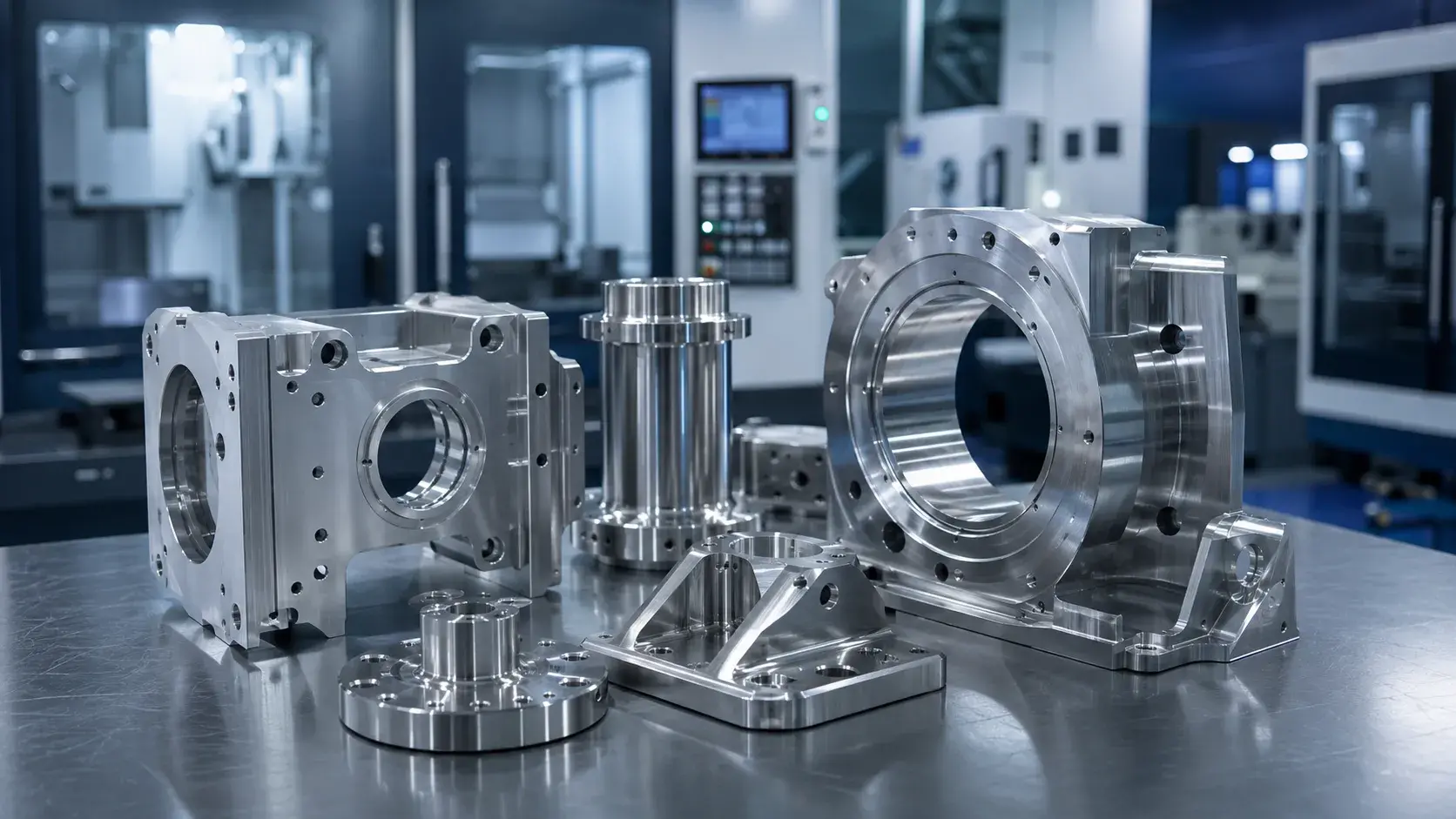
Stainless steel is commonly used in various industries such as aerospace, medical, automotive, food processing, and manufacturing because of its strong resistance to corrosion, high strength, and long-lasting durability.
However, parts made from stainless steel through CNC machining often need extra surface treatment after the machining process to eliminate marks left by the tools, enhance the surface quality, and meet the desired look or functionality.
This guide provides an overview of the main methods for polishing stainless steel and how they are applied to precision CNC machined components.
What Is Stainless Steel Polishing?
Stainless steel polishing is a surface finishing process that eliminates imperfections from the surface of stainless steel, resulting in a smoother, cleaner, and more visually appealing finish.
In the case of industrial components, polishing serves more than just aesthetic purposes.
It can also contribute to:
- Improved surface smoothness
- Enhanced corrosion resistance
- Better cleanability
- Increased wear resistance
- Higher overall product quality
For CNC machined stainless steel parts, polishing is typically done after operations like milling or turning to eliminate visible machining marks and attain the desired surface finish.
How to Polish Stainless Steel Parts Step by Step
The process of polishing stainless steel parts is influenced by several factors, including the desired surface finish, the type of material used, the shape of the part, and its intended use.
When working with CNC machined stainless steel components, polishing is generally carried out after the machining process to eliminate tool marks, enhance surface quality, and reach the necessary finish.
Step 1: Surface Cleaning and Preparation
Before beginning the polishing process, it is essential to thoroughly clean the stainless steel parts to remove any contaminants from the machining stage.
Common residues that may be present include:
- Cutting fluids
- Oil and grease
- Dust
- Metal particles
Cleaning the surface helps ensure that the polishing results are consistent and prevents the creation of new scratches during the finishing process.
Step 2: Removal of Machining Marks and Surface Defects
The initial stage of polishing aims to improve the original surface of the CNC machined part.
Typically, the following issues are addressed:
- Tool marks
- Cutting lines
- Burrs
- Minor scratches
Depending on the condition of the surface, different types of abrasive materials may be used to gradually smooth the surface of the part.
Step 3: Progressive Polishing for the Required Finish
Stainless steel polishing is usually done in several stages, with each stage using progressively finer abrasives.
A standard polishing sequence includes:
| Surface Condition | Typical Ra |
|---|---|
| CNC Machined Surface | 1.6–3.2 μm |
| Fine Polished Surface | 0.4–0.8 μm |
| Mirror Polished Surface | <0.2 μm |
The order of the polishing steps depends on the required surface finish and the specific application needs.
Step 4: Final Surface Treatment and Inspection
Once polishing is complete, the stainless steel parts are inspected to ensure they meet the required quality standards.
Inspection may involve:
- Checking the surface appearance
- Measuring surface roughness
- Verifying dimensions
For precision CNC machined components, it is important to carefully control the polishing process to prevent any changes to critical dimensions or potential effects on the part’s function.
Step 5: Additional Finishing Processes (Optional)
In some cases, stainless steel parts may go through extra finishing steps after polishing, especially for more demanding applications.
Such processes may include:
- Electropolishing for medical and semiconductor components
- Passivation to improve corrosion resistance
- Cleaning and protective treatments for final delivery
Why Polish Stainless Steel Parts?
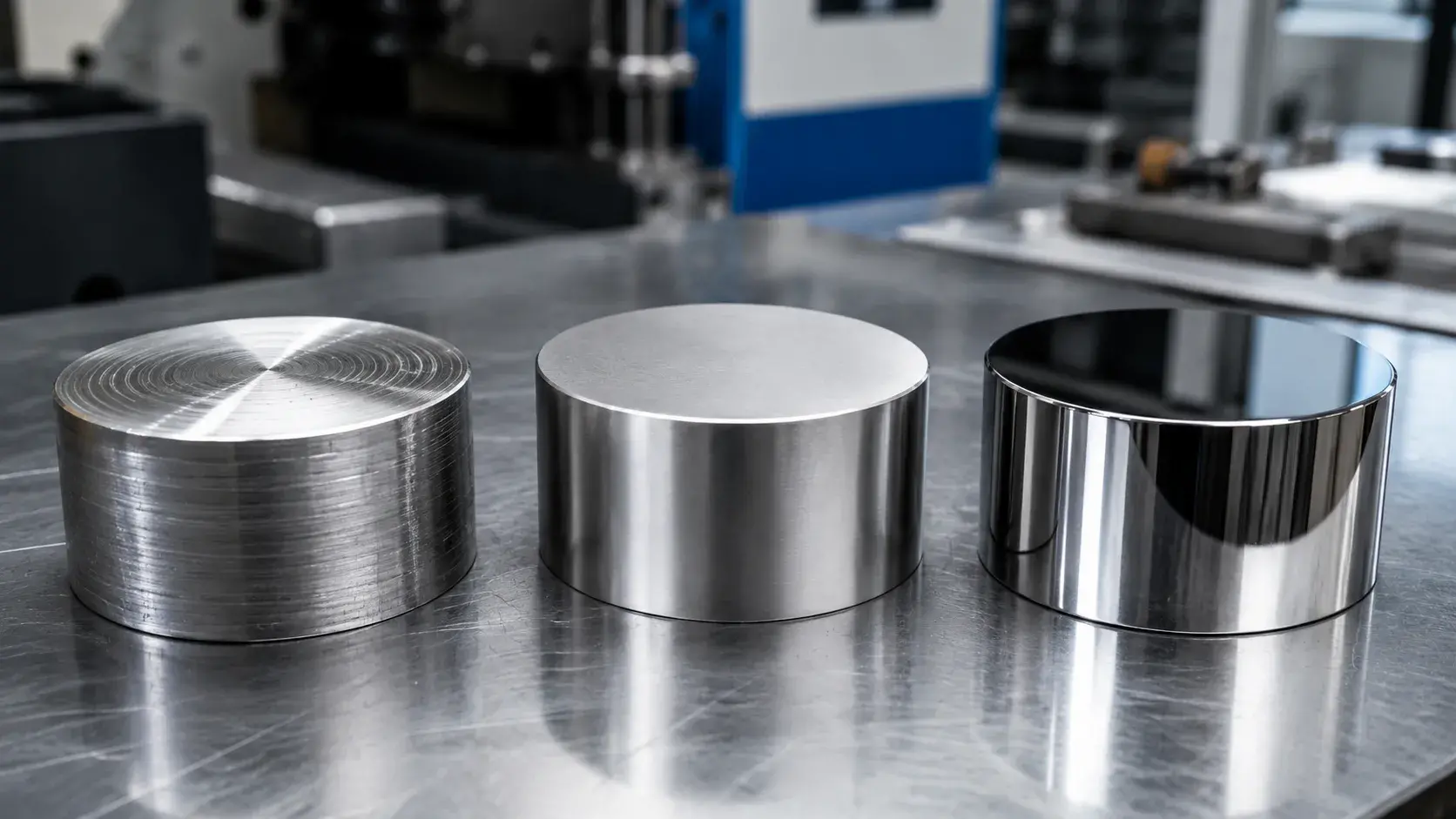
Various industries use polished stainless steel components for specific purposes.
Enhance Surface Appearance
Polishing leads to a smoother and more radiant surface by eliminating scratches, machining marks, and uneven textures.
Common finishes include:
- Satin finish
- Brushed finish
- Semi-mirror finish
- Mirror finish
Lower Surface Roughness
Surface roughness is a key factor for precise components.
A smoother surface can help with:
- Better fluid flow
- Easier cleaning
- Improved contact performance
- Greater resistance to contamination
Typical Surface Finishes:
| Surface Condition | Typical Ra |
|---|---|
| CNC Machined Surface | 1.6–3.2 μm |
| Fine Polished Surface | 0.4–0.8 μm |
| Mirror Polished Surface | <0.2 μm |
Remove CNC Machining Marks
When stainless steel parts are milled or turned using CNC, they may have:
- Tool marks
- Cutting lines
- Burrs
- Small surface imperfections
Polishing helps achieve a consistent final look while keeping the part’s quality intact.
Common Methods for Polishing Stainless Steel Parts
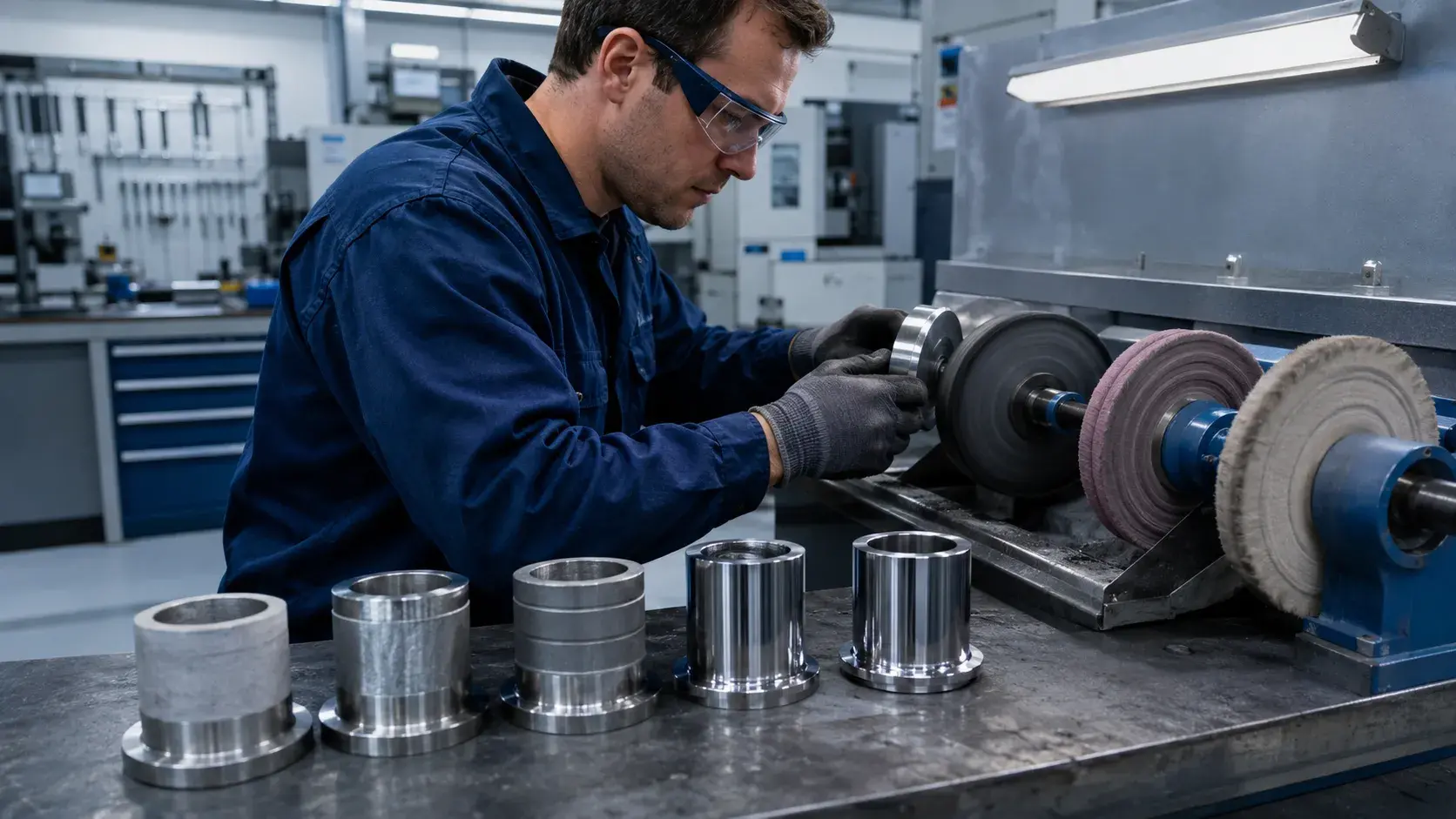
Different stainless steel applications require different finishing methods. The right process depends on the required surface appearance, corrosion resistance, part geometry, and application requirements.
| Polishing Method | How It Works | Advantages | Common Applications |
|---|---|---|---|
| Mechanical Polishing | Uses abrasive materials to gradually remove surface imperfections through grinding, fine polishing, and buffing processes. | • Flexible for different part geometries • Suitable for 304 and 316 stainless steel • Can achieve smooth and decorative finishes | • Precision machine components • Stainless steel housings • Industrial equipment parts • Decorative metal components |
| Electropolishing | Uses an electrochemical process to remove a thin surface layer from stainless steel, creating a cleaner and more uniform finish. | • Improved corrosion resistance • Reduced surface contamination • Better surface cleanliness • Suitable for complex geometries | • Medical components • Semiconductor equipment • Food processing equipment • Pharmaceutical parts |
| Brushing / Satin Finishing | Creates a consistent directional texture on the stainless steel surface instead of a highly reflective finish. | • Consistent appearance • Reduced fingerprints • Provides industrial aesthetics | • Equipment panels • Machine covers • Consumer products |
Stainless Steel Polishing for CNC Machined Parts
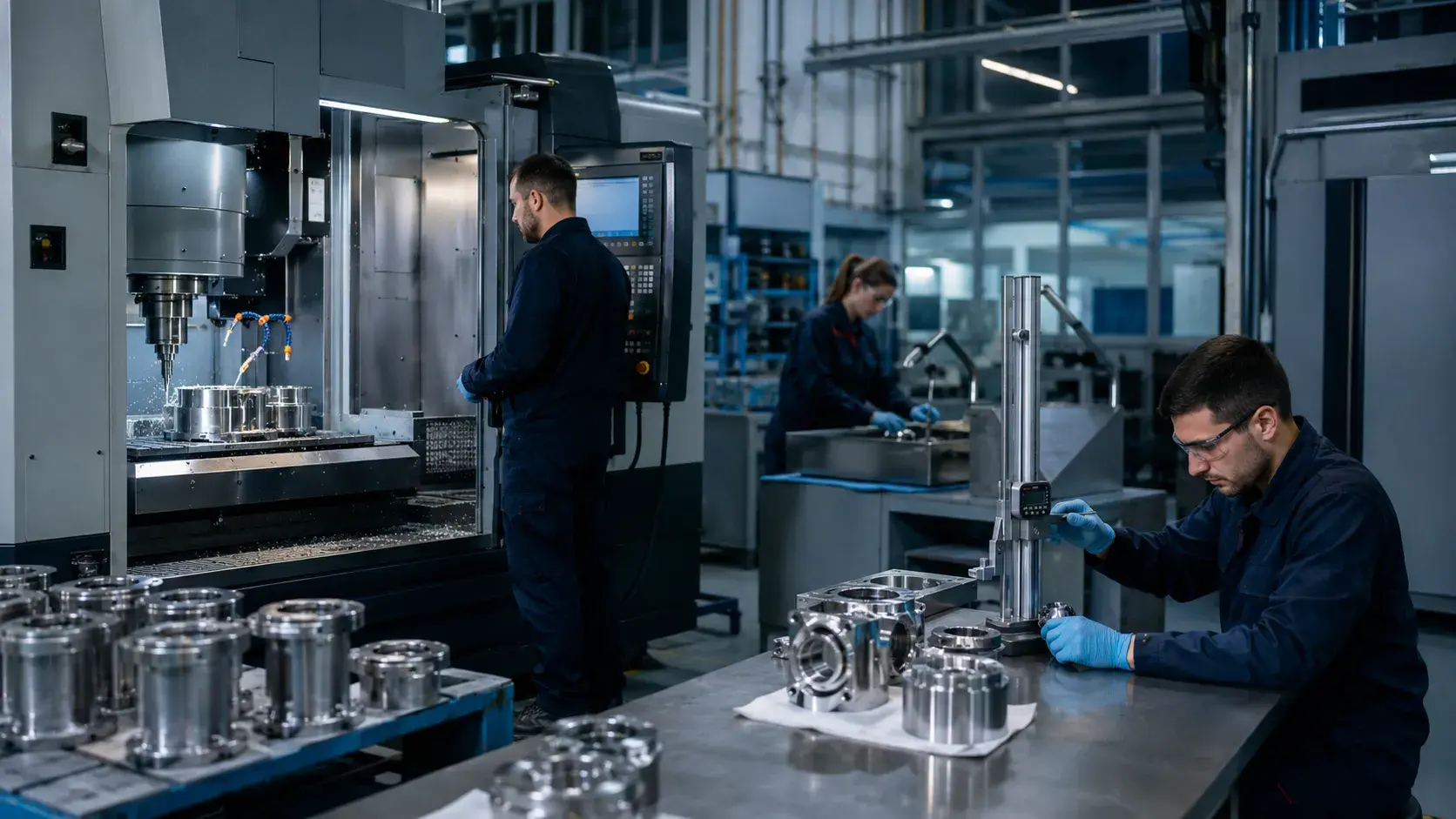
Unlike simple stainless steel products, CNC machined components require a more controlled polishing process.
Several factors affect the final result:
Material Grade
Different stainless steel grades respond differently to polishing.
Common grades include:
| Material | Characteristics |
|---|---|
| 304 Stainless Steel | Good corrosion resistance and easy polishing |
| 316 Stainless Steel | Higher corrosion resistance for demanding environments |
| 17-4 PH Stainless Steel | High strength applications requiring controlled finishing |
Part Geometry
Complex CNC parts may require special polishing strategies.
Challenges include:
Deep cavities
Internal surfaces
Thin walls
Small features
For these parts, polishing must be carefully controlled to avoid:
Edge rounding
Uneven surfaces
Dimensional changes
Required Surface Finish
The final finish depends on the application.
| Application | Recommended Finish |
|---|---|
| Medical Components | Electropolished Finish |
| Aerospace Parts | Precision Low-Ra Finish |
| Industrial Components | Satin or Fine Polish |
| Decorative Parts | Mirror Finish |
Stainless Steel Polishing vs Other Surface Finishing Methods
Polishing is only one option for stainless steel surface treatment.
| Process | Surface Result | Common Applications |
|---|---|---|
| Polishing | Smooth and bright surface | Medical, decorative, precision parts |
| Brushing | Directional texture | Panels and equipment |
| Bead Blasting | Matte appearance | Industrial components |
| Passivation | Improved corrosion resistance | Precision stainless parts |
Conclusion
Polishing is crucial for enhancing the quality and performance of CNC-machined stainless steel parts.It helps eliminate machining marks, lower surface roughness, and ensure the desired surface finish, enabling manufacturers to satisfy both functional and visual standards.
The appropriate polishing technique for stainless steel is determined by several factors, such as the material type, shape of the part, required surface finish, and intended use.
When working with precision components, polishing must be closely managed to preserve dimensional accuracy while attaining the necessary surface quality.
Beyond surface finishing, YUANYI provides complete CNC manufacturing solutions, including 3 axis, 4 axis and 5 axis CNC machining service. Our engineering team supports customers from material selection and machining process optimization to final inspection, helping deliver high-precision components for complex applications.
YUANYI provides CNC machining and surface finishing solutions for stainless steel components, including polishing, passivation, and precision inspection. Send your CAD files and technical requirements to receive an engineering review and quote.
Get a QuoteFrequently Asked Questions
Yes. Stainless steel can achieve a mirror finish through multiple polishing stages and final buffing processes.
Yes, light scratches can usually be removed. Deeper scratches may require grinding before polishing.
The best finish depends on the application. Medical and food-related components often require electropolishing, while decorative parts may use mirror polishing.
Yes. 316 stainless steel is commonly polished for applications requiring corrosion resistance and clean surfaces.
Heavy polishing can slightly affect dimensions, so precision components require controlled finishing processes.



