
Is Aluminum a Metal? Properties, Types and CNC Machining Applications

Aluminum is indeed a metal.It is a light metal that does not corrode easily and is classified as a post-transition metal in the periodic table.

Due to its high strength relative to its weight, ease of machining, and wide range of applications, aluminum is among the most commonly used metals in industries such as aerospace, automotive, electronics, and precision manufacturing.

Is Aluminum a Metal?

Yes, aluminum is considered a metal.

It is a chemical element represented by the symbol Al and has an atomic number of 13.On the periodic table, it is categorized as a post-transition metal, found in Group 13.

Similar to other metals, aluminum exhibits several typical metallic properties, such as:

  • Ability to conduct electricity effectively
  • Capacity to transfer heat efficiently
  • Shiny, metallic appearance
  • Ability to be stretched into wires (ductility) and shaped into thin sheets (malleability)
  • Capability to form alloys with other elements

Even though aluminum is lighter than many other common metals, it still possesses valuable mechanical properties, making it a vital material in engineering applications.

When individuals ask “is aluminum a metal,” they frequently compare it with non-metallic elements.

The main distinction is that aluminum has metallic properties, which enable it to conduct electricity, transfer heat, and be manipulated through industrial processes like casting, extrusion, and precision CNC machining.

Key Properties of Aluminum

The widespread use of aluminum is due to its well-balanced mix of mechanical and physical features.

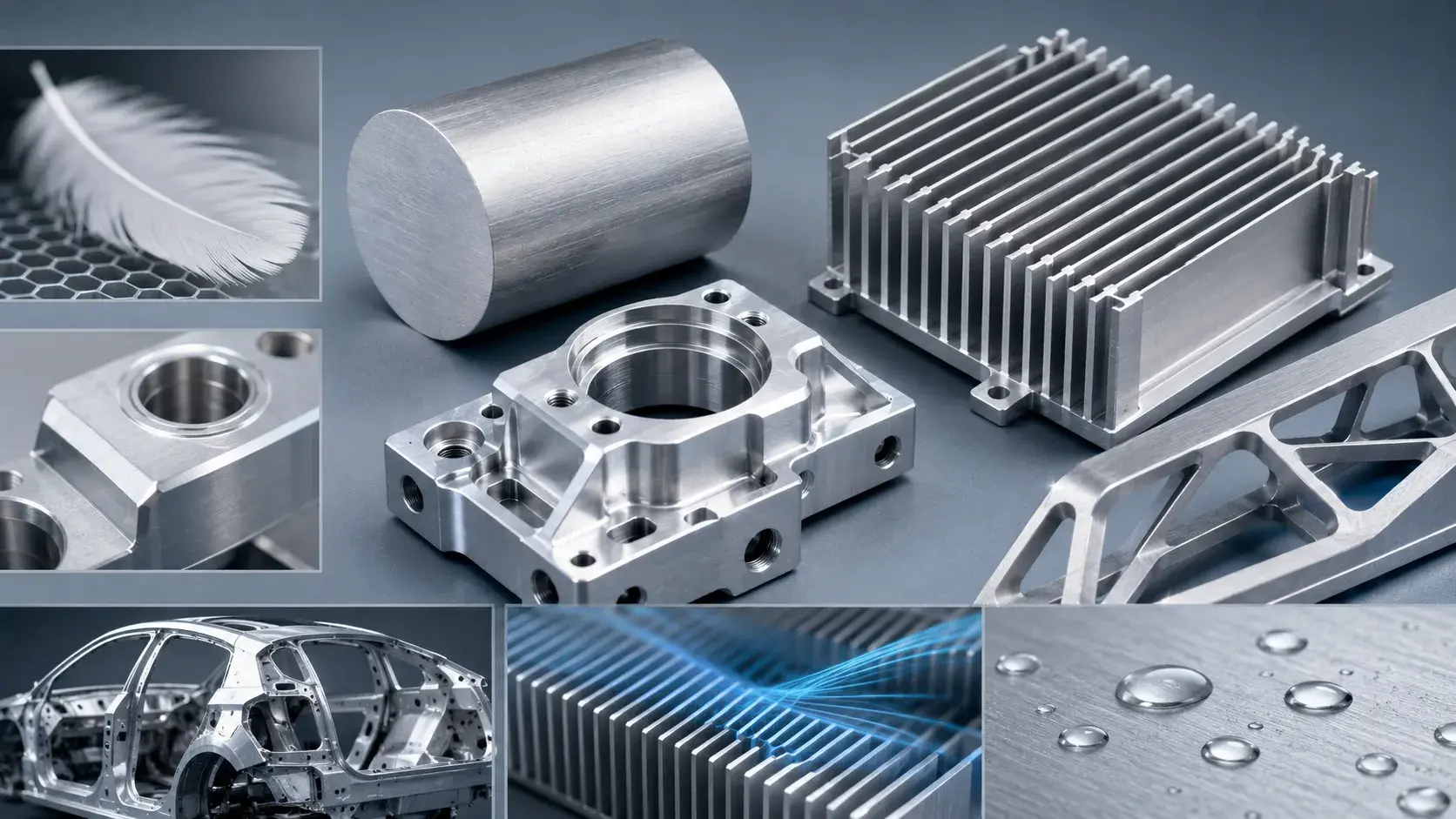
aluminum metal properties including lightweight structure corrosion resistance and machinability
PropertyDescription
Low densityAluminum is approximately one-third the weight of steel
Strength-to-weight ratioProvides high performance with reduced weight
Corrosion resistanceNatural oxide layer protects the surface
MachinabilityEasy to cut and process using CNC machines
Thermal conductivityEfficient heat transfer capability
Electrical conductivitySuitable for electrical applications
RecyclabilityCan be recycled repeatedly without losing major properties

One key feature is its machinability, which is crucial in the manufacturing process.
Numerous aluminum alloys can be effectively shaped through CNC milling services, enabling producers to create parts that are precise, have tight tolerances, and exhibit a smooth surface finish.

Common Types of Aluminum Alloys

Pure aluminum is relatively soft, so manufacturers often combine it with other elements to create stronger aluminum alloys.
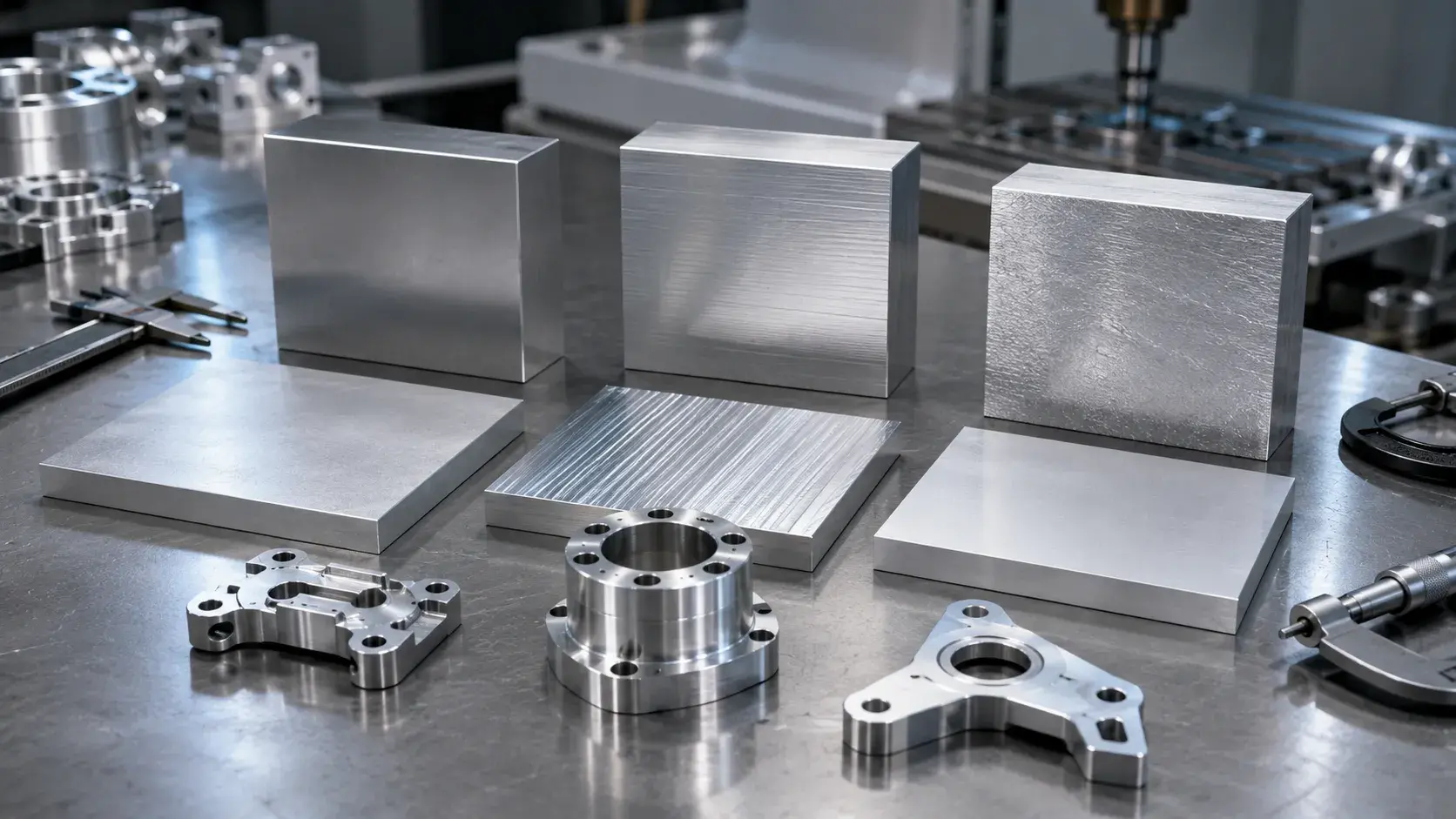
different aluminum alloys used for CNC machining including 6061 7075 and 5052 aluminum

The most commonly used aluminum grades in manufacturing include 6061 aluminum, 7075 aluminum, and 5052 aluminum.

The differences between these alloys can significantly affect strength, machinability, and application suitability. You can compare them in our detailed guide on 5052 vs 6061 vs 7075 aluminum alloys.

6061 Aluminum

6061 aluminum is one of the most widely used aluminum alloys in engineering and CNC manufacturing.

It provides a good balance between:

  • Strength
  • Machinability
  • Corrosion resistance
  • Weldability

Because of its excellent overall performance, 6061 aluminum is commonly used for:

  • CNC machined brackets
  • Structural components
  • Machine parts
  • Fixtures
  • Housings

For general-purpose aluminum CNC machining, 6061 aluminum is often the first material choice.

7075 Aluminum

7075 aluminum is known for its high strength and excellent mechanical performance.

Compared with 6061 aluminum, 7075 offers higher tensile strength and is frequently selected for demanding applications.

Typical uses include:

  • Aerospace components
  • High-performance mechanical parts
  • Motorsport components

For complex aerospace aluminum components, manufacturers often combine advanced equipment such as 5 axis CNC machining with suitable aluminum alloys to achieve difficult geometries and tight tolerances.

Aluminum vs Steel

Aluminum and steel are two of the most common engineering metals.

FeatureAluminumSteel
WeightLightweightHeavier
StrengthModerate to high depending on alloyGenerally higher
Corrosion resistanceExcellentUsually requires protection
MachiningEasier machiningMore cutting force required

Aluminum is often preferred when reducing weight is important, while steel is selected when maximum strength and durability are the priority.

Why Is Aluminum Popular for CNC Machining?

Aluminum is one of the most commonly used materials in CNC aluminum machining because it combines excellent machinability with reliable mechanical performance. Learn more about what CNC aluminum machining is and how manufacturers select aluminum alloys for precision components.
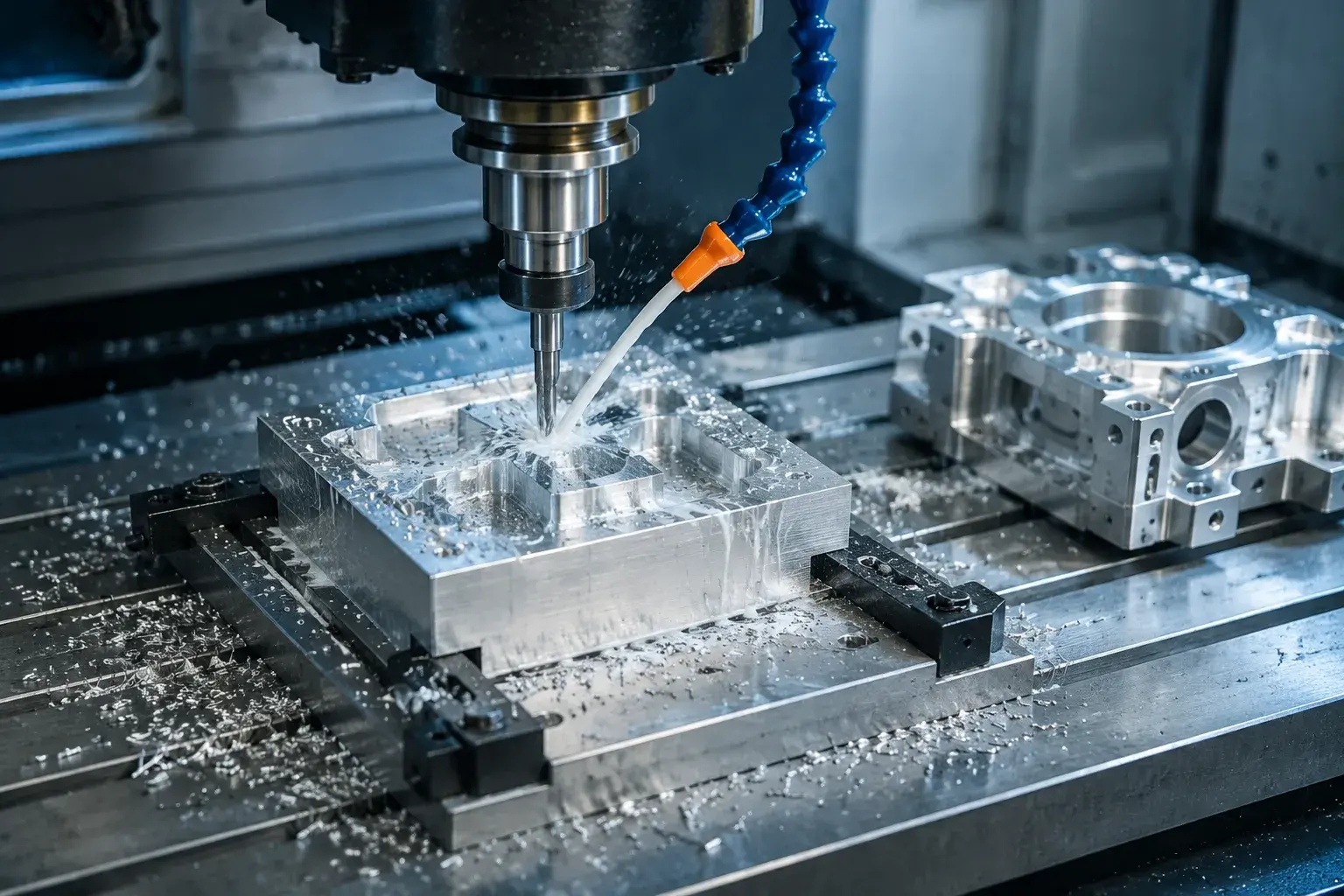
CNC machining aluminum block to produce precision aluminum components

Good Machinability

Aluminum is easier to machine compared to many harder metals.
It requires less cutting force and allows for higher machining speeds.This helps manufacturers cut down on machining time while still ensuring precision.

High Surface Finish Quality

Aluminum can produce a very smooth surface finish after processes like CNC milling or turning.

It is also suitable for various surface treatments such as:

  • Anodizing
  • Polishing
  • Sand blasting
  • Powder coating

For customers needing custom aluminum parts, professional custom CNC machining services can offer full solutions, covering everything from material selection and machining to inspection and finishing.

Need Custom Aluminum Parts?

YUANYI provides precision CNC aluminum machining services for prototypes and low-volume production, delivering high-quality aluminum components with tight tolerances and reliable performance.

Get a Free Quote

Common Applications of Aluminum

Because of its excellent properties, aluminum is used across many industries.
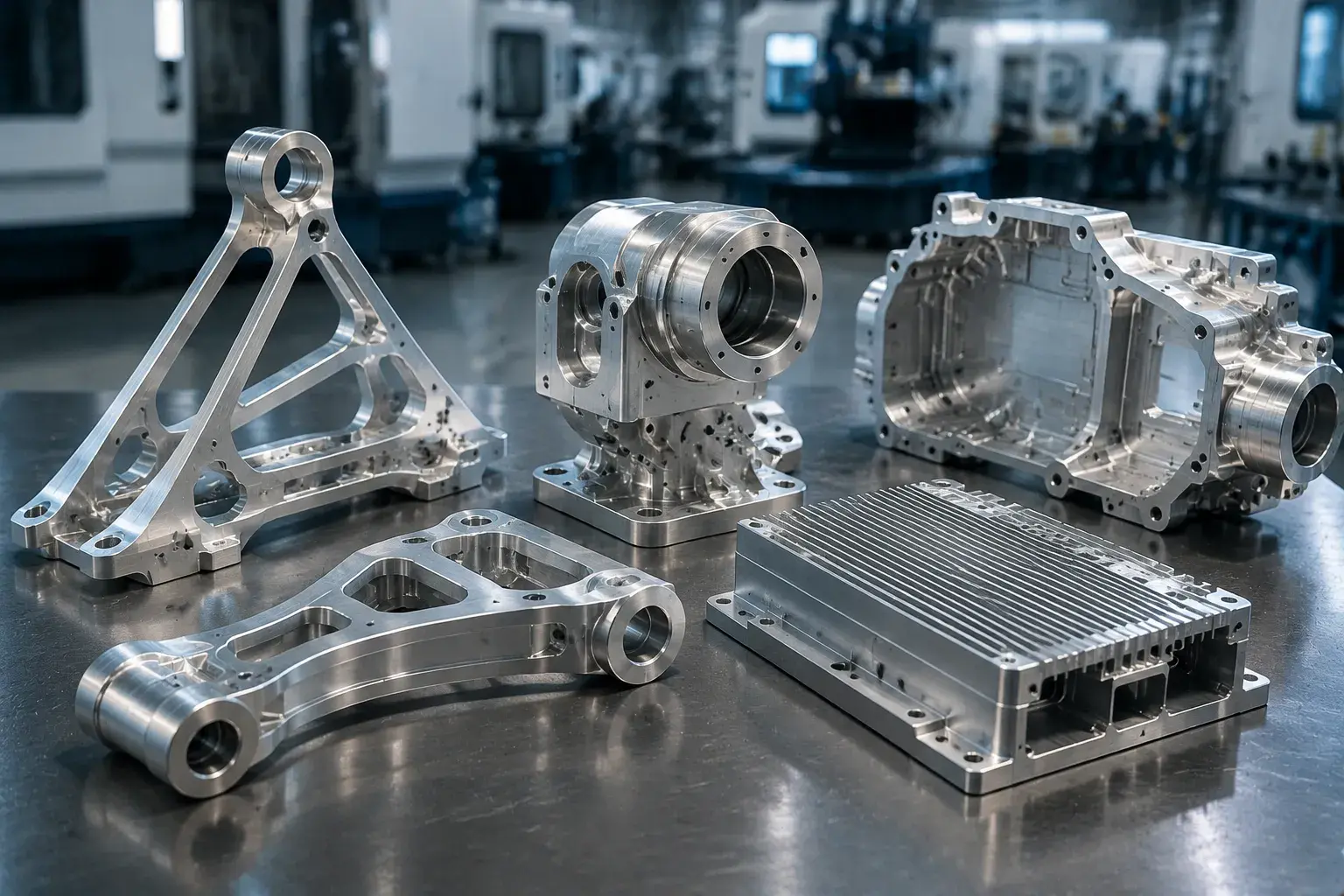
CNC machined aluminum components used in aerospace automotive robotics and electronics industries

Aerospace

Aircraft manufacturers use aluminum alloys for:

  • Structural brackets
  • Aircraft panels
  • Lightweight supports
  • Precision aerospace components

Automotive

Aluminum is widely used in vehicles for:

  • Engine components
  • Transmission parts
  • Suspension components
  • Lightweight structures

Robotics and Automation

In robotics applications, aluminum is commonly selected for:

  • Robot arms
  • Mounting plates
  • Mechanical housings
  • Precision fixtures

Conclusion

So, is aluminum considered a metal?

The answer is yes.Aluminum is a light metal that is both versatile and durable.It has strong resistance to corrosion, good electrical and thermal conductivity, and offers significant benefits in manufacturing.

Aluminum comes in various alloys, such as 6061 aluminum and 7075 aluminum, which provide engineers with options tailored to specific uses.

Whether it’s used in aircraft structures or finely crafted CNC parts, aluminum remains a key material in today’s manufacturing industry.

Frequently Asked Questions About Aluminum

Aluminum is a metal. It is classified as a post-transition metal because it has typical metallic properties such as electrical conductivity, ductility, and metallic appearance.

Aluminum does not rust like iron or steel. Instead, it forms a protective oxide layer that prevents further corrosion.

No, aluminum is not considered a magnetic metal. It has very weak magnetic properties and is generally classified as non-magnetic in normal applications.

Yes, aluminum is one of the most popular materials for CNC machining. Its excellent machinability allows manufacturers to produce accurate parts efficiently with good surface quality.

Common CNC aluminum parts include housings, brackets, fixtures, aerospace components, and mechanical assemblies.

Table of Contents
Discuss Your Complex Machining Requirements

Need Custom CNC Machined Parts?

From rapid prototypes to low-volume production, our engineering team can review your drawings and provide a manufacturing quote.

  • 24-Hour Quotation
  • DFM Engineering Support
  • No Minimum Order
  • ISO 9001 Certified
Request A Quote
Upload your drawing and get a quote within 24 hours.


