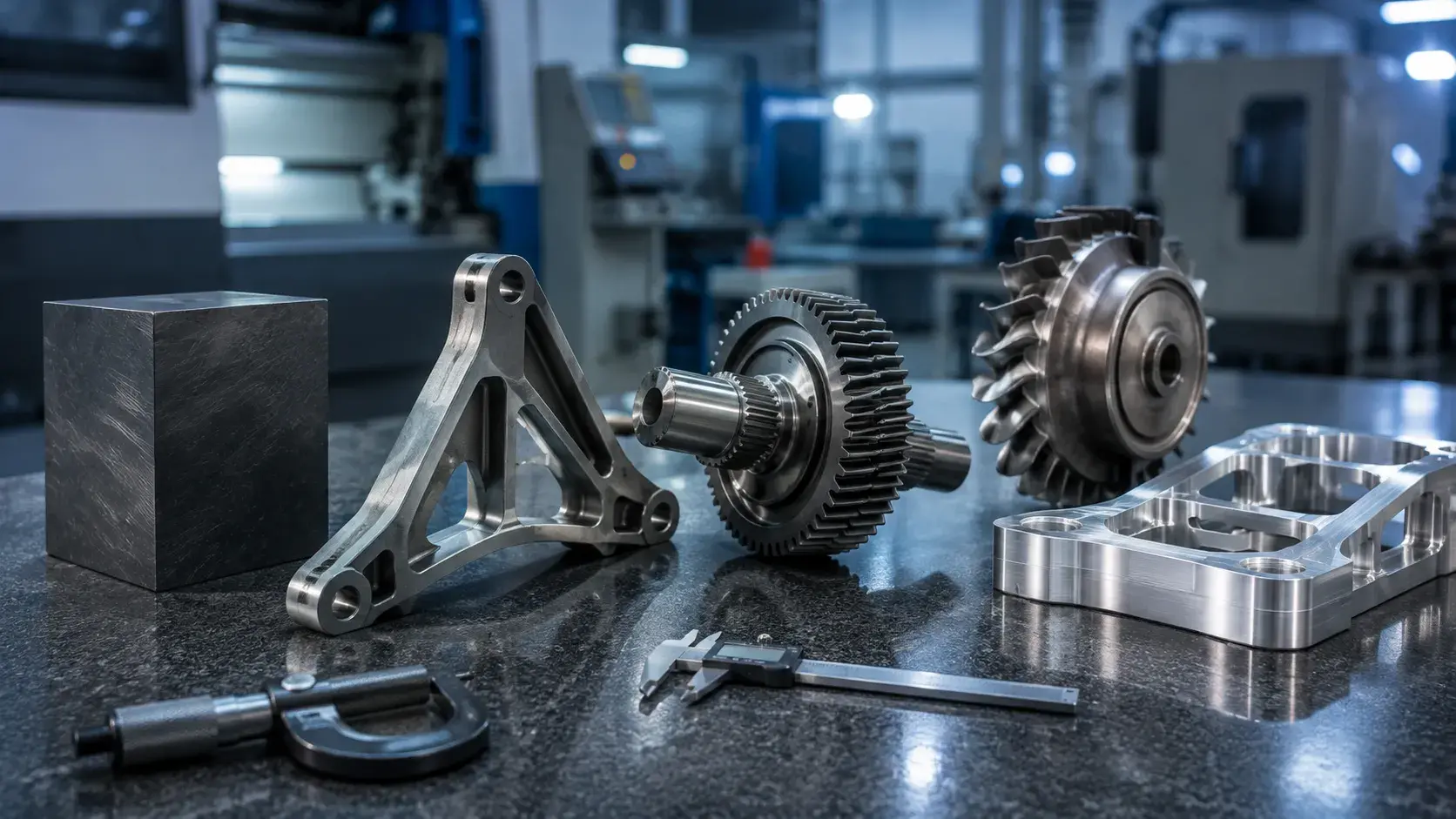
Top 10 Strongest Metals in the World

Top 10 strongest metals in the world

When people ask which metal is the strongest, it’s not always easy to give a single answer.Some metals may be very hard but also break easily, while others might not be as strong but offer better toughness, heat resistance, or a better strength-to-weight ratio.

In this guide, we look at the top 10 strongest metals in the world and explain what makes each one strong, where its advantages come from, and how different high-strength metals compare.

What Makes a Metal Strong?

Metal strength describes how well a material can resist forces without permanently deforming, cracking, or breaking. However, there is no single measurement that defines whether one metal is stronger than another.
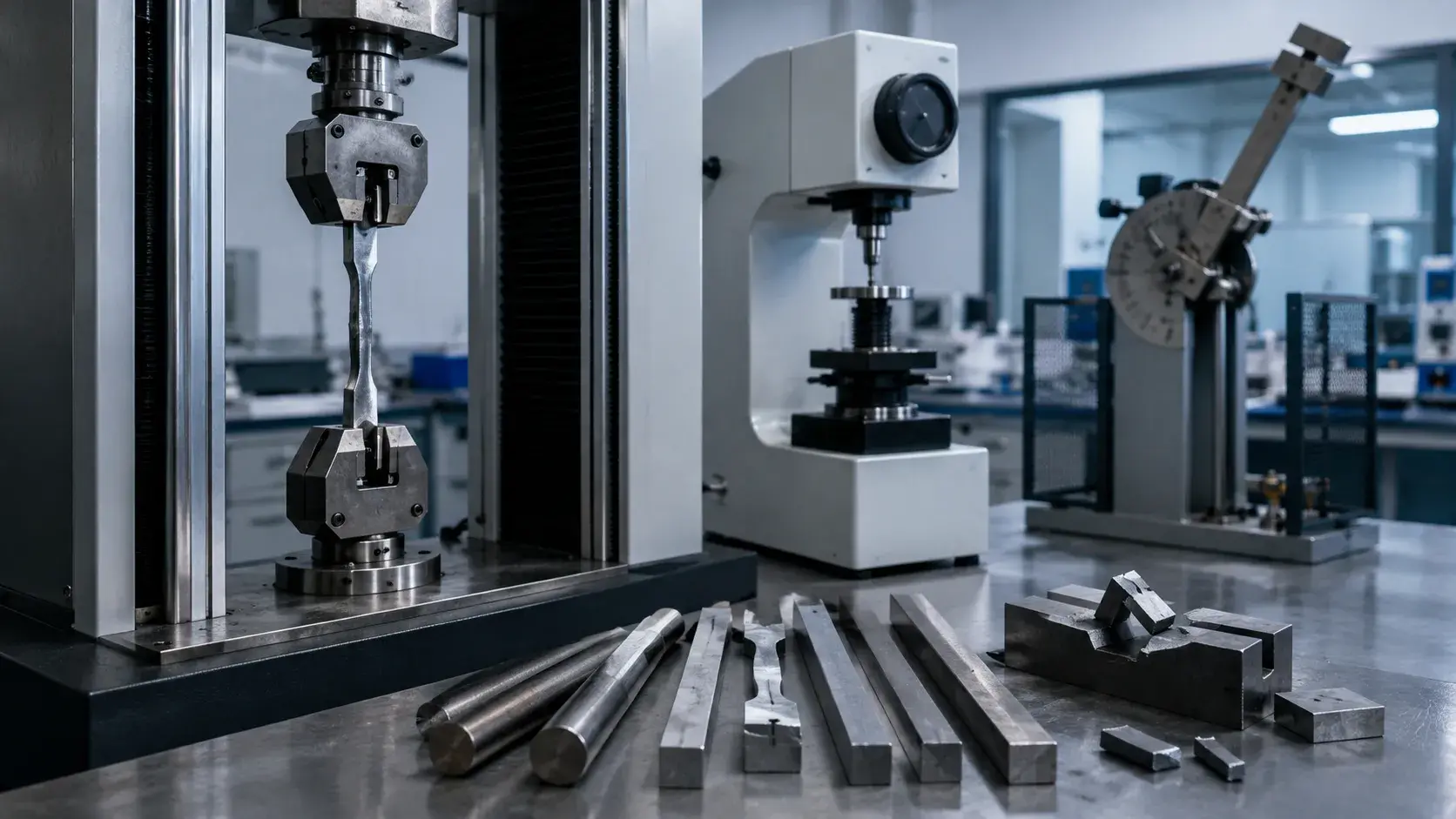
Metal strength testing for tensile strength hardness and toughness

Several properties are normally considered when comparing metal strength.

Tensile Strength

Tensile strength measures how much pulling force a metal can withstand before it breaks.

A material with high tensile strength can handle heavy loads without being pulled apart. This is one of the most common measurements used when comparing structural metals.

High tensile strength is especially important for:

  • aerospace components;
  • structural parts;
  • fasteners;
  • shafts;
  • pressure-containing components.

When people search for the strongest metal by tensile strength, materials such as tungsten, maraging steel, and certain high-strength alloys are often among the main candidates.

Yield Strength

Yield strength is the amount of stress a metal can withstand before it begins to deform permanently.

This is different from tensile strength.

A metal may survive a very high load before breaking, but if it begins bending or stretching permanently at a much lower load, its usable strength may be limited.

For many engineering parts, yield strength is therefore just as important as ultimate tensile strength.

Hardness

Hardness describes a metal’s resistance to scratching, indentation, and surface wear.

Chromium, tool steel, and hardened steel alloys can achieve very high hardness, making them suitable for cutting tools, molds, dies, and wear-resistant components.

However, the hardest metal is not necessarily the strongest metal overall.

Very hard materials can also be brittle, meaning they may crack when exposed to impact or sudden loading.

Toughness

Toughness describes how much energy a metal can absorb before fracturing.

A tough material combines strength with resistance to cracking.

This property is particularly important for parts exposed to:

  • impact;
  • vibration;
  • shock loading;
  • repeated mechanical stress.

A metal with slightly lower tensile strength may sometimes perform better in real applications if it has much higher toughness.

Strength-to-Weight Ratio

The strength-to-weight ratio compares the mechanical strength of a metal with its density.

This is especially important in industries where reducing weight is critical.

Titanium alloys are a good example. They may not have the highest absolute strength among all metals, but they provide an excellent combination of high strength and relatively low density.

This makes titanium one of the most important strong lightweight metals for aerospace, motorsport, medical, and high-performance engineering applications.

In short, the term strongest metal can mean different things depending on the application. Tungsten may stand out for extreme strength and heat resistance, titanium for strength-to-weight ratio, and advanced steels for very high tensile and yield strength.
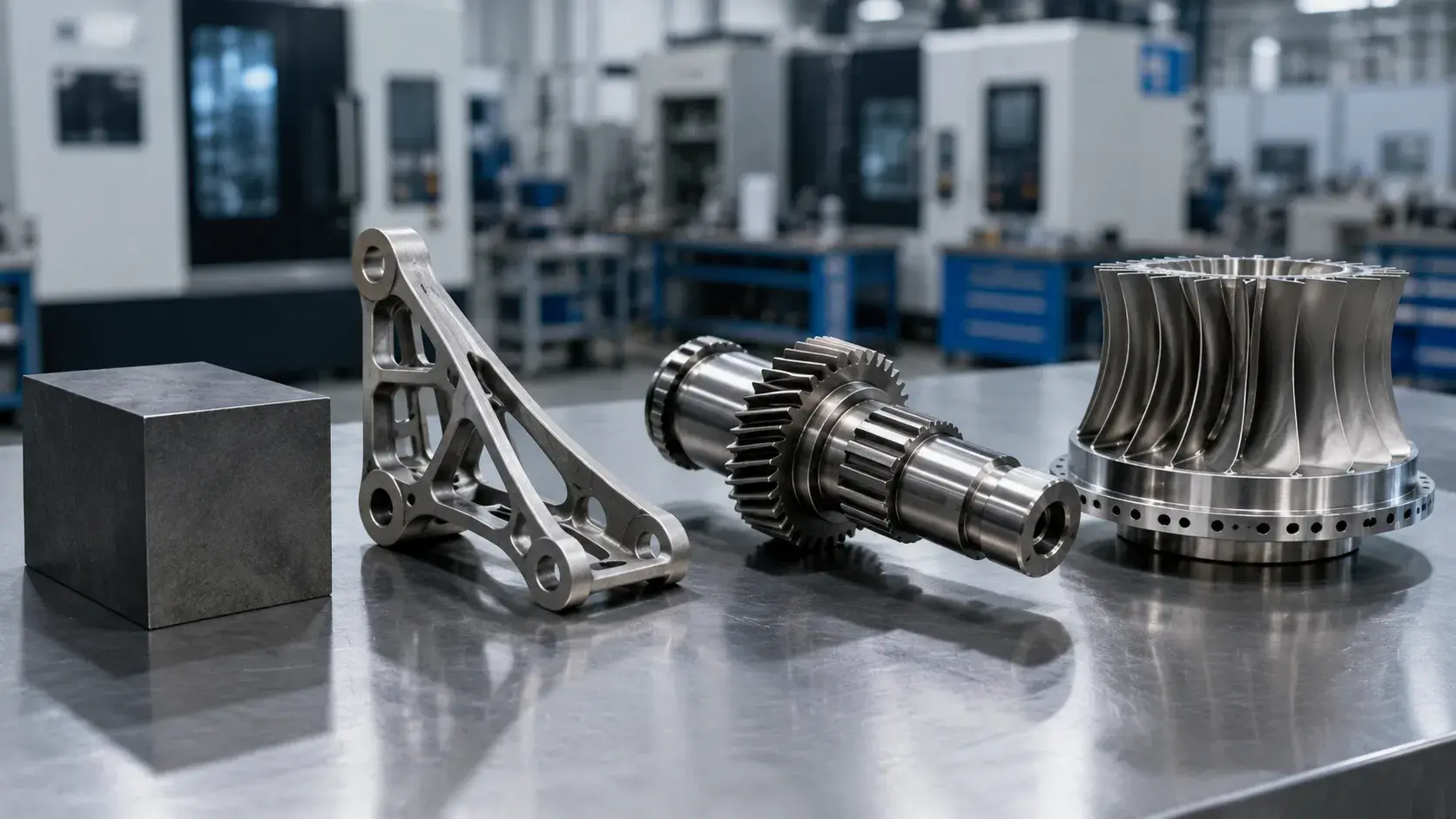
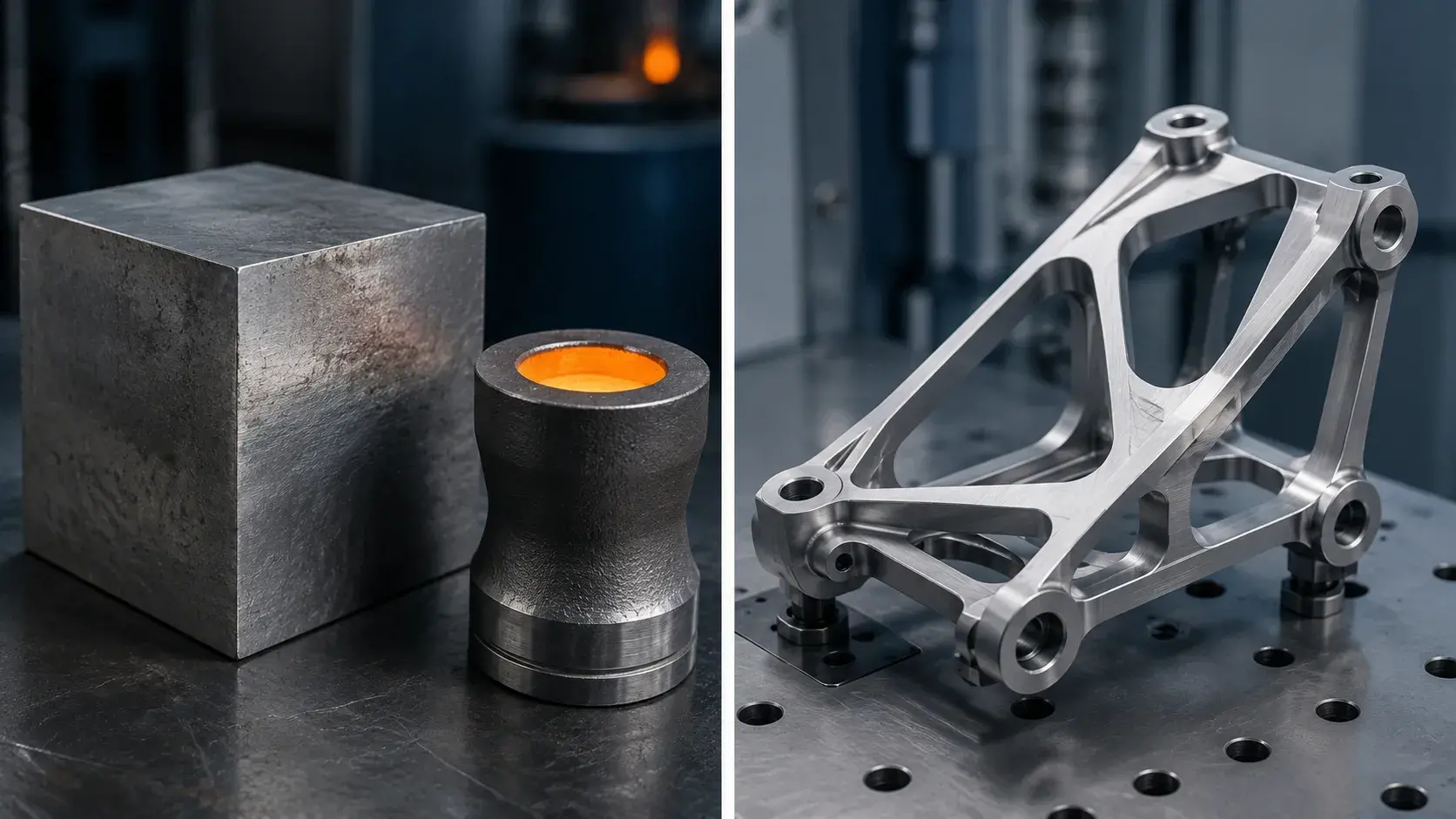
Top 10 Strongest Metals in the World

There is no perfect ranking because metal strength depends on alloy grade, heat treatment, temperature, and how the material is used.

Still, the following metals and alloys are widely known for exceptional strength, hardness, toughness, or heat resistance.

1. Tungsten

Tungsten is one of the strongest pure metals and is especially known for its hardness and heat resistance.

It also has the highest melting point of any pure metal, which makes it useful in extreme-temperature environments.

Its main drawbacks are high weight, brittleness, and difficult machining.

2. Maraging Steel

Maraging steel is one of the strongest steel families used in engineering.

It can reach very high strength while still keeping good toughness, which makes it suitable for heavily loaded parts.

The main disadvantages are higher cost and the need for controlled heat treatment.

3. Titanium Alloy

Titanium alloys are strong, lightweight, and corrosion resistant.

Grade 5 titanium, or Ti-6Al-4V, is widely used where reducing weight is just as important as maintaining strength.

Its main challenge is machining, because heat tends to stay near the cutting tool and can increase tool wear.

4. Inconel

Inconel is a nickel-based alloy designed to stay strong in very hot and corrosive environments.

That is why it is commonly used in jet engines, turbines, and other high-temperature components.

It is also one of the more difficult metals to machine because it can work-harden during cutting.

5. Chromium

Chromium is one of the hardest pure metals and offers excellent wear resistance.

It is often used in coatings and as an alloying element in steels.

However, pure chromium is brittle, so high hardness does not automatically mean better overall strength.

6. Tool Steel

Tool steel is designed for hardness, wear resistance, and repeated heavy use.

Grades such as D2, H13, and M2 are commonly used for tools, molds, dies, and other high-wear components.

Its final performance depends heavily on proper heat treatment.

7. 17-4 PH Stainless Steel

17-4 PH stainless steel combines high strength with good corrosion resistance.

It is commonly used for shafts, valves, aerospace parts, and precision mechanical components.

Compared with many high-strength alloys, it also offers a more practical balance between strength and machinability.

8. Cobalt-Chromium Alloy

Cobalt-chromium alloys are strong, wear resistant, and corrosion resistant.

These properties make them useful for medical implants, dental parts, and components exposed to repeated friction.

The downside is that their hardness can make machining difficult.

9. Nickel-Based Superalloys

Nickel-based superalloys are built for high heat, pressure, and corrosion.

They are widely used in aerospace engines, turbines, power generation, and chemical processing equipment.

They are expensive and difficult to machine, but few common metals perform as well in extreme environments.

10. 7075 Aluminum

7075 aluminum is one of the strongest commonly used aluminum alloys.

It offers a good balance of strength, low weight, and machinability, which makes it popular in aerospace, robotics, and high-performance parts.

It is not as strong as titanium or advanced steels, but it is often more practical when weight and manufacturing cost matter.

Strongest Metals Comparison

Tungsten titanium steel and Inconel strength comparison

The metals on this list are strong in different ways. Some are better for heat, some for weight, and some for wear or structural strength.

Metal or AlloyMain Strength AdvantageWeightHeat ResistanceMachinability
TungstenHardness and heat resistanceVery heavyExcellentDifficult
Maraging SteelVery high structural strengthHeavyGoodModerate
Titanium AlloyHigh strength-to-weight ratioLightVery goodDifficult
InconelStrength at high temperaturesHeavyExcellentVery difficult
ChromiumHigh hardnessMediumVery goodDifficult
Tool SteelHardness and wear resistanceHeavyGoodModerate to difficult
17-4 PH Stainless SteelStrength and corrosion resistanceHeavyGoodModerate
Cobalt-Chromium AlloyWear resistance and durabilityHeavyVery goodDifficult
Nickel-Based SuperalloysStrength in extreme environmentsHeavyExcellentVery difficult
7075 AluminumLightweight strengthLightModerateGood

If maximum structural strength is the priority, maraging steel is a strong choice. If low weight matters more, titanium or 7075 aluminum may be more practical.

For high-temperature use, Inconel, tungsten, and other nickel-based superalloys are usually better options.

What Is the Strongest Pure Metal?

Tungsten is often considered one of the strongest pure metals.

It combines high strength, hardness, and excellent heat resistance. It also has the highest melting point of any pure metal.

However, tungsten is very heavy and can be brittle, so it is not the best choice for every part.

What Is the Strongest Metal Alloy?

There is no single alloy that is strongest in every situation.

Maraging steel stands out for very high structural strength. Inconel and other nickel-based superalloys perform better when high temperatures are involved.

If weight is important, titanium alloys are usually more suitable.

What Is the Strongest Lightweight Metal?

Titanium alloys are among the best choices when both strength and low weight matter.

They are much lighter than steel while still offering high mechanical strength.

7075 aluminum is another common option. It is not as strong as titanium, but it is lighter, easier to machine, and often less expensive.

Tungsten vs Titanium: Which Is Stronger?

Tungsten vs titanium strength comparison

Tungsten and titanium are strong for different reasons.

Tungsten is harder, heavier, and better at extreme temperatures. Titanium is much lighter and has a better strength-to-weight ratio.

For heat and hardness, tungsten has the advantage. For lightweight structural parts, titanium is usually more practical.

Which Strong Metal Should You Choose?

The best choice depends on the part, not just the strength number.

For high heat, consider tungsten, Inconel, or nickel-based superalloys. For low weight, titanium and 7075 aluminum are better options.

If you need strength plus corrosion resistance, 17-4 PH stainless steel offers a good balance. For wear resistance, tool steel or cobalt-chromium may be more suitable.

The right metal is the one that matches the real working conditions of the part.

Machining High-Strength Metals

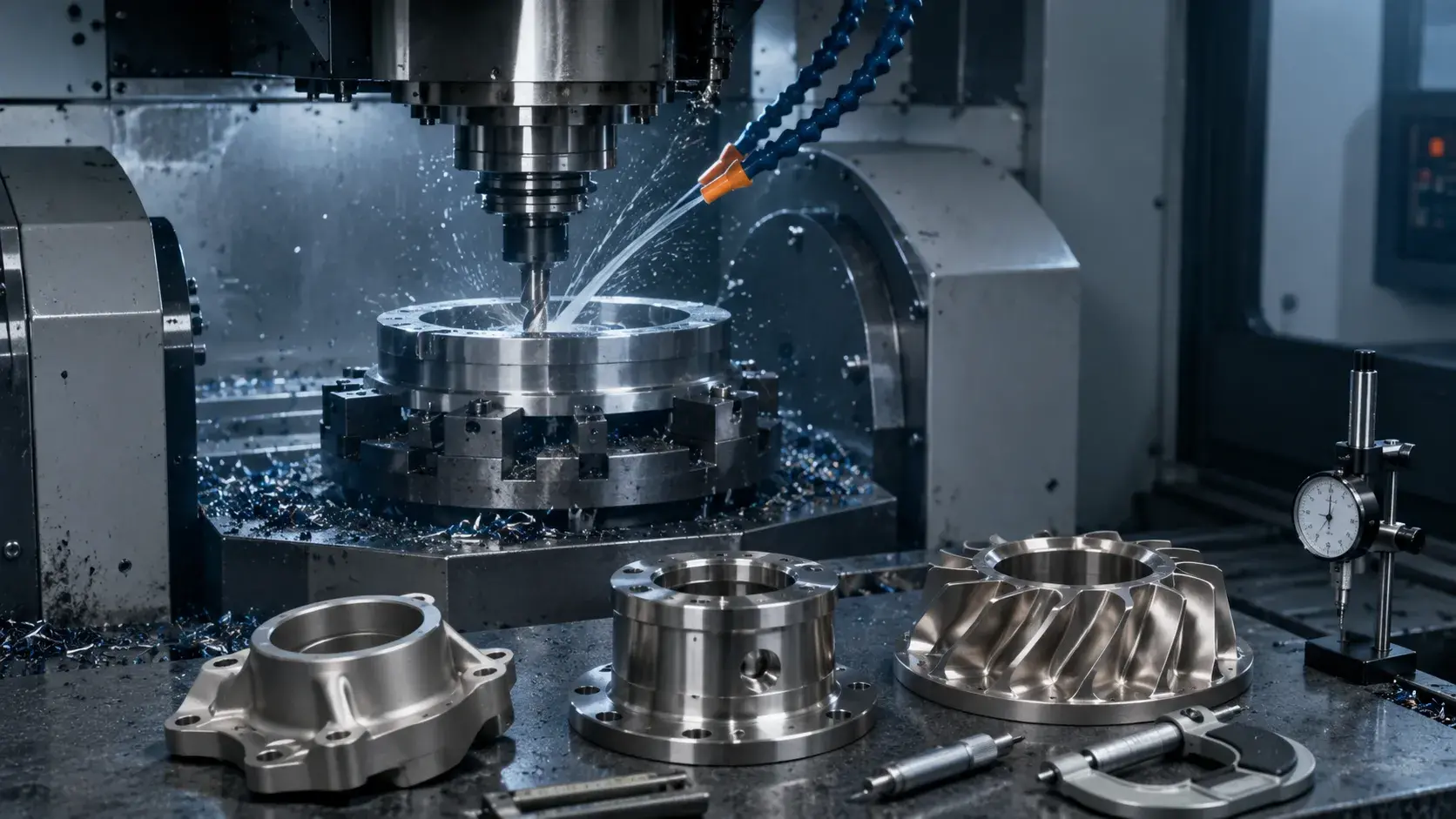
CNC machining high strength metals

Strong metals are often harder to machine than common aluminum or mild steel.

Titanium keeps heat close to the cutting tool. Inconel can work-harden during machining, while hardened steels can quickly wear cutting edges.

Because of this, machining high-strength metals usually requires the right cutting tools, stable workholding, proper coolant, and carefully selected speeds and feeds.

For precision parts, material choice and machining difficulty should be considered together. A stronger material is not always the most practical option if it greatly increases cost or production time.

Final Thoughts

The strongest metal in the world depends on what kind of strength you actually need.

Tungsten stands out for hardness and heat resistance. Maraging steel offers extremely high structural strength, while titanium is a better choice when low weight matters.

Inconel and nickel-based superalloys are better suited to extreme heat, while 7075 aluminum offers a practical balance of strength, low weight, and machinability.

Instead of choosing a material only because it has the highest strength number, look at the full working conditions of the part. Weight, temperature, corrosion, wear, machining difficulty, and cost can all change which metal is the better choice.

Need High-Strength Metal Parts Machined?

YUANYI provides precision CNC machining for titanium, stainless steel, aluminum, tool steel, and nickel alloys.

Send us your drawing and requirements. Our team can review the material, tolerances, and machining needs before production.

Table of Contents
Discuss Your Complex Machining Requirements

Need Custom CNC Machined Parts?

From rapid prototypes to low-volume production, our engineering team can review your drawings and provide a manufacturing quote.

  • 24-Hour Quotation
  • DFM Engineering Support
  • No Minimum Order
  • ISO 9001 Certified
Request A Quote
Upload your drawing and get a quote within 24 hours.