
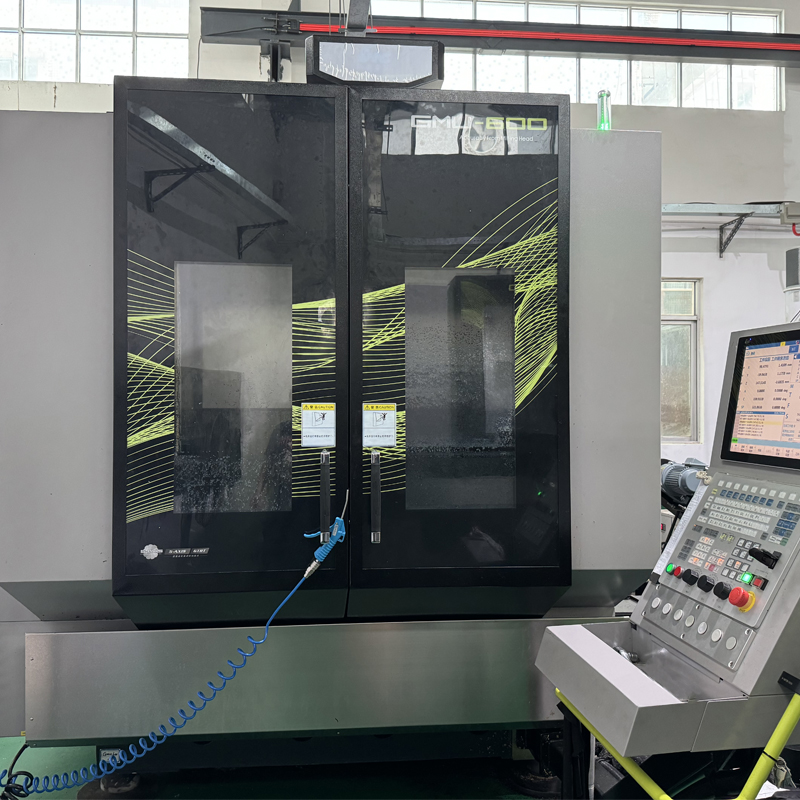
A CNC machine is an automated device that controls the machining process through computer programs. It can automatically perform machining operations such as cutting, drilling, milling, and turning according to pre-programmed instructions, thereby producing parts with high precision and consistency.
Today, CNC technology is widely used in industries such as aerospace, automotive manufacturing, medical devices, robotics, electronic equipment, and industrial automation, making it one of the most important machining technologies in modern manufacturing.
What Does CNC Machine Stand For
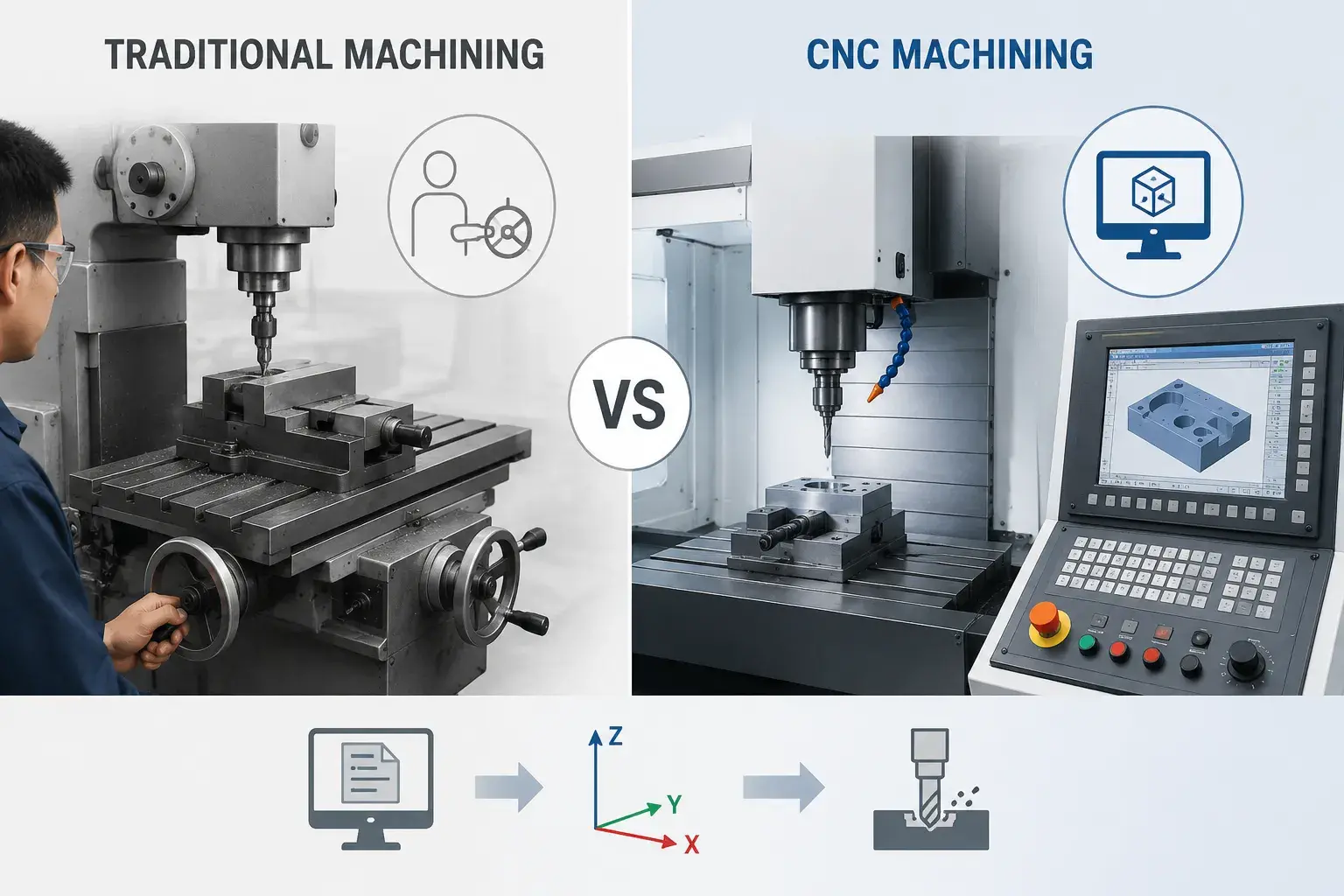
CNC stands for Computer Numerical Control.
On traditional machine tools, operators must manually control the movement of cutting tools using handwheels or mechanical devices. In contrast, CNC machine tools use computer programs to control the position, speed, and machining paths of each axis, thereby enabling automated machining.
In simple terms:
- Computer: Responsible for executing the machining program
- Numerical: Uses digital coordinates to control movement
- Control: Controls the machine tool to perform various machining operations
For this reason, CNC machining achieves higher precision, better repeatability, and greater production efficiency than traditional machining methods.

What Does a cnc Machine Do
The primary function of a CNC machine tool is to machine raw materials into parts that meet design specifications.
Common machining tasks include:
Milling
Removing material using a rotating cutting tool to machine flat surfaces, contours, slots, and complex curved surfaces.
Turning
Machining shafts, sleeves, and various cylindrical parts.
Drilling
Quickly produces holes of various specifications.
Tapping
Creates internal threads within holes.
Prototyping
Helps engineers quickly validate product designs.
Production
Improves production efficiency while ensuring consistency.
From smartphone cases to aerospace components, and from medical devices to robotic structural parts, many products rely on CNC machining technology.
How Does a CNC Machine Work?
Although CNC machining may seem complex, the entire process can generally be broken down into the following steps.
Step 1: Create a CAD Model
Engineers use CAD software to create a 3D model of the part and define dimensions, tolerances, and structural features.
Step 2: Generate Toolpaths
CAM software analyzes the model to generate toolpaths.
Step 3: Generating G-Code
The CAM software converts the toolpaths into G-Code programs that CNC machines can recognize.
Step 4: Machine Setup and Tool Setting
Operators mount the workpiece and tools and perform coordinate calibration.
Step 5: Automatic Machining
The machine tool runs automatically according to the program to complete machining tasks such as milling, turning, and drilling.
Step 6: Quality Inspection
After machining is complete, inspection is performed using gauges, a projection system, or a coordinate measuring machine to ensure the part meets the drawing specifications.
The entire process significantly reduces human error and improves machining efficiency and consistency.
Main Components of a CNC Machine
Although there are many types of CNC machines, most machines include the following core components.
Controller:Responsible for reading and executing CNC programs, it serves as the “brain” of the machine.
Spindle:Drives the cutting tool at high speeds to perform machining operations.
Tool Changer:Automatically switches between different cutting tools according to the program, improving machining efficiency.
Worktable:Used to secure and support the workpiece.
Servo Motors:Control the precise movement of each axis.
These components work together to enable CNC machine tools to perform complex automated machining tasks.
Common Types of CNC Machines
CNC machine tools can be classified into various types based on their machining methods and structures.
CNC Milling Machine
One of the most common types of CNC equipment, suitable for machining flat surfaces, contours, and complex structures.

CNC Lathe
Primarily used for machining cylindrical and rotationally symmetric parts.
Swiss-Type CNC Machine
Suitable for machining small-diameter, high-precision, and slender shaft parts.
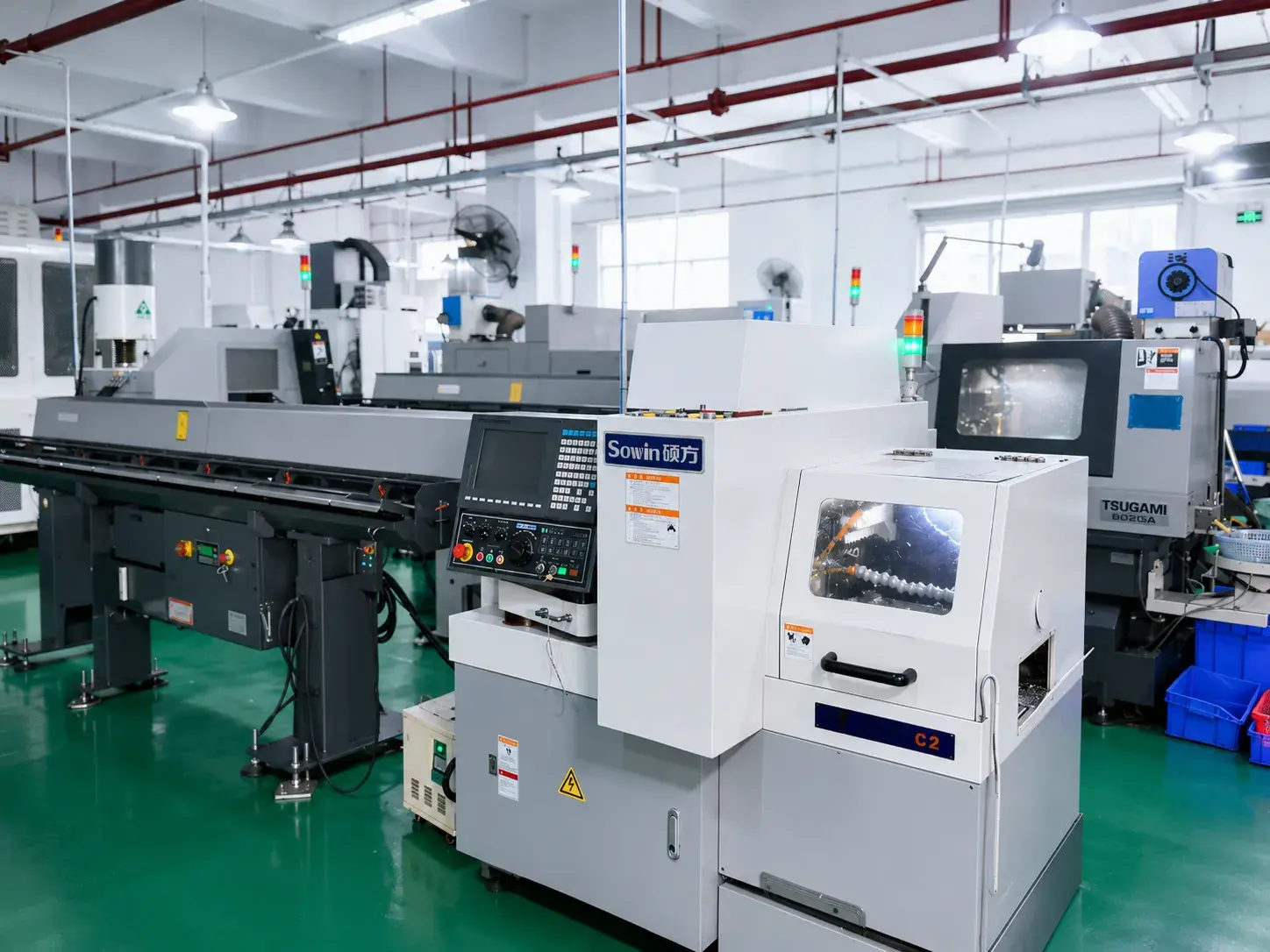
Mill-Turn Machine
Completes both turning and milling operations in a single setup, improving precision and efficiency.
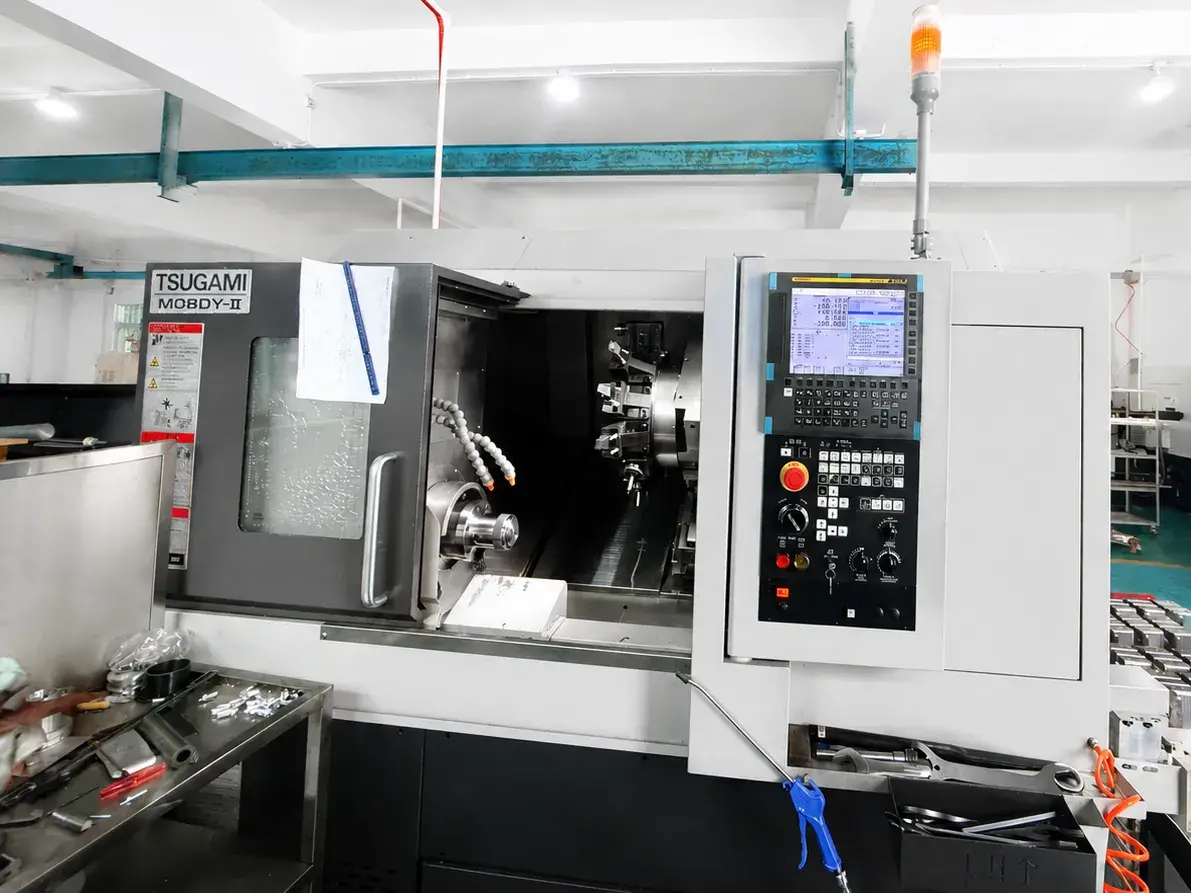
3-Axis CNC Machine
Suitable for machining most standard parts.
4-Axis CNC Machine
Includes an additional rotary axis, enabling multi-sided machining.
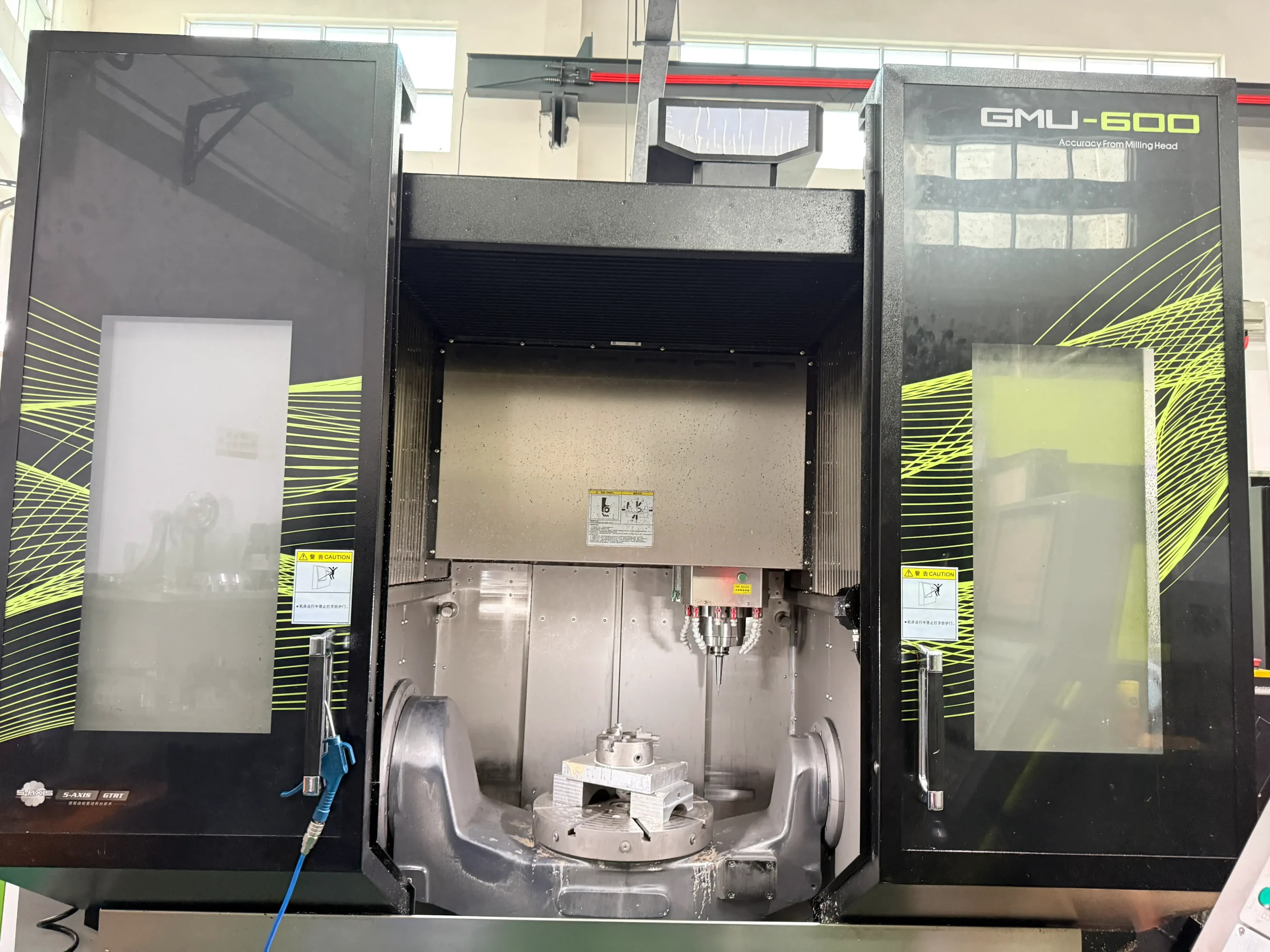
5-Axis CNC Machine
Capable of machining complex surfaces and high-precision parts; commonly used in the aerospace and medical industries.

What is the difference between a CNC machine and CNC machining?
Many people confuse CNC machines with CNC machining, but the two are not the same.
A CNC machine refers to the machining equipment itself, such as CNC milling machines, CNC lathes, and 5-axis machining centers.
CNC machining, on the other hand, refers to the process of manufacturing parts using this equipment.
Simply put:
- CNC Machine = Equipment
- CNC Machining = Manufacturing Process
The two are closely related, but they have different meanings.
What materials can a CNC machine machine?
Modern CNC machines are capable of machining a wide variety of metals and engineering plastics.
Common metal materials include:
- Aluminum
- Stainless Steel
- Titanium
- Brass
- Copper
- Tool Steel
Common plastic materials include:
- POM
- Nylon
- PEEK
- Acrylic
- PC
- PEI
Different materials require different cutting tools, cutting parameters, and machining strategies.
What types of parts can CNC machines machine?
CNC machining can produce a wide variety of parts, such as:
- Aluminum alloy housings
- Precision shaft components
- Robotic structural components
- Medical device parts
- Tooling and fixtures
- Aerospace parts
- Automation equipment components
With the advancement of multi-axis machining technology, increasingly complex parts can now be manufactured using CNC processes.
Need CNC Machined Parts?
Send us your drawing and get expert machining advice with a fast quotation within 24 hours.
Upload Your DrawingConclusion
CNC machines are among the most critical pieces of equipment in modern manufacturing. By controlling the machining process through computer programs, CNC technology enables the production of parts with high precision, efficiency, and consistency.
From simple mechanical parts to complex aerospace components, CNC machines have become an indispensable part of modern industrial production. If you are looking for high-quality CNC machining services, choosing an experienced machining partner will help ensure the successful completion of your project.
Frequently Asked Questions
A CNC machine is a manufacturing machine controlled by a computer rather than manual operation. It uses programmed instructions to automatically control tool movements and machining operations, allowing manufacturers to produce precise and consistent parts from materials such as aluminum, steel, titanium, and plastics.
Yes. CNC machining is one of the most popular manufacturing methods for custom parts because it can produce components directly from CAD files without the need for molds or dedicated tooling.
Most CNC machining suppliers accept STEP, STP, IGES, X_T, SLDPRT, and PDF drawing files. Providing a 3D model along with a technical drawing usually helps speed up the quotation process.
For most projects, a quotation can be provided within 24 hours after reviewing the drawing, material requirements, quantity, and surface finish specifications.
Yes. CNC machining is suitable for everything from a single prototype to low-volume and medium-volume production, making it a flexible solution throughout the product development cycle.



