

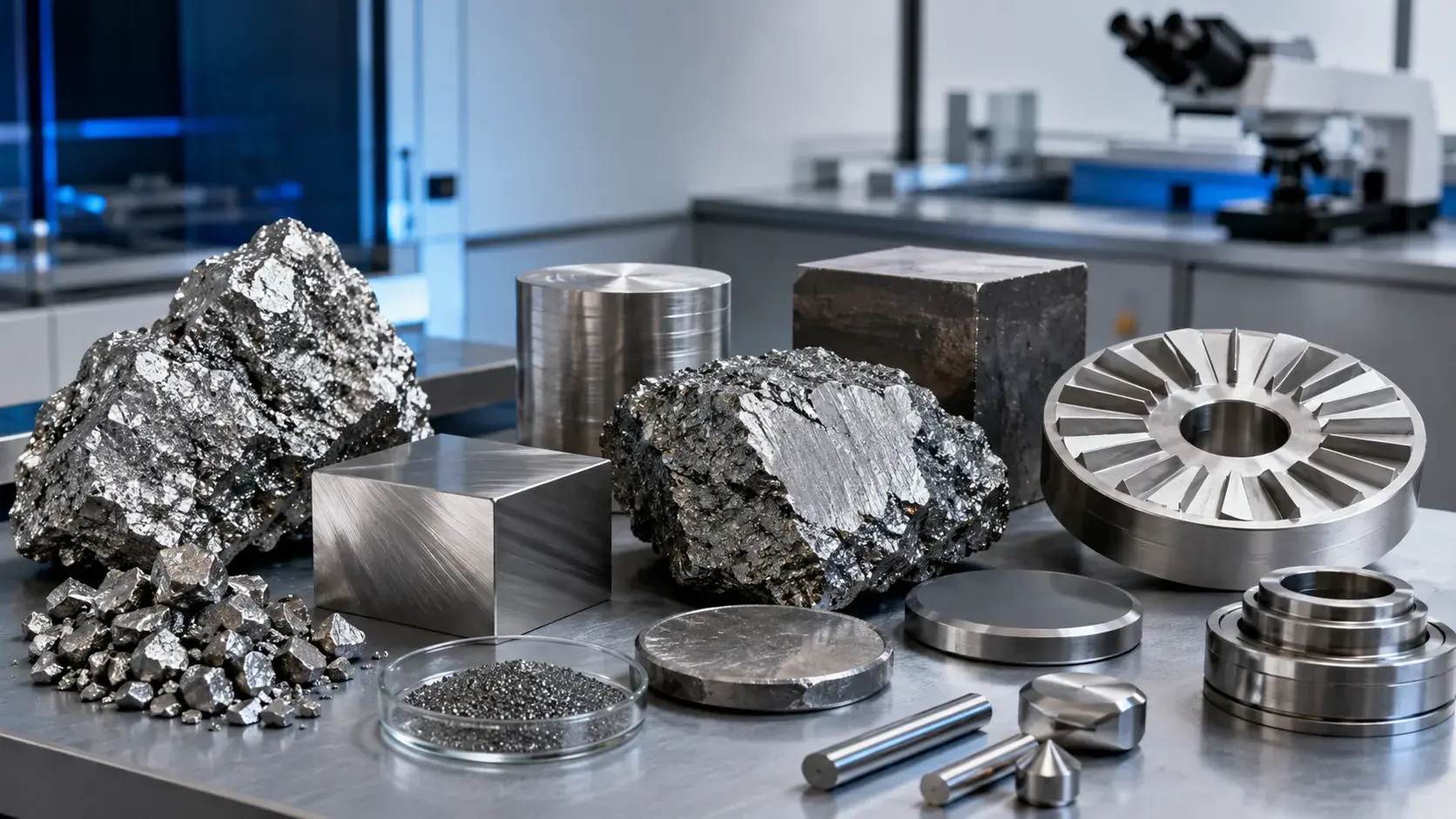
Cobalt is a hard, silver-gray transition metal recognized for its strong structural qualities, magnetic characteristics, resistance to wear, and ability to perform well under high temperatures.
It is not commonly used in its pure form as a primary building material in engineering, unlike metals such as aluminum and steel.Instead, cobalt is typically combined with other elements to form advanced alloys that are used in critical and high-demand applications.
This article covers the uses of cobalt metal, its key properties, typical applications, and its significance in contemporary manufacturing processes.
What Is Cobalt Metal?
Cobalt metal is a chemical element represented by the symbol Co and has an atomic number of 27.
It is part of the transition metal group and is found in nature within minerals along with other elements like nickel and copper.
In its pure state, cobalt is a hard, shiny metal that has a silver-gray color.
However, pure cobalt is not commonly used in industrial applications.Instead, it is often mixed with other metals to create cobalt alloys, which offer better mechanical and thermal characteristics.
Some common materials that contain cobalt include:
- Cobalt superalloys used in high-temperature applications in aerospace
- Cobalt-chromium alloys used in medical implants and parts that require resistance to wear
- Cemented carbide materials where cobalt acts as a binder in cutting tools
- Alnico alloys used for creating permanent magnets
Properties of Cobalt Metal
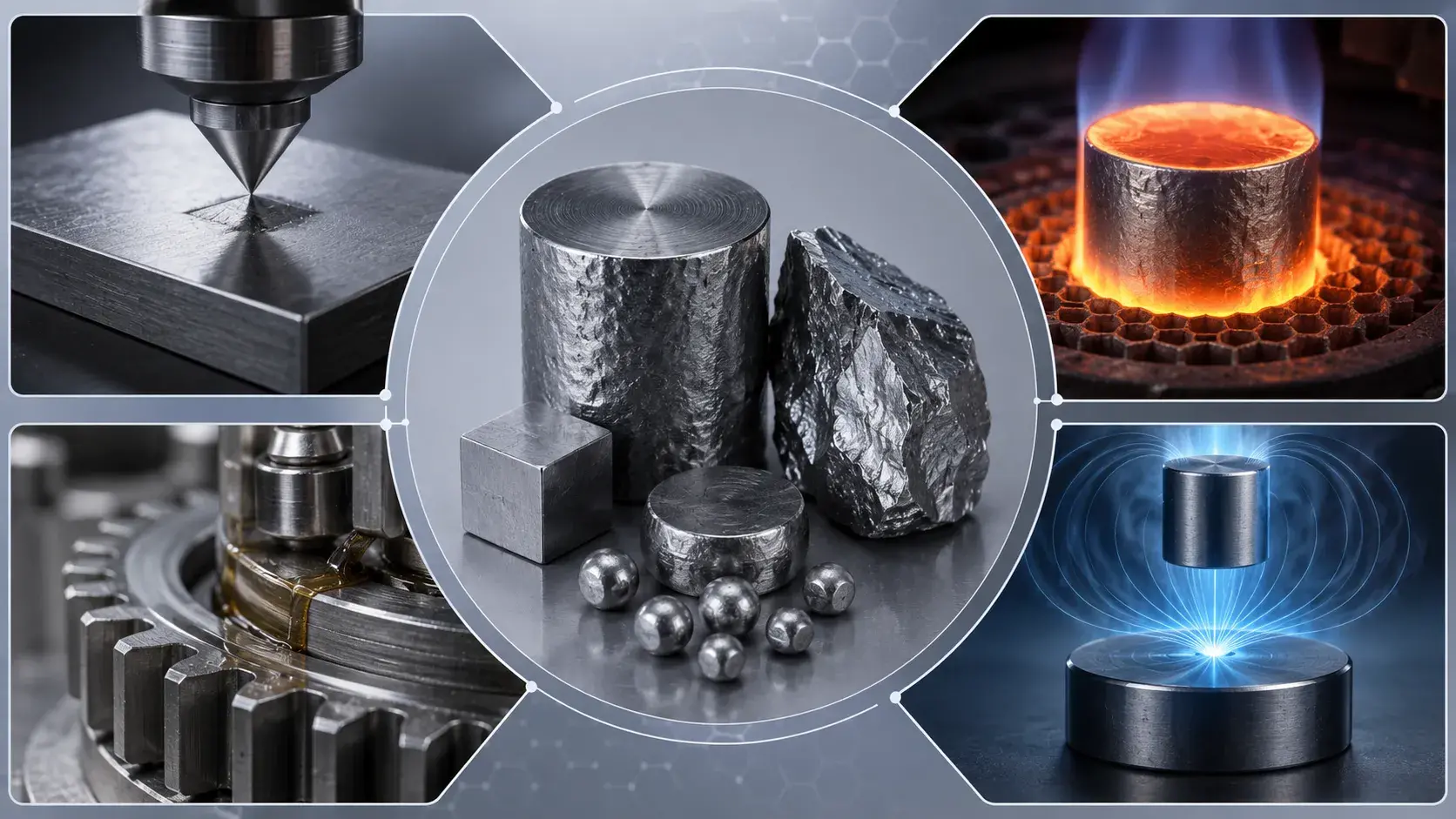
The importance of cobalt properties comes from its ability to maintain performance in extreme environments. Its combination of hardness, heat resistance, and magnetic behavior makes it valuable for high-performance materials.
| Property | Description |
|---|---|
| Appearance | Silver-gray metallic surface with a hard structure |
| Atomic Number | 27 |
| Melting Point | Approximately 1,495°C (2,723°F) |
| Magnetic Property | Ferromagnetic material with strong magnetic characteristics |
| Hardness | High hardness and excellent wear resistance |
| Heat Resistance | Maintains strength at elevated temperatures when alloyed |
High Temperature Resistance
One of the most important cobalt metal properties is its ability to maintain strength at high temperatures.
This makes cobalt-based alloys suitable for components exposed to extreme heat, including:
- Jet engine parts
- Gas turbines
- Industrial furnaces
- Power generation equipment
Compared with many conventional metals, cobalt alloys can maintain mechanical performance under conditions where standard materials may lose strength.
Wear Resistance
Cobalt is also valued for its excellent wear resistance.
When combined with chromium and other elements, cobalt creates hard alloys that resist:
- Abrasion
- Corrosion
- High-temperature wear
These properties make cobalt alloys useful for:
- Cutting tools
- Industrial wear components
- Valve seats
- Precision mechanical parts
Magnetic Properties
Is cobalt magnetic? Yes. Cobalt is one of the few naturally occurring ferromagnetic metals, along with iron and nickel.
Because of its magnetic characteristics, cobalt is used in:
- Permanent magnets
- Sensors
- Magnetic storage devices
- Electronic components
Cobalt-based magnets can maintain magnetic performance at higher temperatures compared with some other magnet materials.
What Is Cobalt Metal Used For?
The unique properties of cobalt metal, including high-temperature strength, hardness, magnetic performance, and wear resistance, make it valuable in many advanced industries. Unlike aluminum or steel, cobalt is mainly used as an alloying element or functional material rather than a structural metal.
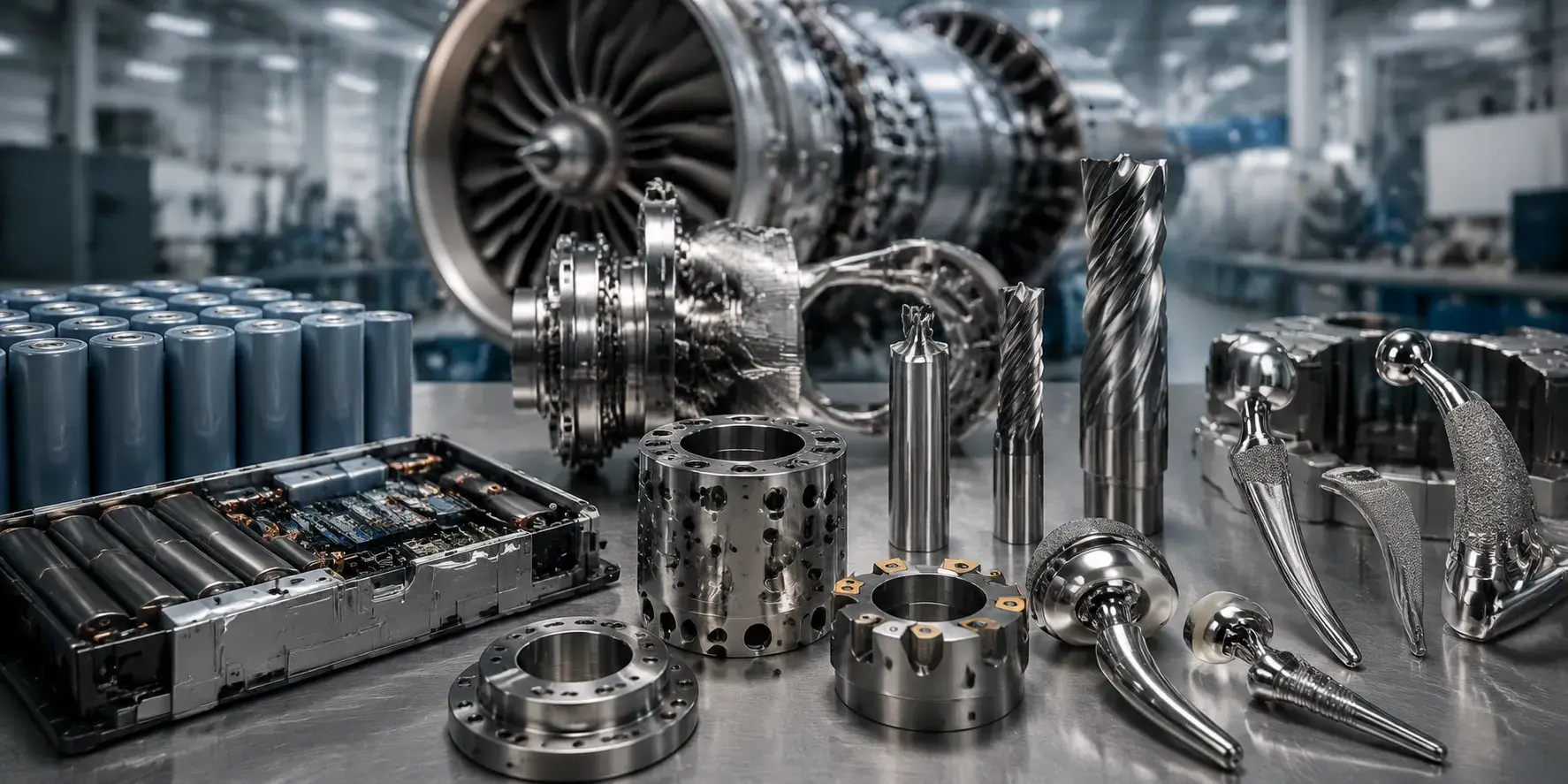
The main cobalt metal uses include:
1. Aerospace Superalloys
Cobalt superalloys are widely used in aerospace and energy applications because they can maintain strength under extreme temperatures and mechanical stress.
Common applications include:
- Jet engine components
- Gas turbines
- High-temperature industrial equipment
Cobalt-based alloys provide excellent heat resistance, oxidation resistance, and long-term reliability.
2. Cutting Tools and Wear-Resistant Materials
Cobalt is an important component in cemented carbide tools, where it acts as a binder to improve toughness and durability.
Applications include:
- CNC cutting tools
- Milling inserts
- Drills
- Wear-resistant components
Cobalt-containing carbide materials help maintain cutting performance when machining hard materials.
3. Lithium-Ion Batteries
One of the most recognized cobalt uses is in lithium-ion batteries.
Cobalt helps improve battery stability and energy density in applications such as:
- Electric vehicles
- Smartphones
- Portable electronics
4. Magnets and Magnetic Components
Because cobalt is a ferromagnetic metal, it is used in specialized magnetic materials.
Applications include:
- Permanent magnets
- Sensors
- Electric motors
- Electronic devices
5. Medical and Industrial Applications
Cobalt-chromium alloys are valued for their strength, corrosion resistance, and wear performance.
Common applications include:
- Medical implants
- Dental components
- Industrial wear parts
Can Cobalt Metal Be CNC Machined?
Yes, cobalt metal can be machined, although pure cobalt is not commonly used as a material for CNC machining.
Instead, in most industrial applications, cobalt is mixed with other elements to form cobalt alloys.These alloys offer improved strength, wear resistance, and performance at high temperatures.
Some common cobalt-based materials used in manufacturing include:
- Cobalt superalloys
- Cobalt-chromium alloys
- Cemented carbide materials containing cobalt as a binder
These materials find widespread use in industries such as aerospace, medical, tooling, and general manufacturing, where high-performance characteristics are essential.
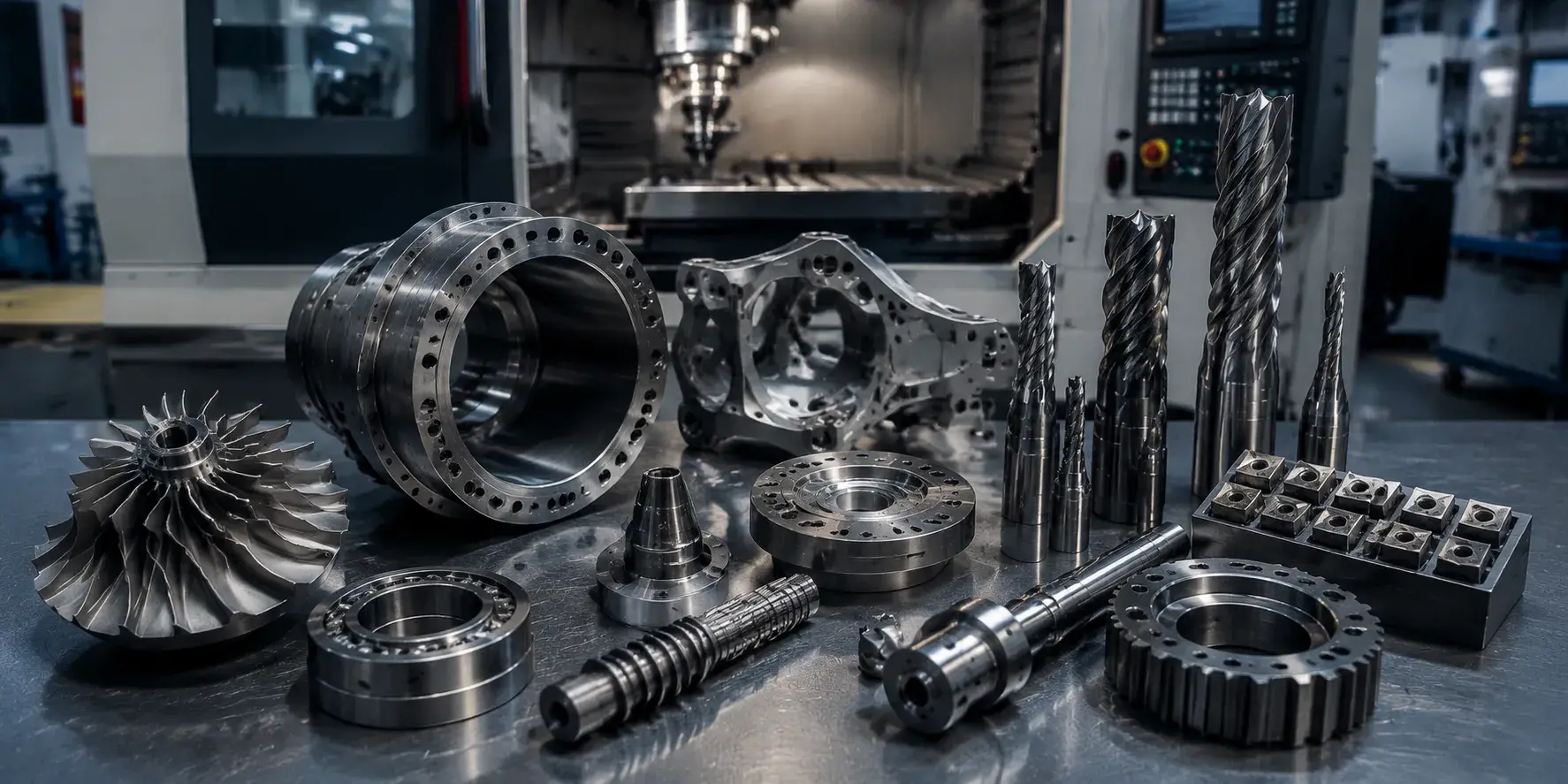
Despite their advantages, cobalt alloys are generally regarded as difficult materials to machine due to their unique properties.
Some common challenges encountered during the machining process include:
- High hardness and wear resistance, which can lead to rapid tool wear
- High cutting temperatures, resulting from low thermal conductivity
- Strict requirements for cutting parameters and the selection of appropriate tools
For precise manufacturing, machining cobalt-based materials requires the use of suitable tools, consistent machining conditions, and skilled process control.
Cobalt vs Other Metals
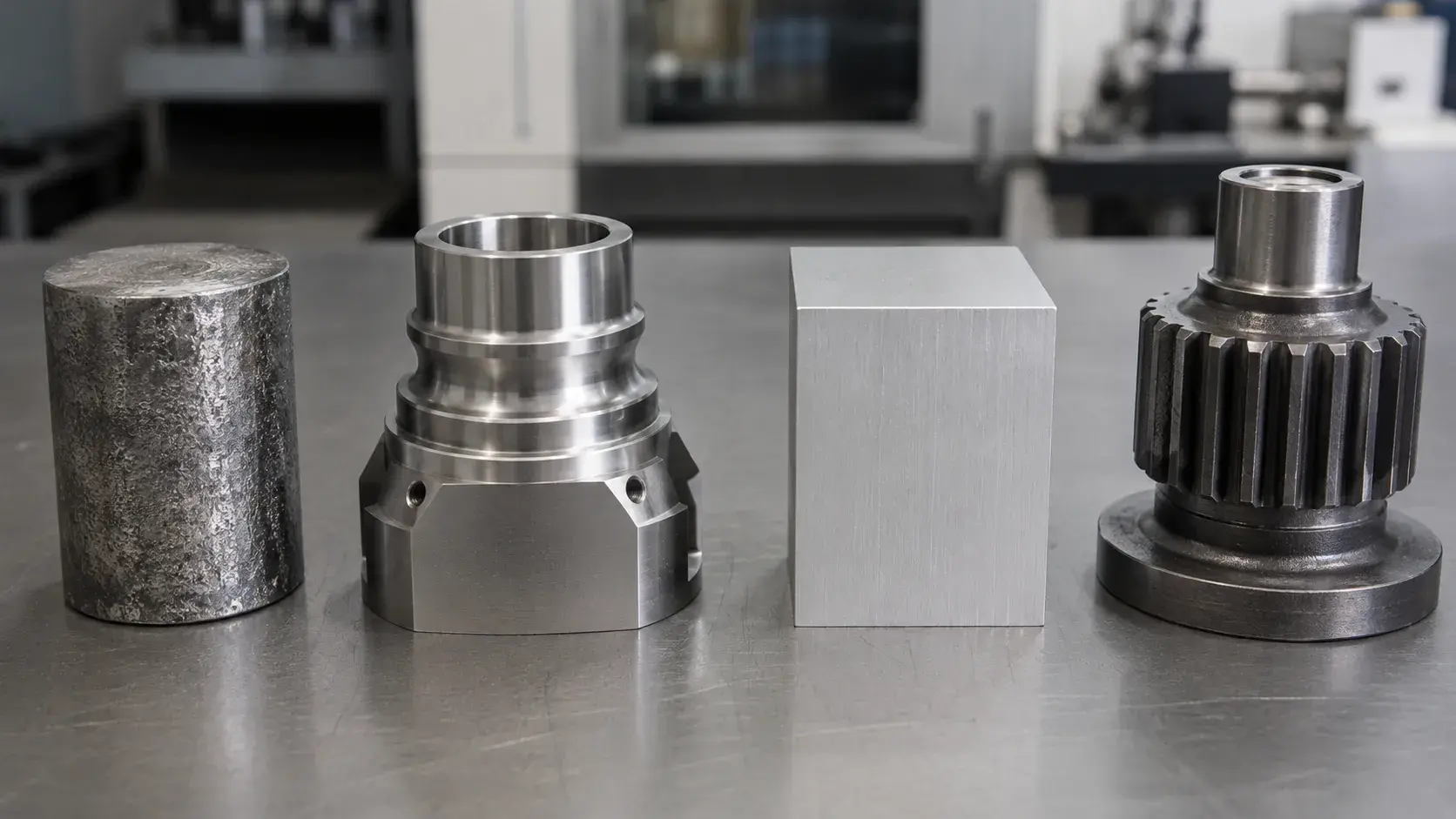
Cobalt metal offers distinct benefits when compared to other commonly used engineering metals, but it is not intended to replace materials like aluminum, titanium, or steel.The choice of material depends on specific performance needs, such as strength, weight, resistance to high temperatures, ability to resist corrosion, and ease of machining.
The following table compares cobalt with several widely used engineering metals:
| Feature | Cobalt | Titanium | Aluminum | Steel |
|---|---|---|---|---|
| Main Advantage | High-temperature strength, wear resistance, magnetic properties | High strength-to-weight ratio and corrosion resistance | Lightweight and excellent machinability | High strength, durability, and cost efficiency |
| Temperature Performance | Excellent in cobalt-based superalloys | Good high-temperature performance | Limited compared with cobalt and titanium | Depends on alloy grade |
| Common Applications | Aerospace alloys, cutting tools, magnets, medical alloys | Aerospace parts, medical implants, chemical equipment | CNC machined parts, automotive, electronics | Industrial machinery, structures, tooling |
| Machining Difficulty | Difficult due to hardness and wear resistance | Moderate to difficult due to heat generation | Relatively easy to machine | Varies by alloy and hardness |
Cobalt vs Titanium
Cobalt alloys and titanium alloys are both used in high-performance industries, but they serve different purposes.
Cobalt is preferred for:
- High-temperature applications
- Wear resistance
- Extreme operating conditions
Titanium is preferred for:
- Lightweight structures
- High strength-to-weight ratio
- Corrosion resistance
For example, titanium is commonly used for aerospace structural parts, while cobalt alloys are often selected for high-temperature engine components.
Cobalt vs Aluminum
Compared with aluminum, cobalt alloys provide better heat resistance and wear performance but are heavier and more difficult to process.
Aluminum is widely used in CNC machining materials because of its:
- Lightweight properties
- Excellent machinability
- Good strength-to-weight ratio
Cobalt is mainly used when specialized performance is required.
Cobalt vs Steel
Steel is a common engineering material because of its strength, availability, and cost efficiency.
Compared with steel, cobalt alloys offer better:
- High-temperature performance
- Wear resistance
- Corrosion resistance
However, steel remains the preferred choice for many general industrial applications.
Is Cobalt a Rare Metal?
Cobalt metal is often regarded as a strategic material, but it is not classified as a rare earth metal.
It is a transition metal with the chemical symbol Co and is part of a different group of elements than the rare earth elements.
Cobalt is not as commonly found as other widely used engineering metals like aluminum, iron, and copper.
It is typically discovered as a byproduct during the extraction of nickel and copper, rather than being mined from its own dedicated deposits.
Due to its essential role in various important applications such as battery technology, aerospace alloys, cutting tools, and high-performance materials, cobalt is regarded as a critical industrial metal.
Is Cobalt Magnetic?
Yes, cobalt metal is magnetic.
Cobalt is one of the few naturally occurring ferromagnetic metals, along with iron and nickel.
The magnetic properties of cobalt allow it to stay strongly magnetized and function effectively even in high-temperature conditions.
Because of this, cobalt is used in various magnetic materials and specific applications.
Some common uses of cobalt include:
- Permanent magnets
- Sensors
- Electric motors
- Electronic devices
- Magnetic instruments
Cobalt is also mixed with aluminum and nickel to create Alnico magnets, which are known for their good temperature stability and dependable magnetic performance.
Conclusion
Cobalt metal is a key engineering material recognized for its high-temperature strength, wear resistance, magnetic characteristics, and its role in enhancing the performance of advanced alloys.
While cobalt is not widely used as a structural metal in the same way as aluminum or steel, its use in cobalt superalloys, cutting tools, batteries, magnets, and medical materials makes it crucial for numerous high-performance industries.
Need Precision Machining for Advanced Materials?
YUANYI provides precision CNC machining services and 5 axis CNC machining services for challenging engineering materials, including titanium, stainless steel, cobalt-based alloys, and other high-performance materials. Our engineers help optimize designs, select suitable machining processes, and deliver reliable custom parts.
Get a Free Quote


