
What Is Precision Machining? Processes, Advantages, Types, Applications, and Costs

Precision machining is a manufacturing process that uses high-precision machine tools and computer-controlled systems to perform high-precision cutting operations on metal or plastic materials. It is typically used to produce parts with minimal dimensional tolerances, high surface quality requirements, and complex geometries.

Simply put, standard machining is about “making parts,” while precision machining is more about “making parts exactly right.”
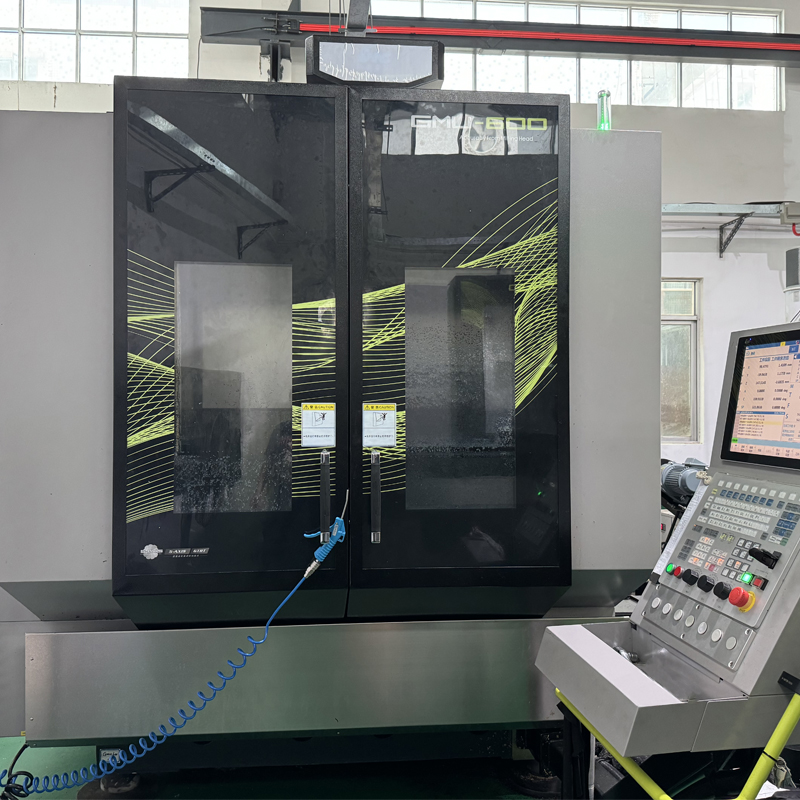
Precision Machining

The Difference Between Precision Machining and Traditional Machining

When people first encounter precision machining, they often think it looks much like ordinary machining: both involve cutting metal and using machine tools to process parts.
However, the biggest difference between the two lies not in “whether or not cutting is involved,” but in “machining accuracy” and “consistency.”

Traditional machining relies more heavily on manual expertise. Skilled craftsmen adjust dimensions based on feel, experience, and measuring tools, so machining efficiency and consistency are often significantly influenced by human factors.
In contrast, modern precision machining places greater emphasis on:

  • Digital control
  • High repeatability
  • Consistent tolerances
  • Automated production
  • The ability to machine complex structures

Therefore, precision machining is not merely about “cutting”; rather, it involves the precise control of the entire manufacturing process.

Furthermore, while traditional machining is often suited for simple structures, modern CNC machining—especially 5-axis machining—can produce complex curved surfaces, deep cavities, and irregularly shaped parts, which are difficult to achieve with traditional machine tools.

How does precision machining work?

The core workflow of precision machining typically includes CAD design, CAM programming, CNC machining, surface treatment, and final inspection.

CAD Design and Engineering

Precision machining typically begins with CAD (Computer-Aided Design).
Engineers first create a 3D model of the part, including:CAD Design and Engineering
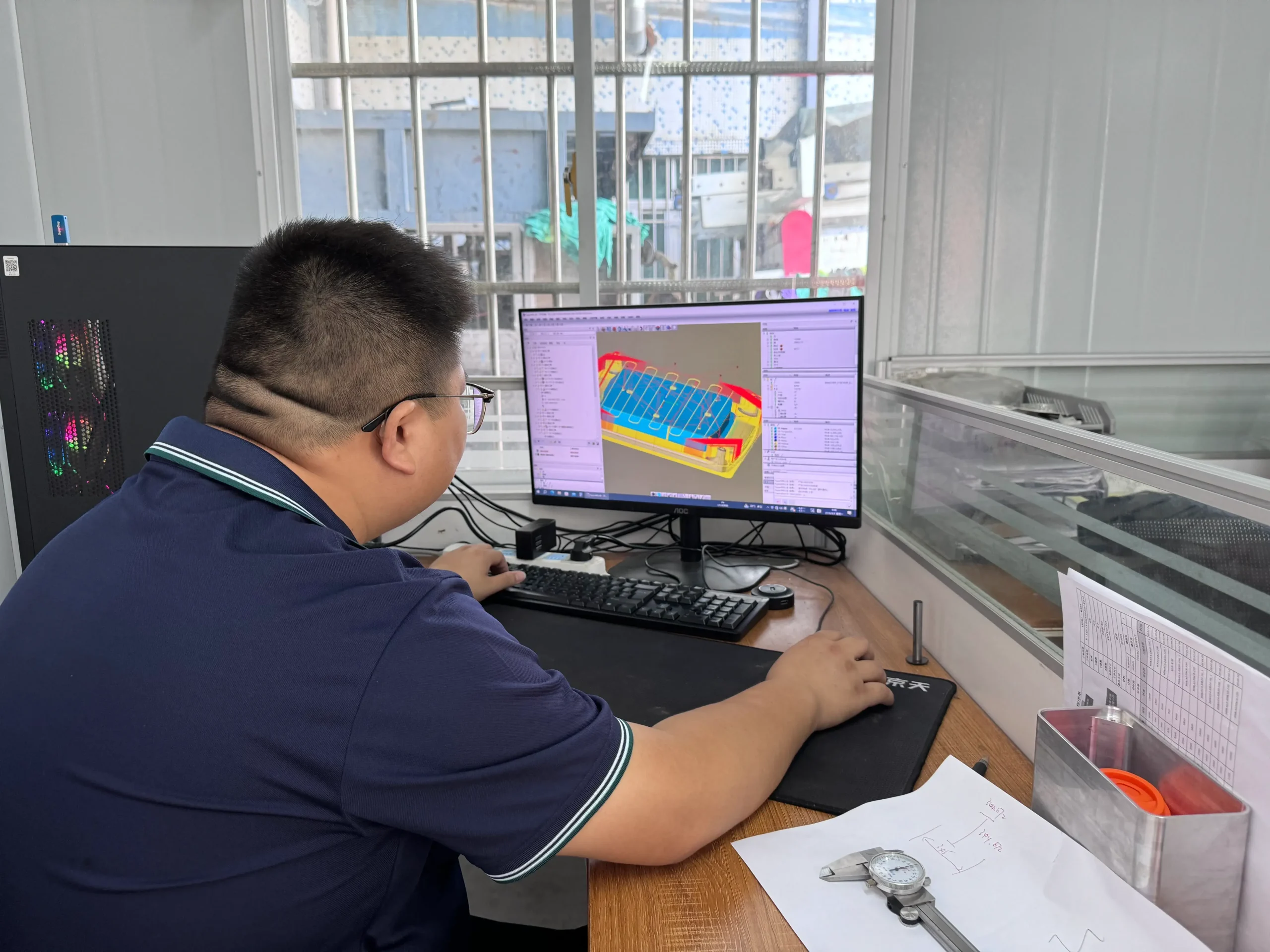
  •  Dimensions
  • Tolerances
  • Hole locations
  • Surfaces
  • Chamfers
  • Threads
  • Surface finish
  • requirements

Truly experienced engineers consider the following during the design phase:

  • Whether the part is easy to machine
  • Whether the cutting tools can access the part
  • Whether the part is prone to deformation
  • Whether it will increase machining costs

A deep cavity structure that appears simple can significantly increase the difficulty of subsequent machining if the cutting tool cannot access it properly.

This is why many CNC machining shops offer DFM (Design for Manufacturability) recommendations, as the design itself directly impacts the efficiency and cost of subsequent precision machining.

CAM Programming

CAM (Computer-Aided Manufacturing) can be understood as:
“Converting 3D drawings into machining paths that machine tools can understand.”
Programmers need to determine:

  • How the cutting tool moves
  • What the cutting sequence is
  • What the spindle speed and feed rate should be
  • How to reduce vibration
  • How to avoid tool collisions

For the same part, machining paths created by different engineers can result in vastly different machining efficiency and surface quality.

This is especially true in 5-axis machining, where tool axis angles, interpolation paths, and collision avoidance are all critical factors.

Machine Setup and Tool Selection

Before beginning actual machining, machine setup must be completed.
This includes:

  • Workpiece clamping
  •  Tool setting
  •  Coordinate calibration
  •  Tool installation
  •  Cooling system adjustment

Many precision issues are not caused by programming errors, but rather by clamping. The following are common clamping issues:

  • Clamping the workpiece too tightly can cause deformation.
  • Unstable clamping can cause vibration.
  • Long tools are prone to wobble during machining.
  • Tool wear can affect dimensional consistency.

Experienced machinists typically adjust their machining strategies based on the material and structure.

Precision Machining Operations

During actual machining, the CNC machine operates automatically according to the program.

Throughout the machining process, the machine continuously removes material until the final part is formed.

However, in reality, machining is rarely a “one-step” process.
Many high-precision parts require:

  • Rough machining
  • Semi-finishing
  • Finishing
  • Secondary correction

Therefore, the true challenge of precision machining lies in:
how to continuously control errors throughout the entire machining process
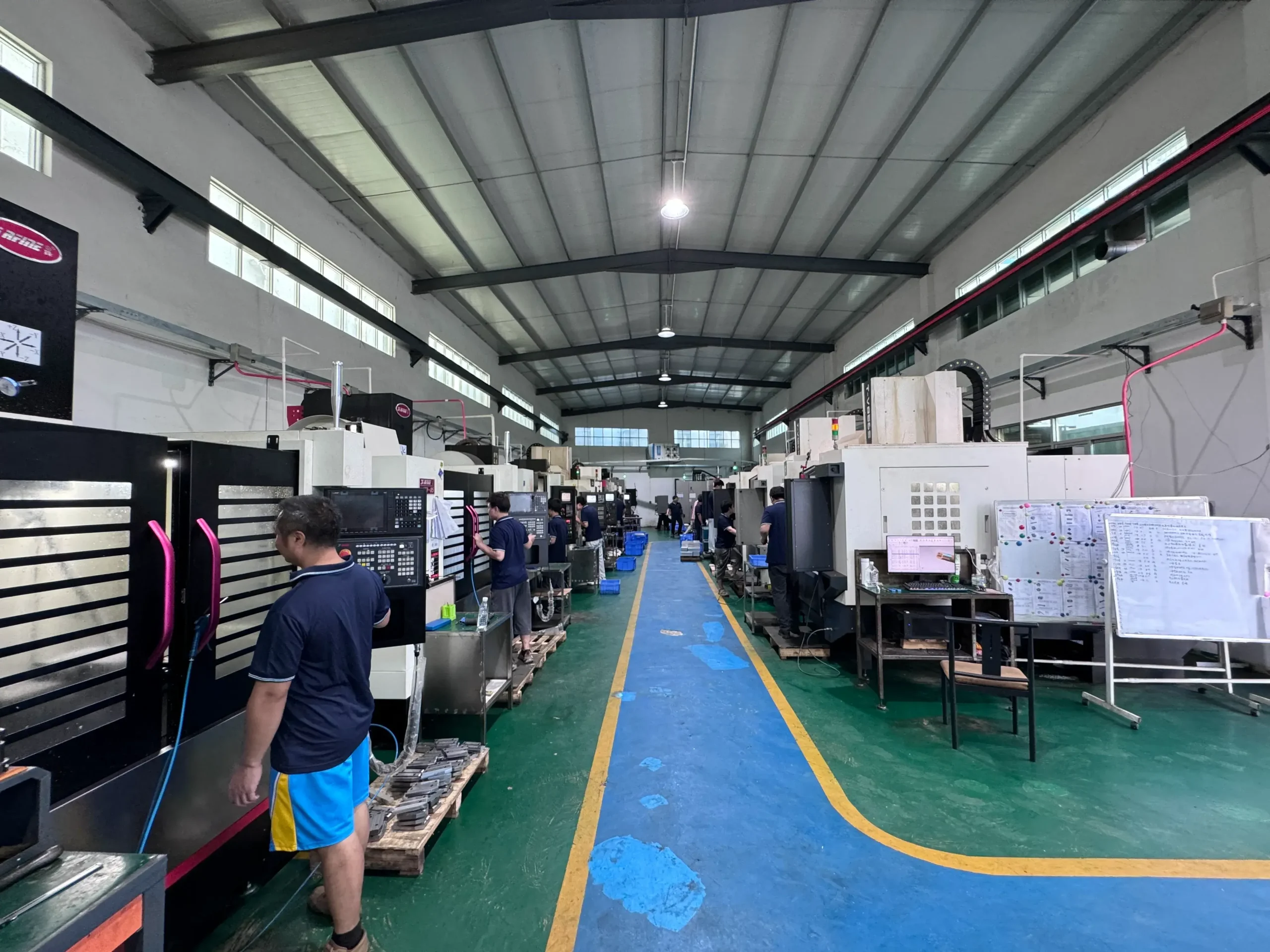
Precision CNC Machining Operations

Inspection and Quality Control

Finally, once the parts have been machined, dimensional inspection and quality verification must be performed.
This step determines whether the parts truly meet the required standards.
Common inspection equipment includes:3D CMM
  • Calipers
  • Micrometers
  • Height gauges
  • 2D projectors
  • CMM 

For high-precision machined parts, many dimensions cannot be determined by the naked eye and must be verified using inspection equipment.

Types of Precision Machining Processes

Different part geometries require different precision machining processes. No single process is suitable for all parts, truly sophisticated CNC precision machining is often achieved through the coordinated use of multiple processes. 

For example, some parts are best suited for high-speed milling, while others are better suited for turning, and certain high-precision areas may require grinding or EDM (electrical discharge machining) to complete. 

CNC Milling

CNC milling is currently one of the most common methods of precision machining. It involves continuously cutting material with a high-speed rotating cutting tool to produce the desired shape of a part. Many common features, such as flat surfaces, curved surfaces, grooves, cavities, holes, and complex contours, are typically produced using CNC milling.

CNC Turning

CNC turning is primarily used for machining cylindrical parts, such as shafts, couplings, sleeves, and various threaded components. Its machining process differs from milling: in turning, the workpiece rotates at high speed while the cutting tool removes material.

Compared to CNC milling, turning is generally more efficient for machining cylindrical parts, making it ideal for mass production. Many high-precision shaft components require extremely high standards for concentricity, roundness, and dimensional consistency.

Consequently, in precision machining, the turning process often necessitates strict control of tight tolerances, a requirement particularly common in the automotive, medical, and automation industries.

Multi-axis CNC Machining

Multi-axis CNC machining is a key development in modern precision machining. While traditional three-axis machines can only machine from fixed directions, multi-axis machining allows the tool to engage the workpiece from multiple angles.

For example, four-axis machining adds one rotational axis, while 5-axis machining adds two rotational axes, enabling the machine to perform more complex simultaneous cutting operations.

5-axis machining is particularly well-suited for high-precision parts such as complex curved surfaces, deep-cavity structures, impellers, aerospace components, and medical implants.
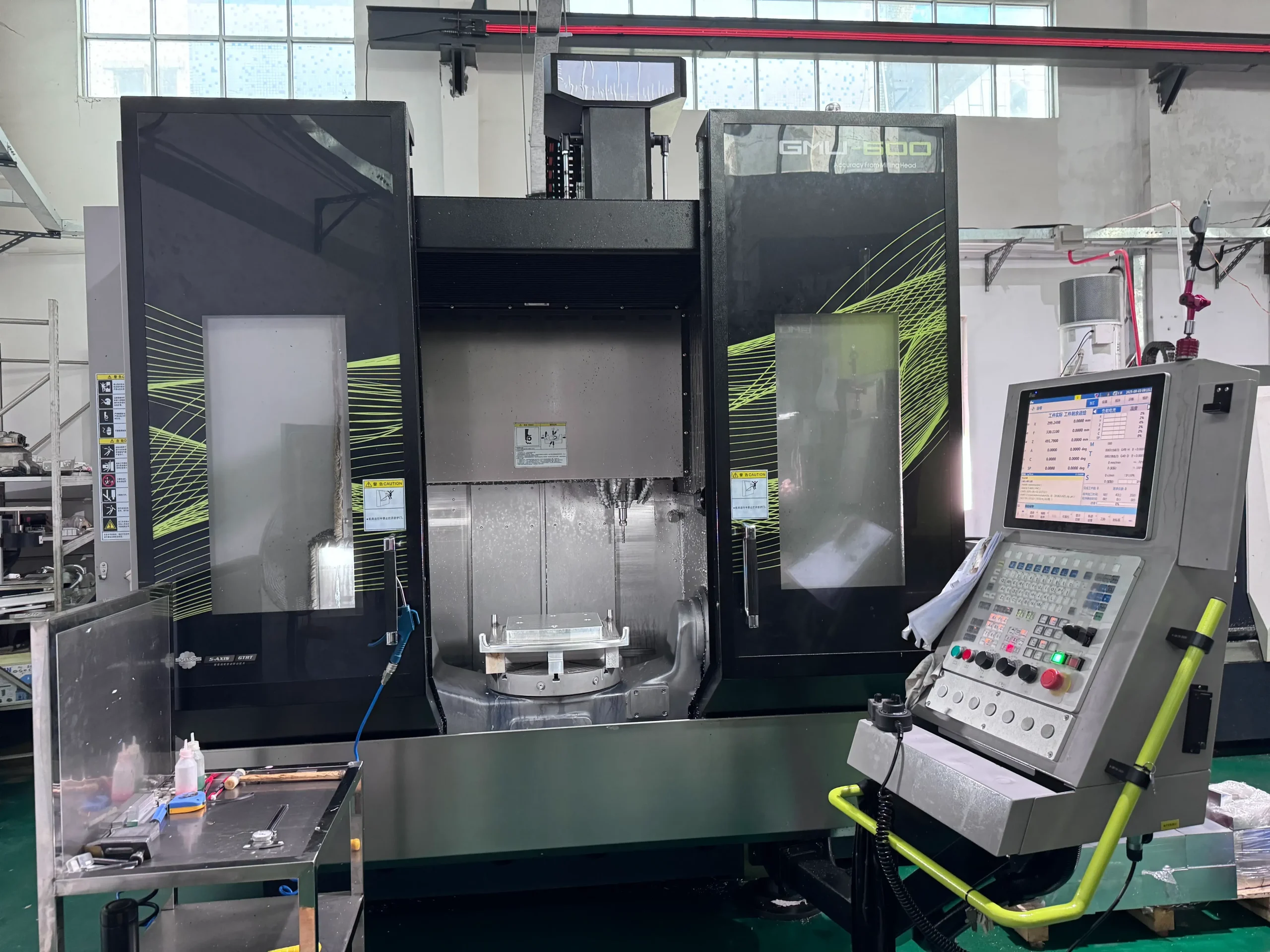
5-axis machining

Swiss-style turning

Swiss machining, also known as Swiss-style turning, is primarily used for machining ultra-small precision parts. This process is frequently employed for medical components, electronic connectors, precision shafts, and various microstructural parts.

The key difference from conventional lathes is that the workpiece is supported near the cutting zone, which minimizes vibration during machining and makes it particularly suitable for machining long, slender shafts.

Precision Grinding

Grinding typically occurs during the final stage of part machining. When conventional CNC machining can no longer improve precision further, the grinding process is employed for final finishing.

Compared to conventional cutting, grinding achieves higher dimensional accuracy, lower surface roughness, and better flatness. Many high-precision molds, bearing components, and parts with extremely tight fit requirements undergo final dimensional refinement through grinding.

Electrical Discharge Machining (EDM)

EDM  differs significantly from traditional CNC machining. Rather than relying on cutting tools to directly remove material, it uses the high temperatures generated by electrical discharges to gradually erode the material.

Because there is no direct contact with traditional cutting tools, it is particularly well-suited for machining ultra-hard materials, complex internal corners, microstructures, and deep, narrow slots. Some features may be completely inaccessible to conventional cutting tools, whereas EDM can achieve details that are difficult to realize with traditional machining methods.

CNC Drilling

Many people think drilling is a simple process, but in precision machining, high-precision drilling is often more difficult to control than standard cutting operations.

This is especially true for deep holes, micro-holes, and holes requiring high positional accuracy. If chip removal is not smooth or the drill bit experiences even slight wobble, it can easily lead to hole diameter errors, burrs, or even tool breakage. For some high-precision parts, a single positional error in a hole can directly affect the entire assembly.


Industries that utilize precision machining

Many high-end industries rely heavily on precision machining. As modern industry places increasingly higher demands on the precision, consistency, and reliability of parts, traditional machining methods are no longer sufficient to meet these requirements. Some applications of precision CNC precision machining include:

Aerospace Industry

The aerospace industry is one of the most typical fields for precision machining applications. Many aerospace components are not only structurally complex but are also made of materials that are extremely difficult to machine, such as titanium alloys, superalloys, and various thin-walled structural parts.

These materials typically offer high strength and heat resistance, but they are also more challenging to machine, placing very high demands on cutting tools, machine tool stability, and machining expertise.

Medical Device Manufacturing

The medical industry often imposes stricter requirements for precision machining than many other sectors. This is because medical components require not only high precision but also long-term stability and excellent surface quality.

For example, orthopedic implants, surgical instruments, and various precision medical structural components are often very small in size yet subject to extremely high machining standards.

Automotive Industry

Modern automotive manufacturing has become increasingly reliant on precision machining. Particularly against the backdrop of rapid advancements in new energy vehicles, autonomous driving systems, and smart cars, a large number of precision parts must be produced through CNC machining.

For example, motor housings, precision gears, automated structural components, and heat dissipation parts all have high requirements for dimensional accuracy and assembly consistency.

Defense Industry

Many critical components in the defense industry must meet extremely high standards for reliability and stability. Since these components are often required to operate for extended periods under high temperatures, high pressure, intense vibration, or in extreme environments, they must not only be highly precise but also exhibit long-term dimensional stability and material reliability.

Consequently, many defense components are manufactured using precision machining, coupled with rigorous quality inspection processes.

Robotics and Automation

The robotics and automation industries also rely heavily on high-precision CNC machining. Since robots essentially depend on the coordinated movement of numerous precision structural components, any error in a single joint or moving mechanism can compromise the overall motion accuracy.

For example, robot joints, automation modules, and precision motion systems often require tight tolerance control.

In particular, complex joint structures—which involve multiple angles and intricate curved surfaces—typically require multi-axis CNC machining to be manufactured.

What materials can be used for precision machining?

How much does precision machining cost?

Precision machining isn’t limited to metals.
Modern CNC precision machining can process a wide variety of materials.
Common metals include:

  • Aluminum alloys
  • Stainless steel
  • Titanium alloys
  • Copper
  • Brass
  • Tool steel
  • Carbon steel

In addition to metals, many engineering plastics can also be CNC-machined, such as:

  • PEEK
  • POM
  • Nylon
  • PTFE
  • Acrylic
  • PC

In precision machining, the real cost often lies not in the material itself, but in the process of “machining parts consistently and accurately.”

Many factors influence the cost of precision machining, such as the complexity of the part’s structure, the strictness of tolerance requirements, the difficulty of machining the material, the duration of the machining process, tool wear, inspection standards, and the final production volume. Often, for the same part, the price can vary significantly simply due to differences in precision requirements.

Take a very common example: if a standard aluminum part has a tolerance requirement of ±0.1 mm, machining it is actuallyn CNC machiningot difficult, and most  shops can handle it. However, if the customer raises the requirement to ±0.005 mm, the entire machining process becomes completely different.

This is because higher precision means:

  • Machining paths must be more stable
  • Tool wear must be controlled more strictly
  • Machining speeds may need to be reduced
  • Inspection frequency will increase
  • The risk of scrap will also rise significantly

In addition, many people find that quotes for 5-axis machining are typically higher than those for standard 3-axis machining. This is because 5-axis machines are expensive, CAM programming is more complex, and the process requires greater operational expertise.

Therefore, in precision machining, it is not the case that “the cheaper the equipment, the better” or “the lower the quote, the better value.”

A truly reasonable machining solution usually involves striking a balance among the following factors:

  • Precision
  • Stability
  • Machining efficiency
  • Lead time
  • Cost

This is why experienced CNC precision machining shops often evaluate the drawings before providing a quote, rather than simply calculating the price based on material weight.

YUANYI Precision Machining Capabilities

3-Axis, 4-Axis, and 5-Axis CNC Machining

We offer 3-axis CNC milling, 4-axis machining, and 5-axis machining services, allowing us to select the most appropriate machining solution based on the specific part geometry. For standard flat components, 3-axis machining is typically sufficient; however, for multi-surface machining, complex curved surfaces, or deep cavity structures, multi-axis CNC machining offers distinct advantages.

High-Precision Machining Services

In precision machining, high precision is not merely about “making dimensions smaller”; more importantly, it involves stable control throughout the entire machining process. YUANYI  precision machining services include tight-tolerance machining, high-surface-quality machining, and complex CNC part manufacturing tailored to different applications. We also provide custom precision machining solutions based on specific material, structure, and tolerance requirements.

Prototyping and Mass Production

We can support a range of needs, from single-unit prototyping and small-batch trial production to subsequent mass production. For many complex parts, the initial prototyping phase often requires continuous adjustments to the design and machining plan. A mature CNC machining facility does more than simply “machine according to drawings”; it must also collaborate with customers to optimize manufacturing solutions, thereby improving the stability and efficiency of subsequent mass production.

Need precision CNC machining for complex or tight tolerance parts? 
YUANYI engineering team is ready to support your project.

FAQ About Precision Machining

It is suitable for both. Many CNC machining projects begin with prototype machining to validate the design structure and assembly, before proceeding to small-batch or full-scale mass production. Compared to mold-based manufacturing, precision machining offers greater flexibility during the initial development phase.

This depends on the part’s complexity, material, machining process, and quantity. Simple parts can be completed within a few days, while complex 5-axis machined parts may take longer due to the increased complexity of programming, setup, and inspection.

No. All machining processes involve some degree of error. The essence of precision machining lies in consistently keeping errors within acceptable limits, not in achieving “zero error.”

After CNC machining, many parts undergo surface treatments such as anodizing, electroplating, sandblasting, heat treatment, or polishing. This is not only for aesthetic purposes but also, in some cases, to improve corrosion resistance, hardness, or wear resistance.

Table of Contents
Discuss Your Complex Machining Requirements

Need Custom CNC Machined Parts?

From rapid prototypes to low-volume production, our engineering team can review your drawings and provide a manufacturing quote.

  • 24-Hour Quotation
  • DFM Engineering Support
  • No Minimum Order
  • ISO 9001 Certified
Request A Quote
Upload your drawing and get a quote within 24 hours.
