CNC Machining Blog

The YuanYi blog shares practical knowledge from our day-to-day experience in CNC machining and precision manufacturing. We write to help engineers, designers, and buyers better understand materials, machining methods, tolerances, surface finishes, and part design, making it easier to plan projects and make better manufacturing decisions.

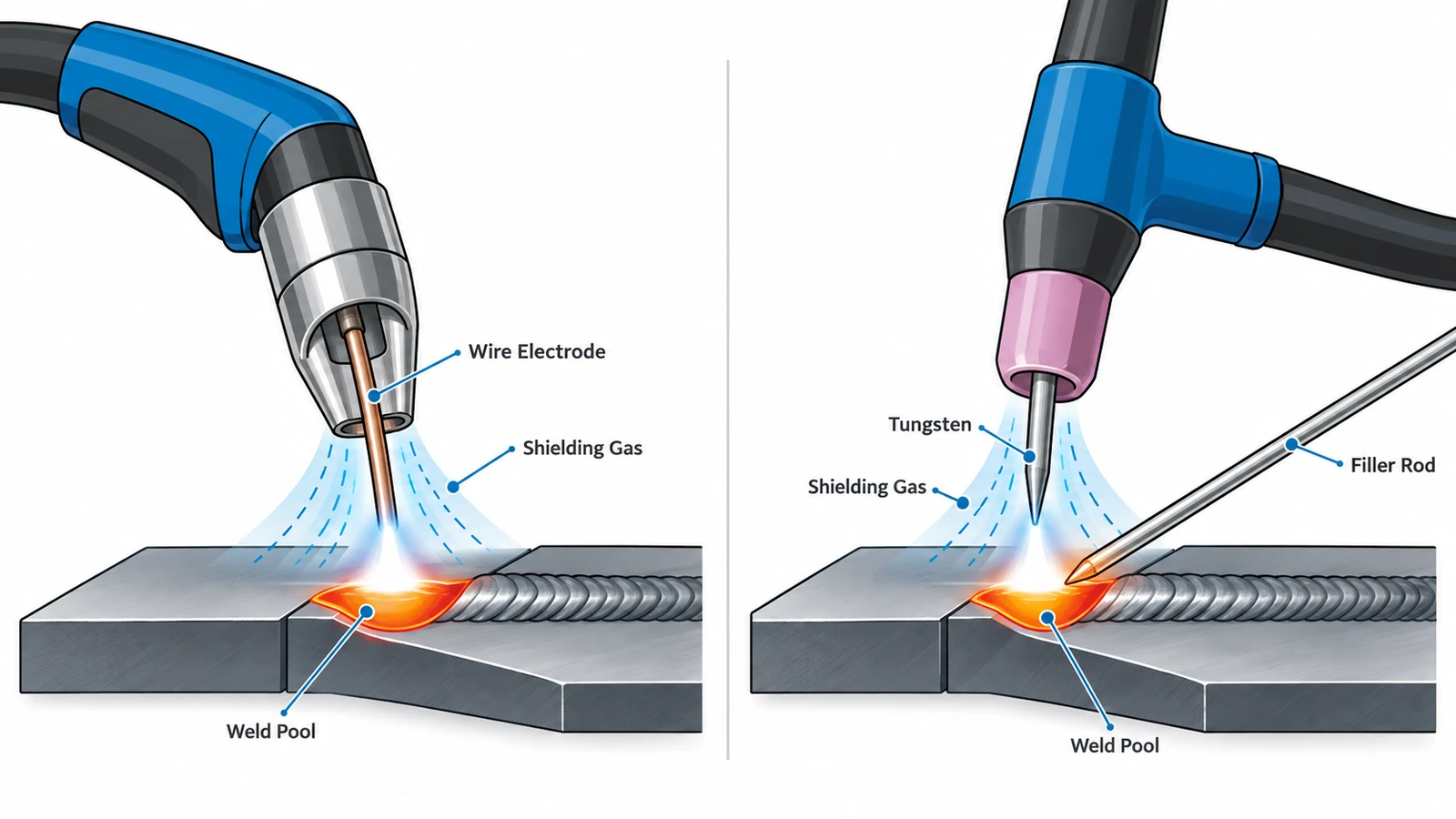
MIG vs TIG Welding: Differences, Pros, Cons & When to Use Each

MIG and TIG are two of the most common welding processes used for metal fabrication and...

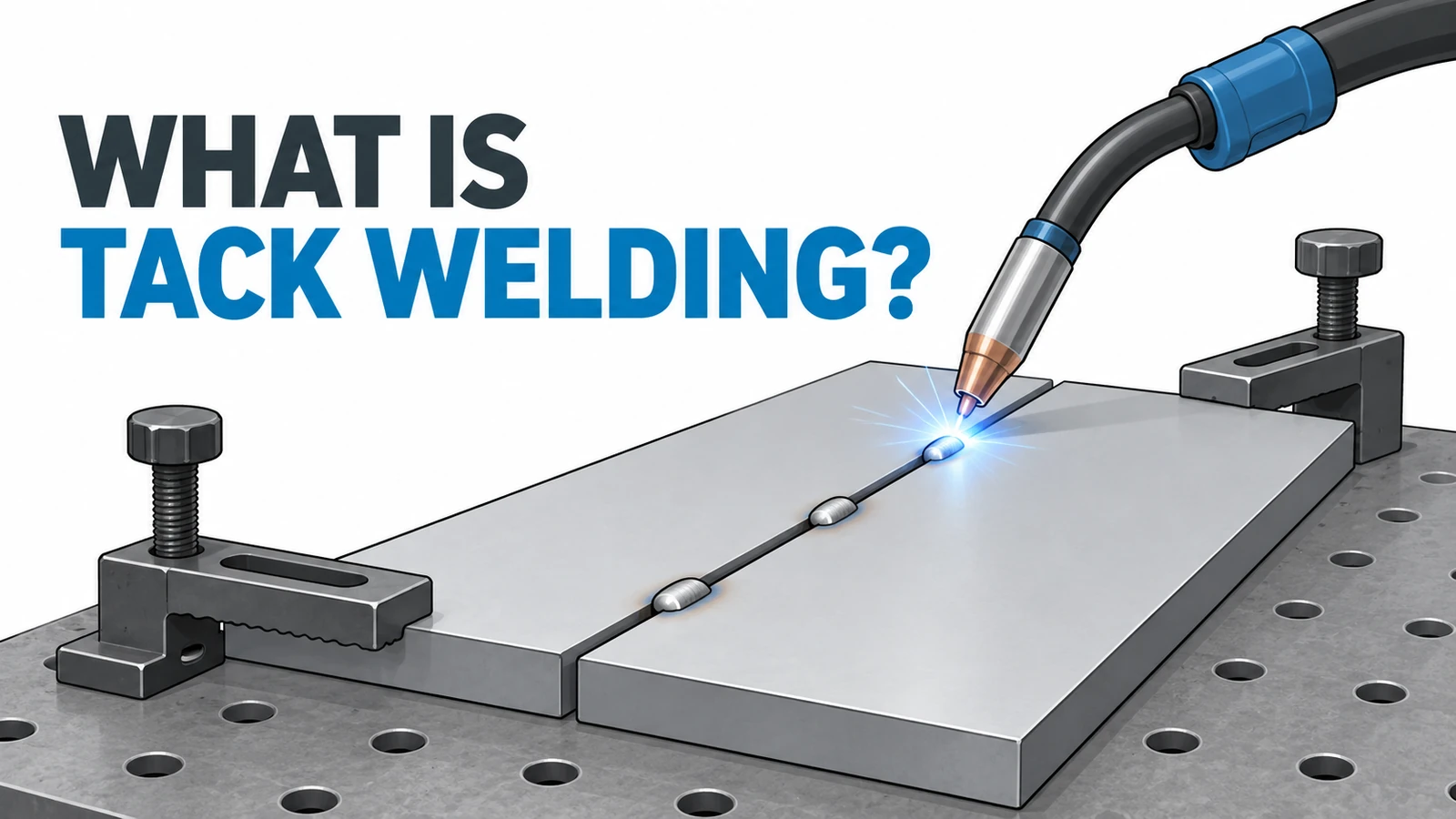
What Is Tack Welding? Purpose, Process, Types & Applications

Tack welding is a preliminary welding technique used to hold metal parts in the correct position...

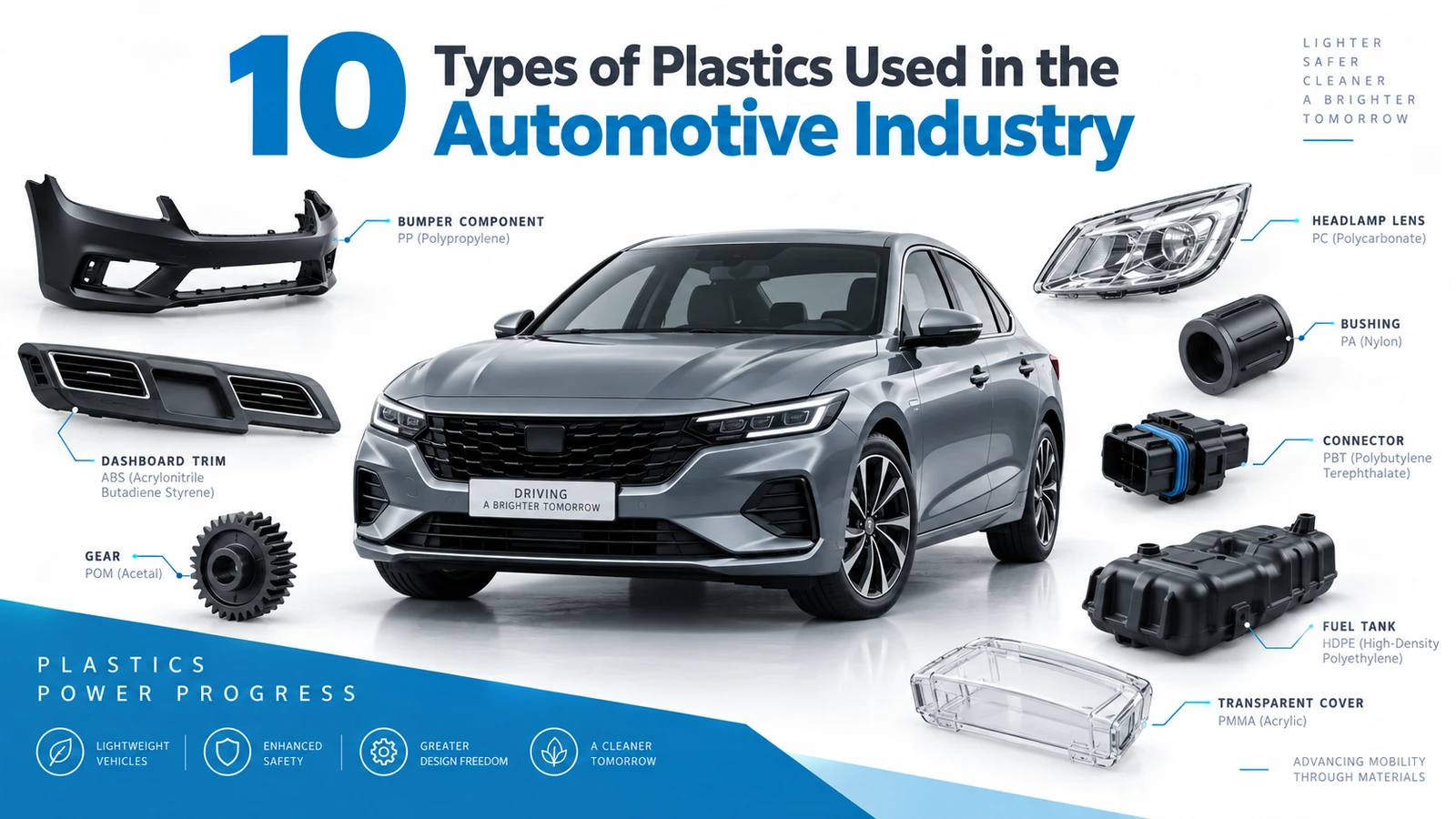
10 Types of Plastics Used in the Automotive Industry

Plastics are used throughout modern vehicles because they can reduce weight, resist corrosion, provide electrical insulation,...

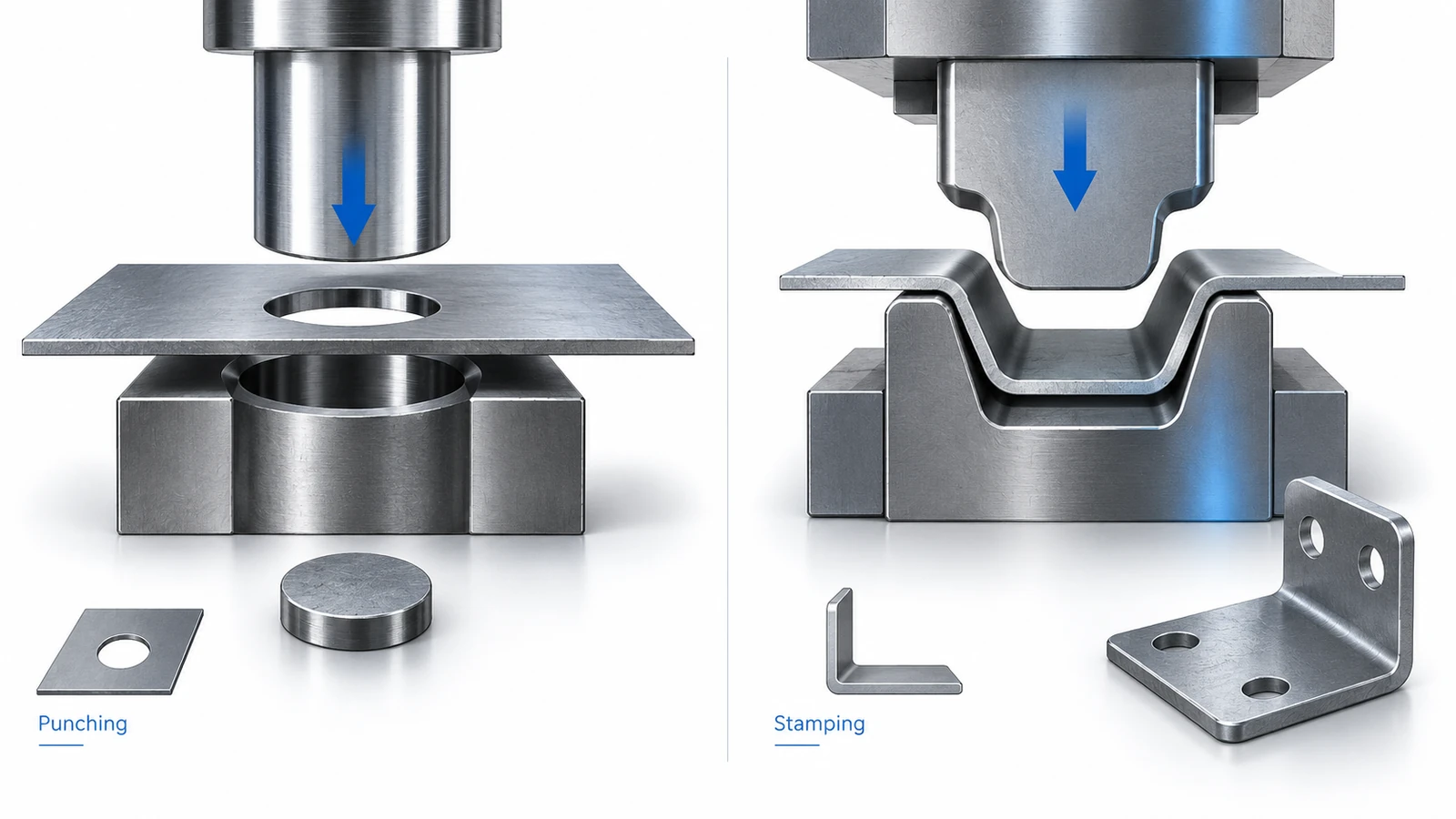
Metal Punching vs Stamping: Differences, Applications, and How to Choose

Metal punching and stamping are both common sheet metal processes, but they are not the same....

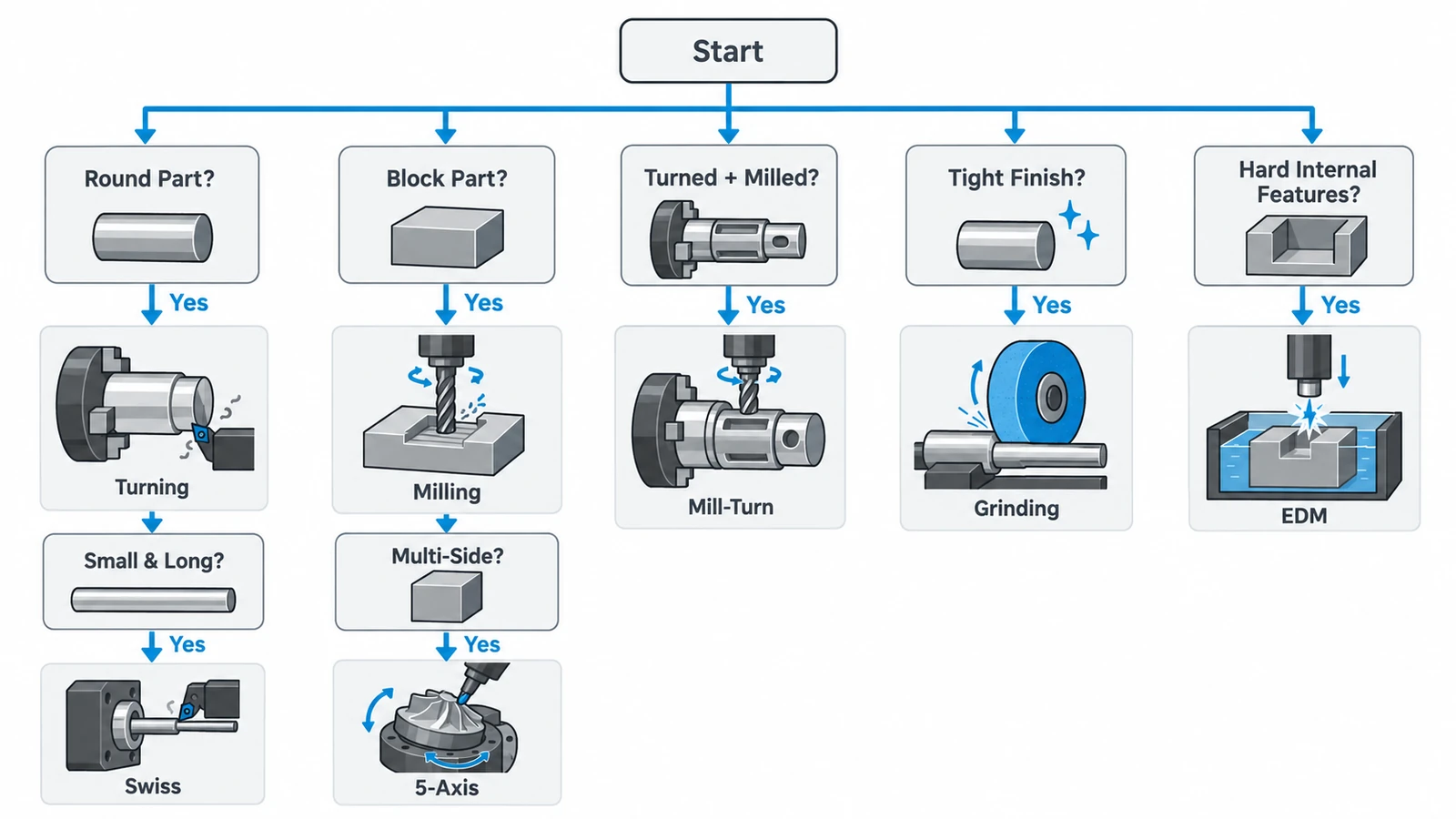
Types of Machining Processes: 12 Common Operations and How to Choose

Machining is a manufacturing process that removes material from a workpiece to create the required shape,...

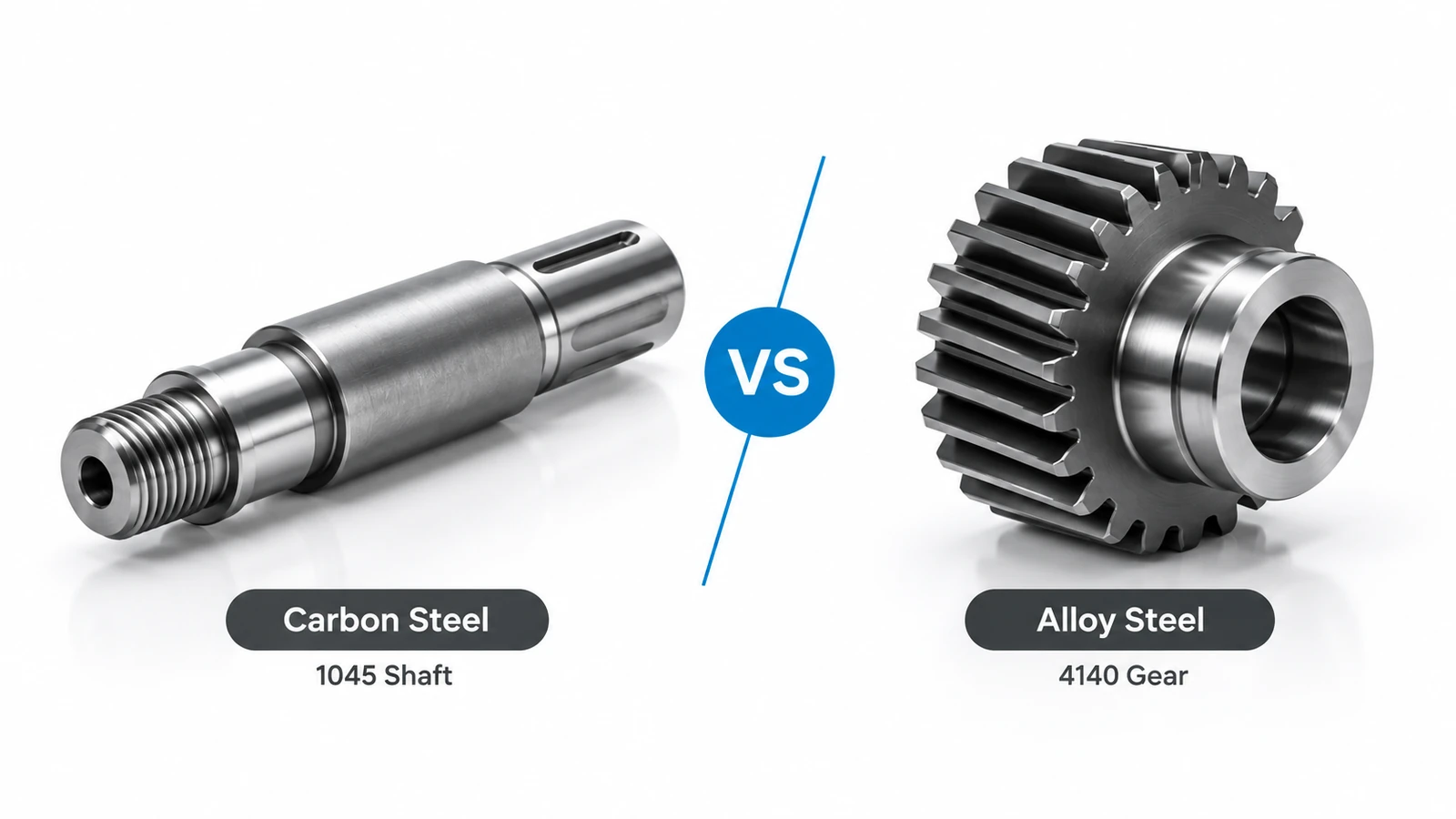
Alloy Steel vs Carbon Steel: Differences, Properties & CNC Machining

Alloy steel and carbon steel are both widely used for CNC-machined parts, but they serve different...

Top 10 Plastic Injection Molding Companies in China in 2026

China is home to a large number of plastic injection molding companies, ranging from specialized mold...

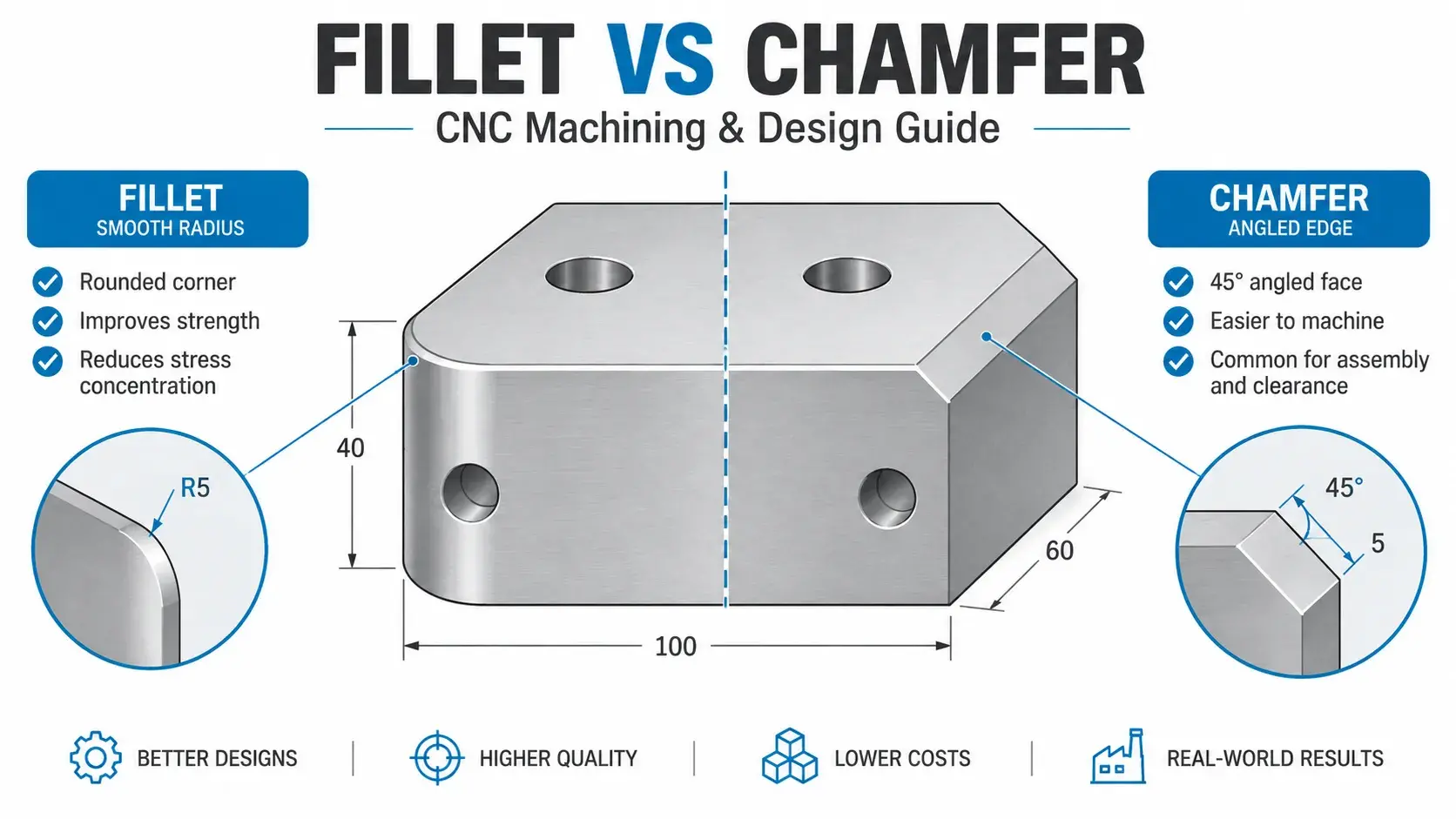
Fillet vs Chamfer: Differences, CNC Machining & Design Guide

A fillet creates a rounded transition between two surfaces, while a chamfer removes a sharp corner...

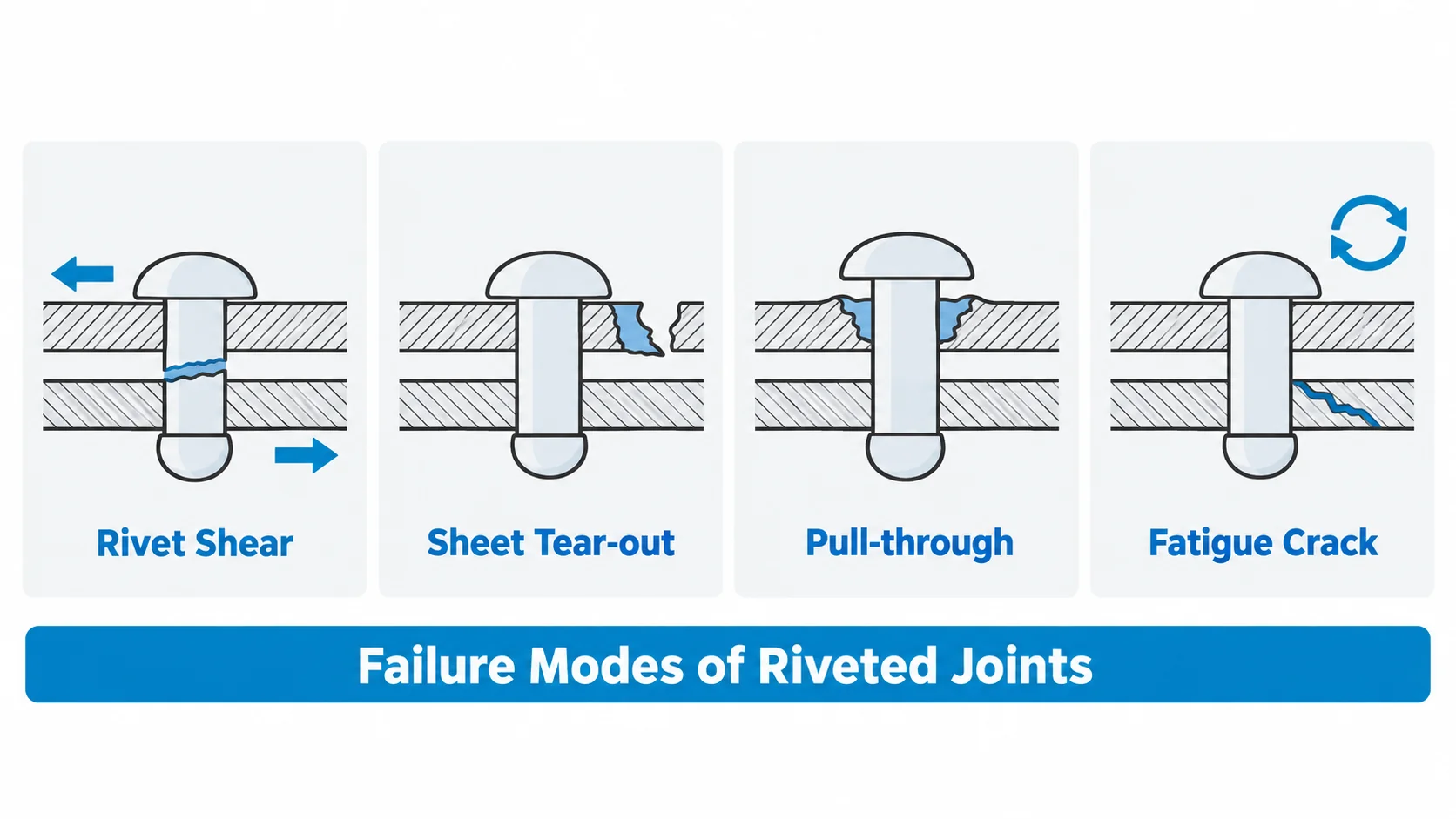
Types of Rivets: 9 Common Rivet Types, Uses, and Selection Guide

Rivets are permanent mechanical fasteners used to join two or more components without threads. They are...

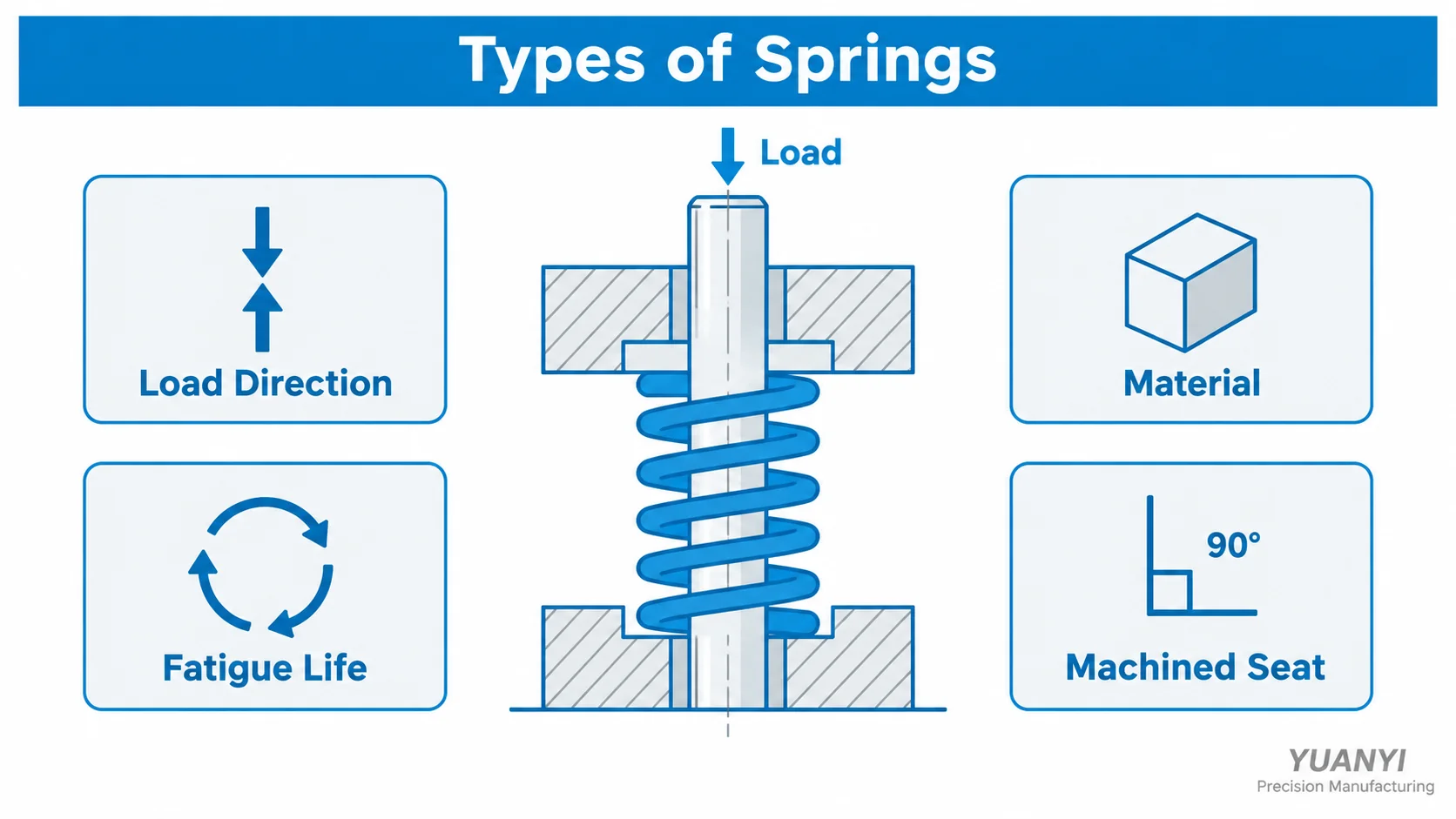
Types of Springs: Uses, Materials, and Selection Guide

Springs are mechanical components used to store energy, resist force, control motion, absorb shock, or return...

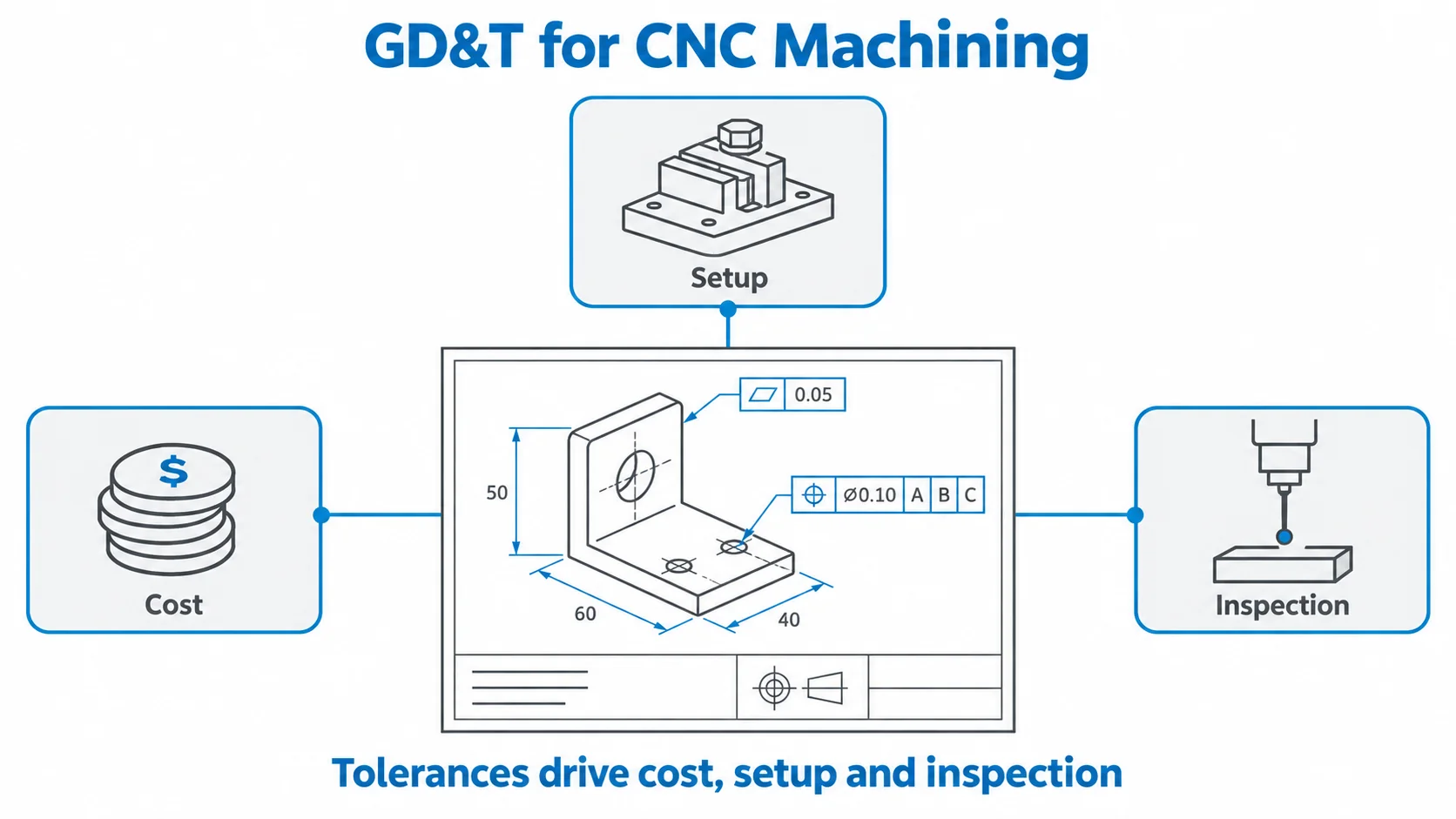
GD&T for CNC Machining: How Geometric Tolerances Affect Cost, Setup & Inspection

GD&T, or Geometric Dimensioning and Tolerancing, defines how much a part’s shape, orientation, location, and rotational...

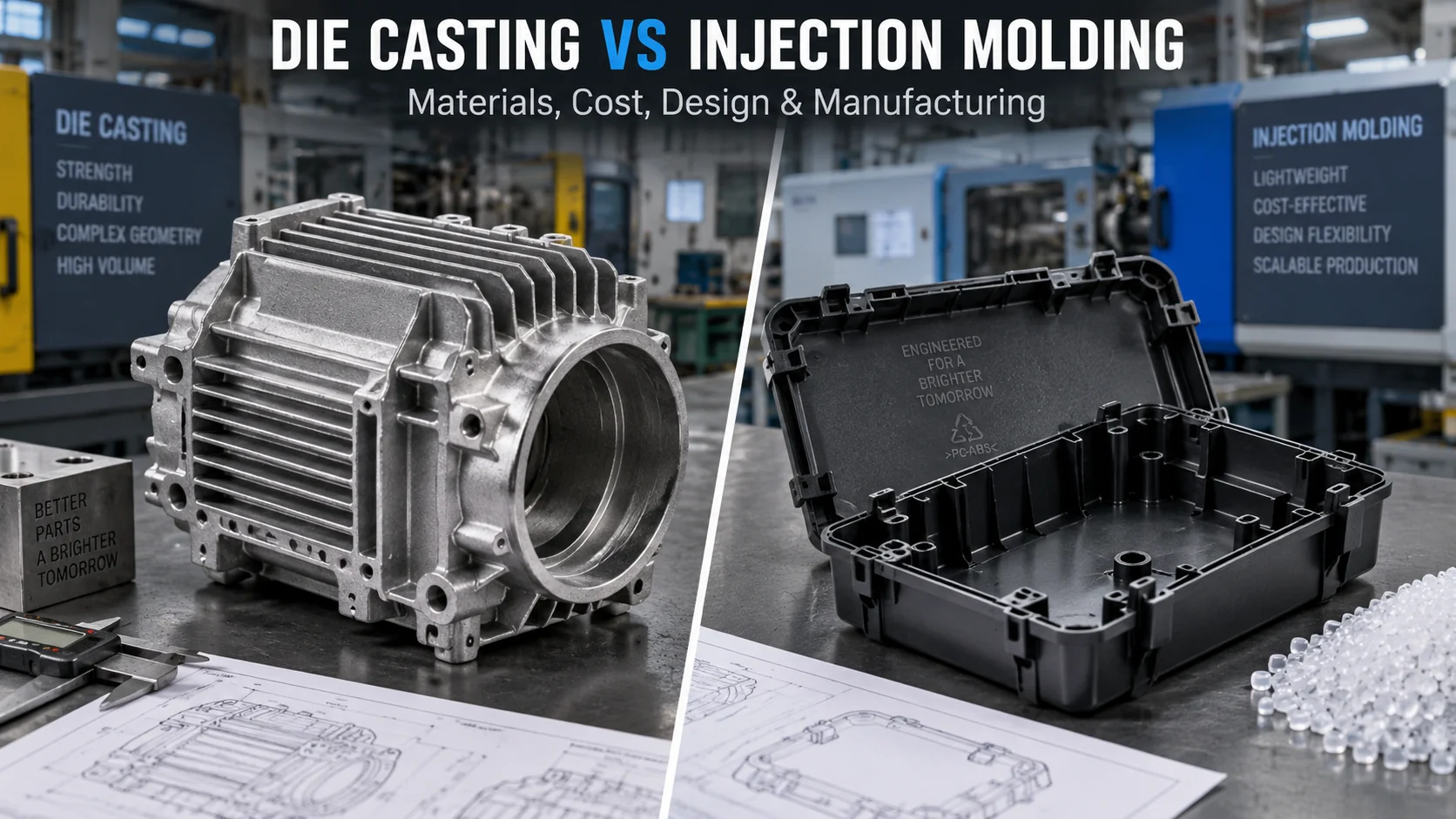
Die Casting vs Injection Molding: Materials, Cost, Design & Manufacturing Guide

Die casting and injection molding are both high-volume manufacturing processes that inject molten material into a...

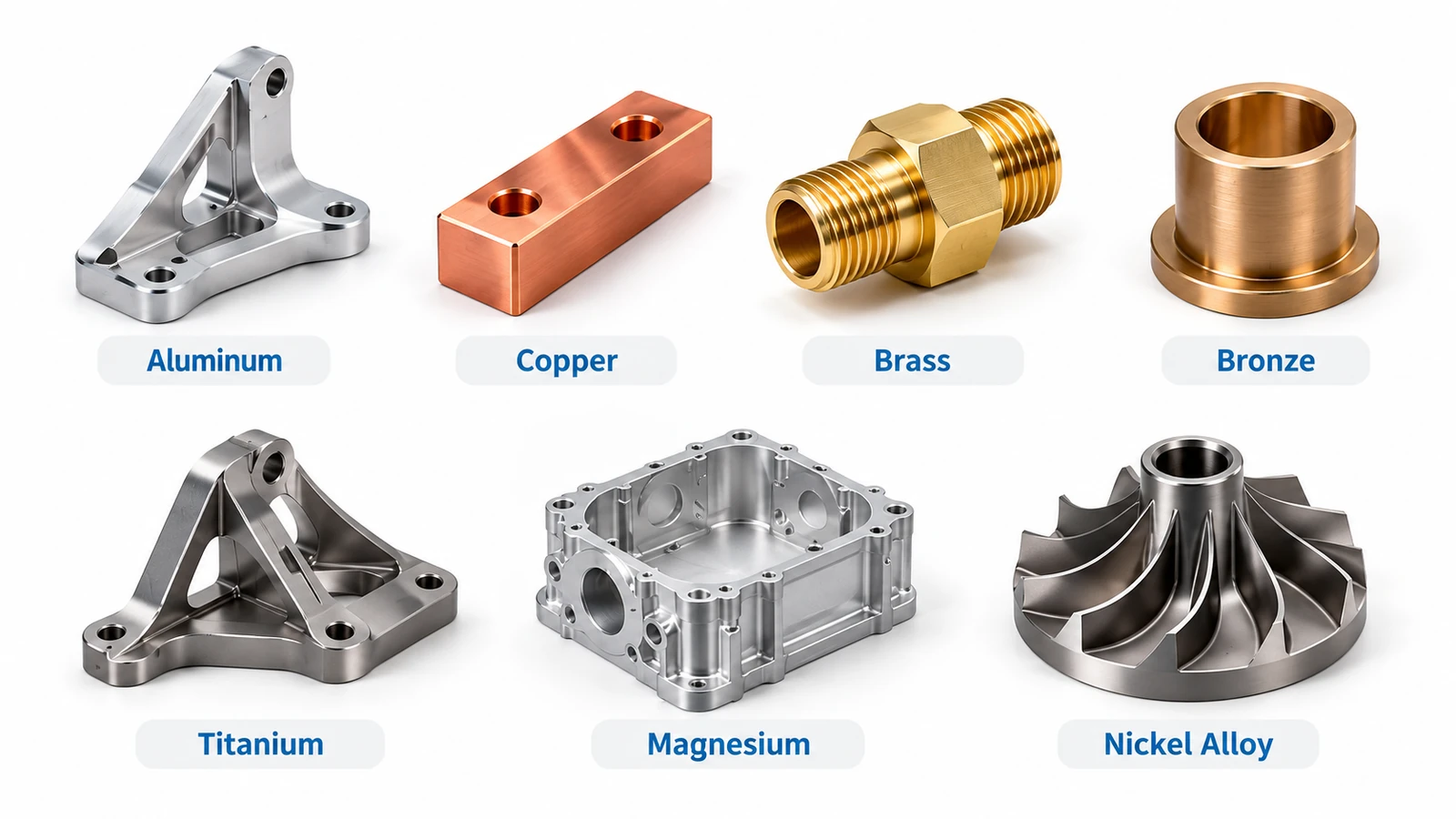
What Are Non-Ferrous Metals? Types, Properties & Applications

Non-ferrous metals are metals and alloys in which iron is not the primary base metal. Common...

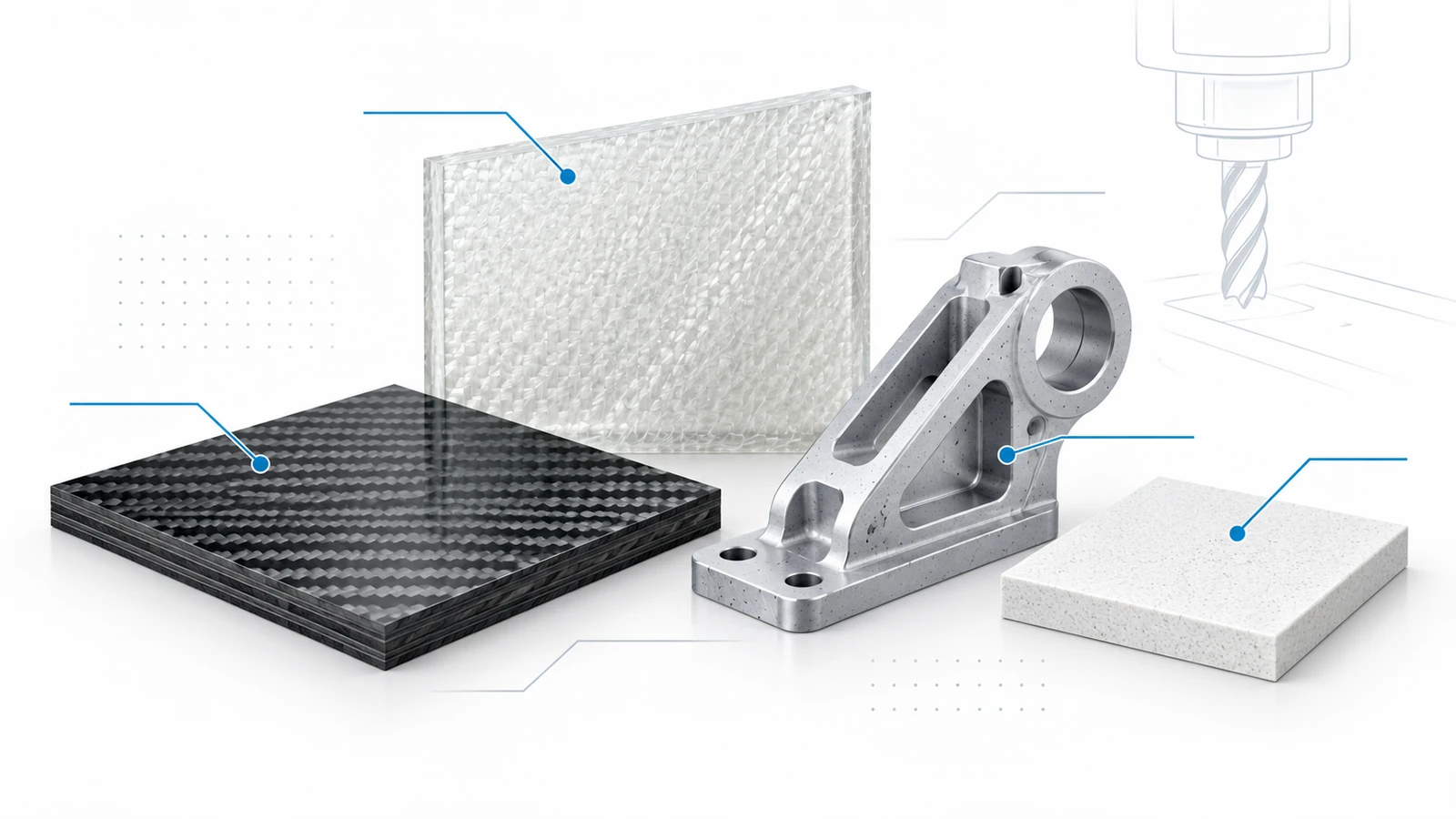
What Is a Composite Material? Types, Properties, Examples & Uses

A composite material is made by combining two or more different materials to create properties that...

Aluminum Anodizing Guide: Types, Colors, Thickness & CNC Design Tips

Aluminum anodizing is an electrochemical surface treatment that converts the outer surface of aluminum into a...

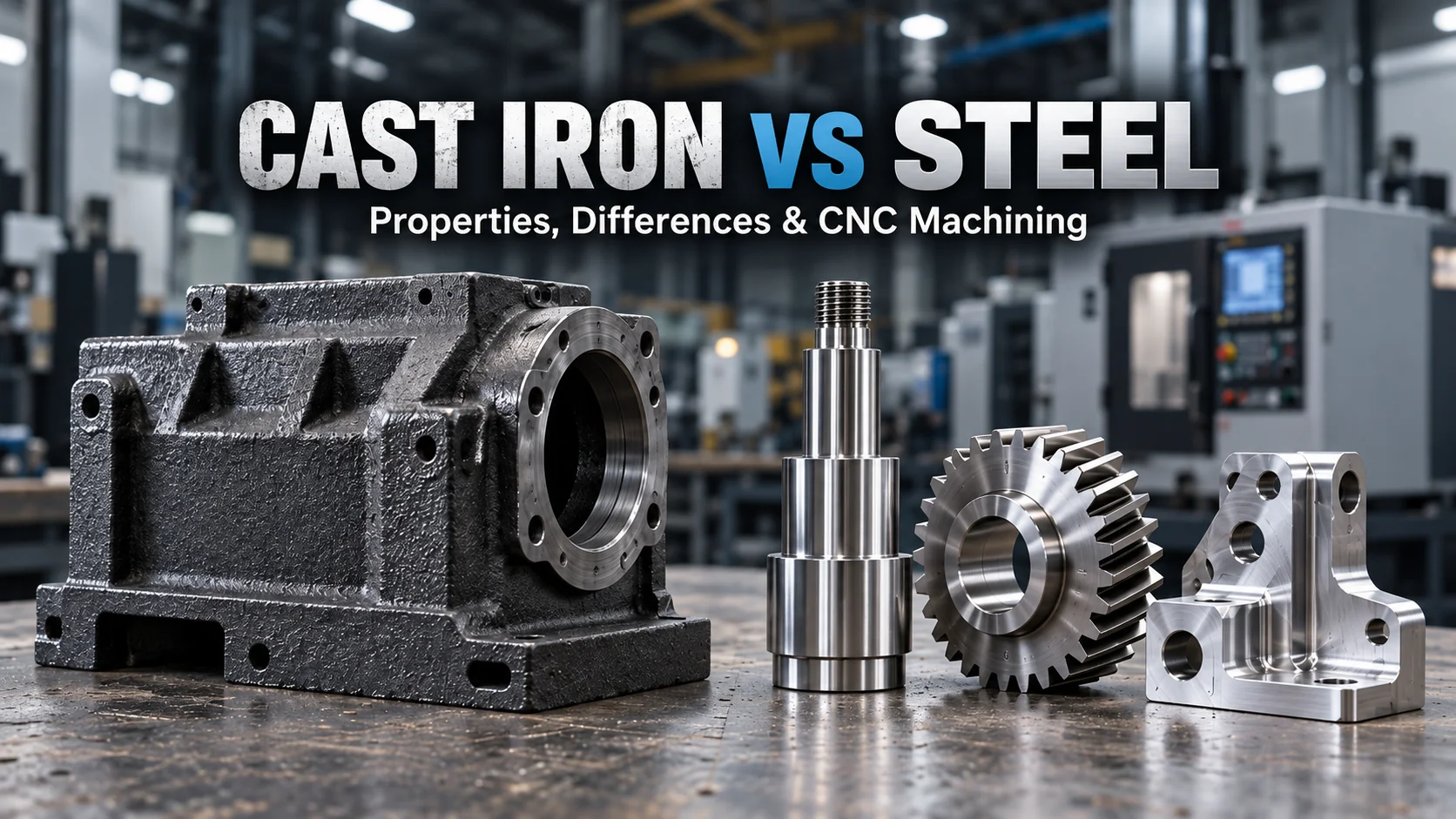
Cast Iron vs Steel: Differences, Properties & CNC Machining Guide

Cast iron and steel are both iron-based materials, but they behave very differently in manufacturing and...

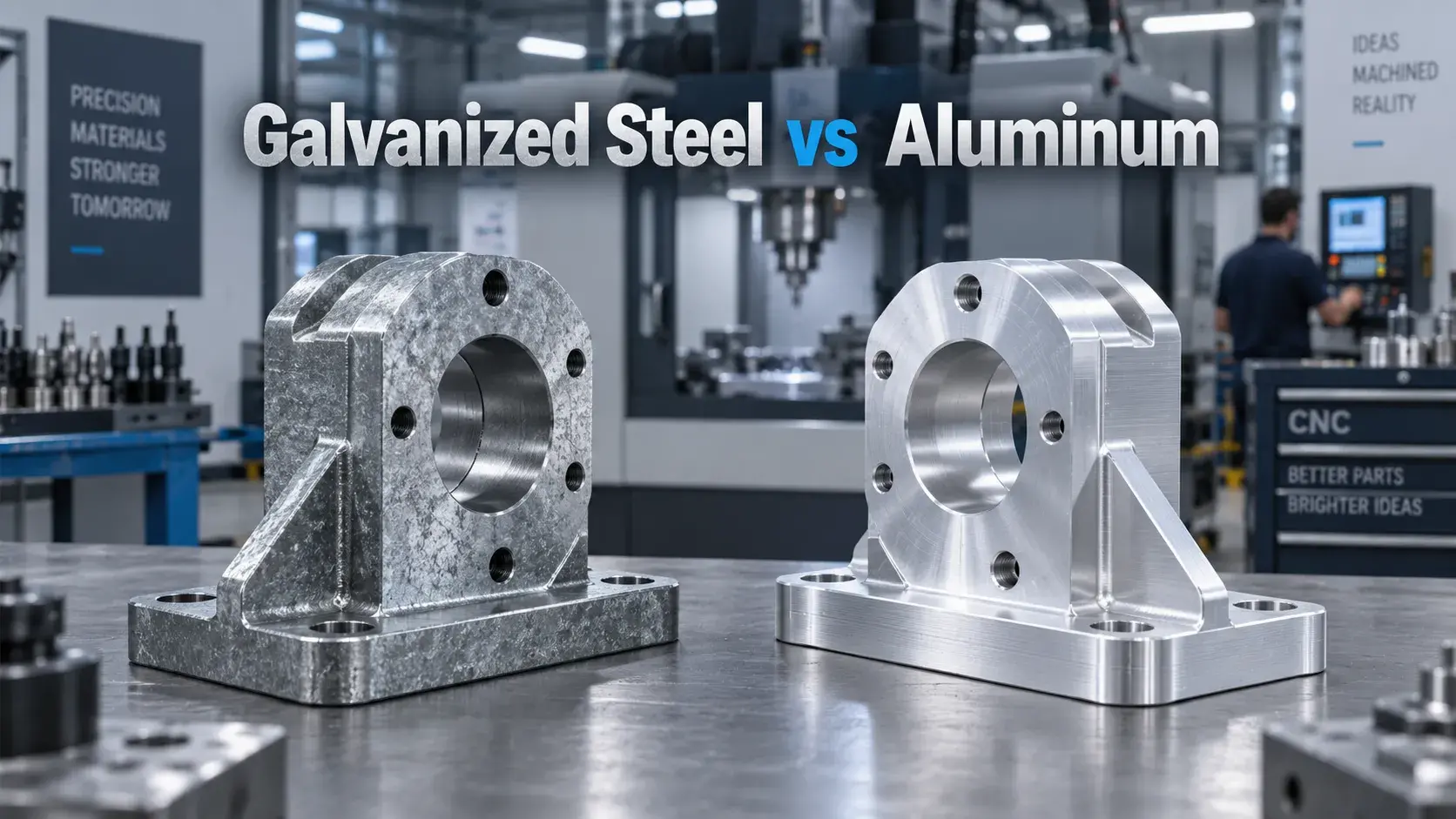
Galvanized Steel vs Aluminum: Which Is Better for CNC Machining?

Galvanized steel generally offers higher stiffness, higher absolute strength, and lower raw material cost. Aluminum is...

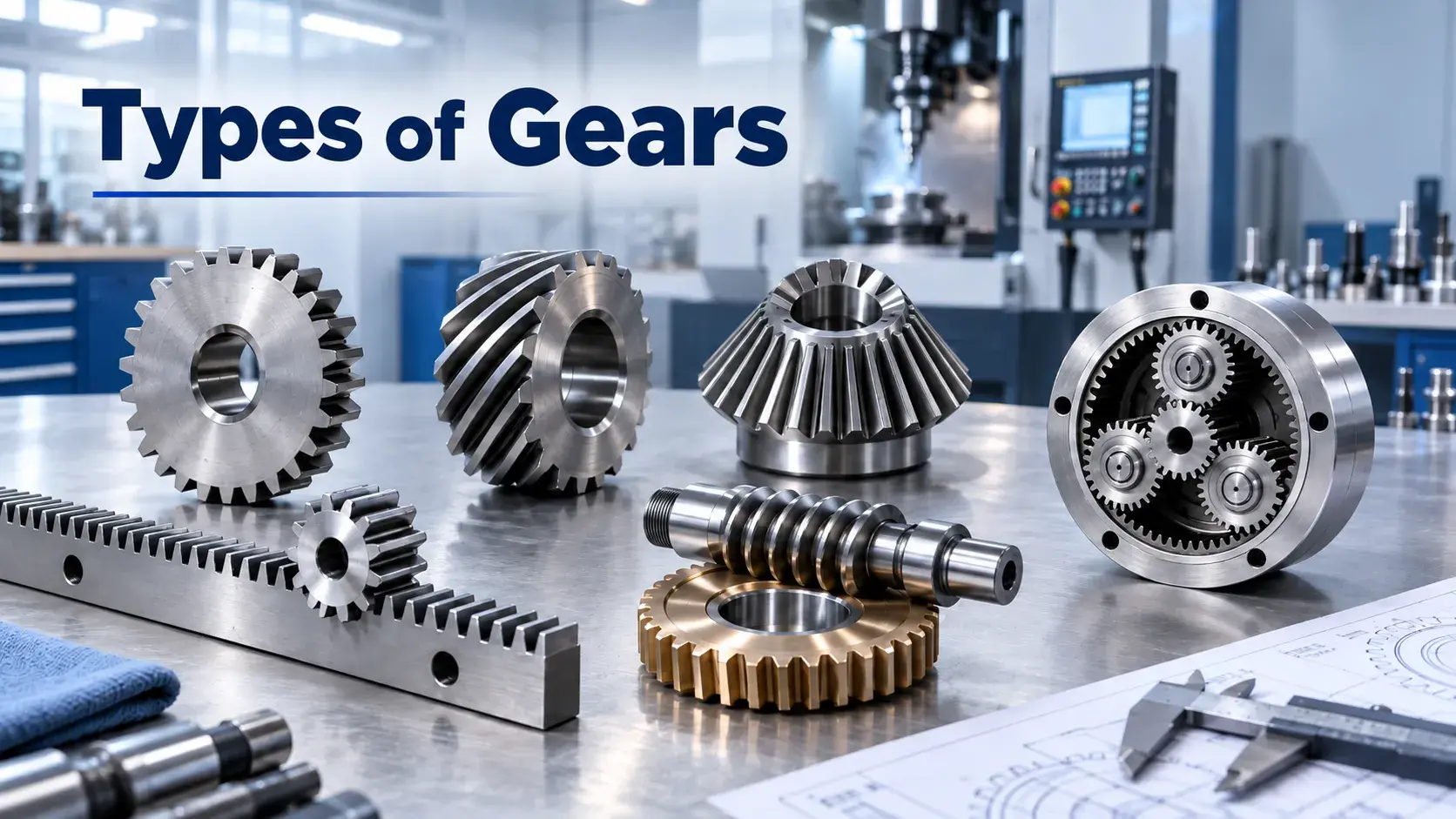
Types of Gears: Differences, Applications and How to Choose

Gears transfer motion and power between rotating parts, but different gear types behave very differently. Spur...

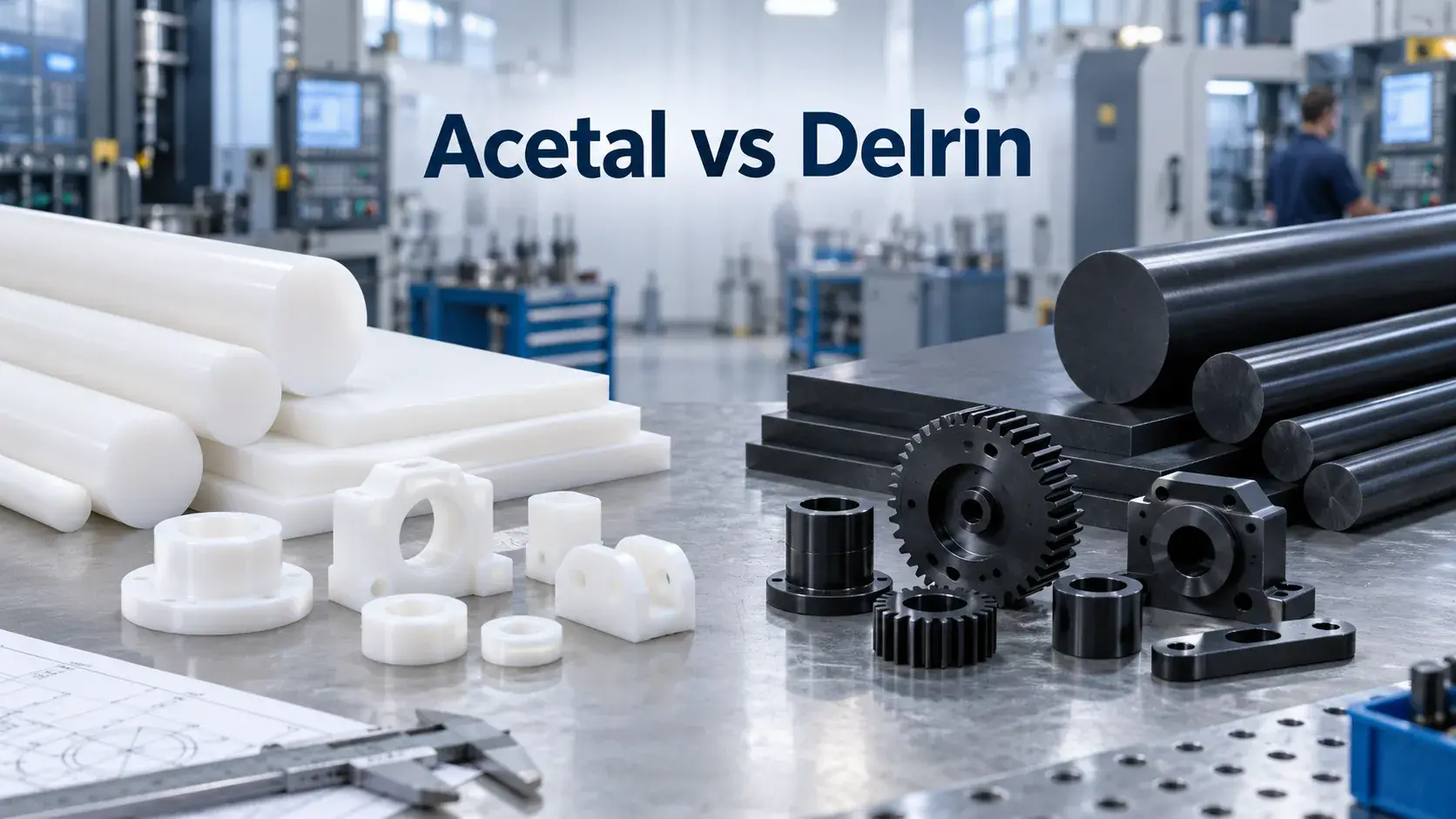
Acetal vs Delrin: Key Differences, Properties and Machining

Acetal and Delrin are closely related, but they are not exactly the same material. Acetal is...

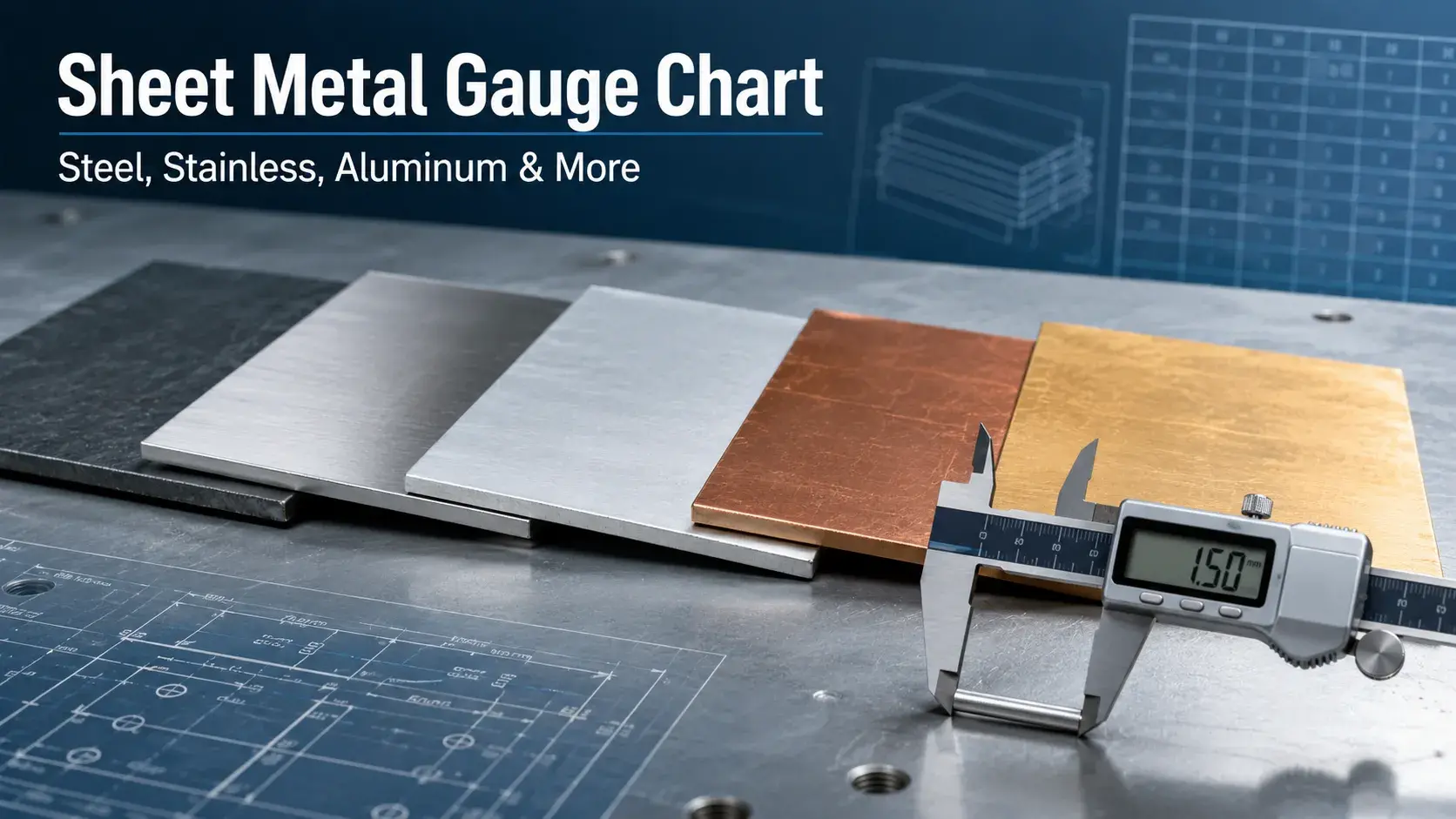
Sheet Metal Gauge Chart: Steel, Stainless, Aluminum & More

Use the sheet metal gauge charts below to convert common gauge numbers into thickness in inches...

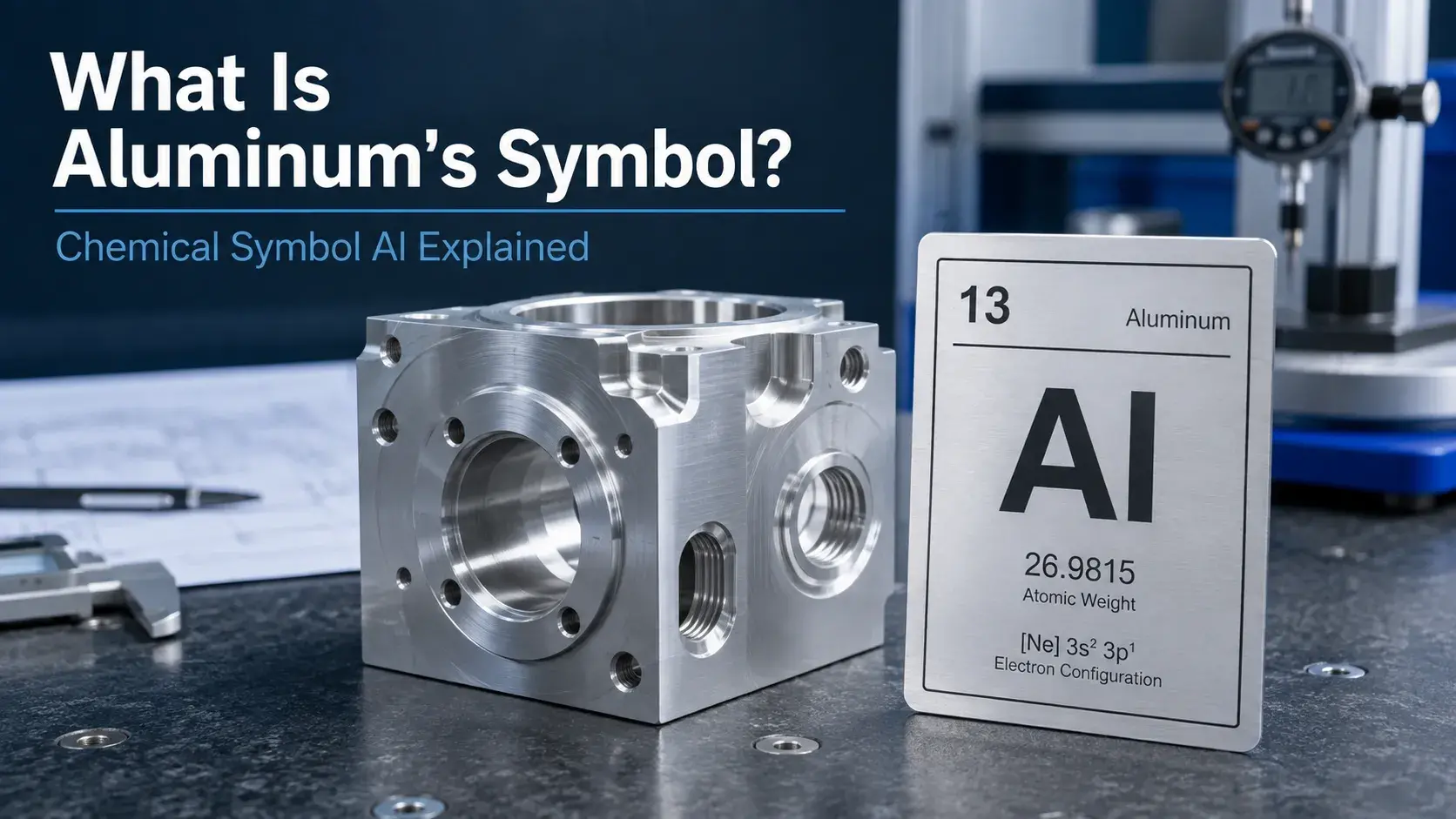
What Is Aluminum’s Symbol? Chemical Symbol Al Explained

The chemical symbol for aluminum is Al, and its atomic number is 13. The symbol uses...

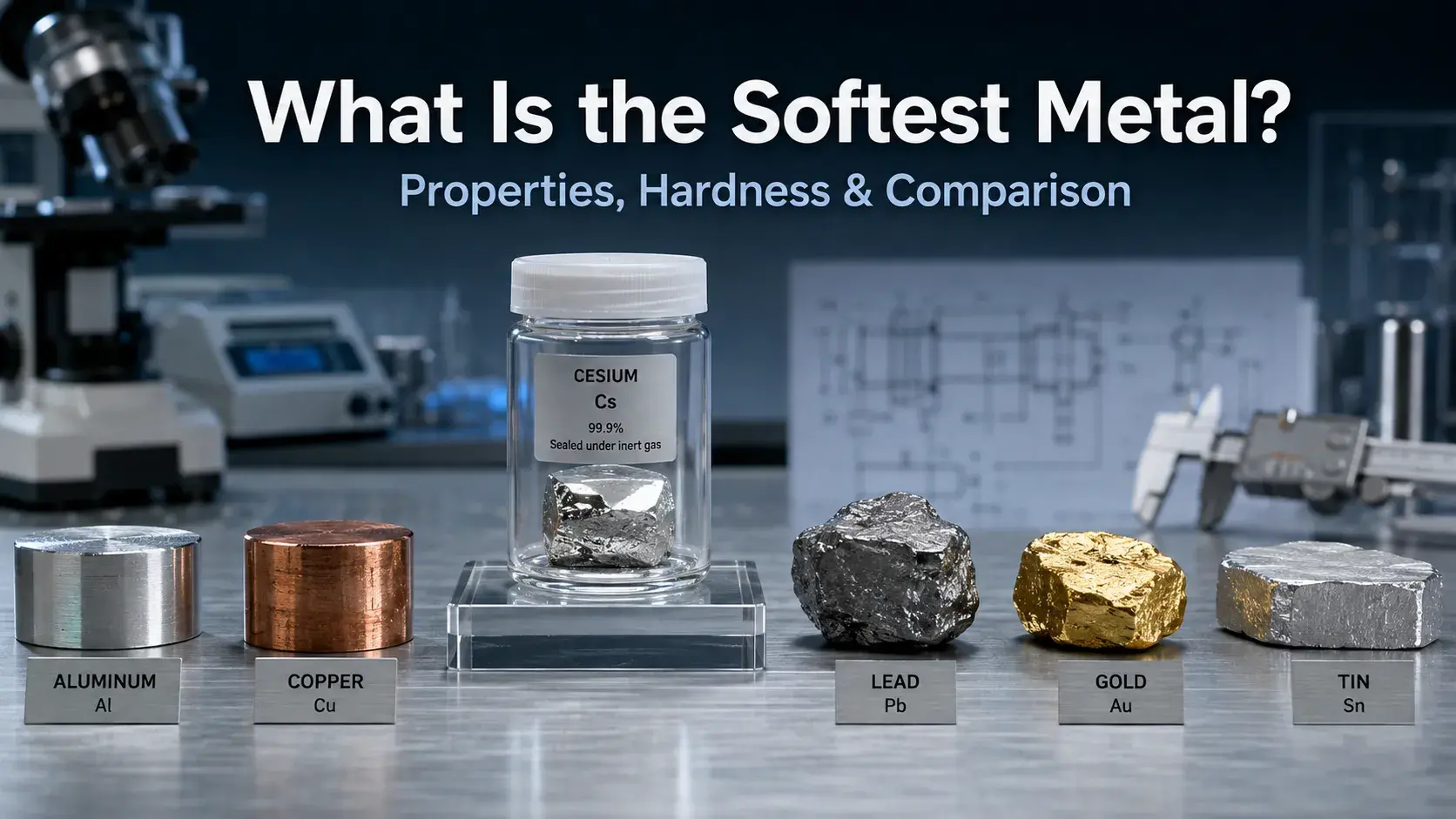
What Is the Softest Metal? Properties, Hardness & Comparison

Cesium is generally considered the softest solid metal, with a Mohs hardness of about 0.2. It...

Density of Iron: kg/m³, g/cm³, lb/in³ & Weight Calculation

The density of pure iron is approximately 7.87 g/cm³, equal to 7,870 kg/m³ or about 0.284...

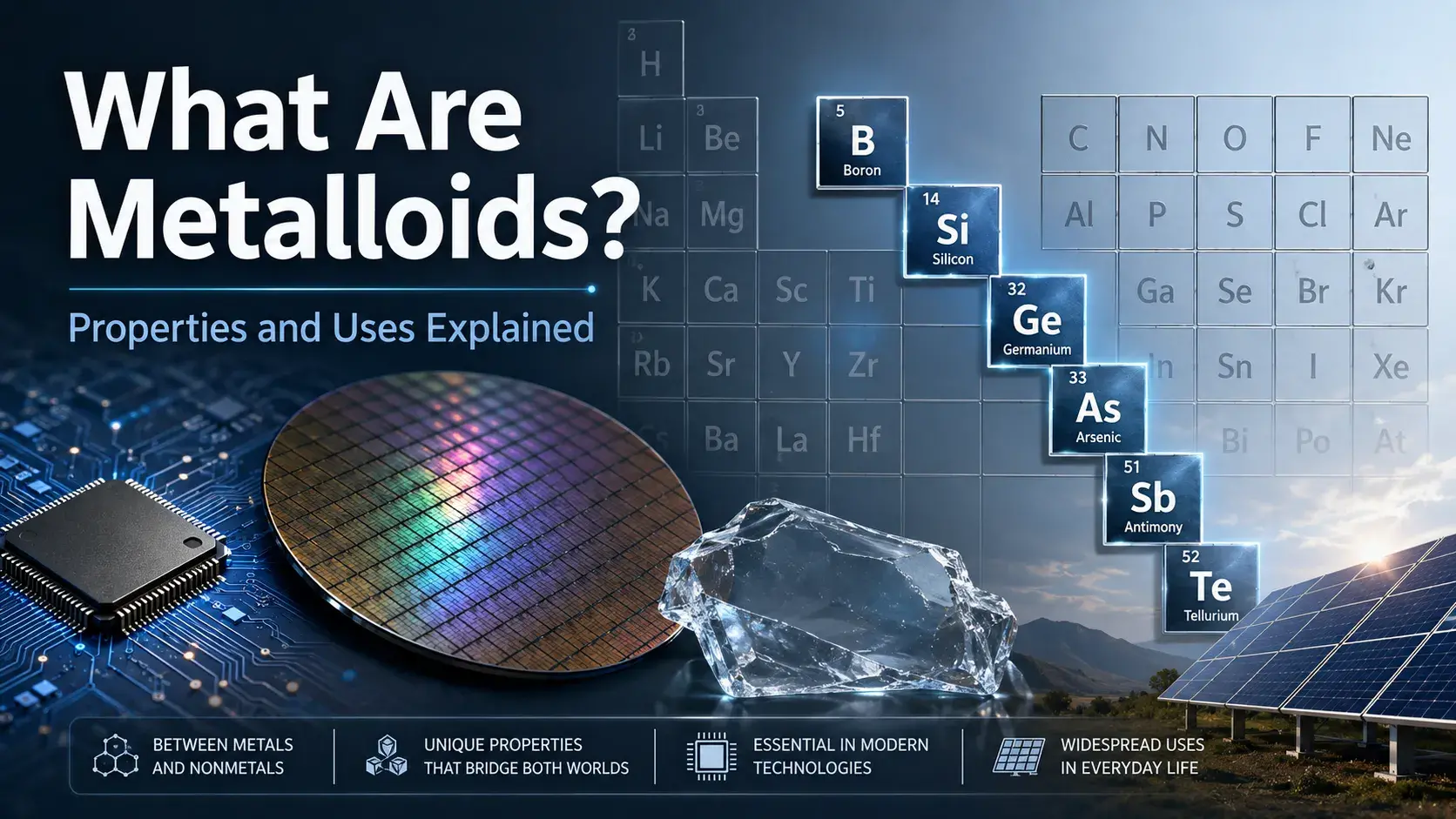
What Are Metalloids? Elements, Properties, and Uses Explained

Metalloids are elements that have properties between metals and nonmetals. They may look metallic, but they...

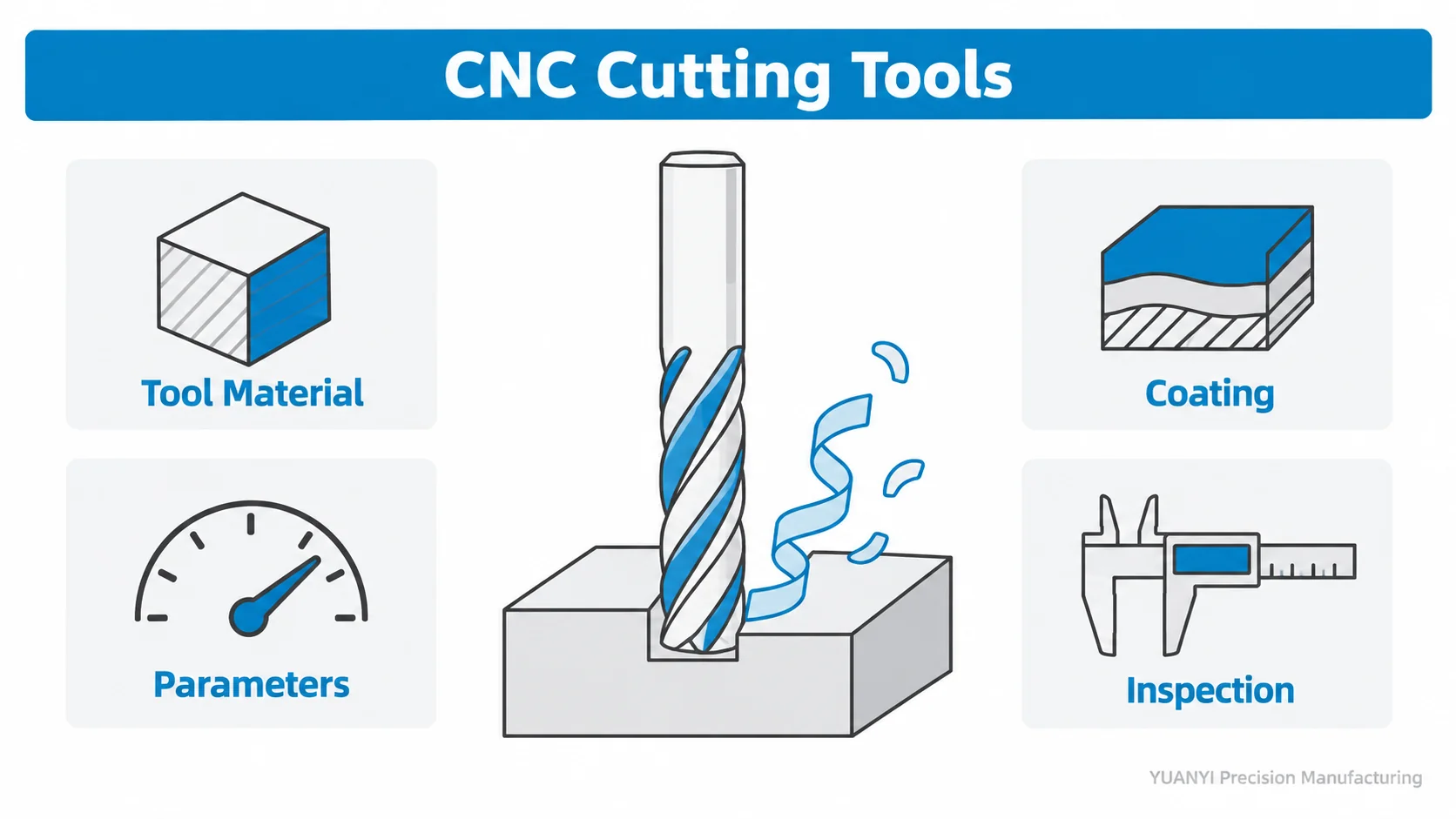
CNC Cutting Tools: Types, Materials, Coatings, and Selection Guide

CNC cutting tools are the tools that physically remove material during milling, turning, drilling, boring, threading,...

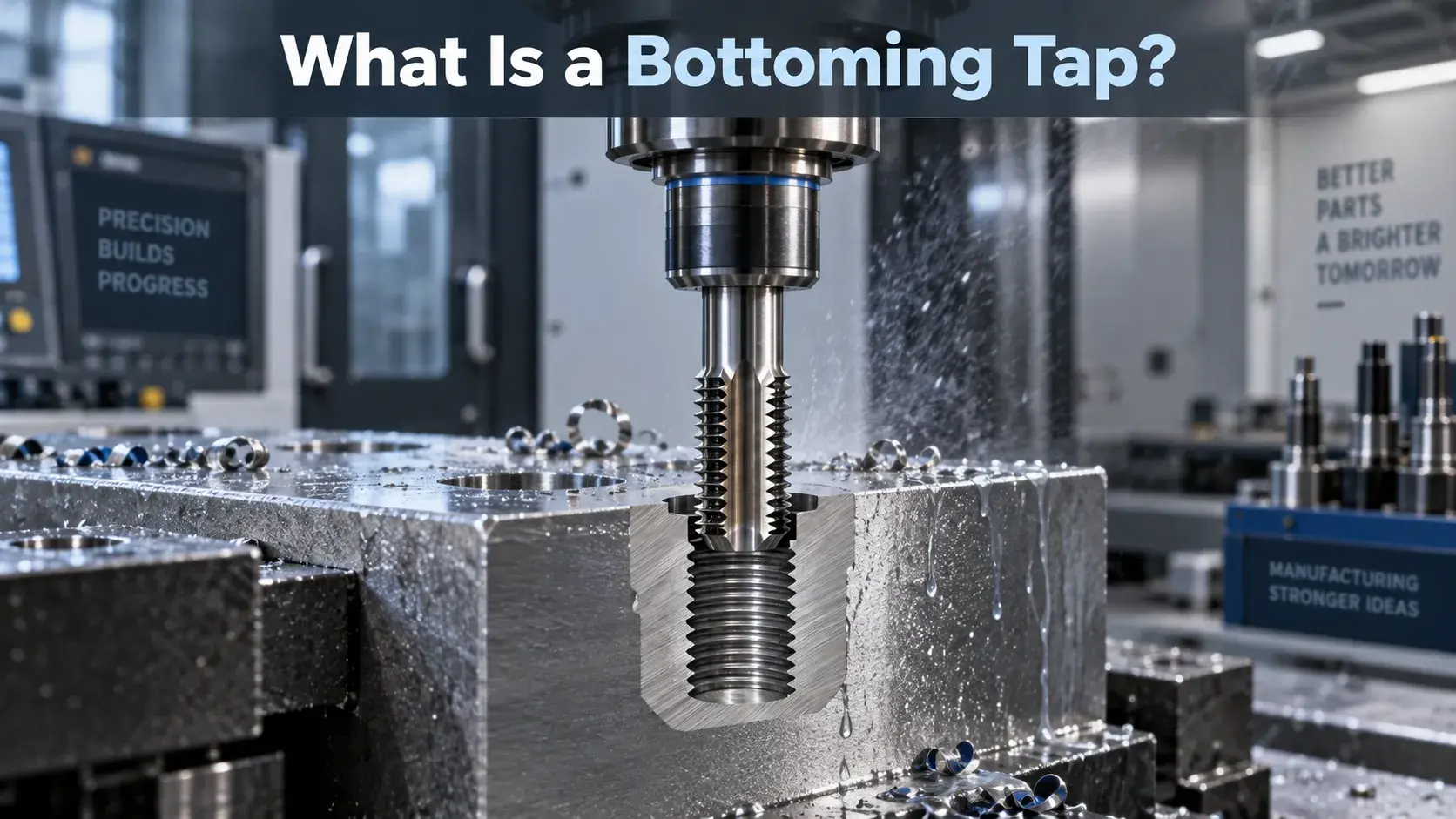
What Is a Bottoming Tap? A Guide to Blind Hole Threading

A bottoming tap is a thread-cutting tool with a very short chamfer, typically about 1–2 threads....

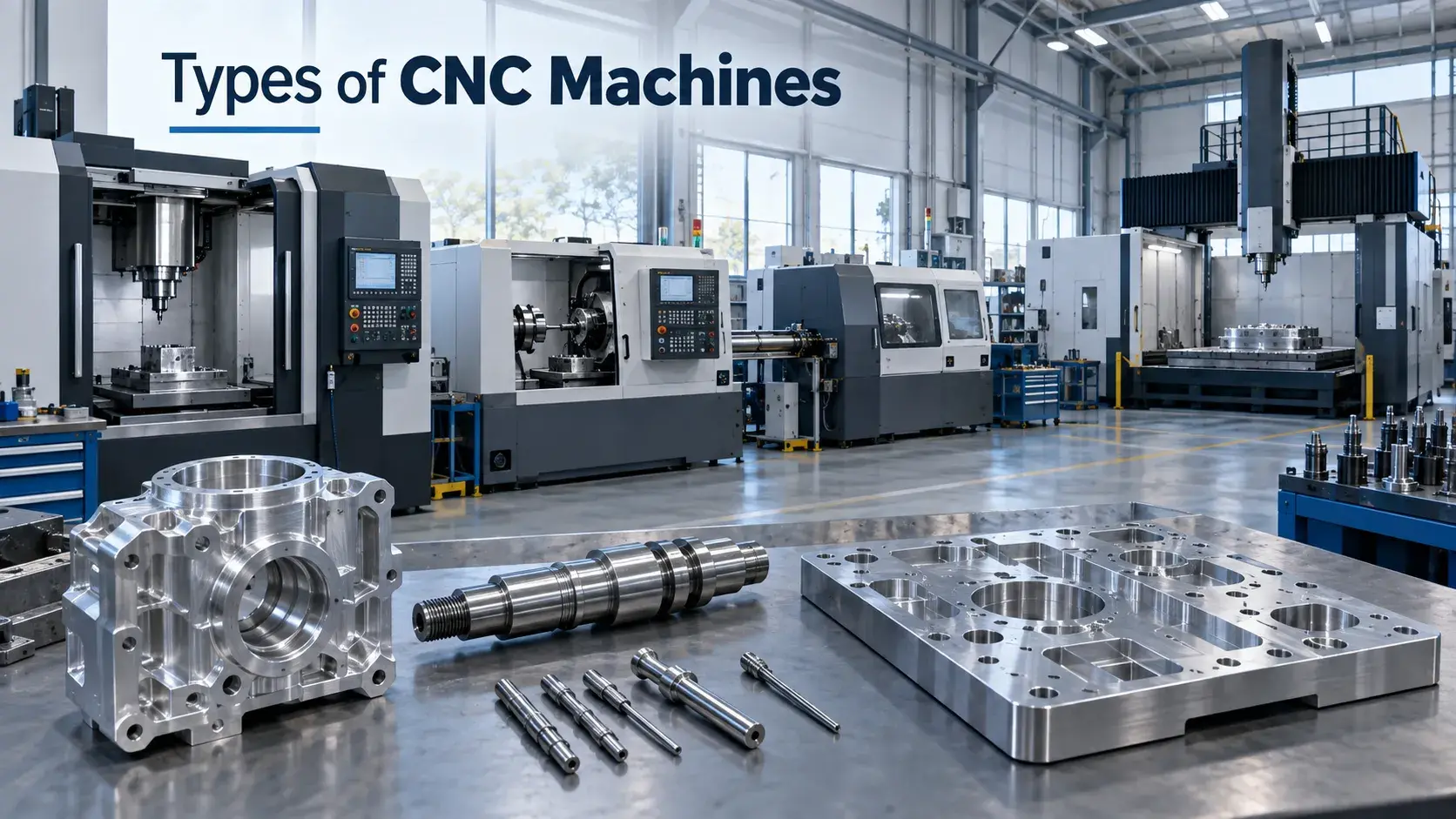
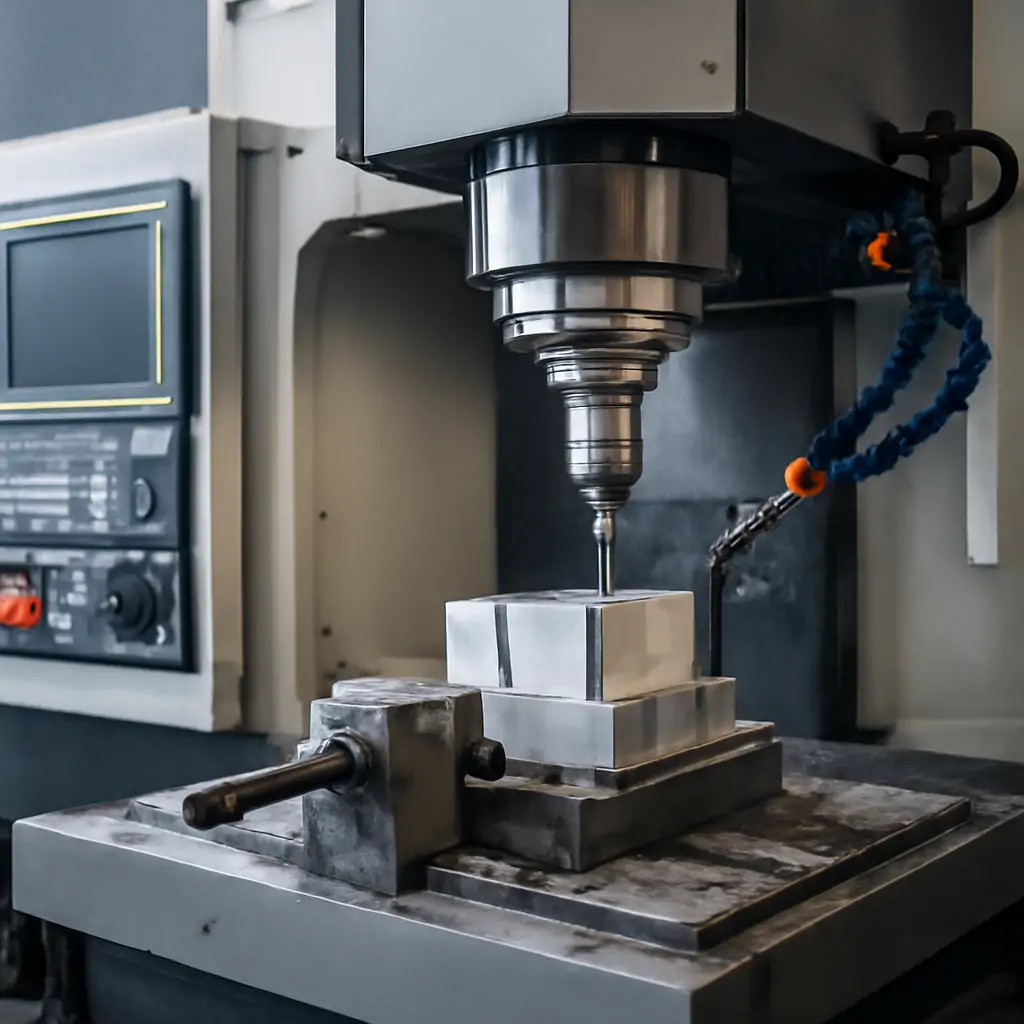
Types of CNC Machines: 9 Common Types and How to Choose

The main types of CNC machines include CNC mills, lathes, Swiss machines, mill-turn centers, gantry machines,...

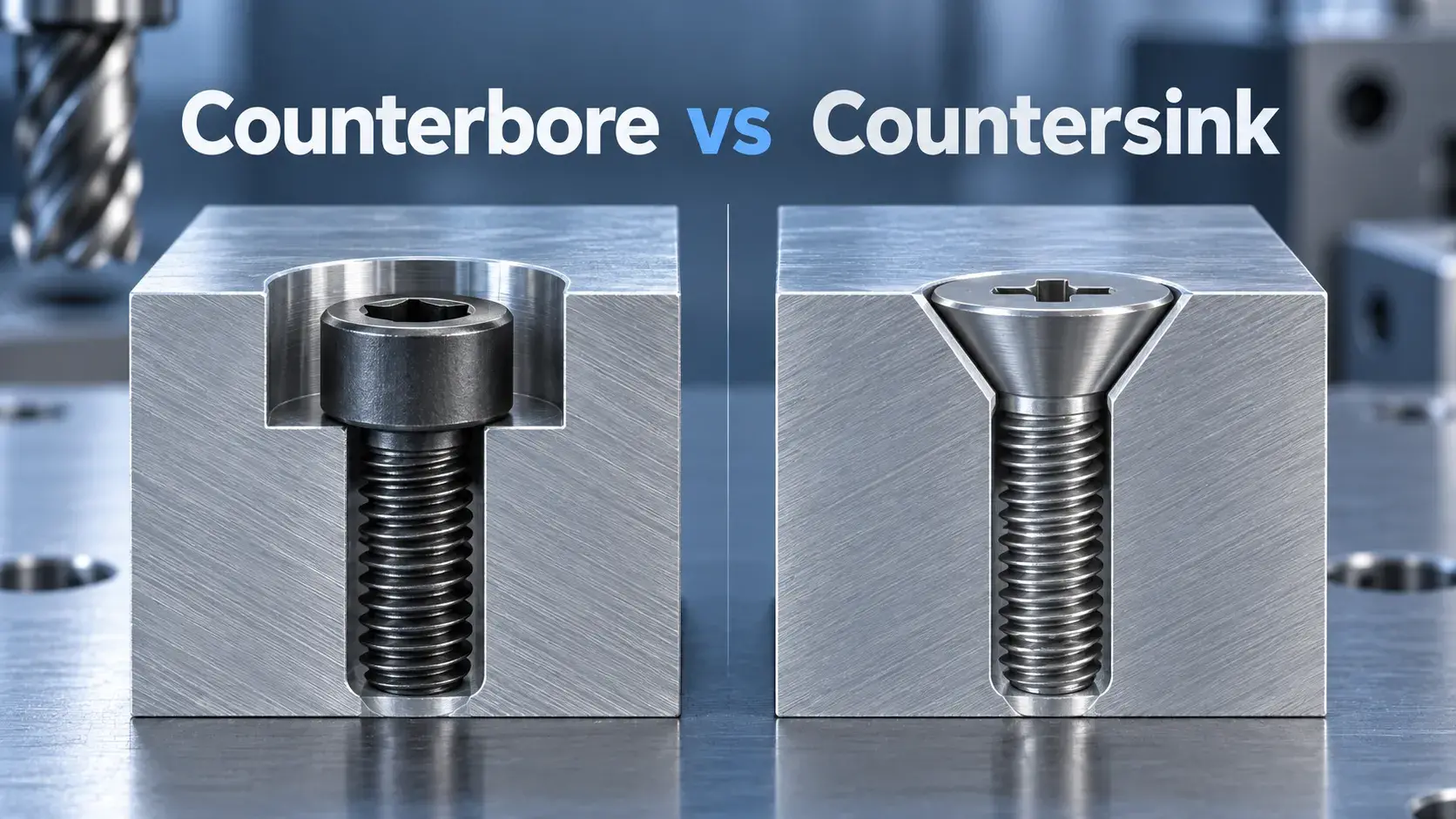
Counterbore vs Countersink: Differences, Uses & How to Choose

A counterbore and a countersink are both recessed hole features used to seat fastener heads, but...

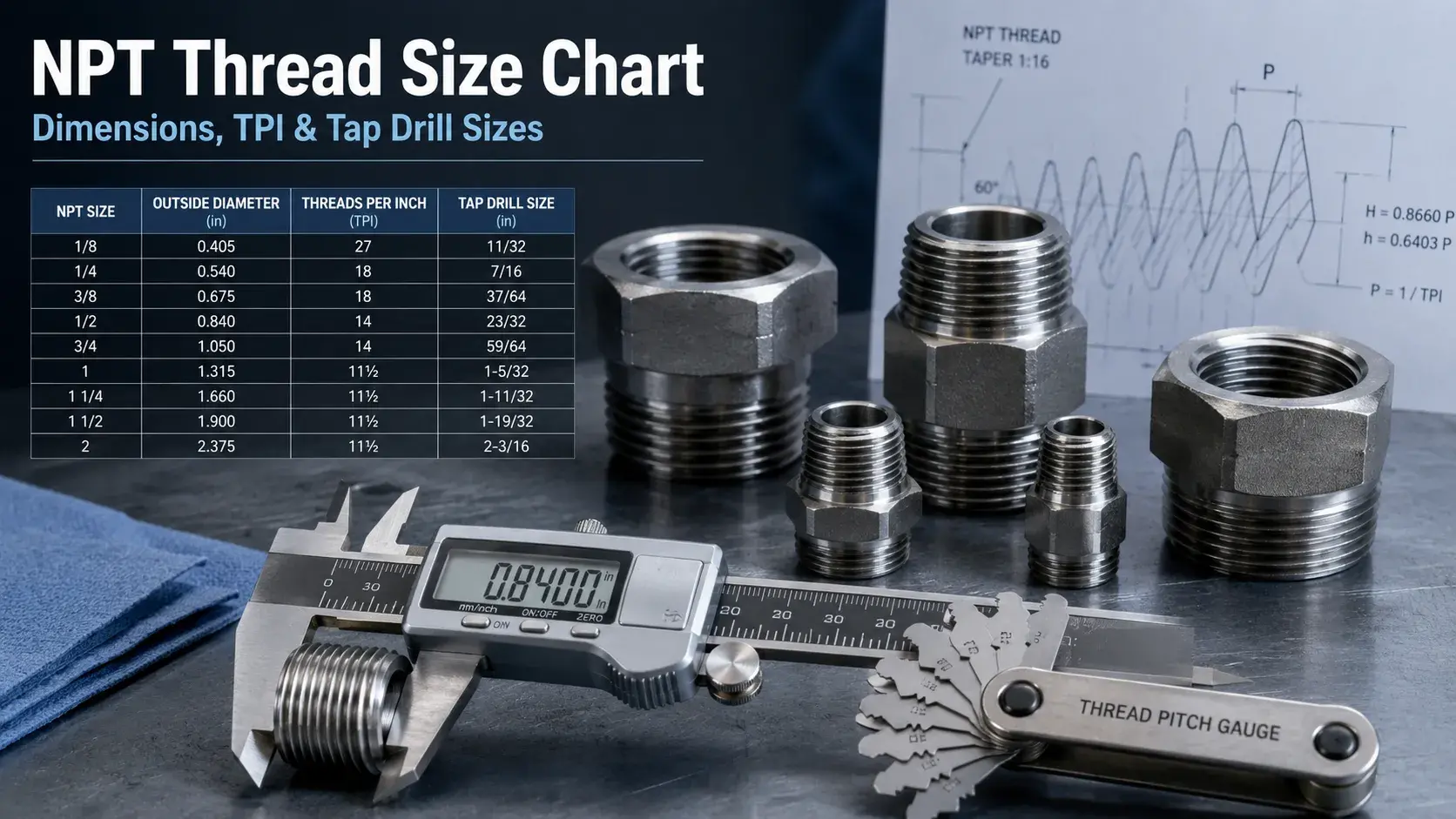
NPT Thread Size Chart: Dimensions, TPI & Tap Drill Sizes

NPT (National Pipe Taper) is a 60° tapered pipe thread commonly used for fluid, pneumatic, and...

Honing Process: How It Works, Types, Tolerances & Applications

Honing is a precision abrasive machining process mainly used to finish internal bores. A honing tool...

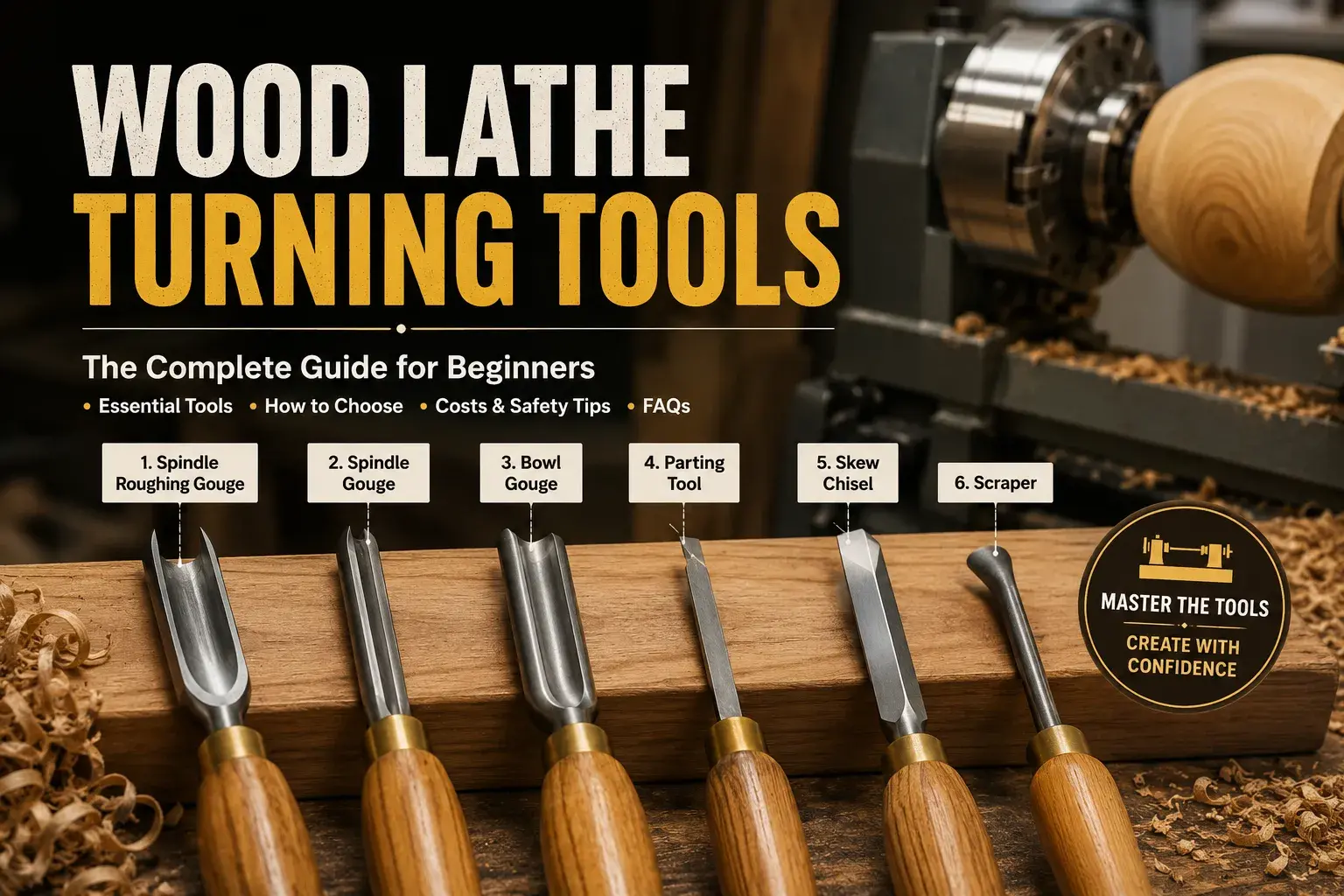
6 Essential Wood Lathe Turning Tools and What They Are Used For

The six essential wood lathe turning tools are a spindle roughing gouge, spindle gouge, bowl gouge,...

3/8-16 Tap Drill Size: Complete CNC Machining Guide

When making a threaded hole, it is important to select the right drill size to ensure...

Engineering Drawing Symbols and Abbreviations: Complete Guide for CNC Machining

When you send a CNC machining project to a manufacturer, one of the first things engineers...

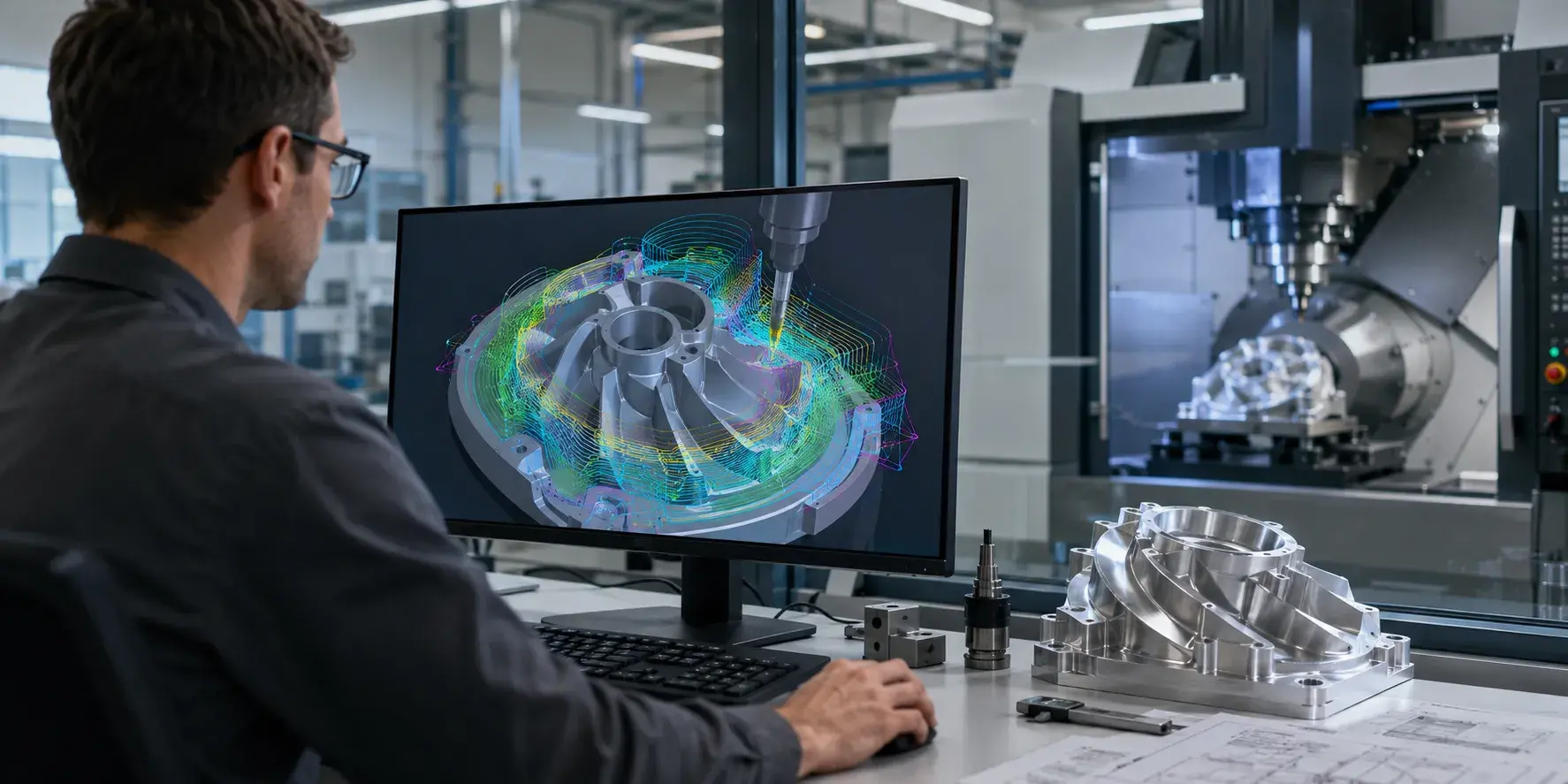
How CNC Machining Software Improves Production Efficiency

CNC machining software improves production efficiency by helping engineers create better toolpaths, reduce programming time, prevent...

What Can You Make With a CNC Machine? CNC Products & Applications

A single CNC machine is capable of producing thousands of different items, ranging from simple brackets...

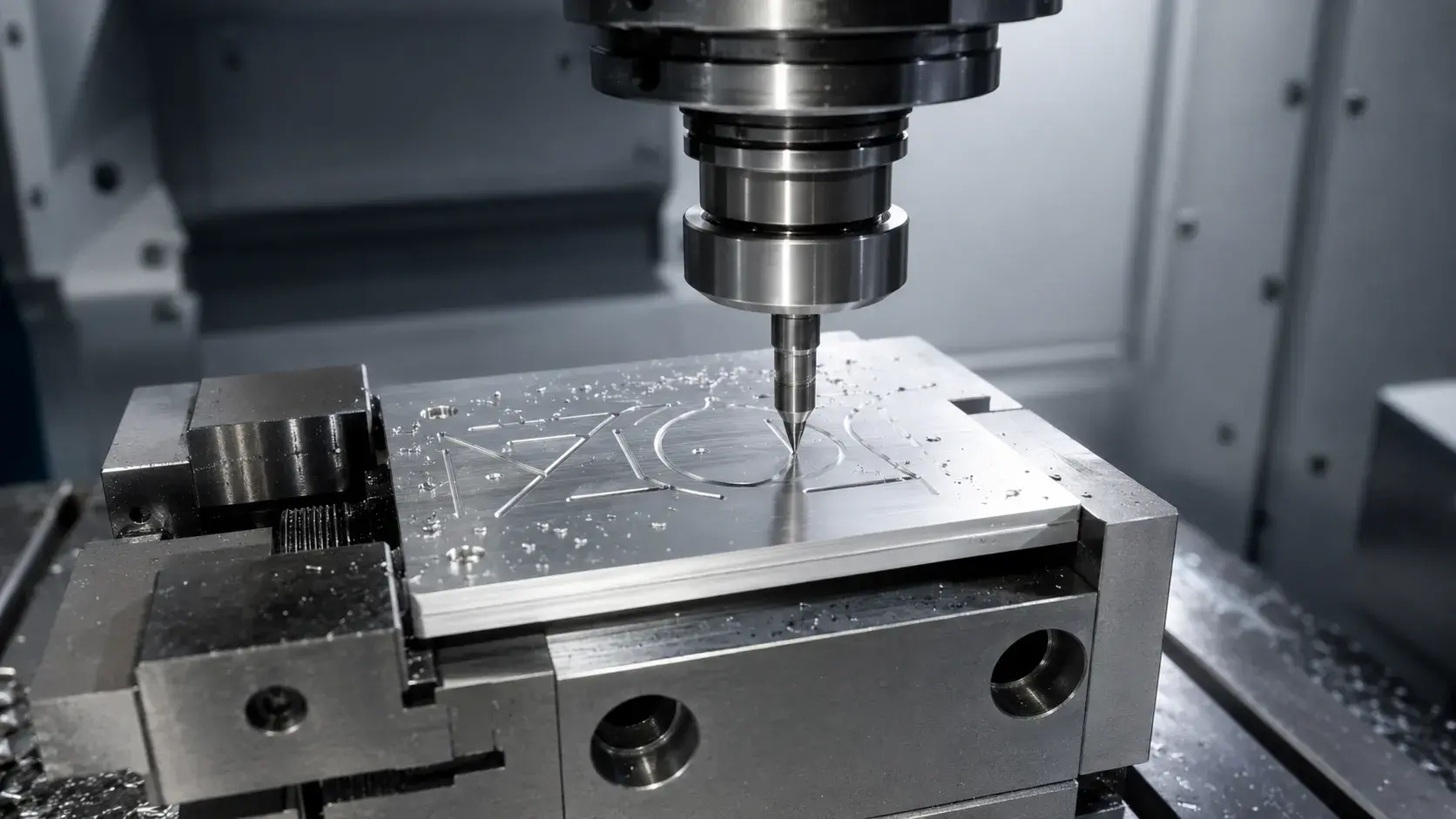
Can a CNC Machine Engrave Metal?

Yes. CNC machine tools can not only machine metal parts, but also engrave text, numbers, logos,...

What Are Datums in CNC Machining? Definition, Types, and Applications

A datum in CNC machining serves as a theoretical reference point, line, or plane that helps...

CNC Machining Tolerances: Standards and Accuracy

Modern CNC machining tolerances are influenced by several factors such as the machine’s performance, the characteristics...

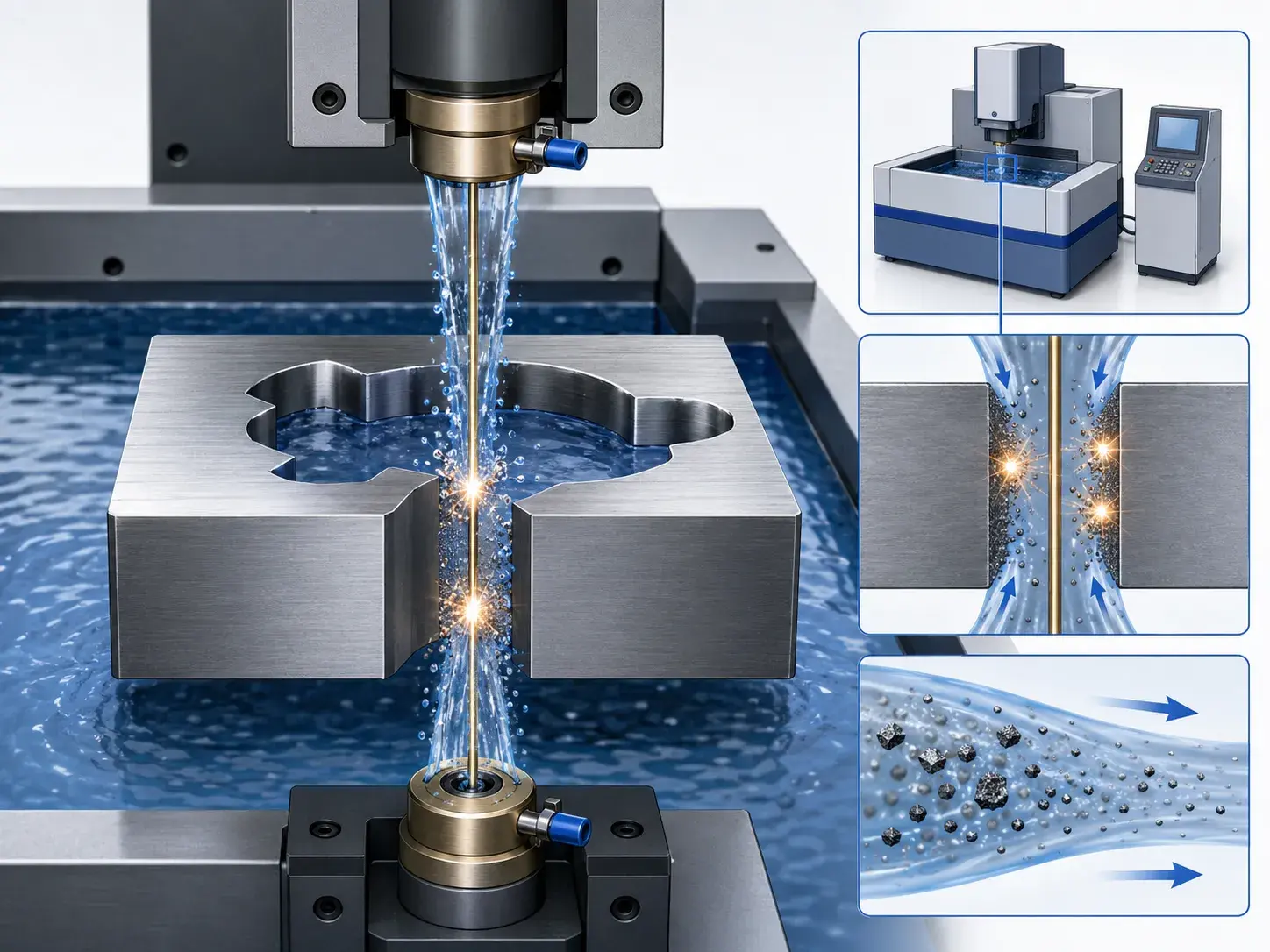
What Is a CNC Wire Cut Machine? Wire EDM Process Explained

Wire EDM is like slowly cutting through a metal material with a “live wire.” Its cutting...

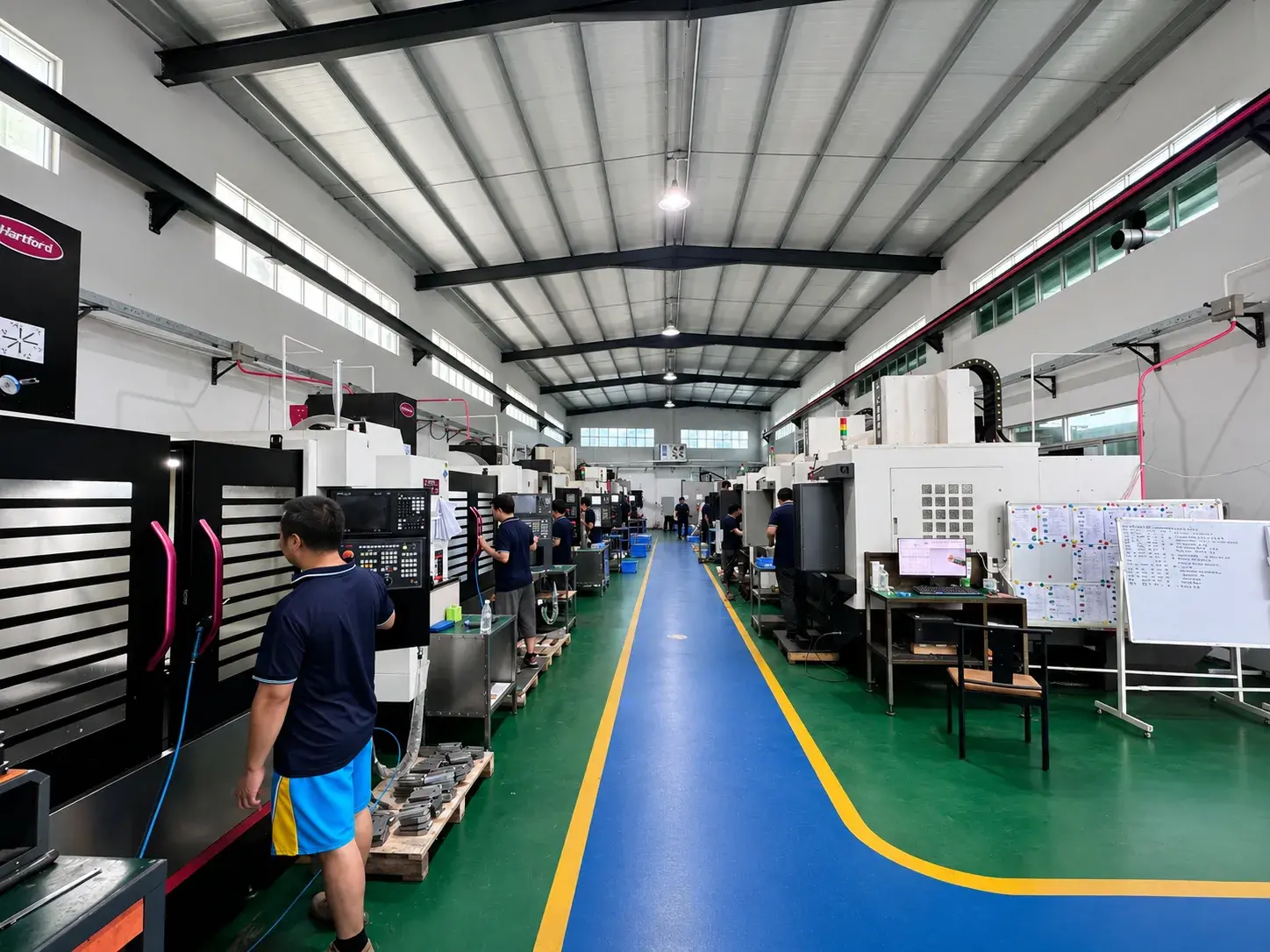
What Is a CNC Machine Shop?

A CNC machine shop is a manufacturing facility that uses CNC machine tools to produce custom...

How to Design Parts for 5 Axis CNC Machining: Practical DFM Tips

Five-Axis Machining does indeed allow access to parts from multiple angles and reduces the number of...

What Is 5-Axis CNC Programming? Toolpaths, CAM & Simulation

5-axis CNC programming is the process of creating toolpaths for a 5-axis CNC machine. The programmer...

What Is Rapid Prototyping? Methods & CNC Applications

Rapid prototyping plays an important role in the development of products.It allows for the fast production...

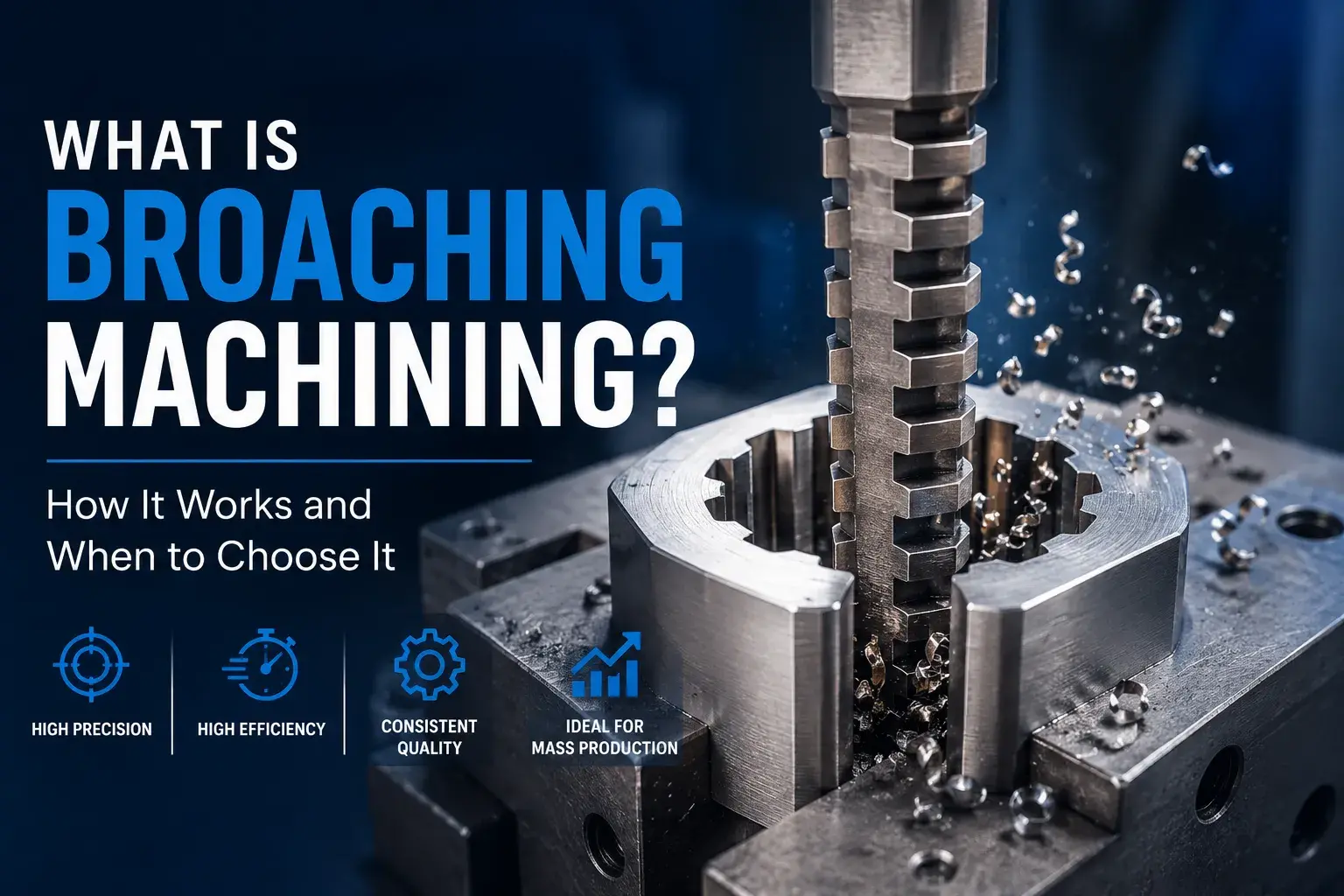
What Is Broaching Machining? How It Works, Types & Common Applications

In modern mechanical manufacturing, CNC milling and CNC turning are widely known, while broaching machining is...

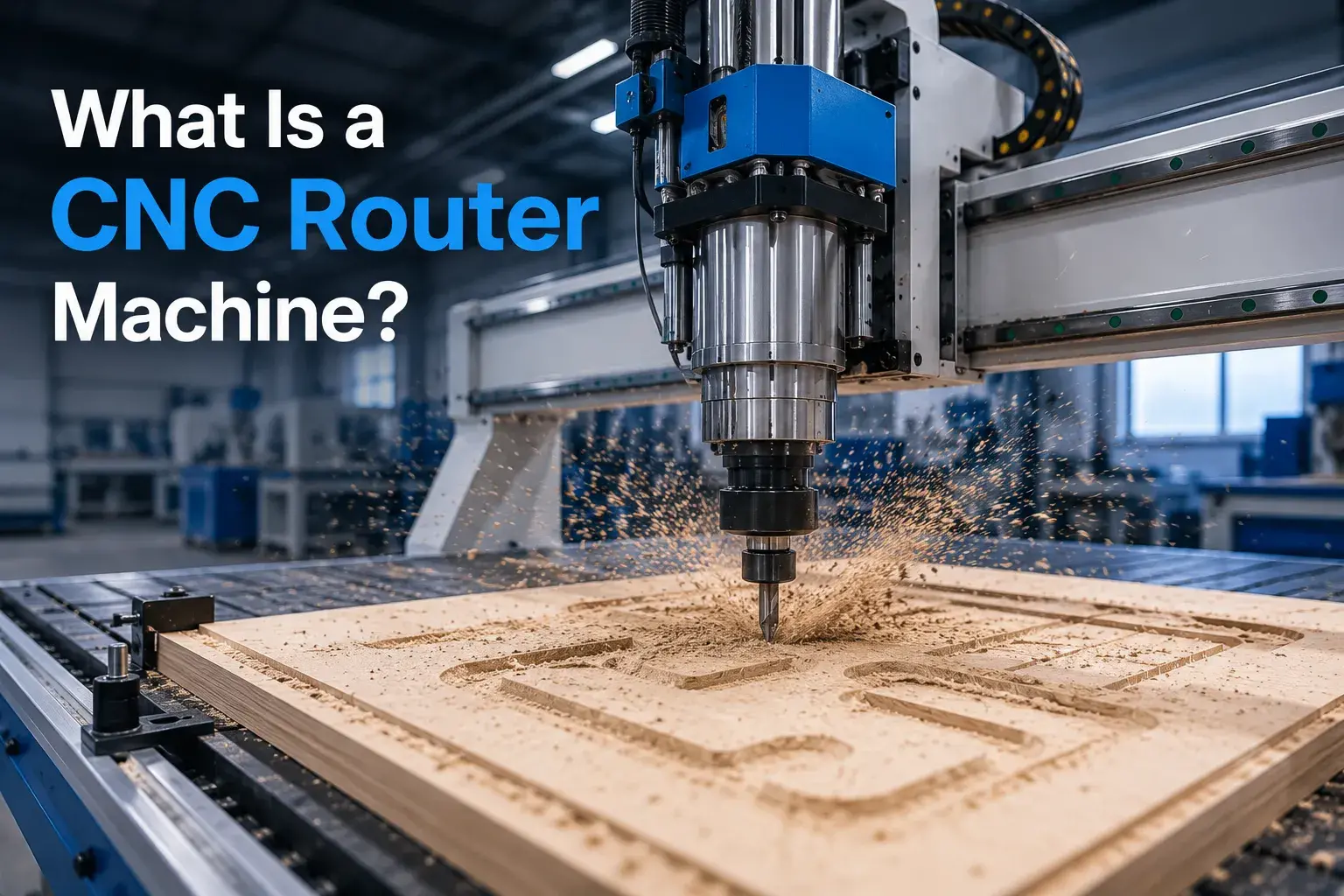
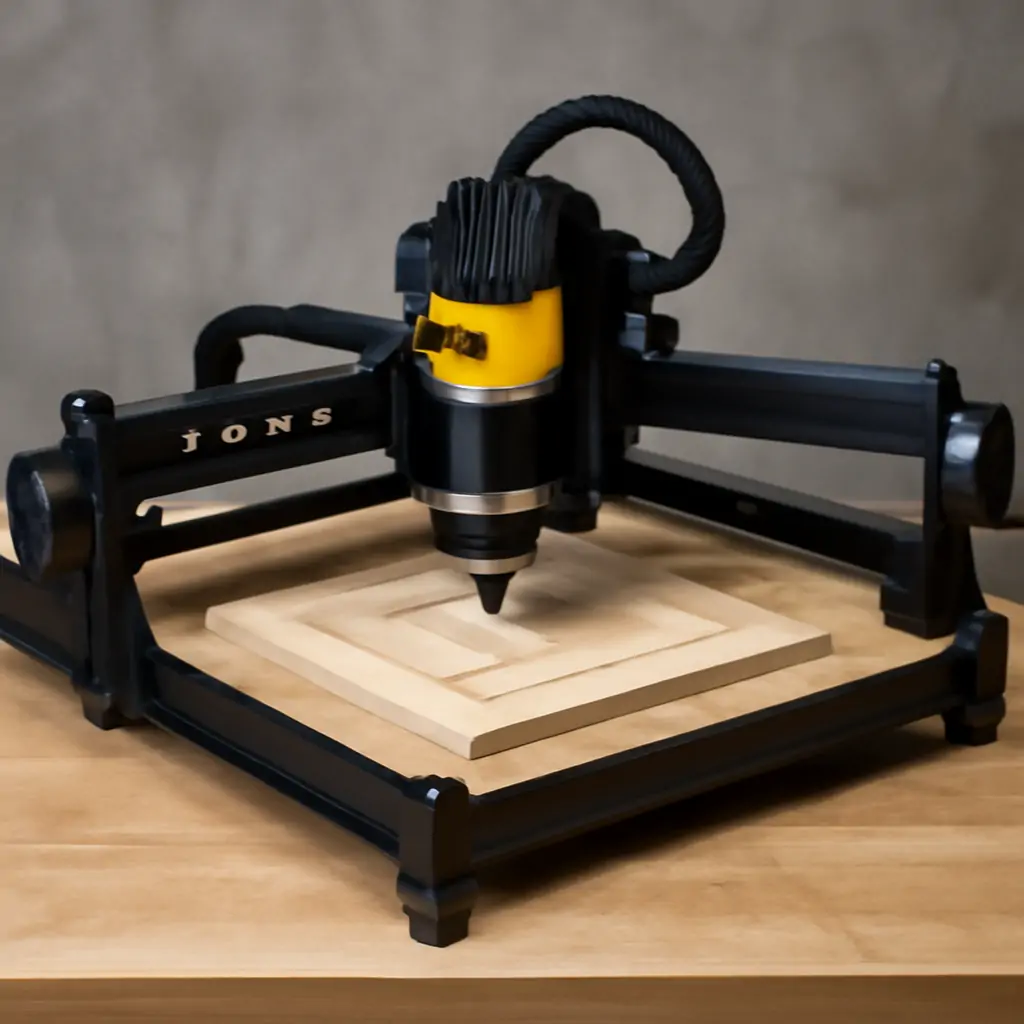
What Is a CNC Router Machine? Everything You Need to Know

A CNC router is a machining device that uses computer programs to automatically control the movement...

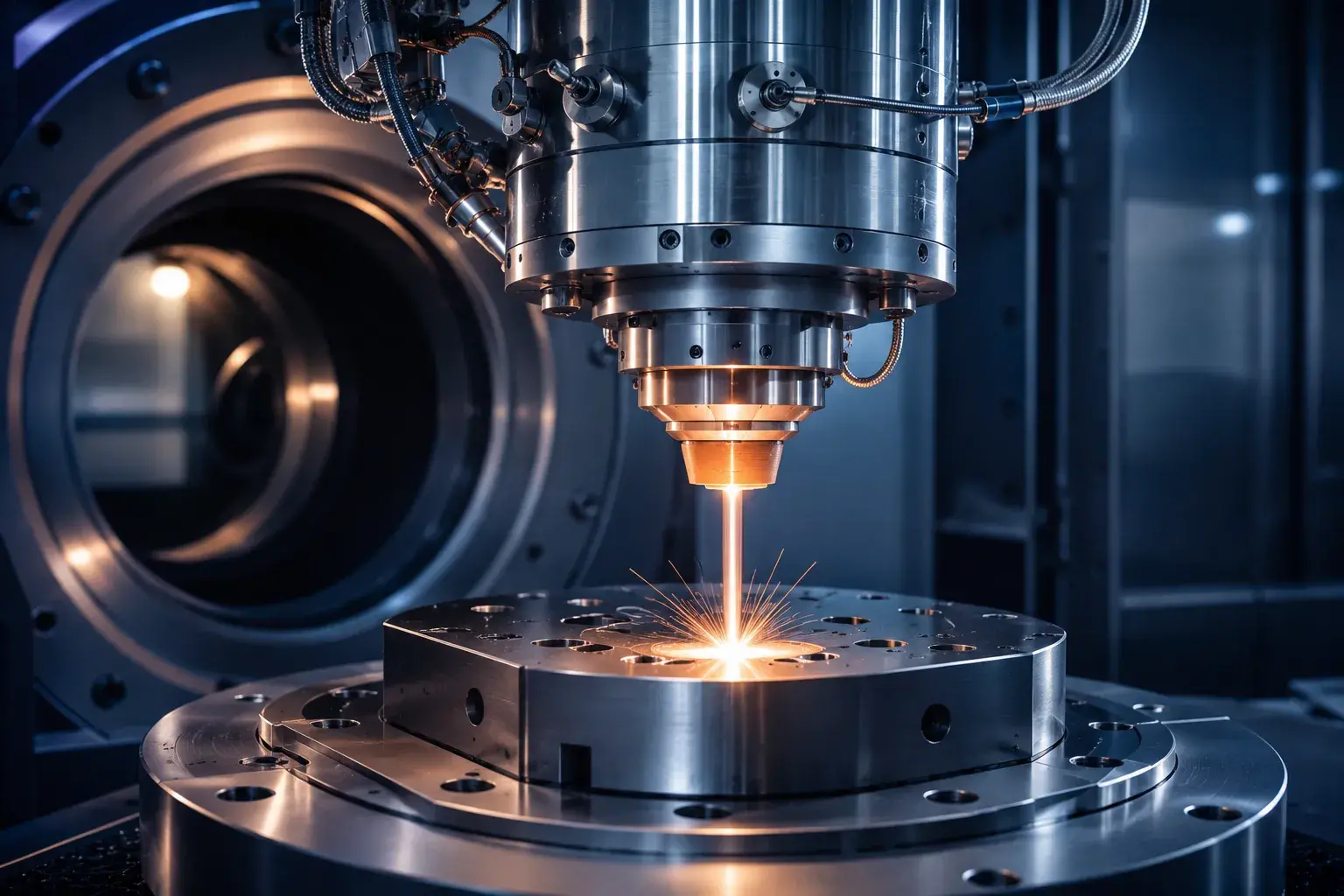
What Is Electron Beam Machining? Process, Advantages & Applications

Electron Beam Machining is a high-precision, non-traditional machining process that utilizes the high energy generated by...

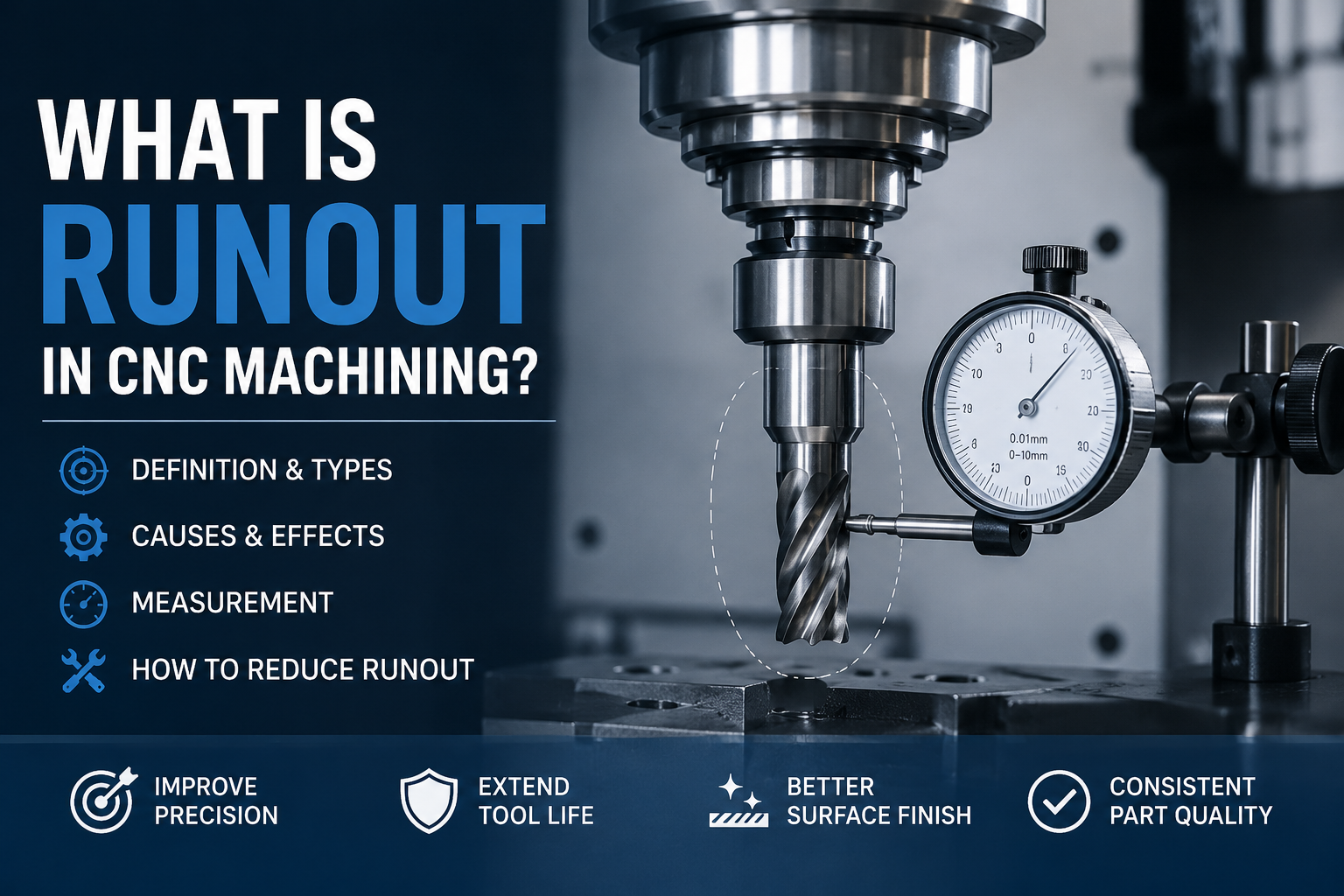
What Is Runout in Machining? Causes, Effects & How to Reduce It

In CNC machining, even if the machine tool has very high precision, runout in the cutting...

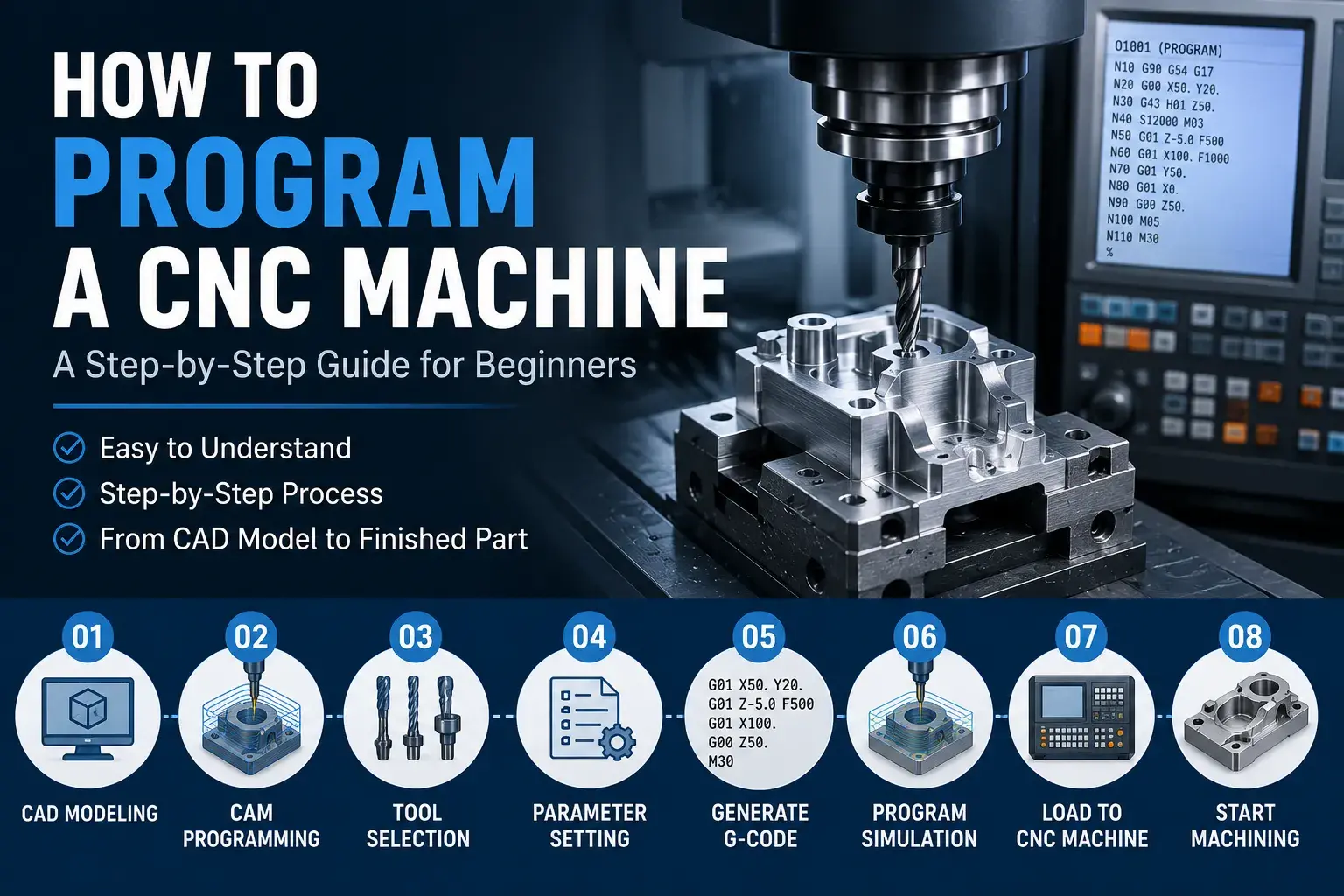
How to Program a CNC Machine: A Beginner’s Guide

CNC programming typically involves creating a CAD model, generating toolpaths in CAM software, outputting G-code, and...

Grizzly G8689 Ultimate Guide: Master Your Drill Mill for Precision Workshop Projects

Explore the complete guide to Grizzly G8689 drill mill. Learn about key features, industry applications and...

5 Axis CNC Explained: Your Complete Guide to Multi-Side Precision Machining

Master 5 axis cnc machining with our complete guide. Explore best practices, technical specs, and solutions...

5 Axis Mills Explained: Your Desktop Guide to Professional Multi-Sided Machining

Master 5 axis mills with our complete guide to desktop CNC milling. Unlock best practices, key...

What is CNC? The Friend’s Guide to the Brains Behind Modern Manufacturing

Explore the ultimate guide to CNC systems. Learn what CNC (Computer Numerical Control) is, its core...

CNC Machine Buying Guide: What You Need to Know Before Making a Purchase

Explore the ultimate guide to purchasing CNC machines. Learn about key specifications, industry applications, and best...

The Ultimate Guide to CNC Kopen: Key Features and Considerations

Thinking about buying a CNC machine? You’ve come to the right place! This guide will help...

Complete Guide to CNC Router Machines: A Beginner’s Handbook

Unlock the full potential of CNC router technology. Our complete guide covers best practices, key features,...

How to Choose the Right Commercial CNC Machine for Your Business

Looking to enhance your manufacturing process with a reliable CNC router supplier? Our complete guide walks...

How to Choose the Best X Carve CNC for Your Workshop

Master your projects with our Complete Guide to X Carve CNC. Discover best practices, key features,...

The Complete Guide to X Carve CNC Machine for Beginners

Learn everything you need to know about X Carve CNC routers. Explore their performance, features, and...

How to Start Your Own CNC Machine Business: A Complete Guide

Discover the essentials of running a CNC machine side hustle. Learn best practices, technical specifications, and...

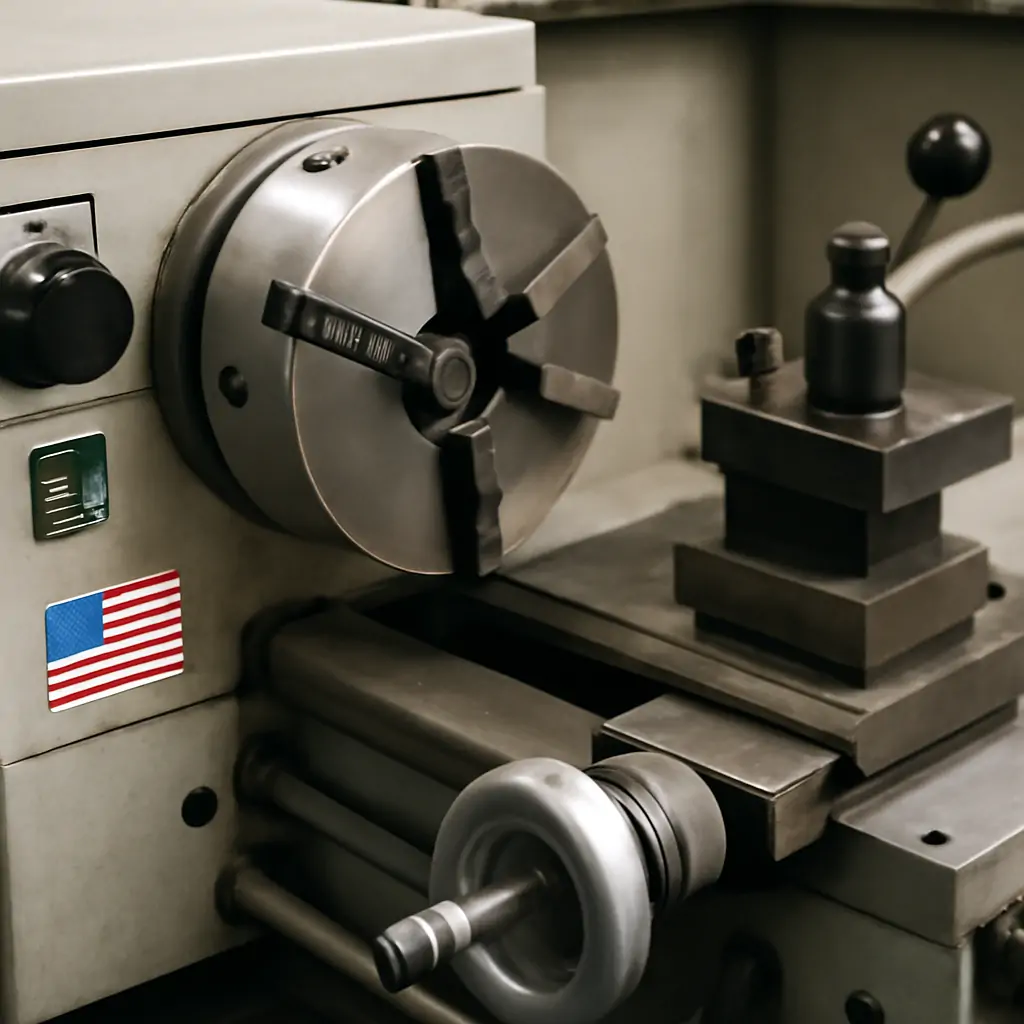
Why Choose Lathes Made in the USA? Benefits for Your Workshop

Learn everything you need to know about American-made metal lathes. Discover key features, best practices, and...

Ready to Turn Your Design Into Parts?

Share your drawings and requirements with us. We’ll help you review materials, tolerances, machining methods, and finishing options for your project.

Request A Quote
Upload your drawing and get a quote within 24 hours.